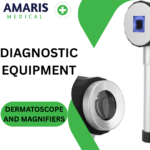
 Dermatoscope and Magnifiers
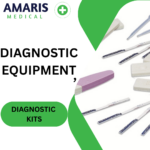 Diagnostic Kits
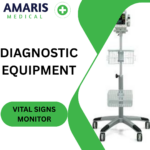 Vital Signs Monitors
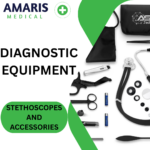 Stethoscopes and Accessories
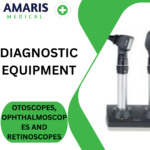 Otoscopes, Ophthalmoscopes, and Retinoscopes
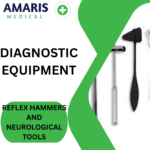 Reflex Hammers and Neurological Tools
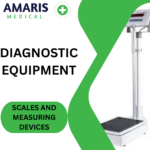 Scales and Measuring Devices
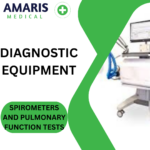 Spirometers and Pulmonary Function Tests
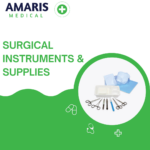
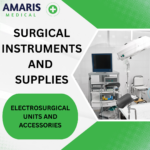 Electrosurgical Units and Accessories
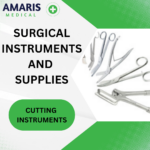 Cutting Instruments
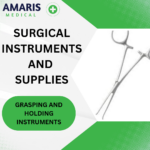 Grasping and Holding Instruments
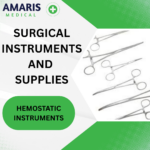 Hemostatic Instruments
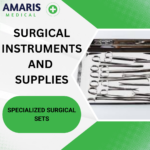 Specialized Surgical Sets
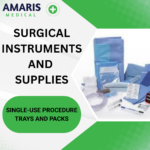 Single-Use Procedure Trays and Packs
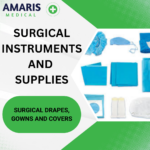 Surgical Drapes, Gowns, and Covers
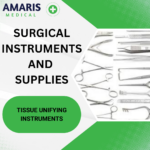 Tissue Unifying Instruments
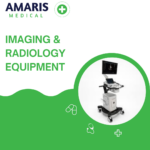
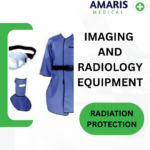 Radiation Protection
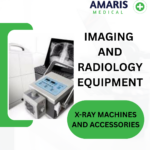 X-Ray Machines and Accessories
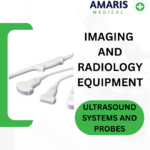 Ultrasound Systems and Probes
 MRI and CT Scanners
 Radiology Consumables
 Bone Densitometers
 Fluoroscopy Equipment
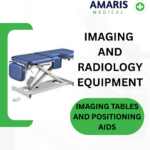 Imaging Tables and Positioning Aids
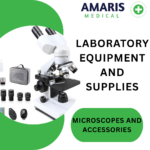 Microscopes and Accessories
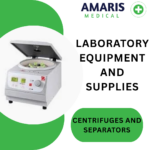 Centrifuges and Separators
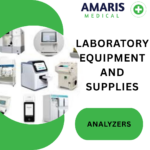 Analyzers
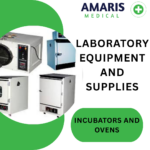 Incubators and Ovens
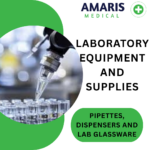 Pipettes, Dispensers, and Lab Glassware
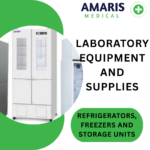 Refrigerators, Freezers, and Storage Units
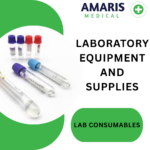 Lab Consumables
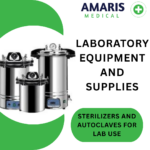 Sterilizers and Autoclaves for Lab Use
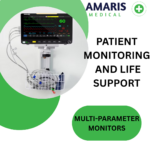 Multi-Parameter Monitors
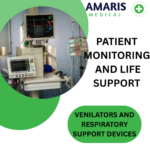 Ventilators and Respiratory Support Devices
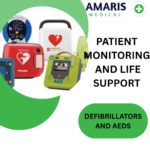 Defibrillators and AEDs
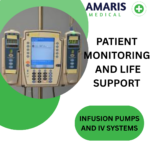 Infusion Pumps and IV Systems
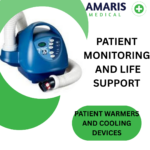 Patient Warmers and Cooling Devices
 Central Monitoring Stations
 Accessories
 Anesthesia Machines and Workstations
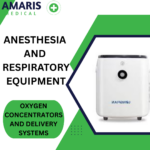 Oxygen Concentrators and Delivery Systems
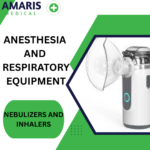 Nebulizers and Inhalers
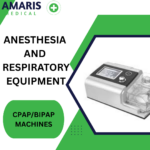 CPAP/BiPAP Machines
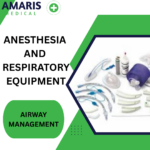 Airway Management
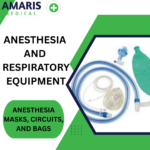 Anesthesia Masks, Circuits, and Bags
 Humidifiers and Heaters
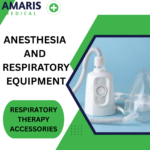 Respiratory Therapy Accessories
 First Aid Kits and Cabinets
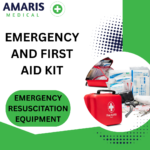 Emergency Resuscitation Equipment
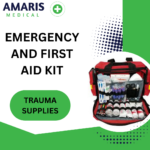 Trauma Supplies
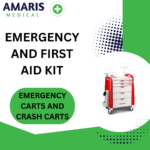 Emergency Carts and Crash Carts
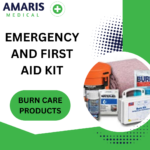 Burn Care Products
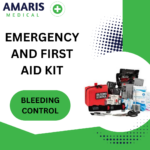 Bleeding Control
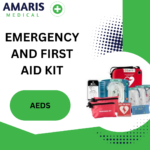 Automated External Defibrillators (AEDs)
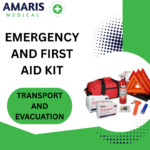 Transport and Evacuation

 Wheelchairs and Accessories
 Walkers, Crutches, and Canes
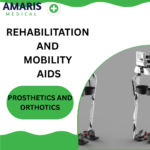 Prosthetics and Orthotics
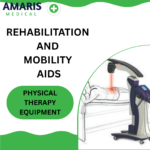 Physical Therapy Equipment
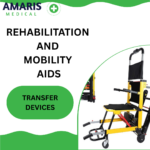 Transfer Devices
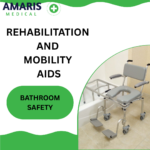 Bathroom Safety
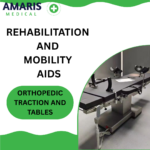 Orthopedic Traction and Tables
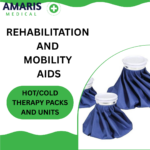 Hot/Cold Therapy Packs and Units

 Beds and Mattresses
 Chairs and Stools
 Tables
 Cabinets and Storage
 Privacy Screens & Curtains
 Stands and Racks
 Linens and Textiles
 Lighting
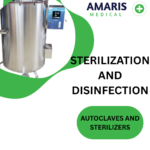 Autoclaves and Sterilizers
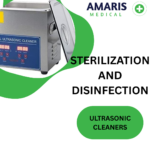 Ultrasonic Cleaners
 Disinfectant Solutions and Wipes
 Sterilization Pouches, Wraps, and Indicators
 Instrument Trays and Containers
 UV and Ozone Disinfection Devices
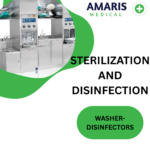 Washer Disinfectors
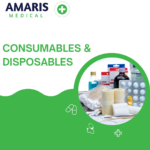
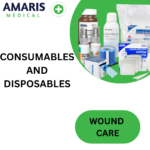 Wound Care
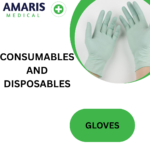 Gloves
 Masks and Respirators
 Catheters and Tubing
 Swabs, Applicators, and Sponges
 Incontinence Products
 Personal Protective Equipment (PPE)
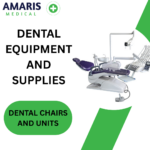 Dental Chairs and Units
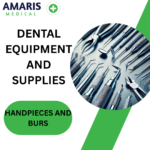 Handpieces and Burs
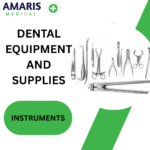 Instruments
 Consumables
 Sterilization for Dental Use
 Orthodontic Supplies
 Endodontic Tools
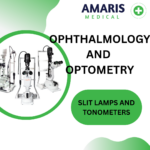 Slit Lamps and Tonometers
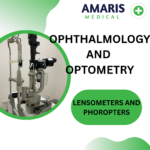 Lensometers and Phoropters
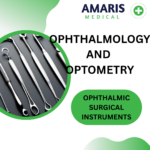 Ophthalmic Surgical Instruments
 Eyewear Frames and Lenses
 Contact Lens Supplies
 Vision Testing Charts and Devices
 Eye Care Consumables
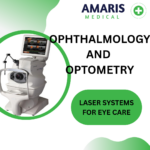 Laser Systems for Eye Care
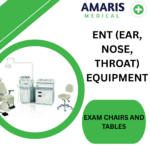 ENT Exam Chairs and Tables
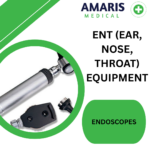 Endoscopes
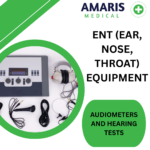 Audiometers and Hearing Tests
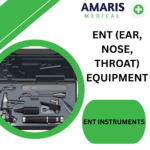 ENT Instruments
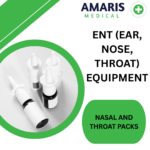 Nasal and Throat Packs
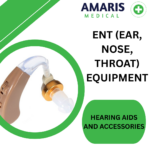 Hearing Aids and Accessories
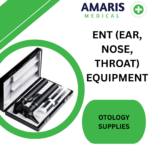 Otology Supplies
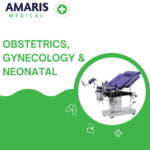
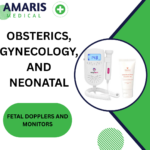 Fetal Dopplers and Monitors
 Delivery Beds and Tables
 Gynecological Instruments
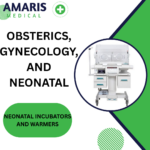 Neonatal Incubators and Warmers
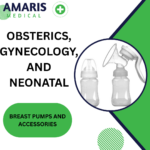 Breast Pumps and Accessories
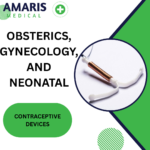 Contraceptive Devices
 Maternity Supports and Pads
 Neonatal Consumables
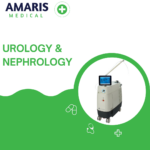
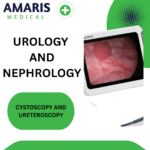 Cystoscopes and Urethroscopes
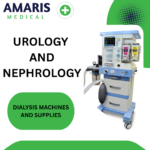 Dialysis Machines and Supplies
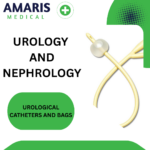 Urological Catheters and Bags
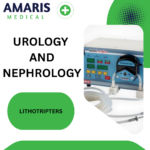 Lithotripters
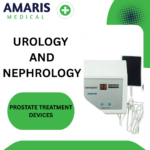 Prostate Treatment Devices
 Urinary Incontinence Products
 Kidney Stone Management Tools
 Consumables & Disposables
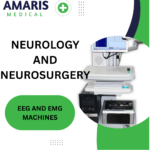 EEG and EMG Machines
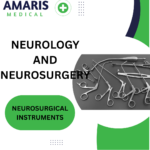 Neurosurgical Instruments
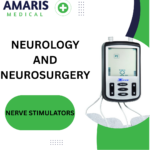 Nerve Stimulators
 Headrests and Positioning Aids
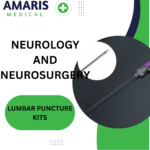 Lumbar Puncture Kits
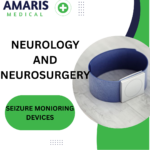 Seizure Monitoring Devices
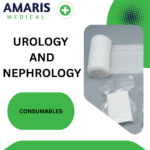 Consumables
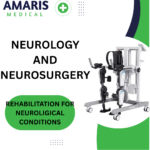 Rehabilitation for Neurological Conditions
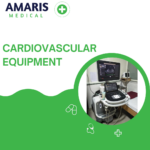
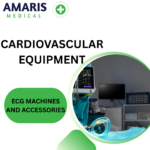 ECG Machines and Accessories
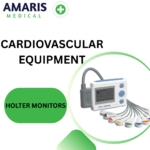 Holter Monitors
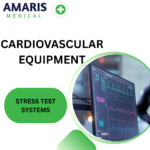 Stress Test Systems
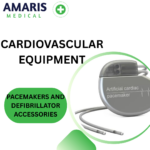 Pacemakers and Defibrillator Accessories
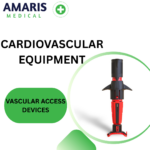 Vascular Access Devices
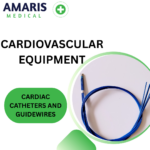 Cardiac Catheters and Guidewires
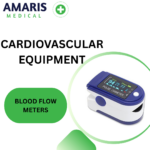 Blood Flow Meters
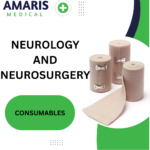 Consumables

 Orthopedic Instruments
 Casts, Splints, and Padding
 Joint Replacement Supplies
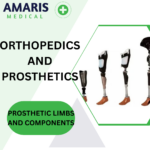 Prosthetic Limbs and Components
 Bone Grafts and Substitutes
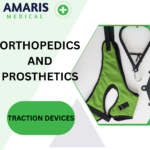 Traction Devices
 Orthopedic Braces and Supports
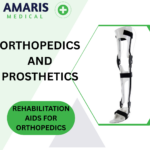 Rehabilitation Aids for Orthopedics
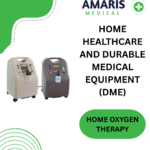 Home Oxygen Therapy
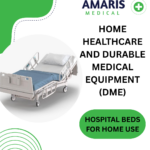 Hospital Beds for Home Use
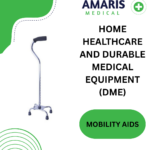 Mobility Aids
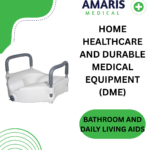 Bathroom and Daily Living Aids
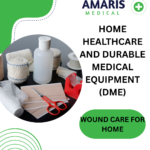 Wound Care for Home
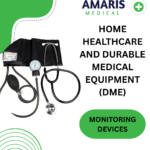 Monitoring Devices
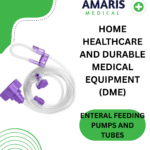 Enteral Feeding Pumps and Tubes
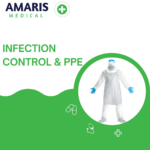
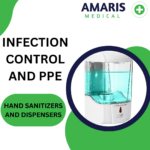 Hand Sanitizers and Dispensers
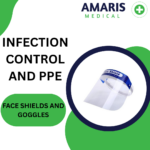 Face Shields and Goggles
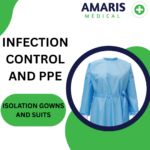 Isolation Gowns and Suits
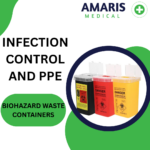 Biohazard Waste Containers
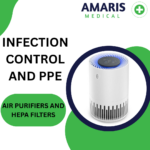 Air Purifiers and HEPA Filters
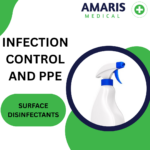 Surface Disinfectants
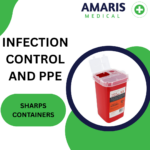 Sharps Containers
 Protective Barriers
 Cardiovascular & Endurance Training
 Strength Training & Weightlifting
 Functional Training & Core Conditioning
 Physical Therapy & Rehabilitation
 Sports & Outdoor Recreation
 Gym Flooring & Facility Equipment
 Fitness Monitoring & Accessories
 Kids & Novelties
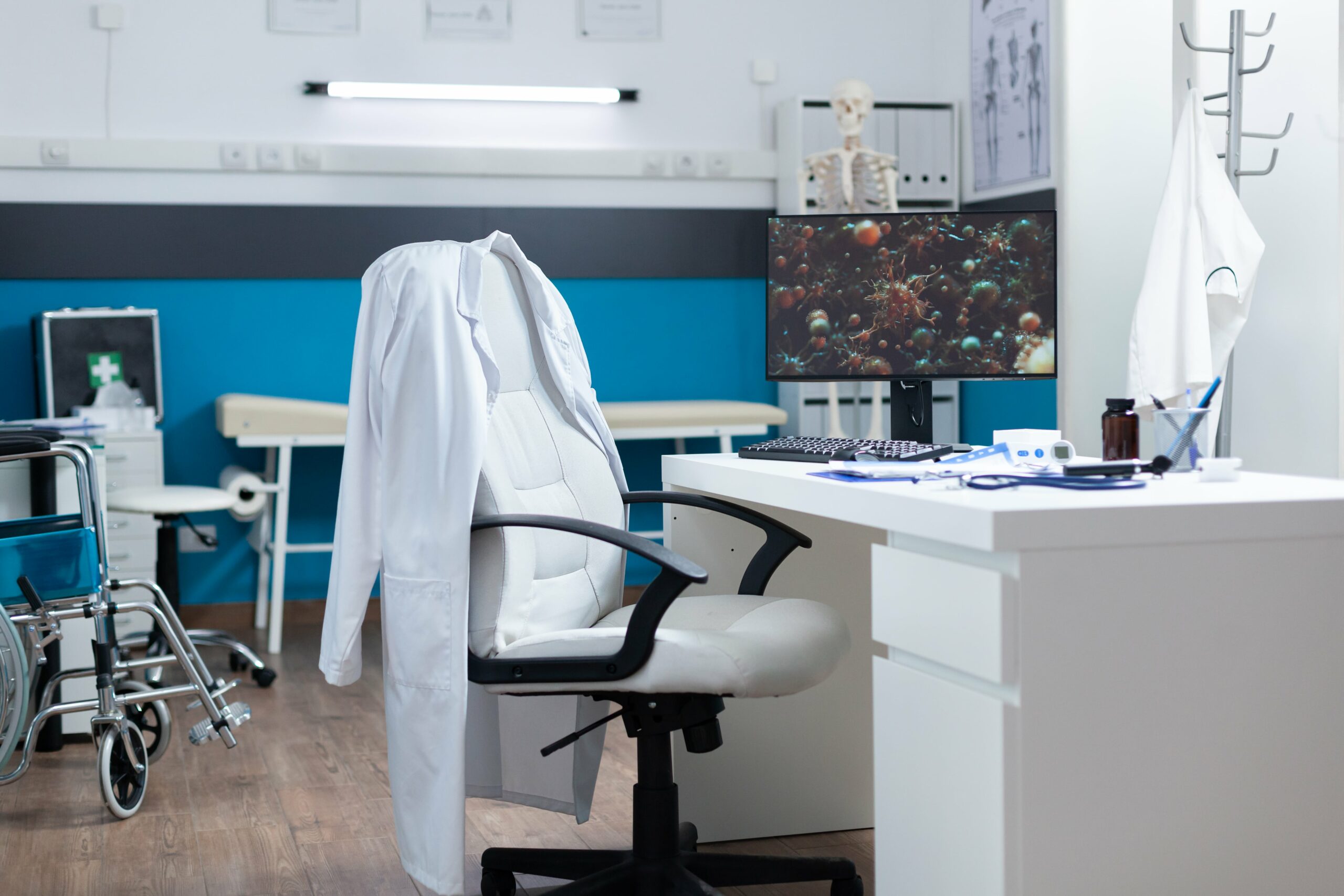
⚡🩸 The Rise of Rapid Diagnostic Testing in Modern Healthcare


In modern healthcare, time can make a significant difference. 🏥 When a patient arrives at a hospital or clinic with worrying symptoms, healthcare professionals need reliable information to guide their next steps. This is one reason rapid diagnostic testing is becoming increasingly important, helping provide results for certain medical tests within minutes rather than requiring longer laboratory processing times.
Rapid diagnostic tests are designed to detect specific markers, infections, or other indicators of health conditions within a relatively short period. 🔬 They are used in various healthcare settings, including hospitals, outpatient clinics, emergency departments, and community health programs.
Common examples include rapid malaria tests, pregnancy tests, blood glucose tests, selected infectious disease tests, and certain point-of-care blood tests. 🧪 The time required to obtain a result depends on the test, the device, and the procedure being followed.
One of the biggest advantages of rapid testing is its potential to support timely clinical decisions. ⏱️ When an appropriate result is available quickly, healthcare professionals can assess the findings alongside a patient’s symptoms and medical history to determine the next steps. This may help reduce delays in diagnosis and care.
Rapid diagnostic testing is particularly valuable when assessing infectious diseases. 🦠 In Kenya, malaria remains an important public health concern, making timely testing relevant in areas where the disease occurs. Rapid malaria diagnostic tests can help detect evidence of infection and support appropriate clinical assessment. However, results must always be interpreted correctly, and further investigation may be needed when symptoms and test findings do not agree.
Rapid tests can also support maternal and reproductive healthcare. 🤰 Pregnancy tests, for example, can provide quick information that helps guide further assessment and care. Other diagnostic tools can assist healthcare professionals in evaluating specific conditions during pregnancy, depending on the clinical situation.
Another important development is point-of-care testing, which brings selected diagnostic tests closer to patients. 📍 Instead of sending every sample to a central laboratory, healthcare facilities can perform certain tests within wards, consultation rooms, emergency departments, or outreach settings.


This approach can be especially useful in rural and underserved communities. 🇰🇪 In parts of Kenya where patients may travel long distances to reach healthcare facilities, appropriately selected portable diagnostic devices can help make certain tests more accessible. Mobile health teams may also use rapid tests during community screening and outreach programs.
Modern rapid diagnostic technology extends beyond simple test kits. ⚙️ Compact analyzers, handheld devices, portable blood-testing systems, and other point-of-care instruments can perform selected investigations near the patient. These technologies differ in their capabilities, so healthcare facilities should select equipment based on the tests required, expected patient numbers, and available resources.
For busy hospitals and clinics, rapid testing may also help improve workflow. 📊 When suitable tests can be completed quickly, healthcare professionals may be able to make decisions without waiting for every result from a central laboratory. Nevertheless, the actual effect on waiting times depends on staffing, patient volumes, sample handling, and how results are communicated.
Despite these benefits, rapid does not automatically mean accurate. ⚠️ Every diagnostic test has limitations, and results can be affected by factors such as the timing of testing, sample quality, storage conditions, and the characteristics of the test itself.
Healthcare facilities must therefore follow the manufacturer’s instructions and established testing procedures. Staff training, appropriate quality-control measures, correct storage of test kits, and monitoring of expiry dates are essential. 🧑🔬 Some results may also require confirmation using another method, depending on the test and the clinical situation.
For laboratories and healthcare providers in Kenya, affordability and reliable supply are important considerations. 💡 Facilities need to assess the cost per test, availability of consumables, storage requirements, equipment maintenance, and technical support. A diagnostic solution must be practical and sustainable, not simply fast.
Rapid testing also works best as part of a wider diagnostic system. 🏥 Complex cases may still require full laboratory investigations, imaging, specialist assessment, or additional testing. Central laboratories remain essential for many investigations that rapid tests cannot perform or may not reliably resolve.
Technology continues to evolve, with ongoing developments in portable analyzers, molecular diagnostics, digital reporting, and connected healthcare systems. 🚀 These innovations may expand the range of conditions that can be investigated quickly and help healthcare professionals access results more efficiently.
The goal is not to replace traditional laboratory testing. Instead, rapid diagnostic tests and comprehensive laboratory services can complement each other, giving healthcare providers different options depending on the patient’s needs.
🔚 Final Thoughts
Rapid diagnostic testing is playing an increasingly important role in modern healthcare. ⚡🩺 By providing timely results for selected conditions, these tests can support clinical assessment, improve access to diagnostics, and help healthcare teams make informed decisions.
For Kenya and the global healthcare community, the priority is to combine speed with accuracy, quality assurance, trained professionals, and reliable equipment. 🌍🇰🇪 With thoughtful implementation, rapid diagnostics can contribute to more responsive and accessible healthcare services.
At Amaris Medical Solutions, access to suitable medical and diagnostic equipment is part of supporting healthcare providers in their efforts to deliver quality patient care. 🤝🔬