
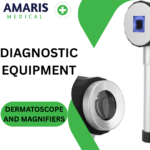
 Dermatoscope and Magnifiers
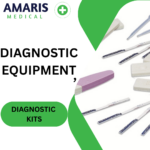 Diagnostic Kits
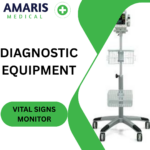 Vital Signs Monitors
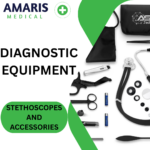 Stethoscopes and Accessories
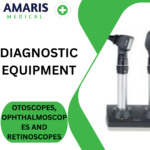 Otoscopes, Ophthalmoscopes, and Retinoscopes
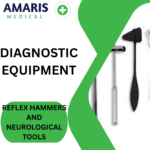 Reflex Hammers and Neurological Tools
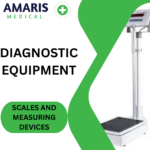 Scales and Measuring Devices
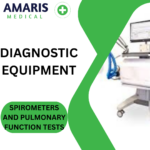 Spirometers and Pulmonary Function Tests
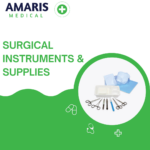
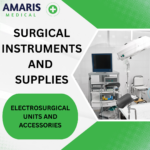 Electrosurgical Units and Accessories
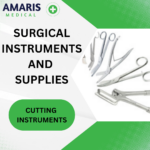 Cutting Instruments
 Grasping and Holding Instruments
 Hemostatic Instruments
 Specialized Surgical Sets
 Single-Use Procedure Trays and Packs
 Surgical Drapes, Gowns, and Covers
 Tissue Unifying Instruments
 Radiation Protection
 X-Ray Machines and Accessories
 Ultrasound Systems and Probes
 MRI and CT Scanners
 Radiology Consumables
 Bone Densitometers
 Fluoroscopy Equipment
 Imaging Tables and Positioning Aids
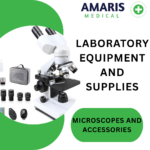 Microscopes and Accessories
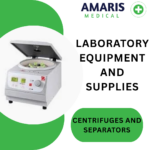 Centrifuges and Separators
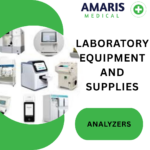 Analyzers
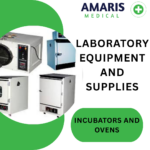 Incubators and Ovens
 Pipettes, Dispensers, and Lab Glassware
 Refrigerators, Freezers, and Storage Units
 Lab Consumables
 Sterilizers and Autoclaves for Lab Use
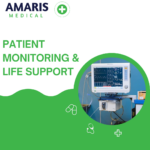
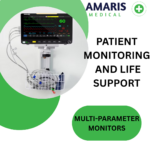 Multi-Parameter Monitors
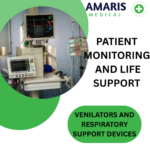 Ventilators and Respiratory Support Devices
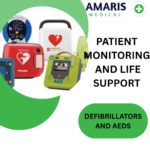 Defibrillators and AEDs
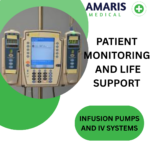 Infusion Pumps and IV Systems
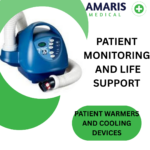 Patient Warmers and Cooling Devices
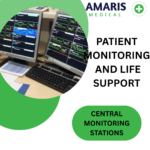 Central Monitoring Stations
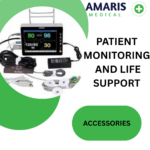 Accessories
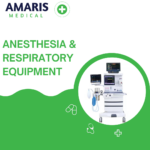
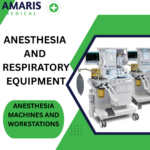 Anesthesia Machines and Workstations
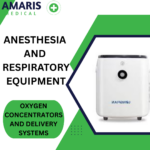 Oxygen Concentrators and Delivery Systems
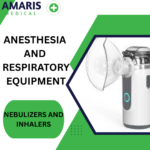 Nebulizers and Inhalers
 CPAP/BiPAP Machines
 Airway Management
 Anesthesia Masks, Circuits, and Bags
 Humidifiers and Heaters
 Respiratory Therapy Accessories
 First Aid Kits and Cabinets
 Emergency Resuscitation Equipment
 Trauma Supplies
 Emergency Carts and Crash Carts
 Burn Care Products
 Bleeding Control
 Automated External Defibrillators (AEDs)
 Transport and Evacuation

 Wheelchairs and Accessories
 Walkers, Crutches, and Canes
 Prosthetics and Orthotics
 Physical Therapy Equipment
 Transfer Devices
 Bathroom Safety
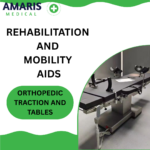 Orthopedic Traction and Tables
 Hot/Cold Therapy Packs and Units

 Beds and Mattresses
 Chairs and Stools
 Tables
 Cabinets and Storage
 Privacy Screens & Curtains
 Stands and Racks
 Linens and Textiles
 Lighting
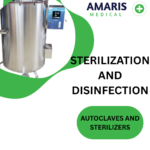 Autoclaves and Sterilizers
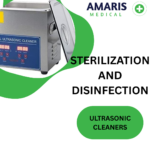 Ultrasonic Cleaners
 Disinfectant Solutions and Wipes
 Sterilization Pouches, Wraps, and Indicators
 Instrument Trays and Containers
 UV and Ozone Disinfection Devices
 Washer Disinfectors
 Wound Care
 Gloves
 Masks and Respirators
 Catheters and Tubing
 Swabs, Applicators, and Sponges
 Incontinence Products
 Personal Protective Equipment (PPE)
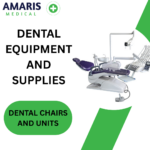 Dental Chairs and Units
 Handpieces and Burs
 Instruments
 Consumables
 Sterilization for Dental Use
 Orthodontic Supplies
 Endodontic Tools
 Slit Lamps and Tonometers
 Lensometers and Phoropters
 Ophthalmic Surgical Instruments
 Eyewear Frames and Lenses
 Contact Lens Supplies
 Vision Testing Charts and Devices
 Eye Care Consumables
 Laser Systems for Eye Care
 ENT Exam Chairs and Tables
 Endoscopes
 Audiometers and Hearing Tests
 ENT Instruments
 Nasal and Throat Packs
 Hearing Aids and Accessories
 Otology Supplies
 Fetal Dopplers and Monitors
 Delivery Beds and Tables
 Gynecological Instruments
 Neonatal Incubators and Warmers
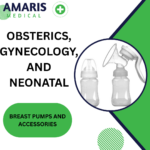 Breast Pumps and Accessories
 Contraceptive Devices
 Maternity Supports and Pads
 Neonatal Consumables
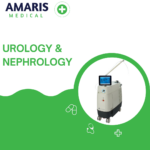
 Cystoscopes and Urethroscopes
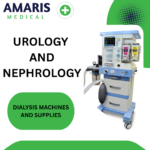 Dialysis Machines and Supplies
 Urological Catheters and Bags
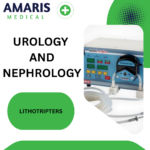 Lithotripters
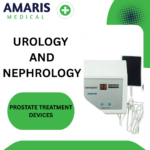 Prostate Treatment Devices
 Urinary Incontinence Products
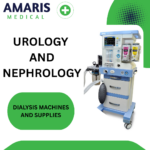 Kidney Stone Management Tools
 Consumables & Disposables
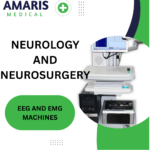 EEG and EMG Machines
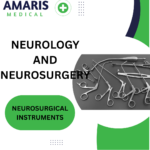 Neurosurgical Instruments
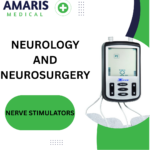 Nerve Stimulators
 Headrests and Positioning Aids
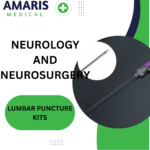 Lumbar Puncture Kits
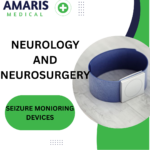 Seizure Monitoring Devices
 Consumables
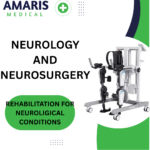 Rehabilitation for Neurological Conditions
 ECG Machines and Accessories
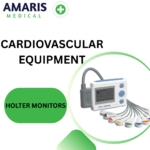 Holter Monitors
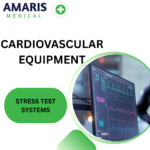 Stress Test Systems
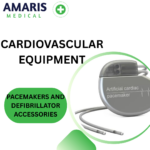 Pacemakers and Defibrillator Accessories
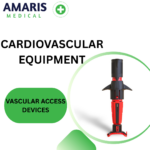 Vascular Access Devices
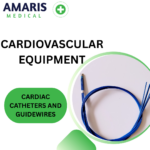 Cardiac Catheters and Guidewires
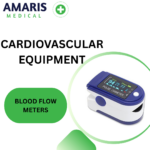 Blood Flow Meters
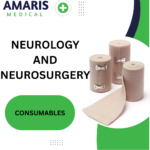 Consumables

 Orthopedic Instruments
 Casts, Splints, and Padding
 Joint Replacement Supplies
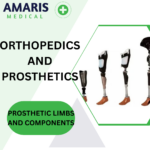 Prosthetic Limbs and Components
 Bone Grafts and Substitutes
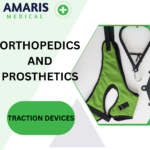 Traction Devices
 Orthopedic Braces and Supports
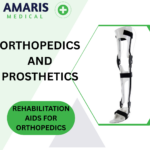 Rehabilitation Aids for Orthopedics
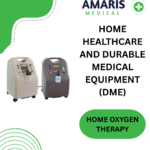 Home Oxygen Therapy
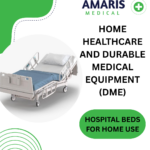 Hospital Beds for Home Use
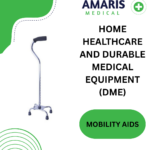 Mobility Aids
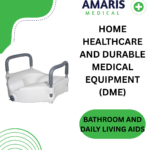 Bathroom and Daily Living Aids
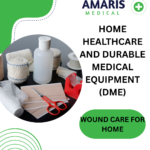 Wound Care for Home
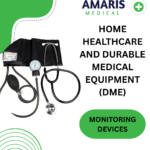 Monitoring Devices
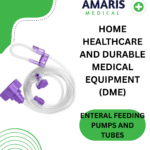 Enteral Feeding Pumps and Tubes
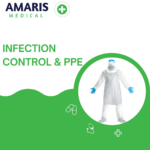
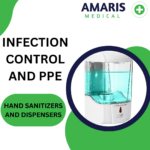 Hand Sanitizers and Dispensers
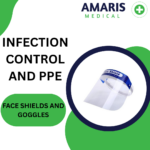 Face Shields and Goggles
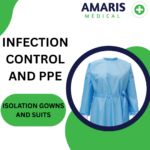 Isolation Gowns and Suits
 Biohazard Waste Containers
 Air Purifiers and HEPA Filters
 Surface Disinfectants
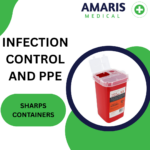 Sharps Containers
 Protective Barriers

 Cardiovascular & Endurance Training
 Strength Training & Weightlifting
 Functional Training & Core Conditioning
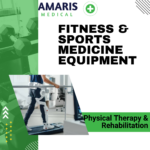 Physical Therapy & Rehabilitation
 Sports & Outdoor Recreation
 Gym Flooring & Facility Equipment
 Fitness Monitoring & Accessories
 Kids & Novelties
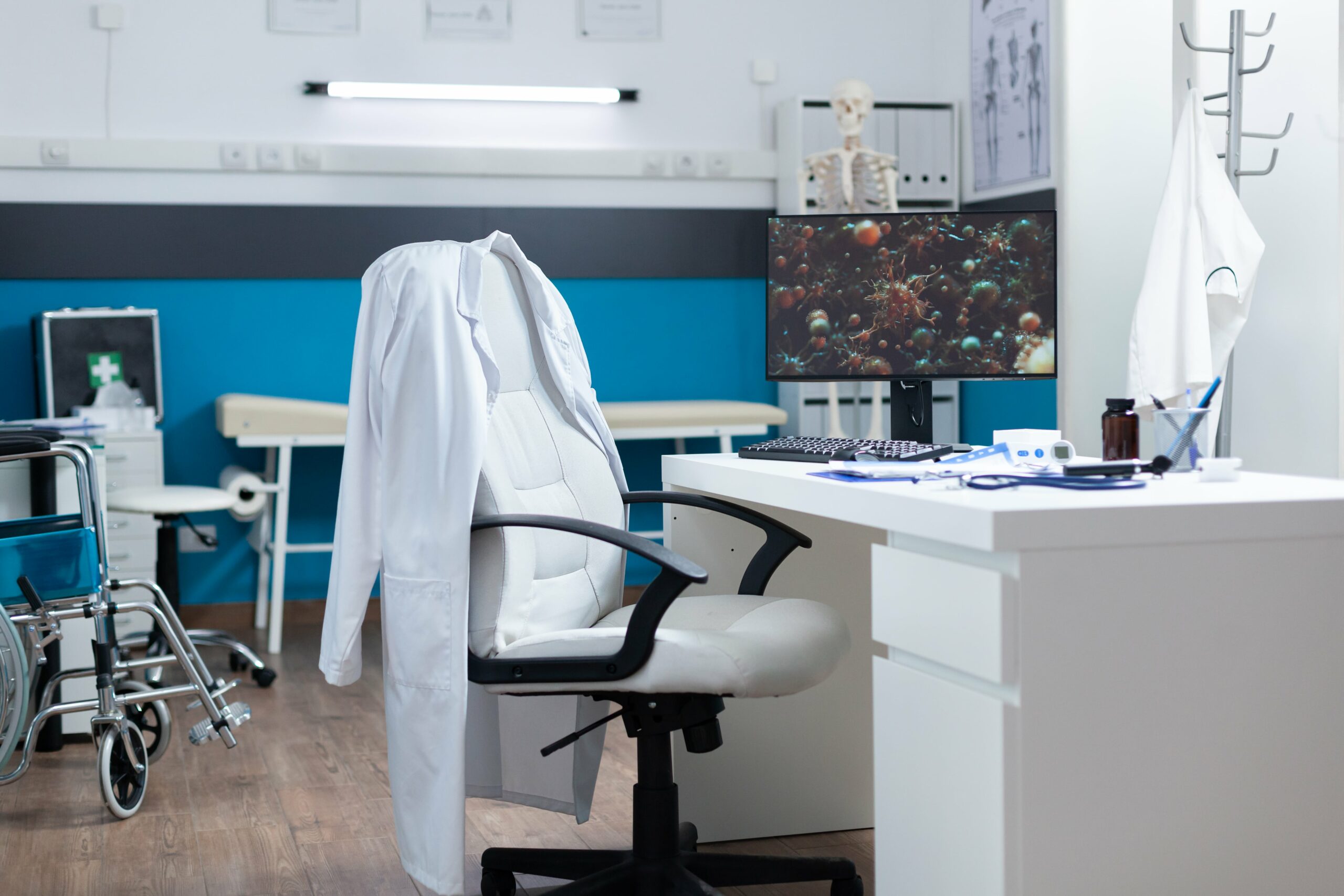
🏥🔬 From Rural Clinics to Modern Hospitals: Expanding Access to Diagnostic Technology


Access to reliable medical diagnostics is an essential part of quality healthcare. 🩺 Whether a patient visits a small rural clinic or a large modern hospital, timely and accurate test results can help healthcare professionals assess symptoms, identify possible health conditions, and make informed decisions about patient care.
Across Kenya and around the world, technology is creating new opportunities to improve access to diagnostic services. 🌍 From portable testing devices in community clinics to automated laboratory analyzers in major hospitals, modern equipment is helping healthcare facilities meet different patient needs.
However, access to diagnostic technology remains uneven. Some facilities have advanced laboratories and specialized equipment, while others face challenges such as limited funding, inadequate infrastructure, shortages of trained personnel, and difficulties obtaining essential supplies. Addressing these gaps is important for building more accessible and dependable healthcare systems.
One promising development is the growing availability of portable diagnostic equipment. 🔬 Compact blood analyzers, blood glucose meters, rapid diagnostic test kits, handheld devices, and portable ultrasound systems can support selected diagnostic services outside large hospital laboratories.
For rural clinics in Kenya, these technologies can be particularly valuable. 🇰🇪 Patients living far from major towns may face long journeys to access specialized healthcare services. When suitable diagnostic tests are available closer to their communities, healthcare professionals may be able to obtain useful information sooner and determine whether further investigation or referral is needed.
Point-of-care testing is another important part of this transformation. 🩸 It allows certain tests to be performed near the patient rather than always sending samples to a central laboratory. Depending on the equipment available, these tests may include blood glucose measurements, hemoglobin testing, pregnancy testing, and selected infectious disease tests.


Rapid testing can be useful in busy outpatient departments, emergency settings, and community health programs. ⚡ However, each test has specific capabilities and limitations. Healthcare professionals must follow appropriate procedures and interpret results in the context of the patient’s condition.
In larger hospitals, diagnostic technology often includes more advanced systems. 🏥 Automated hematology analyzers, clinical chemistry analyzers, electrolyte analyzers, blood gas analyzers, imaging systems, and other specialized instruments support a wider range of investigations.
These technologies can help hospitals process larger numbers of samples, perform specialized tests, and organize laboratory workflows more efficiently. When supported by trained staff and appropriate quality-control systems, modern equipment can contribute to reliable diagnostic services.
Digital technology is also helping connect different parts of healthcare. 💻 Laboratory information systems and electronic medical records can support the management of test requests, patient information, and diagnostic reports. Where systems are properly integrated, healthcare professionals may be able to access results more efficiently and coordinate patient care across departments.
For facilities in remote or underserved areas, digital connectivity may also support communication with specialists and referral laboratories. 🌐 However, reliable electricity, internet access, suitable infrastructure, and data protection measures remain important considerations.
Another priority is making diagnostic technology affordable and sustainable. 💡 Purchasing equipment is only one part of the investment. Healthcare facilities must also budget for reagents, test kits, consumables, maintenance, repairs, staff training, and replacement parts.
For healthcare providers in Kenya, the availability of technical support and reliable supplies can influence whether equipment remains operational over time. 🇰🇪 A diagnostic device that cannot be maintained or supplied with the necessary consumables may offer limited long-term value, even if it initially meets the facility’s needs.
Training is equally important. 👩🔬👨⚕️ Healthcare professionals need to know how to operate equipment correctly, collect and handle samples, recognize potential errors, and follow infection prevention procedures. Regular training can help facilities use diagnostic technology safely and effectively.
Quality assurance must remain a priority in every setting. 📊 Rural clinics using rapid test kits and large hospitals operating sophisticated analyzers both need procedures that help ensure dependable results. Depending on the test and equipment, these may include quality-control checks, calibration, maintenance, proficiency testing, and appropriate documentation.
Expanding diagnostic access also requires thoughtful planning. 🚑 Healthcare facilities should assess the conditions they commonly manage, the tests they need, expected patient numbers, available staff, and local infrastructure before selecting equipment. The most suitable solution is not always the most expensive or technologically advanced one; it is the solution that meets clinical needs reliably and sustainably.
Looking ahead, advances in portable diagnostics, laboratory automation, artificial intelligence, and connected healthcare systems may create further opportunities to extend diagnostic services. 🚀 These developments could help facilities improve workflows and bring selected tests closer to communities that have traditionally faced barriers to access.
The future of diagnostics is therefore not just about building bigger laboratories. It is about creating a connected healthcare system in which rural clinics, community health services, diagnostic centres, and modern hospitals can each access appropriate technology and work together effectively. 🤝🌍
🔚 Final Thoughts
Expanding access to diagnostic technology is an important step toward more inclusive healthcare. 🔬❤️ From portable testing devices in rural clinics to advanced laboratory systems in modern hospitals, the right equipment can help healthcare professionals obtain valuable information to support patient care.
For Kenya and the wider world, progress depends on more than technology alone. It requires affordable equipment, trained professionals, reliable supplies, proper maintenance, strong quality assurance, and investment in healthcare infrastructure. 🇰🇪🏥
At Amaris Medical Solutions, supporting access to suitable medical and laboratory equipment is part of helping healthcare providers meet the changing needs of their patients. Together, thoughtful investment and responsible use of technology can help build a future where quality diagnostic services are more accessible to the communities that need them. 💙🩺