
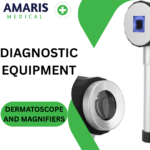
 Dermatoscope and Magnifiers
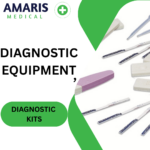 Diagnostic Kits
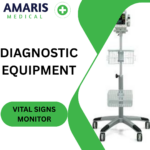 Vital Signs Monitors
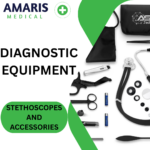 Stethoscopes and Accessories
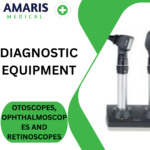 Otoscopes, Ophthalmoscopes, and Retinoscopes
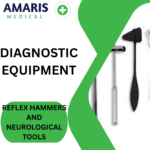 Reflex Hammers and Neurological Tools
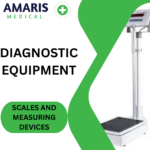 Scales and Measuring Devices
 Spirometers and Pulmonary Function Tests
 Electrosurgical Units and Accessories
 Cutting Instruments
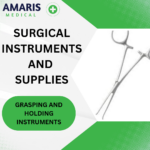 Grasping and Holding Instruments
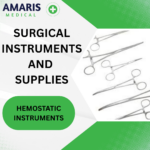 Hemostatic Instruments
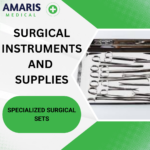 Specialized Surgical Sets
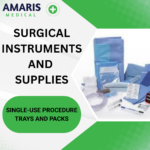 Single-Use Procedure Trays and Packs
 Surgical Drapes, Gowns, and Covers
 Tissue Unifying Instruments
 Radiation Protection
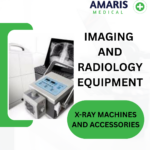 X-Ray Machines and Accessories
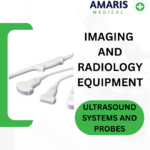 Ultrasound Systems and Probes
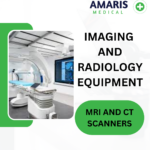 MRI and CT Scanners
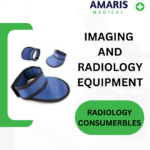 Radiology Consumables
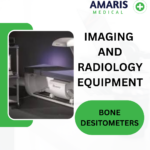 Bone Densitometers
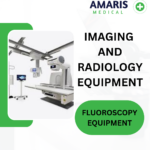 Fluoroscopy Equipment
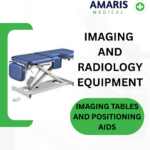 Imaging Tables and Positioning Aids
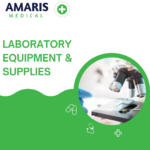
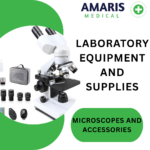 Microscopes and Accessories
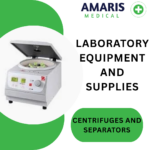 Centrifuges and Separators
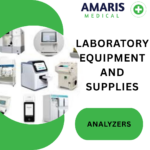 Analyzers
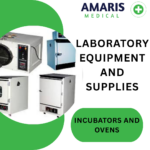 Incubators and Ovens
 Pipettes, Dispensers, and Lab Glassware
 Refrigerators, Freezers, and Storage Units
 Lab Consumables
 Sterilizers and Autoclaves for Lab Use
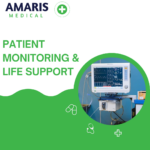
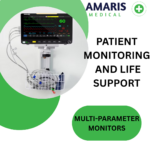 Multi-Parameter Monitors
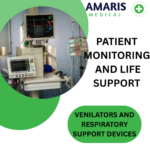 Ventilators and Respiratory Support Devices
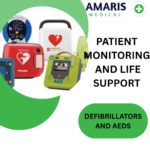 Defibrillators and AEDs
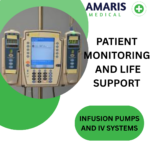 Infusion Pumps and IV Systems
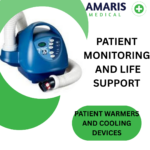 Patient Warmers and Cooling Devices
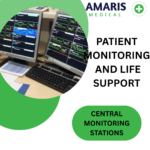 Central Monitoring Stations
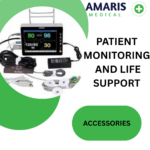 Accessories
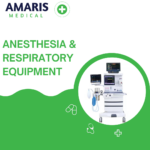
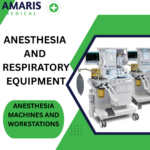 Anesthesia Machines and Workstations
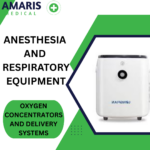 Oxygen Concentrators and Delivery Systems
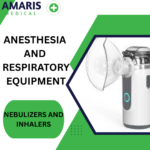 Nebulizers and Inhalers
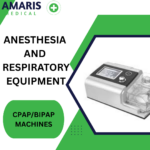 CPAP/BiPAP Machines
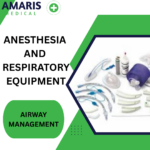 Airway Management
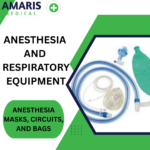 Anesthesia Masks, Circuits, and Bags
 Humidifiers and Heaters
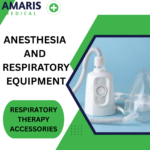 Respiratory Therapy Accessories
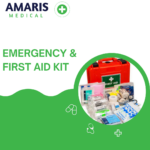
 First Aid Kits and Cabinets
 Emergency Resuscitation Equipment
 Trauma Supplies
 Emergency Carts and Crash Carts
 Burn Care Products
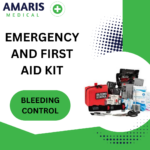 Bleeding Control
 Automated External Defibrillators (AEDs)
 Transport and Evacuation

 Wheelchairs and Accessories
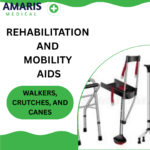 Walkers, Crutches, and Canes
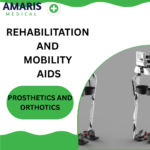 Prosthetics and Orthotics
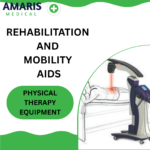 Physical Therapy Equipment
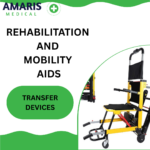 Transfer Devices
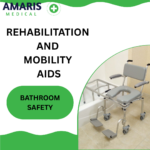 Bathroom Safety
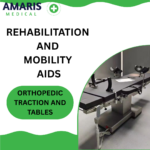 Orthopedic Traction and Tables
 Hot/Cold Therapy Packs and Units
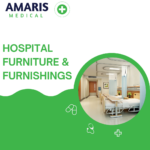
 Beds and Mattresses
 Chairs and Stools
 Tables
 Cabinets and Storage
 Privacy Screens & Curtains
 Stands and Racks
 Linens and Textiles
 Lighting

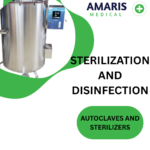 Autoclaves and Sterilizers
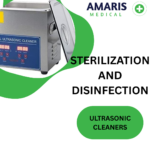 Ultrasonic Cleaners
 Disinfectant Solutions and Wipes
 Sterilization Pouches, Wraps, and Indicators
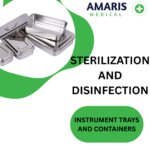 Instrument Trays and Containers
 UV and Ozone Disinfection Devices
 Washer Disinfectors
 Wound Care
 Gloves
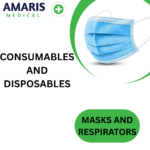 Masks and Respirators
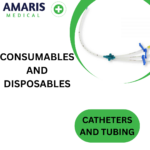 Catheters and Tubing
 Swabs, Applicators, and Sponges
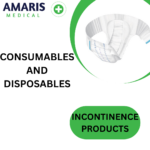 Incontinence Products
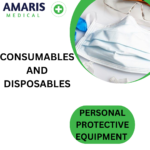 Personal Protective Equipment (PPE)
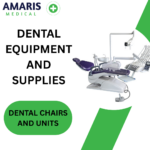 Dental Chairs and Units
 Handpieces and Burs
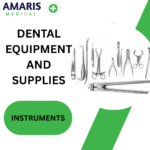 Instruments
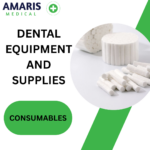 Consumables
 Sterilization for Dental Use
 Orthodontic Supplies
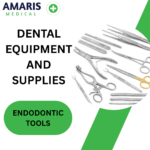 Endodontic Tools
 Slit Lamps and Tonometers
 Lensometers and Phoropters
 Ophthalmic Surgical Instruments
 Eyewear Frames and Lenses
 Contact Lens Supplies
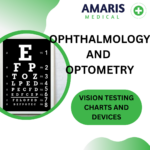 Vision Testing Charts and Devices
 Eye Care Consumables
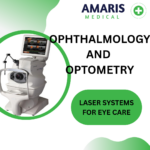 Laser Systems for Eye Care
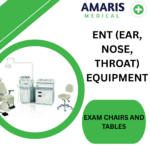 ENT Exam Chairs and Tables
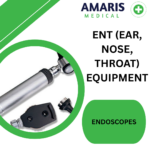 Endoscopes
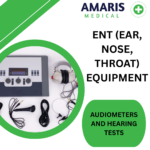 Audiometers and Hearing Tests
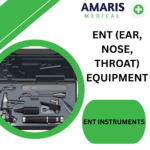 ENT Instruments
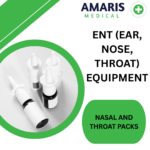 Nasal and Throat Packs
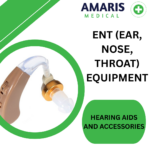 Hearing Aids and Accessories
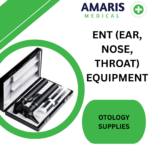 Otology Supplies
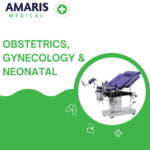
 Fetal Dopplers and Monitors
 Delivery Beds and Tables
 Gynecological Instruments
 Neonatal Incubators and Warmers
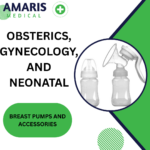 Breast Pumps and Accessories
 Contraceptive Devices
 Maternity Supports and Pads
 Neonatal Consumables
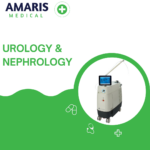
 Cystoscopes and Urethroscopes
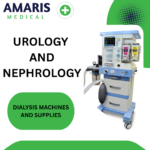 Dialysis Machines and Supplies
 Urological Catheters and Bags
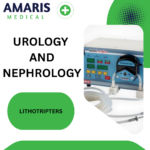 Lithotripters
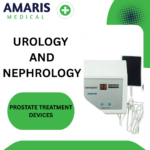 Prostate Treatment Devices
 Urinary Incontinence Products
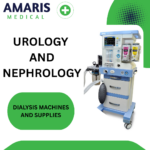 Kidney Stone Management Tools
 Consumables & Disposables
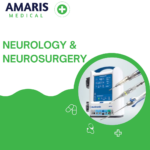
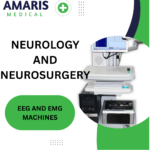 EEG and EMG Machines
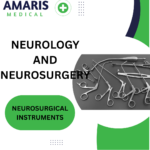 Neurosurgical Instruments
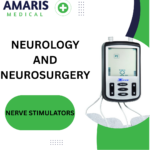 Nerve Stimulators
 Headrests and Positioning Aids
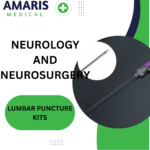 Lumbar Puncture Kits
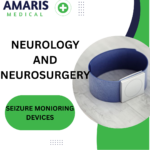 Seizure Monitoring Devices
 Consumables
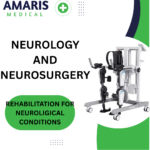 Rehabilitation for Neurological Conditions
 ECG Machines and Accessories
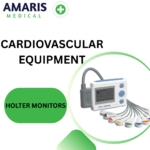 Holter Monitors
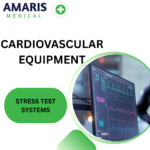 Stress Test Systems
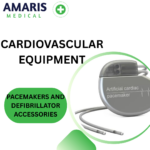 Pacemakers and Defibrillator Accessories
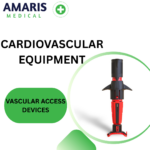 Vascular Access Devices
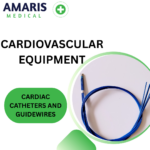 Cardiac Catheters and Guidewires
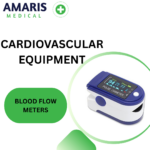 Blood Flow Meters
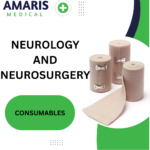 Consumables

 Orthopedic Instruments
 Casts, Splints, and Padding
 Joint Replacement Supplies
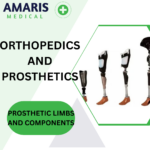 Prosthetic Limbs and Components
 Bone Grafts and Substitutes
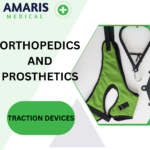 Traction Devices
 Orthopedic Braces and Supports
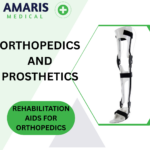 Rehabilitation Aids for Orthopedics
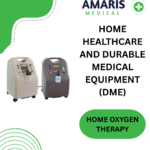 Home Oxygen Therapy
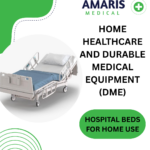 Hospital Beds for Home Use
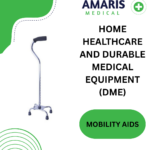 Mobility Aids
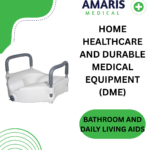 Bathroom and Daily Living Aids
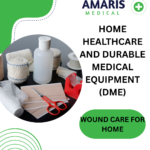 Wound Care for Home
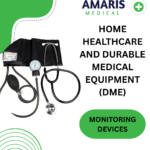 Monitoring Devices
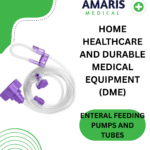 Enteral Feeding Pumps and Tubes
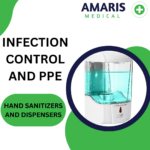 Hand Sanitizers and Dispensers
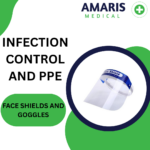 Face Shields and Goggles
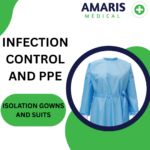 Isolation Gowns and Suits
 Biohazard Waste Containers
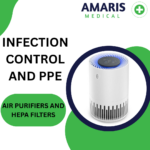 Air Purifiers and HEPA Filters
 Surface Disinfectants
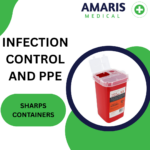 Sharps Containers
 Protective Barriers

 Cardiovascular & Endurance Training
 Strength Training & Weightlifting
 Functional Training & Core Conditioning
 Physical Therapy & Rehabilitation
 Sports & Outdoor Recreation
 Gym Flooring & Facility Equipment
 Fitness Monitoring & Accessories
 Kids & Novelties
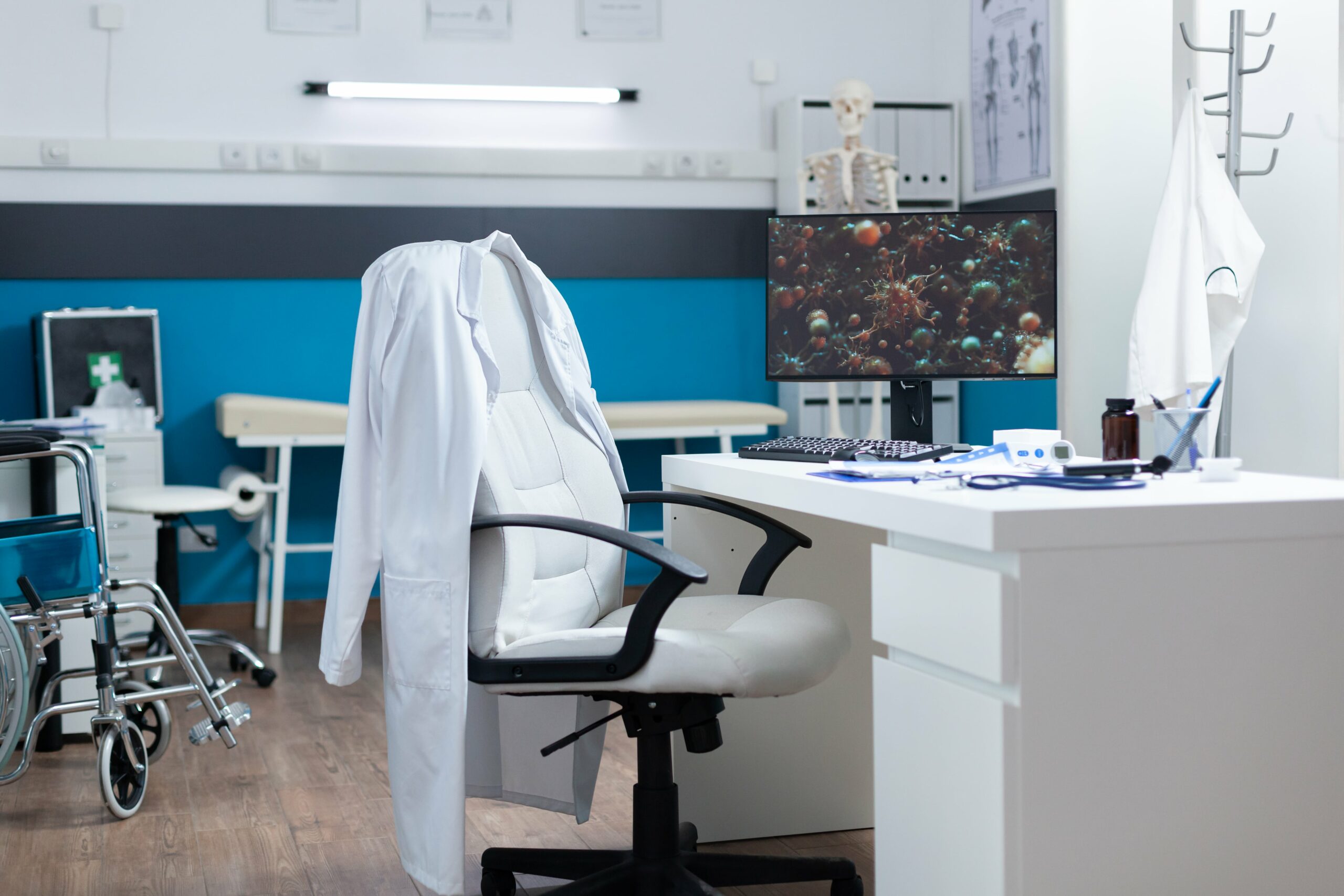
🏥🚀 10 Healthcare Technologies Shaping Hospitals in 2026


Healthcare is evolving rapidly, with new technologies helping hospitals improve patient monitoring, diagnostic services, and daily operations. 🔬 In 2026, innovations such as artificial intelligence, automated laboratory equipment, and connected medical devices are changing how healthcare professionals deliver care.
For hospitals in Kenya and around the world, understanding these developments can help guide equipment investments and prepare facilities for changing patient needs. 🌍🇰🇪 Here are 10 healthcare technologies making an impact in modern hospitals.
1. 🤖 Artificial Intelligence in Healthcare
Artificial intelligence is increasingly being explored in medical imaging, diagnostic support, and healthcare data analysis. AI tools can help professionals identify patterns and review information, supporting clinical decisions while leaving final judgment and patient care responsibilities with qualified healthcare workers.
2. 🔬 Automated Laboratory Analyzers
Modern hematology and clinical chemistry analyzers help laboratories process samples efficiently. These systems can reduce repetitive manual work and support consistent testing procedures when correctly operated and maintained. 🧪
3. 🩺 Advanced Patient Monitoring Systems
Multi-parameter patient monitors measure vital signs such as heart rate, blood pressure, oxygen saturation, and respiratory rate. They help healthcare teams observe patients and identify changes that may require attention.
4. ⚡ Point-of-Care Testing Devices
Portable diagnostic devices and rapid test kits allow selected tests to be performed close to patients. This can be particularly useful in emergency departments, outpatient clinics, and healthcare facilities serving remote communities.


5. 🫁 Modern Respiratory Equipment
Oxygen concentrators, nebulizers, ventilators, and other respiratory devices support different respiratory care needs. Choosing appropriate equipment helps healthcare facilities respond to patients requiring respiratory assessment and treatment.
6. 🖥️ Digital Medical Imaging
Digital X-ray, ultrasound, CT, and MRI technologies help healthcare professionals examine internal structures and investigate medical conditions. Modern imaging systems can also support digital storage and sharing of images where suitable infrastructure is available.
7. 📲 Electronic Medical Records
Digital patient records help hospitals organize medical histories, laboratory results, prescriptions, and treatment information. When implemented effectively, they can improve access to information and coordination between departments.
8. 🦾 Rehabilitation and Mobility Technology
Wheelchairs, walking aids, rehabilitation equipment, and specialized therapy devices help support mobility and recovery. These technologies can assist patients in maintaining independence and participating in rehabilitation programs.
9. 🧼 Advanced Sterilization Equipment
Autoclaves and other appropriate sterilization systems help healthcare facilities process reusable medical instruments safely. Effective sterilization, combined with proper cleaning procedures and infection prevention practices, is essential for reducing the risk of healthcare-associated infections.
10. 🌐 Connected Medical Devices
Connected medical devices can transfer selected information to compatible hospital systems. When properly integrated, this technology can support data management, workflow coordination, and monitoring across different healthcare departments.
For hospitals in Kenya, adopting these technologies requires careful planning. 🇰🇪 Facilities should consider equipment costs, staff training, maintenance, reliable power, consumable availability, and technical support before investing. Not every hospital needs every innovation; the best choices depend on clinical priorities, patient volumes, and available resources.
Technology alone cannot guarantee better healthcare. ❤️ Skilled professionals, quality assurance, appropriate clinical procedures, and dependable equipment remain essential for achieving meaningful results.
🔚 Final Thoughts
The healthcare technologies shaping hospitals in 2026 are helping create opportunities for more connected, efficient, and patient-focused services. 🏥✨ From laboratory analyzers and patient monitors to digital records and sterilization systems, each technology can serve an important role when selected and implemented appropriately.
At Amaris Medical Solutions, we recognize the importance of suitable medical equipment in supporting healthcare providers and their patients. 🤝 Investing thoughtfully in reliable technology can help hospitals prepare for future demands and strengthen healthcare delivery in Kenya and beyond.