
 Dermatoscope and Magnifiers
 Diagnostic Kits
 Vital Signs Monitors
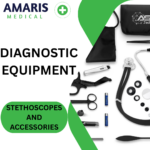 Stethoscopes and Accessories
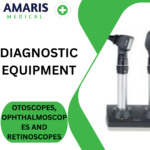 Otoscopes, Ophthalmoscopes, and Retinoscopes
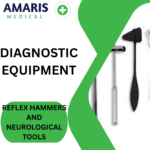 Reflex Hammers and Neurological Tools
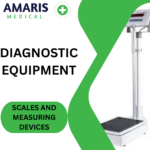 Scales and Measuring Devices
 Spirometers and Pulmonary Function Tests
 Electrosurgical Units and Accessories
 Cutting Instruments
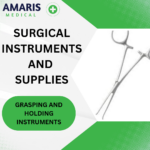 Grasping and Holding Instruments
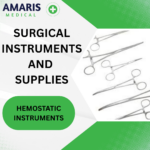 Hemostatic Instruments
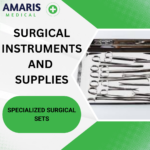 Specialized Surgical Sets
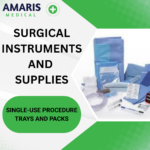 Single-Use Procedure Trays and Packs
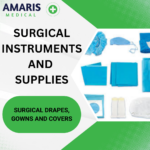 Surgical Drapes, Gowns, and Covers
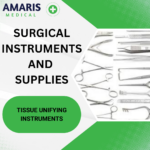 Tissue Unifying Instruments
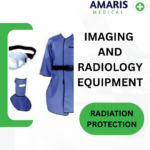 Radiation Protection
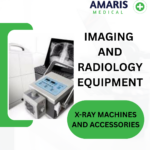 X-Ray Machines and Accessories
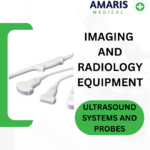 Ultrasound Systems and Probes
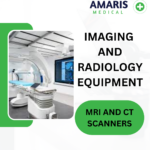 MRI and CT Scanners
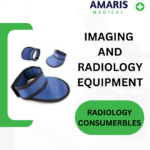 Radiology Consumables
 Bone Densitometers
 Fluoroscopy Equipment
 Imaging Tables and Positioning Aids
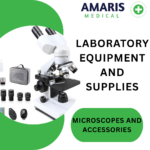 Microscopes and Accessories
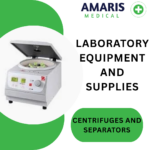 Centrifuges and Separators
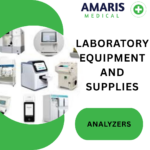 Analyzers
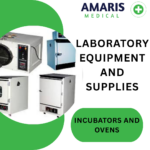 Incubators and Ovens
 Pipettes, Dispensers, and Lab Glassware
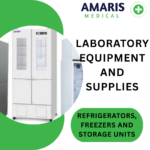 Refrigerators, Freezers, and Storage Units
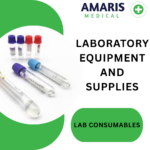 Lab Consumables
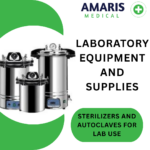 Sterilizers and Autoclaves for Lab Use
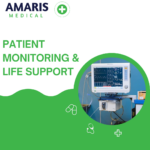
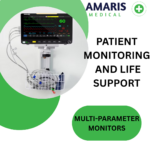 Multi-Parameter Monitors
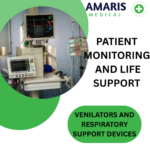 Ventilators and Respiratory Support Devices
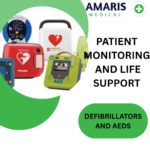 Defibrillators and AEDs
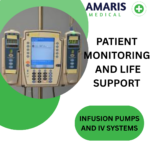 Infusion Pumps and IV Systems
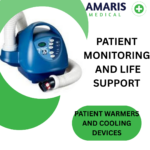 Patient Warmers and Cooling Devices
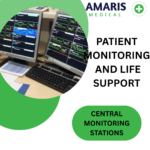 Central Monitoring Stations
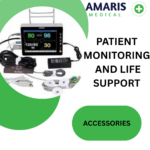 Accessories
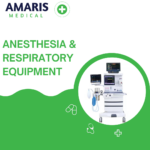
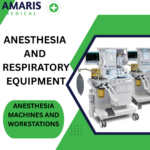 Anesthesia Machines and Workstations
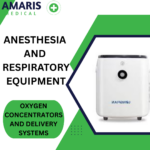 Oxygen Concentrators and Delivery Systems
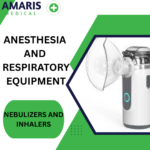 Nebulizers and Inhalers
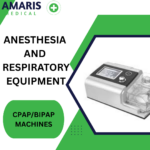 CPAP/BiPAP Machines
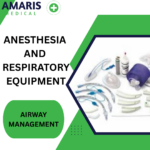 Airway Management
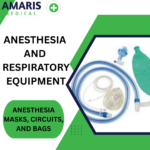 Anesthesia Masks, Circuits, and Bags
 Humidifiers and Heaters
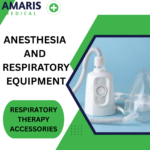 Respiratory Therapy Accessories
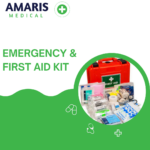
 First Aid Kits and Cabinets
 Emergency Resuscitation Equipment
 Trauma Supplies
 Emergency Carts and Crash Carts
 Burn Care Products
 Bleeding Control
 Automated External Defibrillators (AEDs)
 Transport and Evacuation

 Wheelchairs and Accessories
 Walkers, Crutches, and Canes
 Prosthetics and Orthotics
 Physical Therapy Equipment
 Transfer Devices
 Bathroom Safety
 Orthopedic Traction and Tables
 Hot/Cold Therapy Packs and Units

 Beds and Mattresses
 Chairs and Stools
 Tables
 Cabinets and Storage
 Privacy Screens & Curtains
 Stands and Racks
 Linens and Textiles
 Lighting

 Autoclaves and Sterilizers
 Ultrasonic Cleaners
 Disinfectant Solutions and Wipes
 Sterilization Pouches, Wraps, and Indicators
 Instrument Trays and Containers
 UV and Ozone Disinfection Devices
 Washer Disinfectors

 Wound Care
 Gloves
 Masks and Respirators
 Catheters and Tubing
 Swabs, Applicators, and Sponges
 Incontinence Products
 Personal Protective Equipment (PPE)
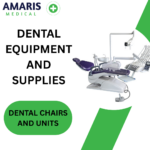 Dental Chairs and Units
 Handpieces and Burs
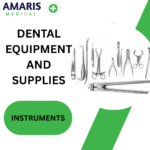 Instruments
 Consumables
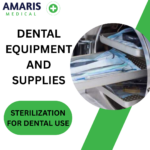 Sterilization for Dental Use
 Orthodontic Supplies
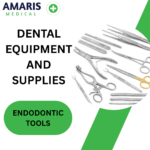 Endodontic Tools
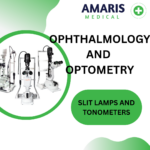 Slit Lamps and Tonometers
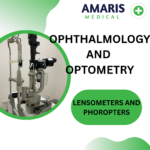 Lensometers and Phoropters
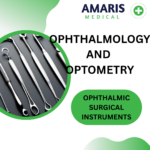 Ophthalmic Surgical Instruments
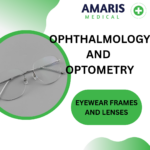 Eyewear Frames and Lenses
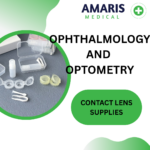 Contact Lens Supplies
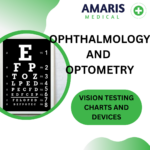 Vision Testing Charts and Devices
 Eye Care Consumables
 Laser Systems for Eye Care
 ENT Exam Chairs and Tables
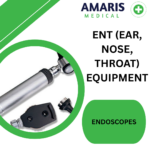 Endoscopes
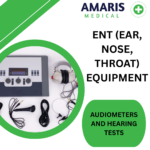 Audiometers and Hearing Tests
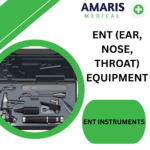 ENT Instruments
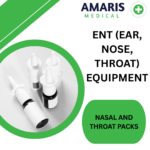 Nasal and Throat Packs
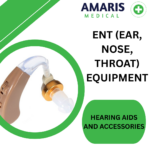 Hearing Aids and Accessories
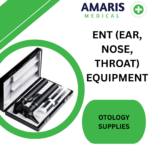 Otology Supplies

 Fetal Dopplers and Monitors
 Delivery Beds and Tables
 Gynecological Instruments
 Neonatal Incubators and Warmers
 Breast Pumps and Accessories
 Contraceptive Devices
 Maternity Supports and Pads
 Neonatal Consumables
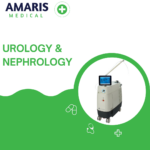
 Cystoscopes and Urethroscopes
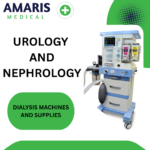 Dialysis Machines and Supplies
 Urological Catheters and Bags
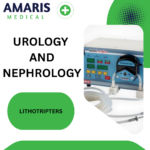 Lithotripters
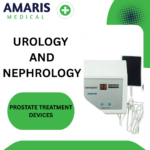 Prostate Treatment Devices
 Urinary Incontinence Products
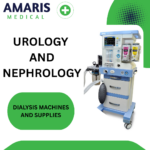 Kidney Stone Management Tools
 Consumables & Disposables
 EEG and EMG Machines
 Neurosurgical Instruments
 Nerve Stimulators
 Headrests and Positioning Aids
 Lumbar Puncture Kits
 Seizure Monitoring Devices
 Consumables
 Rehabilitation for Neurological Conditions
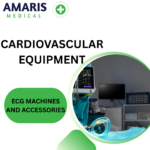 ECG Machines and Accessories
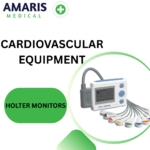 Holter Monitors
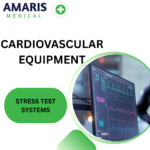 Stress Test Systems
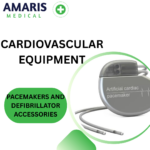 Pacemakers and Defibrillator Accessories
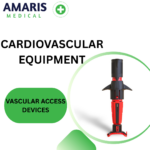 Vascular Access Devices
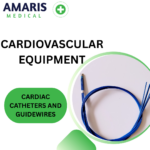 Cardiac Catheters and Guidewires
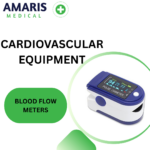 Blood Flow Meters
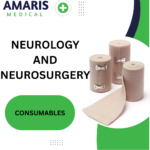 Consumables

 Orthopedic Instruments
 Casts, Splints, and Padding
 Joint Replacement Supplies
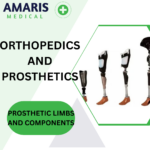 Prosthetic Limbs and Components
 Bone Grafts and Substitutes
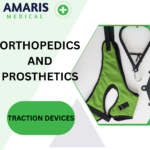 Traction Devices
 Orthopedic Braces and Supports
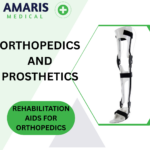 Rehabilitation Aids for Orthopedics
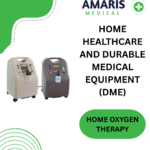 Home Oxygen Therapy
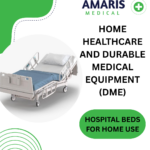 Hospital Beds for Home Use
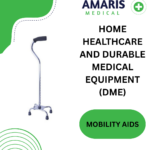 Mobility Aids
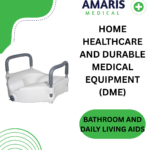 Bathroom and Daily Living Aids
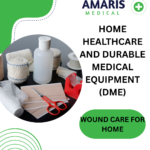 Wound Care for Home
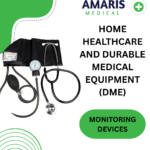 Monitoring Devices
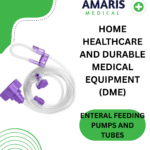 Enteral Feeding Pumps and Tubes
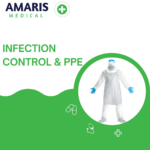
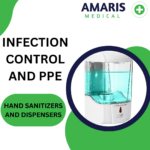 Hand Sanitizers and Dispensers
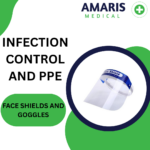 Face Shields and Goggles
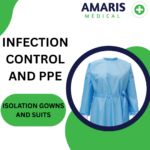 Isolation Gowns and Suits
 Biohazard Waste Containers
 Air Purifiers and HEPA Filters
 Surface Disinfectants
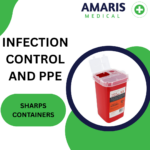 Sharps Containers
 Protective Barriers

 Cardiovascular & Endurance Training
 Strength Training & Weightlifting
 Functional Training & Core Conditioning
 Physical Therapy & Rehabilitation
 Sports & Outdoor Recreation
 Gym Flooring & Facility Equipment
 Fitness Monitoring & Accessories
 Kids & Novelties
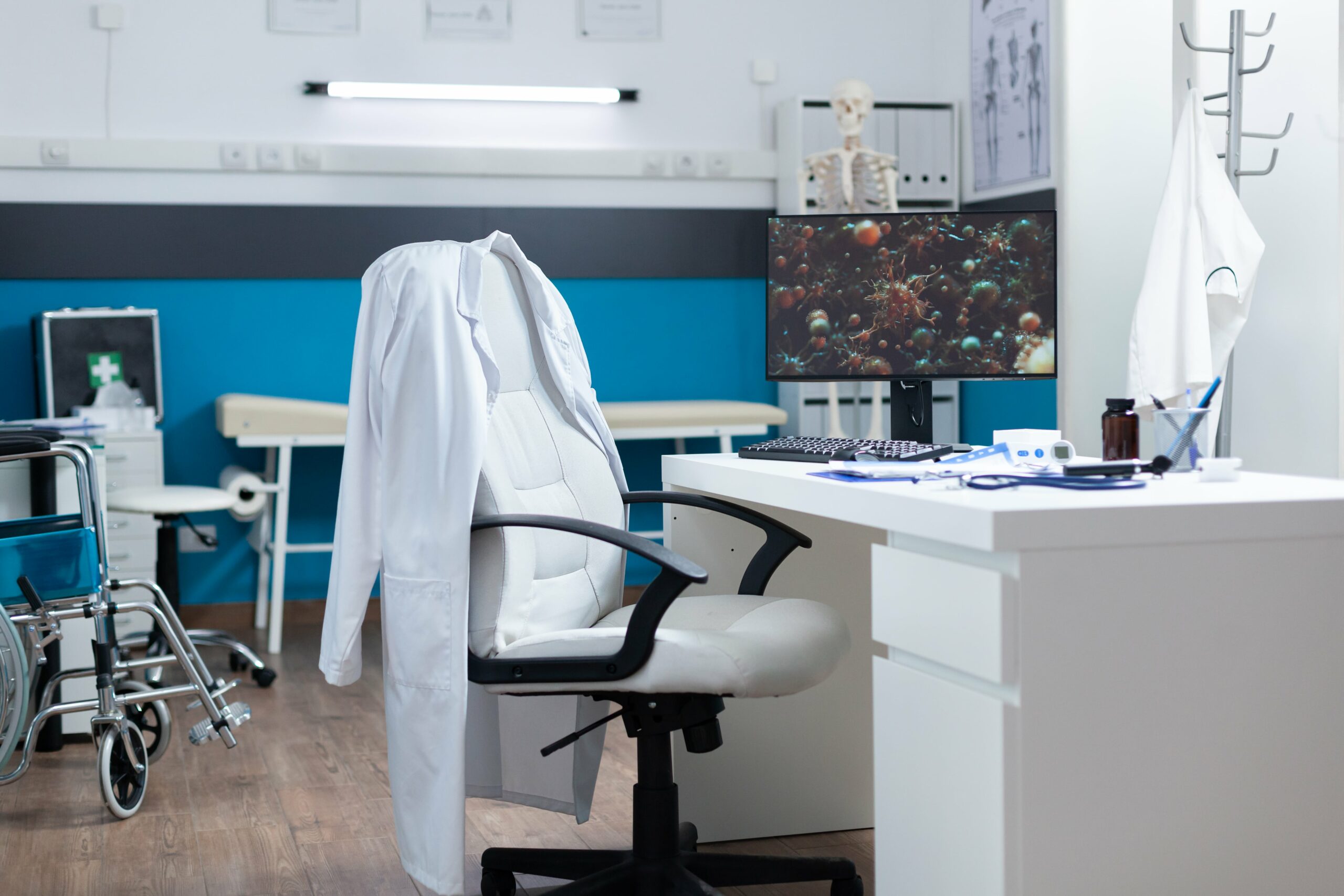
🏥 The Future of Healthcare in Kenya: Where Medical Technology Fits In


Kenya’s healthcare sector is evolving as hospitals, clinics, and laboratories embrace new ways to improve patient care. From digital health solutions to modern diagnostic equipment, medical technology is becoming an important part of building a more accessible, efficient, and reliable healthcare system. 🌍🩺
As healthcare needs grow, the future will depend not only on medical expertise but also on having the right equipment, trained professionals, and systems that support quality care.
🔬 Improving Diagnosis and Early Detection
Accurate diagnosis is essential for effective treatment. Modern laboratory analyzers, rapid diagnostic test kits, ultrasound machines, and digital imaging systems can help healthcare professionals identify medical conditions and make informed decisions.
In Kenya, improving access to reliable diagnostic technology in both urban hospitals and rural facilities can support earlier detection and help reduce delays in treatment.
📱 Expanding Access Through Digital Healthcare
Telemedicine, electronic medical records, and digital health platforms are changing how patients access healthcare services. These technologies can help connect patients in remote areas with healthcare professionals, improve record management, and support continuity of care.
When combined with dependable internet access, suitable devices, and staff training, digital solutions can help make healthcare services more convenient and coordinated.
🤖 Smarter Hospitals and Laboratories
Automation and artificial intelligence are increasingly being used in healthcare to support laboratory workflows, medical imaging, and clinical decision-making. Automated analyzers can help laboratories process tests more efficiently, while intelligent software can assist trained professionals in reviewing information.
However, these technologies must be implemented responsibly, with proper validation, quality control, data protection, and human oversight. Technology should support healthcare professionals, not replace their clinical judgment.


🫁 Better Patient Monitoring and Respiratory Care
Medical devices such as multiparameter patient monitors, pulse oximeters, oxygen concentrators, and infusion pumps play important roles in patient assessment and treatment.
Reliable equipment helps healthcare teams monitor vital signs, administer appropriate therapies, and respond to changes in a patient’s condition. Regular maintenance, correct use, and staff training remain essential for safe and effective care.
♿ Making Rehabilitation and Patient Care More Accessible
The future of healthcare also includes improving comfort, mobility, and independence. Wheelchairs, walking aids, hospital beds, patient transfer equipment, and rehabilitation devices can support patients recovering from illness, injury, or surgery.
As Kenya continues to address the needs of an ageing population and people living with disabilities, access to suitable assistive technology will remain an important part of inclusive healthcare.
🌱 Addressing Challenges in Medical Technology Adoption
Despite the opportunities, healthcare facilities may face challenges such as high equipment costs, limited technical support, unreliable electricity, shortages of trained personnel, and difficulties obtaining spare parts or consumables.
Choosing equipment should therefore involve more than comparing prices. Facilities need to consider quality, intended use, availability of supplies, maintenance requirements, warranties, and long-term operating costs. Partnerships with dependable medical equipment suppliers can help healthcare providers make more informed purchasing decisions.
🔚 Final Thoughts
The future of healthcare in Kenya will be shaped by the effective use of medical technology alongside skilled professionals, sustainable investment, and accessible healthcare services. From modern laboratory equipment to patient monitoring and mobility aids, the right solutions can help facilities work more efficiently and support better patient experiences.
At Amaris Medical Solutions, we recognize the importance of reliable medical equipment in supporting healthcare providers across Kenya. By helping facilities access suitable medical and diagnostic solutions, we aim to contribute to a stronger, more efficient, and patient-focused healthcare system. 🩺🇰🇪