
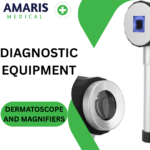
 Dermatoscope and Magnifiers
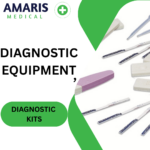 Diagnostic Kits
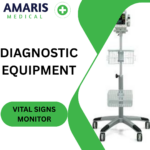 Vital Signs Monitors
 Stethoscopes and Accessories
 Otoscopes, Ophthalmoscopes, and Retinoscopes
 Reflex Hammers and Neurological Tools
 Scales and Measuring Devices
 Spirometers and Pulmonary Function Tests
 Electrosurgical Units and Accessories
 Cutting Instruments
 Grasping and Holding Instruments
 Hemostatic Instruments
 Specialized Surgical Sets
 Single-Use Procedure Trays and Packs
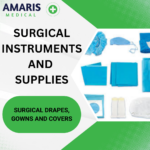 Surgical Drapes, Gowns, and Covers
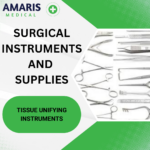 Tissue Unifying Instruments
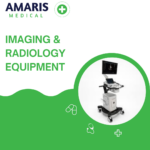
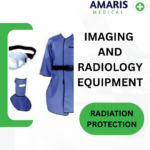 Radiation Protection
 X-Ray Machines and Accessories
 Ultrasound Systems and Probes
 MRI and CT Scanners
 Radiology Consumables
 Bone Densitometers
 Fluoroscopy Equipment
 Imaging Tables and Positioning Aids
 Microscopes and Accessories
 Centrifuges and Separators
 Analyzers
 Incubators and Ovens
 Pipettes, Dispensers, and Lab Glassware
 Refrigerators, Freezers, and Storage Units
 Lab Consumables
 Sterilizers and Autoclaves for Lab Use
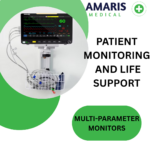 Multi-Parameter Monitors
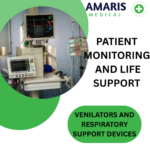 Ventilators and Respiratory Support Devices
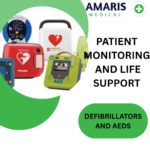 Defibrillators and AEDs
 Infusion Pumps and IV Systems
 Patient Warmers and Cooling Devices
 Central Monitoring Stations
 Accessories
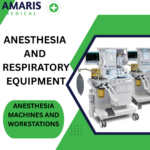 Anesthesia Machines and Workstations
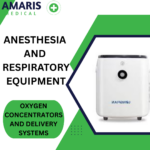 Oxygen Concentrators and Delivery Systems
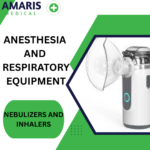 Nebulizers and Inhalers
 CPAP/BiPAP Machines
 Airway Management
 Anesthesia Masks, Circuits, and Bags
 Humidifiers and Heaters
 Respiratory Therapy Accessories
 First Aid Kits and Cabinets
 Emergency Resuscitation Equipment
 Trauma Supplies
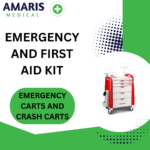 Emergency Carts and Crash Carts
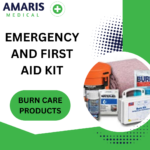 Burn Care Products
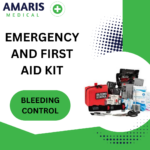 Bleeding Control
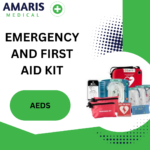 Automated External Defibrillators (AEDs)
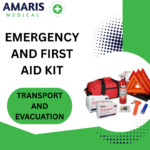 Transport and Evacuation
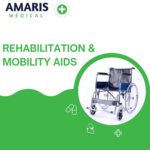
 Wheelchairs and Accessories
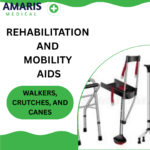 Walkers, Crutches, and Canes
 Prosthetics and Orthotics
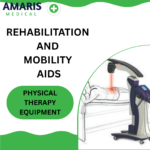 Physical Therapy Equipment
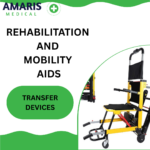 Transfer Devices
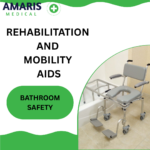 Bathroom Safety
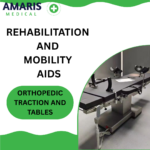 Orthopedic Traction and Tables
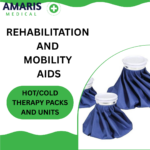 Hot/Cold Therapy Packs and Units
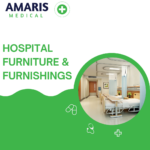
 Beds and Mattresses
 Chairs and Stools
 Tables
 Cabinets and Storage
 Privacy Screens & Curtains
 Stands and Racks
 Linens and Textiles
 Lighting

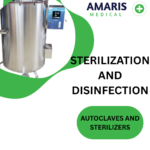 Autoclaves and Sterilizers
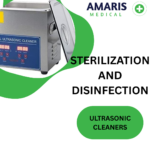 Ultrasonic Cleaners
 Disinfectant Solutions and Wipes
 Sterilization Pouches, Wraps, and Indicators
 Instrument Trays and Containers
 UV and Ozone Disinfection Devices
 Washer Disinfectors
 Wound Care
 Gloves
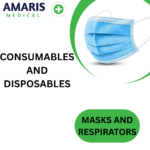 Masks and Respirators
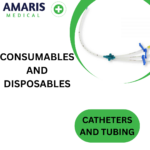 Catheters and Tubing
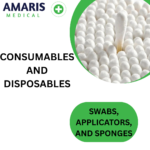 Swabs, Applicators, and Sponges
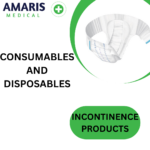 Incontinence Products
 Personal Protective Equipment (PPE)
 Dental Chairs and Units
 Handpieces and Burs
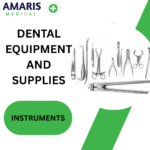 Instruments
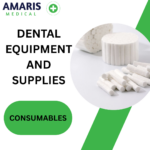 Consumables
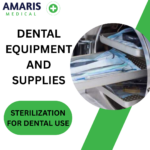 Sterilization for Dental Use
 Orthodontic Supplies
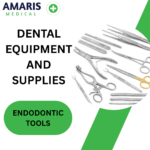 Endodontic Tools
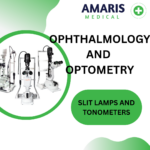 Slit Lamps and Tonometers
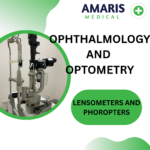 Lensometers and Phoropters
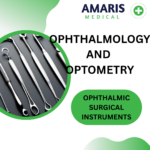 Ophthalmic Surgical Instruments
 Eyewear Frames and Lenses
 Contact Lens Supplies
 Vision Testing Charts and Devices
 Eye Care Consumables
 Laser Systems for Eye Care
 ENT Exam Chairs and Tables
 Endoscopes
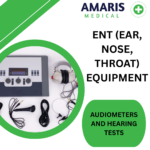 Audiometers and Hearing Tests
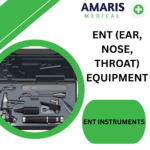 ENT Instruments
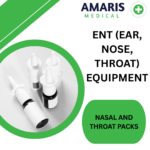 Nasal and Throat Packs
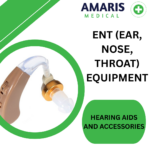 Hearing Aids and Accessories
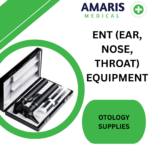 Otology Supplies
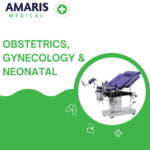
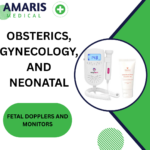 Fetal Dopplers and Monitors
 Delivery Beds and Tables
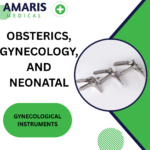 Gynecological Instruments
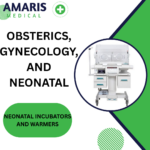 Neonatal Incubators and Warmers
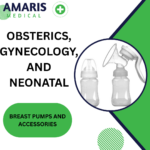 Breast Pumps and Accessories
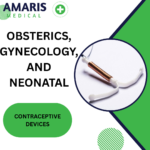 Contraceptive Devices
 Maternity Supports and Pads
 Neonatal Consumables
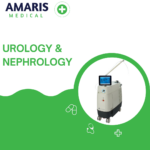
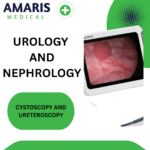 Cystoscopes and Urethroscopes
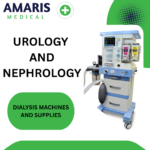 Dialysis Machines and Supplies
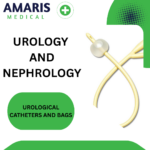 Urological Catheters and Bags
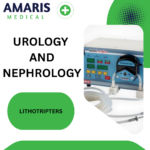 Lithotripters
 Prostate Treatment Devices
 Urinary Incontinence Products
 Kidney Stone Management Tools
 Consumables & Disposables
 EEG and EMG Machines
 Neurosurgical Instruments
 Nerve Stimulators
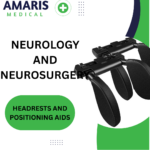 Headrests and Positioning Aids
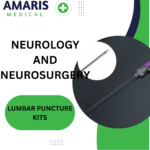 Lumbar Puncture Kits
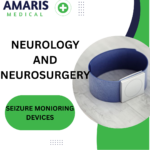 Seizure Monitoring Devices
 Consumables
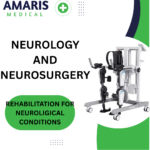 Rehabilitation for Neurological Conditions
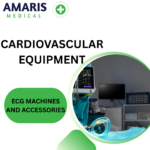 ECG Machines and Accessories
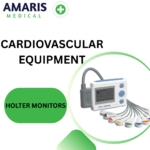 Holter Monitors
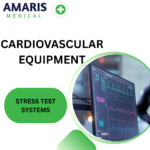 Stress Test Systems
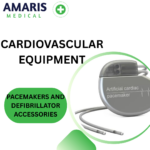 Pacemakers and Defibrillator Accessories
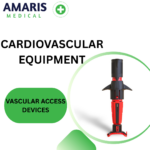 Vascular Access Devices
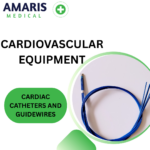 Cardiac Catheters and Guidewires
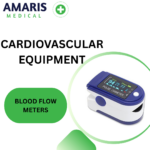 Blood Flow Meters
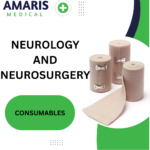 Consumables
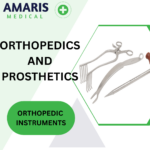 Orthopedic Instruments
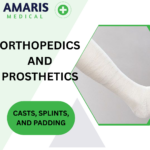 Casts, Splints, and Padding
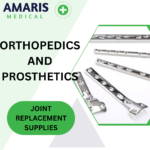 Joint Replacement Supplies
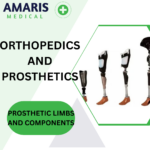 Prosthetic Limbs and Components
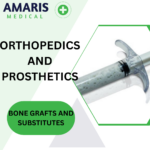 Bone Grafts and Substitutes
 Traction Devices
 Orthopedic Braces and Supports
 Rehabilitation Aids for Orthopedics
 Home Oxygen Therapy
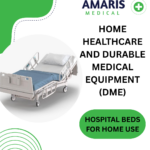 Hospital Beds for Home Use
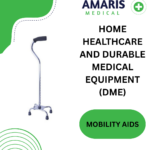 Mobility Aids
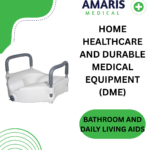 Bathroom and Daily Living Aids
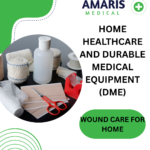 Wound Care for Home
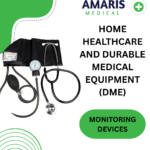 Monitoring Devices
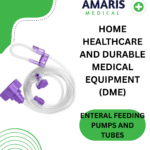 Enteral Feeding Pumps and Tubes
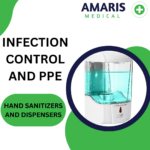 Hand Sanitizers and Dispensers
 Face Shields and Goggles
 Isolation Gowns and Suits
 Biohazard Waste Containers
 Air Purifiers and HEPA Filters
 Surface Disinfectants
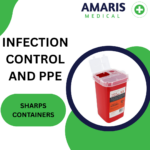 Sharps Containers
 Protective Barriers
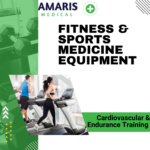 Cardiovascular & Endurance Training
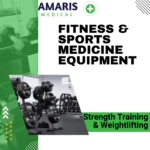 Strength Training & Weightlifting
 Functional Training & Core Conditioning
 Physical Therapy & Rehabilitation
 Sports & Outdoor Recreation
 Gym Flooring & Facility Equipment
 Fitness Monitoring & Accessories
 Kids & Novelties
👁️🌍 The Growing Importance of Accessible Eye Care in Africa and Beyond


Good vision plays an important role in education, employment, independence, and overall quality of life. Yet millions of people across Africa and other parts of the world still face challenges accessing essential eye care services. From limited screening opportunities to shortages of specialized equipment and eye care professionals, barriers to eye health remain a major concern. 🩺
As healthcare systems continue to develop, improving access to eye examinations, early diagnosis, and appropriate treatment is becoming increasingly important.
🔍 1. The Need for Early Vision Screening
Many eye conditions can develop gradually without obvious symptoms during their early stages. Regular vision screening helps identify potential problems and determine who may need a comprehensive eye examination.
Schools, community health programmes, hospitals, and workplaces can all play a role in promoting routine vision screening. Early identification can help people seek appropriate care before certain conditions cause significant vision loss.
🔬 2. Modern Technology Is Transforming Eye Care
Advances in ophthalmic equipment are helping healthcare professionals examine the eyes more effectively. Devices such as autorefractors, slit lamps, fundus cameras, tonometers, and optical coherence tomography (OCT) systems support different aspects of eye assessment and diagnosis.
These technologies help clinicians investigate refractive errors, examine eye structures, measure eye pressure, and monitor changes associated with various eye conditions.
👓 3. Addressing Common Vision Problems
Refractive errors, cataracts, glaucoma, and diabetic retinopathy are among the important eye health conditions requiring attention.
Access to professional examinations, suitable spectacles, diagnostic services, and treatment can make a meaningful difference. In particular, people living with diabetes and those at risk of glaucoma may benefit from appropriate eye assessments and regular follow-up.


🌍 4. Bridging the Urban-Rural Eye Care Gap
In many African communities, specialized eye care services are concentrated in major towns and cities. People in remote areas may face long journeys, transport costs, and limited access to qualified professionals.
Mobile eye clinics, community screening programmes, portable diagnostic devices, and teleophthalmology can help extend services to underserved populations.
For Kenya, strengthening eye care services beyond Nairobi and other major urban centres is an important part of improving access to essential healthcare.
🤖 5. The Role of Digital Technology and Artificial Intelligence
Digital retinal imaging and AI-assisted screening tools are creating new opportunities for eye health programmes. Some systems can analyse retinal images and identify patterns associated with conditions such as diabetic retinopathy.
These technologies can support screening and referrals, especially where specialist resources are limited. However, they must be used alongside professional oversight, appropriate clinical assessment, and reliable referral pathways.
⚙️ 6. Making Quality Ophthalmic Equipment More Accessible
Expanding eye care requires more than building clinics. Healthcare facilities also need reliable equipment that suits their services and patient populations.
Essential tools may include visual acuity charts, autorefractors, slit lamps, ophthalmoscopes, tonometers, and retinal imaging systems. Equipment selection should consider affordability, quality, maintenance, staff training, warranties, and availability of technical support.
💙 7. Building Awareness and Stronger Eye Care Systems
Public awareness is equally important. Encouraging regular eye examinations, promoting eye health education, and improving access to affordable services can help communities take a more active role in protecting their vision.
Governments, healthcare providers, development organizations, and medical equipment suppliers all have a role in supporting sustainable eye care services.
🔚 Final Thoughts
Accessible eye care is essential for healthier and more inclusive communities. Across Africa and beyond, combining early screening, modern diagnostic technology, skilled professionals, and affordable services can help address barriers to quality vision care.
At Amaris Medical Solutions, we recognize the importance of reliable medical and ophthalmic equipment in supporting eye care professionals. We are committed to helping healthcare facilities access suitable equipment and solutions that contribute to improved healthcare services across Kenya and beyond. 👁️🇰🇪