Dermatoscope and Magnifiers
 Diagnostic Kits
 Vital Signs Monitors
 Stethoscopes and Accessories
 Otoscopes, Ophthalmoscopes, and Retinoscopes
 Reflex Hammers and Neurological Tools
 Scales and Measuring Devices
 Spirometers and Pulmonary Function Tests
 Electrosurgical Units and Accessories
 Cutting Instruments
 Grasping and Holding Instruments
 Hemostatic Instruments
 Specialized Surgical Sets
 Single-Use Procedure Trays and Packs
 Surgical Drapes, Gowns, and Covers
 Tissue Unifying Instruments
 Radiation Protection
 X-Ray Machines and Accessories
 Ultrasound Systems and Probes
 MRI and CT Scanners
 Radiology Consumables
 Bone Densitometers
 Fluoroscopy Equipment
 Imaging Tables and Positioning Aids
 Microscopes and Accessories
 Centrifuges and Separators
 Analyzers
 Incubators and Ovens
 Pipettes, Dispensers, and Lab Glassware
 Refrigerators, Freezers, and Storage Units
 Lab Consumables
 Sterilizers and Autoclaves for Lab Use
 Multi-Parameter Monitors
 Ventilators and Respiratory Support Devices
 Defibrillators and AEDs
 Infusion Pumps and IV Systems
 Patient Warmers and Cooling Devices
 Central Monitoring Stations
 Accessories
 Anesthesia Machines and Workstations
 Oxygen Concentrators and Delivery Systems
 Nebulizers and Inhalers
 CPAP/BiPAP Machines
 Airway Management
 Anesthesia Masks, Circuits, and Bags
 Humidifiers and Heaters
 Respiratory Therapy Accessories
 First Aid Kits and Cabinets
 Emergency Resuscitation Equipment
 Trauma Supplies
 Emergency Carts and Crash Carts
 Burn Care Products
 Bleeding Control
 Automated External Defibrillators (AEDs)
 Transport and Evacuation
 Wheelchairs and Accessories
 Walkers, Crutches, and Canes
 Prosthetics and Orthotics
 Physical Therapy Equipment
 Transfer Devices
 Bathroom Safety
 Orthopedic Traction and Tables
 Hot/Cold Therapy Packs and Units
 Beds and Mattresses
 Chairs and Stools
 Tables
 Cabinets and Storage
 Privacy Screens & Curtains
 Stands and Racks
 Linens and Textiles
 Lighting
 Autoclaves and Sterilizers
 Ultrasonic Cleaners
 Disinfectant Solutions and Wipes
 Sterilization Pouches, Wraps, and Indicators
 Instrument Trays and Containers
 UV and Ozone Disinfection Devices
 Washer Disinfectors
 Wound Care
 Gloves
 Masks and Respirators
 Catheters and Tubing
 Swabs, Applicators, and Sponges
 Incontinence Products
 Personal Protective Equipment (PPE)
 Dental Chairs and Units
 Handpieces and Burs
 Instruments
 Consumables
 Sterilization for Dental Use
 Orthodontic Supplies
 Endodontic Tools
 Slit Lamps and Tonometers
 Lensometers and Phoropters
 Ophthalmic Surgical Instruments
 Eyewear Frames and Lenses
 Contact Lens Supplies
 Vision Testing Charts and Devices
 Eye Care Consumables
 Laser Systems for Eye Care
 ENT Exam Chairs and Tables
 Endoscopes
 Audiometers and Hearing Tests
 ENT Instruments
 Nasal and Throat Packs
 Hearing Aids and Accessories
 Otology Supplies
 Fetal Dopplers and Monitors
 Delivery Beds and Tables
 Gynecological Instruments
 Neonatal Incubators and Warmers
 Breast Pumps and Accessories
 Contraceptive Devices
 Maternity Supports and Pads
 Neonatal Consumables
 Cystoscopes and Urethroscopes
 Dialysis Machines and Supplies
 Urological Catheters and Bags
 Lithotripters
 Prostate Treatment Devices
 Urinary Incontinence Products
 Kidney Stone Management Tools
 Consumables & Disposables
 EEG and EMG Machines
 Neurosurgical Instruments
 Nerve Stimulators
 Headrests and Positioning Aids
 Lumbar Puncture Kits
 Seizure Monitoring Devices
 Consumables
 Rehabilitation for Neurological Conditions
 ECG Machines and Accessories
 Holter Monitors
 Stress Test Systems
 Pacemakers and Defibrillator Accessories
 Vascular Access Devices
 Cardiac Catheters and Guidewires
 Blood Flow Meters
 Consumables
 Orthopedic Instruments
 Casts, Splints, and Padding
 Joint Replacement Supplies
 Prosthetic Limbs and Components
 Bone Grafts and Substitutes
 Traction Devices
 Orthopedic Braces and Supports
 Rehabilitation Aids for Orthopedics
 Home Oxygen Therapy
 Hospital Beds for Home Use
 Mobility Aids
 Bathroom and Daily Living Aids
 Wound Care for Home
 Monitoring Devices
 Enteral Feeding Pumps and Tubes
 Hand Sanitizers and Dispensers
 Face Shields and Goggles
 Isolation Gowns and Suits
 Biohazard Waste Containers
 Air Purifiers and HEPA Filters
 Surface Disinfectants
 Sharps Containers
 Protective Barriers
 Cardiovascular & Endurance Training
 Strength Training & Weightlifting
 Functional Training & Core Conditioning
 Physical Therapy & Rehabilitation
 Sports & Outdoor Recreation
 Gym Flooring & Facility Equipment
 Fitness Monitoring & Accessories
 Kids & Novelties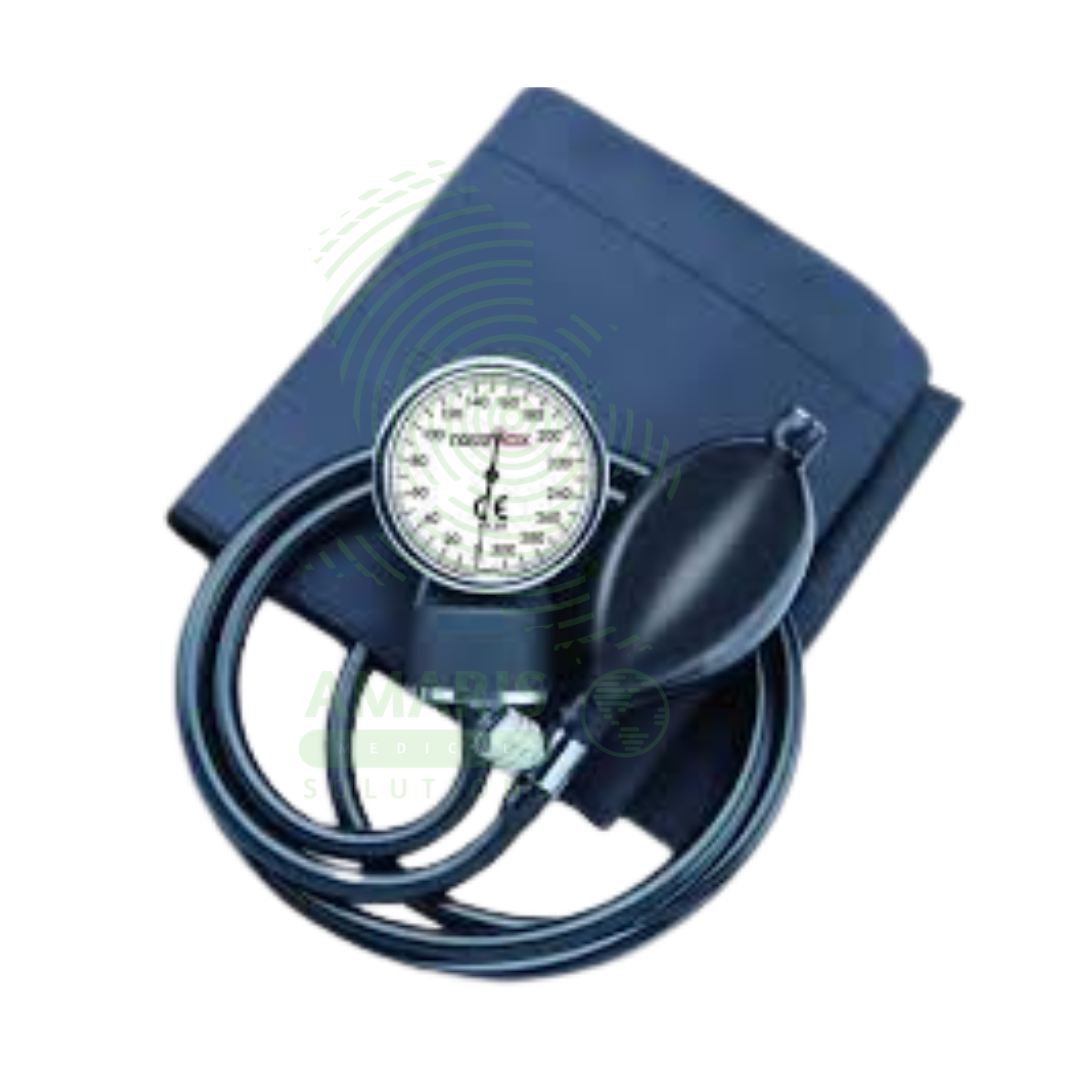
Aneroid Blood Pressure Monitor
$1.00
WhatsApp Order
The Aneroid Blood Pressure Monitor is a manual, mechanical sphygmomanometer used for the accurate, non-invasive measurement of arterial blood pressure. Operating on the auscultatory method, it consists of an inflatable cuff, a pump bulb with a release valve, and a calibrated dial gauge. Renowned for its reliability, durability, and independence from electrical power, it serves as a clinical gold standard and essential tool in physician offices, hospitals, and for guided home monitoring. Its accuracy is dependent on proper technique, correct cuff size, and regular calibration, making it a fundamental device for diagnosing and managing hypertension and assessing cardiovascular health.
Description
Aneroid Blood Pressure Monitor
PRIMARY CLINICAL & DIAGNOSTIC USES
1. Routine Blood Pressure Screening:
-
Primary Use: The fundamental tool for measuring systolic and diastolic blood pressure during routine physical examinations, health check-ups, and in various clinical settings such as physician offices, outpatient clinics, and community health screenings.
-
How it helps: Provides quick, reliable baseline data that alerts healthcare providers to potential cardiovascular issues early, allowing for timely intervention before minor concerns develop into serious health problems.
2. Diagnosis & Management of Hypertension:
-
Primary Use: Essential for the initial diagnosis, ongoing monitoring, and management of hypertension (high blood pressure). It allows healthcare providers to track treatment efficacy and make necessary medication adjustments.
-
How it helps: Gives doctors the objective data they need to accurately diagnose high blood pressure and fine-tune medications, helping patients achieve healthy levels that significantly reduce their risk of heart attack, stroke, and kidney disease.
3.Pre-operative & Pre-procedural Assessment:
-
Primary Use: A standard component of pre-surgical and pre-procedural evaluations to establish a patient’s baseline blood pressure and assess cardiovascular stability before anesthesia or intervention.
-
How it helps: Ensures patient safety in the operating room by identifying uncontrolled hypertension or other blood pressure abnormalities that could lead to dangerous complications during surgery.
4. Monitoring During Medical Consultations:
-
Primary Use: Used to assess vital signs during patient visits for a wide range of complaints, providing immediate data that can inform clinical decisions related to cardiac, renal, or neurological health.
-
How it helps: Offers doctors a real-time snapshot of cardiovascular health during appointments, helping them connect seemingly unrelated symptoms—like headaches or dizziness—to underlying blood pressure issues.
5. Home Blood Pressure Monitoring (Clinical Guidance):
-
Primary Use: When prescribed or recommended by a clinician, it is used by patients for self-monitoring at home to provide valuable trend data outside the clinical environment, aiding in diagnosis and treatment of “white coat hypertension” or assessing medication control.
-
How it helps: Empowers patients to take an active role in their health by tracking their blood pressure in their natural environment, providing doctors with a more accurate picture than occasional office readings alone.
SECONDARY & SUPPORTIVE USES
1. Public Health & Wellness Campaigns: Widely used in non-clinical settings such as pharmacies, workplace wellness programs, and health fairs for public blood pressure education and preliminary screening, helping identify undiagnosed hypertension in the community.
2. Nursing Home & Long-Term Care Facility Rounds: A durable and reliable tool for daily or weekly vital sign checks on residents in geriatric and long-term care settings, supporting ongoing health monitoring for vulnerable populations.
3. Sports Medicine & Fitness Assessments: Used to monitor blood pressure response during physical activity assessments or as part of overall cardiovascular health evaluations for athletes.
4. Medical & Nursing Education: A fundamental teaching device for instructing students on proper blood pressure measurement technique, Korotkoff sound identification, and cuff placement, building essential clinical skills for future healthcare providers.
5. Backup Device in Clinical Settings: Serves as a critical backup when electronic monitors fail, during power outages, or in situations where electronic interference is a concern, ensuring patient care is never interrupted.
KEY PRODUCT FEATURES
1.BASIC IDENTIFICATION ATTRIBUTES
-
Device Type: Manual Sphygmomanometer (Aneroid Type).
-
Measurement Method: Auscultatory method using a stethoscope and the detection of Korotkoff sounds.
-
Core Components: Consists of an inflatable cuff, a hand-operated bulb pump with a release valve, and a mechanical pressure gauge (aneroid manometer).
-
Output: Direct reading from a calibrated dial gauge (manometer) in millimeters of mercury (mmHg).
2. TECHNICAL & PERFORMANCE PROPERTIES
-
Pressure Range: Typically measures from 0 mmHg to 300 mmHg, covering the full clinical range.
-
Accuracy: High accuracy when properly calibrated, often within ±3 mmHg. Requires periodic calibration against a mercury column or digital standard.
-
Cuff Sizes: Available in multiple sizes (e.g., Adult, Large Adult, Child, Thigh) to ensure accurate measurement. Correct cuff size (bladder width covering 80% of arm circumference) is critical.
-
Gauge Display: Features a large, easy-to-read dial with clear markings and a needle indicator. May include a built-in stethoscope head or require a separate stethoscope.
3. PHYSICAL & OPERATIONAL PROPERTIES
-
Form Factor: Portable, handheld, or wall-mounted unit. Often housed in a durable case.
-
Durability: Robust mechanical construction with no electronic components, making it resistant to damage from drops or environmental factors (excluding water immersion).
-
Maintenance: Requires no batteries or power source. Primary maintenance involves checking the integrity of the bladder, tubing, and valve, and ensuring gauge calibration.
4. SAFETY & COMPLIANCE ATTRIBUTES
-
Regulatory Status: Classified as a Class I or Class IIa medical device in most regions (e.g., CE Marked, FDA Cleared). Often exempt from pre-market notification where manual devices are recognized standards.
-
Standards: Manufactured in compliance with standards such as ISO 81060-2 (Non-invasive sphygmomanometers) and general safety standards (e.g., IEC 60601-1 if applicable).
-
Calibration: Must be calibrated at regular intervals (e.g., annually or per manufacturer/regulatory guidelines) to maintain measurement accuracy. A calibration sticker is often present.
5. STORAGE & HANDLING ATTRIBUTES
-
Storage Conditions: Store in a clean, dry, and temperature-stable environment. Avoid extreme heat, cold, or humidity which can affect the rubber components and gauge mechanism.
-
Handling: Protect the gauge from sharp impacts. Release all air from the cuff and loosely coil the tubing after use to prevent kinks and cracks. Store with the control valve open.
6. LABORATORY & CLINICAL APPLICATIONS
-
Primary Application: Gold-standard, non-invasive measurement of arterial blood pressure in clinical and non-clinical environments.
-
Calibration Reference: Serves as a reference device for validating and calibrating automated electronic blood pressure monitors.
SAFETY HANDLING PRECAUTIONS
1. SAFETY PRECAUTIONS
-
Personal Protective Equipment (PPE): Standard clinical hygiene applies. No special PPE is required for routine use.
-
Patient Safety: Always use the correct cuff size for the patient's arm to prevent inaccurate readings (both falsely high and low). Do not inflate the cuff beyond 300 mmHg or the patient's discomfort level. Apply the cuff over bare skin or very thin clothing.
-
Device Safety: Inspect the device before each use. Check for cracks in the tubing, leaks in the bladder or bulb, and ensure the needle returns to zero when not in use. Do not use if damaged.
2. FIRST AID MEASURES
-
General: The device is non-invasive and low-risk. Any emergency would be related to the patient's underlying condition, not the device.
-
Injury from Device: If over-inflation causes patient discomfort or minor injury (e.g., petechiae), release the cuff immediately. Provide reassurance and simple first aid if needed (e.g., rest, observation).
-
Ingestion of Parts: Not applicable under normal use. Keep small parts (e.g., valve components) away from children.
3. FIRE FIGHTING MEASURES
-
Flammability: The rubber/bladder, plastic casing, and vinyl tubing are combustible. The metal gauge and components are not.
-
Extinguishing Media: Use water, foam, CO₂, or dry chemical extinguishers as appropriate for the surrounding fire.
-
Hazardous Combustion Products: Burning rubber and plastics may release acrid smoke and toxic fumes.
-
Firefighter Instructions: Standard firefighting procedures apply. No unique hazards.
Related products
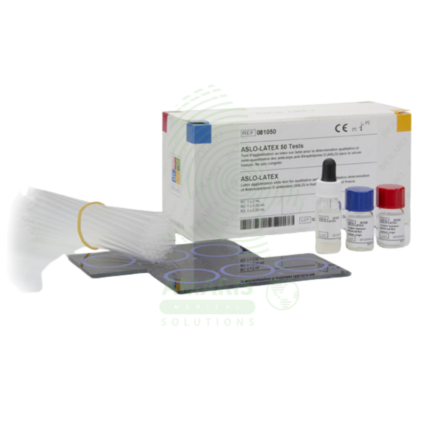
Anti-Streptol Olysin O Titer (ASOT)
Anti-Streptol Olysin O Titer (ASOT) is a quantitative or semi-quantitative serological test (latex agglutination, turbidimetry, nephelometry, or ELISA) for detecting antibodies against streptolysin O, an exotoxin produced by Group A Streptococcus. Elevated or rising titers indicate recent streptococcal infection and are essential for diagnosing post-streptococcal sequelae including acute rheumatic fever (Jones criteria) and post-streptococcal glomerulonephritis. The test requires serum samples; acute and convalescent (2-4 weeks apart) with fourfold rise confirms recent infection. Reference range typically <200-250 Todd units/mL (adults), varies by age and population. Primary clinical applications include diagnosis of Group A streptococcal infections, acute rheumatic fever evaluation, post-streptococcal glomerulonephritis diagnosis, differentiation of acute vs. past infection, evaluation of unexplained arthritis or carditis, pediatric inflammatory conditions (PANDAS), and monitoring disease activity in rheumatic fever. Critical safety precautions include proper timing of acute and convalescent samples, awareness of false negatives/positives, clinical correlation for diagnosis, and standard biohazard precautions. Essential test for rheumatology, nephrology, cardiology, and infectious disease practice.
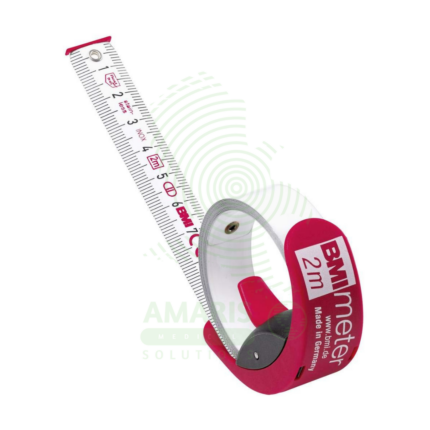
BMI Tape
A BMI Tape is a rapid screening tool that estimates an individual's Body Mass Index (BMI) category by measuring body circumference, most commonly the waist. It features a color-coded scale that directly displays BMI ranges (Underweight, Normal, Overweight, Obese), eliminating the need for separate height and weight measurements and manual calculation. While highly useful for community health screenings, wellness programs, and patient education due to its portability and simplicity, it is an approximate method. Its accuracy is limited compared to BMI calculated from precise clinical measurements, and it should be used as an initial screening indicator rather than a definitive diagnostic tool.
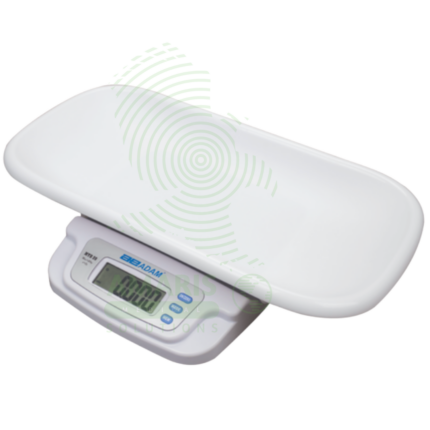
Digital Baby Weighing Scale
A Digital Baby Weighing Scale is a high-precision medical device designed exclusively for the safe and accurate measurement of infant and toddler weight. Featuring a stable, hygienic platform with gram-level precision, it is indispensable in hospitals (especially NICUs), pediatric clinics, and community health settings. Its core functions—such as hold, tare, and zeroing—ensure reliable readings even with a moving child. Accurate weight data is foundational for assessing growth, calculating medication doses, managing nutrition, and detecting early signs of health issues, making this scale a critical tool for safeguarding infant health and development.
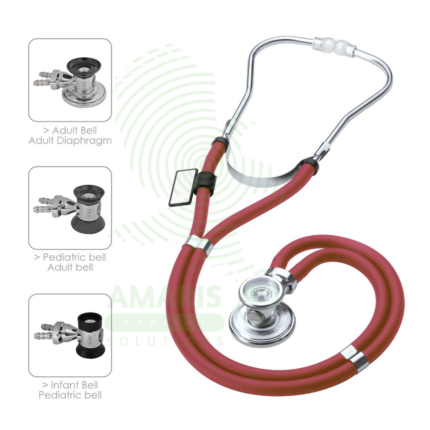
Dual Head Stethoscope
The Dual Head Stethoscope is the classic, essential acoustic diagnostic tool used by healthcare professionals worldwide. Its defining feature is a two-sided chestpiece, combining a diaphragm for high-frequency sounds (breath sounds, normal heart tones) and a bell for low-frequency sounds (heart murmurs, abnormal heart tones). Through mechanical sound conduction, it provides critical information for assessing cardiac, pulmonary, and vascular systems during physical examinations and manual blood pressure measurement. Its effectiveness relies on proper technique, a good acoustic seal, and consistent cleaning. As a fundamental symbol of medical practice, it balances functionality, durability, and affordability.
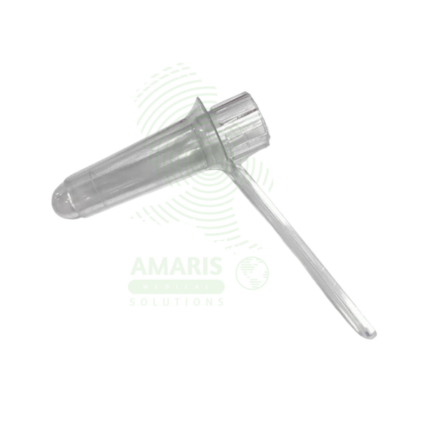
Proctoscope
A Proctoscope is a rigid, straight-tube endoscope specifically designed for the examination and treatment of the anal canal and distal rectum. It enables direct visualization to diagnose conditions like hemorrhoids, fissures, and proctitis, and serves as a conduit for therapeutic procedures such as band ligation. Available in reusable (autoclavable metal) or disposable (single-use plastic) formats, it is a fundamental tool in colorectal practice. Its effective use requires proper patient preparation, gentle insertion technique, and stringent adherence to sterilization protocols to ensure patient safety and diagnostic accuracy.
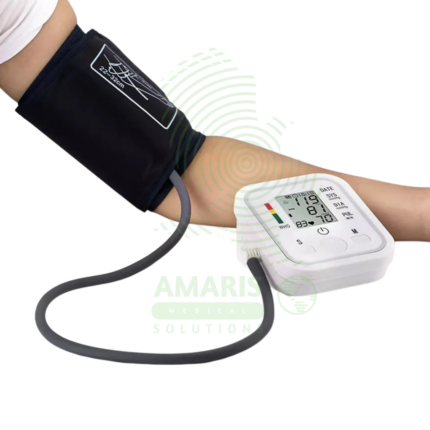
Upper Arm Blood Pressure Monitor
The Upper Arm Blood Pressure Monitor is a clinically validated, automatic digital device designed for accurate and comfortable blood pressure and pulse measurement at home or in professional settings. Known for its user-friendly features like Intellisense inflation technology, a large clear display, and comprehensive functions including irregular heartbeat detection, multi-user memory, and a WHO-based hypertension indicator, it provides reliable data for effective hypertension management. Its robust construction, adherence to international safety standards (CE, FDA), and focus on patient comfort make it a trusted choice for individuals and healthcare providers seeking a dependable tool for cardiovascular health monitoring.
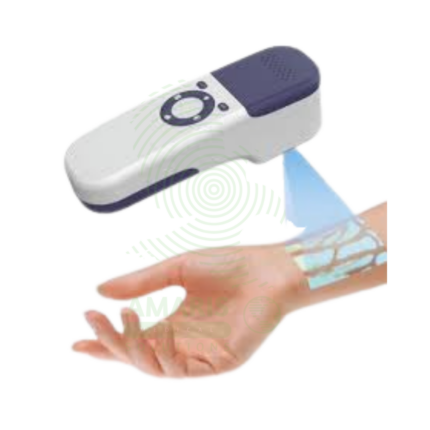
Vein Finder
A Vein Finder is a non-invasive medical imaging device that uses near-infrared light to visualize subcutaneous veins in real time and project a map of the vascular network directly onto the patient's skin. Primarily used to facilitate difficult venipuncture and IV access in challenging patient populations (pediatric, obese, elderly, dark-skinned), it enhances first-stick success rates, improves patient comfort, and reduces procedure time. As a handheld, portable aid, it complements the clinician's skill by providing clear visual guidance, making it a valuable tool in emergency rooms, operating theaters, infusion centers, and phlebotomy services.