Dermatoscope and Magnifiers
 Diagnostic Kits
 Vital Signs Monitors
 Stethoscopes and Accessories
 Otoscopes, Ophthalmoscopes, and Retinoscopes
 Reflex Hammers and Neurological Tools
 Scales and Measuring Devices
 Spirometers and Pulmonary Function Tests
 Electrosurgical Units and Accessories
 Cutting Instruments
 Grasping and Holding Instruments
 Hemostatic Instruments
 Specialized Surgical Sets
 Single-Use Procedure Trays and Packs
 Surgical Drapes, Gowns, and Covers
 Tissue Unifying Instruments
 Radiation Protection
 X-Ray Machines and Accessories
 Ultrasound Systems and Probes
 MRI and CT Scanners
 Radiology Consumables
 Bone Densitometers
 Fluoroscopy Equipment
 Imaging Tables and Positioning Aids
 Microscopes and Accessories
 Centrifuges and Separators
 Analyzers
 Incubators and Ovens
 Pipettes, Dispensers, and Lab Glassware
 Refrigerators, Freezers, and Storage Units
 Lab Consumables
 Sterilizers and Autoclaves for Lab Use
 Multi-Parameter Monitors
 Ventilators and Respiratory Support Devices
 Defibrillators and AEDs
 Infusion Pumps and IV Systems
 Patient Warmers and Cooling Devices
 Central Monitoring Stations
 Accessories
 Anesthesia Machines and Workstations
 Oxygen Concentrators and Delivery Systems
 Nebulizers and Inhalers
 CPAP/BiPAP Machines
 Airway Management
 Anesthesia Masks, Circuits, and Bags
 Humidifiers and Heaters
 Respiratory Therapy Accessories
 First Aid Kits and Cabinets
 Emergency Resuscitation Equipment
 Trauma Supplies
 Emergency Carts and Crash Carts
 Burn Care Products
 Bleeding Control
 Automated External Defibrillators (AEDs)
 Transport and Evacuation
 Wheelchairs and Accessories
 Walkers, Crutches, and Canes
 Prosthetics and Orthotics
 Physical Therapy Equipment
 Transfer Devices
 Bathroom Safety
 Orthopedic Traction and Tables
 Hot/Cold Therapy Packs and Units
 Beds and Mattresses
 Chairs and Stools
 Tables
 Cabinets and Storage
 Privacy Screens & Curtains
 Stands and Racks
 Linens and Textiles
 Lighting
 Autoclaves and Sterilizers
 Ultrasonic Cleaners
 Disinfectant Solutions and Wipes
 Sterilization Pouches, Wraps, and Indicators
 Instrument Trays and Containers
 UV and Ozone Disinfection Devices
 Washer Disinfectors
 Wound Care
 Gloves
 Masks and Respirators
 Catheters and Tubing
 Swabs, Applicators, and Sponges
 Incontinence Products
 Personal Protective Equipment (PPE)
 Dental Chairs and Units
 Handpieces and Burs
 Instruments
 Consumables
 Sterilization for Dental Use
 Orthodontic Supplies
 Endodontic Tools
 Slit Lamps and Tonometers
 Lensometers and Phoropters
 Ophthalmic Surgical Instruments
 Eyewear Frames and Lenses
 Contact Lens Supplies
 Vision Testing Charts and Devices
 Eye Care Consumables
 Laser Systems for Eye Care
 ENT Exam Chairs and Tables
 Endoscopes
 Audiometers and Hearing Tests
 ENT Instruments
 Nasal and Throat Packs
 Hearing Aids and Accessories
 Otology Supplies
 Fetal Dopplers and Monitors
 Delivery Beds and Tables
 Gynecological Instruments
 Neonatal Incubators and Warmers
 Breast Pumps and Accessories
 Contraceptive Devices
 Maternity Supports and Pads
 Neonatal Consumables
 Cystoscopes and Urethroscopes
 Dialysis Machines and Supplies
 Urological Catheters and Bags
 Lithotripters
 Prostate Treatment Devices
 Urinary Incontinence Products
 Kidney Stone Management Tools
 Consumables & Disposables
 EEG and EMG Machines
 Neurosurgical Instruments
 Nerve Stimulators
 Headrests and Positioning Aids
 Lumbar Puncture Kits
 Seizure Monitoring Devices
 Consumables
 Rehabilitation for Neurological Conditions
 ECG Machines and Accessories
 Holter Monitors
 Stress Test Systems
 Pacemakers and Defibrillator Accessories
 Vascular Access Devices
 Cardiac Catheters and Guidewires
 Blood Flow Meters
 Consumables
 Orthopedic Instruments
 Casts, Splints, and Padding
 Joint Replacement Supplies
 Prosthetic Limbs and Components
 Bone Grafts and Substitutes
 Traction Devices
 Orthopedic Braces and Supports
 Rehabilitation Aids for Orthopedics
 Home Oxygen Therapy
 Hospital Beds for Home Use
 Mobility Aids
 Bathroom and Daily Living Aids
 Wound Care for Home
 Monitoring Devices
 Enteral Feeding Pumps and Tubes
 Hand Sanitizers and Dispensers
 Face Shields and Goggles
 Isolation Gowns and Suits
 Biohazard Waste Containers
 Air Purifiers and HEPA Filters
 Surface Disinfectants
 Sharps Containers
 Protective Barriers
 Cardiovascular & Endurance Training
 Strength Training & Weightlifting
 Functional Training & Core Conditioning
 Physical Therapy & Rehabilitation
 Sports & Outdoor Recreation
 Gym Flooring & Facility Equipment
 Fitness Monitoring & Accessories
 Kids & Novelties










Specialized patient support systems designed for safety, comfort, and clinical functionality in hospitals, long-term care facilities, and home settings. This category includes electric and manual hospital beds with adjustable positioning (height, head, foot), side rails, and mobility features, paired with pressure-relief mattresses to prevent ulcers and enhance recovery. Combines ergonomic design, durability, and infection control to support patient care, caregiver efficiency, and overall well-being.
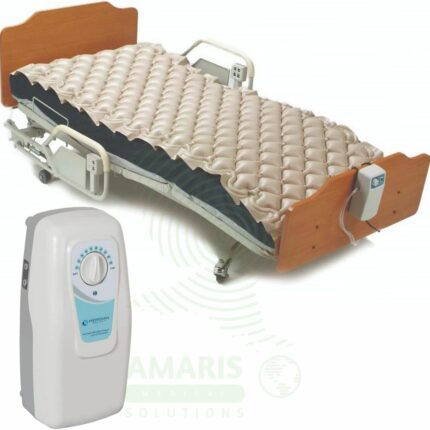
Alternating Mattress
An Alternating Mattress is a powered, dynamic support surface designed for the prevention and treatment of pressure injuries in high-risk, immobile patients. Its core function is the cyclical inflation and deflation of air cells, which constantly shifts pressure away from bony prominences to maintain tissue perfusion. Consisting of a durable air-cell mattress, an intelligent control pump with alarms, and a fluid-proof cover, it is a critical intervention in intensive care, spinal units, and wound care. Its use requires vigilant monitoring of alarms and patient skin integrity as part of a comprehensive pressure injury prevention protocol.
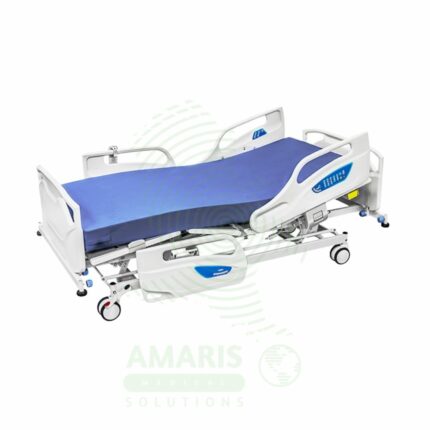
Electric Hospital Bed
An Electric Hospital Bed is a motorized, adjustable bed system designed for inpatient medical care. It provides critical functions such as height adjustment for safe patient transfer, head and knee elevation for comfort and clinical indications, and integrated safety features like side rails and nurse call. Its electric operation allows for precise positioning by both patient and caregiver, enhancing safety, treatment efficacy, and ergonomics. Proper use requires adherence to weight limits, fall prevention protocols, and regular disinfection between patients. It is a fundamental capital asset in any inpatient healthcare facility.
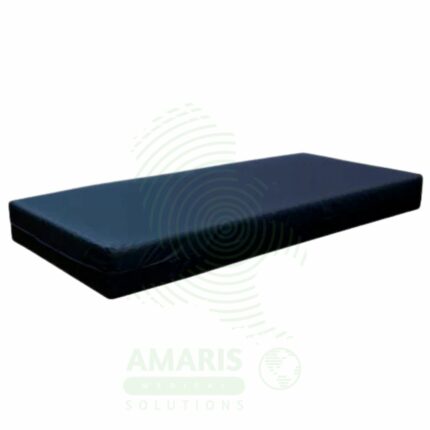
Hospital Mattress with Rexine
A Hospital Mattress with Rexine is a medical-grade mattress designed for use on hospital beds in clinical and home care settings. Featuring a high-density foam core for pressure redistribution and support, and a waterproof, fluid-resistant Rexine cover for infection control, it provides a comfortable, hygienic surface for patients requiring bed rest. The durable construction withstands repeated cleaning and disinfection, making it suitable for high-use environments. Essential for pressure injury prevention and patient comfort during hospitalization or long-term care.
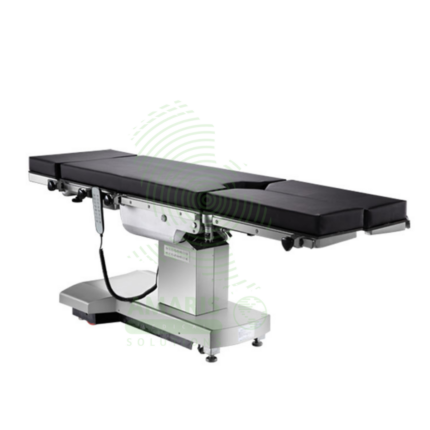
Hydraulic & Electric Operating Table
An Hydraulic & Electric Operating Table is the primary, heavy-duty patient positioning system in an operating room. Hydraulic models offer reliable, power-independent control, while electric models provide precise, programmable articulation. It is engineered for stability, a high weight capacity, and a wide range of motions (height, tilt, flexion) to optimize surgical exposure and ergonomics across all specialties. Safe use requires securing the patient, adhering to weight limits, careful padding to prevent nerve injury, and clear communication before any movement. It is a critical piece of capital equipment that forms the foundation for safe and effective surgical intervention.
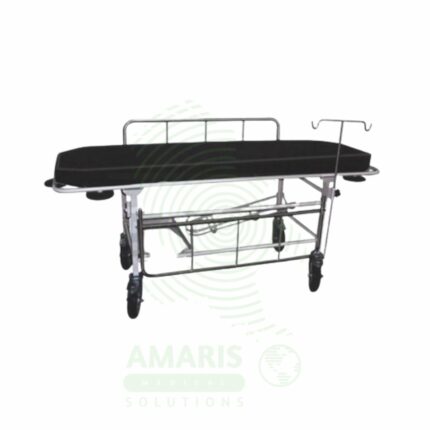
Patient Trolley
A Patient Trolley (also known as a hospital stretcher or gurney) is a mobile, height-adjustable wheeled bed essential for the safe transport and temporary holding of patients within a healthcare facility. Its core function is to serve as the primary link between clinical departments (e.g., Ward to Radiology, ED to OR), enabling efficient patient flow. Key features include locking casters, safety side rails, an IV pole, and a thin, cleanable mattress. Designed for maneuverability in corridors and elevators, it is the fundamental piece of equipment for patient logistics, emergency response, and serving as a mobile treatment platform in hospitals and large clinics.
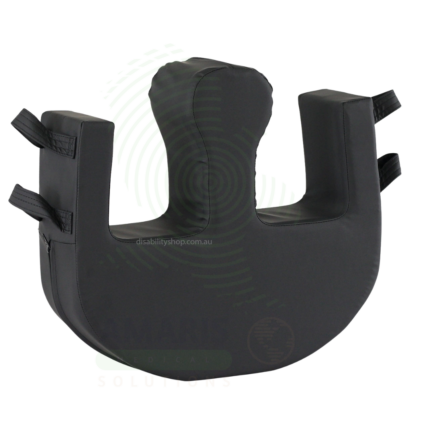
Patient Turnover Cushion
A Patient Turnover Cushion is a low-friction, ergonomic device designed to assist caregivers in safely turning, repositioning, and transferring patients with limited mobility, reducing manual handling injuries while enabling regular position changes for pressure ulcer prevention. The wedge-shaped or cylindrical roll design provides mechanical advantage, allowing caregivers to slide rather than lift the patient, reducing biomechanical load on the back, shoulders, and wrists. The low-friction cover minimizes shear forces on patient skin during repositioning, protecting fragile skin from injury. Integrated handles provide secure grip points for controlled, coordinated movement. For the nurse and patient care technician, the turnover cushion supports safe patient handling protocols, reducing occupational injury risk while improving patient repositioning efficiency. For the patient with limited mobility due to stroke, spinal cord injury, frailty, or post-operative status, the turnover cushion enables regular repositioning that prevents pressure ulcers, facilitates respiratory management, and supports dignified, comfortable care. Used in hospitals, nursing homes, critical care units, and home healthcare, the patient turnover cushion is an essential tool for pressure ulcer prevention and caregiver safety.
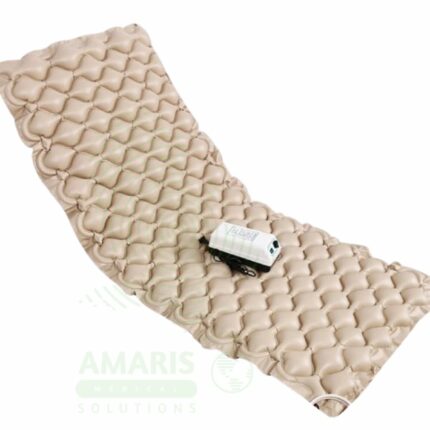
Ripple Mattress
A Ripple Mattress is an active alternating pressure mattress system designed to prevent and treat pressure injuries. It consists of a series of air cells connected to an electric pump that cyclically inflates and deflates, creating a "rippling" effect that constantly shifts pressure away from bony prominences. This promotes blood flow and relieves tissue ischemia in immobile, high-risk patients. Essential in ICUs, wards, and long-term care, it is a key component of pressure injury prevention protocols and includes critical safety features like low-pressure alarms and battery backup to ensure continuous therapy.
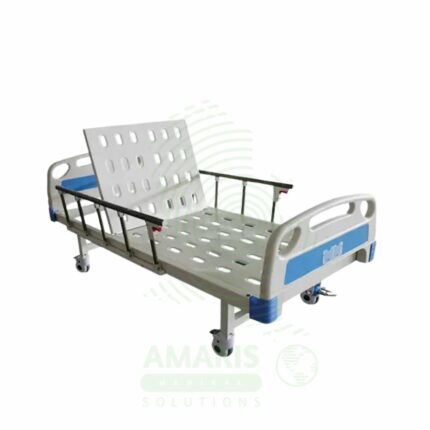
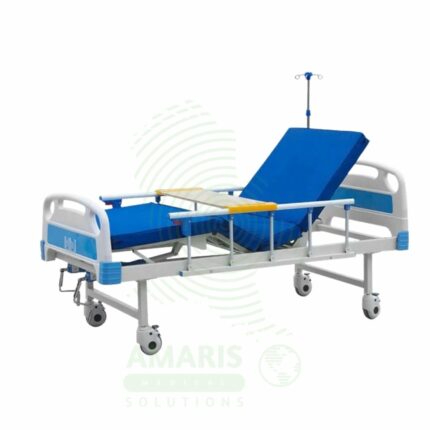
Single Crank Hospital Bed
A Single Crank Hospital Bed is the most basic type of manually adjustable bed, featuring only one hand crank to raise and lower the head section. It provides essential backrest elevation for patient comfort, feeding, and respiratory support but lacks knee elevation and height adjustment. Its simplicity makes it durable and low-cost, but it poses significant risks: patients are prone to sliding down the bed, and caregivers face ergonomic hazards due to the fixed height and manual operation. It is suitable only for minimal-care settings where patient mobility and clinical needs are very low.
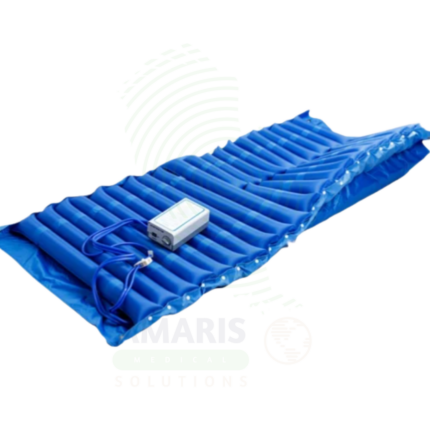
Turbular Ripple Mattress With Toilet Cutout
A Turbular Ripple Mattress With Toilet Cutout is a dynamic pressure redistribution mattress featuring alternating inflation and deflation of tubular air cells that continuously shifts pressure points, preventing prolonged capillary compression and reducing pressure ulcer risk in immobile patients. The alternating cycle (typically every five to ten minutes) creates a ripple effect that promotes blood flow and tissue oxygenation while preventing sustained pressure on bony prominences such as the sacrum, heels, and occiput. The strategically positioned toilet cutout provides access to the perineal area for bedpan placement, perineal cleansing, and incontinence management without requiring patient repositioning—reducing caregiver physical strain while maintaining continuous pressure relief therapy. The low-profile, quiet electric pump attaches to standard hospital bed frames, and the waterproof, low-shear cover protects the mattress while reducing friction against patient skin. For the wound care nurse and long-term care clinician, this mattress provides essential pressure ulcer prevention for patients with spinal cord injury, stroke, advanced dementia, critical illness, or end-of-life care needs. For the immobile patient, the turbular ripple mattress with toilet cutout preserves skin integrity, enables dignified perineal care, and supports quality of life during prolonged bedrest.