Dermatoscope and Magnifiers
 Diagnostic Kits
 Vital Signs Monitors
 Stethoscopes and Accessories
 Otoscopes, Ophthalmoscopes, and Retinoscopes
 Reflex Hammers and Neurological Tools
 Scales and Measuring Devices
 Spirometers and Pulmonary Function Tests
 Electrosurgical Units and Accessories
 Cutting Instruments
 Grasping and Holding Instruments
 Hemostatic Instruments
 Specialized Surgical Sets
 Single-Use Procedure Trays and Packs
 Surgical Drapes, Gowns, and Covers
 Tissue Unifying Instruments
 Radiation Protection
 X-Ray Machines and Accessories
 Ultrasound Systems and Probes
 MRI and CT Scanners
 Radiology Consumables
 Bone Densitometers
 Fluoroscopy Equipment
 Imaging Tables and Positioning Aids
 Microscopes and Accessories
 Centrifuges and Separators
 Analyzers
 Incubators and Ovens
 Pipettes, Dispensers, and Lab Glassware
 Refrigerators, Freezers, and Storage Units
 Lab Consumables
 Sterilizers and Autoclaves for Lab Use
 Multi-Parameter Monitors
 Ventilators and Respiratory Support Devices
 Defibrillators and AEDs
 Infusion Pumps and IV Systems
 Patient Warmers and Cooling Devices
 Central Monitoring Stations
 Accessories
 Anesthesia Machines and Workstations
 Oxygen Concentrators and Delivery Systems
 Nebulizers and Inhalers
 CPAP/BiPAP Machines
 Airway Management
 Anesthesia Masks, Circuits, and Bags
 Humidifiers and Heaters
 Respiratory Therapy Accessories
 First Aid Kits and Cabinets
 Emergency Resuscitation Equipment
 Trauma Supplies
 Emergency Carts and Crash Carts
 Burn Care Products
 Bleeding Control
 Automated External Defibrillators (AEDs)
 Transport and Evacuation
 Wheelchairs and Accessories
 Walkers, Crutches, and Canes
 Prosthetics and Orthotics
 Physical Therapy Equipment
 Transfer Devices
 Bathroom Safety
 Orthopedic Traction and Tables
 Hot/Cold Therapy Packs and Units
 Beds and Mattresses
 Chairs and Stools
 Tables
 Cabinets and Storage
 Privacy Screens & Curtains
 Stands and Racks
 Linens and Textiles
 Lighting
 Autoclaves and Sterilizers
 Ultrasonic Cleaners
 Disinfectant Solutions and Wipes
 Sterilization Pouches, Wraps, and Indicators
 Instrument Trays and Containers
 UV and Ozone Disinfection Devices
 Washer Disinfectors
 Wound Care
 Gloves
 Masks and Respirators
 Catheters and Tubing
 Swabs, Applicators, and Sponges
 Incontinence Products
 Personal Protective Equipment (PPE)
 Dental Chairs and Units
 Handpieces and Burs
 Instruments
 Consumables
 Sterilization for Dental Use
 Orthodontic Supplies
 Endodontic Tools
 Slit Lamps and Tonometers
 Lensometers and Phoropters
 Ophthalmic Surgical Instruments
 Eyewear Frames and Lenses
 Contact Lens Supplies
 Vision Testing Charts and Devices
 Eye Care Consumables
 Laser Systems for Eye Care
 ENT Exam Chairs and Tables
 Endoscopes
 Audiometers and Hearing Tests
 ENT Instruments
 Nasal and Throat Packs
 Hearing Aids and Accessories
 Otology Supplies
 Fetal Dopplers and Monitors
 Delivery Beds and Tables
 Gynecological Instruments
 Neonatal Incubators and Warmers
 Breast Pumps and Accessories
 Contraceptive Devices
 Maternity Supports and Pads
 Neonatal Consumables
 Cystoscopes and Urethroscopes
 Dialysis Machines and Supplies
 Urological Catheters and Bags
 Lithotripters
 Prostate Treatment Devices
 Urinary Incontinence Products
 Kidney Stone Management Tools
 Consumables & Disposables
 EEG and EMG Machines
 Neurosurgical Instruments
 Nerve Stimulators
 Headrests and Positioning Aids
 Lumbar Puncture Kits
 Seizure Monitoring Devices
 Consumables
 Rehabilitation for Neurological Conditions
 ECG Machines and Accessories
 Holter Monitors
 Stress Test Systems
 Pacemakers and Defibrillator Accessories
 Vascular Access Devices
 Cardiac Catheters and Guidewires
 Blood Flow Meters
 Consumables
 Orthopedic Instruments
 Casts, Splints, and Padding
 Joint Replacement Supplies
 Prosthetic Limbs and Components
 Bone Grafts and Substitutes
 Traction Devices
 Orthopedic Braces and Supports
 Rehabilitation Aids for Orthopedics
 Home Oxygen Therapy
 Hospital Beds for Home Use
 Mobility Aids
 Bathroom and Daily Living Aids
 Wound Care for Home
 Monitoring Devices
 Enteral Feeding Pumps and Tubes
 Hand Sanitizers and Dispensers
 Face Shields and Goggles
 Isolation Gowns and Suits
 Biohazard Waste Containers
 Air Purifiers and HEPA Filters
 Surface Disinfectants
 Sharps Containers
 Protective Barriers
 Cardiovascular & Endurance Training
 Strength Training & Weightlifting
 Functional Training & Core Conditioning
 Physical Therapy & Rehabilitation
 Sports & Outdoor Recreation
 Gym Flooring & Facility Equipment
 Fitness Monitoring & Accessories
 Kids & Novelties














Incubators and Ovens
Essential environmental control instruments designed to provide precise, stable conditions for the cultivation, storage, and processing of biological samples and materials. This category includes microbiological incubators, CO₂ incubators for cell culture, drying ovens, hybridization ovens, and specialized warming cabinets. These devices maintain consistent temperature, humidity, and atmospheric conditions to support microbial growth, cell viability, sample drying, reagent incubation, and material testing. Ideal for clinical microbiology laboratories, research facilities, IVF clinics, blood banks, and pharmaceutical quality control units.
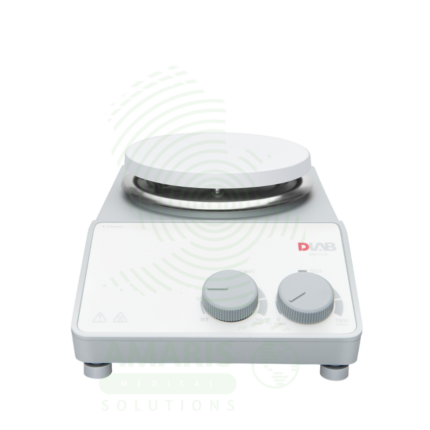
Analog Heating Magnetic Stirrer(MS-H-S)
Analog Heating Magnetic Stirrer is a robust, TÜV‑certified benchtop instrument engineered for accurate, safe, and economical heating and simultaneous stirring in clinical diagnostics, pharmaceutical quality control, analytical chemistry, and academic research laboratories worldwide. Featuring a 5‑inch (φ135 mm) round, ceramic‑coated stainless steel work plate, this analog hotplate stirrer delivers a heating range of room temperature +5 °C to 340 °C and a stepless stirring speed range of 100 to 1500 rpm with a maximum stirring capacity of 20 litres of water.
Every Analog Heating Magnetic Stirrer is individually factory‑calibrated and supplied with a calibration certificate traceable to international standards. The maintenance‑free, spark‑free DC brushless motor provides consistent, quiet agitation without routine upkeep, and the ceramic‑coated stainless steel work plate resists strong acids, strong alkalis, and organic solvents, offering rapid, uniform heating without localised hot spots. Two independent, intuitive analog control knobs (dual rotary knobs) allow simple, direct control over temperature and speed, and the integrated operation indicator light confirms heating status at a glance.
Key user‑focused features for clinical and QC workflows include a large 20‑litre stirring capacity – ideal for bulk buffer and reagent preparation; a 500 W heating system enabling rapid temperature ramp‑up to 340 °C; and independent control of heating and stirring, allowing the unit to be used as a hotplate‑only, stirrer‑only, or combined hotplate stirrer.
Safety is a priority with TÜV certification (CE, cTUVus, FCC), an independent safety circuit providing over‑temperature protection (420 °C hardware cutoff), an independent residual heat warning indicator (“HOT” flashes on the control panel at >50 °C and continues even after the unit is turned off if still connected to mains, until the plate is safe to touch), and an IP42‑rated housing offering robust dust‑ and water‑splashing protection – an upgrade over basic IP21 designs, making the Analog Heating Magnetic Stirrer well suited to busy clinical, QC, and teaching labs where spills and splashes are routine.
With a compact footprint (160 × 280 mm), moderate weight (2.8 kg), and universal power supply (100–240 V, 50/60 Hz), the MS‑H‑S occupies minimal bench space while delivering reliable performance suitable for a wide range of clinical and research workflows. The instrument is backed by a 2‑year manufacturer’s warranty and is supported by a global distributor network.
For the clinical laboratory scientist, pharmaceutical QC technician, and teaching laboratory instructor, the Analog Heating Magnetic Stirrer delivers the reliable, large‑capacity, and simple‑to‑operate heating and stirring required for routine buffer preparation, media processing, staining solution mixing, and any general‑purpose heating or stir‑only task where an economical and durable analog hotplate stirrer up to 340 °C is needed. For the patient, the reliable performance of this TÜV‑certified instrument ensures that diagnostic reagents and quality control samples are prepared consistently and cost‑effectively, supporting accurate routine diagnostics, efficient laboratory operations, and patient safety.
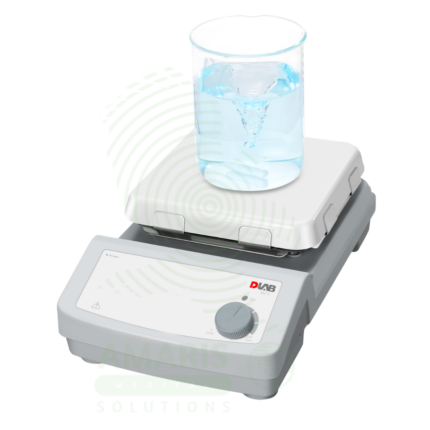
7″ Square Magnetic Stirrer (MS7‑S)
The DLAB 7″ Square Magnetic Stirrer (MS7‑S) is a reliable, economical benchtop instrument engineered for efficient, reproducible mixing in clinical diagnostics, pharmaceutical quality control, microbiology, and general research laboratories. Featuring a large 7‑inch (184×184 mm) square glass ceramic work plate, this stirrer provides a maximum stirring capacity of 10 liters and a stepless speed range of 0 to 1500 rpm, making it ideal for preparing buffers and reagents, dissolving powdered media, and homogenizing samples for a wide variety of diagnostic and research applications.
Every 7″ Square Magnetic Stirrer (MS7‑S) is constructed with a chemical‑resistant glass ceramic work plate that withstands strong acids, strong alkalis, and organic solvents, ensuring long‑term durability and easy cleaning. The robust shaded‑pole AC motor (15 W input, 1.5 W output) provides quiet, vibration‑free operation suitable for continuous daily use. The universal 100–240 V, 50/60 Hz power supply allows direct use in laboratories worldwide without voltage conversion.
Key user‑focused features include stepless analog speed control via a single rotary knob with a clear graduated scale for reproducible speed selection, a large 10‑liter stirring capacity suitable for batch preparation of bulk reagents and quality control materials, and support for stirring bars up to 80 mm in length for powerful magnetic coupling even with viscous solutions. The IP21‑rated powder‑coated metal housing provides protection against solid foreign objects and vertically falling water drops, while the non‑slip rubber feet ensure stability during high‑speed stirring.
For the clinical laboratory scientist, pharmaceutical QC analyst, and water quality technician, the 7″ Square Magnetic Stirrer (MS7‑S) delivers the large‑capacity, chemical‑resistant, and reliable stirring required for routine reagent preparation, buffer mixing, dissolution media preparation, and sample homogenization. For the patient, consistent and accurate mixing of reagents, buffers, and diagnostic samples directly supports reliable test results, safe pharmaceutical products, and effective clinical decision‑making.
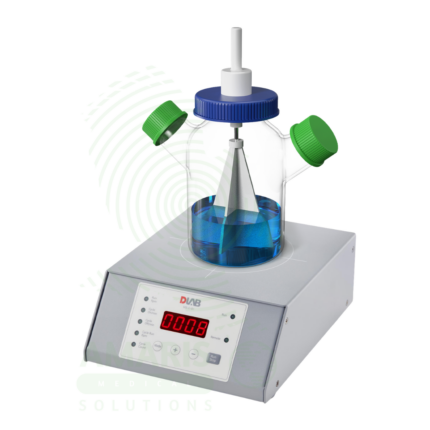
Cellular Magnetic Stirrer (MS‑C‑S1)
Cellular magnetic stirrer (MS‑C‑S1), single channel, for gentle mixing of sensitive cell cultures; 5–200 rpm (1 rpm increments), 3 L capacity. Stepper motor for high torque at low speeds, cast-aluminium work plate, LED speed display, programmable timer (0–49 min 59 s), and multiple modes (constant, cyclic, dual-speed). Compact 250×205×90 mm chassis fits CO₂ incubators, warm rooms, and cold rooms; RS232 interface for remote monitoring and GLP-compliant data logging; CE/cTUVus certified, 2-year warranty.
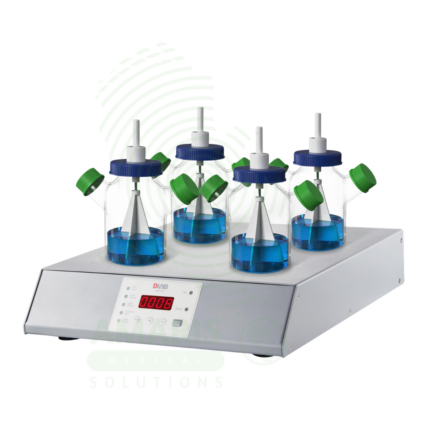
Cellular Magnetic Stirrer, 4‑Channel (MS‑C‑S4)
Cellular magnetic stirrer (MS‑C‑S4) with 4 independent channels for gentle, parallel cell culture mixing; 5–200 rpm (1 rpm increments) and 3 L capacity per channel (12 L total). Features stepper motor for high torque at low speeds, four φ105 mm cast-aluminium work plates, LED speed display, programmable timer (0–49 min 59 s), and multiple modes (constant, cyclic, dual-speed, mixed cycle). Compact 450×395×90 mm chassis fits CO₂ incubators, warm rooms, and cold rooms (5–40°C, ≤80% RH); IP21 housing and RS232 interface for remote monitoring and GLP-compliant data logging; CE certified with calibration certificate.
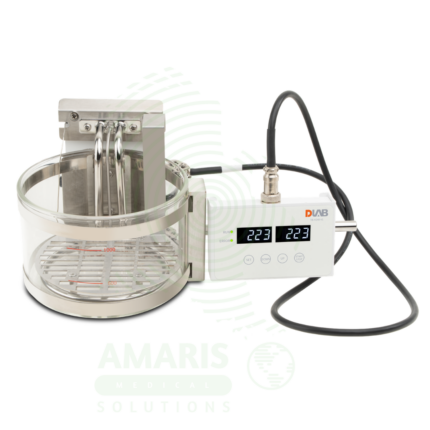
Constant Temperature Bath (TB-H240-V1)
The DLAB Constant Temperature Bath (TB-H240-V1) is a precision bench‑top instrument engineered for accurate, stable, and uniform heating in clinical diagnostics, pharmaceutical quality control, analytical chemistry, and academic research. Featuring a 1 L transparent glass bath (Ø150 × 100 mm), a heating range of 25–240 °C, ±0.5 °C temperature control accuracy, and a 0.1 °C temperature display resolution, this constant‑temperature bath provides an isothermal environment for water‑based or oil‑based heating applications.
Every Constant Temperature Bath (TB-H240-V1) is equipped with an intelligent PID temperature controller, a high‑efficiency heating element (350 W heating power, 360 W total power), a PT1000 external temperature sensor port (±0.2 °C accuracy), and a remote-control panel (detachable up to 1 m cable length) for safe operation in fume hoods and confined spaces. The borosilicate glass bath allows direct observation of samples without disturbing the experiment, while the protective guard prevents glassware from tipping and shields the user from the heating element.
Key user‑focused safety features include over‑temperature protection (280 °C cutoff), overcurrent protection, grounding protection, and a temperature self‑calibration function (user‑accessible). The IP21‑rated housing provides basic splash and dust protection. The unit is TÜV‑certified (CE, cTUVus, FCC), meets IEC/EN 61010‑1 safety standards for laboratory electrical equipment, and is manufactured under ISO 9001 and ISO 13485 quality management systems.
With a compact footprint (310 × 220 mm), a low weight (2.2 kg), and universal power supply (100–240 V, 50/60 Hz), the TB‑H240‑V1 is easy to integrate into any clinical or research bench‑top workflow. The instrument is backed by a 2‑year manufacturer’s warranty.
For the clinical laboratory scientist, pharmaceutical QC chemist, and research scientist, the Constant Temperature Bath (TB-H240-V1) delivers precise, stable, and observable heating required for ELISA incubation, coagulation testing, enzyme activity assays, sample digestion, dissolution testing, and general‑purpose medium heating. For the patient, the reliable performance of this constant‑temperature bath ensures that diagnostic tests and pharmaceutical products are accurate, reproducible and processed efficiently, directly supporting effective clinical decision‑making, appropriate treatment selection, and patient safety.
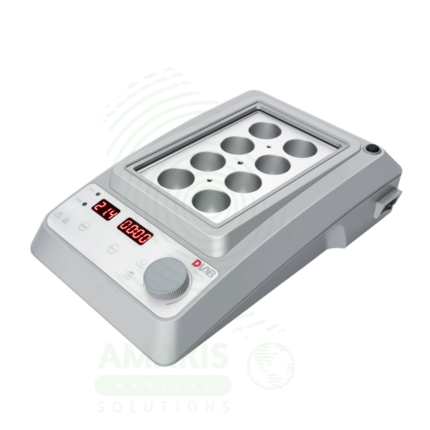
Digital Dry Bath (HB120-S)
The Digital Dry Bath (HB120-S) is a compact benchtop dry thermostat with extended high-temperature capability up to 120°C, designed for specialized molecular biology applications, protein denaturation, and high-temperature diagnostic assay preparation in clinical and research laboratories . With a temperature range from room temperature +5°C to 120°C and temperature control accuracy of ±0.5°C, this dry bath provides consistent, uniform heating for protocols requiring temperatures above the standard 100°C boiling point .
The HB120-S features a microprocessor-controlled system with LED display for real-time temperature and time monitoring, an intuitive control knob for simple operation without complex menus, and interchangeable aluminum heating blocks compatible with various tube formats and sizes . The unit supports both timing mode (0 to 99 hours 59 minutes) and continuous operation mode, with built-in temperature self-calibration function for long-term accuracy .
For the molecular biologist and clinical laboratory scientist, the HB120-S supports complete heat inactivation of restriction enzymes and heat-labile enzymes (preventing interference with downstream diagnostic assays), protein denaturation for SDS-PAGE and Western blotting, DNA denaturation for GC-rich templates and challenging PCR protocols, and high-temperature sample preparation for specialized diagnostic workflows .
Safety features include over-temperature protection and an insulated lid that prevents heat loss and contamination . The extended temperature range (up to 120°C) enables specialized protocols requiring higher temperatures than standard dry baths, making the HB120-S an essential tool for reference laboratories and molecular diagnostics facilities.
For the patient undergoing specialized molecular testing, the HB120-S's extended temperature capability ensures complete enzyme inactivation, thorough DNA denaturation for challenging templates, and reliable high-temperature sample preparation—supporting accurate diagnostic results for complex genetic conditions, infectious diseases, and oncology testing .
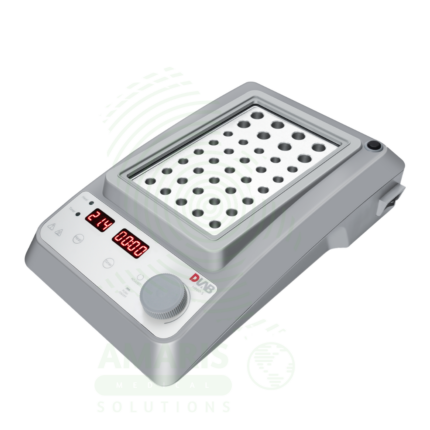
Digital Dry Bath (HB60-S)
The Digital Dry Bath (HB60-S) (LED Digital Dry Bath) is a compact, low-profile benchtop dry thermostat designed for precise temperature-controlled incubation in clinical diagnostic, molecular biology, and research laboratories . With a temperature range from room temperature +5°C to 60°C and five discrete temperature settings (25°C, 30°C, 37°C, 45°C, 60°C), this dry bath provides control accuracy of ±0.5°C and excellent temperature uniformity of ±0.3°C at 37°C .
The dual-purpose heating block accommodates up to 30 × 1.5/2.0 mL tubes or 8 × 5-10 mL tubes, offering flexibility for different sample volumes and tube formats . The LED display provides real-time monitoring of temperature and time, while the intuitive control knob allows easy operation without complex menus . The microprocessor-controlled unit supports both timing mode (0 to 99 hours 59 minutes) and continuous operation mode .
For the clinical laboratory scientist and medical technologist, the HB60-S supports enzyme-substrate reactions for biochemical tests and clinical chemistry, serum inactivation (56°C) for immunoassays and serological testing, DNA/RNA preparation for molecular diagnostics and PCR workflows, and sample warming and reagent thawing for diagnostic testing .
Safety features include over-temperature protection (80°C safety cut-off) and an insulated lid that prevents heat loss and contamination . The low-profile, space-saving design (175 × 290 × 85 mm) and lightweight construction (2.5 kg) minimize benchtop footprint while delivering reliable heating performance .
For the patient undergoing diagnostic testing for infectious diseases, autoimmune disorders, or genetic conditions, the HB60-S's precise temperature control ensures reliable enzyme reaction conditions, consistent DNA denaturation, and accurate sample preparation—supporting reliable test results that guide appropriate treatment decisions across clinical chemistry, molecular diagnostics, and research applications .
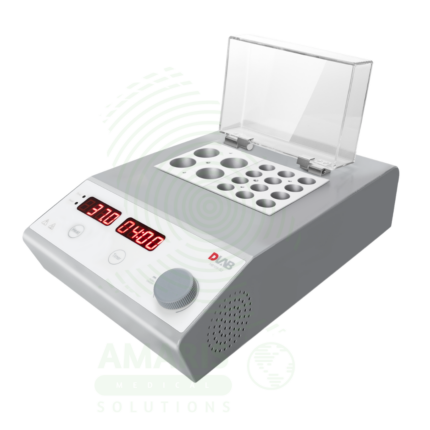
Digital Dry Bath Dual Block (HB105-S2)
The Digital Dry Bath Dual Block (HB105-S2) is a dual-block benchtop dry thermostat designed for high-throughput, precise temperature-controlled incubation in clinical diagnostic, molecular biology, and research laboratories . With a temperature range from room temperature +5°C to 105°C and temperature control accuracy of ±0.5°C, this dry bath provides consistent, uniform heating across two independently controlled blocks .
The HB105-S2 features a microprocessor-controlled system with independent LED displays and control knobs for each block, allowing simultaneous processing of protocols requiring different incubation temperatures (e.g., 37°C for enzyme reactions on block one, 56°C for serum inactivation on block two, 95°C for DNA denaturation on either block as needed) . The dual-block design saves valuable bench space while doubling throughput compared to single-block units .
For the clinical laboratory scientist and medical technologist, the HB105-S2 supports enzyme-substrate reactions for biochemical tests and clinical chemistry, serum inactivation (56°C) for immunoassays and serological testing, DNA denaturation for nucleic acid amplification and PCR preparation, and sample warming and reagent thawing for diagnostic testing . The independent block operation allows concurrent processing of different assay types without cross-contamination or temperature interference .
Safety features include independent over-temperature protection for each block and insulated lids that prevent heat loss and contamination . Built-in temperature self-calibration ensures long-term accuracy for both blocks . For the patient undergoing diagnostic testing for infectious diseases, autoimmune disorders, or genetic conditions, the HB105-S2's high-throughput, precise temperature control ensures reliable enzyme reaction conditions, consistent DNA denaturation, and accurate sample preparation—supporting reliable test results that guide appropriate treatment decisions across clinical chemistry, molecular diagnostics, and research applications .
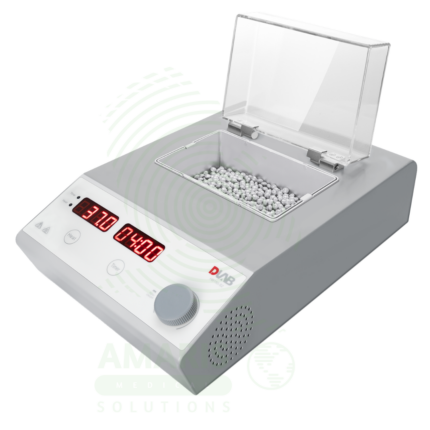
Digital Dry Bath Dual Block (HB150-S2)
The Digital Dry BathDual Block (HB150-S2) is a compact benchtop dry thermostat with extended high-temperature capability up to 150°C and dual independent heating blocks, designed for high-throughput advanced molecular biology applications, thermostable enzyme inactivation, and high-temperature diagnostic assay preparation in clinical and research laboratories . With a temperature range from room temperature +5°C to 150°C and temperature control accuracy of ±0.3°C (25-90°C) and ±0.6°C (90-150°C), this dry bath provides consistent, uniform heating across two independently controlled blocks for protocols requiring extreme temperatures up to 150°C .
The HB150-S2 features a microprocessor-controlled system with independent LED displays and control knobs for each block, allowing simultaneous processing of protocols requiring different elevated temperatures (e.g., 95°C for DNA denaturation on block one, 120°C for thermostable enzyme inactivation on block two, 150°C for specialized high-temperature applications) . The dual independent block operation saves valuable bench space while doubling throughput compared to single-block units .
The unit accepts various optional interchangeable aluminum heating blocks for different tube formats including 0.2mL, 0.5mL, 1.5/2mL, 5mL, 15mL, and 50mL tubes . Each block has an independent heat-preserving lid that prevents contamination and ensures temperature stability . A sound reminder function alerts users when set temperature is reached and at run completion for each block .
For the molecular biologist and clinical laboratory scientist, the HB150-S2 supports complete heat inactivation of thermostable restriction enzymes and heat-labile enzymes (preventing interference with downstream diagnostic assays), protein denaturation for SDS-PAGE and Western blotting at elevated temperatures, DNA denaturation for GC-rich templates and challenging PCR protocols, and high-throughput sample preparation for specialized diagnostic workflows .
For the patient undergoing specialized molecular testing, the HB150-S2's extended temperature capability (up to 150°C) combined with independent dual-block operation ensures complete inactivation of even thermostable enzymes, thorough DNA denaturation for the most challenging templates, and efficient processing of diverse high-temperature protocols—supporting accurate diagnostic results for complex genetic conditions, infectious diseases, and oncology testing that require extreme temperature control with high-throughput capacity.
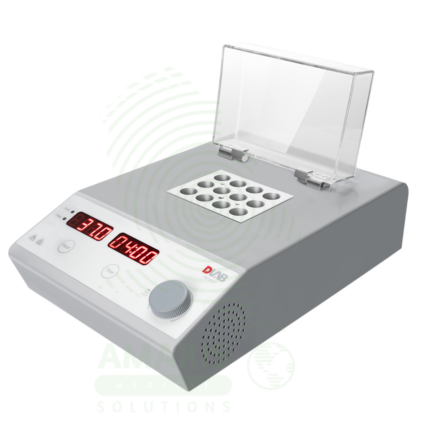
Digital Dry Bath Single Block (HB150-S1)
The Digital Dry Bath Single Block (HB150-S1) is a compact benchtop dry thermostat with extended high-temperature capability up to 150°C, designed for advanced molecular biology applications, thermostable enzyme inactivation, and high-temperature diagnostic assay preparation in clinical and research laboratories . With a temperature range from room temperature +5°C to 150°C and temperature control accuracy of ±0.3°C (25-90°C) and ±0.6°C (90-150°C), this dry bath provides consistent, uniform heating for protocols requiring extreme temperatures up to 150°C—enabling specialized assays that cannot be performed on standard dry baths with lower maximum temperatures .
The HB150-S1 features a microprocessor-controlled system with LED display for real-time temperature and time monitoring, an intuitive control knob for simple operation without complex menus, and interchangeable aluminum heating blocks compatible with various tube formats including 0.2mL, 0.5mL, 1.5/2mL, 5mL, 15mL, and 50mL tubes . The unit supports both timing mode (0 to 99 hours 59 minutes) and continuous operation mode, with built-in overheating protection for equipment and sample safety .
Key advanced features include an external temperature sensor port (PT1000 compatible) for real-time sample temperature verification , USB interface for data export and quality record traceability , and a heat-preserving block lid that prevents contamination and ensures temperature stability . A sound reminder function alerts users when set temperature is reached and at run completion .
For the molecular biologist and clinical laboratory scientist, the HB150-S1 supports complete heat inactivation of thermostable restriction enzymes and heat-labile enzymes (preventing interference with downstream diagnostic assays), protein denaturation for SDS-PAGE and Western blotting at elevated temperatures, DNA denaturation for GC-rich templates and challenging PCR protocols, and high-temperature sample preparation with external temperature verification for quality assurance .
For the patient undergoing specialized molecular testing, the HB150-S1's extended temperature capability (up to 150°C) ensures complete inactivation of even thermostable enzymes, thorough DNA denaturation for the most challenging templates, and reliable high-temperature sample preparation with documented temperature verification—supporting accurate diagnostic results for complex genetic conditions, infectious diseases, and oncology testing that require extreme temperature control .
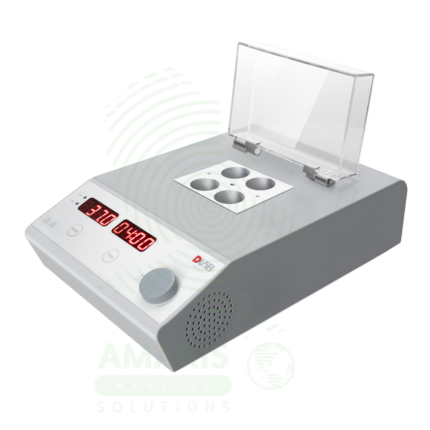
Digital Dry Bath Single Block(HB105-S1)
The Digital Dry Bath Single Block(HB105-S1) is a compact, single-block benchtop dry thermostat designed for precise temperature-controlled incubation in clinical diagnostic, molecular biology, and research laboratories . With a temperature range from room temperature +5°C to 105°C and temperature control accuracy of ±0.5°C, this dry bath provides consistent, uniform heating for a wide range of diagnostic and research applications .
The HB105-S1 features a microprocessor-controlled system with LED display for real-time temperature and time monitoring, an intuitive control knob for simple operation without complex menus, and interchangeable aluminum heating blocks compatible with various tube formats and sizes . The unit supports both timing mode (0 to 99 hours 59 minutes) and continuous operation mode, with built-in temperature self-calibration function for long-term accuracy .
For the clinical laboratory scientist and medical technologist, the HB105-S1 supports enzyme-substrate reactions for biochemical tests and clinical chemistry, serum inactivation (56°C) for immunoassays and serological testing, DNA denaturation for nucleic acid amplification and PCR preparation, and sample warming and reagent thawing for diagnostic testing . The compact, single-block design is ideal for space-constrained laboratories while delivering reliable heating performance .
Safety features include over-temperature protection and an insulated lid that prevents heat loss and contamination . For the patient undergoing diagnostic testing for infectious diseases, autoimmune disorders, or genetic conditions, the HB105-S1's precise temperature control ensures reliable enzyme reaction conditions, consistent DNA denaturation, and accurate sample preparation—supporting reliable test results that guide appropriate treatment decisions across clinical chemistry, molecular diagnostics, and research applications .
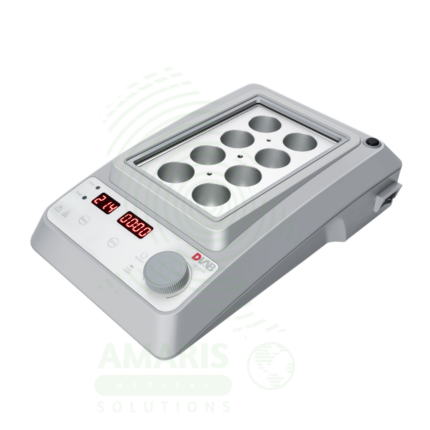
Digital Dry Bath with Calibration (HB120-SC)
The HDigital Dry Bath with Calibration (HB120-SC) is a compact benchtop dry thermostat with extended high-temperature capability up to 120°C and factory calibration certification, designed for regulated diagnostic applications requiring documented temperature accuracy in ISO 15189, CLIA, and CAP-accredited clinical and research laboratories .
With a temperature range from room temperature +5°C to 120°C and temperature control accuracy of ±0.5°C, this calibrated dry bath provides consistent, uniform heating for specialized molecular biology protocols while the included factory calibration certificate provides traceable temperature verification for regulatory compliance and quality assurance records .
The HB120-SC features a microprocessor-controlled system with LED display for real-time temperature and time monitoring, an intuitive control knob for simple operation without complex menus, and interchangeable aluminum heating blocks compatible with various tube formats and sizes . The unit supports both timing mode (0 to 99 hours 59 minutes) and continuous operation mode .
For the molecular biologist and quality assurance manager, the HB120-SC supports complete heat inactivation of restriction enzymes and heat-labile enzymes for regulated molecular diagnostics, protein denaturation for SDS-PAGE and Western blotting, DNA denaturation for GC-rich templates and challenging PCR protocols, and high-temperature sample preparation with documented temperature control .
Safety features include over-temperature protection and an insulated lid that prevents heat loss and contamination . The factory calibration certification provides documented evidence of temperature performance for laboratory accreditation inspections, supporting compliance with ISO 15189, CLIA, and CAP quality standards .
For the patient undergoing specialized molecular testing in an accredited laboratory, the HB120-SC's calibrated temperature performance ensures complete enzyme inactivation, thorough DNA denaturation for challenging templates, and reliable high-temperature sample preparation—supporting accurate diagnostic results for complex genetic conditions, infectious diseases, and oncology testing with documented quality control.
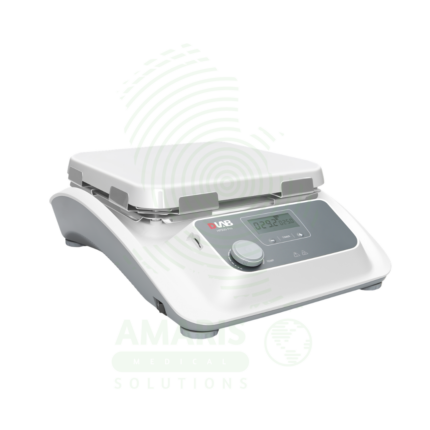
Digital Hotplate (HP500‑Pro)
LCD 10‑inch digital hotplate (HP500‑Pro) with a 254×254 mm glass ceramic work plate, 1350 W heating up to 500°C (1°C increments), and a high-resolution LCD showing actual temperature and timer status. Factory-calibrated to ISO 8655 with individual certificate; integrated timer (1 min–99 h 59 min) and SD card port for real-time data recording and GLP compliance. Optional PT1000 external sensor (±0.2°C) for sample-liquid temperature control. Safety: independent 540°C over-temperature hardware cutoff, “HOT” warning >50°C after power-off, and IP21 protection. Chemical-resistant glass ceramic plate for uniform heat distribution; CE, cTUVus, FCC certified; ISO 9001/13485 manufacturing. Ideal for ashing and dry digestion for trace element analysis, high-temperature denaturation, and large-volume sample processing.
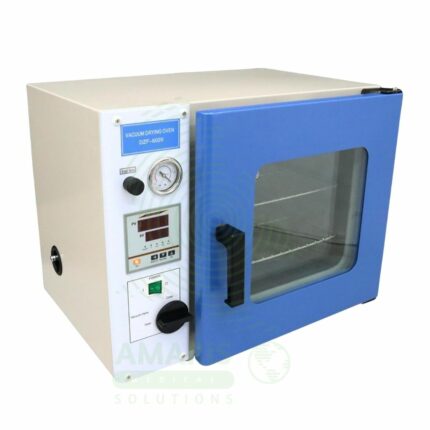
Drying Oven
A Drying Oven is a forced-air heated cabinet used for dry heat sterilization of moisture-sensitive items and for thoroughly drying laboratory glassware and samples. Operating at high temperatures (up to 250°C), it is the method of choice for sterilizing powders, oils, and glass. Its key feature is uniform temperature distribution via a mechanical fan, which is essential for effective sterilization. Critical safety protocols include using extreme caution for thermal burns, never loading flammable materials, and allowing proper cooling. It is a vital piece of equipment in sterile processing and analytical laboratories where the complete absence of moisture is required.
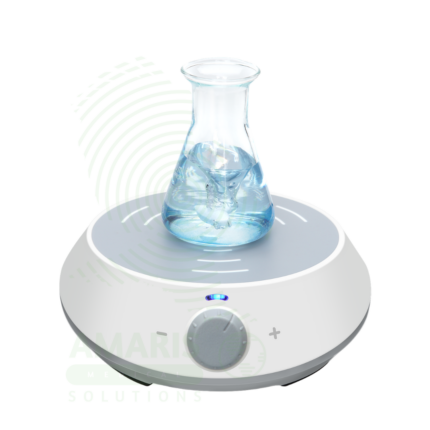
EcoStir Magnetic Stirrer (Round)
EcoStir Magnetic Stirrer (Round), economical non-heating stirrer for routine lab mixing. Stirring capacity 1.5 L; maintenance-free brushless DC motor with rare-earth magnets; speed 300–2000 rpm; chemical-resistant PET top. Integrated holder with flexible clamp for a pH electrode or other sensor. Compact 150×144×54 mm, 0.3 kg; universal 100–240 V power supply, with 12 V DC option for mobile labs/fieldwork; colorful stickers for equipment identification. Ideal for solution preparation, pH adjustment, sample mixing, QC, water quality, and teaching.
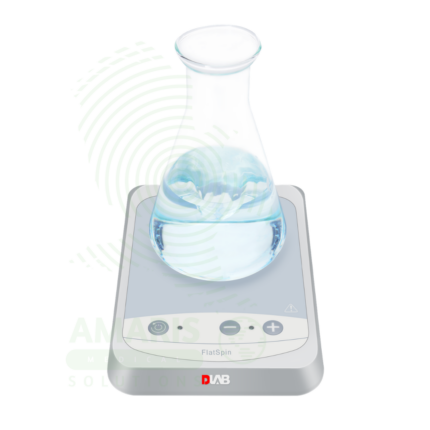
FlatSpin Ultra-flat Compact Magnetic Stirrer
FlatSpin ultra-flat compact magnetic stirrer (Cat. No. 8030184000), non-heating and motorless, for silent, vibration-free mixing in clinical, analytical, and QC labs. Stirring capacity 0.8 L (H₂O), speed 15–1500 rpm in 10 rpm increments via button control, bright digital power/speed display, and auto-reverse every 15 seconds to eliminate dead zones. Chemical-resistant PET work plate (Ø90 mm), supports stir bars up to 40 mm; ultra-flat 15 mm profile fits under bottle-top burettes. Dimensions 175×120×15 mm, 0.3 kg, 5 W, 100–240 V AC, 50/60 Hz; IP21 or IP65 depending on model; CE. Ideal for sensitive titrations, QC standard preparation, crowded benchtops, and teaching.
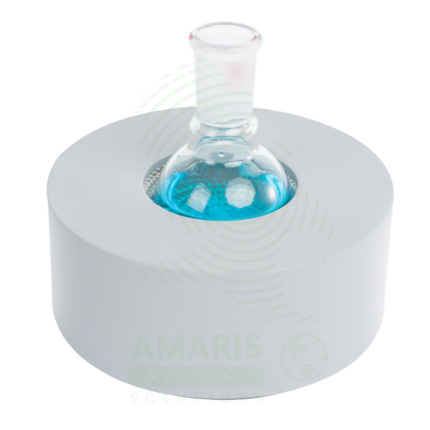
Heating Mantle (HF100)
Heating mantle (HF100) with a precision-machined 72.75 mm inner diameter for optimal thermal contact, for 100 mL round-bottom flask. Maximum temperature 450°C, power consumption 80–100 W. Hand-knitted, non-asbestos fiberglass heating chamber with nichrome wire and ceramic wool insulation for uniform heat distribution and a cool-to-touch external housing. Powder-coated metal housing for heat and chemical resistance; hemispherical chamber maintains direct glassware contact, securely holds the flask, and provides up to 300°C vertical clearance for viewing the top half. Ideal for distillation, reflux, solvent evaporation, chemical synthesis, extraction, and sample digestion.
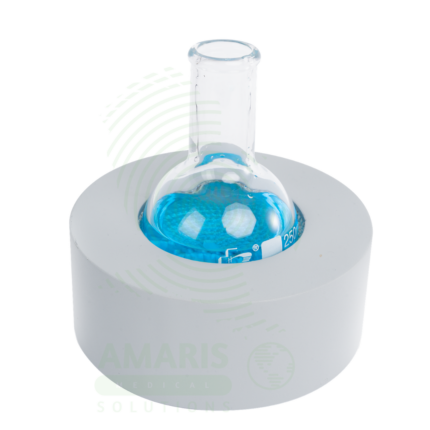
Heating Mantle (HF250)
Heating mantle (HF250) with a precision-machined 89.75 mm inner diameter for optimal thermal contact. It's for 250 mL round-bottom flask. Maximum temperature 450°C, typical power 150 W. Fiberglass heating chamber with nichrome heating wire and fiberglass mesh insulation for uniform heat distribution and a safe external housing temperature. Chemical- and thermal-resistant housing; hemispherical chamber maintains direct contact with the flask for efficient heat transfer, securely holds the flask, and keeps the top half visible. Ideal for distillation, reflux, solvent evaporation, chemical synthesis, extraction, and sample digestion.
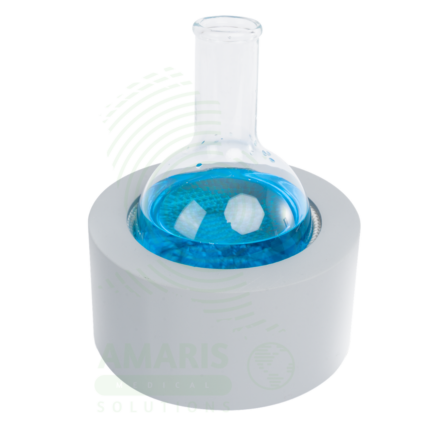
Heating Mantle (HF500)
Heating mantle (HF500) with a precision-machined 118.75 mm inner diameter for optimal thermal contact. For 500 mL round-bottom flask . Maximum temperature 450°C, typical power 200 W. Fiberglass heating chamber with nichrome heating wire and fiberglass mesh insulation for uniform heat distribution and a safe external housing temperature. Chemical- and thermal-resistant housing; hemispherical chamber maintains direct contact with the flask for efficient heat transfer, securely holds the flask, and keeps the top half visible. Ideal for distillation, reflux, solvent evaporation, chemical synthesis, extraction, and sample digestion.
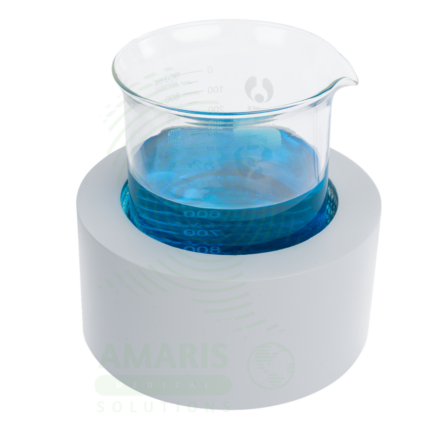
Heating Mantle for 1000mL Beaker (HB1000)
Heating Mantle for 1000mL Beaker (HB1000) with a precision-machined 118.75 mm inner diameter for optimal thermal contact. Maximum temperature 450°C. Enclosed heating element in a chemically resistant fiberglass chamber with insulation for uniform heat distribution and a safe external housing; rigid outer metal housing; bottom-entry port for optional temperature probe; typically used with an external analog or digital controller. Form-fitting design securely holds the beaker and allows unobstructed observation of boiling, dissolution, and crystallization. Ideal for larger-volume sample digestion, bulk reagent and buffer preparation, large-scale dissolution testing, and teaching demonstrations.
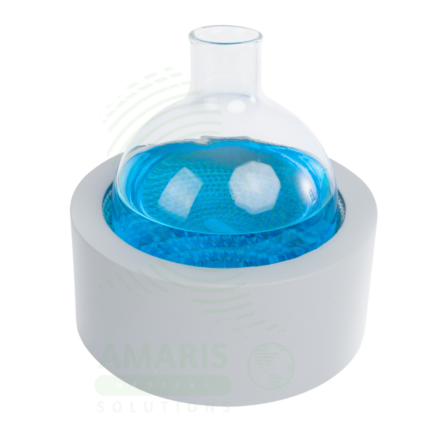
Heating Mantle for 1000mL Round-bottom Flask (HF1000)
The Heating Mantle for 1000mL Round-bottom Flask (HF1000) is a dedicated, form-fitting electric heating mantle engineered for safe, uniform, and efficient heating of 1000 mL round-bottom flasks in pharmaceutical research, industrial chemical synthesis, analytical chemistry, and advanced educational laboratories. With a precision-machined inner diameter of 144.75 mm for optimal thermal contact and uniform heat distribution, this heating mantle provides a maximum temperature of 450 °C and a typical power consumption of 300–350 W, making it ideal for large-scale distillation, bulk solvent recovery, high-volume chemical synthesis, and general industrial laboratory heating applications.
Every Heating Mantle for 1000mL Round-bottom Flask (HF1000) features a robust fiberglass heating chamber embedded with nichrome heating wire, providing excellent heat exchange and uniform temperature distribution across the flask surface. The ceramic wool insulation minimises heat build-up on the outside surface, keeping the external housing at a safe temperature and protecting the user from burns while also enhancing thermal efficiency for energy conservation. The precisely contoured 144.75 mm inner diameter perfectly matches 1000 mL flask dimensions, delivering optimal thermal contact and reliable performance for various large-scale laboratory heating applications requiring flask-based setups. The industrial-grade construction is built for demanding laboratory applications, while the powder-coated steel housing with acid-resistant epoxy coating ensures reliable performance in demanding chemical environments.
Key user-focused features include uniform heat distribution across the flask wall which prevents localized overheating and ensures reproducible results; ceramic wool insulation that keeps the external housing at a safe temperature; chemical and thermal resistant powder-coated housing that withstands industrial laboratory spills; and a precisely contoured design that securely holds the flask in place while providing clear visibility of the top half of the flask during operation. The semi-rigid design conforms to the flask's shape, reducing stress and enhancing heat transfer efficiency while reducing breakage risk.
For the research scientist, pharmaceutical chemist, industrial laboratory technician, and quality control analyst, the Heating Mantle for 1000mL Round-bottom Flask (HF1000) delivers the safe, uniform, and efficient heating required for large-scale chemical synthesis, distillation, reflux, extraction, sample digestion, and quality control testing. For the patient, reliable and reproducible heating ensures that pharmaceutical research, industrial chemical production, clinical testing, and educational training are conducted with consistent and accurate thermal conditions, directly supporting effective drug development, reliable diagnostic protocols, industrial safety standards, and the training of future laboratory professionals.
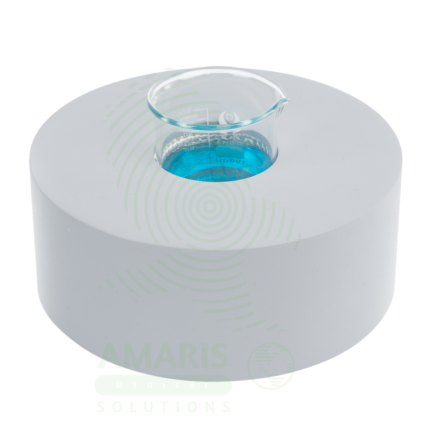
Heating Mantle for 100mL Beaker (HB100)
Heating Mantle for 100mL Beaker (HB100) with a precision-machined 54.75 mm inner diameter for optimal thermal contact. Maximum temperature 450°C. Enclosed heating element in a chemically resistant fiberglass chamber with insulation for uniform heat distribution and a safe external housing; rigid outer metal housing; bottom-entry port for optional temperature probe; typically used with an external analog or digital controller. Form-fitting design securely holds the beaker and allows unobstructed observation of boiling, dissolution, and crystallization. Ideal for small-volume sample digestion, small-batch reagent preparation, limited-volume solvent heating, and teaching demonstrations.
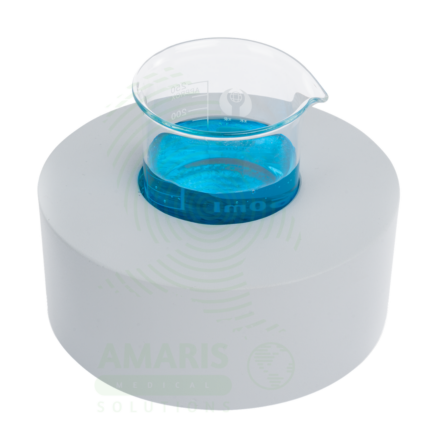
Heating Mantle for 250mL Beaker (HB250)
Heating Mantle for 250mL Beaker (HB250) with a precisely machined 72.75 mm inner diameter for optimal thermal contact. Maximum temperature 450°C, maximum power consumption 150 W. Enclosed heating element in a chemically resistant fiberglass chamber with insulation for uniform heat distribution and a safe external housing; rigid outer metal housing; bottom-entry port for optional temperature probe; typically used with an external analog or digital controller. Form-fitting design securely holds the beaker and allows unobstructed observation of boiling, dissolution, and crystallization. Ideal for sample digestion, reagent preparation, dissolution testing, and general laboratory heating.
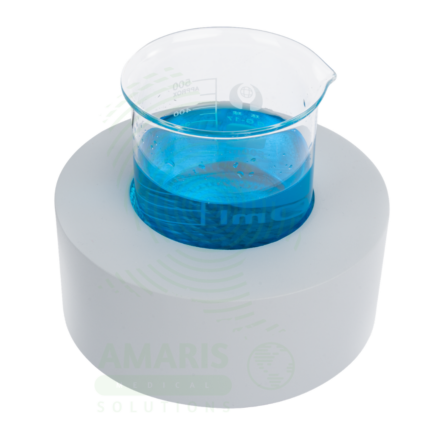
Heating Mantle for 500mL Beaker (HB500)
Heating Mantle for 500mL Beaker (HB500) with a precisely machined inner diameter for optimal thermal contact. Maximum temperature 450°C, power consumption approximately 200–250 W. Enclosed heating element in a chemically resistant fiberglass chamber with insulation for uniform heat distribution and a safe external housing; rigid outer metal housing; bottom-entry port for optional temperature probe; typically used with an external analog or digital controller. Form-fitting design securely holds the beaker and allows unobstructed observation of boiling, dissolution, and crystallization. Ideal for larger-scale sample digestion, reagent preparation, dissolution testing, and general laboratory heating.
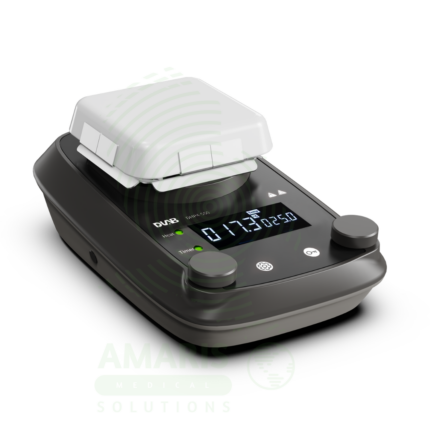
Heating Plate (DHP4-550)
The Heating Plate (DHP4-550) is a compact, precision benchtop heating instrument engineered for accurate, safe, and reproducible heating of clinical samples, reagents, biological specimens, and laboratory solutions in clinical diagnostics, molecular biology, microbiology, and pharmaceutical research. Featuring a 4-inch (100×100 mm) glass ceramic work plate that resists strong acids, strong alkalis, and high temperatures, this hot plate provides a temperature range from room temperature up to 550°C with ±1°C temperature control accuracy and 1°C setting increments.
Every Heating Plate (DHP4-550) is equipped with an integrated LCD display that simultaneously shows set temperature and real-time temperature, a programmable timer from 1 minute to 99 hours 59 minutes that automatically stops heating on completion, and a safety lock to prevent accidental changes to operating status. The PT1000 external temperature sensor port (±0.2°C accuracy, sensor sold separately) enables precise temperature control of the liquid or vessel surface rather than just the work plate for sensitive applications.
Key safety features include dual independent safety circuits that continuously monitor sensor status, temperature, and electrical conditions; user-adjustable maximum safety temperature to prevent overheating; and automatic shutdown with buzzer and error message if sensor failure, over-temperature, or electrical fault is detected. The corrosion-resistant all-metal housing provides good heat dissipation and fire protection, while the raised waterproof edge and drainage platform prevent liquid spills from entering internal electronics.
The Heating Plate (DHP4-550) is constructed with a glass ceramic work plate that withstands strong acids, strong alkalis, and temperatures up to 550°C without degradation. The all-metal chassis is also corrosion-resistant, and the non-slip rubber feet ensure stability during operation.
For the clinical laboratory scientist, clinical chemistry technologist, and microbiology specialist, the Heating Plate (DHP4-550) delivers the precise, safe, and reproducible heating required for clinical sample digestion, immunoassay incubation, microbiological media preparation, protein denaturation, and DNA denaturation workflows. For the patient, accurate and consistent sample preparation using precisely controlled heating ensures that downstream diagnostic test results are reliable and reproducible, directly supporting effective clinical decision-making and appropriate patient care.
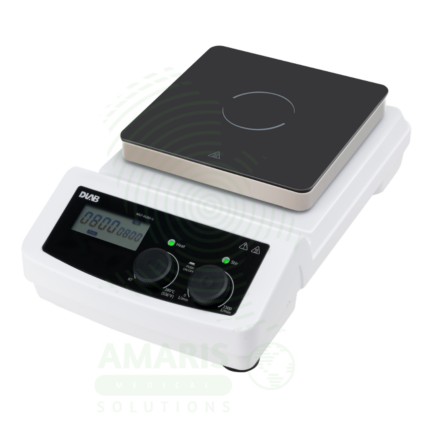
Infrared Heating Magnetic Stirrer (MS7‑H280‑G)
LCD 7‑inch infrared heating magnetic stirrer (MS7‑H280‑G) with a 180×180 mm glass ceramic work plate, full-coverage infrared heating up to 280°C, and a maintenance-free brushless DC motor. Optional interchangeable heating mantles allow secure heating of 100/250/500/1000 mL round-bottom flasks, while flat-bottom beakers can be stirred up to 20 L. Features high-resolution LCD for temperature, speed, and timer; programmable timer (1 min–99 h 59 min); optional PT1000 sensor (±0.2°C); RS232 interface for PC control and data logging; and safety lock. Safety: dual independent circuits with 340°C hardware cutoff, “HOT” warning >50°C after power-off, spill drain channel, and IP21 protection. Ideal for distillation, reflux, sample digestion, buffer preparation, and dissolution testing.
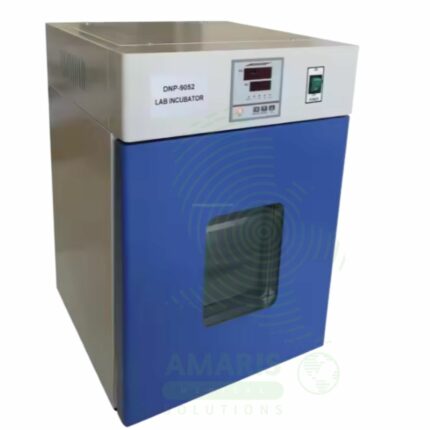
Lab Incubator
A Lab Incubator is a controlled-environment chamber used primarily to grow and maintain microbial or cell cultures by regulating temperature, and often humidity and CO₂ levels. Microbiological incubators provide dry heat for culturing bacteria, while CO₂ incubators create a humidified, gaseous environment essential for mammalian cell culture. Key to their operation is temperature uniformity, stability, and, for cell culture, stringent contamination control through features like HEPA filtration and auto-sterilization cycles. Proper use requires regular cleaning and calibration, adherence to biosafety protocols for handling cultures, and awareness of associated hazards from heat, gas, and electrical components. It is an indispensable workhorse in diagnostic and research laboratories.
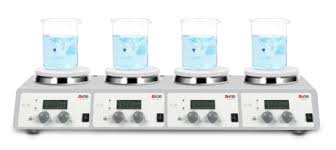
LCD Digital 4‑Channel Hotplate Magnetic Stirrer (MS‑H340‑S4)
The DLAB LCD Digital 4‑Channel Hotplate Magnetic Stirrer is a modular, high‑throughput benchtop platform engineered for the true parallel processing of up to four independent heating and stirring reactions in clinical diagnostics, pharmaceutical quality control, analytical chemistry, food and feed analysis, environmental testing, and academic research laboratories.
Featuring four independent ceramic‑coated stainless steel work plates (Ø135 mm each), the LCD Digital 4‑Channel Hotplate Magnetic Stirrer provides each channel with its own PID temperature control (25–340 °C, 1 °C increments), stirring speed control (200–1500 rpm, ±20 rpm accuracy), and dedicated high‑resolution LCD display for independent real‑time monitoring of temperature and speed. The single‑position stirring capacity is 10 L of water (40 L total) per channel. The PT1000 external temperature sensor ports (±0.2 °C accuracy) enable precise closed‑loop control of the actual sample liquid temperature on each channel.
Key user‑focused features for high‑throughput applications include true independent control of start/stop, temperature, speed, and display for each channel (parallel experiment control); four independent maintenance‑free, spark‑free brushless DC motors for extended life and low‑noise operation; ceramic‑coated stainless steel work plates with fast heat transmission and strong chemical resistance; and space‑saving design (698 × 270 × 128 mm, 9.5 kg) with 4 channels integrated into a single instrument—dramatically reducing bench space compared to four separate single‑channel units.
Safety is exemplary with TÜV certification (CE, cTUVus, FCC), an independent residual heat warning indicator (“HOT” flashes on each respective channel display at >50 °C and continues even after the unit is turned off, including unplugged, until each plate is safe to touch), independent over‑temperature protection (420 °C hardware cutoff per channel), and IP21‑rated dust/water ingress protection with an aluminum alloy housing for chemical resistance and excellent heat dissipation.
For the clinical laboratory scientist, trace element analyst, pharmaceutical QC chemist, food and feed analyst, and research scientist, the LCD Digital 4‑Channel Hotplate Magnetic Stirrer delivers the modular versatility, independent 4‑channel processing capacity, high‑temperature performance (up to 340 °C), and high safety required for parallel‑batch sample digestion for trace element analysis (blood lead, urine cadmium, heavy metals), multi‑condition dissolution testing, Kjeldahl nitrogen determination, Soxhlet extraction workflows, and multi‑parameter optimisation. For the patient, the reliable and reproducible performance of this high‑throughput instrument ensures that diagnostic tests and pharmaceutical products are accurate and efficient, directly supporting effective clinical decision‑making, appropriate treatment selection, and patient safety.
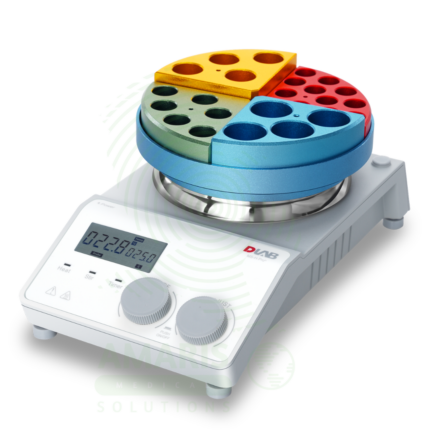
LCD Digital Enhanced Magnetic Hotplate Stirrer (MS‑H‑ProM-with Timer)
The LCD Digital Enhanced Magnetic Hotplate Stirrer (with Timer) is a premium, TÜV‑certified benchtop instrument engineered for accurate, safe, and consistent simultaneous heating and stirring – especially in challenging applications involving viscous liquids – in pharmaceutical bioprocessing, clinical diagnostics, and industrial research. Featuring a 5‑inch (φ135 mm) ceramic‑coated aluminum work plate, this enhanced hotplate stirrer delivers a heating range of room temperature to 340 °C (±1 °C accuracy in 1 °C increments) and a stirring speed range of 100 to 1500 rpm (±1 rpm accuracy) with a maximum stirring capacity of 20 litres of water.
Every LCD Digital Enhanced Magnetic Hotplate Stirrer is individually factory‑calibrated and supplied with a calibration certificate traceable to international standards. The high‑resolution LCD display simultaneously shows set and actual values for temperature, speed, and timer, providing complete operational visibility at a glance. The ceramic‑coated aluminum work plate resists strong acids, strong alkalis, and organic solvents, providing rapid, uniform heating without localised hot spots. Crucially, enhanced magnets and a high‑torque brushless DC motor guarantee outstanding stirring performance even with highly viscous liquids (e.g., 50 % glycerol, polymer melts), preventing stir bar decoupling and ensuring smooth, stable mixing.
Key user‑focused features for industrial and clinical workflows include three selectable heating modes (fast, standard, and steady) for optimal thermal control; a fully integrated programmable timer (1 min to 99 h 59 min) for fully unattended automated operation – with automatic heating shut‑off while continuing stirring to protect heat‑sensitive samples; an optional PT1000 external temperature sensor (±0.2 °C accuracy) for precise regulation of the actual sample liquid temperature; an RS232 remote control and data‑logging interface for GLP‑compliant experiment documentation; and the ability to run the instrument as a combined heating/stirring unit, a stirring‑only unit, or a heating‑only unit.
Safety is exemplary with TÜV certification (CE, cTUVus, FCC), dual independent safety circuits providing redundant over‑temperature protection (420 °C hardware cutoff), automatic short‑circuit power shut‑off via a second independent safety circuit, an independent residual heat warning indicator (“HOT” flashes on the display at >50 °C and continues even after the unit is turned off, including unplugged, until the plate is safe to touch), and IP21‑rated housing offering basic splash and dust protection. Smooth‑start technology and controlled deceleration of the enhanced magnetic drive minimize splashing and sample loss, even with heavy stir bars.
With a compact footprint (280 × 160 mm) and moderate weight (2.8 kg), the MS‑H‑ProM occupies minimal bench space while delivering high‑performance suitable for demanding industrial and clinical workflows. The instrument is backed by a 2‑year manufacturer’s warranty and is supported by a global distributor network.
For the pharmaceutical bioprocess scientist, industrial chemist, clinical laboratory technician, and trace element analyst, the LCD Digital Enhanced Magnetic Hotplate Stirrer delivers the high‑throughput versatility (20‑litre stirring capacity), high‑temperature performance (340 °C), advanced timer automation, and true regulatory‑grade safety required for sample digestion for trace element analysis (heavy metals, blood lead, urine cadmium), high‑viscosity formulation development, quality‑control sample preparation, and general‑purpose heating and mixing. For the patient, the reliable performance of this advanced, TÜV‑certified instrument ensures that diagnostic tests and pharmaceutical products are accurate, reproducible, and processed efficiently, directly supporting effective clinical decision‑making, appropriate treatment selection, and patient safety.
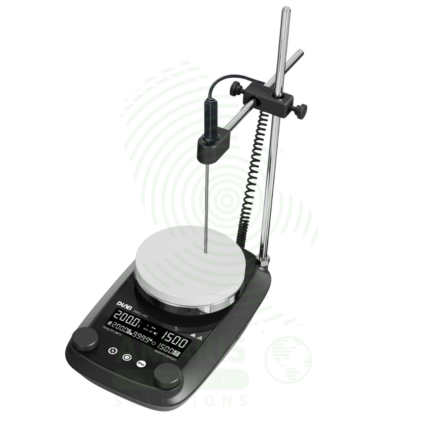
LCD Digital Heating Magnetic Stirrer (DLAB MS‑H‑ProA)
LCD digital heating magnetic stirrer (DLAB MS‑H‑ProA), TÜV-certified benchtop instrument with a φ135 mm ceramic-coated aluminum work plate. Heating from room temperature to 340°C (±1°C, 1°C increments); stirring 100–1500 rpm (±1 rpm); 20 L water stirring capacity. High-resolution LCD shows set/actual temperature, speed, and timer. Three heating modes (fast, standard, stable); programmable timer (1 min–99 h 59 min); optional PT1000 sensor (±0.2°C); RS232 interface for remote control and GLP-compliant data logging; operates as combined, stirring-only, or heating-only unit. Safety: dual independent circuits with 420°C hardware cutoff, “HOT” warning >50°C after power-off, IP21 housing. Compact 280×160 mm, 2.8 kg; factory-calibrated with certificate; 2-year warranty. Ideal for trace element sample digestion, QC sample preparation, and general heating/mixing
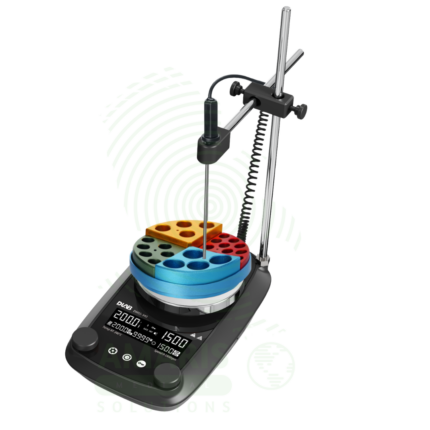
LCD Digital Heating Magnetic Stirrer (DMS5-340)
LCD digital heating magnetic stirrer (DMS5‑340) with a Ø135 mm ceramic-coated aluminum work plate, 20 L stirring capacity, and heating up to 340°C. PID temperature control, brushless DC motor, LCD showing set/actual temperature and speed, and PT1000 sensor port (±0.2°C). Three heating modes (fast A, standard B, stable C), programmable timer (1 min–99 h 59 min) with automatic heating stop and stirring continuation, parallel magnetic field for uniform stirring anywhere on the plate, and RS232 interface for PC control and data logging. Safety: dual independent over-temperature circuits, adjustable safety temperature (50–420°C), “HOT” warning >50°C after power-off, safety lock, and IP42 protection. Ideal for acid digestion for trace metal analysis, culture media preparation, enzyme assays, and dissolution testing.
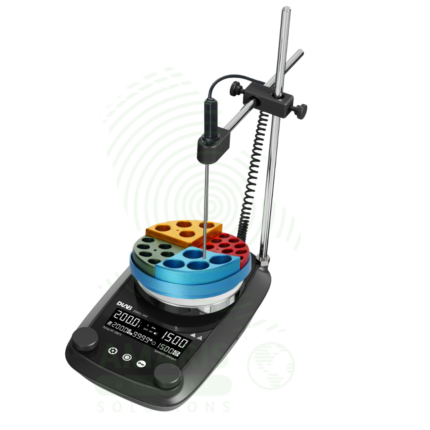
LCD Digital Heating Magnetic Stirrer (DMS5-340)
LCD digital heating magnetic stirrer (DMS5‑340) with a Ø135 mm ceramic-coated aluminum work plate, 20 L stirring capacity, and heating up to 340°C. PID temperature control, brushless DC motor, LCD showing set/actual temperature and speed, and PT1000 sensor port (±0.2°C). Three heating modes (fast A, standard B, stable C), programmable timer (1 min–99 h 59 min) with automatic heating stop and stirring continuation, parallel magnetic field for uniform stirring anywhere on the plate, and RS232 interface for PC control and data logging. Safety: dual independent over-temperature circuits, adjustable safety temperature (50–420°C), “HOT” warning >50°C after power-off, safety lock, and IP42 protection. Ideal for acid digestion for trace metal analysis, culture media preparation, enzyme assays, and dissolution testing.
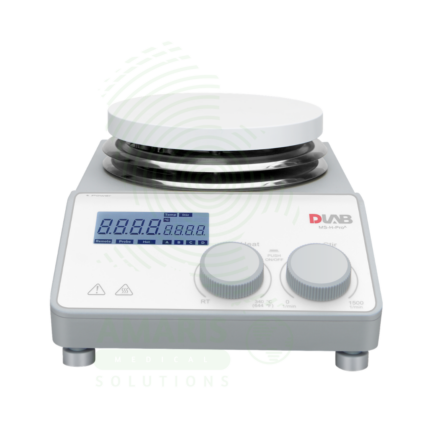
LCD Digital Heating Magnetic Stirrer (MS-H-ProA )
The DLAB MS-H-ProA LCD Digital Heating Magnetic Stirrer is a high-performance, programmable benchtop instrument engineered for reliable, precise, and safe heating and stirring in clinical diagnostics, pharmaceutical quality control, analytical chemistry, and life science research. Combining a maximum stirring capacity of 20 liters with a powerful heating capability up to 340°C, the LCD Digital Heating Magnetic Stirrer is the ideal choice for a wide array of demanding laboratory applications, from routine solution preparation to complex chemical synthesis.
Every LCD Digital Heating Magnetic Stirrer is equipped with a high-resolution LCD display that simultaneously shows the set and actual values for both temperature and speed, a maintenance-free brushless DC motor, and a PID temperature controller. The 5-inch (φ135 mm) ceramic-coated aluminum work plate ensures fast, uniform heating and provides excellent chemical resistance. With an integrated PT1000 temperature sensor port, users can accurately control sample temperature at ±0.2°C, making it suitable for temperature-sensitive assays.
Key user-focused features include three selectable heating modes—fast heating, standard heating, and stable heating—allowing users to choose the optimal thermal profile for their specific application. The programmable timer, ranging from 1 minute to 99 hours 59 minutes, allows for unattended operation. Safety is paramount with two independent safety circuits (420°C over-temperature protection), an independent residual heat warning indicator (>50°C), and an IP21-rated housing for basic spill and particle protection. The RS232 data interface enables remote PC control and data logging.
For the clinical laboratory scientist and quality control analyst, the LCD Digital Heating Magnetic Stirrer delivers the programmable, precise, and safe heating and stirring required for clinical chemistry workflows, buffer and reagent preparation, sample digestion, and dissolution testing. For the patient, the reliable performance of this instrument ensures that diagnostic tests, pharmaceutical products, and food supplies are prepared consistently and accurately, directly supporting effective public health and patient safety.
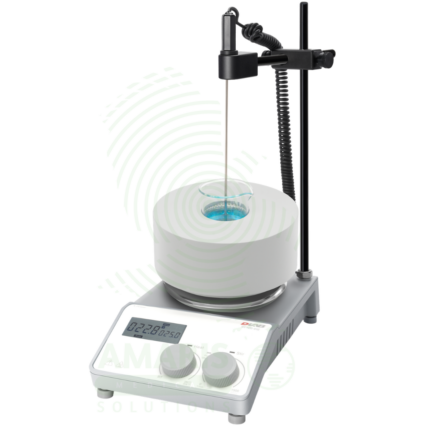
LCD Digital Heating Magnetic Stirrer (MS‑H280‑B100)
LCD digital heating magnetic stirrer (MS‑H280‑B100) with interchangeable 100 mL beaker heating mantle; optional 250/500/1000 mL beaker and round-bottom flask mantles. Detached mantle converts unit to a 20 L ceramic-coated magnetic stirrer. Heating 25–280°C (1°C increments), stirring 200–1500 rpm, LCD display, brushless DC motor, PT1000 sensor port (±0.2°C), selectable timer modes (1 min–99 h 59 min), auto-reverse stirring, safety lock. Safety: dual over-temperature circuits (420°C cutoff), flask sensing, HOT warning >50°C even unplugged, fire-resistant metal housing, IP21; TÜV CE/cTUVus/FCC.
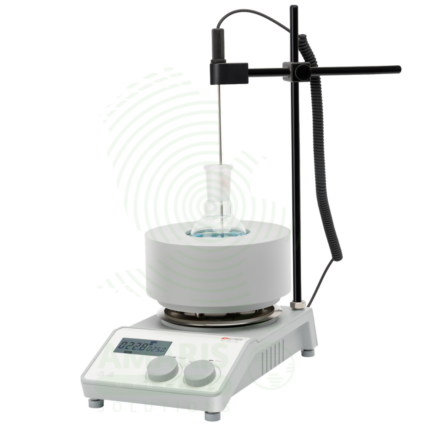
LCD Digital Heating Magnetic Stirrer (MS‑H280‑F100)
LCD digital heating magnetic stirrer (MS‑H280‑F100) with interchangeable 100 mL round-bottom flask mantle (72.75 mm ID); adapts to 100/250/500/1000 mL F-series flasks and B-series beakers. Three modes: heating/stirring, detached 20 L magnetic stirrer on Ø135 mm ceramic-coated plate, or Two-in-One independent heating and stirring. Heating 25–280°C (1°C increments), stirring 200–1500 rpm (1 rpm increments), 3-step timer (1 min–99 h 59 min), LCD display, brushless DC motor, PT1000 sensor (±0.2°C), auto temperature calibration. Safety: dual over-temperature circuits (420°C cutoff), HOT warning >50°C even unplugged, flask-position detection, fire-resistant metal housing, IP21; TÜV CE/cTUVus/FCC.
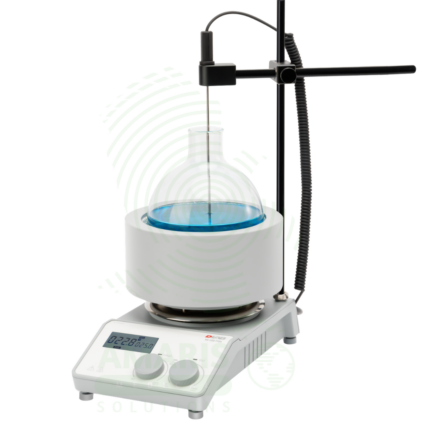
LCD Digital Heating Magnetic Stirrer (MS‑H280‑F1000)
The LCD Digital Heating Magnetic Stirrer is a modular, high‑throughput, and safety‑oriented benchtop instrument designed for precise, uniform large‑volume heating and efficient mixing in clinical diagnostics, pharmaceutical QC, analytical chemistry, and industrial research.
Engineered with a quick‑change interchangeable heating jacket specifically for 1000 mL round‑bottom flasks (inner diameter 144.75 mm), it can also be adapted for 100 mL, 250 mL, and 500 mL flasks or beakers by simply swapping the mantle. The system offers a stirring speed range of 200 to 1500 rpm (±20 rpm) and controllable heating from 25 °C to 280 °C (±1 % / ±1 °C), with all parameters displayed on a high‑resolution LCD screen. The built‑in PID controller is supported by a temperature self‑calibration function and an external PT1000 port (±0.2 °C). When the heating mantle is detached, the same unit becomes a high‑power magnetic stirrer with a 20 L stirring capacity (water) on its ceramic‑coated work plate.
Overall dimensions are 295 × 160 × 160 mm, with a net weight of 3.7 kg. The system is TÜV‑certified (CE, cTUVus, FCC), IP21‑rated, and built with a fire‑resistant metal outer casing. Key safety features include dual‑circuit redundant protection, a “HOT” warning indicator that remains active even after disconnection (>50 °C), and a safety lock to prevent accidental changes during operation. The brushless DC motor is maintenance‑ and spark‑free, and the instrument automatically saves the last used parameters.
For the clinical laboratory scientist, pharmaceutical QC chemist, and industrial production engineer, LCD Digital Heating Magnetic Stirrer delivers the modular versatility and large‑batch processing capacity required for trace element analysis (blood lead, urine cadmium), bulk gel melting, and large‑scale dissolution testing. For the patient, its reliable, accurate, and safe thermal processing ensures that life‑saving diagnostic tests and pharmaceutical therapies remain consistently reliable and reproducible.
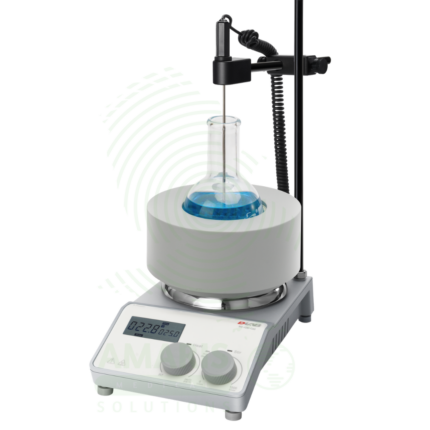
LCD Digital Heating Magnetic Stirrer (MS‑H280‑F250)
LCD digital heating magnetic stirrer (MS‑H280‑F250) with interchangeable 250 mL round-bottom flask mantle (89.75 mm ID); adapts to 100/250/500/1000 mL F-series flasks and B-series beakers. Three modes: heating/stirring, detached 20 L magnetic stirrer on Ø135 mm ceramic-coated plate, or Two-in-One independent heating and stirring. LCD shows temperature, speed, and timer (1 min–99 h 59 min); brushless DC motor; PT1000 sensor (±0.2°C); auto temperature calibration. Safety: dual over-temperature circuits (420°C cutoff), HOT warning >50°C even unplugged, flask-position detection, fire-resistant metal housing, IP21; TÜV CE/cTUVus/FCC.
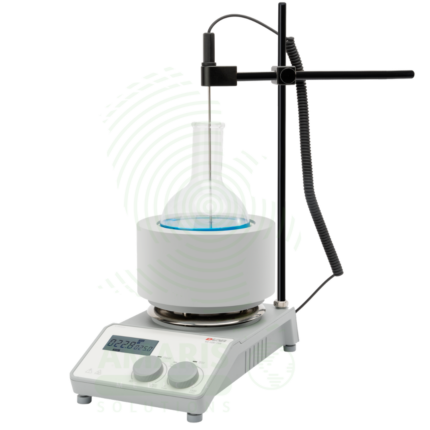
LCD Digital Heating Magnetic Stirrer (MS‑H280‑F500)
LCD Digital Heating Magnetic Stirrer (MS‑H280‑F500) with a modular, quick-change heating mantle for 500 mL round-bottom flasks (118.75 mm ID); adapts to 100/250/1000 mL vessels. Stirring 200–1500 rpm (±20), heating 25–280°C (±1%/±1°C), PID control, and PT1000 port (±0.2°C). Detached mantle converts the unit to a 20 L magnetic stirrer on a ceramic-coated plate. Safety includes dual over-temperature circuits (420°C cutoff), HOT warning >50°C, and safety lock; TÜV CE/cTUVus/FCC, IP21.
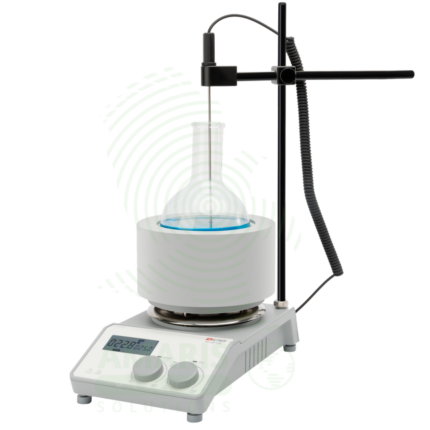
LCD Digital Heating Magnetic Stirrer (MS‑H280‑F500)
The LCD Digital Heating Magnetic Stirrer is a modular, medium‑capacity, and safety‑oriented benchtop instrument designed for precise, uniform medium‑to‑large‑volume heating and efficient mixing in clinical diagnostics, pharmaceutical QC, analytical chemistry, and industrial research.
Engineered with a quick‑change interchangeable heating jacket specifically for 500 mL round‑bottom flasks (inner diameter 118.75 mm), it can also be adapted for 100 mL, 250 mL, and 1000 mL flasks or beakers by simply swapping the mantle. The system offers a stirring speed range of 200 to 1500 rpm (±20 rpm) and controllable heating from 25 °C to 280 °C (±1 % / ±1 °C), with all parameters displayed on a high‑resolution LCD screen. The built‑in PID controller is supported by a temperature self‑calibration function and an external PT1000 port (±0.2 °C). When the heating mantle is detached, the same unit becomes a high‑power magnetic stirrer with a 20 L stirring capacity (water) on its ceramic‑coated work plate.
Overall dimensions are 295 × 160 × 160 mm, with a net weight of 3.7 kg. The system is TÜV‑certified (CE, cTUVus, FCC), IP21‑rated, and built with a fire‑resistant metal outer casing. Key safety features include dual independent safety circuits for redundant over‑temperature protection (420 °C hardware cutoff), a “HOT” warning indicator that remains active even after disconnection (>50 °C), and a safety lock to prevent accidental changes during operation. The brushless DC motor is maintenance‑ and spark‑free, and the instrument automatically saves the last used parameters.
For the clinical laboratory scientist, pharmaceutical QC chemist, and industrial production engineer, this instrument delivers the modular versatility and medium‑batch processing capacity required for trace element analysis (blood lead, urine cadmium), bulk gel melting, and large‑scale dissolution testing. For the patient, its reliable, accurate, and safe thermal processing ensures that life‑saving diagnostic tests and pharmaceutical therapies remain consistently reliable and reproducible.
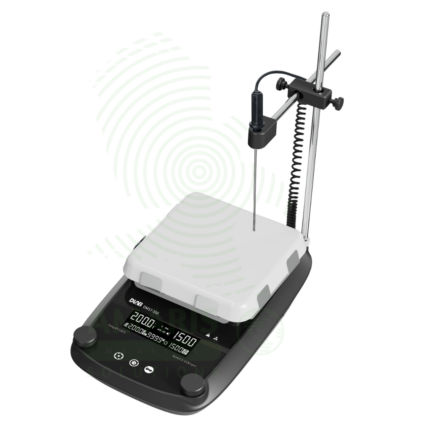
LCD digital heating magnetic stirrer (MS7-H550-Pro)
LCD digital heating magnetic stirrer (MS7‑H550‑Pro) with a 184×184 mm glass ceramic work plate, 1000 W heating up to 550°C (±1°C), and 20 L stirring capacity. PID temperature control and brushless DC motor give 100–1500 rpm with 1 rpm resolution. Safety: adjustable independent safety temperature controller (100–580°C) with automatic power cutoff, dual over-temperature protection circuits, and “HOT” warning >50°C even after power-off; IP21-rated. RS232 interface for remote PC control and GLP-compliant data logging; TÜV-certified (CE, cTUVus, FCC). Ideal for high-temperature trace element ashing, high-boiling-point pharmaceutical reactions, advanced synthesis, and accelerated stability testing.
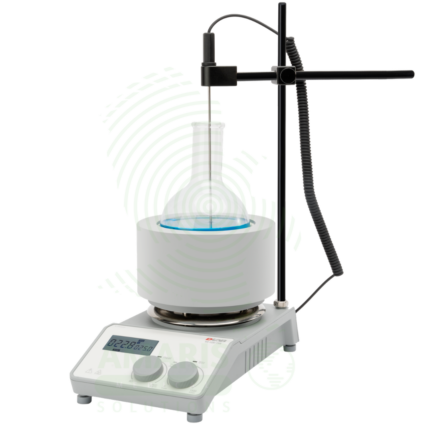
LCD Digital Heating Magnetic Stirrer (S-H280-B500)
The LCD Digital Heating Magnetic Stirrer (S-H280-B500) is a modular, high‑safety, programmable benchtop instrument engineered for precise, safe, and versatile medium‑volume heating and stirring in clinical diagnostics, pharmaceutical quality control, analytical chemistry, and academic research laboratories. Featuring a dedicated 500 mL beaker heating mantle precisely designed for standard 500 mL borosilicate beakers, this instrument can be configured as a dedicated 500 mL beaker heater, or run in three independent modes: full heating and stirring, detached as a standard 20‑litre magnetic stirrer on its Ø135 mm ceramic‑coated work plate, or as a ”Two‑in‑One” system where one unit heats (using the heating mantle) while a separate, independent unit stirs (using the work plate) simultaneously. The system includes the PT1000 external temperature sensor, support rod, support clamp and magnetic stirring bar.
Every LCD Digital Heating Magnetic Stirrer (S-H280-B500) features a high‑resolution LCD display showing set and actual values for temperature, speed and timer; a maintenance‑free, spark‑free brushless DC motor; and an alumina‑fibre heating mantle with aluminium‑silicate (ceramic) wool insulation for uniform heat distribution and a long service life. The instrument includes the PT1000 external temperature sensor (±0.2 °C accuracy) for precise control of the actual sample liquid temperature, and a built‑in temperature self‑calibration function that further enhances accuracy for demanding applications.
Key user‑focused features for medium‑volume applications include interchangeable heating mantles for 100 mL, 250 mL, 500 mL and 1000 mL round‑bottom flasks (F series) and flat‑bottom beakers (B series), arbitrarily interchangeable; true ”Two‑in‑One” independent operation; and a compact 3.7 kg footprint (295 × 160 mm).
Safety is exemplary with TÜV certification (CE, cTUVus, FCC), two independent safety circuits providing redundant over‑temperature protection (420 °C hardware cutoff), an independent residual heat warning indicator (“HOT” flashes at >50 °C and continues even after the unit is turned off, including unplugged, until the mantle is safe to touch), and IP21‑rated housing with a fire‑resistant metal outer shell.
For the clinical laboratory scientist, trace element analyst, and pharmaceutical QC chemist, the MS‑H280‑B500 delivers the modular versatility, medium‑batch processing capacity, and high safety required for sample digestion for trace element analysis (blood lead, urine cadmium, heavy metals), medium‑volume organic synthesis, dissolution testing and solid‑liquid extraction. For the patient, the reliable performance of this instrument ensures that diagnostic tests and pharmaceutical products are accurate, reproducible and processed efficiently, directly supporting effective clinical decision‑making, appropriate treatment selection, and patient safety.
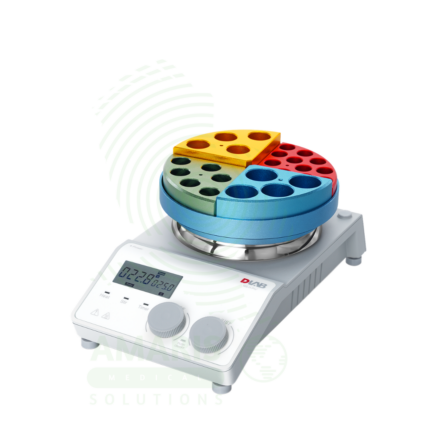
LCD Digital Heating Magnetic Stirrer with Timer (MS‑H‑ProT)
LCD digital heating magnetic stirrer with timer (MS‑H‑ProT) with a Ø135 mm ceramic-coated stainless steel work plate, 20 L water stirring capacity, heating up to 340°C (1°C increments, ±1°C accuracy), and digital stirring 100–1500 rpm (±1 rpm). PID control, maintenance-free brushless DC motor, backlit LCD showing set/actual temperature, speed, and timer, and programmable timer (1 min–99 h 59 min) with heating stop while stirring continues. Optional PT1000 sensor (±0.2°C); RS232 interface for PC control and GLP-compliant data logging. Safety: dual independent over-temperature circuits with user-settable cut-out (360°C hardware cutoff), “HOT” warning >50°C after power-off, safety lock, and IP21/IP42-rated housing. Compact 160×280 mm, 2.8 kg, universal 100–240 V; TÜV-certified, ISO 9001/13485, 2-year warranty. Ideal for trace element sample digestion, bulk gel melting, and large-scale dissolution testing.
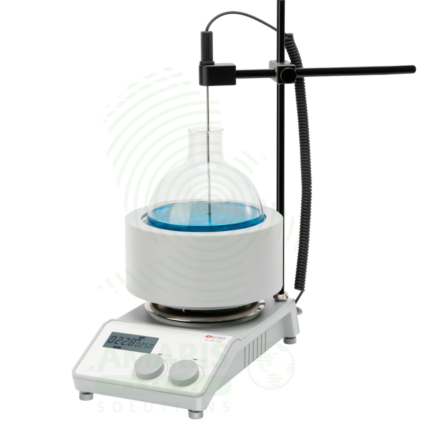
LCD Digital Heating Magnetic Stirrer- with Heating Mantle for 1000mL Round‑bottom Flask (MS-H280-F1000)
The LCD Digital Heating Magnetic Stirrer- with Heating Mantle for 1000mL Round‑bottom Flask (MS-H280-F1000) is a modular, high‑safety, programmable benchtop instrument engineered for precise, safe, and versatile large‑volume heating and stirring in clinical diagnostics, pharmaceutical quality control, analytical chemistry, mining, and academic research laboratories. Featuring an interchangeable 1000 mL round‑bottom flask heating mantle precisely contoured (inner diameter 144.75 mm) for standard 1000 mL borosilicate round‑bottom flasks, this instrument can be configured as a dedicated 1000 mL round‑bottom flask heater, or run in three independent modes: full heating and stirring, detached as a standard 20‑litre magnetic stirrer on its Ø135 mm ceramic‑coated work plate, or as a ”Two‑in‑One” system where one unit heats (using the heating mantle) while a separate, independent unit stirs (using the work plate) simultaneously. The system includes the PT1000 external temperature sensor, support rod, support clamp and magnetic stirring bar.
Every LCD Digital Heating Magnetic Stirrer (with Heating Mantle for 1000mL Round‑bottom Flask features a high‑resolution LCD display showing set and actual values for temperature, speed and timer; a maintenance‑free, spark‑free brushless DC motor; and an alumina‑fibre heating mantle with aluminium‑silicate (ceramic) wool insulation for uniform heat distribution and a long service life. The instrument includes the PT1000 external temperature sensor (±0.2 °C accuracy) for precise control of the actual sample liquid temperature, and a built‑in temperature self‑calibration function that further enhances accuracy for demanding applications.
Key user‑focused features for large‑volume applications include interchangeable heating mantles for 100 mL, 250 mL, 500 mL and 1000 mL round‑bottom flasks (F series) and flat‑bottom beakers (B series), arbitrarily interchangeable; true ”Two‑in‑One” independent operation; and a compact 3.7 kg footprint (295 × 160 mm).
Safety is exemplary with TÜV certification (CE, cTUVus, FCC), dual independent safety circuits providing redundant over‑temperature protection (420 °C hardware cutoff), an independent residual heat warning indicator (“HOT” flashes at >50 °C and continues even after the unit is turned off, including unplugged, until the mantle is safe to touch), and an IP21‑rated housing with a fire‑resistant metal outer shell.
For the clinical laboratory scientist, trace element analyst, and pharmaceutical QC chemist, the LCD Digital Heating Magnetic Stirrer (with Heating Mantle for 1000mL Round‑bottom Flask delivers the modular versatility, large‑batch processing capacity, and high safety required for sample digestion for trace element analysis (blood lead, urine cadmium, heavy metals), large‑volume organic synthesis, reliable dissolution testing and efficient solid‑liquid extraction. For the patient, the reliable performance of this instrument ensures that diagnostic tests and pharmaceutical products are accurate, reproducible and processed efficiently, directly supporting effective clinical decision‑making, appropriate selection of treatment and patient safety.
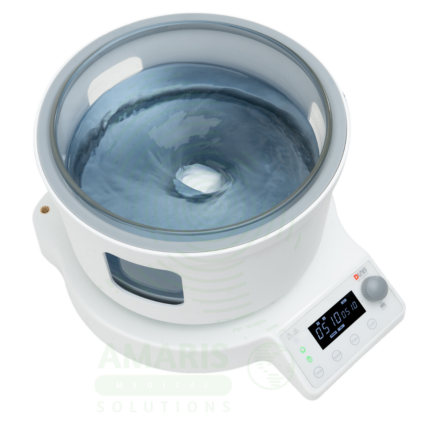
LCD Digital Heating Magnetic Stirring Bath (MS‑H220‑V3)
LCD digital heating magnetic stirring bath (MS‑H220‑V3) with 3 L transparent borosilicate glass liner for water/oil bath use; heating up to 220°C (±1°C) and stirring 100–1500 rpm via brushless DC motor, with secondary stirring for simultaneous bath-liquid and flask-sample agitation. Features LCD touchscreen, programmable timer (1 min–99 h 59 min) with heating stop, PT1000 external sensor port (±0.2°C), and GLP-compatible data logging. Safety: independent over-temperature protection, HOT warning after power-off, dry-burn protection, dual safety circuits, high-temperature outer shell, IP21; borosilicate glass and stainless steel construction.
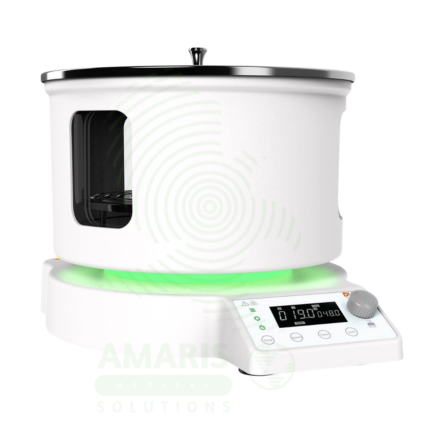
LCD Digital Heating Magnetic Stirring Bath (MS‑H220‑V5)
LCD digital heating magnetic stirring bath (MS‑H220‑V5) with 5 L transparent borosilicate glass liner for water/oil bath use; heating up to 220°C (±1°C), stirring 100–1500 rpm via brushless DC motor, and secondary stirring for simultaneous bath-liquid and flask-sample agitation. Features LCD touchscreen, programmable timer (1 min–99 h 59 min) with heating stop, PT1000 external sensor port (±0.2°C), and GLP-compatible data logging. Safety: independent over-temperature protection (350°C hardware cutoff), HOT warning after power-off, dry-burn protection, dual safety circuits, high-temperature-resistant outer shell, IP21.
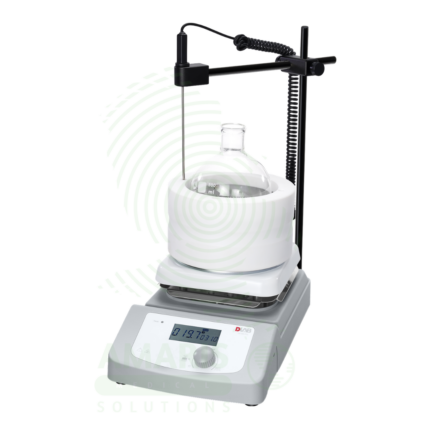
LCD Digital Hotplate (HP380-Pro)
LCD digital hotplate (HP380‑Pro) with a 140×140 mm ceramic-coated aluminium work plate, heating from room temperature +5°C up to 380°C (1°C increments, ±0.1°C display accuracy). PID controller for stable heating without overshoot; high-resolution LCD shows actual plate temperature and timer. Optional PT1000 external sensor (±0.2°C) for sample-liquid temperature control; integrated timer for timed/unattended heating. Safety: independent 420°C over-temperature cutoff, residual “HOT” warning >50°C after power-off, and IP21-rated housing. TÜV-certified (CE, cTUVus, FCC, DIN/EN 60529); supplied with calibration certificate. Ideal for trace element sample digestion, buffer and culture media preparation, protein denaturation, and general solution heating.
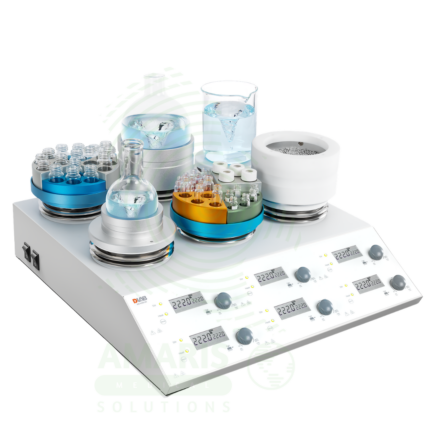
LCD Digital Hotplate Magnetic Stirrer (MS-H280-S6 6-Channel)
The LCD Digital Hotplate Magnetic Stirrer 6‑Channel LCD Digital Hotplate Magnetic Stirrer is a modular, high‑throughput benchtop platform engineered for the true parallel processing of up to six independent heating and stirring reactions in clinical diagnostics, pharmaceutical quality control, analytical chemistry, food and feed analysis, environmental testing, and academic research laboratories.
Featuring six independent ceramic‑coated aluminum work plates (Ø134 mm each), the LCD Digital Hotplate Magnetic Stirrer provides each channel with its own PID temperature control (25–280 °C, 1 °C increments), stirring speed control (200–1500 rpm, ±20 rpm accuracy), and dedicated high‑resolution LCD display for independent real‑time monitoring of temperature and speed. The maximum stirring capacity is 3 L of water per channel (18 L total). The PT1000 external temperature sensor ports (±0.2 °C accuracy) enable precise closed‑loop control of the actual sample liquid temperature on each channel.
Key user‑focused features for high‑throughput applications include true independent control of start/stop, temperature, speed, and display for each channel (parallel experiment control); six independent maintenance‑free, spark‑free brushless DC motors for extended life and low‑noise operation; ceramic‑coated aluminum work plates with fast heat transmission and strong corrosion resistance; and ultra‑space‑saving design (564 × 523 × 127 mm, 12.7 kg) with 6 channels integrated into a single instrument—dramatically reducing bench space compared to six separate single‑channel units.
Safety is exemplary with TÜV certification (CE, cTUVus, FCC, CB, UKCA, ICES), dual independent safety circuits providing redundant over‑temperature protection (420 °C hardware cutoff for each channel), an independent residual heat warning indicator (“HOT” flashes on each respective channel display at >50 °C and continues even after the unit is turned off, including unplugged, until each plate is safe to touch), and IP21‑rated housing with an all‑metal construction for chemical resistance and excellent heat dissipation.
For the clinical laboratory scientist, trace element analyst, pharmaceutical QC chemist, food and feed analyst, and research scientist, the LCD Digital Hotplate Magnetic Stirrer delivers the modular versatility, independent 6‑channel processing capacity, and high safety required for parallel‑batch sample digestion for trace element analysis (blood lead, urine cadmium, heavy metals), multi‑condition dissolution testing, Kjeldahl nitrogen determination, Soxhlet extraction workflows, and multi‑parameter optimisation. For the patient, the reliable and reproducible performance of this high‑throughput instrument ensures that diagnostic tests and pharmaceutical products are accurate and efficient, directly supporting effective clinical decision‑making, appropriate treatment selection, and patient safety.
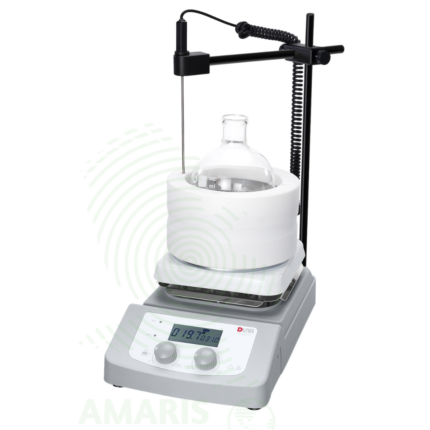
LCD Digital Hotplate Magnetic Stirrer (MS‑H380‑Pro)
The LCD Digital Hotplate Magnetic Stirrer is a high‑precision, TÜV‑certified benchtop instrument engineered for accurate, safe, and consistent heating and stirring in clinical diagnostics, pharmaceutical quality control, analytical chemistry, and academic research laboratories. Featuring a 6‑inch (140 × 140 mm) square ceramic‑coated aluminum work plate, this hotplate stirrer delivers a heating range of room temperature +5 °C to 380 °C (±1 °C accuracy) in 1 °C increments and a stirring speed range of 200 to 1500 rpm (±20 rpm) — with a maximum stirring capacity of 5 litres (water).
Every LCD Digital Hotplate Magnetic Stirrer is individually factory‑calibrated and supplied with a calibration certificate traceable to international standards. The high‑resolution LCD display simultaneously shows the actual temperature and stirring speed for immediate real‑time monitoring. The ceramic‑coated aluminum work plate resists strong acids, strong alkalis, and organic solvents, and provides rapid, uniform heat distribution without localised hot spots, while the maintenance‑free DC brushless motor (spark‑free) ensures ultra‑quiet, vibration‑free, long‑term reliability.
Key user‑focused safety features include dual independent safety circuits providing redundant over‑temperature protection — a 420 °C hardware cutoff automatically stops heating to prevent fire hazards. An independent residual heat warning (“HOT” flashes on the display at >50 °C and continues even after the unit is turned off, including unplugged, until the plate is safe to touch protects users from burns. An optional PT1000 external temperature sensor (±0.5 °C accuracy) provides precise closed‑loop control of the actual sample liquid temperature. The instrument is IP21‑rated for basic splash and dust protection, manufactured under ISO 9001 and ISO 13485 quality management systems, and TÜV‑certified (CE, cTUVus, FCC).
With a compact footprint (320 × 180 mm) and low weight (2.2 kg), the MS‑H380‑Pro occupies minimal bench space while delivering performance suitable for demanding clinical and research workflows. The instrument includes a 2‑year manufacturer’s warranty.
For the clinical laboratory scientist, trace element analyst, pharmaceutical QC chemist, and research scientist, the LCD Digital Hotplate Magnetic Stirrer delivers the high‑performance, safety, and reproducibility required for sample digestion for trace element analysis (heavy metals, blood lead, urine cadmium), 5‑litre quality control sample preparation (buffers, standards), and general‑purpose heating and mixing. For the patient, the reliable performance of this TÜV‑certified instrument ensures that diagnostic tests and pharmaceutical products are accurate, reproducible and processed efficiently, directly supporting effective clinical decision‑making, appropriate treatment selection, and patient safety.
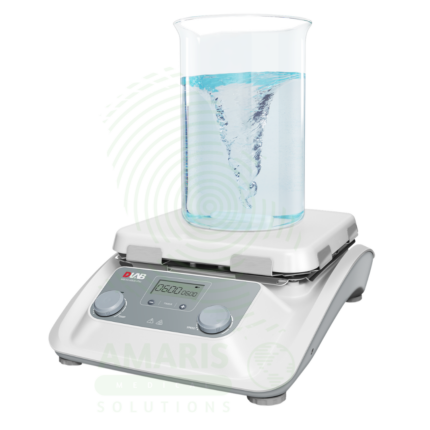
LCD Digital Hotplate Magnetic Stirrer (MS10‑H500‑Pro)
LCD digital hotplate magnetic stirrer (MS10‑H500‑Pro), industrial-grade and programmable, with a 254×254 mm glass ceramic work plate, 30 L water stirring capacity, and 1350 W heating up to 500°C (1°C increments). PID control (±1°C), optional PT1000 sensor (±0.2°C sample accuracy), brushless DC motor 100–1500 rpm (1 rpm resolution), LCD showing actual/set temperature and speed, programmable timer (1 min–99 h 59 min), and SD card slot for GLP-compliant data logging. Safety: dual over-temperature circuits (540°C cutoff), HOT warning >50°C after power-off, fire-resistant metal housing, chemical-resistant plate, IP21.