Dermatoscope and Magnifiers
 Diagnostic Kits
 Vital Signs Monitors
 Stethoscopes and Accessories
 Otoscopes, Ophthalmoscopes, and Retinoscopes
 Reflex Hammers and Neurological Tools
 Scales and Measuring Devices
 Spirometers and Pulmonary Function Tests
 Electrosurgical Units and Accessories
 Cutting Instruments
 Grasping and Holding Instruments
 Hemostatic Instruments
 Specialized Surgical Sets
 Single-Use Procedure Trays and Packs
 Surgical Drapes, Gowns, and Covers
 Tissue Unifying Instruments
 Radiation Protection
 X-Ray Machines and Accessories
 Ultrasound Systems and Probes
 MRI and CT Scanners
 Radiology Consumables
 Bone Densitometers
 Fluoroscopy Equipment
 Imaging Tables and Positioning Aids
 Microscopes and Accessories
 Centrifuges and Separators
 Analyzers
 Incubators and Ovens
 Pipettes, Dispensers, and Lab Glassware
 Refrigerators, Freezers, and Storage Units
 Lab Consumables
 Sterilizers and Autoclaves for Lab Use
 Multi-Parameter Monitors
 Ventilators and Respiratory Support Devices
 Defibrillators and AEDs
 Infusion Pumps and IV Systems
 Patient Warmers and Cooling Devices
 Central Monitoring Stations
 Accessories
 Anesthesia Machines and Workstations
 Oxygen Concentrators and Delivery Systems
 Nebulizers and Inhalers
 CPAP/BiPAP Machines
 Airway Management
 Anesthesia Masks, Circuits, and Bags
 Humidifiers and Heaters
 Respiratory Therapy Accessories
 First Aid Kits and Cabinets
 Emergency Resuscitation Equipment
 Trauma Supplies
 Emergency Carts and Crash Carts
 Burn Care Products
 Bleeding Control
 Automated External Defibrillators (AEDs)
 Transport and Evacuation
 Wheelchairs and Accessories
 Walkers, Crutches, and Canes
 Prosthetics and Orthotics
 Physical Therapy Equipment
 Transfer Devices
 Bathroom Safety
 Orthopedic Traction and Tables
 Hot/Cold Therapy Packs and Units
 Beds and Mattresses
 Chairs and Stools
 Tables
 Cabinets and Storage
 Privacy Screens & Curtains
 Stands and Racks
 Linens and Textiles
 Lighting
 Autoclaves and Sterilizers
 Ultrasonic Cleaners
 Disinfectant Solutions and Wipes
 Sterilization Pouches, Wraps, and Indicators
 Instrument Trays and Containers
 UV and Ozone Disinfection Devices
 Washer Disinfectors
 Wound Care
 Gloves
 Masks and Respirators
 Catheters and Tubing
 Swabs, Applicators, and Sponges
 Incontinence Products
 Personal Protective Equipment (PPE)
 Dental Chairs and Units
 Handpieces and Burs
 Instruments
 Consumables
 Sterilization for Dental Use
 Orthodontic Supplies
 Endodontic Tools
 Slit Lamps and Tonometers
 Lensometers and Phoropters
 Ophthalmic Surgical Instruments
 Eyewear Frames and Lenses
 Contact Lens Supplies
 Vision Testing Charts and Devices
 Eye Care Consumables
 Laser Systems for Eye Care
 ENT Exam Chairs and Tables
 Endoscopes
 Audiometers and Hearing Tests
 ENT Instruments
 Nasal and Throat Packs
 Hearing Aids and Accessories
 Otology Supplies
 Fetal Dopplers and Monitors
 Delivery Beds and Tables
 Gynecological Instruments
 Neonatal Incubators and Warmers
 Breast Pumps and Accessories
 Contraceptive Devices
 Maternity Supports and Pads
 Neonatal Consumables
 Cystoscopes and Urethroscopes
 Dialysis Machines and Supplies
 Urological Catheters and Bags
 Lithotripters
 Prostate Treatment Devices
 Urinary Incontinence Products
 Kidney Stone Management Tools
 Consumables & Disposables
 EEG and EMG Machines
 Neurosurgical Instruments
 Nerve Stimulators
 Headrests and Positioning Aids
 Lumbar Puncture Kits
 Seizure Monitoring Devices
 Consumables
 Rehabilitation for Neurological Conditions
 ECG Machines and Accessories
 Holter Monitors
 Stress Test Systems
 Pacemakers and Defibrillator Accessories
 Vascular Access Devices
 Cardiac Catheters and Guidewires
 Blood Flow Meters
 Consumables
 Orthopedic Instruments
 Casts, Splints, and Padding
 Joint Replacement Supplies
 Prosthetic Limbs and Components
 Bone Grafts and Substitutes
 Traction Devices
 Orthopedic Braces and Supports
 Rehabilitation Aids for Orthopedics
 Home Oxygen Therapy
 Hospital Beds for Home Use
 Mobility Aids
 Bathroom and Daily Living Aids
 Wound Care for Home
 Monitoring Devices
 Enteral Feeding Pumps and Tubes
 Hand Sanitizers and Dispensers
 Face Shields and Goggles
 Isolation Gowns and Suits
 Biohazard Waste Containers
 Air Purifiers and HEPA Filters
 Surface Disinfectants
 Sharps Containers
 Protective Barriers
 Cardiovascular & Endurance Training
 Strength Training & Weightlifting
 Functional Training & Core Conditioning
 Physical Therapy & Rehabilitation
 Sports & Outdoor Recreation
 Gym Flooring & Facility Equipment
 Fitness Monitoring & Accessories
 Kids & Novelties










Fitness & Sports Medicine Equipment are specialized tools and machines designed to improve physical performance, prevent injuries, and aid rehabilitation. They include treadmills for walking and running, elliptical trainers for low-impact cardio, stationary bikes for lower-body conditioning, resistance bands for strength training, foam rollers for muscle recovery, and balance trainers for stability work. These devices range from simple portable tools to complex motorized machines, treating conditions like muscle weakness, joint instability, obesity, cardiovascular disease, post-injury mobility loss, arthritis, poor balance, and delayed onset muscle soreness.
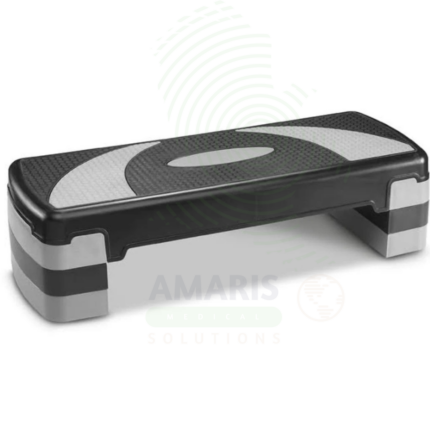
Aerobic Stepper
An Aerobic Stepper is a raised, non-slip platform with adjustable height designed for step-up, step-down, and lateral stepping exercises that deliver low-impact cardiovascular conditioning, lower extremity strengthening, and balance training. The textured stepping surface and non-slip rubber feet provide stability, while adjustable risers allow progressive intensity from four to eight inches—enabling patients to advance exercise challenges as strength and endurance improve. For the physical therapist and rehabilitation specialist, the aerobic stepper provides functional, task-specific training that directly translates to activities of daily living such as stair climbing, curb stepping, and independent community mobility. The stepping motion strengthens quadriceps, hamstrings, gluteals, and calf muscles while challenging dynamic balance, weight shifting, and proprioceptive responses—essential skills for fall prevention in older adults and patients with balance impairment. For the cardiac and pulmonary rehabilitation specialist, the adjustable platform provides a safe, progressive cardiovascular training modality suitable for patients from early deconditioning to advanced conditioning. For the patient recovering from total knee replacement, hip fracture, or deconditioning, regular stepper training rebuilds lower extremity strength, improves balance confidence, and supports safe, independent ambulation.
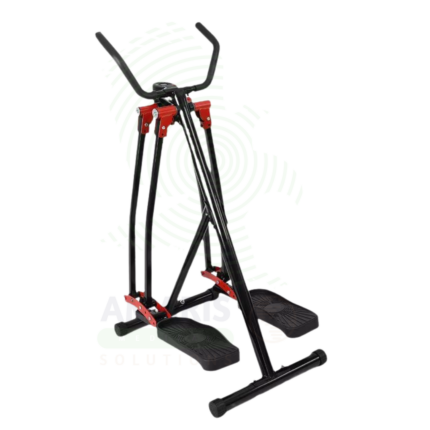
Air Walker & Stepper
An Air Walker & Stepper is a compact exercise machine with independent foot platforms that simulate walking or stepping motion using air resistance or hydraulic resistance for low-impact cardiovascular conditioning and lower extremity strengthening. The independent foot platforms require coordinated weight shifting and balance control, challenging proprioceptive systems while providing a smooth, controlled stepping motion that minimizes stress on the knees, hips, and ankles. For the physical therapist and exercise physiologist, the air walker and stepper enables safe cardiovascular conditioning for patients with osteoarthritis, joint replacement recovery, or lower extremity injuries who cannot tolerate high-impact activities like walking or jogging. Progressive resistance training strengthens quadriceps, hamstrings, gluteals, and calf muscles while improving dynamic balance and coordination. Available with fixed handlebars for stability or moving arms for upper body engagement, the device accommodates patients across functional levels—from frail elderly with balance impairment to athletes recovering from injury. For the patient with arthritis, post-surgical restrictions, or neurological conditions affecting gait, regular use improves cardiovascular fitness, lower extremity strength, balance confidence, and functional mobility.
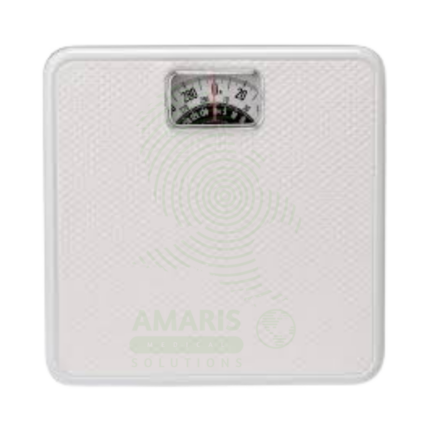
Analogue Bathroom Weighing Scale
An Analogue Bathroom Weighing Scale is a mechanical Class I medical device (for health monitoring) using a precision spring and lever system to measure body weight without batteries or electronics. Features include enameled steel, stainless steel, or ABS plastic platform (25-30 cm square), large circular dial (10-15 cm diameter) with clear numerals and pointer, zero adjustment knob for calibration before each use, weight capacity 120-180 kg (265-400 lbs) standard (heavy-duty models to 250 kg/550 lbs), and graduation 0.5 kg or 1 lb increments with accuracy ±0.5-1 kg. Primary clinical applications include home weight monitoring for patients who prefer non-electronic devices, chronic disease management in resource-limited settings (heart failure, CKD), geriatric and low-vision patient weighing (large, clear dial), bariatric patient monitoring (higher weight capacities), pediatric growth monitoring in home settings, pregnancy weight tracking, and post-hospitalization transition monitoring. Critical safety considerations include verifying zero adjustment before each use, placement on hard level surface (not carpet), staying within weight capacity, reading at eye level to avoid parallax error, and recognizing that spring fatigue over years may affect accuracy. Essential non-electronic alternative for patients needing simple, reliable, battery-free weight monitoring.
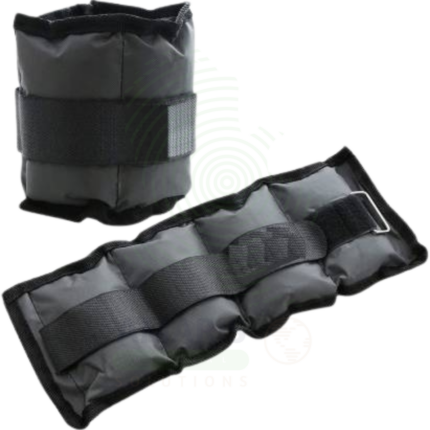
Ankle & Wrist Sand Bag
An Ankle & Wrist Sand Bag is a weighted fabric bag with adjustable straps that attaches around the ankle or wrist, providing progressive resistance for strengthening exercises targeting the upper and lower extremities. Filled with sand or steel shot and encased in durable nylon, neoprene, or canvas fabric with foam padding for comfort, these weights allow for precise, localized resistance training that can be progressed by increasing weight increments—enabling targeted strengthening of specific muscle groups without requiring complex equipment. For the physical therapist and occupational therapist, ankle and wrist sand bags provide a simple, effective method for rebuilding strength following total joint replacement, stroke, deconditioning, or upper and lower extremity injuries. When worn around the ankle during walking exercises and leg lifts, they strengthen quadriceps, hamstrings, gluteals, and hip flexors—improving gait mechanics and walking endurance. When worn around the wrist during reaching and functional task practice, they strengthen shoulder, arm, and hand musculature—building the strength needed for independent self-care, meal preparation, and household tasks. The adjustable Velcro straps provide secure, comfortable fit, while the padded design prevents skin irritation, making these weights suitable for use in physical therapy, occupational therapy, and home exercise programs.
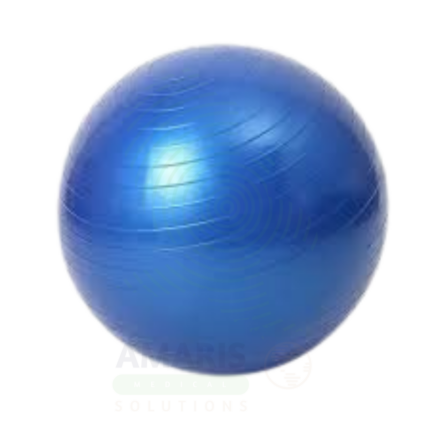
Anti-burst Gym Ball
An Anti-burst Gym Ball is an inflatable, unstable exercise device with anti-burst technology used for core strengthening, balance training, flexibility improvement, and low-impact cardiovascular exercise in physical therapy, occupational therapy, and rehabilitation settings. The anti-burst construction ensures that if the ball is punctured, it deflates slowly rather than bursting catastrophically—reducing injury risk and providing critical safety for patients with balance impairment or fall risk. The unstable surface engages deep stabilizing muscles of the trunk and pelvis, improving lumbar stability and reducing low back pain in patients with chronic spinal conditions. Available in sizes from 45 to 75 centimeters to accommodate patients of different heights, the ball challenges balance systems through graded exercises from seated stability to advanced standing activities. For the physical therapist and rehabilitation specialist, the anti-burst gym ball is a versatile tool for core conditioning, fall prevention, post-operative rehabilitation, and functional training across diverse patient populations including those with low back pain, stroke, Parkinson's disease, arthritis, and deconditioning. For the patient, regular ball exercises restore spinal stability, improve balance confidence, maintain joint mobility, and provide safe, low-impact conditioning that supports long-term health and independence.
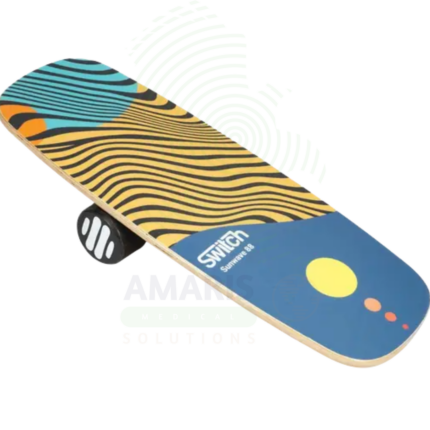
Balance Board
A Balance Board is a pivoting platform that challenges balance, proprioception, and core stability through controlled tilting and rocking motions, used for fall prevention, ankle rehabilitation, and core strengthening in physical therapy, sports medicine, and fitness settings. Available in rocker (front-to-back tilt), wobble (360-degree tilt), and roller (side-to-side) configurations, the balance board provides graded challenges for patients across functional levels—from simple weight shifting for elderly patients to advanced dynamic stability for athletes. For the geriatric specialist and neurological physical therapist, the balance board improves postural control, reaction time, and confidence in patients with Parkinson's disease, stroke, or peripheral neuropathy—reducing fall risk and enhancing independent mobility. For the sports medicine clinician, the balance board provides targeted proprioceptive retraining for the ankle joint following sprains or chronic instability, restoring stability and preventing recurrent injury. The unstable surface also engages the deep core musculature, improving lumbar stabilization for patients with chronic low back pain. For the patient recovering from ankle sprain, knee replacement, stroke, or balance impairment, regular balance board training restores proprioceptive acuity, improves dynamic stability, and supports return to independent function.
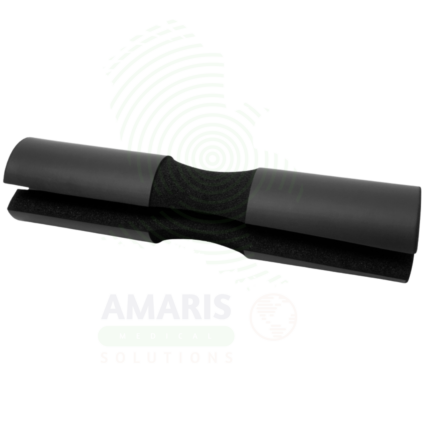
Barbell Pad
A Barbell Pad is a thick, padded foam cushion designed to wrap around a barbell, distributing pressure across a wider surface area to protect the cervical spine, shoulders, and hips during weightlifting and rehabilitation exercises. The high-density foam core absorbs and redistributes the concentrated pressure of the barbell, reducing discomfort and preventing soft tissue injury during squats, hip thrusts, lunges, and carries. For the physical therapist and rehabilitation specialist, the barbell pad enables patients with cervical spine sensitivity, post-operative neck conditions, shoulder pathology, or hip tenderness to perform essential lower extremity strengthening exercises without pain or risk of exacerbating underlying conditions. During squats, the pad protects the cervical spine and upper trapezius from direct barbell pressure. During hip thrusts and glute bridges, it cushions contact with the pelvic region, preventing bruising over the iliac crests and allowing comfortable gluteal strengthening critical for total hip replacement recovery. For the deconditioned or anxious patient, the soft, non-slip surface increases comfort and confidence, encouraging participation in progressive resistance training essential for functional independence. Available in various thicknesses with secure Velcro or snap closures, the barbell pad is a simple, effective accessory that supports safe, comfortable barbell training across the rehabilitation continuum.
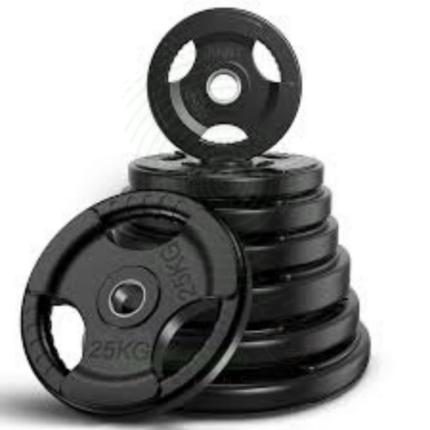
Black Cast Iron Plate Weight
Black Cast Iron Plate Weights are durable, economical weight plates used with barbells, dumbbells, or plate-loaded machines for progressive resistance training in rehabilitation, clinical, and fitness settings. Available in standardized weight increments from 2.5 to 45 pounds, with precision-cast construction for weight accuracy and durable black paint or e-coat finish that provides reliable performance for strength training across the rehabilitation continuum. For the physical therapist and rehabilitation specialist, black cast iron plate weights enable precise exercise prescription with small, manageable weight increments that allow patients to progress safely while maintaining proper form. When loaded onto barbells for squat, deadlift, and lunge variations, they strengthen the quadriceps, hamstrings, gluteals, and calf muscles—rebuilding the functional strength needed for standing, walking, and stair climbing after total knee replacement, hip fracture, or ACL reconstruction. When used with dumbbells or plate-loaded machines, they strengthen the rotator cuff, deltoids, and back musculature—restoring the upper extremity strength needed for lifting, carrying, and pushing activities essential for independent function. For the patient recovering from orthopedic surgery, neurological impairment, or general deconditioning, black cast iron plate weights provide a safe, progressive, cost-effective tool for rebuilding strength, improving functional mobility, and returning to independent living.
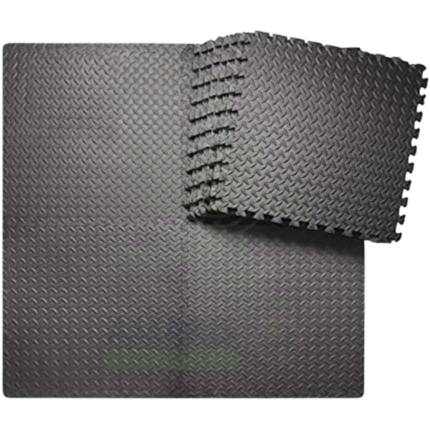
Black Floor Mats for Gym
Black Floor Mats for Gym are durable rubber or foam mats designed to protect flooring, provide shock absorption, and create non-slip surfaces for exercise and rehabilitation activities in physical therapy clinics, rehabilitation facilities, and fitness settings. The cushioned, textured surface provides essential fall prevention support for patients with balance impairment, Parkinson's disease, stroke, or age-related instability—allowing confident participation in balance and mobility training. The shock-absorbing properties reduce impact forces transmitted to the lower extremities during high-impact rehabilitation activities, protecting arthritic joints, post-surgical sites, and healing structures. For physical therapy clinics and rehabilitation facilities, these mats protect expensive flooring investments from damage caused by weight plates, dumbbells, and other equipment while providing a comfortable, cushioned surface for floor-based exercises such as core stabilization, stretching, and mat work. Available in various thicknesses (6mm to 25mm) and formats (tiles, rolls, interlocking), with non-slip textured surfaces and durable construction resistant to heavy use, these mats are essential facility equipment for safe, comfortable exercise environments across physical therapy, sports medicine, and fitness settings.
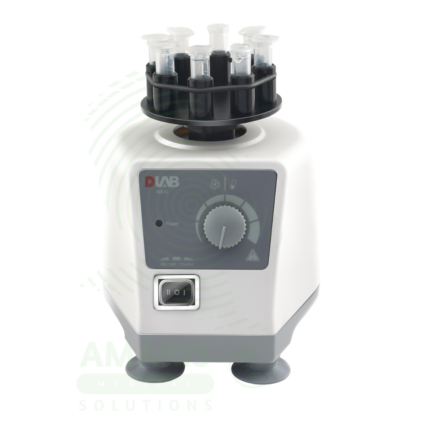
Cell Disruptor (MX-C)
The Cell Disruptor (MX-C) is a compact, high-speed benchtop homogenizer designed for the efficient mechanical lysis of biological samples. Utilizing a 4mm orbital diameter at speeds up to 3000 rpm, it employs circumferential vortex oscillation to break down the cell walls of bacteria, yeast, algae, and fungi to release intracellular contents . With a capacity to process up to eight 2.0 mL microtubes simultaneously, it facilitates rapid, hands-free sample preparation for downstream molecular workflows .
Ideal for research and clinical laboratories, the Cell Disruptor (MX-C) ensures constant, controlled shear rates that maintain the genomic integrity of released DNA and RNA, which is crucial for accurate PCR and sequencing results . Its robust construction, easy operation, and ability to handle tough microorganisms (including Gram-positive bacteria) make it an essential tool for genomic extraction and purification .
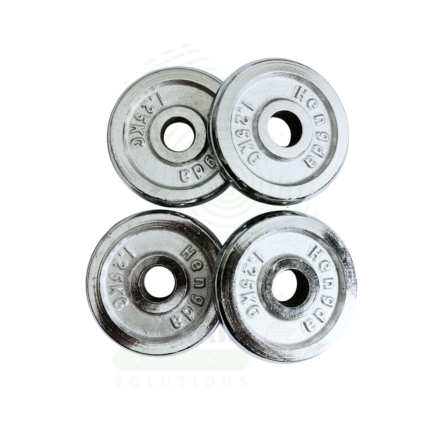
Chrome Plate Weight
Chrome Plate Weights are durable, chrome-plated cast iron weight plates used with barbells, dumbbells, or plate-loaded machines for progressive resistance training in rehabilitation, clinical, and fitness settings. Available in standardized weight increments from 2.5 to 45 pounds, with precision-cast construction for weight accuracy and durable chrome plating that resists rust, corrosion, and wear from repeated use, these plates provide reliable, long-lasting resistance for strength training across the rehabilitation continuum. For the physical therapist and rehabilitation specialist, chrome plate weights enable precise exercise prescription with small, manageable weight increments that allow patients to progress safely while maintaining proper form. When loaded onto barbells for squat, deadlift, and lunge variations, they strengthen the quadriceps, hamstrings, gluteals, and calf muscles—rebuilding the functional strength needed for standing, walking, and stair climbing after total knee replacement, hip fracture, or ACL reconstruction. When used with dumbbells or plate-loaded machines, they strengthen the rotator cuff, deltoids, and back musculature—restoring the upper extremity strength needed for lifting, carrying, and pushing activities essential for independent function. For the patient recovering from orthopedic surgery, neurological impairment, or general deconditioning, chrome plate weights provide a safe, progressive, durable tool for rebuilding strength, improving functional mobility, and returning to independent living.
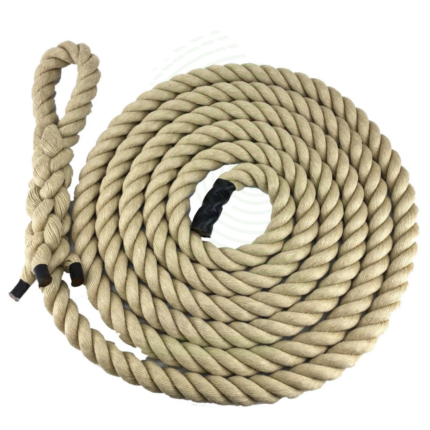
Climbing Rope
A Climbing Rope is a vertically suspended rope used for climbing exercises to develop upper extremity strength, grip endurance, core stability, and functional pulling strength in physical therapy, occupational therapy, and fitness settings. The act of pulling the body upward against gravity engages the finger flexors, forearm muscles, biceps, triceps, deltoids, latissimus dorsi, and rhomboids—building the strength needed for pulling, lifting, and carrying activities essential for independence. For the physical therapist and occupational therapist, rope climbing provides a functional, weight-bearing upper extremity exercise that translates directly to activities of daily living—improving the ability to pull oneself up from a seated position, perform transfers, and navigate stairs. The dynamic core engagement required during climbing strengthens the abdominal and lumbar stabilizers, improving spinal stability and postural control. Coordinating hand-over-hand movement while maintaining body position challenges proprioception, motor planning, and bilateral coordination—making it valuable for patients recovering from stroke, traumatic brain injury, or with developmental coordination disorders. Available in various diameters (1-2 inches) and materials (manila, polyester, polypropylene) with secure ceiling mounting, the climbing rope provides a challenging, functional strengthening activity that builds upper body power, grip endurance, and core stability across diverse patient populations.
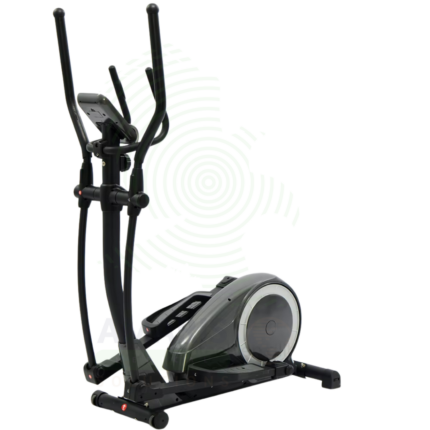
Cross Trainer
A Cross Trainer is a stationary exercise machine with foot platforms that move in an elliptical (oval) path and synchronized moving handlebars, providing simultaneous upper and lower body cardiovascular exercise with minimal joint impact. The elliptical motion eliminates heel strike impact, reducing stress on the knees, hips, and spine while allowing high-caloric expenditure—making it an ideal exercise modality for patients with osteoarthritis, joint replacement, chronic joint pain, or weight-bearing restrictions. The coordinated upper and lower body motion challenges neuromuscular control, proprioception, and cardiovascular endurance simultaneously, making it effective for patients recovering from stroke, neurological conditions, or deconditioning. Adjustable magnetic or electromagnetic resistance allows for progressive training, while heavy flywheel technology ensures smooth, consistent motion. For the physical therapist and exercise physiologist, the cross trainer provides safe, effective cardiovascular conditioning and total body strengthening for cardiac rehabilitation, pulmonary rehabilitation, orthopedic recovery, and neurological rehabilitation. For the patient with arthritis, joint pathology, or functional limitations, the cross trainer enables consistent, pain-free exercise that improves cardiovascular fitness, lower extremity strength, upper body endurance, balance confidence, and functional mobility—supporting long-term health and independence.
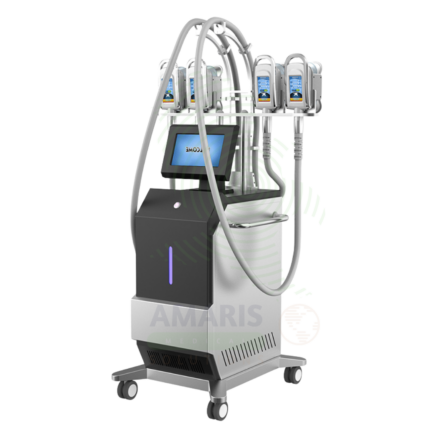
Cryopolyse Slimming Machine
A Cryopolyse Slimming Machine is a non-invasive body contouring device that uses controlled cooling (cryolipolysis) to eliminate fat cells in localized areas such as the abdomen, flanks, thighs, and submental region. FDA-cleared for fat reduction, it offers patients a non-surgical alternative to liposuction with no incisions, anesthesia, or downtime. Results appear gradually over 8-12 weeks as the body naturally eliminates treated fat cells, providing measurable body contour improvement.
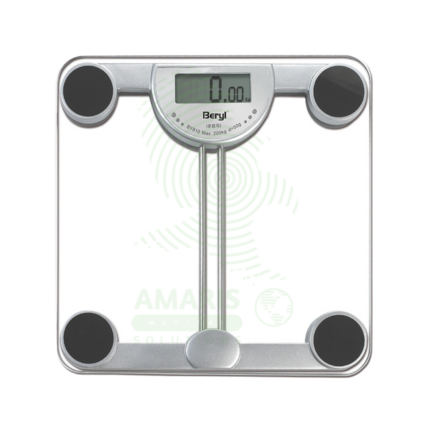
Digital Bathroom Weighing Scale
A Digital Bathroom Weighing Scale is a Class I medical device (for health monitoring) using strain gauge sensor technology (four high-precision sensors, accuracy ±0.1-0.3 kg) to measure body weight in home settings. Features include tempered glass, stainless steel, or ABS plastic platform (30-35 cm square), backlit LCD display with large numerals, auto-on/off, low battery indicator, overload warning, and weight capacity 150-200 kg (330-440 lbs) standard, with bariatric models to 300 kg (660 lbs). Measurement units switchable between kg, lb, and st. Primary clinical applications include home weight monitoring for chronic disease management (congestive heart failure fluid detection, chronic kidney disease), obesity and weight management programs, bariatric surgery pre- and post-operative monitoring, diabetes management and metabolic health, pregnancy weight gain tracking, geriatric nutritional status monitoring (detecting malnutrition), and pediatric growth monitoring. Critical safety considerations include use on hard, level surface (not carpet), consistent weighing conditions (same time, minimal clothing), inspection of glass platform for cracks, staying within weight capacity, and recognition that rapid weight gain >2-3 kg in 24-48 hours may indicate fluid overload requiring medical attention. Essential tool for home-based chronic disease management and health monitoring.
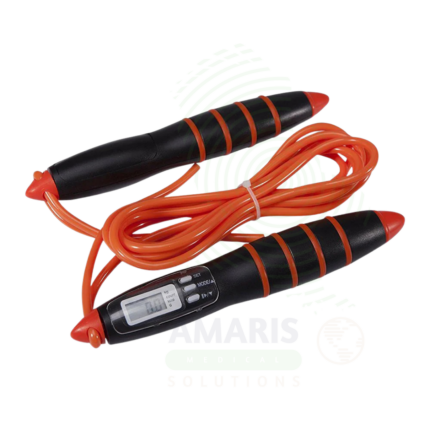
Digital Jump Rope
A Digital Jump Rope is a jump rope with digital handles that count jumps, track time, and calculate calories burned, providing real-time performance feedback for high-intensity cardiovascular conditioning, coordination training, and rehabilitation. The built-in accelerometer or gyroscope sensors automatically detect each jump, displaying metrics such as jump count, total jumps, continuous jumps, exercise duration, and estimated calorie expenditure on an LCD screen. For the exercise physiologist and physical therapist, the digital jump rope enables precise exercise prescription with objective performance metrics—allowing accurate monitoring of exercise volume, intensity, and progression for patients in cardiac rehabilitation, metabolic conditioning, or advanced rehabilitation programs. The digital feedback provides patients with clear numerical goals (jump counts, time, calories) that build confidence and motivation throughout the rehabilitation process. For pediatric physical therapists and occupational therapists, the engaging activity with performance tracking supports coordination, rhythm, and motor planning development. Portable, adjustable, and providing objective exercise data, the digital jump rope is an effective tool for high-intensity interval training, coordination development, and objective exercise monitoring in physical therapy, sports medicine, and fitness settings.
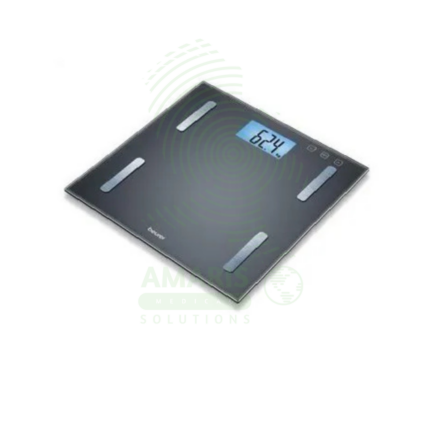
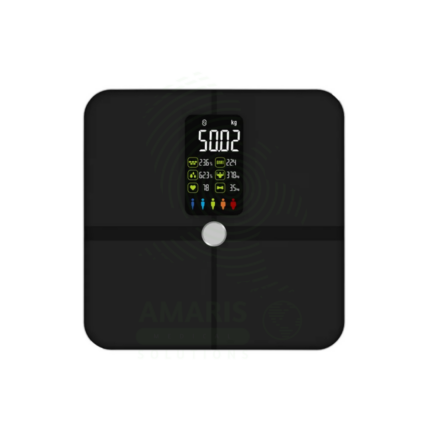
Digital weight scale with BMI calculator
A Digital Weight Scale with BMI Calculator is a Class I medical device (for health monitoring) combining precision strain gauge technology (four sensors, accuracy ±0.1-0.3 kg) with automatic BMI calculation based on user-entered height. Features include tempered glass, stainless steel, or ABS plastic platform (30-35 cm square), backlit LCD display showing weight and BMI, multiple user profiles (2-10 users) with height storage, memory for historical readings, auto-recognition on select models, Bluetooth connectivity for app integration, and weight capacity 150-200 kg (330-440 lbs) standard. Primary clinical applications include home-based BMI monitoring for weight management, hypertension and cardiovascular risk assessment, diabetes management and metabolic health, obesity screening and weight loss programs, bariatric surgery pre- and post-operative monitoring, geriatric nutritional status monitoring (detecting malnutrition), and pediatric/adolescent growth tracking. Critical safety considerations include accurate height entry for each user (essential for valid BMI), correct user profile selection, use on hard level surfaces (not carpet), glass platform inspection for cracks, staying within weight capacity, and understanding that BMI is a screening tool requiring healthcare provider interpretation. Essential home health device for individuals managing weight-related health conditions.
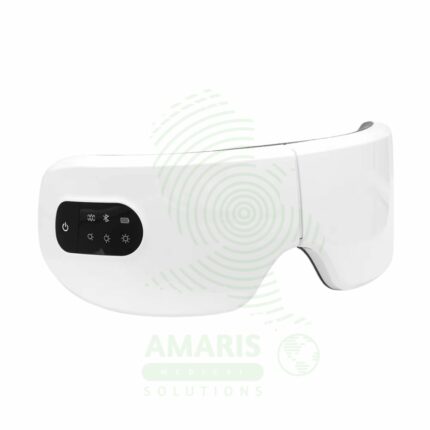
Electric Ophthalmic Massager
An Electric Ophthalmic Massager is a therapeutic device that provides pneumatic compression, vibration, and heat therapy to the periorbital region for relief of digital eye strain, tension headaches, and visual fatigue. The ergonomic design targets acupressure points around the eyes while multiple massage modes and adjustable intensity levels allow for customized treatment. Used as a non-pharmacological adjunct for managing eye strain from prolonged screen use, the device also promotes relaxation and may support circulation. Patients with glaucoma, retinal detachment, recent eye surgery, or other eye conditions should consult an ophthalmologist before use. Proper duration and intensity settings are essential for safe and effective use.
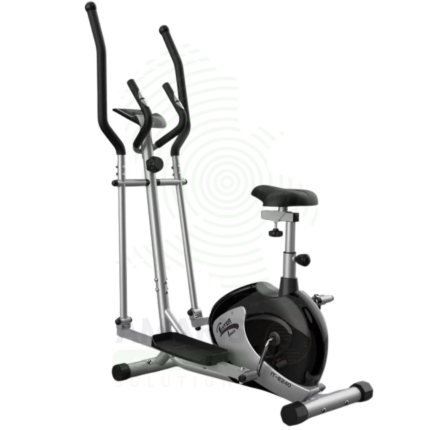
Elliptical Bike
An Elliptical Bike is a stationary exercise machine that combines the seated position of a recumbent bike with the elliptical motion of a cross trainer, providing seated, low-impact cardiovascular exercise with back support and minimal joint stress. The seated elliptical motion eliminates heel strike impact while the recumbent seat with back support provides spinal stability—making it an ideal exercise modality for patients with chronic low back pain, spinal stenosis, balance impairment, or those who cannot tolerate upright exercise. The elliptical path strengthens quadriceps, hamstrings, gluteals, and calf muscles without the impact forces of walking or jogging, supporting joint health and functional mobility. For the physical therapist and rehabilitation specialist, the elliptical bike enables safe cardiovascular conditioning for patients recovering from lumbar spine surgery, total joint replacement, cardiac events, or neurological conditions who require seated support. For the patient with osteoarthritis, balance deficits, or deconditioning, the elliptical bike provides consistent, pain-free exercise that improves cardiovascular fitness, lower extremity strength, and functional capacity—supporting long-term health and independence while minimizing fall risk.
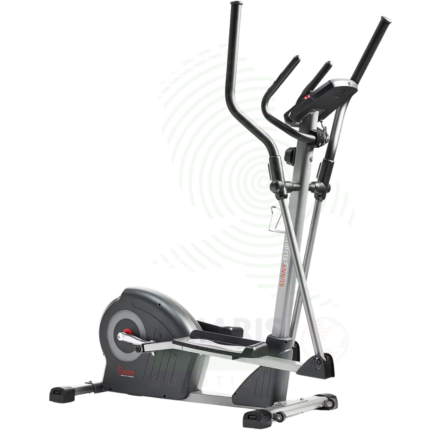
Elliptical Trainer & Orbitrek
An Elliptical Trainer & Orbitrek is a stationary exercise machine with foot platforms that move in an elliptical (oval) path and synchronized moving handlebars, providing simultaneous upper and lower body cardiovascular exercise with minimal joint impact. The elliptical motion eliminates heel strike impact, reducing stress on the knees, hips, and spine while allowing high-caloric expenditure—making it an ideal exercise modality for patients with osteoarthritis, joint replacement, chronic joint pain, or weight-bearing restrictions. The coordinated upper and lower body motion challenges neuromuscular control, proprioception, and cardiovascular endurance simultaneously, making it effective for patients recovering from stroke, neurological conditions, or deconditioning. Adjustable magnetic or electromagnetic resistance allows for progressive training, while heavy flywheel technology ensures smooth, consistent motion. For the physical therapist and exercise physiologist, the elliptical trainer provides safe, effective cardiovascular conditioning and total body strengthening for cardiac rehabilitation, pulmonary rehabilitation, orthopedic recovery, and neurological rehabilitation. For the patient with arthritis, joint pathology, or functional limitations, the elliptical trainer enables consistent, pain-free exercise that improves cardiovascular fitness, lower extremity strength, upper body endurance, balance confidence, and functional mobility—supporting long-term health and independence.
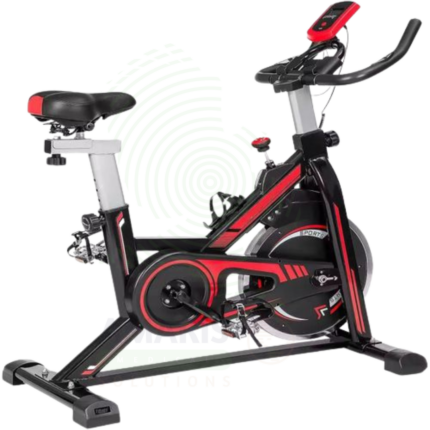
Exercise Bicycle
An Exercise Bicycle is a stationary bike with adjustable resistance and seat positioning used for cardiovascular conditioning, lower extremity strengthening, and rehabilitation in clinical and fitness settings. Available in upright, recumbent, and semi-recumbent configurations, the exercise bicycle provides low-impact aerobic exercise that improves cardiovascular fitness, strengthens quadriceps and hamstring muscles, and supports gait retraining without excessive joint loading. For the cardiac rehabilitation specialist, the exercise bicycle provides safe, monitored aerobic exercise following myocardial infarction or bypass surgery. For the physical therapist, the stationary bike enables closed-chain strengthening and range of motion recovery following total knee replacement, ACL reconstruction, or hip surgery. For the patient with osteoarthritis, stroke, Parkinson's disease, or peripheral arterial disease, regular cycling improves mobility, reduces pain, and enhances functional independence. Featuring adjustable resistance levels, heart rate monitoring, and ergonomic seating with back support on recumbent models, the exercise bicycle accommodates patients across the lifespan and functional spectrum—from frail elderly to athletic populations.
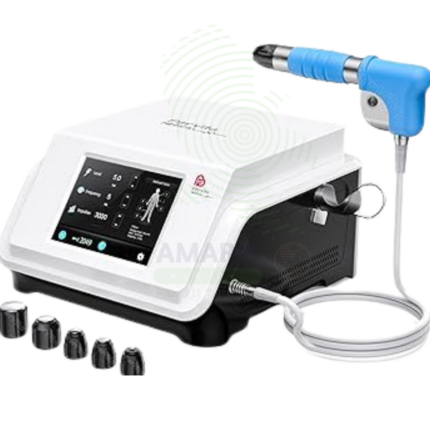
Extracorporeal Shockwave Therapy (ESWT)
Extracorporeal Shockwave Therapy (ESWT) is a non-invasive treatment modality that delivers acoustic shockwaves to tissues to stimulate healing, reduce pain, and improve function in chronic musculoskeletal conditions. Used for chronic tendinopathies including plantar fasciitis, Achilles tendinopathy, tennis elbow, and rotator cuff tendinopathy, as well as non-union fractures and myofascial pain, ESWT provides an effective non-surgical option for patients who have failed conservative treatment. Available in focused and radial forms, it offers hope for recovery without surgery.
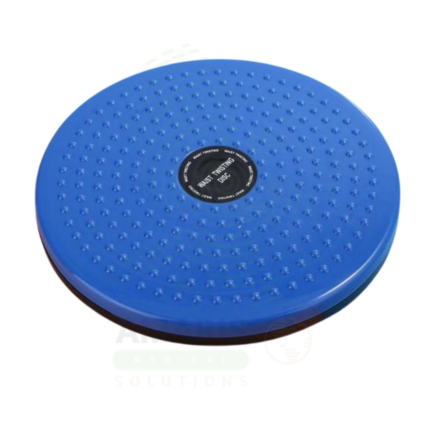
Figure Trimmer
A Figure Trimmer is a rotating platform designed for core strengthening, waist conditioning, spinal mobility, balance training, and low-impact cardiovascular exercise through controlled twisting motions. The platform rotates smoothly in 360 degrees, allowing the user to perform rotational exercises that engage the oblique muscles, transversus abdominis, and lumbar stabilizers—improving trunk rotation, spinal mobility, and functional twisting strength needed for activities such as reaching, turning, and carrying. For the physical therapist and rehabilitation specialist, the figure trimmer provides a safe, supported method for improving spinal rotation in patients with chronic low back pain, spinal stiffness, or degenerative disc disease. Continuous twisting movements provide low-impact cardiovascular exercise that elevates heart rate while minimizing joint stress—suitable for patients with osteoarthritis, joint replacement, or weight-bearing restrictions. The rotating platform also challenges balance and proprioceptive systems, making it useful for patients with balance impairment, Parkinson's disease, or age-related balance decline. The textured, non-slip platform provides secure footing, while the durable construction with ball-bearing rotation ensures smooth, quiet operation. Compact, portable, and requiring minimal space, the figure trimmer is an effective tool for core conditioning, spinal mobility, balance improvement, and low-impact cardio in physical therapy, fitness, and home exercise settings.
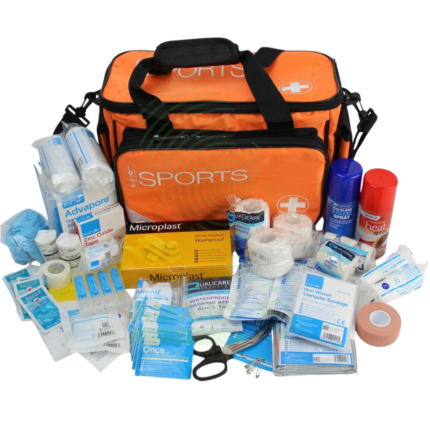
First Aid Kit For Sporting Places
A First Aid Kit for Sporting Places is a portable, organized medical kit specifically designed for the types and frequencies of injuries encountered in athletic and sporting environments. Available in various configurations including sideline kits for team use, personal sports pouches, team travel kits, and wall-mounted cabinets for gymnasiums. Constructed from ballistic nylon, polyester, ABS plastic, or aluminum with organized interior compartments, pouches, and elastic loops for rapid access to supplies. Contains sport-specific medical supplies including wound care materials, elastic bandages, instant cold packs, splinting materials, eye wash, blister care, concussion assessment tools, and personal protective equipment. Primary clinical applications include immediate treatment of common sports injuries (sprains, strains, contusions, abrasions, lacerations), concussion assessment, bleeding control, heat illness management, eye injury care, and emergency action plan implementation. Essential equipment for athletic teams, schools, fitness centers, recreational facilities, and sporting events, providing organized, accessible medical supplies for athlete safety and injury management.
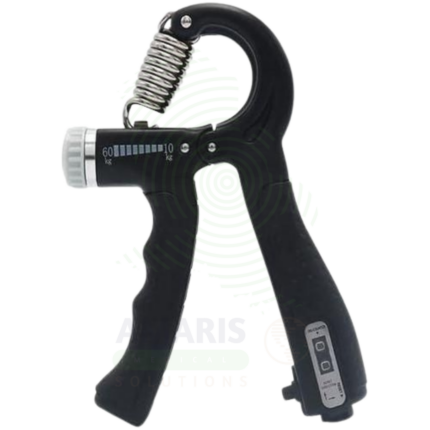
Hand Grip
A Hand Grip is a spring-loaded hand exerciser with two handles that is compressed by squeezing, designed to develop grip strength, forearm conditioning, and hand function in rehabilitation and fitness settings. The spring mechanism provides adjustable or fixed resistance ranging from 10 to 200 pounds, allowing patients to progress from light grip strengthening to advanced forearm conditioning as strength improves. For the physical therapist and occupational therapist, the hand grip provides targeted, progressive resistance training for the intrinsic hand muscles, thenar eminence, and forearm flexors—critical for restoring grip strength needed for opening jars, carrying groceries, turning doorknobs, and performing activities of daily living. For patients with arthritis, carpal tunnel syndrome, or post-operative hand weakness, progressive hand grip exercises rebuild functional grip strength essential for independence. For patients with neurological conditions such as stroke or traumatic brain injury, the hand grip provides a simple, measurable tool for retraining grip strength and motor control. Compact, portable, and requiring no additional equipment, the hand grip is an effective tool for grip strength rehabilitation, sports performance enhancement, and home exercise programs across the lifespan.
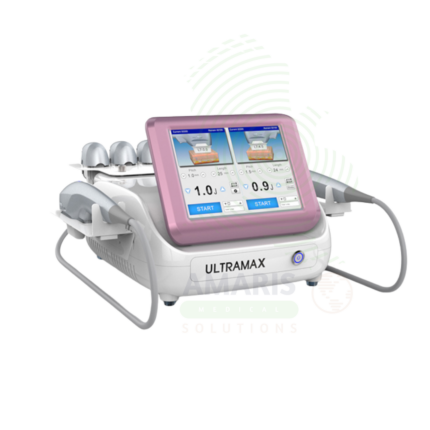
Hifuslim Slimming Machine
A Hifuslim Slimming Machine is a non-invasive body contouring device that uses high-intensity focused ultrasound to selectively destroy fat cells and stimulate collagen production for skin tightening. The focused ultrasound energy targets subcutaneous fat at precise depths, providing measurable fat reduction and improved skin elasticity without surgery. FDA-cleared for dermatological use, it offers patients a non-surgical alternative to liposuction for reducing stubborn fat deposits resistant to diet and exercise.
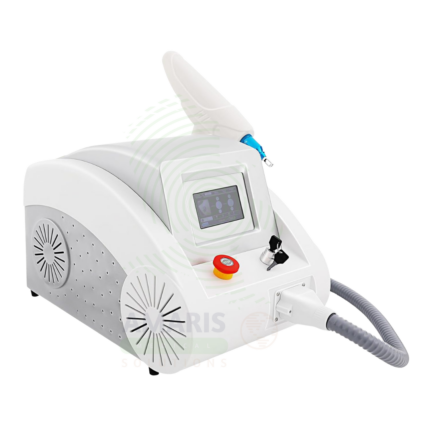
High-Performance Pico-Second Q-Switched Nd:YAG Laser
A High-Performance Pico-Second Q-Switched Nd:YAG Laser is an advanced laser system that delivers ultra-short picosecond pulses to fragment tattoo ink and pigmented lesions with minimal thermal damage. Operating at 1064 nm and 532 nm wavelengths, it effectively treats a wide range of tattoo colors, benign pigmented lesions, and melasma. The optional fractional lens technology enables skin rejuvenation and acne scar treatment. Faster tattoo clearance and reduced risk of pigment changes make it the gold standard for tattoo removal and pigmentation treatment.
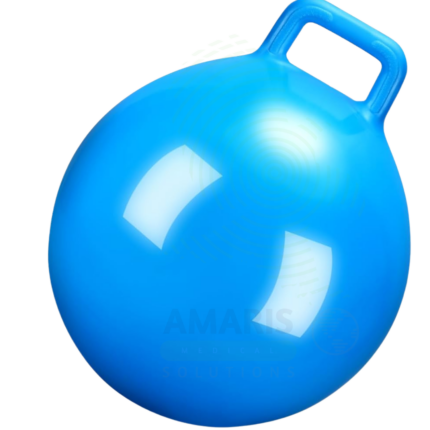
Hopping Ball
A Hopping Ball is an inflatable ball with a handle designed for children to sit on and bounce, promoting gross motor coordination, core strengthening, vestibular stimulation, and balance development in pediatric physical therapy, occupational therapy, and early childhood development. The rhythmic bouncing motion engages core musculature for trunk stability, strengthens lower extremity muscles for jumping and running, and provides vestibular input that supports sensory integration and body awareness. For the pediatric physical therapist and occupational therapist, the hopping ball provides a fun, motivating tool for developing gross motor coordination, bilateral integration, and rhythmic movement patterns—foundational skills for walking, running, and participating in age-appropriate activities. For the child with developmental coordination disorder, cerebral palsy, hypotonia, autism spectrum disorder, or sensory processing difficulties, hopping ball exercises improve motor planning, core strength, balance, and sensory regulation while engaging the child in playful, enjoyable movement. Available in sizes for toddlers through older children, with durable, burst-resistant construction and secure handle attachment, the hopping ball is an effective tool for pediatric rehabilitation, sensory integration, and developmental motor training.
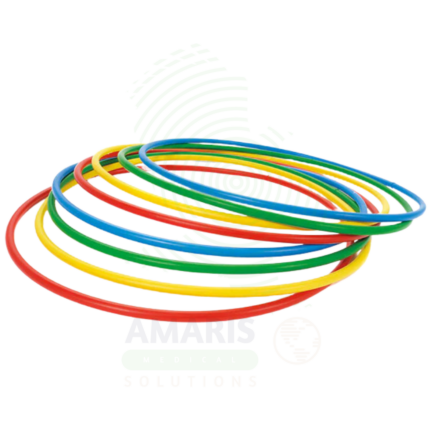
Hula Hoop
A Hula Hoop is a circular hoop rotated around the waist, hips, or limbs for core strengthening, cardiovascular conditioning, and coordination development in fitness, rehabilitation, and pediatric therapy settings. The rhythmic motion engages the core musculature—including the transversus abdominis, obliques, and lumbar stabilizers—improving spinal stability and reducing low back pain in patients with chronic back pain or post-partum core weakness. For the physical therapist and occupational therapist, hula hooping provides dynamic, engaging core activation that strengthens the deep abdominal muscles while providing proprioceptive and vestibular input—improving body awareness, coordination, and sensory regulation. Continuous hula hooping elevates heart rate and provides low-impact cardiovascular exercise suitable for patients with arthritis, joint pain, or weight-bearing restrictions. Available in standard lightweight hoops for general fitness, weighted hoops for increased resistance and core challenge, and segmented hoops for portability, hula hoops accommodate users across functional levels. For the child with sensory processing disorder, autism spectrum disorder, or developmental coordination disorder, hula hooping provides organizing sensory input that supports attention, motor planning, and rhythmic coordination. For the adult with osteoarthritis, obesity, or deconditioning, hula hooping enables safe, effective core conditioning and cardiovascular exercise.
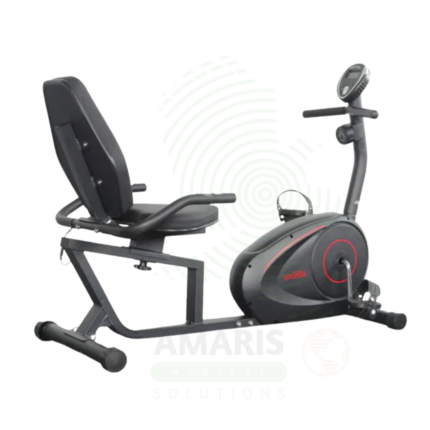
Lazy Bike
A Lazy Bike is a compact, portable seated pedal exerciser designed for passive, active-assisted, or active lower extremity cycling while the user remains seated in a standard chair, wheelchair, or recliner. Unlike traditional stationary bikes that require standing, balancing, or transferring to a specialized seat, the lazy bike places the pedal unit on the floor in front of the user, allowing patients with severe deconditioning, lower extremity weakness, neurological impairment, or post-operative restrictions to initiate lower extremity movement safely from their own chair. Adjustable magnetic or friction resistance allows for progressive strengthening, while forward and backward pedaling engages different muscle groups. For the physical therapist and rehabilitation specialist, the lazy bike provides an accessible entry point to lower extremity rehabilitation for patients who cannot yet tolerate upright exercise, including those recovering from stroke, spinal cord injury, joint replacement, cardiac surgery, or critical illness. For the patient with limited mobility, regular lazy bike use maintains joint range of motion, activates the calf muscle pump to reduce edema, prevents deconditioning, and supports functional recovery—all while remaining safely seated in their own chair.
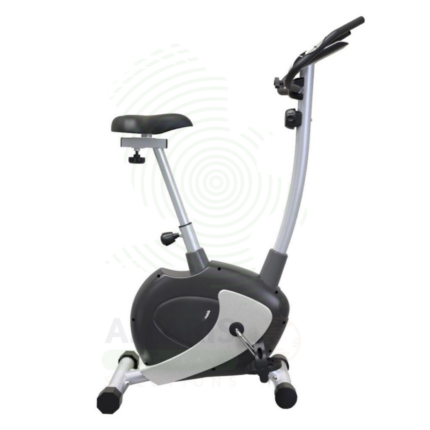
Magnetic Bike
A Magnetic Bike is a stationary bicycle utilizing magnetic resistance technology for smooth, quiet, low-maintenance operation, designed for cardiovascular conditioning and rehabilitation in clinical and home settings. Unlike friction-based resistance systems, magnetic resistance uses magnets positioned near a flywheel to create eddy current resistance without physical contact—eliminating friction pad wear, providing consistent resistance across all levels, and enabling whisper-quiet operation suitable for home use and clinical environments. Available in upright and recumbent configurations, the magnetic bike offers joint-friendly, non-weight-bearing exercise that strengthens quadriceps, hamstrings, gluteals, and calf muscles while improving cardiovascular fitness. For the physical therapist and rehabilitation specialist, the magnetic bike provides precise, repeatable resistance levels for therapeutic exercise prescription, with recumbent models accommodating patients with balance impairment, low back pain, or difficulty mounting standard upright bikes. For the patient recovering from total knee replacement, ACL reconstruction, osteoarthritis, or cardiac event, the magnetic bike enables safe, progressive strengthening and conditioning that improves function, reduces pain, and supports return to independent living. Digital consoles with heart rate monitoring and pre-programmed exercise protocols allow for objective progress tracking and telehealth integration.
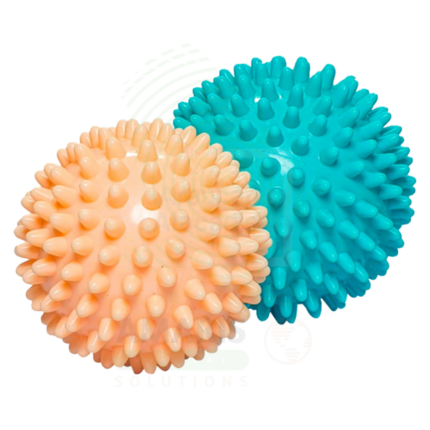
Massage Ball
A Massage Ball is a firm, rubber or silicone ball used for self-myofascial release, trigger point therapy, and muscle tension relief through sustained pressure and rolling techniques. Available in various sizes, surface textures (smooth, textured, or spiked), and densities (soft to extra firm), the massage ball allows patients to apply targeted pressure to hyperirritable spots within taut bands of skeletal muscle—inactivating trigger points and relieving referred pain patterns associated with myofascial pain syndrome, tension headaches, plantar fasciitis, and piriformis syndrome. For the physical therapist and occupational therapist, the massage ball provides patients with a portable, effective tool for self-managing muscle tension between clinical visits. Rolling under the foot reduces plantar fascia tension and heel pain. Placing between the upper back and a wall releases tight rhomboids and trapezius muscles from prolonged sitting. Positioning under the gluteals releases the piriformis muscle and reduces sciatic nerve compression. For the patient with chronic neck pain, low back pain, plantar fasciitis, or tension headaches, regular massage ball use reduces pain, improves range of motion, decreases reliance on analgesic medications, and empowers self-management of musculoskeletal symptoms.
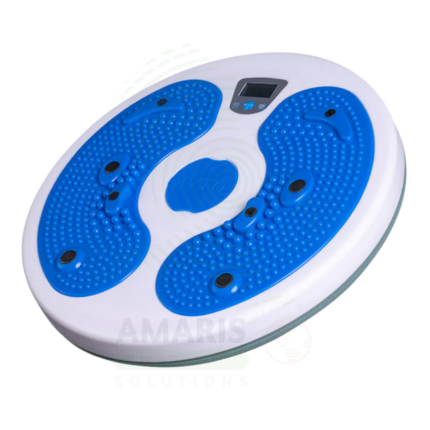
Massage Disco Trimmer & Figure Twister
A Massage Disco Trimmer & Figure Twister is a rotating platform designed for core strengthening, waist trimming, spinal mobility, balance training, and low-impact cardiovascular exercise through controlled twisting motions. The platform rotates smoothly in 360 degrees, allowing the user to perform rotational exercises that engage the oblique muscles, transversus abdominis, and lumbar stabilizers—improving trunk rotation, spinal mobility, and functional twisting strength needed for activities such as reaching, turning, and carrying. For the physical therapist and rehabilitation specialist, the figure twister provides a safe, supported method for improving spinal rotation in patients with chronic low back pain, spinal stiffness, or degenerative disc disease. The rotating platform also challenges balance and proprioceptive systems, making it useful for patients with balance impairment, Parkinson's disease, or age-related balance decline. Continuous twisting movements provide low-impact cardiovascular exercise that elevates heart rate while minimizing joint stress—suitable for patients with osteoarthritis, joint replacement, or weight-bearing restrictions. The textured, non-slip platform provides secure footing, while the durable construction with ball-bearing rotation ensures smooth, quiet operation. Compact, portable, and requiring minimal space, the figure twister is an effective tool for core conditioning, spinal mobility, balance improvement, and low-impact cardio in physical therapy, fitness, and home exercise settings.
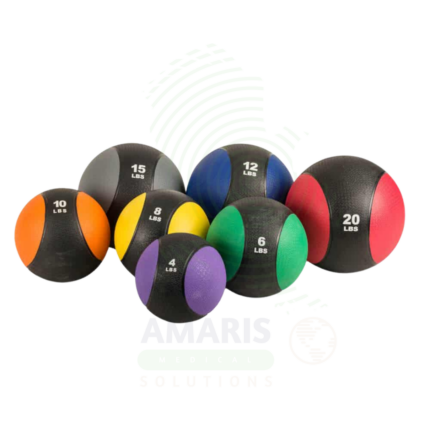
Medicine Ball
A Medicine Ball is a weighted ball used for throwing, slamming, catching, and rotational exercises that develop explosive power, plyometric capacity, core stability, and functional strength. Available in weights ranging from two to twenty-five pounds with various filling materials—sand for dead bounce (ideal for slams and catches), steel shot for dense, compact size, or rubber for live bounce (ideal for throwing and catching)—the medicine ball provides versatile resistance for power development across the kinetic chain. For the sports medicine clinician and physical therapist, medicine ball training enables controlled plyometric progression that bridges basic strengthening to sport-specific power development—critical for return-to-sport following ACL reconstruction, rotator cuff repair, and lower extremity injuries. Rotational throws, chops, and lifts challenge the core musculature in functional patterns, building the rotational stability essential for sports requiring twisting, throwing, and swinging motions. Catching and throwing exercises challenge hand-eye coordination, timing, and neuromuscular control—retraining coordination for patients recovering from stroke, traumatic brain injury, or coordination deficits. For the athlete, medicine ball training develops the explosive power, rotational strength, and neuromuscular control needed for high-level athletic performance.
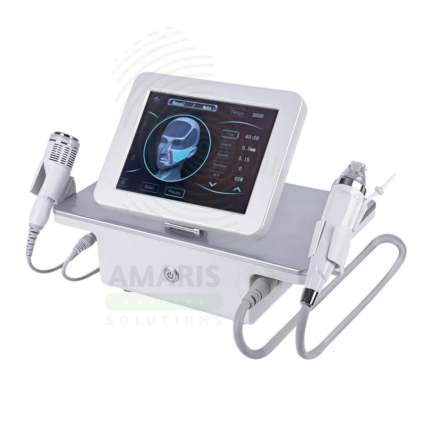
Microneedle Fractional RF Machine
A Microneedle Fractional RF Machine combines fractional radiofrequency energy with microneedling technology to deliver controlled thermal energy deep into the dermis for skin rejuvenation, acne scar treatment, and skin tightening. The insulated microneedles protect the epidermis while delivering RF energy to the dermis, stimulating collagen production and elastin remodeling with minimal downtime. Effective for all skin types, it treats facial wrinkles, acne scars, enlarged pores, and skin laxity, providing visible improvement with reduced risk of hyperpigmentation.
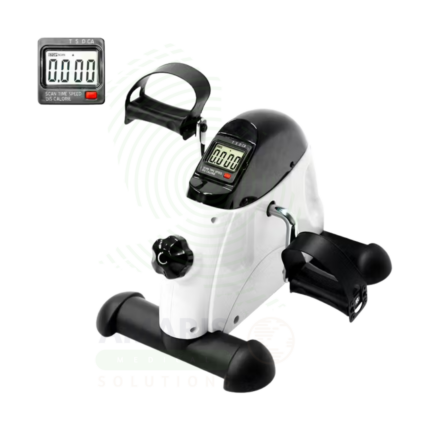
Mini Bike
A Mini Bike is a compact, portable pedal exerciser designed for seated lower extremity cycling and tabletop upper extremity cycling for passive, active-assisted, or active exercise in rehabilitation and home settings. Unlike traditional stationary bikes that require standing or transferring to a specialized seat, the mini bike places the pedal unit on the floor in front of the user for leg exercise, or on a tabletop for arm exercise, allowing patients with severe deconditioning, lower extremity weakness, neurological impairment, or upper limb pathology to initiate therapeutic movement safely from their own chair or bed. Adjustable magnetic or friction resistance allows for progressive strengthening, while forward and backward pedaling engages different muscle groups. For the physical therapist and occupational therapist, the mini bike provides an accessible entry point to rehabilitation for patients who cannot yet tolerate upright exercise—including those recovering from stroke, spinal cord injury, joint replacement, cardiac surgery, or critical illness. For the patient with limited mobility, regular mini bike use maintains joint range of motion, activates the calf muscle pump to reduce edema, prevents deconditioning, restores upper extremity function, and supports functional recovery—all while remaining safely seated.
Painted Plastic Weight
Painted Plastic Weights are lightweight, color-coded handheld weights with a painted plastic exterior, used for progressive resistance training of upper and lower extremities in rehabilitation, geriatric care, and fitness settings. Available in very light weight increments from 0.5 to 10 pounds, with color-coded identification for easy weight selection, these weights provide a safe, economical tool for initiating resistance training in deconditioned, frail, or elderly patients who cannot tolerate heavier weights. For the physical therapist and occupational therapist, painted plastic weights enable targeted strengthening of upper extremity muscles—rebuilding the strength needed for lifting, carrying, pushing, and pulling activities essential for independent self-care and household tasks. When held during squats, lunges, and step-ups, they add resistance that strengthens lower extremity musculature—improving the strength needed for stair climbing, rising from a chair, and safe community ambulation. The lightweight design and color-coded system simplify weight selection for patients with visual impairment or cognitive challenges, while the sealed plastic construction resists sweat and moisture, making them suitable for use in both clinical and home settings. For the frail elderly patient, patient recovering from prolonged hospitalization, or individual initiating strength training after deconditioning, painted plastic weights provide a safe, accessible entry point for rebuilding strength, improving mobility, and supporting return to independent living.
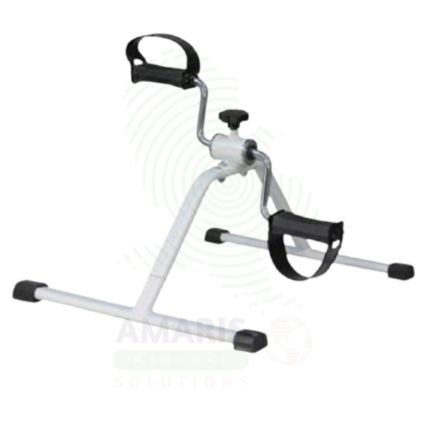
Pedal Exercise Bike
A Pedal Exercise Bike is a compact, portable seated pedal exerciser designed for passive, active-assisted, or active lower extremity cycling while the user remains seated in a standard chair, wheelchair, or recliner. Unlike traditional stationary bikes that require standing, balancing, or transferring to a specialized seat, the pedal exercise bike places the pedal unit on the floor in front of the user, allowing patients with severe deconditioning, lower extremity weakness, neurological impairment, or post-operative restrictions to initiate lower extremity movement safely from their own chair. Adjustable magnetic or friction resistance allows for progressive strengthening, while forward and backward pedaling engages different muscle groups. For the physical therapist and rehabilitation specialist, the pedal exercise bike provides an accessible entry point to lower extremity rehabilitation for patients who cannot yet tolerate upright exercise, including those recovering from stroke, spinal cord injury, joint replacement, cardiac surgery, or critical illness. For the patient with limited mobility, regular pedal bike use maintains joint range of motion, activates the calf muscle pump to reduce edema, prevents deconditioning, and supports functional recovery—all while remaining safely seated.
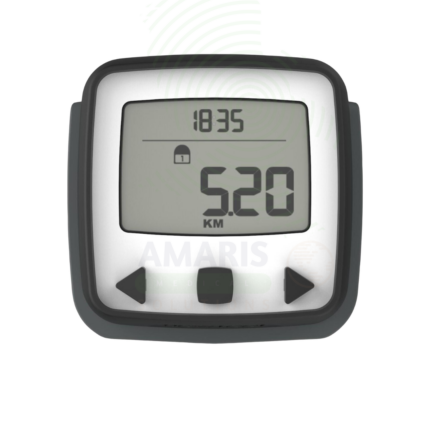
Pedometer
A Pedometer is a wearable electronic device that counts steps taken, distance traveled, and calories burned, providing objective data on physical activity levels for health monitoring, rehabilitation, and behavior change. For the primary care physician and physical therapist, the pedometer offers quantifiable data on a patient's activity level—enabling accurate assessment of baseline mobility, tracking of exercise adherence, and identification of sedentary patients at risk for deconditioning. Setting daily step goals (commonly 10,000 steps per day) promotes adherence to prescribed walking programs for cardiovascular health, weight management, and rehabilitation. In post-operative and rehabilitation settings, pedometers monitor ambulation following total joint replacement, hip fracture, or cardiac surgery—ensuring adequate mobility for recovery while identifying patients who may be sedentary and at risk for complications. For patients with obesity, diabetes, or cardiovascular disease, step tracking provides immediate feedback, motivating increased movement and supporting behavior change for improved health outcomes. Compact, lightweight, and easy to use, the pedometer is a simple, effective tool for promoting physical activity, supporting rehabilitation, and empowering patients to take an active role in their health.
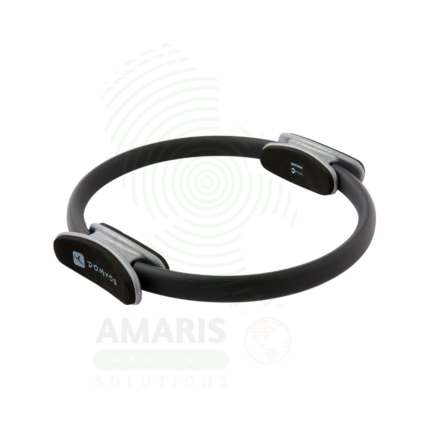
Pilates Ring
A Pilates Ring is a flexible, padded ring used for resistance training of the upper and lower extremities, core stabilization, and proprioceptive feedback in rehabilitation and fitness settings. The flexible spring steel or fiberglass core provides variable resistance that can be compressed or expanded, while the foam pads provide comfortable contact points for the hands, legs, or feet. For the physical therapist and occupational therapist, the Pilates ring enables targeted strengthening of the hip adductors and abductors—critical for improving pelvic stability, gait mechanics, and functional mobility following total hip replacement, hip fracture, or with hip weakness. Squeezing the ring between the hands strengthens the chest, shoulders, and arms for pushing and lifting activities. Placing the ring between the knees or ankles during supine exercises engages the deep core musculature, improving spinal stability for patients with chronic low back pain or post-partum diastasis recti. The flexible ring also provides proprioceptive feedback that enhances neuromuscular control and body awareness—essential for patients with neurological conditions such as stroke or Parkinson's disease. Compact, lightweight, and versatile, the Pilates ring is an effective tool for hip strengthening, core stabilization, and upper extremity rehabilitation across the lifespan.
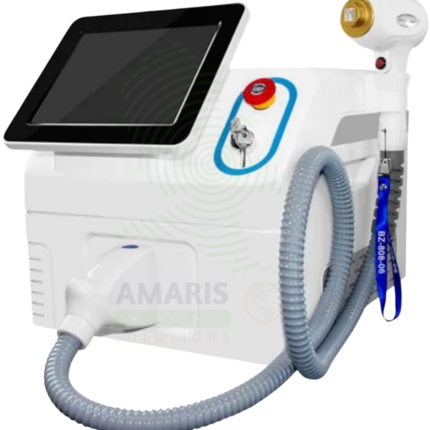
Portable Diode Laser Hair Removal Machine
A Portable Diode Laser Hair Removal Machine is a compact, mobile laser system using diode technology (800-810 nm) for permanent hair reduction on the face and body. Effective for a wide range of skin types (Fitzpatrick I-VI), it features integrated cooling for patient comfort and adjustable treatment parameters for customized care. Portable design allows for use in multiple treatment rooms or mobile services, making it ideal for dermatology practices, medical spas, and aesthetic clinics.
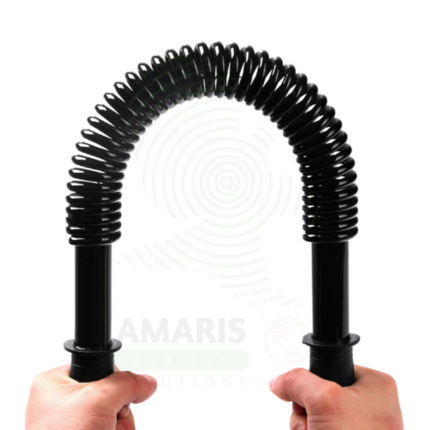
Power Twister
A Power Twister is a U-shaped spring steel bar that is bent (twisted) using both hands, providing progressive resistance for grip, forearm, wrist, and upper extremity strengthening. The spring steel construction offers varying resistance levels from light to extra heavy, allowing patients to progress from basic grip strengthening to advanced forearm conditioning as strength improves. The controlled twisting motion targets the forearm flexors and extensors, wrist stabilizers, and intrinsic hand muscles—critical for restoring grip strength needed for opening jars, carrying objects, and performing activities of daily living. For the physical therapist and hand therapist, the power twister provides both isometric and dynamic resistance training, enabling progressive loading throughout the rehabilitation continuum for conditions such as carpal tunnel syndrome, tennis elbow (lateral epicondylitis), golfer's elbow (medial epicondylitis), and post-casting weakness. The bilateral twisting motion also challenges motor planning and neuromuscular control, making it useful for patients recovering from stroke or unilateral weakness. Portable, self-contained, and requiring no additional equipment, the power twister is an effective tool for grip strength rehabilitation, sports performance enhancement, and home exercise programs.
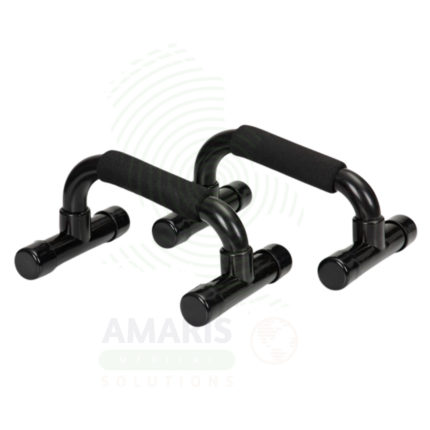
Push-up Bar
A Push-up Bar is a raised handle device that allows push-ups to be performed with neutral wrist alignment, reducing wrist extension stress while enabling chest, shoulder, and triceps strengthening. The ergonomic handles position the hands in a neutral handshake position, eliminating the painful wrist extension required for traditional floor push-ups—making them essential for patients with wrist pathology, carpal tunnel syndrome, or post-operative wrist conditions. For the physical therapist and occupational therapist, push-up bars enable patients with wrist arthritis, distal radius fracture recovery, or chronic wrist pain to perform essential upper extremity pushing exercises without exacerbating wrist symptoms—maintaining chest, shoulder, and triceps strength critical for pushing, lifting, and transferring activities. The elevated handles also allow for a greater range of motion, increasing muscle activation in the pectoralis major, anterior deltoid, and triceps brachii while maintaining proper joint alignment. Constructed from durable steel or aluminum with non-slip rubber bases for floor stability, push-up bars support body weight safely during dynamic exercise. For the patient recovering from shoulder injury, wrist pathology, or deconditioning, push-up bars provide a safe, effective tool for rebuilding upper body strength, improving functional mobility, and supporting return to independent living.
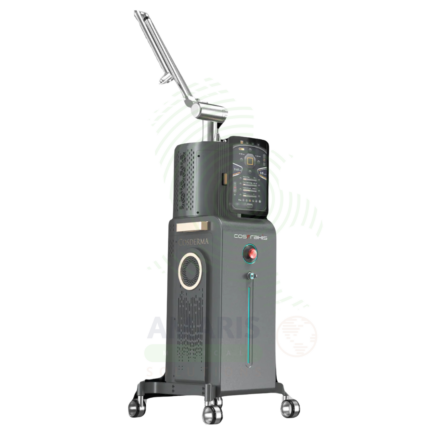
RF Tube Fractional CO₂ Laser Machine
An RF Tube Fractional CO₂ Laser Machine is a fractional carbon dioxide laser system used for skin resurfacing, treatment of deep wrinkles, acne scars, photodamage, and skin tightening. The fractional technology creates microscopic columns of thermal injury while preserving surrounding healthy tissue, allowing for significant improvement with manageable downtime. The gold standard for skin resurfacing, it provides dramatic results for patients with moderate to severe skin concerns.
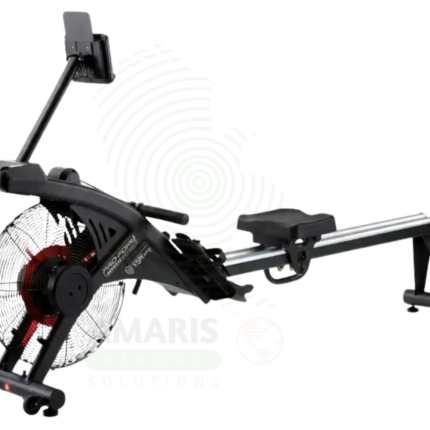
Rowing Machine
A Rowing Machine is a stationary exercise machine with a sliding seat, footrests, and a handle attached to a resistance mechanism that simulates the motion of rowing, providing total body cardiovascular conditioning and strengthening. The rowing stroke engages approximately eighty-five percent of the body's musculature—including legs (quadriceps, hamstrings, gluteals), back (latissimus dorsi, rhomboids, trapezius), arms (biceps, triceps, forearms), and core (abdominals, obliques, erector spinae)—in a coordinated, fluid motion. The non-weight-bearing, low-impact design minimizes stress on the knees, hips, and spine, making it an ideal exercise modality for patients with osteoarthritis, joint replacement, or chronic joint pain. For the physical therapist and exercise physiologist, the rowing machine provides efficient total body conditioning for cardiac rehabilitation, pulmonary rehabilitation, and orthopedic recovery. For the patient with cardiovascular disease, deconditioning, or chronic low back pain, regular rowing improves cardiovascular fitness, rebuilds total body strength, enhances core stability, and supports functional independence—all with minimal joint impact.
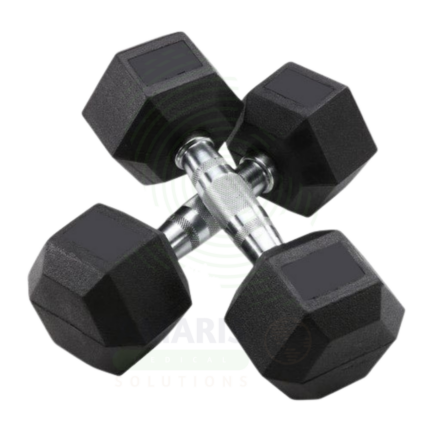
Rubber Hex Dumbbells
Rubber Hex Dumbbells are weighted handheld weights with a durable rubber coating and hexagonal shape, used for progressive resistance training of upper and lower extremities in rehabilitation, clinical, and fitness settings. Available in weights ranging from two to one hundred pounds, with a knurled steel handle for secure grip and vulcanized rubber coating on the weight heads, these dumbbells provide a durable, stable tool for progressive resistance training that can be easily advanced as strength improves. For the physical therapist and occupational therapist, rubber hex dumbbells enable targeted strengthening of upper extremity muscles—rebuilding the strength needed for lifting, carrying, pushing, and pulling activities essential for independent self-care and household tasks. When held during squats, lunges, step-ups, and deadlifts, they add resistance that strengthens lower extremity musculature—improving the strength needed for stair climbing, rising from a chair, and safe community ambulation. The hexagonal shape prevents rolling when placed on the floor, providing safe, stable storage and reducing trip hazards during exercise transitions—critical for patients with balance impairment or mobility limitations. The durable rubber coating protects clinic floors from impact damage, reduces noise, and provides a secure, non-slip surface that resists chipping and corrosion. For the patient recovering from rotator cuff injury, total joint replacement, stroke, or general deconditioning, rubber hex dumbbells provide safe, progressive resistance training that builds functional strength, improves mobility, and supports return to independent living.
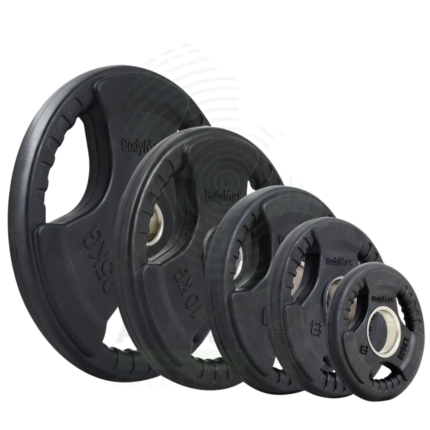
Rubber Plate Weight
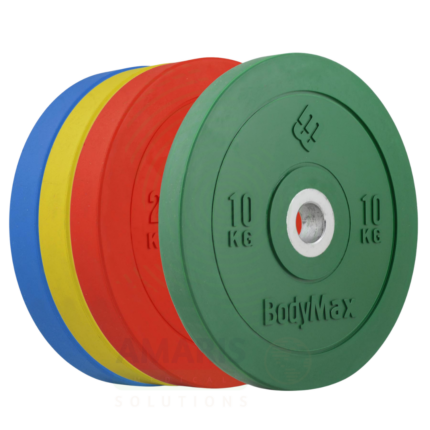
Rubber Plate Weights are durable, rubber-coated cast iron weight plates used with barbells, dumbbells, or plate-loaded machines for progressive resistance training in rehabilitation, clinical, and fitness settings. Available in standardized weight increments from 2.5 to 45 pounds, with a cast iron core and durable rubber coating that protects floors from impact damage, reduces noise, and resists rust and corrosion, these plates provide safe, reliable resistance for strength training across the rehabilitation continuum. Bumper plate versions are designed to be dropped from height without damaging floors or equipment, enabling safe performance of Olympic lifts (clean, snatch) and high-intensity exercises essential for athletes progressing through return-to-sport rehabilitation. For the physical therapist and sports medicine clinician, rubber plate weights enable progressive resistance training that rebuilds lower extremity strength following total knee replacement, hip fracture, and ACL reconstruction—with squat, deadlift, and lunge variations strengthening the quadriceps, hamstrings, gluteals, and calf muscles needed for standing, walking, and stair climbing. For the patient, the rubber coating reduces noise and impact shock when weights are placed down, creating a less intimidating environment that encourages confidence and engagement in strength training activities. For the rehabilitation facility manager, rubber plate weights offer a long-term investment in equipment durability while protecting clinic flooring and creating a calmer therapeutic environment for patient care.
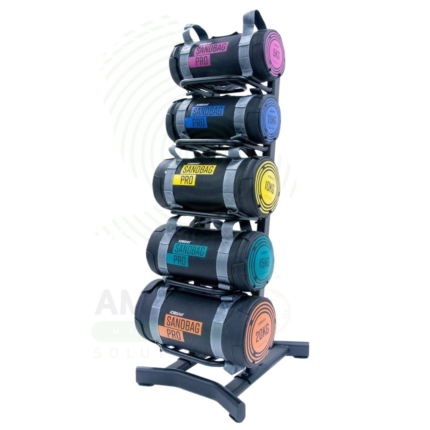
Sandbag
A Sandbag is a flexible, weighted bag filled with sand or other granular material used for functional strength training, grip conditioning, core stabilization, and power development in rehabilitation and fitness settings. Unlike traditional weights with fixed centers of mass, the sandbag's shifting weight distribution challenges stabilizer muscles throughout the kinetic chain—developing functional strength that translates directly to activities of daily living such as lifting groceries, carrying laundry, and moving household items. Lifting and holding the sandbag requires sustained grip strength and forearm engagement, providing specific conditioning for patients with arthritis, carpal tunnel syndrome, or post-operative hand weakness. Lifting, carrying, and rotating with the sandbag challenges the core musculature to stabilize the spine against the shifting load—developing the stabilizing strength that protects the lumbar spine during daily activities. For the physical therapist and occupational therapist, the sandbag provides a versatile, functional training tool for rebuilding strength, grip, and core stability across diverse patient populations—from elderly patients with deconditioning to athletes requiring explosive power development.
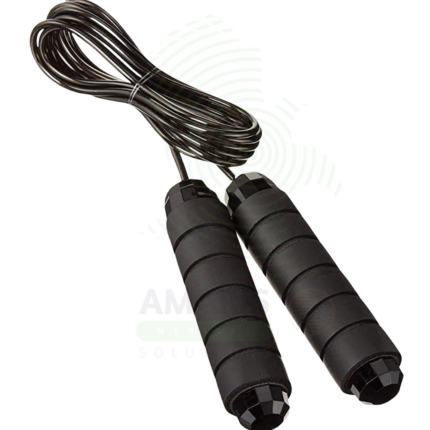
Skipping Rope
A Skipping Rope is a lightweight rope with handles designed to be swung over the head and jumped over repeatedly, delivering high-intensity cardiovascular conditioning, plyometric training, and coordination development. The repetitive jumping motion provides efficient cardiovascular exercise that improves VO₂ max, stroke volume, and aerobic capacity in a short period, while the impact forces provide osteogenic loading that stimulates bone formation and maintains bone mineral density. The coordinated timing of rope rotation and jump challenges motor planning, bilateral coordination, and rhythm—essential skills for athletic performance and functional movement. For the sports medicine clinician and physical therapist, skipping rope provides controlled plyometric training that develops lower extremity power, agility, and neuromuscular coordination for return-to-sport rehabilitation following ankle sprain, ACL reconstruction, or lower extremity injury. For the patient with adequate functional capacity, regular skipping rope exercise improves cardiovascular fitness, supports weight management, and reduces cardiac risk factors. Portable, inexpensive, and requiring minimal space, the skipping rope is an accessible tool for home-based exercise, community wellness programs, and rehabilitation progression.