Dermatoscope and Magnifiers
 Diagnostic Kits
 Vital Signs Monitors
 Stethoscopes and Accessories
 Otoscopes, Ophthalmoscopes, and Retinoscopes
 Reflex Hammers and Neurological Tools
 Scales and Measuring Devices
 Spirometers and Pulmonary Function Tests
 Electrosurgical Units and Accessories
 Cutting Instruments
 Grasping and Holding Instruments
 Hemostatic Instruments
 Specialized Surgical Sets
 Single-Use Procedure Trays and Packs
 Surgical Drapes, Gowns, and Covers
 Tissue Unifying Instruments
 Radiation Protection
 X-Ray Machines and Accessories
 Ultrasound Systems and Probes
 MRI and CT Scanners
 Radiology Consumables
 Bone Densitometers
 Fluoroscopy Equipment
 Imaging Tables and Positioning Aids
 Microscopes and Accessories
 Centrifuges and Separators
 Analyzers
 Incubators and Ovens
 Pipettes, Dispensers, and Lab Glassware
 Refrigerators, Freezers, and Storage Units
 Lab Consumables
 Sterilizers and Autoclaves for Lab Use
 Multi-Parameter Monitors
 Ventilators and Respiratory Support Devices
 Defibrillators and AEDs
 Infusion Pumps and IV Systems
 Patient Warmers and Cooling Devices
 Central Monitoring Stations
 Accessories
 Anesthesia Machines and Workstations
 Oxygen Concentrators and Delivery Systems
 Nebulizers and Inhalers
 CPAP/BiPAP Machines
 Airway Management
 Anesthesia Masks, Circuits, and Bags
 Humidifiers and Heaters
 Respiratory Therapy Accessories
 First Aid Kits and Cabinets
 Emergency Resuscitation Equipment
 Trauma Supplies
 Emergency Carts and Crash Carts
 Burn Care Products
 Bleeding Control
 Automated External Defibrillators (AEDs)
 Transport and Evacuation
 Wheelchairs and Accessories
 Walkers, Crutches, and Canes
 Prosthetics and Orthotics
 Physical Therapy Equipment
 Transfer Devices
 Bathroom Safety
 Orthopedic Traction and Tables
 Hot/Cold Therapy Packs and Units
 Beds and Mattresses
 Chairs and Stools
 Tables
 Cabinets and Storage
 Privacy Screens & Curtains
 Stands and Racks
 Linens and Textiles
 Lighting
 Autoclaves and Sterilizers
 Ultrasonic Cleaners
 Disinfectant Solutions and Wipes
 Sterilization Pouches, Wraps, and Indicators
 Instrument Trays and Containers
 UV and Ozone Disinfection Devices
 Washer Disinfectors
 Wound Care
 Gloves
 Masks and Respirators
 Catheters and Tubing
 Swabs, Applicators, and Sponges
 Incontinence Products
 Personal Protective Equipment (PPE)
 Dental Chairs and Units
 Handpieces and Burs
 Instruments
 Consumables
 Sterilization for Dental Use
 Orthodontic Supplies
 Endodontic Tools
 Slit Lamps and Tonometers
 Lensometers and Phoropters
 Ophthalmic Surgical Instruments
 Eyewear Frames and Lenses
 Contact Lens Supplies
 Vision Testing Charts and Devices
 Eye Care Consumables
 Laser Systems for Eye Care
 ENT Exam Chairs and Tables
 Endoscopes
 Audiometers and Hearing Tests
 ENT Instruments
 Nasal and Throat Packs
 Hearing Aids and Accessories
 Otology Supplies
 Fetal Dopplers and Monitors
 Delivery Beds and Tables
 Gynecological Instruments
 Neonatal Incubators and Warmers
 Breast Pumps and Accessories
 Contraceptive Devices
 Maternity Supports and Pads
 Neonatal Consumables
 Cystoscopes and Urethroscopes
 Dialysis Machines and Supplies
 Urological Catheters and Bags
 Lithotripters
 Prostate Treatment Devices
 Urinary Incontinence Products
 Kidney Stone Management Tools
 Consumables & Disposables
 EEG and EMG Machines
 Neurosurgical Instruments
 Nerve Stimulators
 Headrests and Positioning Aids
 Lumbar Puncture Kits
 Seizure Monitoring Devices
 Consumables
 Rehabilitation for Neurological Conditions
 ECG Machines and Accessories
 Holter Monitors
 Stress Test Systems
 Pacemakers and Defibrillator Accessories
 Vascular Access Devices
 Cardiac Catheters and Guidewires
 Blood Flow Meters
 Consumables
 Orthopedic Instruments
 Casts, Splints, and Padding
 Joint Replacement Supplies
 Prosthetic Limbs and Components
 Bone Grafts and Substitutes
 Traction Devices
 Orthopedic Braces and Supports
 Rehabilitation Aids for Orthopedics
 Home Oxygen Therapy
 Hospital Beds for Home Use
 Mobility Aids
 Bathroom and Daily Living Aids
 Wound Care for Home
 Monitoring Devices
 Enteral Feeding Pumps and Tubes
 Hand Sanitizers and Dispensers
 Face Shields and Goggles
 Isolation Gowns and Suits
 Biohazard Waste Containers
 Air Purifiers and HEPA Filters
 Surface Disinfectants
 Sharps Containers
 Protective Barriers
 Cardiovascular & Endurance Training
 Strength Training & Weightlifting
 Functional Training & Core Conditioning
 Physical Therapy & Rehabilitation
 Sports & Outdoor Recreation
 Gym Flooring & Facility Equipment
 Fitness Monitoring & Accessories
 Kids & Novelties













Advanced medical devices designed to continuously or intermittently track and display key physiological parameters for patient assessment and monitoring. This category includes bedside monitors, portable units, and wearable devices that measure blood pressure, heart rate, oxygen saturation (SpO₂), temperature, and respiratory rate. Ideal for hospitals, clinics, and home care settings, these systems provide real-time data, alarms, and trending capabilities to support clinical decision-making, early intervention, and patient safety across all care environments.
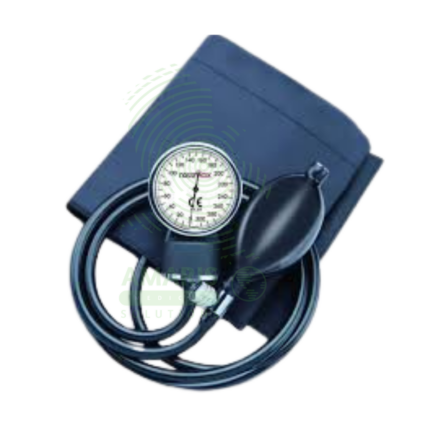
Aneroid Blood Pressure Monitor
The Aneroid Blood Pressure Monitor is a manual, mechanical sphygmomanometer used for the accurate, non-invasive measurement of arterial blood pressure. Operating on the auscultatory method, it consists of an inflatable cuff, a pump bulb with a release valve, and a calibrated dial gauge. Renowned for its reliability, durability, and independence from electrical power, it serves as a clinical gold standard and essential tool in physician offices, hospitals, and for guided home monitoring. Its accuracy is dependent on proper technique, correct cuff size, and regular calibration, making it a fundamental device for diagnosing and managing hypertension and assessing cardiovascular health.
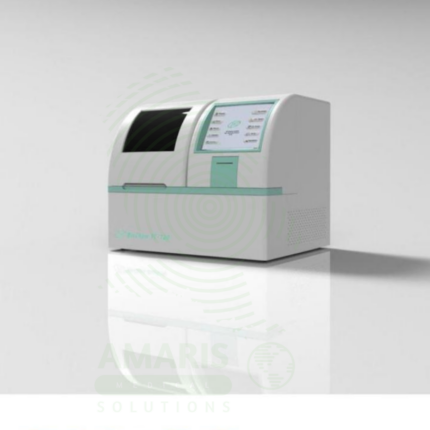
BioChem FC-120 Automated Chemistry Analyzer
The BioChem FC-120 Automated Chemistry Analyzer is a fully automated, random access benchtop clinical chemistry analyzer designed for small to medium-volume laboratories, community hospitals, district hospitals, and reference laboratories in emerging healthcare markets . Operating at 100 tests per hour with random access capability and STAT priority function, this open reagent system delivers photometric analysis using 8 interference filters (340-670nm) and disposable cuvette technology (90 cuvettes, 9 strips of 10) that eliminates washing maintenance and cross-contamination concerns .
The analyzer features an all-in-one design with built-in 10.4-inch color touchscreen, integrated computer, thermal printer, and 100,000 test result memory . The 42-position sample rotor and 26-position reagent rotor accept primary tubes, secondary tubes, sample cups, and any commercial reagents, with liquid level detection and collision protection for safe, automatic operation . Bi-directional LIS connectivity supports seamless electronic medical record integration .
For the clinical laboratory scientist and pathologist, the BioChem FC-120 delivers accurate measurement of liver function (ALT, AST, ALP, GGT, bilirubin, total protein, albumin), renal function (urea, creatinine, uric acid), lipid profiles (total cholesterol, triglycerides, HDL, LDL, VLDL, apolipoproteins), cardiac biomarkers (CK, CK-MB, LDH, myoglobin), diabetes markers (glucose, HbA1c), inflammatory markers (CRP, RF, ASO, immunoglobulins), iron studies (iron, TIBC, ferritin), electrolytes (calcium, magnesium, phosphorus), and tumor markers (AFP) . For the patient, rapid, accurate chemistry results enable early diagnosis of hepatitis, cirrhosis, chronic kidney disease, diabetes, hyperlipidemia, pancreatitis, myocardial infarction, and inflammatory disorders—guiding appropriate medical therapy and preventing disease progression and complications.
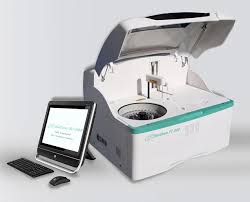
BioChem FC-200 Automated Chemistry Analyzer
The BioChem FC-200 Automated Chemistry Analyzer is a fully automated, random access benchtop clinical chemistry analyzer designed for mid-volume laboratories in emerging healthcare markets including district hospitals, regional reference laboratories, and facilities transitioning from semi-automated methods . Operating at up to 240 tests per hour with random access capability and STAT priority function , this open reagent system delivers photometric analysis using 8 interference filters (340-670nm) and disposable cuvette technology (81 cuvettes, 9 strips of 9) that eliminates washing maintenance and cross-contamination concerns .
The analyzer features 40 sample positions, 40 refrigerated reagent positions with continuous 24-hour cooling , sample volume 3-45µL , reaction volume 180-500µL , and independent mechanical mixing . The optical system includes a 12V 20W halogen lamp with 5mm optical path length, absorbance range 0.0-3.5Abs, and resolution 0.0001Abs . Temperature control maintains 37°C (±0.1°C) stability . Calibration modes include factor, linear (one-point, multi-point), and non-linear (Logistic-Log 4P/5P, Exponential 5P, Polynomial 5P, Parabola, Spline) . Quality control features Levey-Jennings charting with Westgard multi-rules .
The system connects to an external PC (Windows XP or higher) via RS-232 or RS-232-to-USB with bi-directional LIS interface for electronic medical record integration . Languages include English, Spanish, Russian, and Ukrainian . Power requirements are 220VAC, 50/60Hz, 1500VA . The unit measures 810 x 1150 mm (W x H) and weighs 145 kg . Water consumption is ≤3 liters/hour .
For the clinical laboratory scientist and pathologist in district hospitals, the BioChem FC-200 delivers accurate measurement of liver function (ALT, AST, ALP, GGT, bilirubin, total protein, albumin), renal function (urea, creatinine, uric acid), lipid profiles (total cholesterol, triglycerides, HDL, LDL, VLDL), cardiac biomarkers (CK, CK-MB, LDH), diabetes markers (glucose), inflammatory markers (CRP, RF, immunoglobulins), and iron studies (iron, TIBC, ferritin). For the patient, rapid, high-volume chemistry results enable early diagnosis of hepatitis, cirrhosis, chronic kidney disease, diabetes, hyperlipidemia, pancreatitis, and myocardial infarction—guiding appropriate medical therapy and preventing disease progression and complications, particularly in emerging healthcare markets where laboratory automation was previously unavailable .
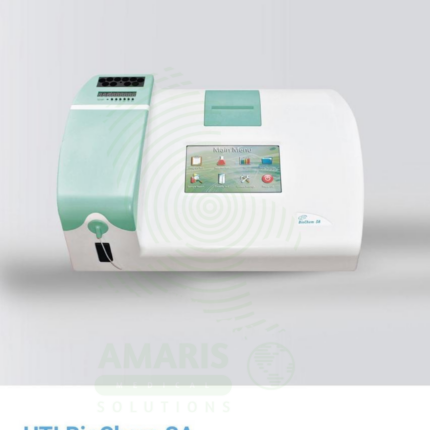
BioChem SA Semi Automated Chemistry Analyzer
The BioChem SA Semi Automated Chemistry Analyzer is a compact, semi-automated benchtop clinical chemistry system designed for low to medium-volume clinical laboratories, physician office labs (POLs), and small hospital laboratories . The analyzer performs colorimetric and kinetic analysis of patient samples (serum, plasma, whole blood, urine) using endpoint, kinetic, fixed-time, absorbance, monochromatic, and bichromatic assay types .
The optical system features a 6V 10W halogen lamp with 2000-hour lifespan, 7 standard filters (340, 405, 492, 510, 546, 578, 630nm with ±2nm accuracy), and a quartz glass flow cell (32µL, 10mm optical path) with 0.0001Abs resolution and <1.0% precision . The 37°C incubator with 10 round wells maintains temperature stability of ±0.1°C .
The analyzer features a 7 inch color LCD touchscreen interface , 80 user-defined programmable test profiles , internal storage for 100,000 patient results , internal thermal printer, RS-232 connectivity , and Levy-Jennings quality control with automatic statistical analysis . Calibration options include factor, one-point linear, and multi-point linear modes .
For the clinical laboratory scientist and pathologist, the BioChem SA provides reliable, entry-level chemistry testing for liver function (ALT, AST, ALP, bilirubin, total protein, albumin), renal function (BUN, creatinine, uric acid), lipid profiles (cholesterol, triglycerides, HDL, LDL), pancreatic enzymes (amylase, lipase), and glucose . For the patient, accurate chemistry results enable diagnosis of hepatitis, cirrhosis, chronic kidney disease, diabetes, hyperlipidemia, pancreatitis, and cardiovascular disease, guiding appropriate medical therapy and lifestyle interventions.
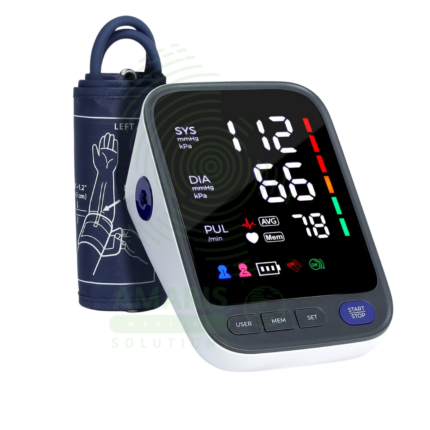
Bluetooth Blood Pressure Machine
A Bluetooth Blood Pressure Machine is an automatic oscillometric blood pressure monitor with integrated wireless technology that transmits readings from patient homes to smartphones and healthcare providers. Measures systolic (60-260 mmHg) and diastolic (40-200 mmHg) pressure with clinical accuracy (≤±3 mmHg) validated per AAMI/ESH/ISO 81060-2 standards. Features intelligent cuff inflation, movement detection, irregular heartbeat flagging, and multi-user memory (60-200 readings). Bluetooth 4.0-5.0 LE connectivity enables automatic data synchronization with companion apps for trend analysis, medication tracking, and secure provider sharing. Primary clinical applications include remote patient monitoring for hypertension management, medication adherence and efficacy tracking, gestational hypertension and preeclampsia surveillance, post-operative BP monitoring, pediatric hypertension follow-up, and clinical trial data collection. Class II medical device requiring FDA clearance. Critical safety considerations include proper cuff size selection, correct measurement conditions (rest, positioning, bare arm), movement restriction during measurement, irregular heartbeat interpretation limitations, and regular calibration verification.
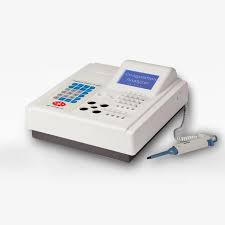
Coagulation Analyzer (TS4000)
The Coagulation Analyzer (TS4000) is a semi-automated, 4-channel benchtop coagulation analyzer using dual magnetic bead (electromechanical) clot detection technology to measure PT (prothrombin time), APTT (activated partial thromboplastin time), TT (thrombin time), and FIB (fibrinogen) in citrated plasma and whole blood samples . With a test range of 3-999 seconds, repeatability of <3% CV, and 4 channels for simultaneous testing , the analyzer delivers rapid, reliable coagulation profiles for preoperative risk assessment, anticoagulant therapy monitoring, and bleeding disorder diagnosis .
The Coagulation Analyzer (TS4000) features a 240×128 dot matrix LCD display, built-in thermal printer, 16 sample pre-warming positions, 5 reagent pre-warming positions (1 with stirring) , open reagent system compatible with any manufacturer's reagents, and electronic linked pipette with auto-start trigger for hands-free operation . Calibration curve storage for up to 18 parameters (5 points each) , 12-month QC data storage for PT, APTT, TT, FIB, RS-232 connectivity for LIS integration, and multi-unit result reporting (sec, %, g/L, mg/dL, IU/mL, %-INR, Ratio, Ratio-INR) ensure laboratory standards compliance .
For the anesthesiologist and hematologist, the Coagulation Analyzer (TS4000) delivers preoperative coagulation screening to identify high-risk surgical bleeding, INR monitoring for warfarin dose titration in atrial fibrillation and mechanical heart valve patients, APTT monitoring for heparin therapy, fibrinogen quantification for DIC diagnosis, and factor assays for inherited bleeding disorders (hemophilia A/B, factor deficiencies) . For the patient, accurate coagulation testing enables early detection of bleeding disorders before surgery, safe anticoagulation to prevent stroke and hemorrhage, diagnosis of DIC in critical illness, and appropriate factor replacement for hemophilia—preventing catastrophic bleeding, thrombotic complications, and improving survival across surgical, cardiac, and emergency care settings.
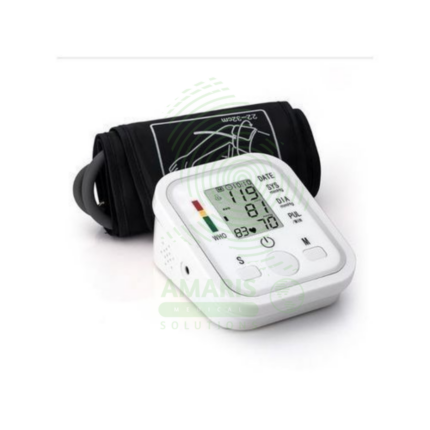
Digital Blood Pressure Monitor
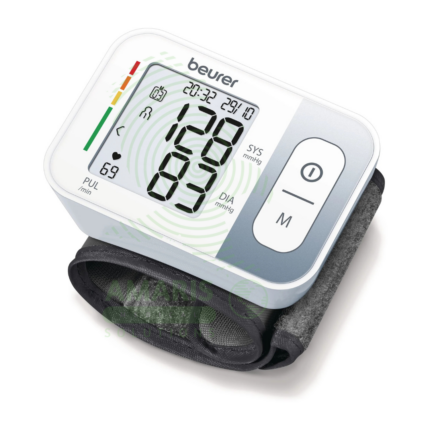
A Digital Blood Pressure Monitor is an automatic electronic device that measures and displays systolic pressure, diastolic pressure, and pulse rate using the oscillometric method. Designed primarily for home and clinical use, it offers a user-friendly alternative to manual aneroid devices, requiring minimal training. Key features often include irregular heartbeat detection, multi-user memory, and connectivity for data tracking. Its accuracy, when clinically validated and used with correct technique, makes it an indispensable tool for the diagnosis and management of hypertension, empowering patients and supporting healthcare providers with reliable ambulatory data.
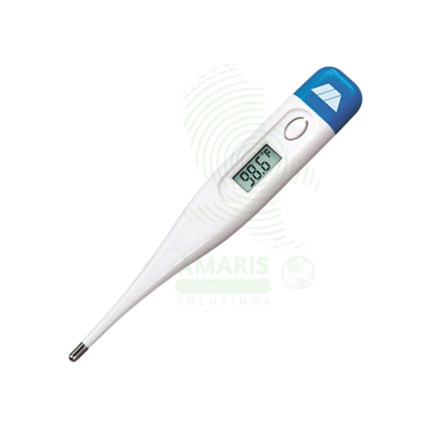
Digital Thermometer
A Digital Thermometer is an electronic device for measuring body temperature, having largely replaced glass mercury thermometers due to its safety, speed, and ease of use. It uses a thermistor sensor to provide a rapid, accurate digital readout on an LCD screen via oral, rectal, axillary, or other specialized routes. Key features often include a fever alarm, memory recall, and waterproof design for easy cleaning. Its accuracy, hygienic benefits (especially with disposable probe covers), and suitability for all age groups make it an indispensable tool in hospitals, clinics, and homes for detecting fever, monitoring illness, and assessing overall patient health.
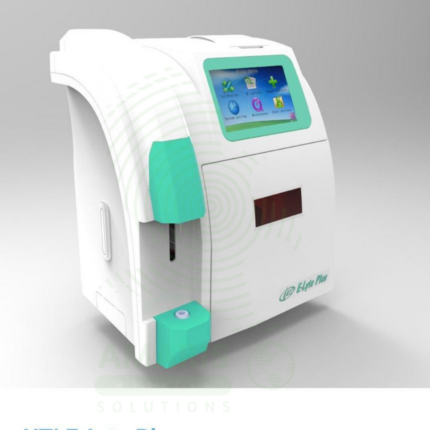
E-lyte Plus Advanced Electrolyte Analyzer
The E-lyte Plus Advanced Electrolyte Analyzer is a fully automated, microprocessor-controlled benchtop electrolyte analyzer that uses Ion Selective Electrode (ISE) technology for simultaneous measurement of potassium (K+), sodium (Na+), chloride (Cl-), ionized calcium (Ca++), pH, and lithium (Li+) in whole blood, serum, plasma, and urine samples . With up to six electrodes installed simultaneously, test times of 30-40 seconds, and an optional 21-position autosampler, the system delivers rapid, high-throughput electrolyte profiling in emergency, critical care, and routine laboratory settings .
The system features a 7-inch color LCD touchscreen with user-friendly interface, fast-access menus, and real-time result review . Quality control includes automatic ISE calibration, 3-level QC with Levey-Jennings charting, and automatic QC correction . The analyzer stores 8,000 test results, includes an integrated thermal printer, offers RS-232 connectivity for LIS integration, and supports optional barcode reader for sample ID entry .
For the emergency physician and critical care specialist, the E-lyte Plus provides rapid (30-40 second) sodium, potassium, chloride, and ionized calcium results essential for diagnosing life-threatening electrolyte disturbances—hyponatremia (seizures, coma), hyperkalemia (cardiac arrest), hypocalcemia (tetany, laryngospasm), and acid-base disorders via anion gap calculation. For the psychiatrist, lithium measurement enables therapeutic drug monitoring for bipolar disorder patients, preventing lithium toxicity (tremor, seizures, coma) while ensuring therapeutic efficacy. For the nephrologist and endocrinologist, comprehensive electrolyte panels support diagnosis of adrenal insufficiency (Addison's disease: hyponatremia, hyperkalemia), hyperaldosteronism (Conn's syndrome: hypokalemia), and primary hyperparathyroidism (hypercalcemia). For the patient, accurate, stat electrolyte results guide life-saving interventions—electrolyte replacement for dehydration, insulin and bicarbonate for diabetic ketoacidosis, dialysis for severe hyperkalemia, and calcium and calcitriol for post-thyroidectomy hypocalcemia—preventing fatal arrhythmias, seizures, coma, and respiratory failure.
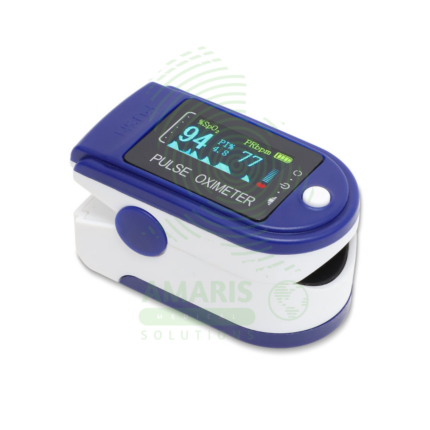
Fingertip Pulse Oximeter
A Fingertip Pulse Oximeter is a compact, non-invasive medical device that clips onto a finger to measure peripheral arterial oxygen saturation (SpO2) and pulse rate in seconds. Utilizing light-based technology, it provides critical, real-time data on respiratory and circulatory status. Its portability and ease of use make it indispensable in hospitals (from ORs to general wards), for patients managing chronic lung conditions at home, and for situational monitoring in sports or high-altitude environments. While an extremely valuable screening tool, readings must be interpreted in context, considering factors like patient movement, perfusion, and clinical symptoms.
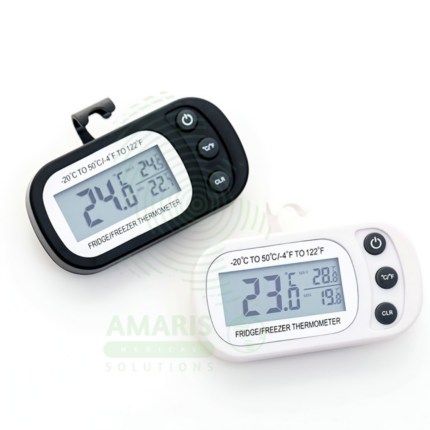
Fridge Thermometer
A Fridge Thermometer is a precision temperature monitoring device designed for continuous use inside medical and laboratory refrigerators and freezers. Its primary role is to safeguard the potency of vaccines, medications, and biological samples by ensuring storage temperatures remain within a critical specified range (e.g., +2°C to +8°C). Available in analog or digital formats, accurate models with memory functions are essential for compliance with cold chain protocols, requiring daily monitoring, logging, and regular calibration. It is a fundamental quality control tool in pharmacies, clinics, immunization centers, and laboratories.
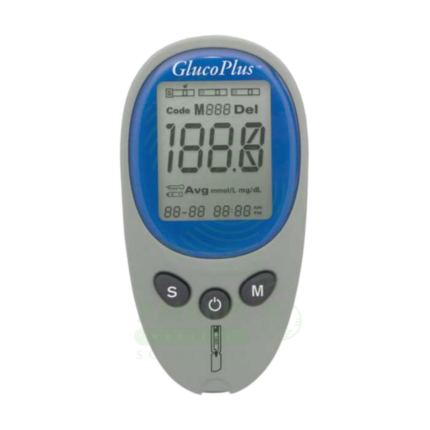
Glucosplus Blood Sugar Machine
The Glucosplus Blood Sugar Machine is a Class II medical device (FDA-cleared, ISO 15197:2013 compliant) using electrochemical biosensor technology to measure capillary blood glucose from a 0.5-1.0 µL sample in 5-7 seconds. Features include no-coding system eliminating user error, 300-500 result memory with date/time stamps, 7/14/30-day averaging, pre-/post-meal event tagging, push-button strip ejection, backlit LCD display, and auto-shutoff. Primary clinical applications include self-monitoring for Type 1, Type 2, and gestational diabetes, insulin dose adjustment, acute glycemic event detection (hypoglycemia/hyperglycemia), hospital point-of-care testing, long-term glycemic control assessment, and preconception planning for diabetic women. Critical safety considerations include single-use lancets (never share), proper hand hygiene before testing, correct test strip storage (sealed vial, temperature control), never using expired strips, regular control solution testing, and immediate action for hypoglycemia per 15-15 rule. Essential tool for daily diabetes self-management enabling patients to achieve glycemic targets and reduce long-term complications.
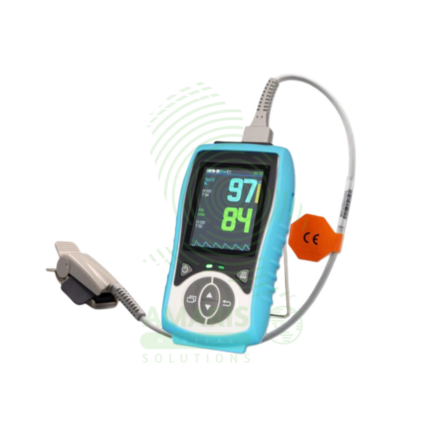
Handheld Pulse Oximeter
A Handheld Pulse Oximeter is a professional-grade, portable medical device used by healthcare providers for accurate and reliable monitoring of blood oxygen saturation (SpO2) and pulse rate. It consists of a durable, feature-rich monitor unit and separate, interchangeable sensors for use on fingers, toes, or ears. Superior to basic fingertip models, it offers advanced functions like configurable alarms, detailed plethysmograph display, trend memory, and data connectivity. Its robust design, clinical accuracy under challenging conditions (motion, low perfusion), and versatility make it an essential tool in hospitals, clinics, ambulances, and home health for patient assessment and monitoring.
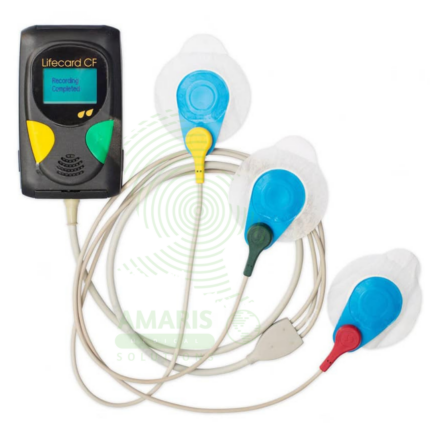
Holter ECG Monitor
A Holter ECG Monitor is a portable, wearable medical device used for continuous, long-term recording of a patient's heart's electrical activity over 24 to 48 hours or more. It is the cornerstone diagnostic tool for detecting intermittent cardiac arrhythmias, evaluating unexplained symptoms like syncope or palpitations, and monitoring the efficacy of antiarrhythmic treatments or implanted cardiac device function. Consisting of a small digital recorder connected to chest electrodes (or an all-in-one adhesive patch), it allows patients to maintain their normal daily routine while capturing a comprehensive electrocardiographic record.
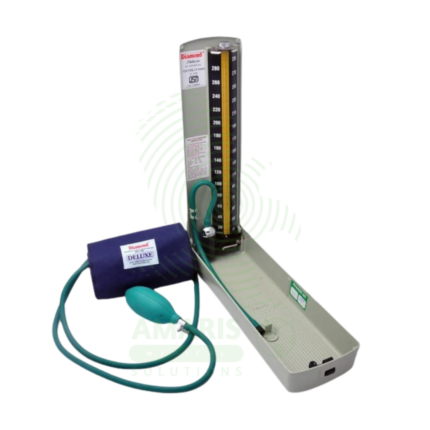
Manual Mercury BP Machine
A Manual Mercury BP Machine is a Class II medical device consisting of a calibrated mercury column (0-300 mm Hg, 2 mm graduations), inflation bulb with precision valve, and various cuff sizes, providing the gold standard for non-invasive blood pressure measurement through auscultation of Korotkoff sounds. The mercury column requires no calibration, offers inherent accuracy (±3 mm Hg), and serves as the reference standard against which all other BP devices are validated. Primary clinical applications include hypertension diagnosis and management (all clinical guidelines based on mercury measurements), clinical research and device validation studies, teaching auscultatory technique, cardiovascular risk assessment, special population monitoring (atrial fibrillation), and periodic validation of aneroid/automated devices. Critical safety considerations include mercury toxicity (toxic if spilled, inhaled, or ingested), strict spill response protocols, prohibition of tilting or inverting the device, mandatory use of mercury spill kits, and compliance with Minamata Convention phase-out regulations. Due to environmental and health concerns, mercury devices are being phased out globally, but remain the historical and reference standard for blood pressure measurement.
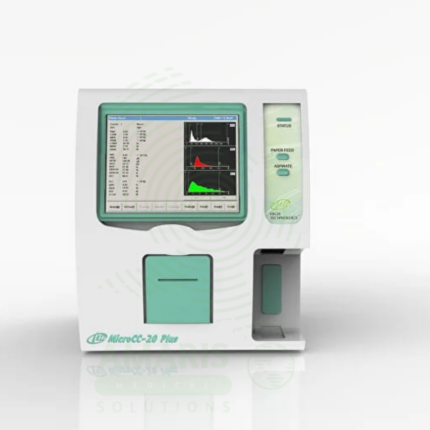
MicroCC-20 Plus VET Advanced Hematology Analyzer
The MicroCC-20 Plus VET Advanced Hematology Analyzer is a fully automated, 3-part differential (3-diff) benchtop veterinary hematology analyzer designed for companion animal, livestock, equine, and exotic species CBC testing . The instrument measures 20 parameters including complete blood count (CBC) with WBC, RBC, HGB, HCT, MCV, MCH, MCHC, RDW-SD, RDW-CV, PLT, MPV, PDW, PCT, P-LCR , and a 3-part white blood cell differential (LYM, MID, GRA) with both absolute counts and percentages .
Operating at 60 tests per hour with sample volumes of just 9.8 µL for whole blood or 20 µL for pre-diluted capillary samples , the analyzer uses electrical impedance technology (80 µm ruby aperture) for RBC and platelet counting, and colorimetric photometry (550 nm) for hemoglobin measurement . The 10.4 inch color LCD touchscreen with Windows-based operating system provides an intuitive graphical user interface with language options including English, Russian, Spanish, French, Ukrainian, and Chinese .
Pre-programmed species reference intervals are available for cat, dog, rabbit, pig, goat, horse, cow, buffalo, monkey, and 4 free programmable profiles for other mammals . The analyzer features comprehensive quality control with built-in L‑J, X‑R, and X‑B charting, 50,000 patient result memory with complete histograms and demographics , reagent level monitoring , and connectivity options including RS-232, USB x2, and RJ-45 Ethernet for LIS integration and external peripherals (keyboard, mouse, barcode reader, printer) .
For the veterinarian and veterinary laboratory scientist, the MicroCC‑20 Plus VET provides reliable, cost-effective hematology testing that supports accurate diagnosis of anemia, infection, inflammation, thrombocytopenia, and hematologic disorders across multiple species—including dogs, cats, horses, cattle, swine, goats, rabbits, and non-human primates . For the animal patient, rapid (60 tests/hour) and accurate CBC results enable timely diagnosis of anemia, early detection of infection, monitoring of chemotherapy effects, preoperative risk assessment, and appropriate treatment for bleeding disorders and hematologic diseases—improving veterinary patient outcomes across companion animal, livestock, equine, and wildlife medicine.
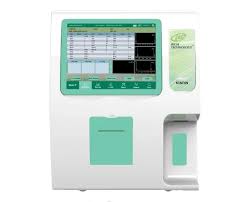
MicroCC-25 Plus Advanced Hematology Analyzer
The MicroCC-25 Plus Advanced Hematology Analyzer is a fully automated, 5-part differential (5-diff) benchtop hematology analyzer designed for small to medium-volume clinical laboratories, hospital satellite labs, and physician office laboratories . The instrument measures 25 parameters including complete blood count (CBC) with WBC, RBC, HGB, HCT, MCV, MCH, MCHC, RDW-CV, RDW-SD, PLT, MPV, PDW, PCT, P-LCR, P-LCC , and a five-part white blood cell differential (NEU, LYM, MON, EOS, BAS) with both absolute counts and percentages . It also reports 4 research parameters including atypical lymphocytes (ALY#, ALY%) and immature granulocytes (IG#, IG%) .
Operating at 60 samples per hour with sample volumes of just 15 µL for whole blood or 20 µL for pre-diluted capillary samples , the analyzer uses laser flow cytometry for the 5-part differential, electrical impedance (80 µm ruby aperture) for RBC and platelet counting, and colorimetric photometry (550 nm) for hemoglobin measurement . The 10.4 inch color LCD touchscreen with Windows-based operating system provides an intuitive graphical user interface with language options including English, Spanish, Russian, French, and Ukrainian .
The analyzer features comprehensive quality control with built-in L‑J, X‑R, and X‑B charting, 60 QC files x 500 results, mean/SD/CV% calculation, 100,000 patient result memory with complete histograms and demographics, reagent level monitoring with RFID tag identification, and bi-directional LIS connectivity (HL7 compatible) via USB x4, RJ-45 Ethernet, and external barcode reader . The built-in thermal printer and external printer support provide flexible result output options .
For the clinical laboratory scientist and pathologist, the MicroCC‑25 Plus provides reliable, cost-effective hematology testing that supports accurate diagnosis of anemia, infection, inflammation, thrombocytopenia, and hematologic malignancies across all patient populations including pediatric and geriatric patients requiring minimal specimen volumes . For the patient, rapid (60 tests/hour) and accurate CBC plus 5-part differential results enable timely diagnosis of anemia, early detection of infection, monitoring of chemotherapy effects, preoperative risk assessment, and appropriate treatment for bleeding disorders and hematologic diseases .
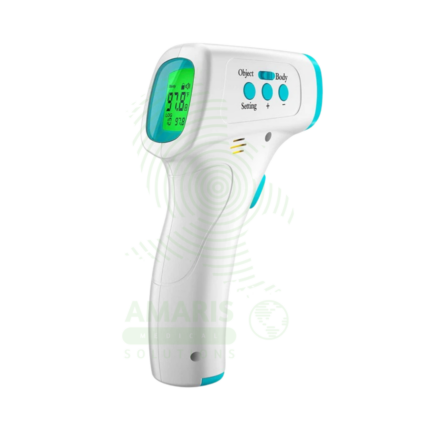
Non-Touch Digital Thermometer
A Non-Touch Digital Thermometer is a Class II medical device using infrared thermopile sensor technology (8-14 µm spectral response) to measure body temperature from the forehead or temporal artery without skin contact in 1-3 seconds with accuracy ±0.2-0.3°C. Features include backlit LCD display, fever alert (audible and color-coded), memory storage (10-50 readings), auto-shutoff, and selectable modes (body/surface/ambient). Measurement distance 3-15 cm; requires clean, dry forehead free of hair, sweat, or cosmetics. Primary clinical applications include pediatric fever screening in infants and children (non-distressing), infection control and isolation precautions (reduces healthcare worker exposure), mass screening at airports, schools, and workplaces, neonatal and NICU temperature monitoring (minimal handling), burn unit and wound care patients (non-contact over damaged skin), intraoperative and post-anesthesia care, and geriatric/dementia care (non-stressful for agitated patients). Critical safety considerations include environmental acclimation (10-15 minutes at room temperature), clean sensor lens, correct measurement distance, avoidance of laser in eyes (if equipped), and confirmation of suspected fever with contact thermometer. Essential screening tool for infection control, pediatrics, and high-volume settings.
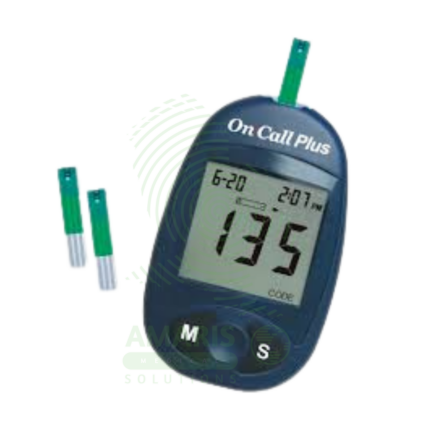
Oncall Blood Sugar Machine
The Oncall Blood Sugar Machine is a Class II medical device (FDA-cleared, ISO 15197:2013 compliant) using electrochemical biosensor technology to measure capillary blood glucose from a 0.5-1.0 µL sample in 5-7 seconds. Features include no-coding system eliminating user error, 300-500 result memory, 7/14/30-day averaging, pre-/post-meal event tagging, push-button strip ejection, and backlit LCD display. Primary clinical applications include self-monitoring for Type 1, Type 2, and gestational diabetes, insulin dose adjustment, acute glycemic event detection, hospital point-of-care testing, and long-term glycemic control assessment. Critical safety considerations include single-use lancets, proper hand hygiene, correct test strip storage (sealed vial, temperature control), never using expired strips, and immediate action for hypoglycemia per 15-15 rule. Essential tool for daily diabetes self-management.
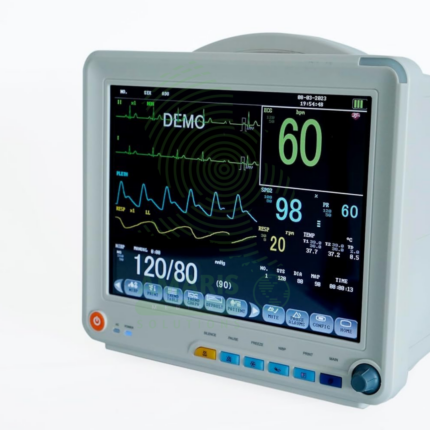
Patient Monitor
The Patient Monitor (6 Parameters BCCMS8000) is a versatile multi-parameter monitor designed for continuous surveillance of core vital signs in various clinical settings. It tracks six essential parameters—ECG, SpO2, Non-Invasive Blood Pressure (NIBP), Respiration, Temperature, and Pulse Rate—providing clinicians with real-time waveforms and numerical data on a clear color display. With its robust alarm system, battery backup for transport, and reliable performance, it is a fundamental tool for ensuring patient safety on general hospital wards, during procedures, and in emergency departments. Its design balances comprehensive monitoring capability with user-friendly operation.
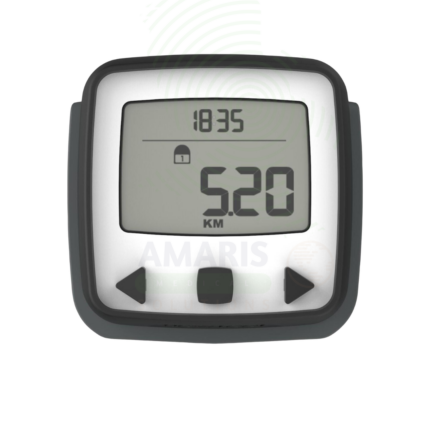
Pedometer
A Pedometer is a wearable electronic device that counts steps taken, distance traveled, and calories burned, providing objective data on physical activity levels for health monitoring, rehabilitation, and behavior change. For the primary care physician and physical therapist, the pedometer offers quantifiable data on a patient's activity level—enabling accurate assessment of baseline mobility, tracking of exercise adherence, and identification of sedentary patients at risk for deconditioning. Setting daily step goals (commonly 10,000 steps per day) promotes adherence to prescribed walking programs for cardiovascular health, weight management, and rehabilitation. In post-operative and rehabilitation settings, pedometers monitor ambulation following total joint replacement, hip fracture, or cardiac surgery—ensuring adequate mobility for recovery while identifying patients who may be sedentary and at risk for complications. For patients with obesity, diabetes, or cardiovascular disease, step tracking provides immediate feedback, motivating increased movement and supporting behavior change for improved health outcomes. Compact, lightweight, and easy to use, the pedometer is a simple, effective tool for promoting physical activity, supporting rehabilitation, and empowering patients to take an active role in their health.
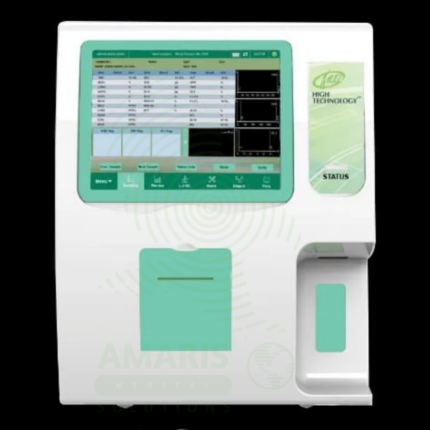
Plus Advanced Hematology Analyzer (MicroCC-20)
The MicroCC-20 Plus Advanced Hematology Analyzer is a fully automated, 3-part differential (3-diff) benchtop hematology analyzer designed for small to medium-volume clinical laboratories, physician office labs (POLs), and hospital satellite laboratories . The instrument measures 20 parameters including complete blood count (CBC) with WBC, RBC, HGB, HCT, MCV, MCH, MCHC, RDW-SD, RDW-CV, PLT, MPV, PDW, PCT, P-LCR , and a three-part white blood cell differential (LYM, MID, GRA) with both absolute and percentage reporting .
Operating at 60 samples per hour with a sample volume of just 9.8 µL for whole blood or 20 µL for pre-diluted capillary samples , the analyzer uses electrical impedance technology (80 µm ruby aperture) for WBC, RBC, and platelet counting, and colorimetric photometry (550 nm) for hemoglobin measurement . The 10.4 inch color LCD touchscreen with Windows-based operating system provides intuitive graphical user interface with language options including English, Spanish, Russian, French, Ukrainian, and Chinese .
The analyzer features comprehensive quality control with built-in L‑J, X‑R, and X‑B charting, 20 QC files x 500 results storage, automatic calibration modes, 50,000 patient result memory with complete histograms and demographics, multiple connectivity options (RS‑232, dual USB, Ethernet, LPT, PS/2, external printer), and integrated thermal printer . For the clinical laboratory scientist and pathologist, the MicroCC‑20 Plus provides reliable, cost-effective hematology testing that supports accurate diagnosis of anemia, infection, inflammation, thrombocytopenia, and hematologic malignancies across all patient populations including pediatric and geriatric patients requiring low specimen volumes. For the patient, rapid (60 tests/hour) and accurate CBC results enable timely diagnosis of anemia, early detection of infection, monitoring of chemotherapy effects, preoperative risk assessment, and appropriate treatment for bleeding disorders and hematologic diseases.
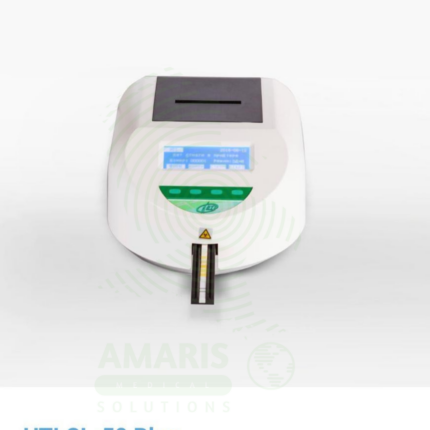
Plus Semi-Automated Urine Analyzer (CL-50)
The Plus Semi-Automated Urine Analyzer (CL-50) is a portable, semi-automated urine test strip analyzer that uses LED reflectance photometry (at 550nm, 620nm, and 720nm wavelengths) to measure up to 14 urinary parameters for rapid, objective urinalysis in clinical and point-of-care settings . Throughput is up to 120 tests per hour (continuous mode) or 60 tests per hour (single strip) with a test time of 60 seconds .
The analyzer measures 14 parameters: pH, nitrite, specific gravity, blood (hemoglobin), glucose, bilirubin, urobilinogen, ketones, leukocytes, protein, calcium, creatinine, microalbumin, and ascorbic acid, with automatic result correction eliminating interference from pH, specific gravity, and urine color .
The instrument features an LCD display, built-in thermal printer, internal memory storage for 1,000 test results, connectivity options (RS-232, PS/2, parallel port), optional barcode reader, and automatic calibration for strip sensitivity . Compact (240 x 190 x 115mm) and lightweight (1.3 kg), the CL-50 Plus is briefcase-portable, designed for use in physician office labs, mobile health units, rural health posts, pharmacy screening programs, school health initiatives, and hospital laboratory backup applications .
For the primary care physician and clinical laboratory scientist, the CL-50 Plus enables rapid UTI diagnosis (leukocyte, nitrite detection), diabetes screening (glucose, ketones), preeclampsia detection (protein, microalbumin), chronic kidney disease monitoring (microalbumin, creatinine, ACR), liver disease screening (bilirubin, urobilinogen), and hydration/acid-base assessment (pH, specific gravity). For the patient, rapid, objective urinalysis enables early detection of urinary tract infections (preventing pyelonephritis and sepsis), timely diagnosis of diabetes and preeclampsia (reducing maternal-fetal complications), and early identification of chronic kidney disease (preserving renal function), particularly in underserved communities where traditional laboratory access is limited .
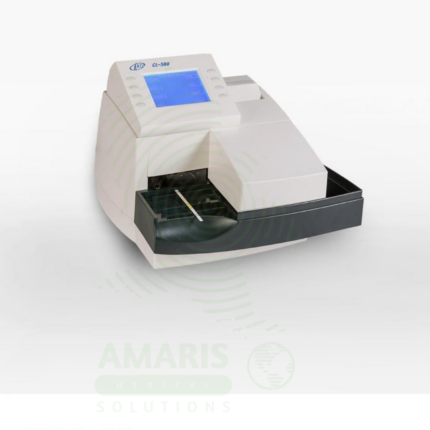
Plus Semi-Automated Urine Analyzer (CL-500)
The Urine Analyzer Plus Semi-Automated (CL-500) is a high-throughput, semi-automated urine test strip analyzer designed for large-volume clinical laboratories, hospital settings, public health screening programs, and high-volume point-of-care facilities . Using LED reflectance photometry at 550nm, 620nm, and 720nm wavelengths, the analyzer measures up to 14 urinary parameters with a throughput of 550 strips per hour and a test time of 65 seconds .
The analyzer features automatic strip feeding for continuous loading without operator intervention, built-in onboard waste collection, and open system compatibility accepting standard urine test strips. The microprocessor-based system stores 5,000 test results with multilingual support (English, Russian, Spanish, Ukrainian), offers comprehensive connectivity (bidirectional LIS, RS-232, USB, WiFi), and includes a built-in thermal printer .
Measured parameters include leukocytes, ketone, nitrite, protein, glucose, blood, calcium, ascorbic acid, urobilinogen, bilirubin, specific gravity, microalbumin, pH, and creatinine—enabling comprehensive urinalysis for UTI diagnosis, diabetes screening, preeclampsia detection, and chronic kidney disease monitoring .
For the clinical laboratory scientist and public health program manager, the CL-500 Plus enables high-volume UTI diagnosis (550 tests/hour), population-based diabetes screening, proteinuria surveillance in large antenatal services, CKD monitoring for hypertension and diabetes programs, and integrated public health reporting via bidirectional LIS connectivity. For the patient, high-throughput urinalysis enables early detection of urinary tract infections (preventing pyelonephritis and urosepsis), timely diagnosis of diabetes and preeclampsia (reducing complications), and early identification of chronic kidney disease (preserving renal function)—particularly in large-scale screening programs where efficient testing is essential for population health impact .
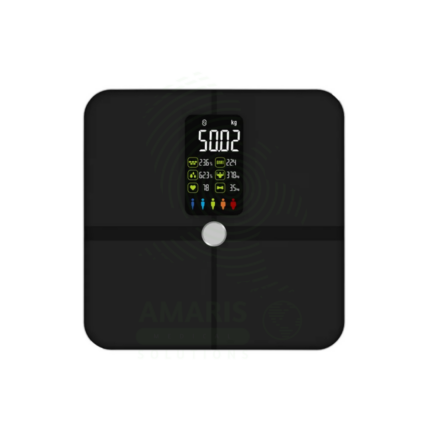
Smart Weighting Scale With Bluetooth
A Smart Weighting Scale With Bluetooth is a digital body weight scale with integrated wireless technology that transmits weight measurements from home to smartphones and healthcare platforms for remote patient monitoring. Features four high-precision strain gauge sensors providing accuracy ±0.1-0.3 kg, tempered glass or reinforced plastic platform with 180-400 lb capacity, backlit LCD display, and Bluetooth 4.0-5.0 LE connectivity. Advanced models include bioelectrical impedance analysis (BIA) for body composition (body fat, muscle mass, bone mass, hydration, visceral fat). Primary clinical applications include remote weight monitoring in heart failure management (early fluid overload detection), obesity and weight management programs, bariatric surgery pre/post-operative monitoring, chronic kidney disease fluid management, pregnancy weight gain tracking, telehealth programs, and medication-induced weight change surveillance. Class I medical device (weight function); Class II if body composition claims made. Critical safety considerations include weight capacity limits, platform integrity inspection, proper surface placement (hard, level), standardized weighing conditions, BIA contraindications (pacemakers, ICDs, pregnancy), and rapid weight gain recognition in heart failure patients.
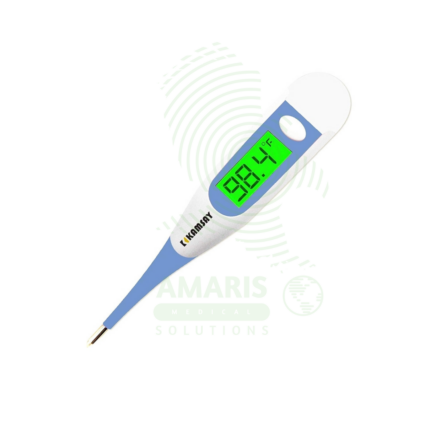
Thermometer For Children
A Thermometer For Children is a pediatric-specific temperature measurement device available in rectal, tympanic (ear), temporal artery, non-contact infrared, axillary, and pacifier form factors, designed for accurate, rapid, and minimally invasive fever detection in neonates, infants, toddlers, and children. Features include flexible safety tips (rectal/oral), 1-60 second measurement times, accuracy ±0.1-0.3°C depending on type, backlit displays with large numerals, fever alerts (color-coded and audible), memory storage (10-50 readings), and auto-shutoff. Age-specific recommendations guide selection: rectal (gold standard for neonates <3 months), temporal (ideal for infants and sleeping children), tympanic (cooperative toddlers), and oral/axillary (older children). Primary clinical applications include fever detection in febrile children, differentiation of fever patterns, neonatal and infant temperature monitoring, antipyretic medication guidance, febrile seizure risk assessment, post-vaccination monitoring, and school/daycare health screening. Class II medical device requiring FDA clearance. Critical safety considerations include proper technique for each measurement site, age-appropriate thermometer selection, hygiene (cleaning and probe covers), rectal thermometer safety (lubrication, gentle insertion, dedicated use), and recognition of fever thresholds requiring medical attention.
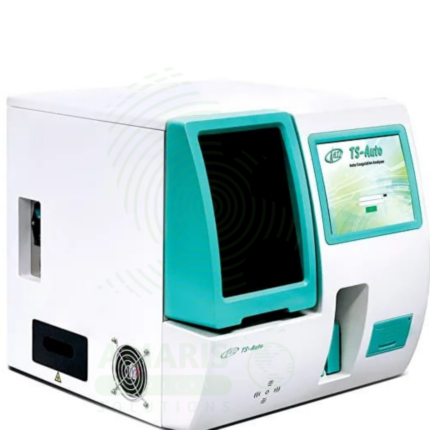
TS-Auto Automated Coagulation Analyzer
The TS-Auto Automated Coagulation Analyzer is a fully automated, multi-channel benchtop coagulation analyzer using dual magnetic bead electromechanical clot detection technology to measure PT (prothrombin time), APTT (activated partial thromboplastin time), TT (thrombin time), and FIB (fibrinogen) in citrated plasma and serum samples . With a test range of 3-999 seconds, repeatability of <3% CV, and multiple independent channels for simultaneous testing, the analyzer delivers rapid, reliable coagulation profiles for preoperative risk assessment, anticoagulant therapy monitoring, and bleeding disorder diagnosis .
The TS-Auto features a large LCD display, built-in thermal printer, reagent and sample pre-warming positions maintained at 37°C ±1°C, open reagent system compatible with any manufacturer's reagents, and electronic linked pipette with auto-start trigger for hands-free operation . Calibration curve storage for multiple parameters, 12-month QC data storage for PT, APTT, TT, FIB with dot chart display, RS-232 connectivity for LIS integration, and multi-unit result reporting (sec, %, g/L, mg/dL, IU/mL, %-INR, Ratio, Ratio-INR) ensure laboratory standards compliance .
For the anesthesiologist and hematologist, the TS-Auto delivers preoperative coagulation screening to identify high-risk surgical bleeding, INR monitoring for warfarin dose titration in atrial fibrillation and mechanical heart valve patients, APTT monitoring for heparin therapy, fibrinogen quantification for DIC diagnosis, and factor assays for inherited bleeding disorders (hemophilia A/B, factor deficiencies) . For the patient, accurate coagulation testing enables early detection of bleeding disorders before surgery, safe anticoagulation to prevent stroke and hemorrhage, diagnosis of DIC in critical illness, and appropriate factor replacement for hemophilia—preventing catastrophic bleeding, thrombotic complications, and improving survival across surgical, cardiac, and emergency care settings .
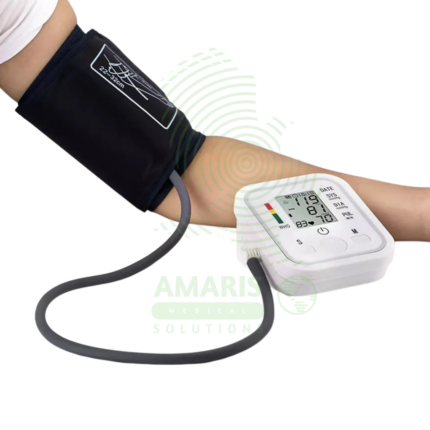
Upper Arm Blood Pressure Monitor
The Upper Arm Blood Pressure Monitor is a clinically validated, automatic digital device designed for accurate and comfortable blood pressure and pulse measurement at home or in professional settings. Known for its user-friendly features like Intellisense inflation technology, a large clear display, and comprehensive functions including irregular heartbeat detection, multi-user memory, and a WHO-based hypertension indicator, it provides reliable data for effective hypertension management. Its robust construction, adherence to international safety standards (CE, FDA), and focus on patient comfort make it a trusted choice for individuals and healthcare providers seeking a dependable tool for cardiovascular health monitoring.