Dermatoscope and Magnifiers
 Diagnostic Kits
 Vital Signs Monitors
 Stethoscopes and Accessories
 Otoscopes, Ophthalmoscopes, and Retinoscopes
 Reflex Hammers and Neurological Tools
 Scales and Measuring Devices
 Spirometers and Pulmonary Function Tests
 Electrosurgical Units and Accessories
 Cutting Instruments
 Grasping and Holding Instruments
 Hemostatic Instruments
 Specialized Surgical Sets
 Single-Use Procedure Trays and Packs
 Surgical Drapes, Gowns, and Covers
 Tissue Unifying Instruments
 Radiation Protection
 X-Ray Machines and Accessories
 Ultrasound Systems and Probes
 MRI and CT Scanners
 Radiology Consumables
 Bone Densitometers
 Fluoroscopy Equipment
 Imaging Tables and Positioning Aids
 Microscopes and Accessories
 Centrifuges and Separators
 Analyzers
 Incubators and Ovens
 Pipettes, Dispensers, and Lab Glassware
 Refrigerators, Freezers, and Storage Units
 Lab Consumables
 Sterilizers and Autoclaves for Lab Use
 Multi-Parameter Monitors
 Ventilators and Respiratory Support Devices
 Defibrillators and AEDs
 Infusion Pumps and IV Systems
 Patient Warmers and Cooling Devices
 Central Monitoring Stations
 Accessories
 Anesthesia Machines and Workstations
 Oxygen Concentrators and Delivery Systems
 Nebulizers and Inhalers
 CPAP/BiPAP Machines
 Airway Management
 Anesthesia Masks, Circuits, and Bags
 Humidifiers and Heaters
 Respiratory Therapy Accessories
 First Aid Kits and Cabinets
 Emergency Resuscitation Equipment
 Trauma Supplies
 Emergency Carts and Crash Carts
 Burn Care Products
 Bleeding Control
 Automated External Defibrillators (AEDs)
 Transport and Evacuation
 Wheelchairs and Accessories
 Walkers, Crutches, and Canes
 Prosthetics and Orthotics
 Physical Therapy Equipment
 Transfer Devices
 Bathroom Safety
 Orthopedic Traction and Tables
 Hot/Cold Therapy Packs and Units
 Beds and Mattresses
 Chairs and Stools
 Tables
 Cabinets and Storage
 Privacy Screens & Curtains
 Stands and Racks
 Linens and Textiles
 Lighting
 Autoclaves and Sterilizers
 Ultrasonic Cleaners
 Disinfectant Solutions and Wipes
 Sterilization Pouches, Wraps, and Indicators
 Instrument Trays and Containers
 UV and Ozone Disinfection Devices
 Washer Disinfectors
 Wound Care
 Gloves
 Masks and Respirators
 Catheters and Tubing
 Swabs, Applicators, and Sponges
 Incontinence Products
 Personal Protective Equipment (PPE)
 Dental Chairs and Units
 Handpieces and Burs
 Instruments
 Consumables
 Sterilization for Dental Use
 Orthodontic Supplies
 Endodontic Tools
 Slit Lamps and Tonometers
 Lensometers and Phoropters
 Ophthalmic Surgical Instruments
 Eyewear Frames and Lenses
 Contact Lens Supplies
 Vision Testing Charts and Devices
 Eye Care Consumables
 Laser Systems for Eye Care
 ENT Exam Chairs and Tables
 Endoscopes
 Audiometers and Hearing Tests
 ENT Instruments
 Nasal and Throat Packs
 Hearing Aids and Accessories
 Otology Supplies
 Fetal Dopplers and Monitors
 Delivery Beds and Tables
 Gynecological Instruments
 Neonatal Incubators and Warmers
 Breast Pumps and Accessories
 Contraceptive Devices
 Maternity Supports and Pads
 Neonatal Consumables
 Cystoscopes and Urethroscopes
 Dialysis Machines and Supplies
 Urological Catheters and Bags
 Lithotripters
 Prostate Treatment Devices
 Urinary Incontinence Products
 Kidney Stone Management Tools
 Consumables & Disposables
 EEG and EMG Machines
 Neurosurgical Instruments
 Nerve Stimulators
 Headrests and Positioning Aids
 Lumbar Puncture Kits
 Seizure Monitoring Devices
 Consumables
 Rehabilitation for Neurological Conditions
 ECG Machines and Accessories
 Holter Monitors
 Stress Test Systems
 Pacemakers and Defibrillator Accessories
 Vascular Access Devices
 Cardiac Catheters and Guidewires
 Blood Flow Meters
 Consumables
 Orthopedic Instruments
 Casts, Splints, and Padding
 Joint Replacement Supplies
 Prosthetic Limbs and Components
 Bone Grafts and Substitutes
 Traction Devices
 Orthopedic Braces and Supports
 Rehabilitation Aids for Orthopedics
 Home Oxygen Therapy
 Hospital Beds for Home Use
 Mobility Aids
 Bathroom and Daily Living Aids
 Wound Care for Home
 Monitoring Devices
 Enteral Feeding Pumps and Tubes
 Hand Sanitizers and Dispensers
 Face Shields and Goggles
 Isolation Gowns and Suits
 Biohazard Waste Containers
 Air Purifiers and HEPA Filters
 Surface Disinfectants
 Sharps Containers
 Protective Barriers
 Cardiovascular & Endurance Training
 Strength Training & Weightlifting
 Functional Training & Core Conditioning
 Physical Therapy & Rehabilitation
 Sports & Outdoor Recreation
 Gym Flooring & Facility Equipment
 Fitness Monitoring & Accessories
 Kids & Novelties












PATIENT MONITORING AND LIFE SUPPORT
Essential systems that provide continuous surveillance of physiological parameters and/or deliver vital therapeutic interventions to sustain life for critically ill or anesthetized patients. This category includes multi-parameter monitors, bedside and central stations, ventilators, infusion pumps, defibrillators, patient warmers, and intra-aortic balloon pumps. This equipment enables real-time tracking of vital signs, supports compromised respiratory and circulatory functions, ensures accurate medication delivery, and alerts staff to acute changes in patient status. Ideal for intensive care units, emergency departments, operating rooms, and step-down units.
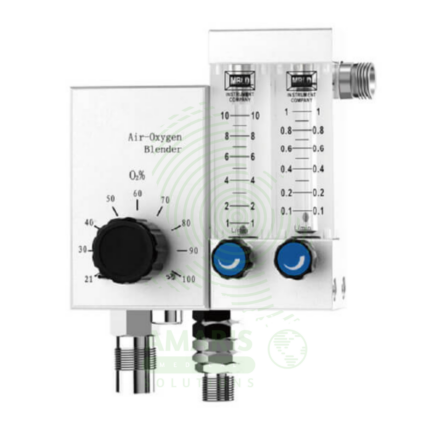
Air & Oxygen Blender
An Air & Oxygen Blender is a Class II medical device that precisely mixes compressed medical air and oxygen to deliver controlled fractions of inspired oxygen (FiO2 21-100%) to patients requiring respiratory support. Essential in neonatal, pediatric, and adult critical care, these devices ensure accurate oxygen delivery via ventilators, CPAP systems, oxygen hoods, incubators, and transport systems. Operating at 40-60 psi inlet pressure, they maintain set FiO2 within ±2-5% accuracy across varying flow demands (0-120 L/min). Gas-specific DISS or NIST fittings prevent dangerous cross-connection between oxygen and air supplies. Available in wall-mounted, rail-mounted, portable, and ventilator-integrated configurations. Primary clinical applications include neonatal intensive care (oxygen hoods, incubators, nasal CPAP), pediatric and adult mechanical ventilation, non-invasive ventilation, and critical care transport. Critical safety requirements include verification of correct gas connections, regular calibration, leak testing, and immediate response to gas supply failure alarms. Indispensable for preventing both hypoxemia and oxygen toxicity (particularly retinopathy of prematurity in neonates) in patients requiring precise oxygen therapy.
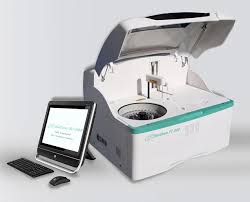
BioChem FC-200 Automated Chemistry Analyzer
The BioChem FC-200 Automated Chemistry Analyzer is a fully automated, random access benchtop clinical chemistry analyzer designed for mid-volume laboratories in emerging healthcare markets including district hospitals, regional reference laboratories, and facilities transitioning from semi-automated methods . Operating at up to 240 tests per hour with random access capability and STAT priority function , this open reagent system delivers photometric analysis using 8 interference filters (340-670nm) and disposable cuvette technology (81 cuvettes, 9 strips of 9) that eliminates washing maintenance and cross-contamination concerns .
The analyzer features 40 sample positions, 40 refrigerated reagent positions with continuous 24-hour cooling , sample volume 3-45µL , reaction volume 180-500µL , and independent mechanical mixing . The optical system includes a 12V 20W halogen lamp with 5mm optical path length, absorbance range 0.0-3.5Abs, and resolution 0.0001Abs . Temperature control maintains 37°C (±0.1°C) stability . Calibration modes include factor, linear (one-point, multi-point), and non-linear (Logistic-Log 4P/5P, Exponential 5P, Polynomial 5P, Parabola, Spline) . Quality control features Levey-Jennings charting with Westgard multi-rules .
The system connects to an external PC (Windows XP or higher) via RS-232 or RS-232-to-USB with bi-directional LIS interface for electronic medical record integration . Languages include English, Spanish, Russian, and Ukrainian . Power requirements are 220VAC, 50/60Hz, 1500VA . The unit measures 810 x 1150 mm (W x H) and weighs 145 kg . Water consumption is ≤3 liters/hour .
For the clinical laboratory scientist and pathologist in district hospitals, the BioChem FC-200 delivers accurate measurement of liver function (ALT, AST, ALP, GGT, bilirubin, total protein, albumin), renal function (urea, creatinine, uric acid), lipid profiles (total cholesterol, triglycerides, HDL, LDL, VLDL), cardiac biomarkers (CK, CK-MB, LDH), diabetes markers (glucose), inflammatory markers (CRP, RF, immunoglobulins), and iron studies (iron, TIBC, ferritin). For the patient, rapid, high-volume chemistry results enable early diagnosis of hepatitis, cirrhosis, chronic kidney disease, diabetes, hyperlipidemia, pancreatitis, and myocardial infarction—guiding appropriate medical therapy and preventing disease progression and complications, particularly in emerging healthcare markets where laboratory automation was previously unavailable .
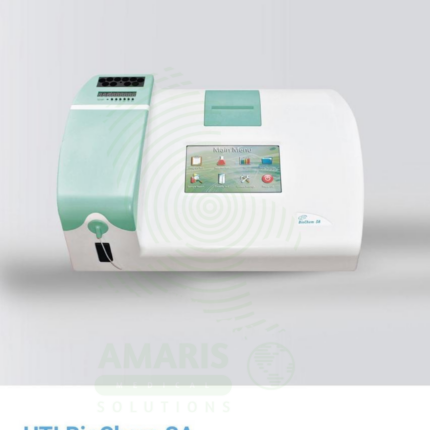
BioChem SA Semi Automated Chemistry Analyzer
The BioChem SA Semi Automated Chemistry Analyzer is a compact, semi-automated benchtop clinical chemistry system designed for low to medium-volume clinical laboratories, physician office labs (POLs), and small hospital laboratories . The analyzer performs colorimetric and kinetic analysis of patient samples (serum, plasma, whole blood, urine) using endpoint, kinetic, fixed-time, absorbance, monochromatic, and bichromatic assay types .
The optical system features a 6V 10W halogen lamp with 2000-hour lifespan, 7 standard filters (340, 405, 492, 510, 546, 578, 630nm with ±2nm accuracy), and a quartz glass flow cell (32µL, 10mm optical path) with 0.0001Abs resolution and <1.0% precision . The 37°C incubator with 10 round wells maintains temperature stability of ±0.1°C .
The analyzer features a 7 inch color LCD touchscreen interface , 80 user-defined programmable test profiles , internal storage for 100,000 patient results , internal thermal printer, RS-232 connectivity , and Levy-Jennings quality control with automatic statistical analysis . Calibration options include factor, one-point linear, and multi-point linear modes .
For the clinical laboratory scientist and pathologist, the BioChem SA provides reliable, entry-level chemistry testing for liver function (ALT, AST, ALP, bilirubin, total protein, albumin), renal function (BUN, creatinine, uric acid), lipid profiles (cholesterol, triglycerides, HDL, LDL), pancreatic enzymes (amylase, lipase), and glucose . For the patient, accurate chemistry results enable diagnosis of hepatitis, cirrhosis, chronic kidney disease, diabetes, hyperlipidemia, pancreatitis, and cardiovascular disease, guiding appropriate medical therapy and lifestyle interventions.
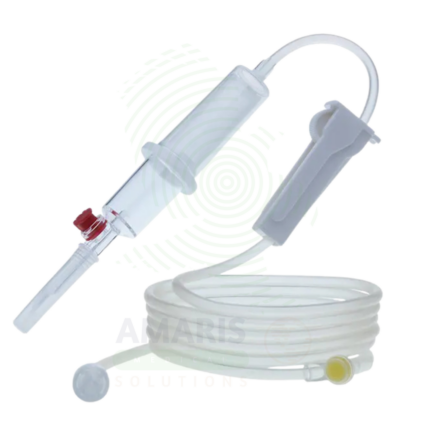
Blood giving set
A Blood Giving Set is a sterile, single-use intravenous administration set specifically designed for transfusing whole blood and blood components—including packed red blood cells, platelets, fresh frozen plasma, and cryoprecipitate—to patients with bleeding, anemia, or coagulation disorders. Featuring an integral microaggregate filter (170-260 microns) that removes clots and particulate matter, large-bore tubing for optimal flow rates, and a precision roller clamp for controlled infusion, the blood giving set ensures safe, filtered delivery of life-saving blood products. Compatible with blood warming devices and pressure infusers, the set supports both slow, controlled transfusions for medically fragile patients and rapid, high-volume infusion for those with active hemorrhage. For the clinician, the blood giving set simplifies transfusion set-up, ensures consistent filtration, and enables precise flow control. For the patient receiving blood transfusion due to trauma, surgery, gastrointestinal bleeding, cancer, or bone marrow failure, the blood giving set delivers essential blood components that restore oxygen-carrying capacity, correct coagulation, and support survival.
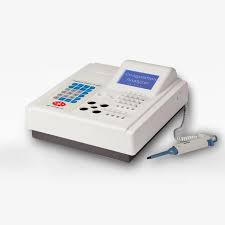
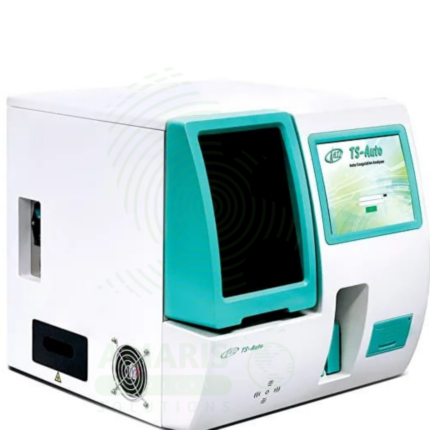
Coagulation Analyzer (TS4000)
The Coagulation Analyzer (TS4000) is a semi-automated, 4-channel benchtop coagulation analyzer using dual magnetic bead (electromechanical) clot detection technology to measure PT (prothrombin time), APTT (activated partial thromboplastin time), TT (thrombin time), and FIB (fibrinogen) in citrated plasma and whole blood samples . With a test range of 3-999 seconds, repeatability of <3% CV, and 4 channels for simultaneous testing , the analyzer delivers rapid, reliable coagulation profiles for preoperative risk assessment, anticoagulant therapy monitoring, and bleeding disorder diagnosis .
The Coagulation Analyzer (TS4000) features a 240×128 dot matrix LCD display, built-in thermal printer, 16 sample pre-warming positions, 5 reagent pre-warming positions (1 with stirring) , open reagent system compatible with any manufacturer's reagents, and electronic linked pipette with auto-start trigger for hands-free operation . Calibration curve storage for up to 18 parameters (5 points each) , 12-month QC data storage for PT, APTT, TT, FIB, RS-232 connectivity for LIS integration, and multi-unit result reporting (sec, %, g/L, mg/dL, IU/mL, %-INR, Ratio, Ratio-INR) ensure laboratory standards compliance .
For the anesthesiologist and hematologist, the Coagulation Analyzer (TS4000) delivers preoperative coagulation screening to identify high-risk surgical bleeding, INR monitoring for warfarin dose titration in atrial fibrillation and mechanical heart valve patients, APTT monitoring for heparin therapy, fibrinogen quantification for DIC diagnosis, and factor assays for inherited bleeding disorders (hemophilia A/B, factor deficiencies) . For the patient, accurate coagulation testing enables early detection of bleeding disorders before surgery, safe anticoagulation to prevent stroke and hemorrhage, diagnosis of DIC in critical illness, and appropriate factor replacement for hemophilia—preventing catastrophic bleeding, thrombotic complications, and improving survival across surgical, cardiac, and emergency care settings.
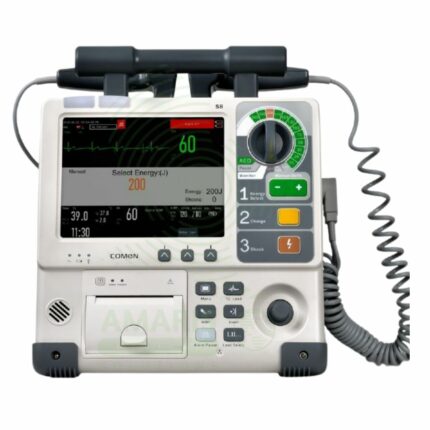
Defibrillator Monitor
The Defibrillator Monitor is a critical, portable life-support device that combines continuous patient monitoring with immediate defibrillation and pacing capabilities. It is the frontline tool for managing cardiac arrest (through defibrillation) and unstable arrhythmias (through synchronized cardioversion or pacing) in emergency departments, during patient transport, and for hospital code teams. Essential for safe operation are rigorous daily self-tests, correct pad placement, and the strict protocol of clearing all personnel before delivering a shock. Its integrated monitoring of ECG, SpO2, and NIBP allows for comprehensive patient assessment at the point of greatest need.
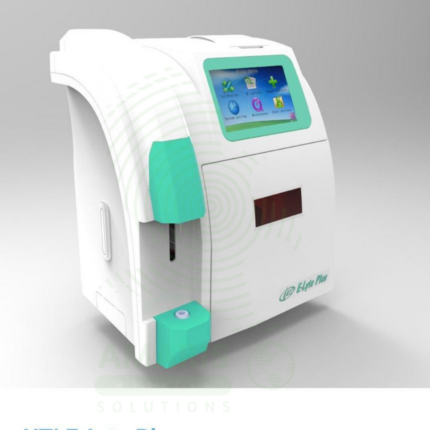
E-lyte Plus Advanced Electrolyte Analyzer
The E-lyte Plus Advanced Electrolyte Analyzer is a fully automated, microprocessor-controlled benchtop electrolyte analyzer that uses Ion Selective Electrode (ISE) technology for simultaneous measurement of potassium (K+), sodium (Na+), chloride (Cl-), ionized calcium (Ca++), pH, and lithium (Li+) in whole blood, serum, plasma, and urine samples . With up to six electrodes installed simultaneously, test times of 30-40 seconds, and an optional 21-position autosampler, the system delivers rapid, high-throughput electrolyte profiling in emergency, critical care, and routine laboratory settings .
The system features a 7-inch color LCD touchscreen with user-friendly interface, fast-access menus, and real-time result review . Quality control includes automatic ISE calibration, 3-level QC with Levey-Jennings charting, and automatic QC correction . The analyzer stores 8,000 test results, includes an integrated thermal printer, offers RS-232 connectivity for LIS integration, and supports optional barcode reader for sample ID entry .
For the emergency physician and critical care specialist, the E-lyte Plus provides rapid (30-40 second) sodium, potassium, chloride, and ionized calcium results essential for diagnosing life-threatening electrolyte disturbances—hyponatremia (seizures, coma), hyperkalemia (cardiac arrest), hypocalcemia (tetany, laryngospasm), and acid-base disorders via anion gap calculation. For the psychiatrist, lithium measurement enables therapeutic drug monitoring for bipolar disorder patients, preventing lithium toxicity (tremor, seizures, coma) while ensuring therapeutic efficacy. For the nephrologist and endocrinologist, comprehensive electrolyte panels support diagnosis of adrenal insufficiency (Addison's disease: hyponatremia, hyperkalemia), hyperaldosteronism (Conn's syndrome: hypokalemia), and primary hyperparathyroidism (hypercalcemia). For the patient, accurate, stat electrolyte results guide life-saving interventions—electrolyte replacement for dehydration, insulin and bicarbonate for diabetic ketoacidosis, dialysis for severe hyperkalemia, and calcium and calcitriol for post-thyroidectomy hypocalcemia—preventing fatal arrhythmias, seizures, coma, and respiratory failure.
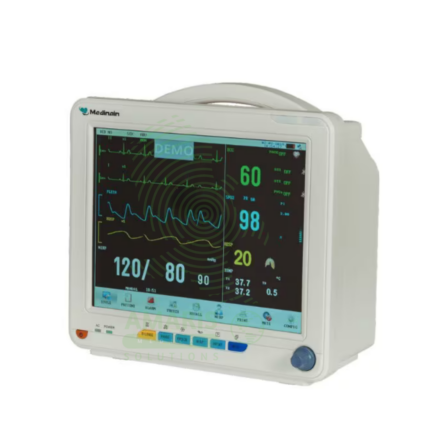
ECG Machine
An ECG Machine is a Class II medical device that records and displays the electrical activity of the heart through surface electrodes, producing an electrocardiogram for diagnosis of cardiac conditions. Standard diagnostic machines record 12 simultaneous leads (3 limb, 6 precordial, 1 ground) with frequency response 0.05-150 Hz, sampling rate 500-1,000 Hz, and high-resolution (5-10 µV) signal acquisition. Features include color touchscreen display, thermal array printer, computerized interpretation algorithms, internal memory (50-500+ ECGs), and network connectivity for EMR integration. Lead wires (AHA or IEC color coding) connect to disposable adhesive electrodes. Portable models (5-15 kg) with rechargeable batteries enable bedside and mobile use; cart-mounted units provide full diagnostic capability. Primary clinical applications include diagnosis of arrhythmias (AF, VT, bradycardia), detection of myocardial ischemia/infarction (STEMI, NSTEMI), evaluation of chest pain, preoperative cardiac risk assessment, monitoring electrolyte imbalances, assessment of chamber enlargement, and drug effect/toxicity monitoring. Essential diagnostic equipment in emergency departments, cardiology clinics, ICUs, operating rooms, and primary care settings worldwide.
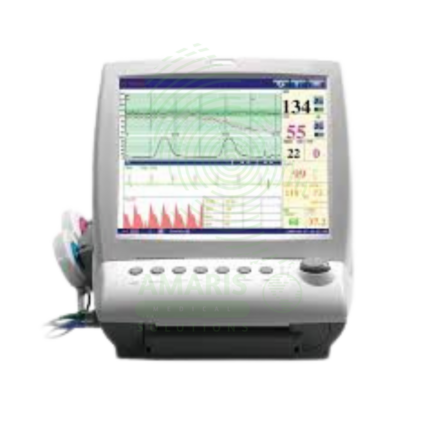
Fetal & Maternal Monitor
A Fetal & Maternal Monitor is an electronic monitoring system that simultaneously records fetal heart rate (via external ultrasound or internal scalp electrode), uterine contractions (via external tocodynamometer or intrauterine pressure catheter), and maternal vital signs (blood pressure, heart rate, oxygen saturation). Used for antepartum and intrapartum fetal assessment, non-stress tests, contraction stress tests, and monitoring of high-risk pregnancies including gestational diabetes, hypertensive disorders, and multiple gestations. Features high-resolution display, continuous paper recording, alarm systems for fetal distress, and data storage for medical records. External monitoring is non-invasive for routine use; internal monitoring provides more accurate data but requires ruptured membranes and cervical dilation. Class II medical device requiring FDA clearance and qualified interpretation of fetal heart rate patterns. Essential for assessing fetal well-being and guiding obstetric interventions.
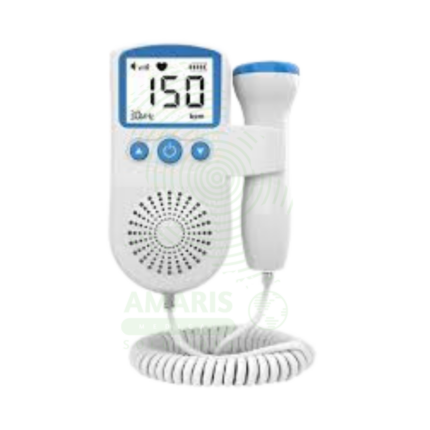
Fetoheart Sonic Aid Doppler (clinic/hospital use)
A Fetoheart Sonic Aid Doppler (Fetal Doppler) is a Class II medical ultrasound device (2-3 MHz probe) for real-time detection and audible/visual display of fetal heart rate in clinical obstetric settings from 10-12 weeks gestation. Features include handheld or tabletop console, waterproof probe, digital heart rate display (30-240 bpm), amplified speaker, headphone jack, and rechargeable battery or AC power operation. Continuous wave or pulsed wave Doppler technology with auto-correlation signal processing rejects maternal artifact. Primary clinical applications include fetal heart rate detection and monitoring during routine prenatal visits, confirmation of fetal viability in first trimester, intermittent fetal monitoring during labor, non-stress test administration, multiple gestation assessment, fetal presentation determination, and post-procedure confirmation (amniocentesis, CVS, ECV). Critical safety considerations include following ALARA principle (minimum necessary exposure), appropriate ultrasound gel use, probe pressure avoidance, infection control (probe cleaning between patients), differentiation of fetal from maternal signals, and interpretation by qualified providers. Essential equipment in outpatient obstetric clinics, hospital labor and delivery units, and prenatal care settings.
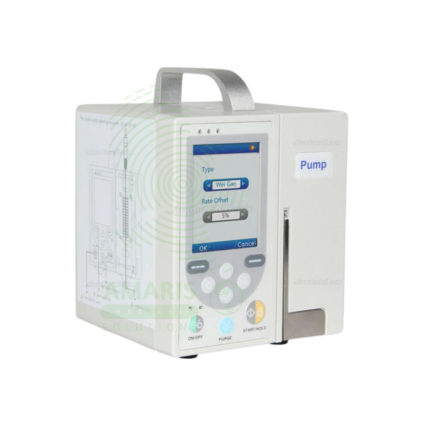
Infusion Pump
An Infusion Pump is a microprocessor-controlled device that delivers fluids, medications, or nutrients into a patient's circulatory system at precisely programmed rates. Replacing error-prone gravity drips, it is indispensable for the safe administration of critical IV therapies, including vasoactive drugs, chemotherapy, analgesics (via PCA), and nutrition. Engineered with multiple safety features—such as anti-free-flow mechanisms, air-in-line detectors, occlusion alarms, and dose error reduction software—it ensures accurate delivery and minimizes the risk of adverse events. Its use spans hospitals, clinics, and home care, making it a cornerstone of modern intravenous therapy.
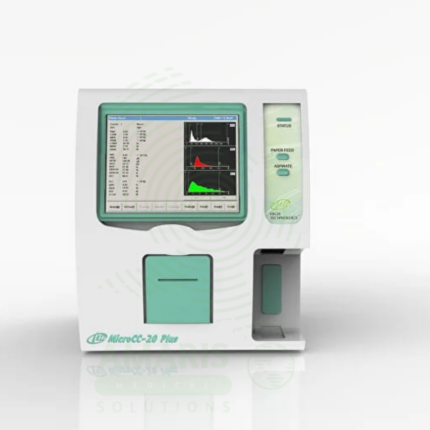
MicroCC-20 Plus VET Advanced Hematology Analyzer
The MicroCC-20 Plus VET Advanced Hematology Analyzer is a fully automated, 3-part differential (3-diff) benchtop veterinary hematology analyzer designed for companion animal, livestock, equine, and exotic species CBC testing . The instrument measures 20 parameters including complete blood count (CBC) with WBC, RBC, HGB, HCT, MCV, MCH, MCHC, RDW-SD, RDW-CV, PLT, MPV, PDW, PCT, P-LCR , and a 3-part white blood cell differential (LYM, MID, GRA) with both absolute counts and percentages .
Operating at 60 tests per hour with sample volumes of just 9.8 µL for whole blood or 20 µL for pre-diluted capillary samples , the analyzer uses electrical impedance technology (80 µm ruby aperture) for RBC and platelet counting, and colorimetric photometry (550 nm) for hemoglobin measurement . The 10.4 inch color LCD touchscreen with Windows-based operating system provides an intuitive graphical user interface with language options including English, Russian, Spanish, French, Ukrainian, and Chinese .
Pre-programmed species reference intervals are available for cat, dog, rabbit, pig, goat, horse, cow, buffalo, monkey, and 4 free programmable profiles for other mammals . The analyzer features comprehensive quality control with built-in L‑J, X‑R, and X‑B charting, 50,000 patient result memory with complete histograms and demographics , reagent level monitoring , and connectivity options including RS-232, USB x2, and RJ-45 Ethernet for LIS integration and external peripherals (keyboard, mouse, barcode reader, printer) .
For the veterinarian and veterinary laboratory scientist, the MicroCC‑20 Plus VET provides reliable, cost-effective hematology testing that supports accurate diagnosis of anemia, infection, inflammation, thrombocytopenia, and hematologic disorders across multiple species—including dogs, cats, horses, cattle, swine, goats, rabbits, and non-human primates . For the animal patient, rapid (60 tests/hour) and accurate CBC results enable timely diagnosis of anemia, early detection of infection, monitoring of chemotherapy effects, preoperative risk assessment, and appropriate treatment for bleeding disorders and hematologic diseases—improving veterinary patient outcomes across companion animal, livestock, equine, and wildlife medicine.
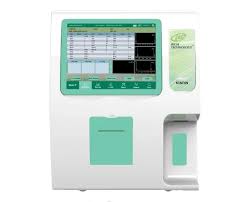
MicroCC-25 Plus Advanced Hematology Analyzer
The MicroCC-25 Plus Advanced Hematology Analyzer is a fully automated, 5-part differential (5-diff) benchtop hematology analyzer designed for small to medium-volume clinical laboratories, hospital satellite labs, and physician office laboratories . The instrument measures 25 parameters including complete blood count (CBC) with WBC, RBC, HGB, HCT, MCV, MCH, MCHC, RDW-CV, RDW-SD, PLT, MPV, PDW, PCT, P-LCR, P-LCC , and a five-part white blood cell differential (NEU, LYM, MON, EOS, BAS) with both absolute counts and percentages . It also reports 4 research parameters including atypical lymphocytes (ALY#, ALY%) and immature granulocytes (IG#, IG%) .
Operating at 60 samples per hour with sample volumes of just 15 µL for whole blood or 20 µL for pre-diluted capillary samples , the analyzer uses laser flow cytometry for the 5-part differential, electrical impedance (80 µm ruby aperture) for RBC and platelet counting, and colorimetric photometry (550 nm) for hemoglobin measurement . The 10.4 inch color LCD touchscreen with Windows-based operating system provides an intuitive graphical user interface with language options including English, Spanish, Russian, French, and Ukrainian .
The analyzer features comprehensive quality control with built-in L‑J, X‑R, and X‑B charting, 60 QC files x 500 results, mean/SD/CV% calculation, 100,000 patient result memory with complete histograms and demographics, reagent level monitoring with RFID tag identification, and bi-directional LIS connectivity (HL7 compatible) via USB x4, RJ-45 Ethernet, and external barcode reader . The built-in thermal printer and external printer support provide flexible result output options .
For the clinical laboratory scientist and pathologist, the MicroCC‑25 Plus provides reliable, cost-effective hematology testing that supports accurate diagnosis of anemia, infection, inflammation, thrombocytopenia, and hematologic malignancies across all patient populations including pediatric and geriatric patients requiring minimal specimen volumes . For the patient, rapid (60 tests/hour) and accurate CBC plus 5-part differential results enable timely diagnosis of anemia, early detection of infection, monitoring of chemotherapy effects, preoperative risk assessment, and appropriate treatment for bleeding disorders and hematologic diseases .
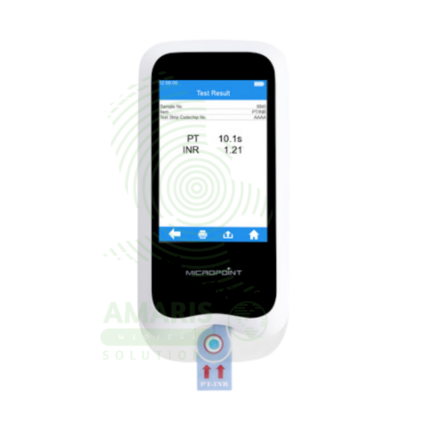
mLabs and qLabs Platforms
The mLabs and qLabs Platforms are integrated point-of-care testing systems manufactured by Micropoint Bioscience for rapid quantitative measurement of coagulation parameters (PT/INR, ACT), cardiac markers (troponin I, CK-MB, NT-proBNP), hemoglobin/hematocrit, electrolytes (Na+, K+, iCa), blood gases (pH, pCO2, pO2), glucose, ketones, and infectious disease markers. The qLabs platform specializes in coagulation and electrolyte testing using electrochemical technology, while the mLabs platform focuses on immunoassay and photometric testing for cardiac, hematology, and infectious disease applications. Features include portable design, touchscreen interface, rechargeable battery, USB/Bluetooth connectivity, and compatibility with single-use disposable test cards. Test times range from 1-15 minutes with sample volumes of 2-100 µL. Primary clinical applications include anticoagulation management (warfarin monitoring), cardiac surgery and intervention support (ACT monitoring), emergency cardiac diagnosis (troponin), anemia screening, diabetes management, critical care electrolyte and blood gas analysis, and infectious disease testing in endemic regions. Critical safety precautions include proper test card storage (temperature-sensitive), regular quality control, operator training, single-use lancets, and infection control protocols. Essential point-of-care testing solution for hospitals, clinics, emergency departments, surgical suites, and anticoagulation clinics.
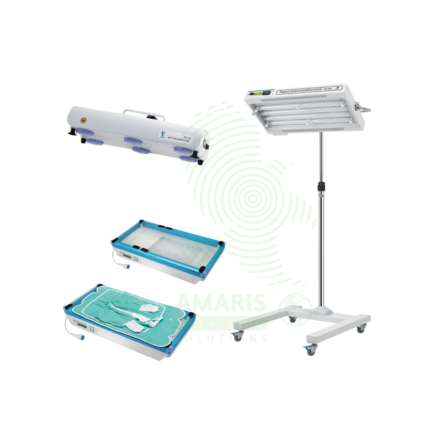
Neonatal Jaundice Treatment Device
A Neonatal Jaundice Treatment Device (phototherapy unit) is a Class II medical device that delivers therapeutic blue light (450-470 nm) to treat hyperbilirubinemia in newborns, preventing bilirubin-induced neurological damage (kernicterus). Available as overhead units (mobile stands with LED or fluorescent lamps), fiberoptic systems (Biliblanket) with illuminated pads placed against the infant's skin, and combination systems for intensive therapy. Irradiance ranges from 10-50+ µW/cm²/nm at treatment distance. LED units offer specific wavelength output, minimal heat, long life (10,000-50,000 hours), and energy efficiency. Treatment indications follow AAP hour-specific nomograms based on gestational age, birth weight, postnatal age, and risk factors. Essential safety requirements include opaque eye shields to protect neonatal retinas, temperature monitoring to prevent hyperthermia, hydration maintenance, and regular irradiance verification. Used in hospital NICUs, newborn nurseries, and (select devices) home care settings for mild jaundice. Critical for preventing permanent neurological sequelae of untreated severe neonatal jaundice.
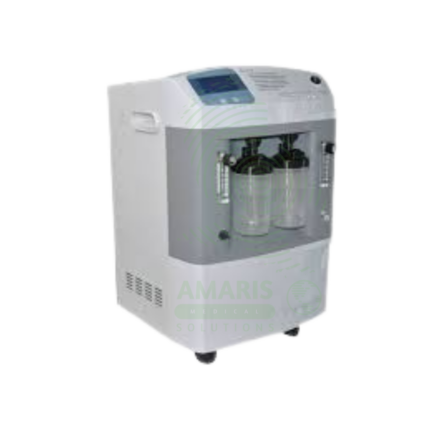
Oxygen Concentrator
An Oxygen Concentrator is a Class II medical device that delivers 90-95% pure supplemental oxygen to patients with chronic hypoxemia using pressure swing adsorption (PSA) technology to concentrate oxygen from room air. Available as stationary/home units (10-30 kg, 0.5-10 L/min continuous flow) for long-term oxygen therapy (LTOT) and portable/ambulatory units (1-10 kg, 0.5-3 L/min pulse-dose or continuous flow) for active patients requiring mobility. Features include oxygen purity monitoring with alarms, digital flow control, hour meters, washable filters, and (for portable units) rechargeable batteries, FAA approval for travel, and pulse-dose delivery to conserve oxygen. Primary clinical indications include COPD, pulmonary fibrosis, cystic fibrosis, and other chronic respiratory conditions with resting, exertional, or nocturnal hypoxemia (PaO2 ≤55 mmHg or SpO2 ≤88%). Essential for home-based oxygen therapy, enabling patients to maintain independence, reduce hospitalizations, and improve quality of life. Critical safety precautions include NO SMOKING in the oxygen environment, keeping away from heat sources and open flames, proper electrical safety, regular filter cleaning, and having backup oxygen for power outages.
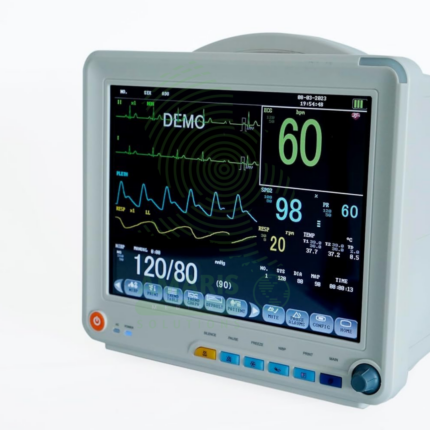
Patient Monitor
The Patient Monitor (6 Parameters BCCMS8000) is a versatile multi-parameter monitor designed for continuous surveillance of core vital signs in various clinical settings. It tracks six essential parameters—ECG, SpO2, Non-Invasive Blood Pressure (NIBP), Respiration, Temperature, and Pulse Rate—providing clinicians with real-time waveforms and numerical data on a clear color display. With its robust alarm system, battery backup for transport, and reliable performance, it is a fundamental tool for ensuring patient safety on general hospital wards, during procedures, and in emergency departments. Its design balances comprehensive monitoring capability with user-friendly operation.
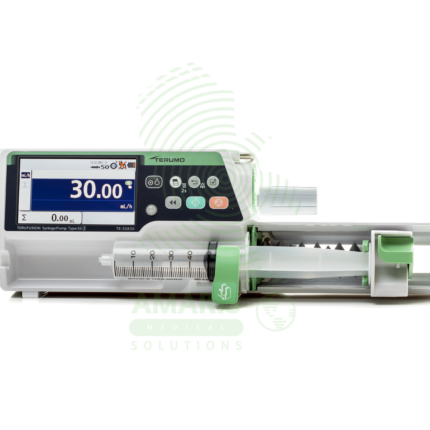
Syringe Pump
A Syringe Pump is a high-precision infusion device designed to advance the plunger of a standard medical syringe at a programmed rate, enabling the accurate delivery of small, critical medication volumes. It is the gold standard for administering potent, titratable drugs in intensive care, anesthesia, and neonatal/pediatric units, where flow rates as low as 0.1 mL/hour are required. With essential safety features like occlusion alarms, anti-free-flow mechanisms, and integrated drug libraries, it minimizes the risk of dosing errors. Its accuracy, compact design, and versatility for continuous or bolus dosing make it indispensable for managing high-risk intravenous therapies.
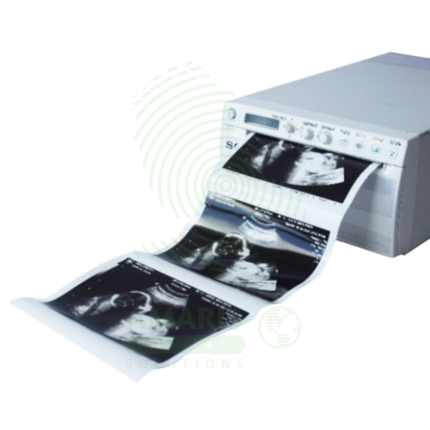
Tele Video Printer Paper
Tele Video Printer Paper is a specialized thermal paper roll used in medical monitoring devices (like telemetry and ECG printers) to produce hard-copy, real-time strip chart recordings of physiological waveforms such as heart rhythms (ECG). Utilizing direct thermal technology that requires no ink, it provides immediate, tangible documentation for patient records, clinical review, and legal archives. Its performance relies on uniform sensitivity to produce high-contrast traces, and its longevity depends on proper storage away from heat and light. As a critical consumable in patient monitoring systems, using the correct specification paper is essential to maintain printer function and ensure reliable record-keeping.
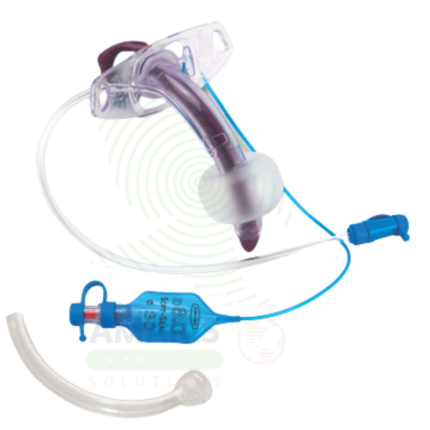
Tracheostomy Tube
A Tracheostomy Tube is a curved, sterile medical device inserted through a surgical opening in the trachea to establish and maintain a secure airway for patients requiring long-term mechanical ventilation, upper airway obstruction management, or effective secretion clearance. Constructed from medical-grade PVC, silicone, or polyurethane, these tubes feature an outer cannula, removable inner cannula for patency maintenance, and a high-volume, low-pressure cuff to prevent aspiration and enable positive pressure ventilation. Available in pediatric through adult sizes with fenestrated options for speech, tracheostomy tubes are essential devices in intensive care units, long-term care facilities, and home care settings. For the clinician, they provide stable airway access that facilitates mechanical ventilation, weaning, and rehabilitation. For the patient, a tracheostomy tube enables improved comfort, mobility, communication, and quality of life compared to prolonged endotracheal intubation.