Dermatoscope and Magnifiers
 Diagnostic Kits
 Vital Signs Monitors
 Stethoscopes and Accessories
 Otoscopes, Ophthalmoscopes, and Retinoscopes
 Reflex Hammers and Neurological Tools
 Scales and Measuring Devices
 Spirometers and Pulmonary Function Tests
 Electrosurgical Units and Accessories
 Cutting Instruments
 Grasping and Holding Instruments
 Hemostatic Instruments
 Specialized Surgical Sets
 Single-Use Procedure Trays and Packs
 Surgical Drapes, Gowns, and Covers
 Tissue Unifying Instruments
 Radiation Protection
 X-Ray Machines and Accessories
 Ultrasound Systems and Probes
 MRI and CT Scanners
 Radiology Consumables
 Bone Densitometers
 Fluoroscopy Equipment
 Imaging Tables and Positioning Aids
 Microscopes and Accessories
 Centrifuges and Separators
 Analyzers
 Incubators and Ovens
 Pipettes, Dispensers, and Lab Glassware
 Refrigerators, Freezers, and Storage Units
 Lab Consumables
 Sterilizers and Autoclaves for Lab Use
 Multi-Parameter Monitors
 Ventilators and Respiratory Support Devices
 Defibrillators and AEDs
 Infusion Pumps and IV Systems
 Patient Warmers and Cooling Devices
 Central Monitoring Stations
 Accessories
 Anesthesia Machines and Workstations
 Oxygen Concentrators and Delivery Systems
 Nebulizers and Inhalers
 CPAP/BiPAP Machines
 Airway Management
 Anesthesia Masks, Circuits, and Bags
 Humidifiers and Heaters
 Respiratory Therapy Accessories
 First Aid Kits and Cabinets
 Emergency Resuscitation Equipment
 Trauma Supplies
 Emergency Carts and Crash Carts
 Burn Care Products
 Bleeding Control
 Automated External Defibrillators (AEDs)
 Transport and Evacuation
 Wheelchairs and Accessories
 Walkers, Crutches, and Canes
 Prosthetics and Orthotics
 Physical Therapy Equipment
 Transfer Devices
 Bathroom Safety
 Orthopedic Traction and Tables
 Hot/Cold Therapy Packs and Units
 Beds and Mattresses
 Chairs and Stools
 Tables
 Cabinets and Storage
 Privacy Screens & Curtains
 Stands and Racks
 Linens and Textiles
 Lighting
 Autoclaves and Sterilizers
 Ultrasonic Cleaners
 Disinfectant Solutions and Wipes
 Sterilization Pouches, Wraps, and Indicators
 Instrument Trays and Containers
 UV and Ozone Disinfection Devices
 Washer Disinfectors
 Wound Care
 Gloves
 Masks and Respirators
 Catheters and Tubing
 Swabs, Applicators, and Sponges
 Incontinence Products
 Personal Protective Equipment (PPE)
 Dental Chairs and Units
 Handpieces and Burs
 Instruments
 Consumables
 Sterilization for Dental Use
 Orthodontic Supplies
 Endodontic Tools
 Slit Lamps and Tonometers
 Lensometers and Phoropters
 Ophthalmic Surgical Instruments
 Eyewear Frames and Lenses
 Contact Lens Supplies
 Vision Testing Charts and Devices
 Eye Care Consumables
 Laser Systems for Eye Care
 ENT Exam Chairs and Tables
 Endoscopes
 Audiometers and Hearing Tests
 ENT Instruments
 Nasal and Throat Packs
 Hearing Aids and Accessories
 Otology Supplies
 Fetal Dopplers and Monitors
 Delivery Beds and Tables
 Gynecological Instruments
 Neonatal Incubators and Warmers
 Breast Pumps and Accessories
 Contraceptive Devices
 Maternity Supports and Pads
 Neonatal Consumables
 Cystoscopes and Urethroscopes
 Dialysis Machines and Supplies
 Urological Catheters and Bags
 Lithotripters
 Prostate Treatment Devices
 Urinary Incontinence Products
 Kidney Stone Management Tools
 Consumables & Disposables
 EEG and EMG Machines
 Neurosurgical Instruments
 Nerve Stimulators
 Headrests and Positioning Aids
 Lumbar Puncture Kits
 Seizure Monitoring Devices
 Consumables
 Rehabilitation for Neurological Conditions
 ECG Machines and Accessories
 Holter Monitors
 Stress Test Systems
 Pacemakers and Defibrillator Accessories
 Vascular Access Devices
 Cardiac Catheters and Guidewires
 Blood Flow Meters
 Consumables
 Orthopedic Instruments
 Casts, Splints, and Padding
 Joint Replacement Supplies
 Prosthetic Limbs and Components
 Bone Grafts and Substitutes
 Traction Devices
 Orthopedic Braces and Supports
 Rehabilitation Aids for Orthopedics
 Home Oxygen Therapy
 Hospital Beds for Home Use
 Mobility Aids
 Bathroom and Daily Living Aids
 Wound Care for Home
 Monitoring Devices
 Enteral Feeding Pumps and Tubes
 Hand Sanitizers and Dispensers
 Face Shields and Goggles
 Isolation Gowns and Suits
 Biohazard Waste Containers
 Air Purifiers and HEPA Filters
 Surface Disinfectants
 Sharps Containers
 Protective Barriers
 Cardiovascular & Endurance Training
 Strength Training & Weightlifting
 Functional Training & Core Conditioning
 Physical Therapy & Rehabilitation
 Sports & Outdoor Recreation
 Gym Flooring & Facility Equipment
 Fitness Monitoring & Accessories
 Kids & Novelties










Physical Therapy Equipment
Essential therapeutic devices and exercise apparatus designed to restore, maintain, and improve physical function, mobility, strength, and balance following injury, surgery, or due to chronic conditions. This category includes treatment tables, parallel bars, therapeutic exercise bikes, treadmills, neuromuscular electrical stimulation (NMES) units, ultrasound therapy machines, and a wide range of resistance bands, weights, and balance trainers. These tools support clinicians in implementing targeted rehabilitation protocols to reduce pain, increase range of motion, rebuild muscle, and retrain movement patterns. Ideal for outpatient physical therapy clinics, hospital rehabilitation departments, sports medicine centers, and skilled nursing facilities.
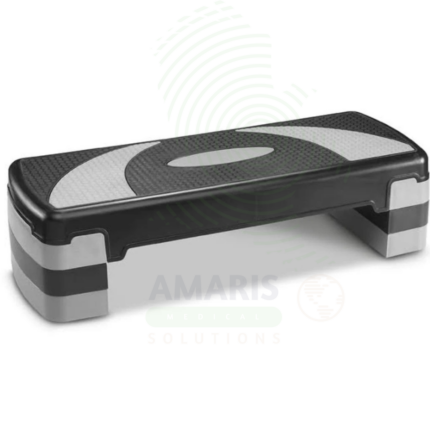
Aerobic Stepper
An Aerobic Stepper is a raised, non-slip platform with adjustable height designed for step-up, step-down, and lateral stepping exercises that deliver low-impact cardiovascular conditioning, lower extremity strengthening, and balance training. The textured stepping surface and non-slip rubber feet provide stability, while adjustable risers allow progressive intensity from four to eight inches—enabling patients to advance exercise challenges as strength and endurance improve. For the physical therapist and rehabilitation specialist, the aerobic stepper provides functional, task-specific training that directly translates to activities of daily living such as stair climbing, curb stepping, and independent community mobility. The stepping motion strengthens quadriceps, hamstrings, gluteals, and calf muscles while challenging dynamic balance, weight shifting, and proprioceptive responses—essential skills for fall prevention in older adults and patients with balance impairment. For the cardiac and pulmonary rehabilitation specialist, the adjustable platform provides a safe, progressive cardiovascular training modality suitable for patients from early deconditioning to advanced conditioning. For the patient recovering from total knee replacement, hip fracture, or deconditioning, regular stepper training rebuilds lower extremity strength, improves balance confidence, and supports safe, independent ambulation.
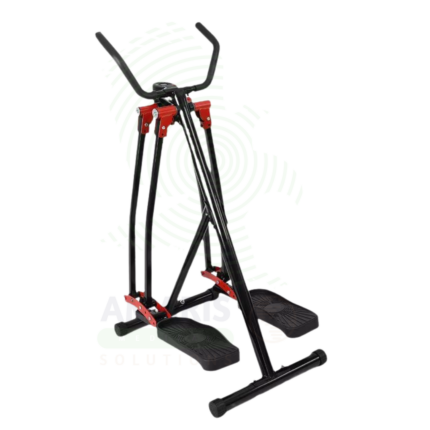
Air Walker & Stepper
An Air Walker & Stepper is a compact exercise machine with independent foot platforms that simulate walking or stepping motion using air resistance or hydraulic resistance for low-impact cardiovascular conditioning and lower extremity strengthening. The independent foot platforms require coordinated weight shifting and balance control, challenging proprioceptive systems while providing a smooth, controlled stepping motion that minimizes stress on the knees, hips, and ankles. For the physical therapist and exercise physiologist, the air walker and stepper enables safe cardiovascular conditioning for patients with osteoarthritis, joint replacement recovery, or lower extremity injuries who cannot tolerate high-impact activities like walking or jogging. Progressive resistance training strengthens quadriceps, hamstrings, gluteals, and calf muscles while improving dynamic balance and coordination. Available with fixed handlebars for stability or moving arms for upper body engagement, the device accommodates patients across functional levels—from frail elderly with balance impairment to athletes recovering from injury. For the patient with arthritis, post-surgical restrictions, or neurological conditions affecting gait, regular use improves cardiovascular fitness, lower extremity strength, balance confidence, and functional mobility.
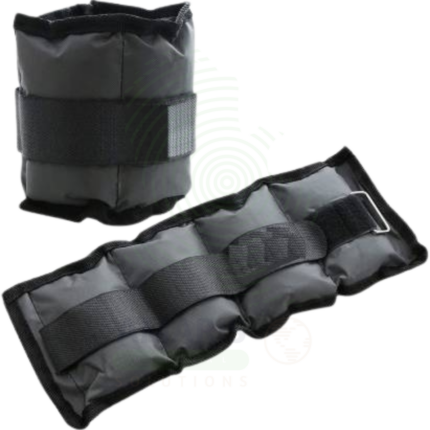
Ankle & Wrist Sand Bag
An Ankle & Wrist Sand Bag is a weighted fabric bag with adjustable straps that attaches around the ankle or wrist, providing progressive resistance for strengthening exercises targeting the upper and lower extremities. Filled with sand or steel shot and encased in durable nylon, neoprene, or canvas fabric with foam padding for comfort, these weights allow for precise, localized resistance training that can be progressed by increasing weight increments—enabling targeted strengthening of specific muscle groups without requiring complex equipment. For the physical therapist and occupational therapist, ankle and wrist sand bags provide a simple, effective method for rebuilding strength following total joint replacement, stroke, deconditioning, or upper and lower extremity injuries. When worn around the ankle during walking exercises and leg lifts, they strengthen quadriceps, hamstrings, gluteals, and hip flexors—improving gait mechanics and walking endurance. When worn around the wrist during reaching and functional task practice, they strengthen shoulder, arm, and hand musculature—building the strength needed for independent self-care, meal preparation, and household tasks. The adjustable Velcro straps provide secure, comfortable fit, while the padded design prevents skin irritation, making these weights suitable for use in physical therapy, occupational therapy, and home exercise programs.
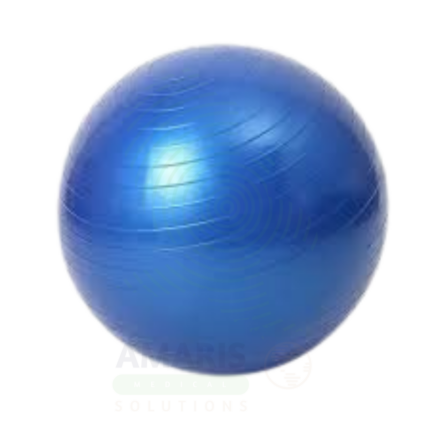
Anti-burst Gym Ball
An Anti-burst Gym Ball is an inflatable, unstable exercise device with anti-burst technology used for core strengthening, balance training, flexibility improvement, and low-impact cardiovascular exercise in physical therapy, occupational therapy, and rehabilitation settings. The anti-burst construction ensures that if the ball is punctured, it deflates slowly rather than bursting catastrophically—reducing injury risk and providing critical safety for patients with balance impairment or fall risk. The unstable surface engages deep stabilizing muscles of the trunk and pelvis, improving lumbar stability and reducing low back pain in patients with chronic spinal conditions. Available in sizes from 45 to 75 centimeters to accommodate patients of different heights, the ball challenges balance systems through graded exercises from seated stability to advanced standing activities. For the physical therapist and rehabilitation specialist, the anti-burst gym ball is a versatile tool for core conditioning, fall prevention, post-operative rehabilitation, and functional training across diverse patient populations including those with low back pain, stroke, Parkinson's disease, arthritis, and deconditioning. For the patient, regular ball exercises restore spinal stability, improve balance confidence, maintain joint mobility, and provide safe, low-impact conditioning that supports long-term health and independence.
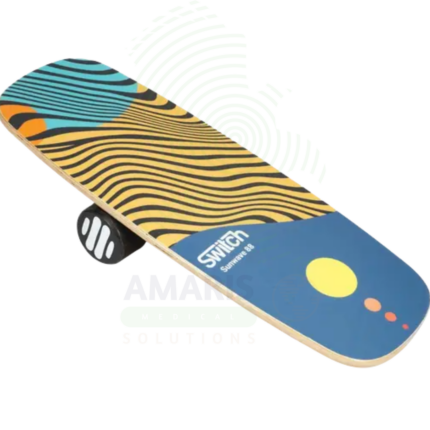
Balance Board
A Balance Board is a pivoting platform that challenges balance, proprioception, and core stability through controlled tilting and rocking motions, used for fall prevention, ankle rehabilitation, and core strengthening in physical therapy, sports medicine, and fitness settings. Available in rocker (front-to-back tilt), wobble (360-degree tilt), and roller (side-to-side) configurations, the balance board provides graded challenges for patients across functional levels—from simple weight shifting for elderly patients to advanced dynamic stability for athletes. For the geriatric specialist and neurological physical therapist, the balance board improves postural control, reaction time, and confidence in patients with Parkinson's disease, stroke, or peripheral neuropathy—reducing fall risk and enhancing independent mobility. For the sports medicine clinician, the balance board provides targeted proprioceptive retraining for the ankle joint following sprains or chronic instability, restoring stability and preventing recurrent injury. The unstable surface also engages the deep core musculature, improving lumbar stabilization for patients with chronic low back pain. For the patient recovering from ankle sprain, knee replacement, stroke, or balance impairment, regular balance board training restores proprioceptive acuity, improves dynamic stability, and supports return to independent function.
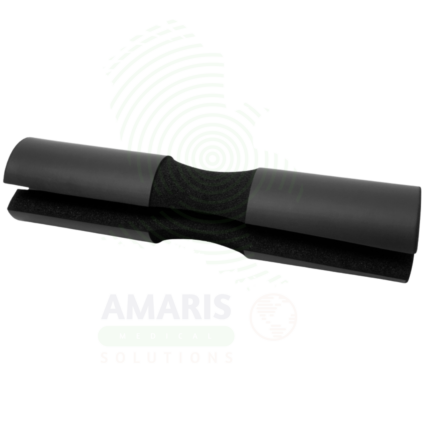
Barbell Pad
A Barbell Pad is a thick, padded foam cushion designed to wrap around a barbell, distributing pressure across a wider surface area to protect the cervical spine, shoulders, and hips during weightlifting and rehabilitation exercises. The high-density foam core absorbs and redistributes the concentrated pressure of the barbell, reducing discomfort and preventing soft tissue injury during squats, hip thrusts, lunges, and carries. For the physical therapist and rehabilitation specialist, the barbell pad enables patients with cervical spine sensitivity, post-operative neck conditions, shoulder pathology, or hip tenderness to perform essential lower extremity strengthening exercises without pain or risk of exacerbating underlying conditions. During squats, the pad protects the cervical spine and upper trapezius from direct barbell pressure. During hip thrusts and glute bridges, it cushions contact with the pelvic region, preventing bruising over the iliac crests and allowing comfortable gluteal strengthening critical for total hip replacement recovery. For the deconditioned or anxious patient, the soft, non-slip surface increases comfort and confidence, encouraging participation in progressive resistance training essential for functional independence. Available in various thicknesses with secure Velcro or snap closures, the barbell pad is a simple, effective accessory that supports safe, comfortable barbell training across the rehabilitation continuum.
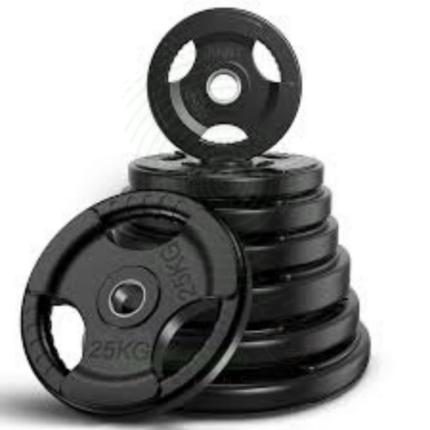
Black Cast Iron Plate Weight
Black Cast Iron Plate Weights are durable, economical weight plates used with barbells, dumbbells, or plate-loaded machines for progressive resistance training in rehabilitation, clinical, and fitness settings. Available in standardized weight increments from 2.5 to 45 pounds, with precision-cast construction for weight accuracy and durable black paint or e-coat finish that provides reliable performance for strength training across the rehabilitation continuum. For the physical therapist and rehabilitation specialist, black cast iron plate weights enable precise exercise prescription with small, manageable weight increments that allow patients to progress safely while maintaining proper form. When loaded onto barbells for squat, deadlift, and lunge variations, they strengthen the quadriceps, hamstrings, gluteals, and calf muscles—rebuilding the functional strength needed for standing, walking, and stair climbing after total knee replacement, hip fracture, or ACL reconstruction. When used with dumbbells or plate-loaded machines, they strengthen the rotator cuff, deltoids, and back musculature—restoring the upper extremity strength needed for lifting, carrying, and pushing activities essential for independent function. For the patient recovering from orthopedic surgery, neurological impairment, or general deconditioning, black cast iron plate weights provide a safe, progressive, cost-effective tool for rebuilding strength, improving functional mobility, and returning to independent living.
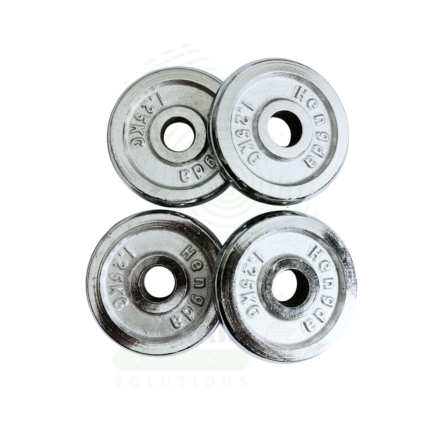
Chrome Plate Weight
Chrome Plate Weights are durable, chrome-plated cast iron weight plates used with barbells, dumbbells, or plate-loaded machines for progressive resistance training in rehabilitation, clinical, and fitness settings. Available in standardized weight increments from 2.5 to 45 pounds, with precision-cast construction for weight accuracy and durable chrome plating that resists rust, corrosion, and wear from repeated use, these plates provide reliable, long-lasting resistance for strength training across the rehabilitation continuum. For the physical therapist and rehabilitation specialist, chrome plate weights enable precise exercise prescription with small, manageable weight increments that allow patients to progress safely while maintaining proper form. When loaded onto barbells for squat, deadlift, and lunge variations, they strengthen the quadriceps, hamstrings, gluteals, and calf muscles—rebuilding the functional strength needed for standing, walking, and stair climbing after total knee replacement, hip fracture, or ACL reconstruction. When used with dumbbells or plate-loaded machines, they strengthen the rotator cuff, deltoids, and back musculature—restoring the upper extremity strength needed for lifting, carrying, and pushing activities essential for independent function. For the patient recovering from orthopedic surgery, neurological impairment, or general deconditioning, chrome plate weights provide a safe, progressive, durable tool for rebuilding strength, improving functional mobility, and returning to independent living.
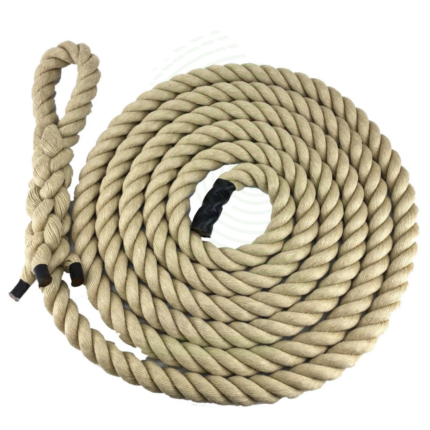
Climbing Rope
A Climbing Rope is a vertically suspended rope used for climbing exercises to develop upper extremity strength, grip endurance, core stability, and functional pulling strength in physical therapy, occupational therapy, and fitness settings. The act of pulling the body upward against gravity engages the finger flexors, forearm muscles, biceps, triceps, deltoids, latissimus dorsi, and rhomboids—building the strength needed for pulling, lifting, and carrying activities essential for independence. For the physical therapist and occupational therapist, rope climbing provides a functional, weight-bearing upper extremity exercise that translates directly to activities of daily living—improving the ability to pull oneself up from a seated position, perform transfers, and navigate stairs. The dynamic core engagement required during climbing strengthens the abdominal and lumbar stabilizers, improving spinal stability and postural control. Coordinating hand-over-hand movement while maintaining body position challenges proprioception, motor planning, and bilateral coordination—making it valuable for patients recovering from stroke, traumatic brain injury, or with developmental coordination disorders. Available in various diameters (1-2 inches) and materials (manila, polyester, polypropylene) with secure ceiling mounting, the climbing rope provides a challenging, functional strengthening activity that builds upper body power, grip endurance, and core stability across diverse patient populations.
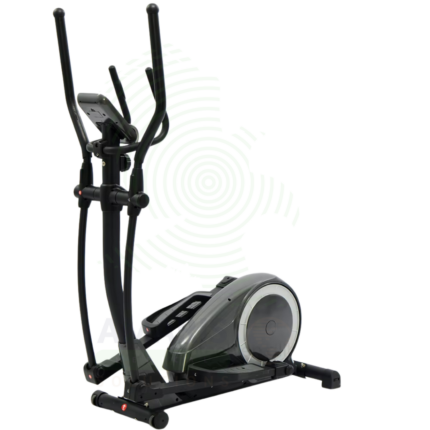
Cross Trainer
A Cross Trainer is a stationary exercise machine with foot platforms that move in an elliptical (oval) path and synchronized moving handlebars, providing simultaneous upper and lower body cardiovascular exercise with minimal joint impact. The elliptical motion eliminates heel strike impact, reducing stress on the knees, hips, and spine while allowing high-caloric expenditure—making it an ideal exercise modality for patients with osteoarthritis, joint replacement, chronic joint pain, or weight-bearing restrictions. The coordinated upper and lower body motion challenges neuromuscular control, proprioception, and cardiovascular endurance simultaneously, making it effective for patients recovering from stroke, neurological conditions, or deconditioning. Adjustable magnetic or electromagnetic resistance allows for progressive training, while heavy flywheel technology ensures smooth, consistent motion. For the physical therapist and exercise physiologist, the cross trainer provides safe, effective cardiovascular conditioning and total body strengthening for cardiac rehabilitation, pulmonary rehabilitation, orthopedic recovery, and neurological rehabilitation. For the patient with arthritis, joint pathology, or functional limitations, the cross trainer enables consistent, pain-free exercise that improves cardiovascular fitness, lower extremity strength, upper body endurance, balance confidence, and functional mobility—supporting long-term health and independence.
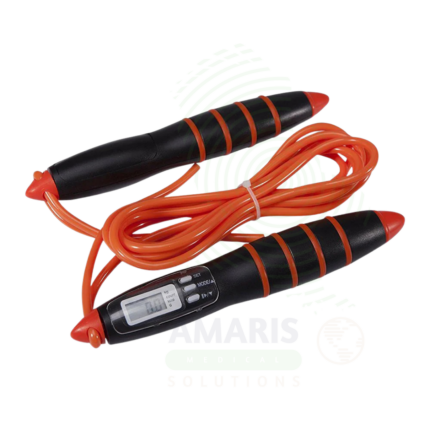
Digital Jump Rope
A Digital Jump Rope is a jump rope with digital handles that count jumps, track time, and calculate calories burned, providing real-time performance feedback for high-intensity cardiovascular conditioning, coordination training, and rehabilitation. The built-in accelerometer or gyroscope sensors automatically detect each jump, displaying metrics such as jump count, total jumps, continuous jumps, exercise duration, and estimated calorie expenditure on an LCD screen. For the exercise physiologist and physical therapist, the digital jump rope enables precise exercise prescription with objective performance metrics—allowing accurate monitoring of exercise volume, intensity, and progression for patients in cardiac rehabilitation, metabolic conditioning, or advanced rehabilitation programs. The digital feedback provides patients with clear numerical goals (jump counts, time, calories) that build confidence and motivation throughout the rehabilitation process. For pediatric physical therapists and occupational therapists, the engaging activity with performance tracking supports coordination, rhythm, and motor planning development. Portable, adjustable, and providing objective exercise data, the digital jump rope is an effective tool for high-intensity interval training, coordination development, and objective exercise monitoring in physical therapy, sports medicine, and fitness settings.
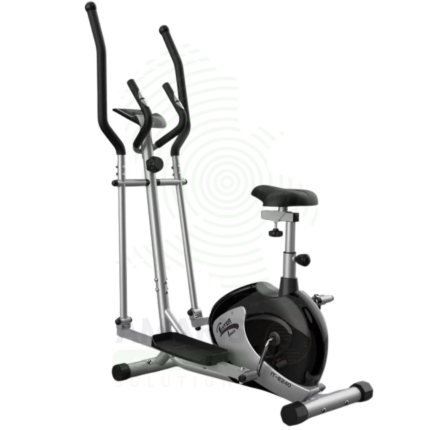
Elliptical Bike
An Elliptical Bike is a stationary exercise machine that combines the seated position of a recumbent bike with the elliptical motion of a cross trainer, providing seated, low-impact cardiovascular exercise with back support and minimal joint stress. The seated elliptical motion eliminates heel strike impact while the recumbent seat with back support provides spinal stability—making it an ideal exercise modality for patients with chronic low back pain, spinal stenosis, balance impairment, or those who cannot tolerate upright exercise. The elliptical path strengthens quadriceps, hamstrings, gluteals, and calf muscles without the impact forces of walking or jogging, supporting joint health and functional mobility. For the physical therapist and rehabilitation specialist, the elliptical bike enables safe cardiovascular conditioning for patients recovering from lumbar spine surgery, total joint replacement, cardiac events, or neurological conditions who require seated support. For the patient with osteoarthritis, balance deficits, or deconditioning, the elliptical bike provides consistent, pain-free exercise that improves cardiovascular fitness, lower extremity strength, and functional capacity—supporting long-term health and independence while minimizing fall risk.
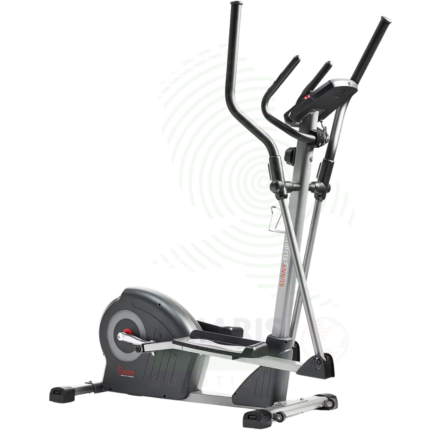
Elliptical Trainer & Orbitrek
An Elliptical Trainer & Orbitrek is a stationary exercise machine with foot platforms that move in an elliptical (oval) path and synchronized moving handlebars, providing simultaneous upper and lower body cardiovascular exercise with minimal joint impact. The elliptical motion eliminates heel strike impact, reducing stress on the knees, hips, and spine while allowing high-caloric expenditure—making it an ideal exercise modality for patients with osteoarthritis, joint replacement, chronic joint pain, or weight-bearing restrictions. The coordinated upper and lower body motion challenges neuromuscular control, proprioception, and cardiovascular endurance simultaneously, making it effective for patients recovering from stroke, neurological conditions, or deconditioning. Adjustable magnetic or electromagnetic resistance allows for progressive training, while heavy flywheel technology ensures smooth, consistent motion. For the physical therapist and exercise physiologist, the elliptical trainer provides safe, effective cardiovascular conditioning and total body strengthening for cardiac rehabilitation, pulmonary rehabilitation, orthopedic recovery, and neurological rehabilitation. For the patient with arthritis, joint pathology, or functional limitations, the elliptical trainer enables consistent, pain-free exercise that improves cardiovascular fitness, lower extremity strength, upper body endurance, balance confidence, and functional mobility—supporting long-term health and independence.
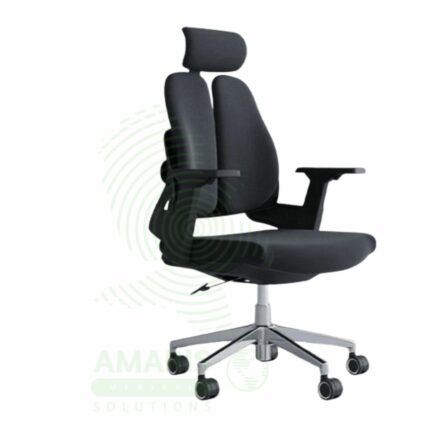
Ergonomic & Orthopedic Chair
An Ergonomic & Orthopedic Chair is an adjustable seating system designed to provide proper postural support, spinal alignment, and pressure distribution for individuals with musculoskeletal conditions, chronic pain, and mobility limitations. Features include adjustable seat height, backrest with lumbar support, contoured seat with pressure-reducing cushion, and adjustable armrests. Used in home, office, and clinical settings, it supports patients with arthritis, back pain, joint replacements, and edema, promoting comfort, proper alignment, and safe transfers during prolonged sitting.
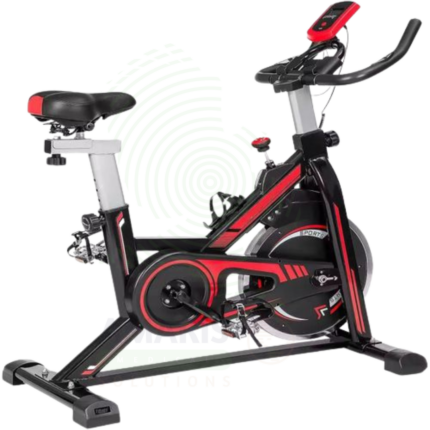
Exercise Bicycle
An Exercise Bicycle is a stationary bike with adjustable resistance and seat positioning used for cardiovascular conditioning, lower extremity strengthening, and rehabilitation in clinical and fitness settings. Available in upright, recumbent, and semi-recumbent configurations, the exercise bicycle provides low-impact aerobic exercise that improves cardiovascular fitness, strengthens quadriceps and hamstring muscles, and supports gait retraining without excessive joint loading. For the cardiac rehabilitation specialist, the exercise bicycle provides safe, monitored aerobic exercise following myocardial infarction or bypass surgery. For the physical therapist, the stationary bike enables closed-chain strengthening and range of motion recovery following total knee replacement, ACL reconstruction, or hip surgery. For the patient with osteoarthritis, stroke, Parkinson's disease, or peripheral arterial disease, regular cycling improves mobility, reduces pain, and enhances functional independence. Featuring adjustable resistance levels, heart rate monitoring, and ergonomic seating with back support on recumbent models, the exercise bicycle accommodates patients across the lifespan and functional spectrum—from frail elderly to athletic populations.
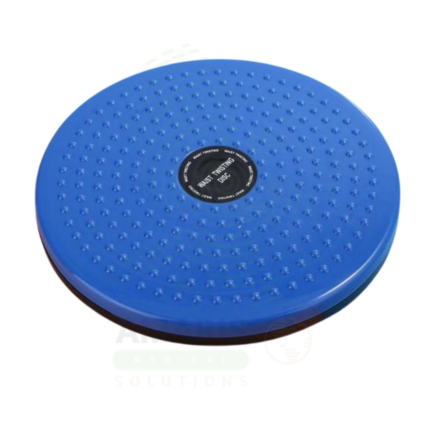
Figure Trimmer
A Figure Trimmer is a rotating platform designed for core strengthening, waist conditioning, spinal mobility, balance training, and low-impact cardiovascular exercise through controlled twisting motions. The platform rotates smoothly in 360 degrees, allowing the user to perform rotational exercises that engage the oblique muscles, transversus abdominis, and lumbar stabilizers—improving trunk rotation, spinal mobility, and functional twisting strength needed for activities such as reaching, turning, and carrying. For the physical therapist and rehabilitation specialist, the figure trimmer provides a safe, supported method for improving spinal rotation in patients with chronic low back pain, spinal stiffness, or degenerative disc disease. Continuous twisting movements provide low-impact cardiovascular exercise that elevates heart rate while minimizing joint stress—suitable for patients with osteoarthritis, joint replacement, or weight-bearing restrictions. The rotating platform also challenges balance and proprioceptive systems, making it useful for patients with balance impairment, Parkinson's disease, or age-related balance decline. The textured, non-slip platform provides secure footing, while the durable construction with ball-bearing rotation ensures smooth, quiet operation. Compact, portable, and requiring minimal space, the figure trimmer is an effective tool for core conditioning, spinal mobility, balance improvement, and low-impact cardio in physical therapy, fitness, and home exercise settings.
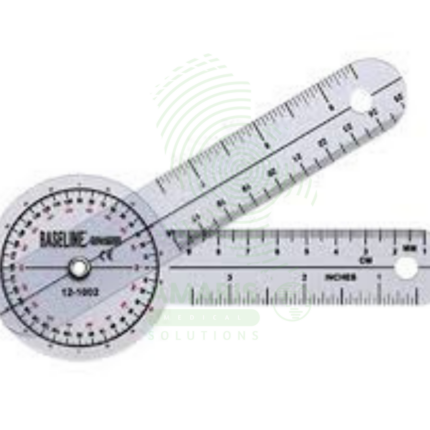
Goniometer
A goniometer is a calibrated, handheld measuring instrument designed to precisely quantify joint range of motion in degrees. Essential for physical and occupational therapy, orthopedic assessment, and rehabilitation medicine, it consists of a protractor-like body with two arms—one stationary, one movable—that align with the patient's limb segments. Available in various sizes for different joints (from fingers to hips) and in materials including transparent plastic, stainless steel, and digital formats, it transforms subjective observations of mobility into objective, reproducible data. This fundamental clinical tool guides diagnosis, documents treatment progress, supports disability determinations, and provides the evidence base for therapeutic interventions.
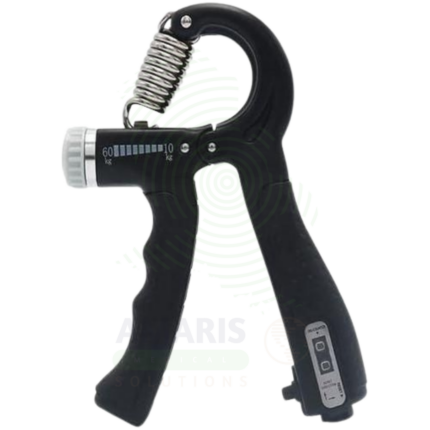
Hand Grip
A Hand Grip is a spring-loaded hand exerciser with two handles that is compressed by squeezing, designed to develop grip strength, forearm conditioning, and hand function in rehabilitation and fitness settings. The spring mechanism provides adjustable or fixed resistance ranging from 10 to 200 pounds, allowing patients to progress from light grip strengthening to advanced forearm conditioning as strength improves. For the physical therapist and occupational therapist, the hand grip provides targeted, progressive resistance training for the intrinsic hand muscles, thenar eminence, and forearm flexors—critical for restoring grip strength needed for opening jars, carrying groceries, turning doorknobs, and performing activities of daily living. For patients with arthritis, carpal tunnel syndrome, or post-operative hand weakness, progressive hand grip exercises rebuild functional grip strength essential for independence. For patients with neurological conditions such as stroke or traumatic brain injury, the hand grip provides a simple, measurable tool for retraining grip strength and motor control. Compact, portable, and requiring no additional equipment, the hand grip is an effective tool for grip strength rehabilitation, sports performance enhancement, and home exercise programs across the lifespan.
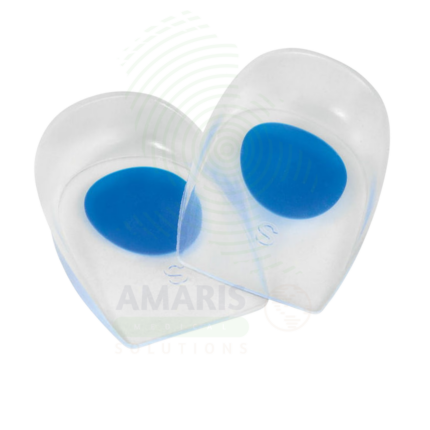
Heel Pads
Heel Pads are cushioning devices made from medical-grade foam, silicone gel, or thermoplastic gel designed to offload, cushion, and protect the heel in patients at risk of pressure ulcers, with diabetic foot disease, or suffering from heel pain syndromes. Available in various configurations including full heel cups for circumferential protection, donut-shaped pads for central offloading of heel spurs, and flat pads for shock absorption, these devices redistribute pressure away from the calcaneus, absorb impact forces during heel strike, and reduce shear and friction on fragile skin. For the wound care nurse and podiatrist, heel pads are essential tools for pressure ulcer prevention protocols, diabetic foot ulcer offloading, and conservative heel pain management. For the bedridden patient, heel pads prevent painful pressure ulcers that lead to infection and prolonged hospitalization. For the ambulatory patient with plantar fasciitis, heel fat pad atrophy, or heel spurs, heel pads provide immediate pain relief, allowing comfortable walking and return to daily activities.
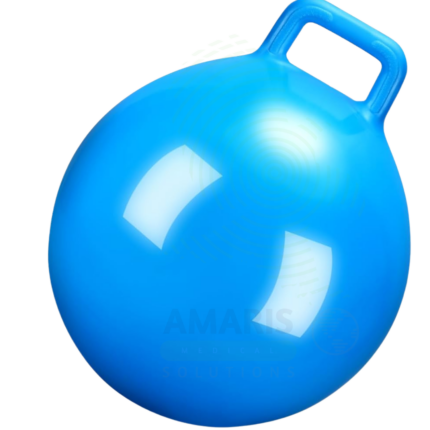
Hopping Ball
A Hopping Ball is an inflatable ball with a handle designed for children to sit on and bounce, promoting gross motor coordination, core strengthening, vestibular stimulation, and balance development in pediatric physical therapy, occupational therapy, and early childhood development. The rhythmic bouncing motion engages core musculature for trunk stability, strengthens lower extremity muscles for jumping and running, and provides vestibular input that supports sensory integration and body awareness. For the pediatric physical therapist and occupational therapist, the hopping ball provides a fun, motivating tool for developing gross motor coordination, bilateral integration, and rhythmic movement patterns—foundational skills for walking, running, and participating in age-appropriate activities. For the child with developmental coordination disorder, cerebral palsy, hypotonia, autism spectrum disorder, or sensory processing difficulties, hopping ball exercises improve motor planning, core strength, balance, and sensory regulation while engaging the child in playful, enjoyable movement. Available in sizes for toddlers through older children, with durable, burst-resistant construction and secure handle attachment, the hopping ball is an effective tool for pediatric rehabilitation, sensory integration, and developmental motor training.
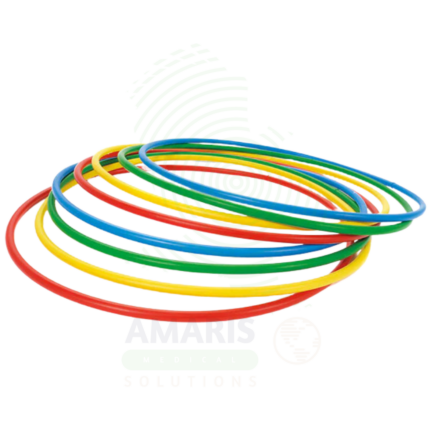
Hula Hoop
A Hula Hoop is a circular hoop rotated around the waist, hips, or limbs for core strengthening, cardiovascular conditioning, and coordination development in fitness, rehabilitation, and pediatric therapy settings. The rhythmic motion engages the core musculature—including the transversus abdominis, obliques, and lumbar stabilizers—improving spinal stability and reducing low back pain in patients with chronic back pain or post-partum core weakness. For the physical therapist and occupational therapist, hula hooping provides dynamic, engaging core activation that strengthens the deep abdominal muscles while providing proprioceptive and vestibular input—improving body awareness, coordination, and sensory regulation. Continuous hula hooping elevates heart rate and provides low-impact cardiovascular exercise suitable for patients with arthritis, joint pain, or weight-bearing restrictions. Available in standard lightweight hoops for general fitness, weighted hoops for increased resistance and core challenge, and segmented hoops for portability, hula hoops accommodate users across functional levels. For the child with sensory processing disorder, autism spectrum disorder, or developmental coordination disorder, hula hooping provides organizing sensory input that supports attention, motor planning, and rhythmic coordination. For the adult with osteoarthritis, obesity, or deconditioning, hula hooping enables safe, effective core conditioning and cardiovascular exercise.
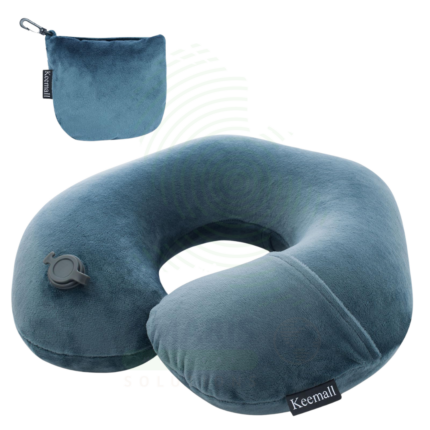
Inflatable Travel Pillow
An Inflatable Travel Pillow is a U-shaped, inflatable pillow designed to support the cervical spine and maintain neutral neck alignment during upright seated travel in vehicles, airplanes, trains, or medical transport. The horseshoe-shaped design wraps around the neck with the opening at the front, providing bilateral support that prevents the head from falling into painful lateral flexion or rotation positions during sleep. The inflatable construction allows users to adjust firmness to their preferred support level—accommodating individual neck contours and varying support needs while deflating to a compact size for easy packing and transport. For the orthopedic specialist and physical therapist, the inflatable travel pillow protects patients with cervical spondylosis, chronic neck pain, whiplash history, or post-operative cervical surgery during necessary or leisure travel. For the patient with cervical radiculopathy, fibromyalgia, or cervical degenerative disease, an inflatable travel pillow allows them to undertake long-distance journeys without suffering days of exacerbated symptoms, maintaining quality of life and independence despite chronic neck pathology. Lightweight, portable, and adjustable, the inflatable travel pillow provides reliable cervical support for travel without the bulk of traditional foam pillows.
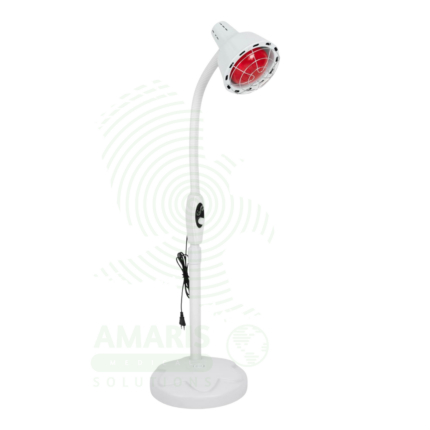
Infrared Therapy Lamp Stand
An Infrared Therapy Lamp Stand is a professional-grade, floor-standing device that emits broad-spectrum infrared radiation to deliver deep-heat therapy to large areas of the body. Designed for clinical use in physical therapy, chiropractic, and pain management clinics, it features adjustable height and tilt panels on a stable, mobile stand for targeted treatment of the back, shoulders, and legs. Its primary uses include pain relief for musculoskeletal conditions, tissue warming for rehabilitation, and promoting muscle relaxation. Safe operation requires strict adherence to contraindications, treatment time/distance guidelines, and continuous patient monitoring to prevent burns or overheating.
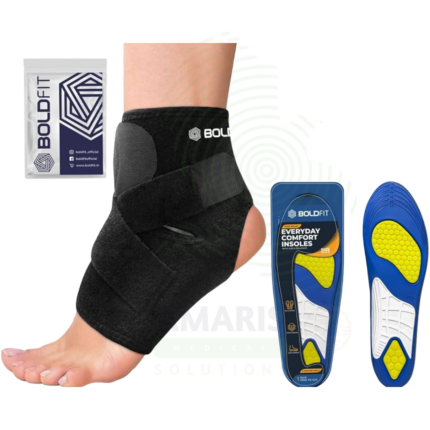
Insoles, Compressor Series
Insoles, Compressor Series are medical-grade foot orthotics incorporating graduated compression technology, acupressure nodes, and shock-absorbing materials designed for conservative management of plantar fasciitis, heel pain, metatarsalgia, and biomechanical foot abnormalities. Featuring a three hundred sixty-degree compression system that improves blood circulation and reduces inflammation, multi-point acupressure technology that provides proprioceptive feedback and circulatory stimulation, and a deep heel cup with rigid or semi-rigid arch support for calcaneal stabilization, these insoles address both symptomatic relief and biomechanical correction. Available in various materials including EVA foam for lightweight shock absorption, gel for maximum cushioning, and polypropylene for rigid arch control, compressor series insoles are designed for use in athletic shoes, work boots, and casual footwear. For the podiatrist and orthopedic specialist, these insoles provide a non-invasive first-line treatment for common foot conditions. For the patient suffering from plantar fasciitis, flat feet, or chronic heel pain, compressor series insoles reduce pain during weight-bearing activities, improve lower extremity alignment, and support return to pain-free ambulation.
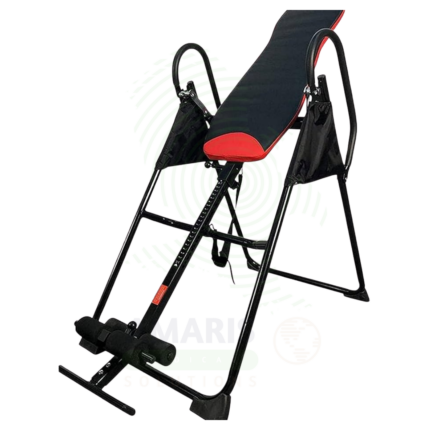
Inversion Table
An Inversion Table is a pivoting table that allows the user to tilt into inverted or semi-inverted positions, using gravity to create spinal traction and decompression for back pain relief. The gravitational force separates vertebral bodies, reducing pressure on intervertebral discs, facet joints, and nerve roots—providing relief for patients with disc herniation, degenerative disc disease, sciatica, and spinal stenosis. For the physical therapist and spine specialist, inversion therapy provides a form of lumbar traction that can be self-administered at home, creating negative intradiscal pressure that may facilitate disc rehydration and nutrient exchange while reducing nerve root compression. The gentle, sustained traction also promotes relaxation of paraspinal muscles, reducing protective muscle guarding and spasm associated with chronic back pain. Available in various models with adjustable height to accommodate users from 4'8" to 6'6", secure ankle locking systems, and tilt-limiting safety straps, inversion tables allow patients to gradually progress from partial inversion (20-30 degrees) to full inversion (90 degrees) as tolerance improves. For the patient with chronic low back pain, disc pathology, or postural dysfunction, regular inversion therapy reduces pain, improves mobility, and supports spinal health—with appropriate medical clearance and adherence to safety precautions.
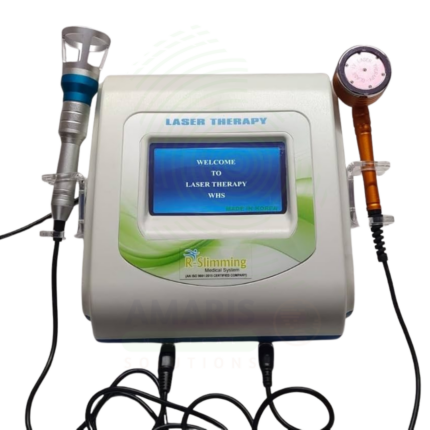
Laser Therapy Systems (Hair Removal, Vascular)
Laser Therapy Systems for Hair Removal and Vascular treatment are high-energy medical devices that use specific wavelengths of light to selectively target melanin in hair follicles or oxyhemoglobin in blood vessels. Through selective photothermolysis, they provide permanent hair reduction and effectively treat vascular lesions like spider veins and port-wine stains. These Class 4 laser systems require rigorous safety protocols, including mandatory wavelength-specific eyewear, operator expertise in parameter selection, and thorough patient screening. Treatment efficacy and safety depend on matching the correct laser type (e.g., Alexandrite, Diode, Pulsed Dye) to the patient's skin type and condition.
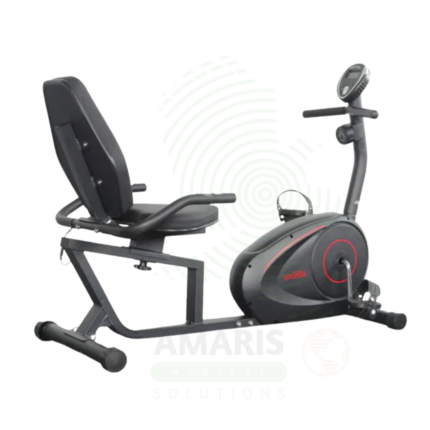
Lazy Bike
A Lazy Bike is a compact, portable seated pedal exerciser designed for passive, active-assisted, or active lower extremity cycling while the user remains seated in a standard chair, wheelchair, or recliner. Unlike traditional stationary bikes that require standing, balancing, or transferring to a specialized seat, the lazy bike places the pedal unit on the floor in front of the user, allowing patients with severe deconditioning, lower extremity weakness, neurological impairment, or post-operative restrictions to initiate lower extremity movement safely from their own chair. Adjustable magnetic or friction resistance allows for progressive strengthening, while forward and backward pedaling engages different muscle groups. For the physical therapist and rehabilitation specialist, the lazy bike provides an accessible entry point to lower extremity rehabilitation for patients who cannot yet tolerate upright exercise, including those recovering from stroke, spinal cord injury, joint replacement, cardiac surgery, or critical illness. For the patient with limited mobility, regular lazy bike use maintains joint range of motion, activates the calf muscle pump to reduce edema, prevents deconditioning, and supports functional recovery—all while remaining safely seated in their own chair.
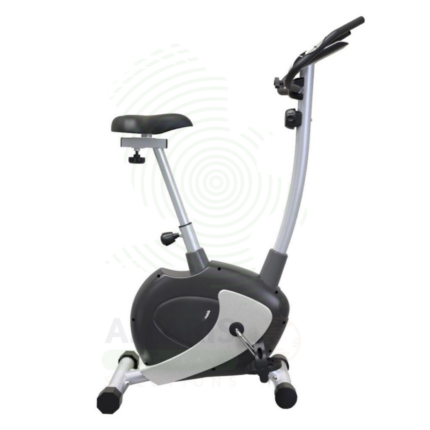
Magnetic Bike
A Magnetic Bike is a stationary bicycle utilizing magnetic resistance technology for smooth, quiet, low-maintenance operation, designed for cardiovascular conditioning and rehabilitation in clinical and home settings. Unlike friction-based resistance systems, magnetic resistance uses magnets positioned near a flywheel to create eddy current resistance without physical contact—eliminating friction pad wear, providing consistent resistance across all levels, and enabling whisper-quiet operation suitable for home use and clinical environments. Available in upright and recumbent configurations, the magnetic bike offers joint-friendly, non-weight-bearing exercise that strengthens quadriceps, hamstrings, gluteals, and calf muscles while improving cardiovascular fitness. For the physical therapist and rehabilitation specialist, the magnetic bike provides precise, repeatable resistance levels for therapeutic exercise prescription, with recumbent models accommodating patients with balance impairment, low back pain, or difficulty mounting standard upright bikes. For the patient recovering from total knee replacement, ACL reconstruction, osteoarthritis, or cardiac event, the magnetic bike enables safe, progressive strengthening and conditioning that improves function, reduces pain, and supports return to independent living. Digital consoles with heart rate monitoring and pre-programmed exercise protocols allow for objective progress tracking and telehealth integration.
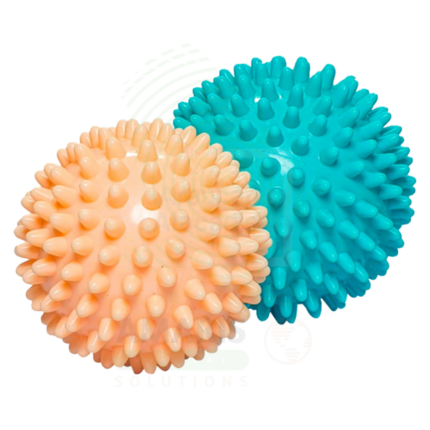
Massage Ball
A Massage Ball is a firm, rubber or silicone ball used for self-myofascial release, trigger point therapy, and muscle tension relief through sustained pressure and rolling techniques. Available in various sizes, surface textures (smooth, textured, or spiked), and densities (soft to extra firm), the massage ball allows patients to apply targeted pressure to hyperirritable spots within taut bands of skeletal muscle—inactivating trigger points and relieving referred pain patterns associated with myofascial pain syndrome, tension headaches, plantar fasciitis, and piriformis syndrome. For the physical therapist and occupational therapist, the massage ball provides patients with a portable, effective tool for self-managing muscle tension between clinical visits. Rolling under the foot reduces plantar fascia tension and heel pain. Placing between the upper back and a wall releases tight rhomboids and trapezius muscles from prolonged sitting. Positioning under the gluteals releases the piriformis muscle and reduces sciatic nerve compression. For the patient with chronic neck pain, low back pain, plantar fasciitis, or tension headaches, regular massage ball use reduces pain, improves range of motion, decreases reliance on analgesic medications, and empowers self-management of musculoskeletal symptoms.
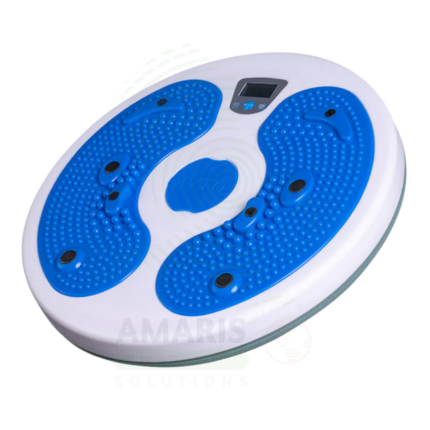
Massage Disco Trimmer & Figure Twister
A Massage Disco Trimmer & Figure Twister is a rotating platform designed for core strengthening, waist trimming, spinal mobility, balance training, and low-impact cardiovascular exercise through controlled twisting motions. The platform rotates smoothly in 360 degrees, allowing the user to perform rotational exercises that engage the oblique muscles, transversus abdominis, and lumbar stabilizers—improving trunk rotation, spinal mobility, and functional twisting strength needed for activities such as reaching, turning, and carrying. For the physical therapist and rehabilitation specialist, the figure twister provides a safe, supported method for improving spinal rotation in patients with chronic low back pain, spinal stiffness, or degenerative disc disease. The rotating platform also challenges balance and proprioceptive systems, making it useful for patients with balance impairment, Parkinson's disease, or age-related balance decline. Continuous twisting movements provide low-impact cardiovascular exercise that elevates heart rate while minimizing joint stress—suitable for patients with osteoarthritis, joint replacement, or weight-bearing restrictions. The textured, non-slip platform provides secure footing, while the durable construction with ball-bearing rotation ensures smooth, quiet operation. Compact, portable, and requiring minimal space, the figure twister is an effective tool for core conditioning, spinal mobility, balance improvement, and low-impact cardio in physical therapy, fitness, and home exercise settings.
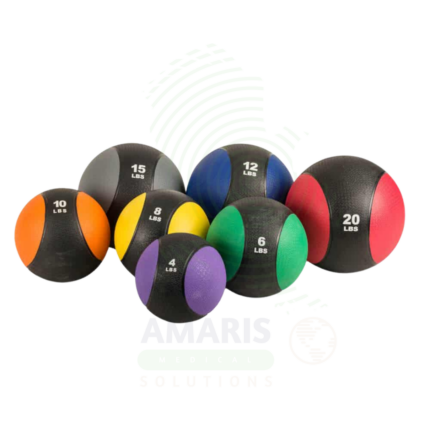
Medicine Ball
A Medicine Ball is a weighted ball used for throwing, slamming, catching, and rotational exercises that develop explosive power, plyometric capacity, core stability, and functional strength. Available in weights ranging from two to twenty-five pounds with various filling materials—sand for dead bounce (ideal for slams and catches), steel shot for dense, compact size, or rubber for live bounce (ideal for throwing and catching)—the medicine ball provides versatile resistance for power development across the kinetic chain. For the sports medicine clinician and physical therapist, medicine ball training enables controlled plyometric progression that bridges basic strengthening to sport-specific power development—critical for return-to-sport following ACL reconstruction, rotator cuff repair, and lower extremity injuries. Rotational throws, chops, and lifts challenge the core musculature in functional patterns, building the rotational stability essential for sports requiring twisting, throwing, and swinging motions. Catching and throwing exercises challenge hand-eye coordination, timing, and neuromuscular control—retraining coordination for patients recovering from stroke, traumatic brain injury, or coordination deficits. For the athlete, medicine ball training develops the explosive power, rotational strength, and neuromuscular control needed for high-level athletic performance.
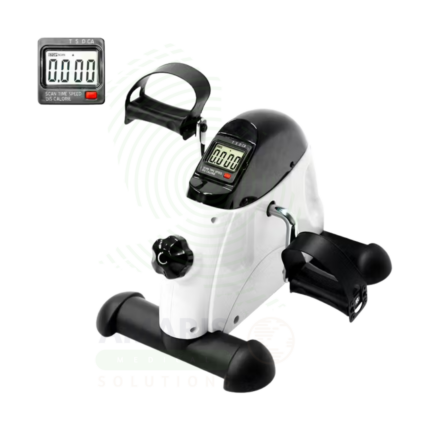
Mini Bike
A Mini Bike is a compact, portable pedal exerciser designed for seated lower extremity cycling and tabletop upper extremity cycling for passive, active-assisted, or active exercise in rehabilitation and home settings. Unlike traditional stationary bikes that require standing or transferring to a specialized seat, the mini bike places the pedal unit on the floor in front of the user for leg exercise, or on a tabletop for arm exercise, allowing patients with severe deconditioning, lower extremity weakness, neurological impairment, or upper limb pathology to initiate therapeutic movement safely from their own chair or bed. Adjustable magnetic or friction resistance allows for progressive strengthening, while forward and backward pedaling engages different muscle groups. For the physical therapist and occupational therapist, the mini bike provides an accessible entry point to rehabilitation for patients who cannot yet tolerate upright exercise—including those recovering from stroke, spinal cord injury, joint replacement, cardiac surgery, or critical illness. For the patient with limited mobility, regular mini bike use maintains joint range of motion, activates the calf muscle pump to reduce edema, prevents deconditioning, restores upper extremity function, and supports functional recovery—all while remaining safely seated.
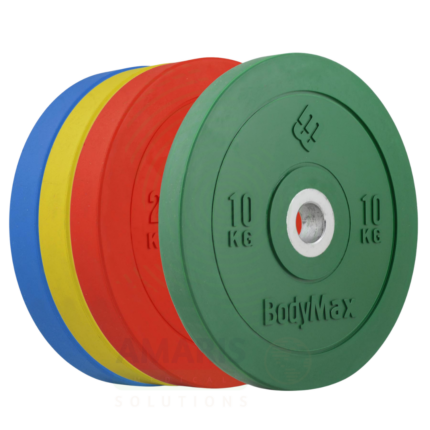
Painted Plastic Weight
Painted Plastic Weights are lightweight, color-coded handheld weights with a painted plastic exterior, used for progressive resistance training of upper and lower extremities in rehabilitation, geriatric care, and fitness settings. Available in very light weight increments from 0.5 to 10 pounds, with color-coded identification for easy weight selection, these weights provide a safe, economical tool for initiating resistance training in deconditioned, frail, or elderly patients who cannot tolerate heavier weights. For the physical therapist and occupational therapist, painted plastic weights enable targeted strengthening of upper extremity muscles—rebuilding the strength needed for lifting, carrying, pushing, and pulling activities essential for independent self-care and household tasks. When held during squats, lunges, and step-ups, they add resistance that strengthens lower extremity musculature—improving the strength needed for stair climbing, rising from a chair, and safe community ambulation. The lightweight design and color-coded system simplify weight selection for patients with visual impairment or cognitive challenges, while the sealed plastic construction resists sweat and moisture, making them suitable for use in both clinical and home settings. For the frail elderly patient, patient recovering from prolonged hospitalization, or individual initiating strength training after deconditioning, painted plastic weights provide a safe, accessible entry point for rebuilding strength, improving mobility, and supporting return to independent living.
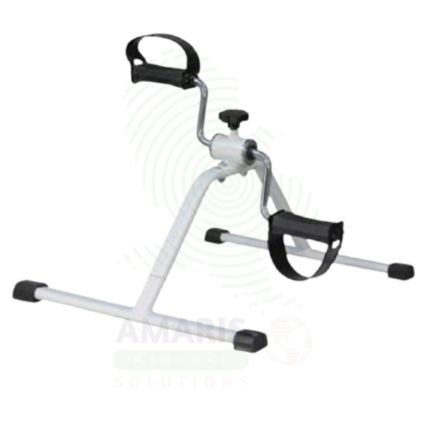
Pedal Exercise Bike
A Pedal Exercise Bike is a compact, portable seated pedal exerciser designed for passive, active-assisted, or active lower extremity cycling while the user remains seated in a standard chair, wheelchair, or recliner. Unlike traditional stationary bikes that require standing, balancing, or transferring to a specialized seat, the pedal exercise bike places the pedal unit on the floor in front of the user, allowing patients with severe deconditioning, lower extremity weakness, neurological impairment, or post-operative restrictions to initiate lower extremity movement safely from their own chair. Adjustable magnetic or friction resistance allows for progressive strengthening, while forward and backward pedaling engages different muscle groups. For the physical therapist and rehabilitation specialist, the pedal exercise bike provides an accessible entry point to lower extremity rehabilitation for patients who cannot yet tolerate upright exercise, including those recovering from stroke, spinal cord injury, joint replacement, cardiac surgery, or critical illness. For the patient with limited mobility, regular pedal bike use maintains joint range of motion, activates the calf muscle pump to reduce edema, prevents deconditioning, and supports functional recovery—all while remaining safely seated.
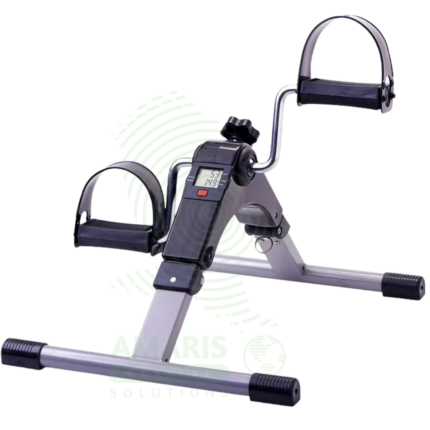
Pedal Exerciser
A Pedal Exerciser is a compact, portable cycling device used for seated, low-impact exercise of the legs or arms. It is a fundamental rehabilitation tool for improving joint range of motion, rebuilding muscle strength, enhancing cardiovascular endurance, and managing swelling in the lower limbs. Its adjustable resistance, stability, and accessibility make it ideal for post-operative recovery, neurological rehab, arthritis management, and general conditioning for users with limited mobility or balance issues. It bridges clinical therapy and accessible home exercise, promoting functional recovery and independent mobility.
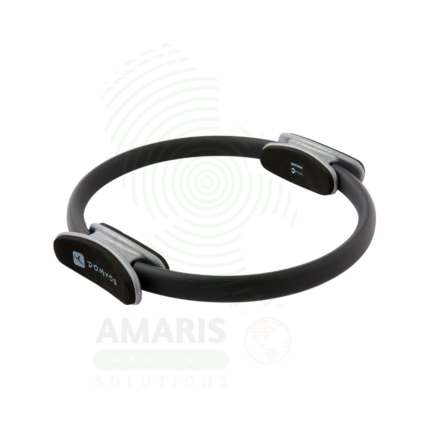
Pilates Ring
A Pilates Ring is a flexible, padded ring used for resistance training of the upper and lower extremities, core stabilization, and proprioceptive feedback in rehabilitation and fitness settings. The flexible spring steel or fiberglass core provides variable resistance that can be compressed or expanded, while the foam pads provide comfortable contact points for the hands, legs, or feet. For the physical therapist and occupational therapist, the Pilates ring enables targeted strengthening of the hip adductors and abductors—critical for improving pelvic stability, gait mechanics, and functional mobility following total hip replacement, hip fracture, or with hip weakness. Squeezing the ring between the hands strengthens the chest, shoulders, and arms for pushing and lifting activities. Placing the ring between the knees or ankles during supine exercises engages the deep core musculature, improving spinal stability for patients with chronic low back pain or post-partum diastasis recti. The flexible ring also provides proprioceptive feedback that enhances neuromuscular control and body awareness—essential for patients with neurological conditions such as stroke or Parkinson's disease. Compact, lightweight, and versatile, the Pilates ring is an effective tool for hip strengthening, core stabilization, and upper extremity rehabilitation across the lifespan.
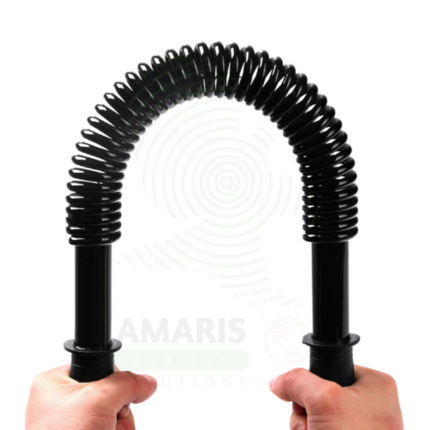
Power Twister
A Power Twister is a U-shaped spring steel bar that is bent (twisted) using both hands, providing progressive resistance for grip, forearm, wrist, and upper extremity strengthening. The spring steel construction offers varying resistance levels from light to extra heavy, allowing patients to progress from basic grip strengthening to advanced forearm conditioning as strength improves. The controlled twisting motion targets the forearm flexors and extensors, wrist stabilizers, and intrinsic hand muscles—critical for restoring grip strength needed for opening jars, carrying objects, and performing activities of daily living. For the physical therapist and hand therapist, the power twister provides both isometric and dynamic resistance training, enabling progressive loading throughout the rehabilitation continuum for conditions such as carpal tunnel syndrome, tennis elbow (lateral epicondylitis), golfer's elbow (medial epicondylitis), and post-casting weakness. The bilateral twisting motion also challenges motor planning and neuromuscular control, making it useful for patients recovering from stroke or unilateral weakness. Portable, self-contained, and requiring no additional equipment, the power twister is an effective tool for grip strength rehabilitation, sports performance enhancement, and home exercise programs.
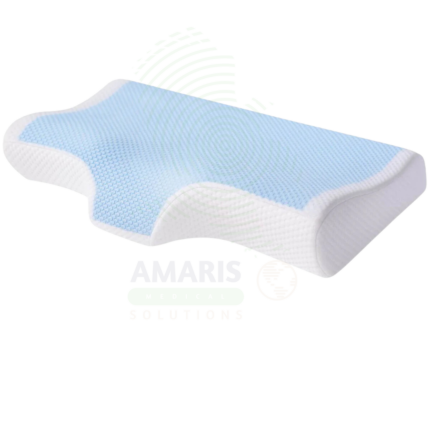
Pressure Absorbing Neck Pillow With Gel & Memory Foam
A Pressure Absorbing Neck Pillow With Gel & Memory Foam is an ergonomic therapeutic pillow combining viscoelastic memory foam for pressure redistribution, gel infusion for temperature regulation, and contoured cervical support for proper spinal alignment during sleep. The memory foam conforms to the head and neck contours, reducing peak pressures on the occiput and mastoid processes—preventing pressure ulcers in bedridden patients and reducing pain in those with cervical spondylosis, herniated discs, or whiplash injuries. The elevated cervical roll provides gentle traction, separating vertebral bodies and decompressing nerve roots. The gel-infused layer dissipates body heat, addressing a common barrier to therapeutic pillow adherence. Available in various firmness levels and loft heights to accommodate back, side, and combination sleepers, this pillow supports the natural cervical lordosis in supine positions and maintains neutral alignment in side-lying positions. For the orthopedic surgeon and physical therapist, this pillow provides a non-invasive intervention for chronic neck pain management and pressure ulcer prevention. For the patient with cervical degenerative disease, radiculopathy, or prolonged bedrest, the pressure absorbing neck pillow reduces morning pain, improves sleep quality, protects vulnerable skin, and supports cervical spine health during rest.
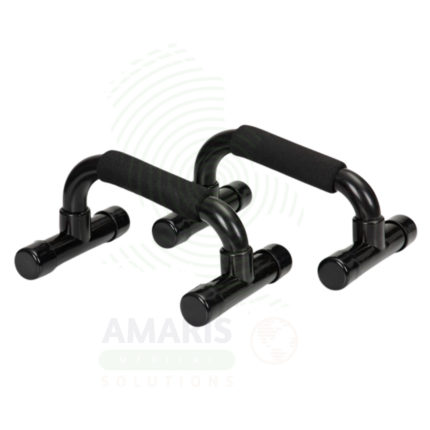
Push-up Bar
A Push-up Bar is a raised handle device that allows push-ups to be performed with neutral wrist alignment, reducing wrist extension stress while enabling chest, shoulder, and triceps strengthening. The ergonomic handles position the hands in a neutral handshake position, eliminating the painful wrist extension required for traditional floor push-ups—making them essential for patients with wrist pathology, carpal tunnel syndrome, or post-operative wrist conditions. For the physical therapist and occupational therapist, push-up bars enable patients with wrist arthritis, distal radius fracture recovery, or chronic wrist pain to perform essential upper extremity pushing exercises without exacerbating wrist symptoms—maintaining chest, shoulder, and triceps strength critical for pushing, lifting, and transferring activities. The elevated handles also allow for a greater range of motion, increasing muscle activation in the pectoralis major, anterior deltoid, and triceps brachii while maintaining proper joint alignment. Constructed from durable steel or aluminum with non-slip rubber bases for floor stability, push-up bars support body weight safely during dynamic exercise. For the patient recovering from shoulder injury, wrist pathology, or deconditioning, push-up bars provide a safe, effective tool for rebuilding upper body strength, improving functional mobility, and supporting return to independent living.
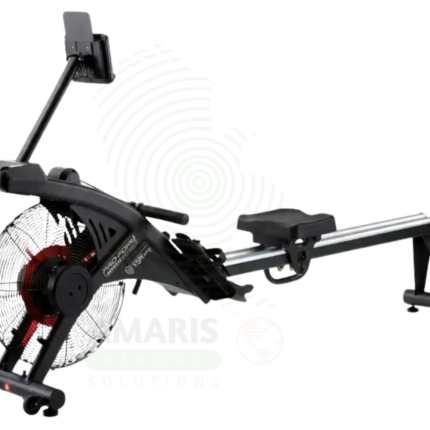
Rowing Machine
A Rowing Machine is a stationary exercise machine with a sliding seat, footrests, and a handle attached to a resistance mechanism that simulates the motion of rowing, providing total body cardiovascular conditioning and strengthening. The rowing stroke engages approximately eighty-five percent of the body's musculature—including legs (quadriceps, hamstrings, gluteals), back (latissimus dorsi, rhomboids, trapezius), arms (biceps, triceps, forearms), and core (abdominals, obliques, erector spinae)—in a coordinated, fluid motion. The non-weight-bearing, low-impact design minimizes stress on the knees, hips, and spine, making it an ideal exercise modality for patients with osteoarthritis, joint replacement, or chronic joint pain. For the physical therapist and exercise physiologist, the rowing machine provides efficient total body conditioning for cardiac rehabilitation, pulmonary rehabilitation, and orthopedic recovery. For the patient with cardiovascular disease, deconditioning, or chronic low back pain, regular rowing improves cardiovascular fitness, rebuilds total body strength, enhances core stability, and supports functional independence—all with minimal joint impact.
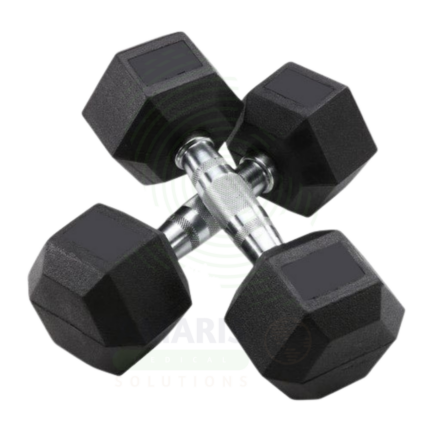
Rubber Hex Dumbbells
Rubber Hex Dumbbells are weighted handheld weights with a durable rubber coating and hexagonal shape, used for progressive resistance training of upper and lower extremities in rehabilitation, clinical, and fitness settings. Available in weights ranging from two to one hundred pounds, with a knurled steel handle for secure grip and vulcanized rubber coating on the weight heads, these dumbbells provide a durable, stable tool for progressive resistance training that can be easily advanced as strength improves. For the physical therapist and occupational therapist, rubber hex dumbbells enable targeted strengthening of upper extremity muscles—rebuilding the strength needed for lifting, carrying, pushing, and pulling activities essential for independent self-care and household tasks. When held during squats, lunges, step-ups, and deadlifts, they add resistance that strengthens lower extremity musculature—improving the strength needed for stair climbing, rising from a chair, and safe community ambulation. The hexagonal shape prevents rolling when placed on the floor, providing safe, stable storage and reducing trip hazards during exercise transitions—critical for patients with balance impairment or mobility limitations. The durable rubber coating protects clinic floors from impact damage, reduces noise, and provides a secure, non-slip surface that resists chipping and corrosion. For the patient recovering from rotator cuff injury, total joint replacement, stroke, or general deconditioning, rubber hex dumbbells provide safe, progressive resistance training that builds functional strength, improves mobility, and supports return to independent living.
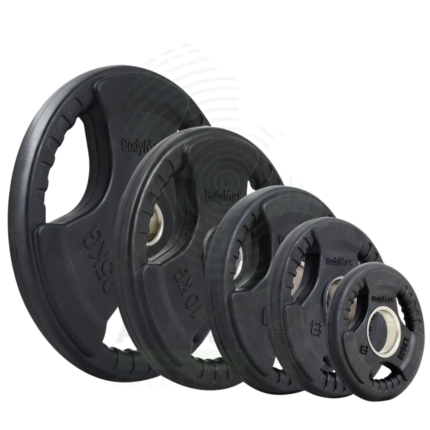
Rubber Plate Weight
Rubber Plate Weights are durable, rubber-coated cast iron weight plates used with barbells, dumbbells, or plate-loaded machines for progressive resistance training in rehabilitation, clinical, and fitness settings. Available in standardized weight increments from 2.5 to 45 pounds, with a cast iron core and durable rubber coating that protects floors from impact damage, reduces noise, and resists rust and corrosion, these plates provide safe, reliable resistance for strength training across the rehabilitation continuum. Bumper plate versions are designed to be dropped from height without damaging floors or equipment, enabling safe performance of Olympic lifts (clean, snatch) and high-intensity exercises essential for athletes progressing through return-to-sport rehabilitation. For the physical therapist and sports medicine clinician, rubber plate weights enable progressive resistance training that rebuilds lower extremity strength following total knee replacement, hip fracture, and ACL reconstruction—with squat, deadlift, and lunge variations strengthening the quadriceps, hamstrings, gluteals, and calf muscles needed for standing, walking, and stair climbing. For the patient, the rubber coating reduces noise and impact shock when weights are placed down, creating a less intimidating environment that encourages confidence and engagement in strength training activities. For the rehabilitation facility manager, rubber plate weights offer a long-term investment in equipment durability while protecting clinic flooring and creating a calmer therapeutic environment for patient care.
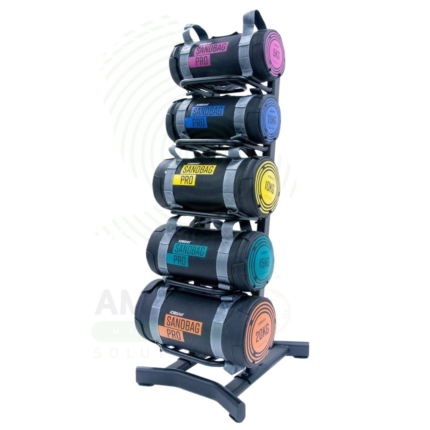
Sandbag
A Sandbag is a flexible, weighted bag filled with sand or other granular material used for functional strength training, grip conditioning, core stabilization, and power development in rehabilitation and fitness settings. Unlike traditional weights with fixed centers of mass, the sandbag's shifting weight distribution challenges stabilizer muscles throughout the kinetic chain—developing functional strength that translates directly to activities of daily living such as lifting groceries, carrying laundry, and moving household items. Lifting and holding the sandbag requires sustained grip strength and forearm engagement, providing specific conditioning for patients with arthritis, carpal tunnel syndrome, or post-operative hand weakness. Lifting, carrying, and rotating with the sandbag challenges the core musculature to stabilize the spine against the shifting load—developing the stabilizing strength that protects the lumbar spine during daily activities. For the physical therapist and occupational therapist, the sandbag provides a versatile, functional training tool for rebuilding strength, grip, and core stability across diverse patient populations—from elderly patients with deconditioning to athletes requiring explosive power development.
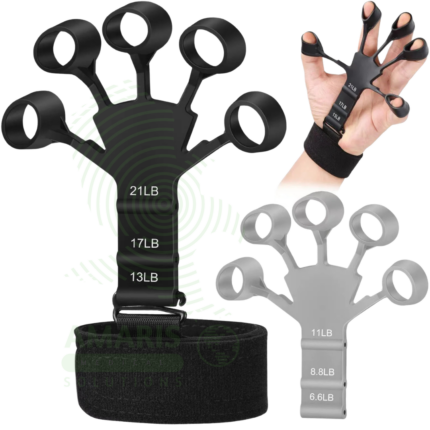
Silicone Finger Exerciser
A Silicone Finger Exerciser is a hand rehabilitation tool used to strengthen finger flexor and extensor muscles following hand surgery, tendon repair, arthritis, stroke, and neurological conditions. Made from medical-grade, hypoallergenic silicone, it provides variable resistance for progressive strengthening of grip, pinch, and individual finger function. Used in hand therapy, occupational therapy, and home exercise programs, it helps patients regain hand strength and dexterity needed for activities of daily living. Available in multiple resistance levels, it is portable, easy to clean, and safe for repeated use.
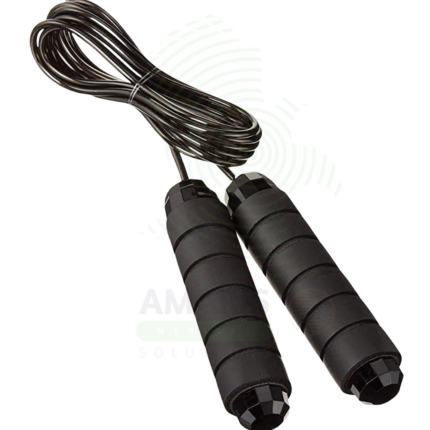
Skipping Rope
A Skipping Rope is a lightweight rope with handles designed to be swung over the head and jumped over repeatedly, delivering high-intensity cardiovascular conditioning, plyometric training, and coordination development. The repetitive jumping motion provides efficient cardiovascular exercise that improves VO₂ max, stroke volume, and aerobic capacity in a short period, while the impact forces provide osteogenic loading that stimulates bone formation and maintains bone mineral density. The coordinated timing of rope rotation and jump challenges motor planning, bilateral coordination, and rhythm—essential skills for athletic performance and functional movement. For the sports medicine clinician and physical therapist, skipping rope provides controlled plyometric training that develops lower extremity power, agility, and neuromuscular coordination for return-to-sport rehabilitation following ankle sprain, ACL reconstruction, or lower extremity injury. For the patient with adequate functional capacity, regular skipping rope exercise improves cardiovascular fitness, supports weight management, and reduces cardiac risk factors. Portable, inexpensive, and requiring minimal space, the skipping rope is an accessible tool for home-based exercise, community wellness programs, and rehabilitation progression.
Speed Jump Rope
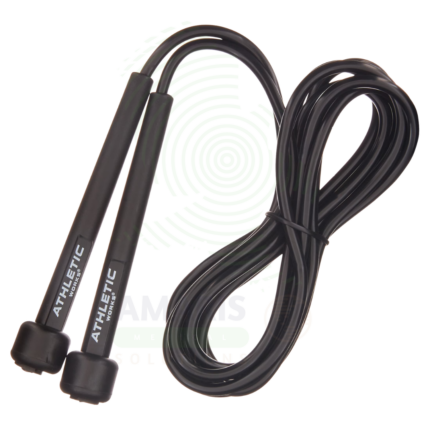
A Speed Jump Rope is a lightweight, streamlined rope with ball-bearing handles designed for rapid rotation speeds, delivering high-velocity cardiovascular conditioning, agility training, and advanced neuromuscular coordination. The ultra-light steel cable or coated cable construction, combined with high-speed ball-bearing handles, enables rotation speeds of five to eight rotations per second—allowing for high-intensity interval training that rapidly elevates heart rate, improves VO₂ max, and maximizes caloric expenditure in minimal time. The demanding coordination of high-speed rotation and precise jump timing challenges neuromuscular control, rhythm, and motor planning, while single-leg jumps and complex footwork patterns develop agility, foot speed, and reactive control. For the sports medicine clinician and physical therapist, the speed jump rope provides advanced plyometric and agility training for return-to-sport following ACL reconstruction, ankle instability, or lower extremity injury—bridging the gap between basic rehabilitation and high-level athletic performance. For the athlete and high-functioning patient, speed rope training develops anaerobic power, lactate threshold, and the explosive lower extremity strength essential for cutting, pivoting, and quick directional changes in sport.
Spin Bike
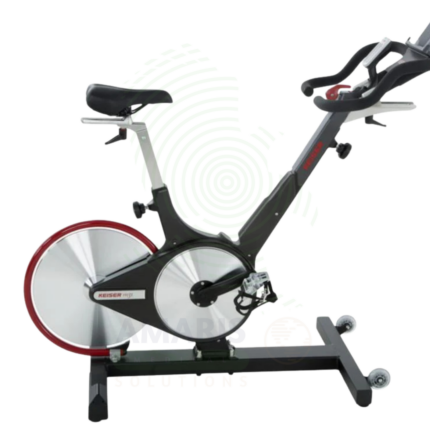
A Spin Bike is a heavy-flywheel stationary bicycle designed for high-intensity interval training, cardiovascular conditioning, and lower extremity strengthening in clinical rehabilitation and fitness settings. Featuring a heavy flywheel (typically 40-60 pounds) that creates smooth, continuous momentum, adjustable friction or magnetic resistance for progressive loading, and multi-position handlebars with a racing-style seat, the spin bike enables high-caloric expenditure exercise that improves VO₂ max, stroke volume, and muscular endurance. The closed-chain, non-weight-bearing mechanics allow patients with knee, hip, or ankle arthritis, post-surgical restrictions, or weight-bearing limitations to achieve high-intensity cardiovascular and strengthening benefits without joint impact. For the physical therapist and sports medicine clinician, the spin bike supports rehabilitation following ACL reconstruction, total knee replacement, and patellofemoral pain syndrome, while providing forced-rate training protocols for Parkinson's disease and reciprocal movement retraining for stroke patients. For the patient with cardiovascular disease, obesity, or metabolic syndrome, regular spin bike exercise improves cardiac function, supports weight management, and enhances insulin sensitivity. Built on a heavy-gauge steel frame with emergency braking and leveling stabilizers, the spin bike provides a stable, safe platform for high-intensity exercise across diverse patient populations.
Squeeze Ball
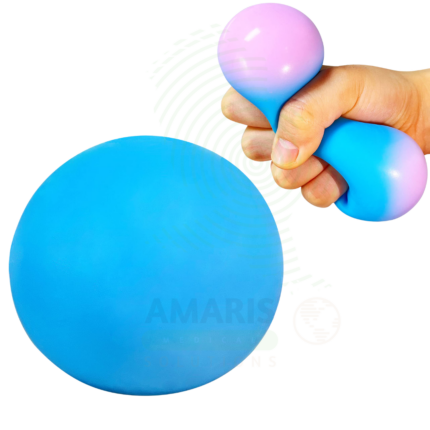
A Squeeze Ball is a soft, deformable therapy device designed for repetitive compression to improve hand grip strength, maintain finger range of motion, and provide stress relief in clinical rehabilitation settings. Manufactured from polyurethane foam, memory foam, gel-filled fabric, or rubber, these balls are available in multiple resistance levels from extra soft (pediatric/geriatric) to firm (advanced strengthening) to accommodate patients with varying degrees of hand weakness. The simple squeezing action exercises the intrinsic hand muscles, thenar eminence, and forearm flexors—improving grip strength needed for activities of daily living such as grasping objects, opening jars, and performing self-care tasks. For the occupational therapist and physical therapist, the squeeze ball provides a portable, graded resistance tool for hand rehabilitation following stroke, nerve injury, hand surgery, or prolonged immobilization. For the patient with arthritis, carpal tunnel syndrome, or chemotherapy-induced neuropathy, regular squeeze ball exercises maintain hand function, reduce stiffness, and improve quality of life. For the anxious patient or child undergoing a procedure, the squeeze ball offers a non-pharmacological stress reduction tool that provides tactile distraction and calming sensory input.
TENS Machine
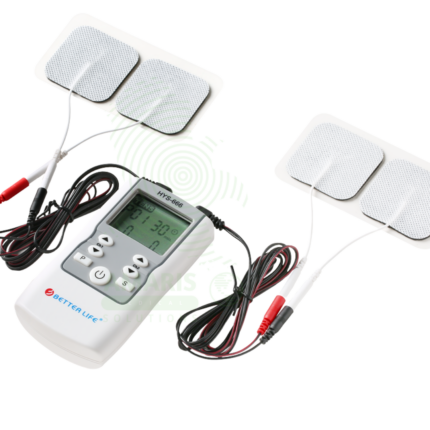
A TENS Machine is an electronic device used for non-invasive pain management, capable of independently controlling up to four pairs of electrodes (eight total) to treat multiple or complex pain areas simultaneously. By delivering adjustable, low-voltage electrical pulses through the skin, it modulates pain signals via the Gate Control mechanism and may stimulate the body's natural painkillers. Its key adjustable parameters—pulse rate, width, and amplitude—allow for personalized therapy for conditions ranging from arthritis to post-surgical pain. Safe operation requires strict adherence to electrode placement guidelines and contraindications, making it a versatile tool for clinical and prescribed home use.