Dermatoscope and Magnifiers
 Diagnostic Kits
 Vital Signs Monitors
 Stethoscopes and Accessories
 Otoscopes, Ophthalmoscopes, and Retinoscopes
 Reflex Hammers and Neurological Tools
 Scales and Measuring Devices
 Spirometers and Pulmonary Function Tests
 Electrosurgical Units and Accessories
 Cutting Instruments
 Grasping and Holding Instruments
 Hemostatic Instruments
 Specialized Surgical Sets
 Single-Use Procedure Trays and Packs
 Surgical Drapes, Gowns, and Covers
 Tissue Unifying Instruments
 Radiation Protection
 X-Ray Machines and Accessories
 Ultrasound Systems and Probes
 MRI and CT Scanners
 Radiology Consumables
 Bone Densitometers
 Fluoroscopy Equipment
 Imaging Tables and Positioning Aids
 Microscopes and Accessories
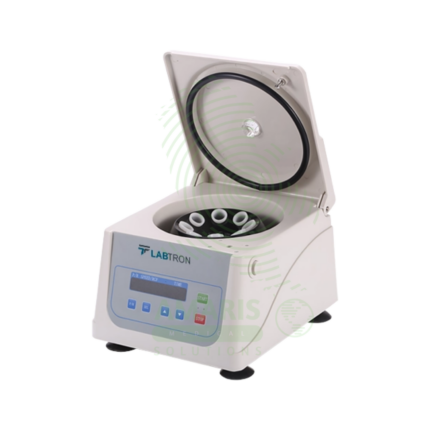
 Centrifuges and Separators
 Analyzers
 Incubators and Ovens
 Pipettes, Dispensers, and Lab Glassware
 Refrigerators, Freezers, and Storage Units
 Lab Consumables
 Sterilizers and Autoclaves for Lab Use
 Multi-Parameter Monitors
 Ventilators and Respiratory Support Devices
 Defibrillators and AEDs
 Infusion Pumps and IV Systems
 Patient Warmers and Cooling Devices
 Central Monitoring Stations
 Accessories
 Anesthesia Machines and Workstations
 Oxygen Concentrators and Delivery Systems
 Nebulizers and Inhalers
 CPAP/BiPAP Machines
 Airway Management
 Anesthesia Masks, Circuits, and Bags
 Humidifiers and Heaters
 Respiratory Therapy Accessories
 First Aid Kits and Cabinets
 Emergency Resuscitation Equipment
 Trauma Supplies
 Emergency Carts and Crash Carts
 Burn Care Products
 Bleeding Control
 Automated External Defibrillators (AEDs)
 Transport and Evacuation
 Wheelchairs and Accessories
 Walkers, Crutches, and Canes
 Prosthetics and Orthotics
 Physical Therapy Equipment
 Transfer Devices
 Bathroom Safety
 Orthopedic Traction and Tables
 Hot/Cold Therapy Packs and Units
 Beds and Mattresses
 Chairs and Stools
 Tables
 Cabinets and Storage
 Privacy Screens & Curtains
 Stands and Racks
 Linens and Textiles
 Lighting
 Autoclaves and Sterilizers
 Ultrasonic Cleaners
 Disinfectant Solutions and Wipes
 Sterilization Pouches, Wraps, and Indicators
 Instrument Trays and Containers
 UV and Ozone Disinfection Devices
 Washer Disinfectors
 Wound Care
 Gloves
 Masks and Respirators
 Catheters and Tubing
 Swabs, Applicators, and Sponges
 Incontinence Products
 Personal Protective Equipment (PPE)
 Dental Chairs and Units
 Handpieces and Burs
 Instruments
 Consumables
 Sterilization for Dental Use
 Orthodontic Supplies
 Endodontic Tools
 Slit Lamps and Tonometers
 Lensometers and Phoropters
 Ophthalmic Surgical Instruments
 Eyewear Frames and Lenses
 Contact Lens Supplies
 Vision Testing Charts and Devices
 Eye Care Consumables
 Laser Systems for Eye Care
 ENT Exam Chairs and Tables
 Endoscopes
 Audiometers and Hearing Tests
 ENT Instruments
 Nasal and Throat Packs
 Hearing Aids and Accessories
 Otology Supplies
 Fetal Dopplers and Monitors
 Delivery Beds and Tables
 Gynecological Instruments
 Neonatal Incubators and Warmers
 Breast Pumps and Accessories
 Contraceptive Devices
 Maternity Supports and Pads
 Neonatal Consumables
 Cystoscopes and Urethroscopes
 Dialysis Machines and Supplies
 Urological Catheters and Bags
 Lithotripters
 Prostate Treatment Devices
 Urinary Incontinence Products
 Kidney Stone Management Tools
 Consumables & Disposables
 EEG and EMG Machines
 Neurosurgical Instruments
 Nerve Stimulators
 Headrests and Positioning Aids
 Lumbar Puncture Kits
 Seizure Monitoring Devices
 Consumables
 Rehabilitation for Neurological Conditions
 ECG Machines and Accessories
 Holter Monitors
 Stress Test Systems
 Pacemakers and Defibrillator Accessories
 Vascular Access Devices
 Cardiac Catheters and Guidewires
 Blood Flow Meters
 Consumables
 Orthopedic Instruments
 Casts, Splints, and Padding
 Joint Replacement Supplies
 Prosthetic Limbs and Components
 Bone Grafts and Substitutes
 Traction Devices
 Orthopedic Braces and Supports
 Rehabilitation Aids for Orthopedics
 Home Oxygen Therapy
 Hospital Beds for Home Use
 Mobility Aids
 Bathroom and Daily Living Aids
 Wound Care for Home
 Monitoring Devices
 Enteral Feeding Pumps and Tubes
 Hand Sanitizers and Dispensers
 Face Shields and Goggles
 Isolation Gowns and Suits
 Biohazard Waste Containers
 Air Purifiers and HEPA Filters
 Surface Disinfectants
 Sharps Containers
 Protective Barriers
 Cardiovascular & Endurance Training
 Strength Training & Weightlifting
 Functional Training & Core Conditioning
 Physical Therapy & Rehabilitation
 Sports & Outdoor Recreation
 Gym Flooring & Facility Equipment
 Fitness Monitoring & Accessories
 Kids & Novelties












Lab Consumables
Essential single-use products and accessories that support the safety, integrity, and efficiency of laboratory testing and research workflows. This category includes pipette tips, microplates, sample tubes, culture media, petri dishes, filtration units, gloves, and disposable labware. These items ensure sample purity, prevent cross-contamination, enable precise measurements, and facilitate standardized procedures across disciplines such as microbiology, chemistry, hematology, and molecular biology. Ideal for clinical laboratories, research institutes, hospital labs, and biotechnology facilities.
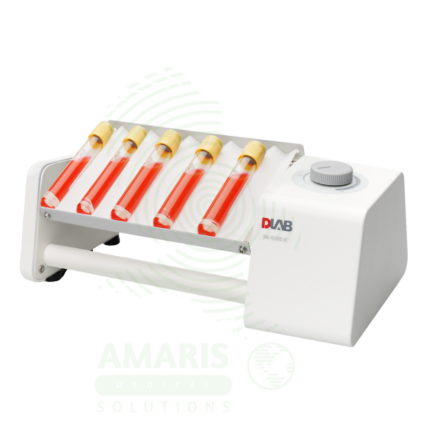
Short Deck Rocking Rotator (SK-R30S-E)
The Short Deck Rocking Rotator is a compact short-deck single-layer rocking rotator featuring adjustable speed control (0-30 rpm), fixed 40° tilt angle, continuous operation mode, and a maintenance-free brushless DC motor, designed for gentle, uniform mixing of blood tubes, serology specimens, and molecular biology samples in space-constrained clinical diagnostic and research laboratories .
Key features include a short deck (235mm length) that accommodates up to 8 × 5-10mL blood collection tubes, 4 × 50mL centrifuge tubes, or 10 × 15mL centrifuge tubes using interchangeable silicone mattresses, fixed 40° ± 3° rocking motion for gentle, thorough mixing, continuous operation mode for extended use, analog speed control (0-30 rpm) with On/Off switch and indicator light, and a maintenance-free brushless DC motor for quiet, reliable operation . The unit's compact footprint (235 × 160 × 130 mm) and lightweight design (1.9 kg) allow easy benchtop placement in space-constrained laboratories .
The Short Deck Rocking Rotator accommodates a variety of tube formats via interchangeable silicone mattress accessories (8-position for 5-10mL blood tubes, 4-position for 50mL tubes, 10-position for 15mL tubes), with universal voltage (100-240V, 50/60Hz) enabling use in laboratories worldwide without voltage conversion . The cold room and incubator compatibility (5-40°C operating temperature, ≤80% RH) allows sample mixing under controlled temperature conditions for temperature-sensitive applications .
For the clinical laboratory scientist and phlebotomist, the SK-R30S-E ensures gentle, thorough mixing of blood samples after collection—preventing clot formation, platelet activation, and hemolysis that could compromise complete blood count (CBC) and coagulation study (PT/PTT) results . For the immunology technologist, it supports RPR and VDRL serological testing for infectious diseases (HIV, syphilis, hepatitis) . For the molecular biologist, it facilitates gentle mixing of DNA, RNA, and protein samples for PCR and sequencing workflows .
Universal voltage (100-240V, 50/60Hz) enables use in laboratories worldwide without voltage conversion . The silicone mattresses provide secure tube retention and are easy to clean and decontaminate between sample batches .
For the patient undergoing coagulation monitoring (warfarin, heparin), complete blood count (CBC), serological testing for infectious diseases, or molecular diagnostic testing, the SK-R30S-E's gentle rocking motion ensures accurate test results that guide appropriate treatment decisions—preventing false-negative or false-positive results due to improper sample mixing, clot formation, or platelet activation .
Anti-Streptol Olysin O Titer (ASOT)
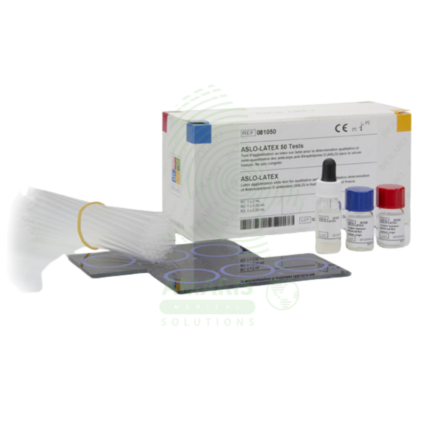
Anti-Streptol Olysin O Titer (ASOT) is a quantitative or semi-quantitative serological test (latex agglutination, turbidimetry, nephelometry, or ELISA) for detecting antibodies against streptolysin O, an exotoxin produced by Group A Streptococcus. Elevated or rising titers indicate recent streptococcal infection and are essential for diagnosing post-streptococcal sequelae including acute rheumatic fever (Jones criteria) and post-streptococcal glomerulonephritis. The test requires serum samples; acute and convalescent (2-4 weeks apart) with fourfold rise confirms recent infection. Reference range typically <200-250 Todd units/mL (adults), varies by age and population. Primary clinical applications include diagnosis of Group A streptococcal infections, acute rheumatic fever evaluation, post-streptococcal glomerulonephritis diagnosis, differentiation of acute vs. past infection, evaluation of unexplained arthritis or carditis, pediatric inflammatory conditions (PANDAS), and monitoring disease activity in rheumatic fever. Critical safety precautions include proper timing of acute and convalescent samples, awareness of false negatives/positives, clinical correlation for diagnosis, and standard biohazard precautions. Essential test for rheumatology, nephrology, cardiology, and infectious disease practice.
Applicator Sticks
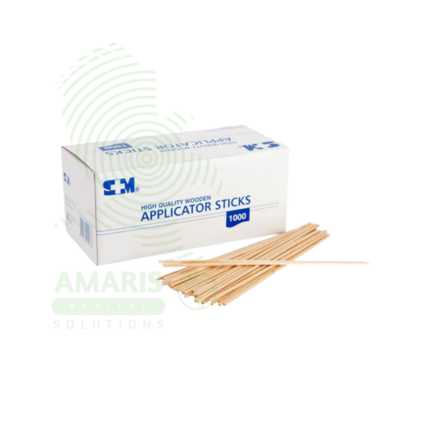
Applicator Sticks are single-use medical devices with absorbent tips (cotton, rayon, flocked polyester) on wood, plastic, or paper shafts for collecting clinical specimens (throat, nasal, wound, cervical, urethral, rectal) for microbiological culture, rapid testing, and molecular diagnostics. Sterile individually wrapped or non-sterile bulk formats. Flocked swabs provide >90% specimen release for PCR testing. Primary applications include specimen collection for infection diagnosis, wound care and antiseptic application, gynecological sampling (Pap smears, STI testing), eye/ear specimen collection, laboratory slide preparation, and forensic evidence collection. Critical precautions include single-use only, sterile technique, proper collection method, and biohazard disposal. Essential consumable in all clinical settings.
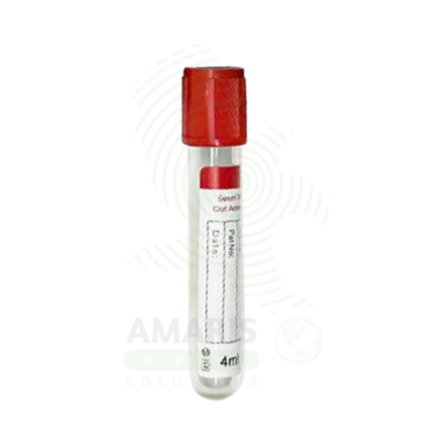
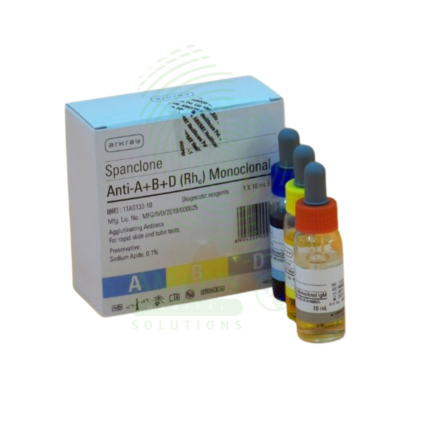
Blood Grouping kit
A Blood Grouping Kit is a Class II medical device (FDA-cleared/CE-marked) containing monoclonal antibodies (Anti-A, Anti-B, Anti-D) and control reagents for determining ABO blood group and Rh factor by agglutination method. The kit includes color-coded reagent vials, reaction cards or slides, mixing sticks, lancets, and capillary pipettes. Test time 2-5 minutes (slide method) or 15-30 minutes (tube method). Interpretation based on agglutination pattern: Anti-A positive = group A; Anti-B positive = group B; both positive = group AB; both negative = group O; Anti-D positive = Rh positive; Anti-D negative = Rh negative. Primary clinical applications include pre-transfusion compatibility testing, prenatal and neonatal testing (Rh incompatibility prevention), preoperative blood typing, blood donor screening, and emergency blood typing. Critical safety precautions include refrigerated storage (2-8°C), proper disposal of lancets in sharps containers, universal precautions for blood samples, and confirmation with reverse typing when possible. Essential kit for transfusion medicine, obstetrics, surgery, and emergency care.
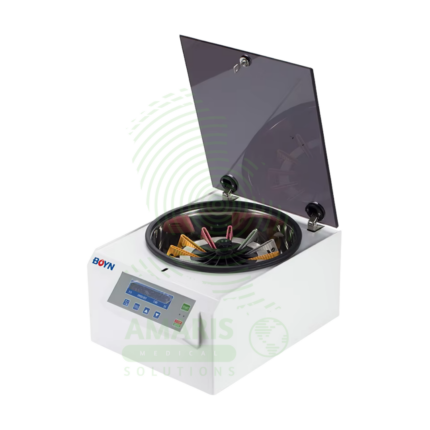
Blood ID Centrifuge
The Blood ID Centrifuge is a specialized benchtop centrifuge designed specifically for blood banking and immunohematology applications using gel card or column agglutination technology. It is optimized for centrifuging gel cards used in ABO/Rh typing, antibody screening, cross-matching, direct and indirect antiglobulin tests (Coombs tests), and antibody identification procedures. Features include fixed-angle or swing-out rotors with specialized gel card holders, programmable cycles (speed, time, acceleration/deceleration) for different test protocols, digital display, imbalance detection, and safety lid lock. Capacity typically 6-24 gel cards per run with speeds optimized at 1,000-2,500 RPM for gel card processing. Primary clinical applications include blood typing and cross-matching in transfusion medicine, antibody identification and titer determination, direct and indirect antiglobulin testing, newborn cord blood testing, donor screening, and quality control in immunohematology. Essential equipment for hospital blood banks, donor centers, and immunohematology reference laboratories requiring standardized, reproducible gel card test results.
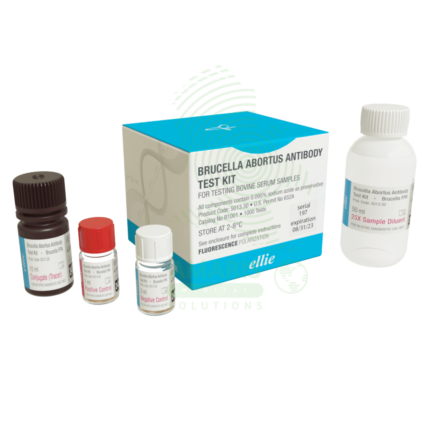
Brucella Set
A Brucella Set is a comprehensive serological test system (Class II medical device, CE-marked/FDA-cleared) for qualitative and quantitative detection of antibodies against Brucella species (B. abortus, B. melitensis, B. suis, B. canis) using multiple methodologies including tube agglutination, slide agglutination, and 2-mercaptoethanol (2-ME) testing. The set includes killed, stained Brucella antigens, positive and negative controls, dilution tubes, reaction cards, and 2-ME reagent for IgM/IgG differentiation. Diagnostic titer ≥1:160 or fourfold rise confirms brucellosis. Primary clinical applications include diagnosis of brucellosis in endemic regions (undulant fever, night sweats, arthralgia), fever of unknown origin investigation, occupational health screening in high-risk workers (veterinarians, farmers, slaughterhouse workers), diagnosis of focal complications (sacroiliitis, spondylitis, meningitis, endocarditis), treatment monitoring (fourfold decline indicates response), outbreak investigation, and public health surveillance. Critical safety precautions include handling all samples in biosafety cabinet (Brucella is highly infectious via aerosol), 2-ME reagent toxicity (use fume hood), awareness of prozone phenomenon (serial dilutions essential), cross-reactions with other Gram-negative bacteria, and mandatory reporting to public health authorities. Essential test for brucellosis diagnosis in endemic regions and occupational health settings.
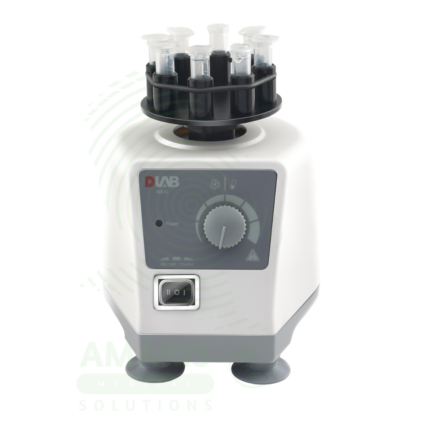
Cell Disruptor (MX-C)
The Cell Disruptor (MX-C) is a compact, high-speed benchtop homogenizer designed for the efficient mechanical lysis of biological samples. Utilizing a 4mm orbital diameter at speeds up to 3000 rpm, it employs circumferential vortex oscillation to break down the cell walls of bacteria, yeast, algae, and fungi to release intracellular contents . With a capacity to process up to eight 2.0 mL microtubes simultaneously, it facilitates rapid, hands-free sample preparation for downstream molecular workflows .
Ideal for research and clinical laboratories, the Cell Disruptor (MX-C) ensures constant, controlled shear rates that maintain the genomic integrity of released DNA and RNA, which is crucial for accurate PCR and sequencing results . Its robust construction, easy operation, and ability to handle tough microorganisms (including Gram-positive bacteria) make it an essential tool for genomic extraction and purification .
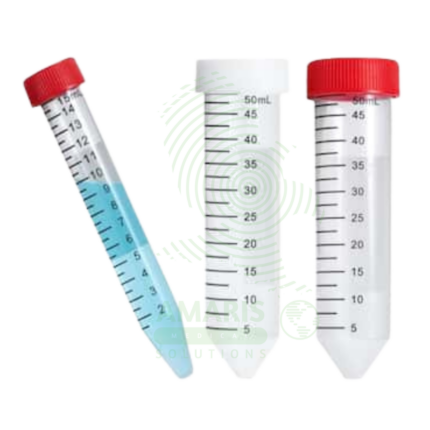
Centrifuge Tubes
Centrifuge Tubes are specialized disposable containers (polypropylene) designed to withstand high centrifugal forces (up to 30,000 x g) for separating biological fluids based on density. Available in microcentrifuge sizes (0.2-2.0 mL), conical tubes (15 mL, 50 mL), and larger volumes (100-500 mL). Features include leak-proof screw caps with O-rings (conical tubes), snap caps (microcentrifuge tubes), graduated volume markings, writing areas, and sterile/non-sterile options. Certified RNase/DNase-free, pyrogen-free, and autoclavable. Primary clinical applications include blood component separation (serum/plasma), urine sediment preparation, microbiology sample concentration, molecular biology (DNA/RNA extraction), cell culture processing, protein/enzyme analysis, and viral load testing. Critical safety precautions include never exceeding maximum RCF rating, proper balancing by weight, secure cap tightening, inspection for cracks, and disposal as biohazardous waste. Essential consumable in every clinical, research, and industrial laboratory.
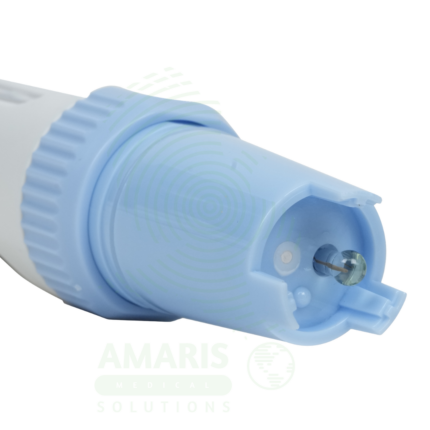
Conductivity Probe (DPC1-S)
The Conductivity Probe (DPC1-S) is a replacement combined multi-parameter electrode specifically designed for DLAB Conductivity Probe (DPC1-S) pen-type multi-parameter meter and DPC1+ Bluetooth pen meter, integrating pH sensing (glass bulb), conductivity sensing (platinum electrodes), and temperature sensing (thermistor) into a single replaceable probe for comprehensive water quality analysis .
The Conductivity Probe (DPC1-S) enables the DPC1 and DPC1+ meters to measure pH (-2.00 to 16.00 pH, accuracy ±0.01 pH), conductivity (0 to 19.99 mS/cm, auto-ranging, accuracy ±1.0 percent full scale), TDS (0.0 mg/L to 10.0 g/L with adjustable coefficient), salinity (0 to 10 ppt), resistivity (50 Ω·cm to 20 MΩ·cm), and temperature (0 to 60 degrees Celsius, accuracy ±0.2 degrees Celsius) .
The probe is pre-installed in new DPC1 and DPC1+ meter kits and is available as a replacement part to extend instrument service life—electrode replacement rather than complete meter replacement . The combined electrode design integrates multiple sensing elements into one probe, eliminating the need for separate electrodes for different parameters . The probe supports 1 to 3 point automatic pH calibration with buffer recognition and 1 point automatic conductivity calibration with standard solution recognition, and is compatible with CH, USA, and NIST standard buffer solutions for flexible calibration options . The probe shares the meter's IP67 dustproof and waterproof rating for reliable operation in harsh field environments .
For the clinical laboratory scientist, dialysis technician, and water quality specialist, the Conductivity Probe (DPC1-S) ensures continued, accurate multi-parameter water quality monitoring of purified water systems, dialysis fluids, and pharmaceutical process water—critical parameters for ensuring patient safety during renal replacement therapy and drug manufacturing. The combination electrode design simplifies field testing by integrating all necessary sensors into a single probe, and replacement is straightforward for trained laboratory personnel.
For the patient, reliable replacement parts ensure continuous water quality monitoring in dialysis and pharmaceutical applications, preventing gaps in quality surveillance that could compromise patient safety.
Conductivity Probe (DPH1-S)
The Conductivity Probe (DPH1-S) is a replacement combined pH/ORP electrode specifically designed for DLAB DPH1 pen-type pH/ORP meter and DPH1+ Bluetooth pen meter . The probe features a glass pH sensing bulb for precise pH measurement, an integrated thermistor for automatic temperature compensation (ATC), and a polycarbonate body that is resistant to many aqueous solutions but should avoid organic solvents such as carbon tetrachloride, trichloroethylene, tetrahydrofuran, toluene, xylene, and methyl ethyl ketone .
The Conductivity Probe (DPH1-S) enables the DPH1 and DPH1+ meters to measure pH (-2.00 to 16.00 pH, accuracy ±0.01 pH) , ORP (-1000.0 to +1000.0 mV, accuracy ±0.1 percent of full scale ±1 digit), and temperature (0 to 60 degrees Celsius, accuracy ±0.2 degrees Celsius) . When used with the compatible meters, the probe supports 1 to 3 point automatic pH calibration with buffer recognition and is compatible with CH, USA, and NIST standard buffer solutions for flexible calibration options . The probe shares the meter's IP67 dustproof and waterproof rating for reliable operation in harsh field environments .
The probe features a removable protective cover that prevents damage to the glass pH sensing bulb and facilitates easy cleaning . The probe is pre-installed in new DPH1 and DPH1+ meter kits and is available as a replacement part to extend instrument service life—electrode replacement rather than complete meter replacement . Replacement is straightforward for trained laboratory personnel, and the probe is a consumable item not covered under the instrument warranty .
For the clinical laboratory scientist, dialysis technician, and water quality specialist, the Conductivity Probe (DPH1-S) ensures continued, accurate pH and ORP monitoring of purified water systems, dialysis fluids, biological fluids, and pharmaceutical process water—critical parameters for ensuring patient safety during renal replacement therapy, diagnosing acid-base disorders, and supporting drug manufacturing.
For the patient, reliable replacement parts ensure continuous water quality monitoring in dialysis and pharmaceutical applications, preventing gaps in quality surveillance that could compromise patient safety. Accurate pH measurement of biological fluids supports early detection of metabolic disturbances, acid-base imbalances, and renal dysfunction, enabling timely clinical intervention.
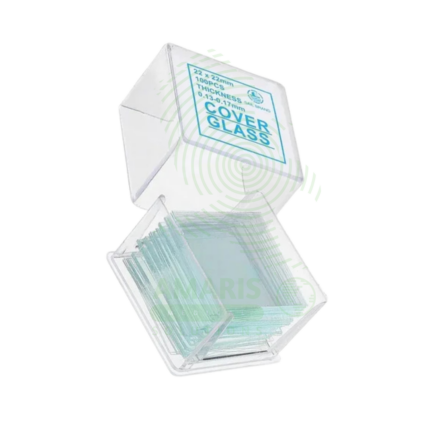
Cover Glass
Cover Glass (coverslips) are thin, transparent glass or plastic squares (e.g., 18×18 mm, 22×22 mm) or rectangles (22×30 mm, 24×50 mm) used to cover specimens on microscope slides for microscopic examination. Available in thickness No. 1 (0.13-0.16 mm) and No. 1.5 (0.16-0.19 mm) for optimal microscopy. Made from optical glass with high light transmission (>90%), refractive index 1.52 matching immersion oil. Packaged in boxes of 100-1000, interleaved with paper to prevent scratching. Primary clinical applications include covering blood films for manual differential counts and malaria diagnosis, wet mount preparations of urine sediment and vaginal secretions, histopathology and cytology slides, Gram-stained bacterial smears, semen analysis, KOH preparations for fungal elements, and India ink preparations for Cryptococcus. Critical safety precautions include handling with forceps (sharp edges), disposing of broken coverslips in sharps containers, avoiding fingerprints on optical surface, and proper disposal of biohazard-contaminated coverslips. Essential consumable in every clinical laboratory performing microscopy.
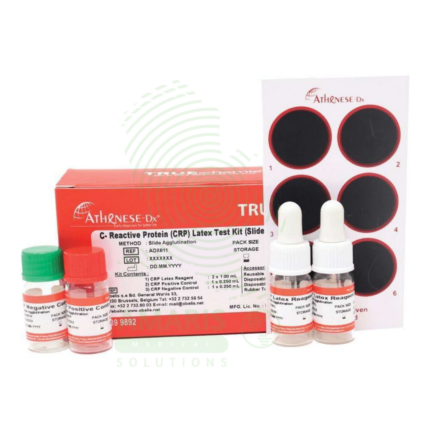
CRP Test Kit
CRP Test Kit (C-Reactive Protein) is a quantitative or semi-quantitative immunoassay (latex agglutination, turbidimetry, nephelometry, ELISA, or rapid immunochromatographic) for detecting C-reactive protein in blood, an acute-phase reactant produced in response to inflammation. Rapid rise within 6-12 hours, peaks at 24-48 hours, half-life 19 hours. Normal <5-10 mg/L; mild elevation 10-100 mg/L (viral infections, autoimmune flares); moderate 100-200 mg/L (bacterial infections); marked >200 mg/L (sepsis, major trauma). High-sensitivity CRP (hs-CRP) detects 0.1-10 mg/L for cardiovascular risk stratification (<1 mg/L low risk, 1-3 mg/L moderate, >3 mg/L high). Primary clinical applications include detection and monitoring of inflammation, diagnosis and management of infections (differentiating bacterial from viral), assessment of autoimmune disease activity, post-surgical monitoring for complications, cardiovascular risk screening (hs-CRP), monitoring rheumatic fever and inflammatory conditions, and neonatal sepsis evaluation. Critical safety precautions include proper sample handling (universal precautions), quality control verification, awareness of non-specific elevation, prozone phenomenon in very high concentrations, and clinical correlation for interpretation. Essential test for evaluating inflammation across all medical specialties.
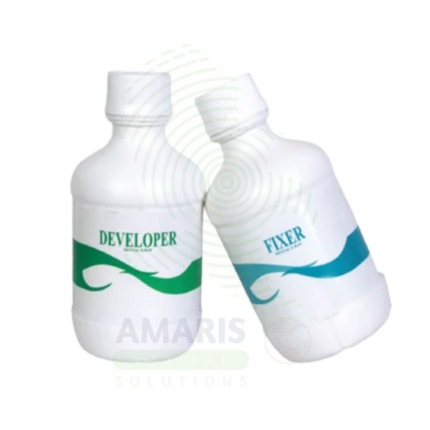
Dental X-ray Fixer & Developer
Dental X-ray Fixer & Developer are the two chemical solutions used to process analog dental X-ray films, converting the latent image into a permanent diagnostic radiograph. The Developer reduces exposed silver halide to metallic silver, creating the image, while the Fixer removes unexposed halides and hardens the emulsion. Their use requires strict adherence to time-temperature protocols, hazardous material handling with full PPE, and mandated environmental controls—most critically, silver recovery from used fixer. While fundamental to film-based radiology, the transition to digital imaging has reduced their prevalence, though they remain essential in practices maintaining analog systems.
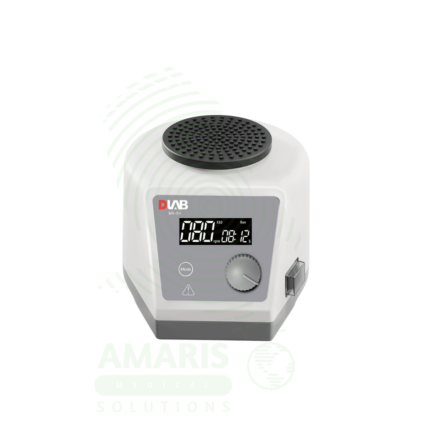
Digital Vortex Mixer (MX-S+)
The Digital Vortex Mixer (MX-S+) is a precision benchtop vortex mixer featuring an LCD display, variable speed control (100-3000 rpm), programmable timer (1 second to 99 minutes 59 seconds), and a maintenance-free DC brushless motor. This digital mixer provides optimal, reproducible mixing for blood collection tubes, reagents, and biological samples in clinical diagnostic and research laboratories.
Key features include a large LCD digital display for real-time monitoring of speed and time, dual operating modes (touch activation for quick mixing of individual tubes, continuous mode for extended operation), variable speed control for precise adjustment of mixing intensity from gentle to vigorous, and a programmable timer for automated, reproducible mixing protocols. The DC brushless motor provides high stability, smooth operation, low noise, and maintenance-free performance.
The pressure-mounted accessory system accommodates a wide range of sample containers—including 0.2 mL PCR tubes, 1.5-2.0 mL microcentrifuge tubes, 5-50 mL conical tubes, blood collection tubes (various sizes), PCR strip tubes, and (using optional adapters) 96-well microplates. The low-profile rubber suction feet ensure stable benchtop placement, preventing "walking" during high-speed operation.
For the clinical laboratory scientist and phlebotomist, the Digital Vortex Mixer (MX-S+) ensures optimal mixing of blood collection tubes after venipuncture with digital precision—gentle speeds for light blue top coagulation tubes (PT/PTT) to prevent platelet activation, and higher speeds for lavender top EDTA tubes (CBC) and serum separator tubes to ensure thorough mixing of anticoagulants and clot activators. For the molecular biologist, it facilitates resuspension of nucleic acid pellets, mixing of PCR reaction components, and homogenization of buffers for diagnostic assays.
Universal voltage (100-240V, 50/60Hz) enables use in laboratories worldwide without voltage conversion, while the compact footprint (160 × 146 × 115 mm) and moderate weight (3.4 kg) allow easy benchtop placement. The IP21 protection class provides durability against dust and moisture in typical laboratory environments.
For the patient undergoing coagulation monitoring (warfarin, heparin), complete blood count (CBC), molecular diagnostic testing (COVID-19, influenza, hepatitis), or routine chemistry panels, the MX-S+'s digital precision, programmable timer, and versatile sample format compatibility ensure accurate test results that guide appropriate treatment decisions—preventing false-negative or false-positive results due to improper sample mixing.
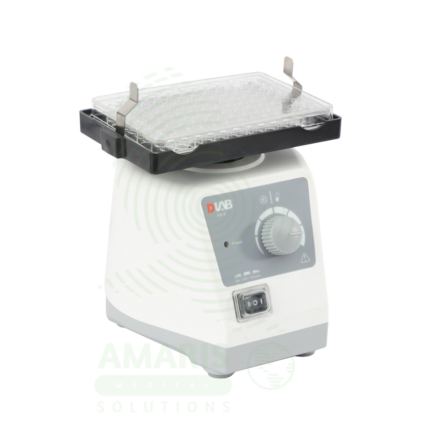
Digital Vortex Mixer + 96-well microplate (MX-S+)
The MX-S+ Digital Vortex Mixer is a precision benchtop mixer equipped with a 96-well microplate adapter. It features an LCD display, variable speed control (100-3000 rpm), a programmable timer (1 second to 99 minutes 59 seconds), and a maintenance-free DC brushless motor. This versatile system is designed for high-throughput mixing of 96-well microplates for ELISA and immunoassays, as well as individual blood collection tubes, PCR tubes, and centrifuge tubes.
For the clinical laboratory scientist, the MX-S+ with its microplate capability ensures uniform mixing across all 96 wells, reducing well-to-well variability and improving the sensitivity of diagnostic assays for autoimmune and infectious diseases. For the patient, this technology ensures accurate antibody detection and reliable test results that guide treatment decisions.
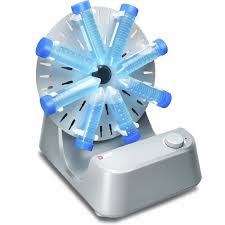
Disk Rotator (MX-RD-E)
The Disk Rotator (MX-RD-E) is a variable-speed disk rotator (0-80 rpm) designed for gentle, uniform end-over-end mixing of blood tubes, serology specimens, and molecular biology samples in clinical diagnostic and research laboratories . The 360-degree disk rotation motion provides thorough mixing without foaming, hemolysis, or activation of sensitive blood components—critical for coagulation testing, serology, and molecular diagnostics .
For the clinical laboratory scientist and coagulation technologist, the Disk Rotator (MX-RD-E) supports gentle mixing of blood coagulation samples (PT, PTT, fibrinogen, D-dimer)—preventing clot activation while ensuring proper distribution of anticoagulants for accurate test results . For the serology technologist, the disk rotator provides gentle mixing of serum and plasma specimens for infectious disease testing (HIV, syphilis, hepatitis), antibody screening, and blood bank compatibility testing .
The Disk Rotator (MX-RD-E) features variable speed control (0-80 rpm) allowing precise adjustment of mixing intensity for different sample types, tube holders that accommodate blood collection tubes (1-10 mL) and microcentrifuge tubes (0.5-2.0 mL), and low-noise operation suitable for clinical laboratory environments . Digital models include programmable timer (0-99h59min) for automated workflows .
For the patient undergoing coagulation monitoring for anticoagulant therapy (warfarin, heparin), serological testing for infectious diseases, or molecular diagnostic testing for genetic disorders, the Disk Rotator (MX-RD-E) gentle, uniform mixing ensures accurate test results that guide appropriate treatment decisions—preventing false-negative or false-positive results due to improper sample mixing .
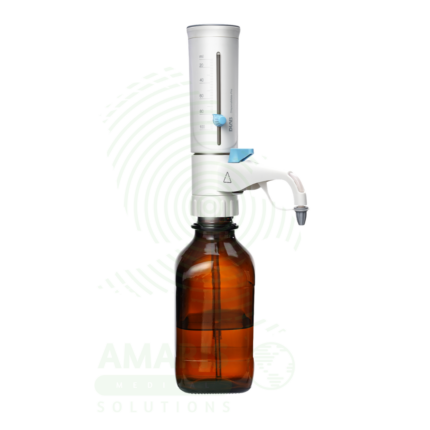
DispensMate Bottle-Top Dispenser
The DispensMate Bottle-Top Dispenser is a manual, variable-volume liquid handling instrument engineered for accuracy, chemical resistance, and ergonomic ease of use. It mounts directly onto standard laboratory reagent bottles (with adapters for S40, GL25, GL28, GL32, GL38) to eliminate transfer steps and reduce contamination risk . Its positive displacement mechanism delivers consistent volumes, with an accuracy of ±0.5% and precision of ≤0.1% across four volume ranges covering 0.5 to 50 mL .
For the clinical laboratory scientist, this dispenser ensures the precise addition of reagents for diagnostic assays, while its ergonomic design reduces the repetitive strain of manual pipetting. The instrument is constructed with PTFE, FEP, borosilicate glass (BSG), and PP, providing excellent resistance to a broad range of aggressive solvents and acids . All liquid-contact parts are also fully autoclavable at 121°C, ensuring sterility for sensitive applications . For the patient, the DispensMate's accuracy, chemical inertness, and ability to be sterilized translate directly to more reliable, consistent, and safer diagnostic test results.
DispensMate-Pro Premium Bottle-Top Dispenser
The DispensMate-Pro Premium Bottle-Top Dispenser is a versatile, manual liquid handling instrument designed for high-precision, safe, and efficient dispensing directly from standard laboratory reagent bottles. Constructed with high-strength, chemically inert materials, this premium dispenser offers excellent chemical resistance and is fully autoclavable at 121°C, ensuring sterility for sensitive applications like cell culture and molecular biology.
For the clinical laboratory scientist, the DispensMate-Pro's precision piston mechanism ensures consistent reagent delivery for diagnostic assays, with an accuracy (systematic error) of ≤ ±0.5% and precision (random error) of ≤ ±0.2% across all volume ranges from 0.5 mL to 100 mL. Its ergonomic design, including a smooth piston action and easy-to-grip handle, reduces operator fatigue during high-volume, repetitive tasks, minimizing the risk of repetitive strain injuries (RSI).
For the laboratory manager and patient, the advanced safety and efficiency features are paramount. The integrated recirculation valve minimizes costly reagent waste during priming and prevents dripping when not in use, while the direct bottle mounting and included adapters reduce the risk of hazardous chemical spills and cross-contamination. The DispensMate-Pro is an essential tool for ensuring the accuracy, safety, and economy of liquid handling workflows in clinical chemistry, pharmaceutical QC, and molecular diagnostics.
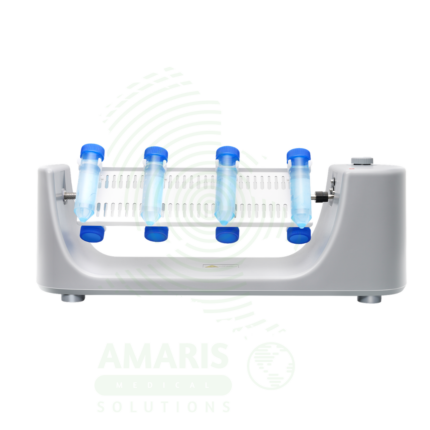
Economical Rotator (MX-RL-E)
The Economical Rotator (MX-RL-E) is a cost-effective, fixed-speed rotator with analog speed control (0-80 rpm), designed for gentle, uniform mixing of blood tubes, serology specimens, and coagulation samples in clinical diagnostic and research laboratories . The 360-degree end-over-end rotation provides thorough mixing without foaming, hemolysis, or activation of sensitive blood components—critical for coagulation testing, serology, and blood bank applications .
For the clinical laboratory scientist and coagulation technologist, the Economical Rotator (MX-RL-E) supports gentle mixing of blood coagulation samples (PT, PTT, fibrinogen, D-dimer)—preventing clot activation while ensuring thorough distribution of anticoagulants for accurate test results . The analog speed control (rotary knob) allows quick, intuitive adjustment of mixing intensity (0-80 rpm) without complex programming, making it ideal for routine laboratory use where simplicity and reliability are priorities .
Key features include multi-tube capacity accommodating up to 12 blood collection tubes or 20 microcentrifuge tubes for batch processing, end-over-end rotation for gentle, thorough mixing, low-noise operation suitable for clinical laboratory environments, and universal voltage (100-240V, 50/60Hz) for international use . The economical design provides a cost-effective solution for routine mixing applications without compromising sample quality .
For the patient undergoing coagulation monitoring for anticoagulant therapy (warfarin, heparin), serological testing for infectious diseases, blood bank compatibility testing, or routine hematology testing, the Economical Rotator (MX-RL-E) gentle, uniform mixing ensures accurate test results that guide appropriate treatment decisions—preventing false-negative or false-positive results due to improper sample mixing, all at an economical price point .
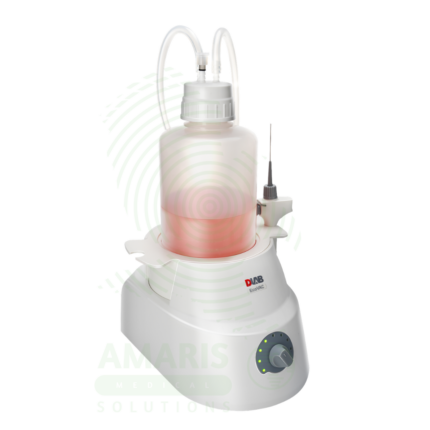
Economical Vacuum Aspirator (EcoVac)
The Economical Vacuum Aspirator (EcoVac) is a compact, user-friendly benchtop vacuum system designed for the safe and efficient disposal of liquid waste in modern biological, clinical, and research laboratories. An ideal alternative to connecting to noisy central vacuum lines or using cumbersome water aspirators, this dedicated system provides a reliable and versatile solution for aspirating supernatants, culture media, and wash buffers.
For the laboratory technician and biosafety officer, the EcoVac offers a critical safety feature: a hydrophobic filter in the collection bottle cap prevents the release of hazardous bioaerosols, protecting both personnel and sensitive experiments from cross-contamination. The system is engineered for ergonomic efficiency, featuring a lightweight handset that allows users to switch easily between "manual" and "continuous" aspiration modes. This dual-mode capability is essential for reducing hand fatigue during high-throughput tasks like clearing 96-well ELISA plates.
The unit's compact design (180×240×340 mm) allows it to fit comfortably on a benchtop, inside a biosafety cabinet, or even beneath the bench itself. Its powerful yet quiet brushless motor generates up to 500 mbar of vacuum and a liquid flow rate of 17 mL/s for fast waste removal. The system comes complete with a 2L autoclavable collection bottle and a versatile accessory kit including single and 8-channel needle probes and tip ejectors, providing compatibility with virtually any common lab consumable. For the patient, the EcoVac's robust safety features and efficient design ensure that diagnostic samples are processed in a consistent, sterile, and controlled manner, directly contributing to the accuracy and reliability of their test results.
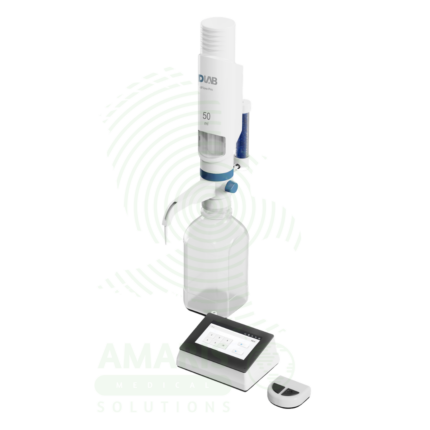
Electronic Bottle-Top Dispenser (dFlow-Pro)
The Electronic Bottle-Top Dispenser (dFlow-Pro) is a fully digital, motor-controlled liquid handling system engineered for superior precision, efficiency, and user safety. It features a high-quality stepper motor that delivers highly accurate dispensing (R=0.2%, CV=0.07%) with a wide volume range of 0.01 to 99.99 mL , making it suitable for demanding clinical chemistry and pharmaceutical QC workflows.
For the clinical laboratory scientist, the "Pro" series offers enhanced accuracy and "Dispenser" and "Stepper" operating modes to streamline high-throughput tasks, from QC sample preparation to plate-filling for ELISA assays. The remote control panel operates without manual disturbance , while the large LCD screen ensures easy setup. For the laboratory manager, the "Pro" model's superior precision reduces costly reagent waste and re-runs, and its motorized drive significantly mitigates the risk of repetitive strain injuries among staff, promoting a safer workplace. For the patient, the use of this dispenser in diagnostic labs translates directly to faster turnaround times and more reliable results, as the accuracy and reproducibility of the analytical process are enhanced.
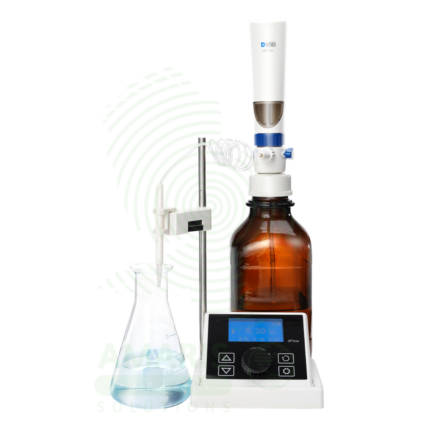
Electronic Bottle-Top Dispenser (dFlow)
The dFlow Electronic Bottle-Top Dispenser is a motor-controlled digital dispensing system designed for precise, fatigue-free delivery of laboratory reagents directly from reagent bottles . Featuring a volume range of 0.1-99.9mL with 100μL resolution, 16 adjustable speed levels, and a TFT display module, this dispenser provides accurate volume delivery (10mL: R=0.5%, CV=0.3%) compliant with DIN EN ISO 8655 standards .
The external remote control panel allows operation without manual disturbance, significantly reducing the risk of repetitive strain injury while keeping operators away from hazardous chemical contact . Two operation modes—dispenser mode for single aliquots and stepper mode for continuous multi-volume dispensing—provide versatility for diverse laboratory workflows . A recirculation feature minimizes costly reagent waste by allowing priming without discarding expensive solutions .
For the clinical laboratory scientist and medical technologist, the dFlow electronic dispenser supports accurate dispensing of clinical chemistry reagents, immunoassay buffers, molecular biology reagents, and pharmaceutical quality control samples. The stepper motor drive ensures smooth, consistent operation across 16 adjustable speed levels, accommodating liquids of varying viscosities . The fluid path features chemically resistant materials (borosilicate glass cylinder, FEP tubing, PTFE components) compatible with a wide range of laboratory reagents . Included bottle adapters (S40, GL25, GL28, GL32, GL38) allow attachment to various reagent bottle thread sizes via the standard GL45 base .
For the patient undergoing diagnostic testing, precise and consistent reagent dispensing using the dFlow electronic bottle-top dispenser ensures that clinical chemistry, immunoassay, and molecular diagnostic test results are accurate, reliable, and reproducible—supporting appropriate clinical decision-making across laboratory medicine and pharmaceutical quality control applications.
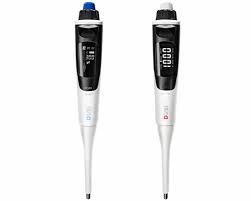
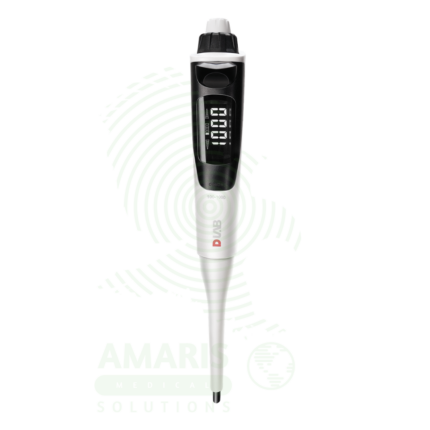
Electronic Pipette (dPette)
The Electronic Pipette (dPette) by DLAB is a motor-driven, digitally controlled single-channel electronic pipette designed to combine the lightweight, ergonomic feel of a manual pipette with the precision and effortlessness of an electronic system. Powered by a high-precision stepper motor, it delivers exceptional accuracy (with a systematic error of ≤ ±1.0% and precision (CV) of ≤ 0.8%, as validated in performance tests) and repeatability, eliminating common manual errors.
For the clinical laboratory scientist and molecular biologist, the dPette is an essential tool for high-throughput workflows, from PCR and qPCR setup to ELISA sample addition and serial dilutions. Its intuitive interface, with a large LCD screen and dual rotary knobs, makes setting parameters and switching between modes (pipetting, mixing, stepper, and dilution on the dPette+ model) exceptionally easy. The lightweight construction (approx. 110 g) and ergonomic design significantly reduce hand fatigue, helping to mitigate the risk of Repetitive Strain Injury (RSI) during extended use.
For the laboratory manager and patient, the dPette's advanced features ensure efficiency and reliability. The rechargeable Li-ion battery and user calibration via a USB-enabled computer dramatically reduce equipment downtime and maintenance costs. The ability to autoclave the lower head components ensures a sterile working environment, and the device's precision, with a documented relative standard deviation (RSD) of ≤ 0.5% for parallel sample pipetting, directly translates into more reproducible and trustworthy test results, accelerating clinical decision-making and improving patient outcomes.
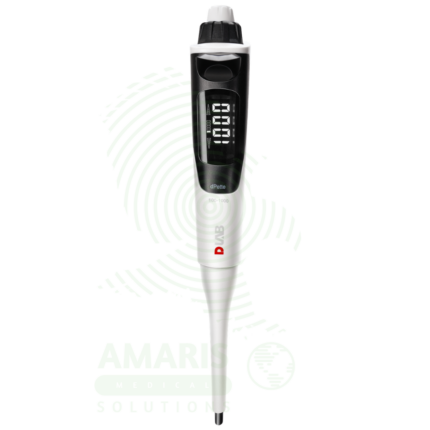
Electronic Single-Channel Pipettor (dPette-S)
The Electronic Single-Channel Pipettor (dPette-S) is a motor-driven, digitally controlled single-channel pipettor designed to combine the ergonomic feel of a manual pipette with the precision and efficiency of electronic operation . Weighing approximately 110 grams, it features a lightweight, streamlined body, powered by a high-precision stepper motor (with built-in error control), ensuring accuracy and reproducibility (pipetting and mixing functions) while eliminating common manual pipetting errors .
For the clinical laboratory scientist and molecular biologist, the Electronic Single-Channel Pipettor (dPette-S) significantly improves workflow efficiency for PCR, ELISA, and clinical chemistry applications. Key features include a large LCD screen and dual rotary knobs that provide an intuitive user interface, adjustable aspiration and dispensing speeds (which accommodate various liquid viscosities) , and a built-in rechargeable Li-ion battery with dual charging (USB and stand) to ensure continuous operation . For the patient, this technology ensures that diagnostic assays are performed with high precision, reducing the risk of pre-analytical errors, and supporting faster, more reliable clinical decision-making.
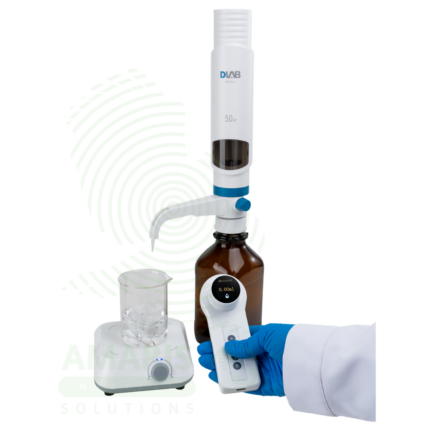
Electronic Titrator (dTrite-S)
The Electronic Titrator (dTrite-S) is a high-precision, digitally controlled bottle-top titration system designed to replace traditional manual glass burettes for accurate quantitative analysis in pharmaceutical QC, environmental monitoring, food safety, and clinical research laboratories. Leveraging a precision electronic drive (R=0.2%, CV=0.07%) and 16 adjustable speed levels, it automates the titration workflow, eliminating manual errors related to drop control and subjective endpoint detection. The system features a large LCD display, a remote control panel for safe distance operation, and USB connectivity for data storage and computer control. Its wide working range (0.010-99.999mL) and minimum dispensing volume of 10 μL make it versatile for various analytical applications.
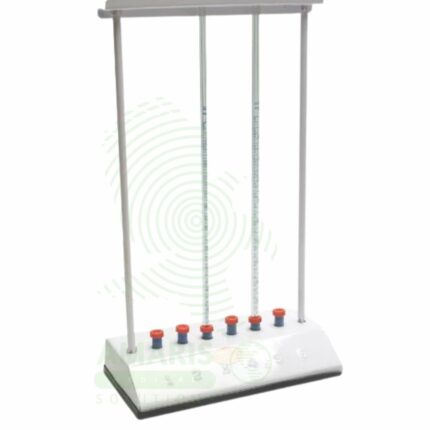
ESR Stand
An ESR Stand is a simple but critical laboratory accessory designed to hold Westergren pipettes perfectly vertical and vibration-free for the manual measurement of the Erythrocyte Sedimentation Rate (ESR). Its sole function is to ensure standardized conditions for this one-hour test, where even minor tilting can cause significant result errors. Key to its correct use is meticulous leveling on a stable surface and placement away from vibrations. While automated analyzers have largely replaced manual ESR, the stand remains essential for reference methods, backup testing, and in low-resource laboratory settings.
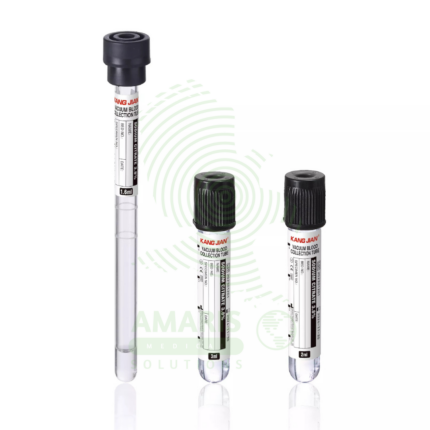
ESR Tubes Glass
ESR Tubes Glass are specialized glass tubes (300 mm length, 2.55 mm bore diameter, graduated 0-200 mm in 1 mm intervals) meeting ICSH and CLSI Westergren specifications for measuring erythrocyte sedimentation rate, a non-specific marker of inflammation. Used with citrated or diluted EDTA blood, filled to exactly 200 mm, placed vertically in Westergren stand, and read at 60 minutes. Primary clinical applications include determination of ESR for diagnosing and monitoring inflammatory conditions (infections, autoimmune disorders, malignancies), monitoring disease activity in rheumatoid arthritis, assessment of temporal arteritis and polymyalgia rheumatica, evaluation of infection and inflammatory response, screening for occult inflammatory conditions, and monitoring chronic inflammatory diseases (SLE, IBD, vasculitis). Critical safety precautions include handling glass tubes carefully to avoid breakage (sharps hazard), proper disposal in sharps containers as biohazardous waste, ensuring vertical alignment and constant temperature (18-25°C), reading at exactly 60 minutes, and avoiding air bubbles and vibration. Essential consumable for reference Westergren ESR testing in clinical laboratories.
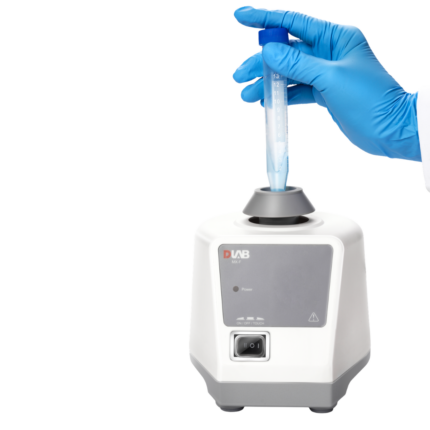
Fixed Speed Vortex Mixer (MX-F)
The Fixed Speed Vortex Mixer (MX-F) is a compact, reliable benchtop vortex mixer designed for general laboratory mixing applications in clinical diagnostic, molecular biology, and research laboratories . Operating at a fixed speed of 3000 rpm with a 4 mm orbit diameter, this vortex mixer provides consistent, reproducible mixing of blood collection tubes, reagents, buffers, and biological samples .
Key features include two operating modes—touch activation (press tube into cup head for immediate mixing) for quick, on-demand mixing of individual tubes, and continuous operation mode (switch-activated) for extended mixing of larger volumes or multiple samples . The universal voltage (100-240V, 50/60Hz) and low power consumption (60W) enable use in laboratories worldwide without voltage conversion . The impact-resistant plastic housing with rubber suction feet provides stability and prevents "walking" during operation .
For the clinical laboratory scientist and phlebotomist, the Fixed Speed Vortex Mixer (MX-F) ensures immediate mixing of blood collection tubes after venipuncture—preventing clot formation and ensuring accurate hematology, coagulation, and chemistry results . For the molecular biologist, the MX-F facilitates resuspension of nucleic acid pellets, mixing of PCR reaction components, and homogenization of buffers for diagnostic assays . The optional multi-tube head for 0.2 mL PCR strips and flat rubber pad for larger vessels extend the versatility of this fixed-speed mixer .
With its compact footprint (127 × 130 × 160 mm), lightweight design (2.0 kg), and simple operation, theFixed Speed Vortex Mixer (MX-F) is an essential tool for clinical diagnostic laboratories, molecular diagnostics labs, blood banks, physician office laboratories, and research facilities requiring reliable, consistent vortex mixing for patient sample preparation and diagnostic testing .
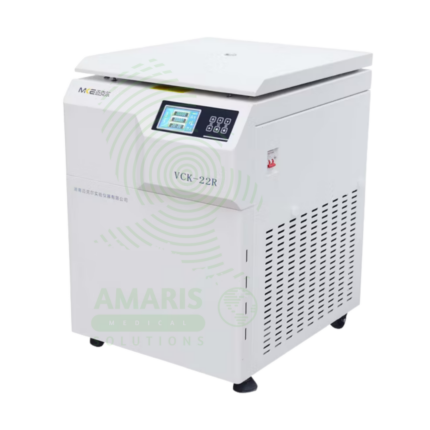
Floor Type High Speed Cooling Centrifuge
A Floor Type High Speed Cooling Centrifuge is a heavy-duty, floor-standing refrigerated centrifuge designed for large-scale, high-speed processing of temperature-sensitive biological samples at forces up to 120,000 x g (standard high-speed) or 800,000 x g (ultracentrifuge) with precise temperature control from -20°C to +40°C. Capable of processing multiple liters per run using fixed-angle, swinging-bucket, continuous flow, zonal, and vertical rotors with capacities from 4-8 × 500 mL bottles to continuous flow rates of 2-20 L/hour. Features include high-torque brushless motors, advanced refrigeration systems, high vacuum systems (ultracentrifuges), large color touchscreen interfaces with 21 CFR Part 11 compliant data logging, 100-1,000 programmable protocols, multi-sensor imbalance detection, aerosol-tight rotors for BSL-3/4 applications, and comprehensive safety interlock systems. Primary clinical and research applications include virus particle concentration and purification for virology and vaccine development, DNA/RNA extraction from large sample volumes, subcellular fractionation and organelle isolation, lipoprotein separation for cardiovascular risk assessment, protein purification for structural biology, exosome isolation for biomarker research, and large-scale vaccine and biopharmaceutical production under GMP conditions. Essential equipment for advanced diagnostic laboratories, research institutions, biopharmaceutical manufacturing facilities, and vaccine production centers requiring high centrifugal forces, precise temperature control, and validated, reproducible performance.
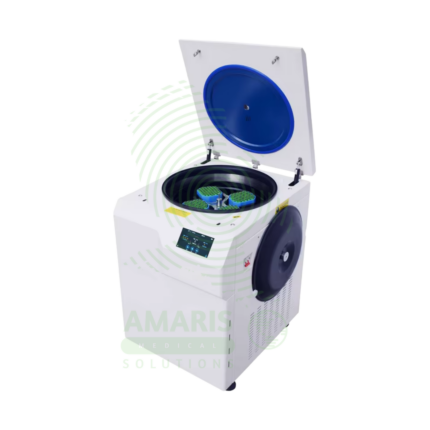
Floor Type Low Speed Cooling Centrifuge
A Floor Type Low Speed Cooling Centrifuge is a heavy-duty, floor-standing refrigerated centrifuge designed for large-scale, temperature-controlled processing of biological samples in clinical laboratories, blood banks, biopharmaceutical manufacturing, and research facilities. With capacities up to 12 blood bags, 6 × 1 L bottles, 192 blood collection tubes, or 20 microplates per run, these units operate at 4,000-8,000 RPM generating RCF up to 12,000 x g with precise temperature control from -10°C to +40°C (±1°C). Features include high-torque brushless motors, advanced refrigeration systems, color touchscreen interfaces, programmable protocols (50-100 programs), multiple acceleration/deceleration profiles, comprehensive imbalance detection, aerosol-tight rotors, and GMP-compliant data logging options. Primary clinical applications include blood bank processing (packed cells, plasma, cryoprecipitate), coagulation studies requiring cold centrifugation, temperature-sensitive molecular biology preparations, vaccine and biopharmaceutical production, cold precipitation studies, and long-duration centrifugation protocols. Essential equipment for high-volume clinical laboratories, blood donor centers, and GMP manufacturing facilities requiring precise temperature control and large sample capacity with reproducible, validated results.
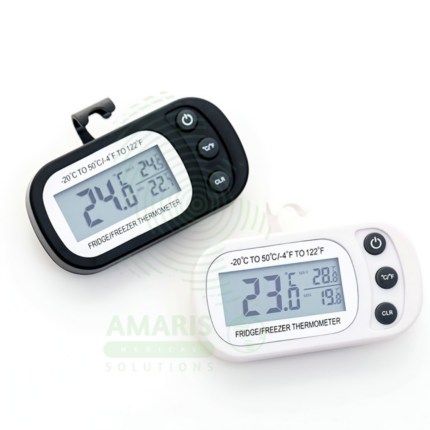
Fridge Thermometer
A Fridge Thermometer is a precision temperature monitoring device designed for continuous use inside medical and laboratory refrigerators and freezers. Its primary role is to safeguard the potency of vaccines, medications, and biological samples by ensuring storage temperatures remain within a critical specified range (e.g., +2°C to +8°C). Available in analog or digital formats, accurate models with memory functions are essential for compliance with cold chain protocols, requiring daily monitoring, logging, and regular calibration. It is a fundamental quality control tool in pharmacies, clinics, immunization centers, and laboratories.
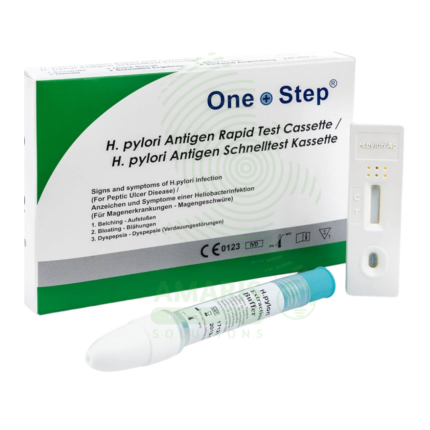
H.pylori test kits (Antigen)
H.pylori test kits (Antigen) are Class II medical devices (FDA-cleared/CE-marked) for rapid immunochromatographic or enzyme immunoassay detection of Helicobacter pylori antigens in stool specimens, enabling non-invasive diagnosis of active infection and post-treatment eradication confirmation. Test principles use monoclonal or polyclonal antibodies specific to H. pylori antigens, producing visible results in 10-20 minutes (rapid tests) or 1-2 hours (EIA). Sensitivity 90-98%, specificity 92-99% compared to gold standard methods. Primary clinical applications include rapid diagnosis of H. pylori infection in patients with dyspepsia, initial screening in uncomplicated dyspepsia (test-and-treat strategy), confirmation of active infection before therapy, post-treatment eradication confirmation (4-6 weeks after therapy), pediatric testing (preferred non-invasive method), screening in high-risk populations (family history of gastric cancer), and monitoring in patients with peptic ulcer disease or MALT lymphoma. Critical safety precautions include mandatory washout period (4 weeks off antibiotics, 2 weeks off PPIs) to avoid false negatives, proper specimen handling (universal precautions), refrigerated storage of kits (2-30°C), quality control verification, and disposal as biohazardous waste. Essential non-invasive tool for H. pylori management in gastroenterology and primary care.
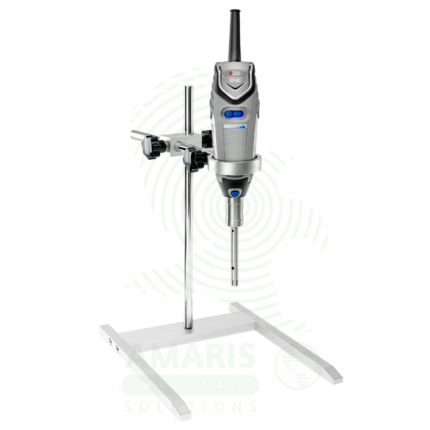
Handheld Homogenizer (D-160)
The Handheld Homogenizer is a portable, lightweight rotor-stator homogenizer featuring variable speed control (8,000-32,000 rpm with 10 speed settings), interchangeable autoclavable 316L stainless steel dispersing shafts, and an ergonomic handheld design, engineered for rapid homogenization, dispersion, and emulsification of biological tissues, cells, and clinical specimens in diagnostic and research laboratories .
Key features include a 160W AC carbon brush motor, 10-stage adjustable speed dial for precise control of homogenization intensity , interchangeable dispersing shafts (DS-160/5: 5mm diameter, 0.1-50 mL working volume; DS-160/10: 10mm diameter, 1-250 mL working volume) , and fully autoclavable 316L stainless steel construction with PTFE seals for chemical resistance and contamination prevention . The compact (45 × 55 × 190 mm) and lightweight (0.54 kg) design allows single-handed operation and easy transport between workstations . An optional H370 stand enables hands-free, stationary operation .
For the histotechnologist and pathologist, the D-160 processes tissue samples such as muscle, liver, breast, and other organs in 10-30 seconds —enabling rapid preparation of homogenized specimens for histological examination, immunohistochemistry, and diagnostic pathology . For the molecular biologist, it supports cell disruption and nucleic acid extraction for PCR-based infectious disease testing, genetic screening, and oncology biomarker detection . For the clinical microbiologist, it processes bacterial and fungal specimens for pathogen identification and antimicrobial susceptibility testing .
For the patient undergoing biopsy for suspected cancer, inflammatory disease, or infectious condition, the Handheld Homogenizer rapid tissue homogenization reduces turnaround time for diagnostic results, enabling earlier diagnosis and treatment initiation . For patients requiring molecular diagnostic testing, efficient cell lysis and nucleic acid extraction ensure accurate PCR and sequencing results that guide appropriate treatment decisions across clinical pathology, molecular diagnostics, and infectious disease testing applications .
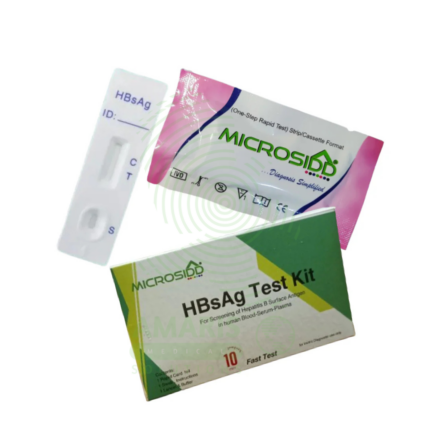
Hepatitis B Test Kit
The Hepatitis B Test Kit is an in vitro diagnostic device for the detection of Hepatitis B virus markers in human blood samples, available in rapid, ELISA, and molecular formats. It detects specific antigens (HBsAg) and antibodies (anti-HBc, anti-HBs) to diagnose acute and chronic infection, monitor treatment response, screen blood donations, and determine immunity status. With high sensitivity (>98%) and specificity (>99%), it provides results in 15 minutes to 4 hours depending on format. Essential applications include prenatal screening to prevent mother-to-child transmission, evaluation of acute hepatitis, pre-immunosuppression screening, and occupational health testing. All patient samples must be handled with universal precautions, and testing must include appropriate quality controls.
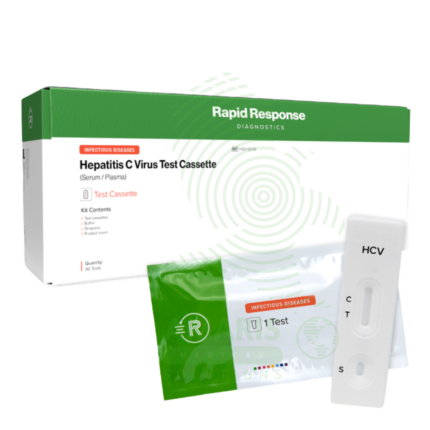
Hepatitis C Test Kit
The Hepatitis C Test Kit is an in vitro diagnostic device for the detection of Hepatitis C virus antibodies or RNA in human blood, serum, or plasma samples. Available in rapid, laboratory immunoassay, and molecular formats, it screens for HCV infection, confirms active infection with RNA testing, and monitors treatment response. With high sensitivity and specificity exceeding 99%, it is essential for identifying infected individuals, linking them to curative direct-acting antiviral therapy, and confirming cure. Essential applications include risk-based screening of high-risk populations, birth cohort screening of baby boomers, evaluation of acute hepatitis, management of occupational exposures, and monitoring of antiviral therapy that can cure over 95% of infections. All patient samples must be handled with universal precautions, and positive antibody results require confirmatory testing.
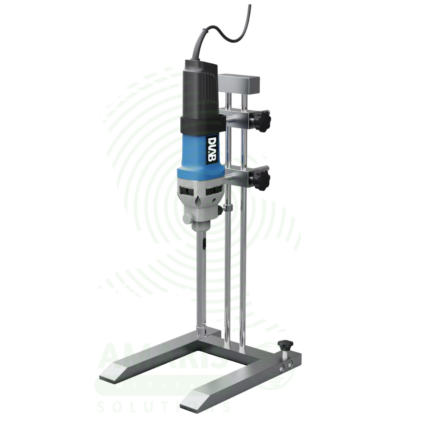
High Shear Homogenizer (D-500)
The High Shear Homogenizer is a powerful benchtop rotor-stator homogenizer featuring a 500W AC carbon brush motor, variable speed control (10,000-30,000 rpm with 6 speed settings), interchangeable autoclavable 316L stainless steel dispersing shafts, and a wide working volume range of 10-40,000 mL, designed for rapid homogenization, dispersion, and emulsification of biological tissues, pharmaceutical formulations, and chemical samples in clinical diagnostic, pharmaceutical, and research laboratories .
Key features include a 500W high-power motor handling samples up to 10,000 mPa·s viscosity , 6-stage adjustable speed dial for precise control of homogenization intensity , interchangeable dispersing shafts ( High Shear Homogenize/1 for solid-liquid mixing and tissue homogenization; High Shear Homogenize/2 for emulsification and cream preparation) , fully autoclavable 316L stainless steel construction with PTFE seals for chemical resistance and contamination prevention, automatic overload protection and smooth motor start for safety and extended motor life, emergency stop safety switch for immediate shutdown, and compact (75 × 75 × 280 mm) and lightweight (1.7 kg) design for benchtop or stand-mounted operation . An optional H-600 stand enables hands-free, stationary operation .
For the histotechnologist and pathologist, the High Shear Homogenize processes tough tissue samples such as muscle, liver, breast, and other organs in seconds—enabling rapid preparation of homogenized specimens for histological examination, immunohistochemistry, and diagnostic pathology . For the molecular biologist, it supports cell disruption and nucleic acid extraction for PCR-based infectious disease testing, genetic screening, and oncology biomarker detection. For the pharmaceutical QC chemist, it processes high-viscosity formulations, creams, and ointments for stability testing and quality release.
For the patient undergoing biopsy for suspected cancer, inflammatory disease, or infectious condition, the High Shear Homogenize rapid tissue homogenization reduces turnaround time for diagnostic results, enabling earlier diagnosis and treatment initiation . For patients requiring pharmaceutical products, consistent formulation testing ensures that medications, topical creams, and biological products meet quality standards for safety and efficacy. For patients requiring molecular diagnostic testing, efficient cell lysis and nucleic acid extraction ensure accurate PCR and sequencing results that guide appropriate treatment decisions across clinical pathology, molecular diagnostics, infectious disease testing, and pharmaceutical quality control applications.
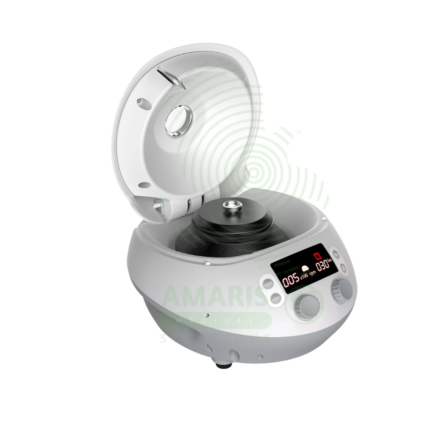
High Speed Micro Centrifuge
A High Speed Micro Centrifuge is a compact benchtop laboratory instrument designed for rapid separation of small-volume samples (0.2-2.0 mL) at speeds up to 30,000 RPM and RCF up to 65,000 x g. Available with fixed-angle or swinging-bucket rotors, digital controls, programmable protocols, imbalance detection, and safety lid lock. Refrigerated models maintain temperatures from -20°C to +40°C for temperature-sensitive applications. Primary clinical applications include DNA, RNA, and nucleic acid extraction for molecular diagnostics, protein precipitation and analysis for biochemistry, cell lysis and fractionation, microorganism and bacterial pelleting for microbiology, virus particle concentration, microvolume sample preparation for clinical chemistry, and rapid phase separation in extraction protocols. Essential equipment in molecular biology, clinical research, diagnostic laboratories, and biotechnology settings requiring rapid, efficient processing of small samples with high centrifugal forces.
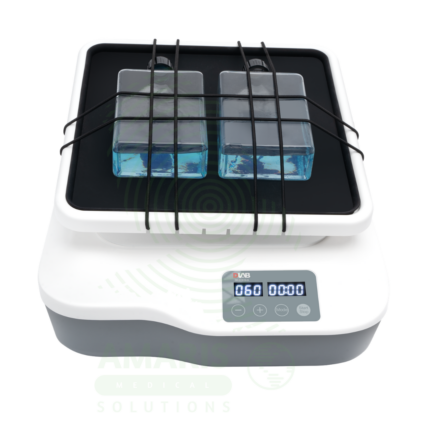
Intelligent 3D Shaker (SK-D1810-S)
The Intelligent 3D Shaker (SK-D1810-S) featuring fixed 10° tilt angle, variable speed control (10-80 rpm), dual independent LED displays, programmable timer (1 minute to 99 hours 59 minutes), and a maintenance-free brushless DC motor, designed for gentle, uniform mixing of cell cultures, molecular biology samples, and diagnostic assays in clinical and research laboratories.
Key features include a 3-dimensional rocking motion at fixed 10° tilt angle for gentle, uniform mixing, dual independent LED displays for simultaneous monitoring of speed and time, programmable timer with automatic stop (1 minute to 99 hours 59 minutes), and a non-slip silicone work platform (268 × 268 mm) that securely holds flasks, culture flasks, petri dishes, centrifuge tubes, and blotting containers.
The Intelligent 3D Shaker (SK-D1810-S) accommodates a variety of laboratory vessels, with a maximum load capacity of 3 kg and universal voltage (100-240V, 50/60Hz) enabling use in laboratories worldwide without voltage conversion. The cold room and incubator compatibility (5-40°C operating temperature, 80% RH) allows sample mixing under controlled temperature conditions for temperature-sensitive applications. The IP21 protection rating provides durability against dust and moisture in typical laboratory environments.
For the clinical laboratory scientist and molecular biologist, the Intelligent 3D Shaker (SK-D1810-S) supports cell culture maintenance (uniform distribution of cells, nutrients, and reagents), DNA/RNA extraction protocols, Western blotting and antibody incubations (consistent reagent distribution across membranes), gel staining and destaining (automated, reproducible dye distribution), hybridization reactions for nucleic acid research, and immunoassays (ELISA plate incubation, reducing well-to-well variability).
Universal voltage (100-240V, 50/60Hz) enables use in laboratories worldwide without voltage conversion, while the compact footprint (294 × 348 × 123 mm) and moderate weight (3.7 kg) allow easy benchtop placement. The whisper-quiet brushless DC motor and wear-resistant silicone platform ensure minimal noise, extended service life, and easy cleaning.
For the patient undergoing diagnostic testing for infectious diseases, genetic disorders, or cancer biomarkers, the SK-D1810-S's gentle, uniform mixing ensures consistent cell culture conditions, reliable DNA extraction, reproducible antibody incubations, and accurate gel electrophoresis results—supporting reliable diagnostic outcomes that guide appropriate treatment decisions across molecular diagnostics, immunology, and cell biology applications.
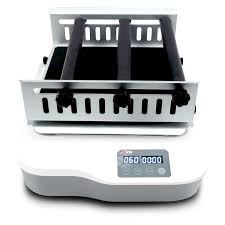
Intelligent Decolorizing Shaker (SK-O180-S)
The Intelligent Decolorizing Shaker (SK-O180-S) is an intelligent orbital shaker featuring adjustable speed (50-350 rpm), fixed 20mm orbit amplitude, programmable timer (1-1199 minutes), RS232 interface, and a maintenance-free brushless DC motor, designed for uniform mixing of electrophoresis gels, Western blot membranes, and biological samples in clinical diagnostic and research laboratories .
Key features include orbital shaking action at 20mm orbit diameter for thorough, uniform mixing, dual independent LED displays for simultaneous monitoring of speed and time, programmable timer with automatic stop (1-1199 minutes), RS232 interface for computer connectivity and free PC software for real-time monitoring, user calibration support for speed accuracy, and a maintenance-free brushless DC motor for quiet, reliable operation . The 330 × 330 mm work platform with 3 kg load capacity securely holds culture dishes, flasks, beakers, blotting containers, and gel staining trays .
The Intelligent Decolorizing Shaker (SK-O180-S) accommodates a variety of laboratory vessels, with universal voltage (100-240V, 50/60Hz) enabling use in laboratories worldwide without voltage conversion . The cold room and incubator compatibility (5-40°C operating temperature, 80% RH) allows sample mixing under controlled temperature conditions for temperature-sensitive applications such as hybridizations and cell culture . The IP21 protection rating provides durability against dust and moisture in typical laboratory environments .
For the clinical laboratory scientist and molecular biologist, the SK-O180-S supports electrophoresis gel decolorization and staining (Coomassie blue, silver nitrate), Western blot membrane washing and antibody incubations, Southern and Northern blot hybridization reactions, immunoprecipitation (IP) protocols, liquid-solid suspension mixing (cell pellets, tissue homogenates), clinical sample preparation, and general liquid mixing for aeration and extraction applications .
Universal voltage (100-240V, 50/60Hz) enables use in laboratories worldwide without voltage conversion, while the moderate weight (6.5 kg) allows benchtop stability and efficient space utilization . The whisper-quiet brushless DC motor and safety speed protection ensure minimal noise, extended service life, and enhanced laboratory safety .
For the patient undergoing diagnostic testing for infectious diseases, genetic disorders, or cancer biomarkers, the Intelligent Decolorizing Shaker (SK-O180-S) uniform orbital mixing ensures consistent gel staining, reproducible antibody incubations, and accurate nucleic acid hybridization results—supporting reliable diagnostic outcomes that guide appropriate treatment decisions across molecular diagnostics, immunology, and cell biology applications .
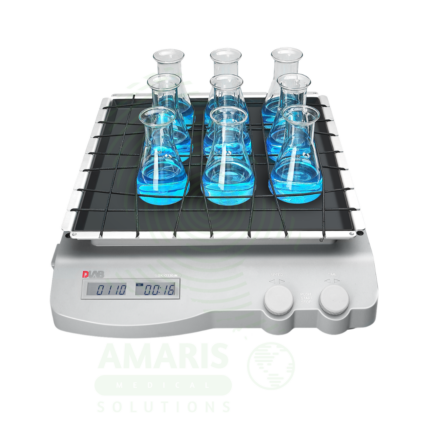
Intelligent Decolorizing Shaker (SK-O330-M)
The Intelligent Orbital Decolorizing Shaker is a high-capacity, large-format digital orbital shaker featuring 10 mm orbit amplitude, variable speed control (70-400 rpm), dual independent LCD displays, programmable timer (1 minute to 99 hours 59 minutes), and a maintenance-free brushless DC motor, designed for high-throughput uniform mixing of electrophoresis gels, Western blot membranes, and biological samples in clinical diagnostic and research laboratories .
Key features include orbital shaking action at 10 mm orbit diameter for thorough, uniform mixing, dual independent LCD displays for simultaneous monitoring of speed and time, programmable timer with automatic stop (1 min to 99 hours 59 min), continuous or timed operation mode, and a maintenance-free brushless DC motor for quiet, reliable operation . The large 335 × 335 mm work platform with 3 kg load capacity securely holds multiple culture dishes, flasks, beakers, blotting containers, and gel staining trays .
The Intelligent Orbital Decolorizing Shaker accommodates a variety of laboratory vessels, with universal voltage (100-240V, 50/60Hz) enabling use in laboratories worldwide without voltage conversion . The cold room and incubator compatibility (5-40°C operating temperature, 80% RH) allows sample mixing under controlled temperature conditions for temperature-sensitive applications such as hybridizations and cell culture . The IP21 protection rating provides durability against dust and moisture in typical laboratory environments .
For the clinical laboratory scientist and molecular biologist, the Intelligent Orbital Decolorizing Shaker supports high-throughput electrophoresis gel decolorization and staining (Coomassie blue, silver nitrate), Western blot membrane washing and antibody incubations across multiple membranes, Southern and Northern blot hybridization reactions, immunoprecipitation (IP) protocols, liquid-solid suspension mixing (cell pellets, tissue homogenates), clinical sample preparation, and general liquid mixing for aeration and extraction applications .
Universal voltage (100-240V, 50/60Hz) enables use in laboratories worldwide without voltage conversion, while the moderate weight (9.8 kg) and compact footprint (420 × 370 × 100 mm) allow benchtop stability and efficient space utilization . The whisper-quiet brushless DC motor and over-speed detection and protection ensure minimal noise, extended service life, and enhanced laboratory safety .
For the patient undergoing diagnostic testing for infectious diseases, genetic disorders, or cancer biomarkers, the Intelligent Orbital Decolorizing Shaker uniform orbital mixing across large sample batches ensures consistent gel staining, reproducible antibody incubations, and accurate nucleic acid hybridization results—supporting reliable diagnostic outcomes that guide appropriate treatment decisions across high-volume molecular diagnostics, immunology, and cell biology applications.
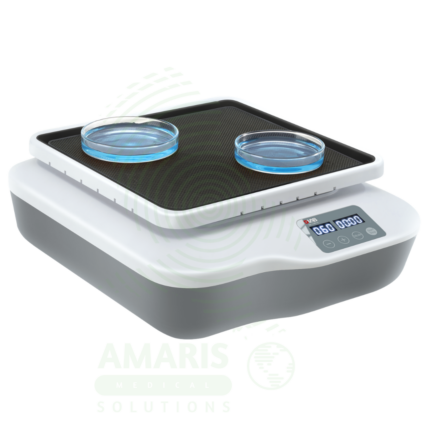
Intelligent Linear Decolorizing Shaker (SK-L180-S)
The Intelligent Linear Decolorizing Shaker (SK-L180-S) is a digital linear reciprocating shaker featuring 20mm amplitude, variable speed control (40-200 rpm), dual independent LED displays, programmable timer (1 minute to 99 hours 59 minutes), and a maintenance-free brushless DC motor, designed for uniform mixing of electrophoresis gels, Western blot membranes, and biological samples in clinical diagnostic and research laboratories .
Key features include linear reciprocating shaking action at 20mm amplitude for thorough, uniform mixing , dual independent LED displays for simultaneous monitoring of speed and time, programmable timer with automatic stop (1 minute to 99 hours 59 minutes) , and a maintenance-free brushless DC motor for quiet, reliable operation . The 268 × 268 mm work platform securely holds culture dishes, flasks, beakers, and blotting containers .
The Intelligent Linear Decolorizing Shaker (SK-L180-S) accommodates a variety of laboratory vessels, with a maximum load capacity of 2 kg and universal voltage (100-240V, 50/60Hz) enabling use in laboratories worldwide without voltage conversion . The cold room and incubator compatibility (5-40°C operating temperature, 80% RH) allows sample mixing under controlled temperature conditions for temperature-sensitive applications. The IP20 protection rating provides durability against dust and moisture in typical laboratory environments .
For the clinical laboratory scientist and molecular biologist, the Intelligent Linear Decolorizing Shaker (SK-L180-S) supports electrophoresis gel decolorization and staining (Coomassie blue, silver nitrate), Western blot membrane washing and antibody incubations, Southern and Northern blot hybridization reactions, clinical sample preparation, and general liquid mixing for aeration and extraction applications .
Universal voltage (100-240V, 50/60Hz) enables use in laboratories worldwide without voltage conversion, while the compact footprint (294 × 348 × 123 mm) and moderate weight (3.4 kg) allow easy benchtop placement . The whisper-quiet brushless DC motor and safety speed protection ensure minimal noise, extended service life, and enhanced laboratory safety .
For the patient undergoing diagnostic testing for infectious diseases, genetic disorders, or cancer biomarkers, the Intelligent Linear Decolorizing Shaker (SK-L180-S) uniform linear mixing ensures consistent gel staining, reproducible antibody incubations, and accurate nucleic acid hybridization results—supporting reliable diagnostic outcomes that guide appropriate treatment decisions across molecular diagnostics, immunology, and cell biology applications.
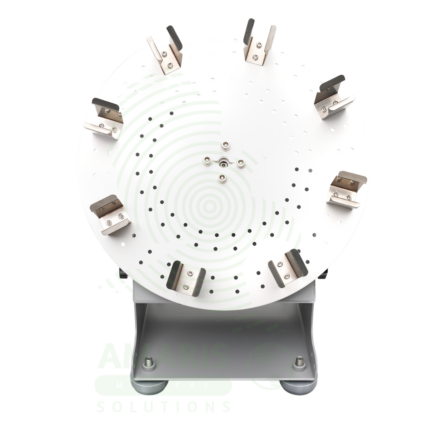
LCD Digital Tube Rotator (MX-RD-Pro)
The LCD Digital Tube Rotator (MX-RD-Pro) is a programmable digital tube rotator with LCD display, variable speed (0-80 rpm), adjustable tilt angle (0-90°), and programmable memory (9 programs), designed for precise, gentle mixing of blood tubes, serology specimens, coagulation samples, and molecular biology preparations in clinical diagnostic and research laboratories . The end-over-end rotation with adjustable tilt angle (0-90°) provides optimized mixing conditions for different sample types—from gentle end-over-end mixing for blood coagulation to more vigorous tumbling for viscous samples .
For the clinical laboratory scientist and coagulation technologist, the LCD Digital Tube Rotator (MX-RD-Pro) supports programmable mixing of blood coagulation samples (PT, PTT, fibrinogen, D-dimer)—preventing clot activation while ensuring thorough distribution of anticoagulants for accurate test results . The programmable memory (9 programs) allows storage of validated mixing protocols (speed, time, tilt angle) for different test types, ensuring consistent sample processing across runs and operators, reducing variability, and supporting GLP compliance .
Key features include variable speed control (0-80 rpm) for precise adjustment of mixing intensity, adjustable tilt angle (0-90°) for optimization of mixing conditions, digital timer (0-99h59min) with continuous operation mode for batch processing, and large LCD display for real-time monitoring of speed, time, tilt angle, and program number. The universal voltage (100-240V, 50/60Hz) enables use in laboratories worldwide without voltage conversion .
For the patient undergoing coagulation monitoring for anticoagulant therapy (warfarin, heparin, DOACs), serological testing for infectious diseases, blood bank compatibility testing, or molecular diagnostic testing for genetic disorders, the LCD Digital Tube Rotator (MX-RD-Pro) precise, programmable mixing ensures accurate test results that guide appropriate treatment decisions—preventing false-negative or false-positive results due to improper sample mixing.
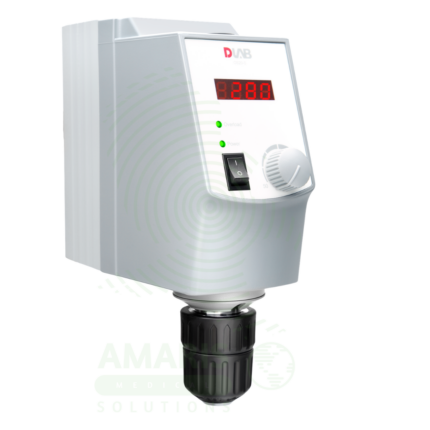
LED Overhead Stirrer (OS20-S)
The LED Overhead Stirrer is an LED digital overhead mechanical stirrer featuring a brushless DC motor (60W input / 50W output), microprocessor-controlled speed regulation (50-2200 rpm), LED display for real-time speed monitoring, and overload protection with automatic motor stop, designed for high-viscosity (up to 10,000 mPa·s) and large-volume (up to 20 liters) mixing, homogenizing, and suspending applications in clinical diagnostic, pharmaceutical, and research laboratories .
Key features include a maintenance-free, explosion-proof brushless DC motor for quiet, long-lasting operation and safe use in volatile environments; through-shaft design for easy impeller height adjustment; anti-spill slow-start mechanism to prevent sample splashing; overload protection (LED indicator, automatic motor stop/standby) for equipment and sample safety; and compatibility with a wide range of stirrer shafts (0.5-10 mm chuck diameter) .
For the pharmaceutical formulation scientist and quality control chemist, the LED Overhead Stirrer supports mixing of creams, ointments, gels, and suspensions, API dissolution testing, and large-volume buffer and media preparation . For the clinical laboratory scientist, it facilitates bulk reagent preparation for immunoassays and clinical chemistry analyzers . For the analytical chemist, it enables precise mixing for chemical synthesis, polymerization, and organic synthesis workflows .
Universal voltage (100-240V, 50/60Hz) enables use in laboratories worldwide without voltage conversion, while the compact (83 × 220 × 186 mm) and lightweight (2.6 kg) design allows easy benchtop placement . The IP21/IP42-rated splash-resistant housing ensures safe operation in biosafety cabinets and fume hoods, including handling of biohazardous materials .
For the patient undergoing pharmaceutical therapy, the LED Overhead Stirrer precise speed control and overload protection ensure consistent formulation quality, batch-to-batch uniformity, and accurate API release testing—supporting the manufacturing of safe, effective medications . For patients requiring diagnostic testing, consistent reagent preparation across large batches reduces inter-run variability and improves the reliability of diagnostic test results across clinical chemistry, pharmaceutical QC, and analytical testing applications .
LED Overhead Stirrer (OS40-S)
The LED Overhead Stirrer is a high-capacity LED digital overhead mechanical stirrer featuring a brushless DC motor (120W input / 100W output), microprocessor-controlled speed regulation (50-2200 rpm, accuracy ±3 rpm), LED display for real-time speed monitoring, enhanced torque (60 N·cm), and increased viscosity handling (up to 50,000 mPa·s), designed for demanding high-viscosity and large-volume (up to 40 liters) mixing, homogenizing, and suspending applications in clinical diagnostic, pharmaceutical, and research laboratories .
Key features include a maintenance-free, explosion-proof brushless DC motor for quiet, long-lasting operation and safe use in volatile environments; through-shaft design for easy impeller height adjustment; anti-spill slow-start mechanism to prevent sample splashing; overload protection (LED indicator lights, motor automatic stop in case of continuous overload) for equipment and sample safety; and compatibility with a wide range of stirrer shafts (0.5-10 mm chuck diameter) .
The LED Overhead Stirrer represents a significant upgrade from the LED Overhead Stirrer, with double the stirring capacity (40L vs 20L), double the output power (100W vs 50W), 50% higher torque (60 N·cm vs 40 N·cm), and five times higher viscosity handling (50,000 mPa·s vs 10,000 mPa·s), making it suitable for the most demanding high-viscosity applications .
For the pharmaceutical formulation scientist and quality control chemist, the LED Overhead Stirrer supports mixing of high-viscosity creams, ointments, gels, and suspensions at batch sizes up to 40L, API dissolution testing, and large-volume buffer and media preparation . For the biopharmaceutical manufacturing scientist, it enables processing of cell pastes, protein solutions, and fermentation broths with viscosity up to 50,000 mPa·s . For the clinical laboratory scientist, it facilitates bulk reagent preparation for high-volume immunoassays and clinical chemistry analyzers .
Universal voltage (100-240V, 50/60Hz) enables use in laboratories worldwide without voltage conversion, while the compact (83 × 220 × 186 mm) and lightweight (2.8 kg) design allows easy benchtop placement . The IP42-rated splash-resistant housing ensures safe operation in biosafety cabinets and fume hoods, including handling of biohazardous materials .
For the patient undergoing pharmaceutical therapy, the LED Overhead Stirrer enhanced torque and viscosity handling ensure consistent formulation quality, batch-to-batch uniformity, and accurate API release testing—supporting the manufacturing of safe, effective high-viscosity medications such as topical creams, ointments, and biopharmaceuticals . For patients requiring diagnostic testing, consistent large-volume reagent preparation reduces inter-run variability and improves the reliability of diagnostic test results across high-volume clinical chemistry, pharmaceutical QC, and analytical testing applications .
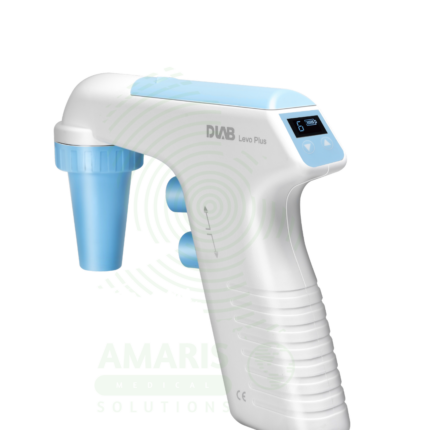
Levo Plus Pipette Filler
The Levo Plus Pipette Filler is a lightweight, high-capacity motorized pipette controller from DLAB that offers exceptional speed, precision, and ergonomic comfort for high-throughput serological pipetting. Designed for use with all common glass or plastic serological pipettes (0.1–100 mL) and Pasteur pipettes, this device is an essential tool for any busy laboratory.
For the laboratory scientist, the Levo Plus delivers a powerful yet quiet performance. Its robust motor can aspirate 25 mL of liquid in less than 5 seconds, dramatically improving workflow efficiency. The device features six intuitive speed settings for both aspiration and dispensing, giving users precise control to avoid foaming or splashing, whether handling delicate cell cultures or transferring viscous reagents. A large, integrated LCD screen clearly displays the current speed setting and battery status, ensuring informed and error-free operation.
The ergonomic, lightweight design (200 g) and touch-sensitive concave triggers minimize hand strain, reducing the risk of repetitive strain injuries (RSI) during long pipetting sessions. The unit is powered by a high-capacity lithium-ion battery that provides over 8 hours of intermittent use on a 2–3 hour charge and can be operated while charging to eliminate downtime. A replaceable 0.45 µm hydrophobic filter protects both the user and the instrument from biohazardous aerosols, and the autoclavable silicone nose cone adapter ensures aseptic technique.
For the patient, the Levo Plus's speed, precision, and safety features help ensure that clinical samples are processed efficiently, consistently, and without contamination, directly supporting the accuracy and timeliness of critical diagnostic results.
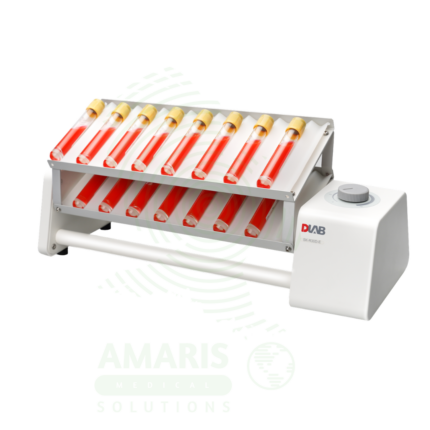
-17%
Long Deck Double Layer Rocking Rotator (SK-R30D-E )
The Long Deck Double Layer Rocking Rotator is a long-deck double-layer rocking rotator featuring adjustable speed control (0-30 rpm), fixed 40° tilt angle, continuous operation mode, and a maintenance-free brushless DC motor, designed for gentle, uniform mixing of blood tubes, serology specimens, and molecular biology samples in clinical diagnostic and research laboratories .
Key features include a double-layer deck design (405mm length) that accommodates up to 16 × 5-10mL blood collection tubes or 6 × 50mL centrifuge tubes per layer (up to 32 tubes total) using interchangeable silicone mattresses, fixed 40° ± 3° rocking motion for gentle, thorough mixing, continuous operation mode for extended use, analog speed control (0-30 rpm), and a maintenance-free brushless DC motor for quiet, reliable operation . The unit's compact footprint (405 × 160 × 160 mm) and lightweight design (2.2 kg) allow easy benchtop placement .
The SK-R30D-E accommodates a variety of tube formats via interchangeable silicone mattress accessories, with universal voltage (100-240V, 50/60Hz) enabling use in laboratories worldwide without voltage conversion . The cold room and incubator compatibility (5-40°C operating temperature, ≤80% RH) allows sample mixing under controlled temperature conditions for temperature-sensitive applications .
For the clinical laboratory scientist and phlebotomist, the SK-R30D-E ensures gentle, thorough mixing of blood samples after collection—preventing clot formation, platelet activation, and hemolysis that could compromise complete blood count (CBC) and coagulation study (PT/PTT) results . For the immunology technologist, it supports RPR and VDRL serological testing for infectious diseases (HIV, syphilis, hepatitis) . For the molecular biologist, it facilitates gentle mixing of DNA, RNA, and protein samples for PCR and sequencing workflows .
Universal voltage (100-240V, 50/60Hz) enables use in laboratories worldwide without voltage conversion . The double-layer design maximizes throughput while maintaining a small benchtop footprint . The silicone mattresses provide secure tube retention and are easy to clean and decontaminate between sample batches .
For the patient undergoing coagulation monitoring (warfarin, heparin), complete blood count (CBC), serological testing for infectious diseases, or molecular diagnostic testing, the SK-R30D-E's gentle rocking motion ensures accurate test results that guide appropriate treatment decisions—preventing false-negative or false-positive results due to improper sample mixing, clot formation, or platelet activation .
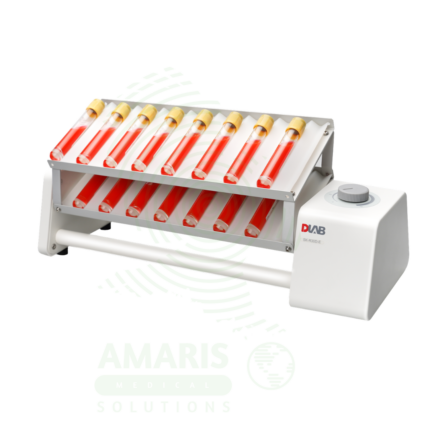
Long Deck Double Layer Rocking Rotator (SK-R30D-E)
The Long Deck Double Layer Rocking Rotator is a long-deck double-layer rocking rotator featuring adjustable speed control (0-30 rpm), fixed 40° tilt angle, continuous operation mode, and a maintenance-free brushless DC motor, designed for gentle, uniform mixing of blood tubes, serology specimens, and molecular biology samples in clinical diagnostic and research laboratories .
Key features include a double-layer deck design (405mm length) that accommodates up to 16 × 5-10mL blood collection tubes or 6 × 50mL centrifuge tubes per layer (up to 32 tubes total) using interchangeable silicone mattresses, fixed 40° ± 3° rocking motion for gentle, thorough mixing, continuous operation mode for extended use, analog speed control (0-30 rpm), and a maintenance-free brushless DC motor for quiet, reliable operation . The unit's compact footprint (405 × 160 × 160 mm) and lightweight design (2.2 kg) allow easy benchtop placement .
The SK-R30D-E accommodates a variety of tube formats via interchangeable silicone mattress accessories, with universal voltage (100-240V, 50/60Hz) enabling use in laboratories worldwide without voltage conversion . The cold room and incubator compatibility (5-40°C operating temperature, ≤80% RH) allows sample mixing under controlled temperature conditions for temperature-sensitive applications .
For the clinical laboratory scientist and phlebotomist, the SK-R30D-E ensures gentle, thorough mixing of blood samples after collection—preventing clot formation, platelet activation, and hemolysis that could compromise complete blood count (CBC) and coagulation study (PT/PTT) results . For the immunology technologist, it supports RPR and VDRL serological testing for infectious diseases (HIV, syphilis, hepatitis) . For the molecular biologist, it facilitates gentle mixing of DNA, RNA, and protein samples for PCR and sequencing workflows .
Universal voltage (100-240V, 50/60Hz) enables use in laboratories worldwide without voltage conversion . The double-layer design maximizes throughput while maintaining a small benchtop footprint . The silicone mattresses provide secure tube retention and are easy to clean and decontaminate between sample batches .
For the patient undergoing coagulation monitoring (warfarin, heparin), complete blood count (CBC), serological testing for infectious diseases, or molecular diagnostic testing, the Long Deck Double Layer Rocking Rotator
gentle rocking motion ensures accurate test results that guide appropriate treatment decisions—preventing false-negative or false-positive results due to improper sample mixing, clot formation, or platelet activation .
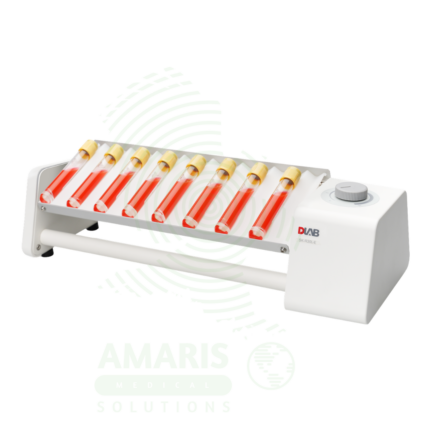
Long Deck Rocking Rotator (SK-R30L-E)
The Long Deck Rocking Rotator is a long-deck single-layer rocking rotator featuring adjustable speed control (0-30 rpm), fixed 40° tilt angle, continuous operation mode, and a maintenance-free brushless DC motor, designed for gentle, uniform mixing of blood tubes, serology specimens, and molecular biology samples in clinical diagnostic and research laboratories .
Key features include a long deck (405mm length) that accommodates up to 16 × 5-10mL blood collection tubes, 6 × 50mL centrifuge tubes, or 14 × 15mL centrifuge tubes using interchangeable silicone mattresses, fixed 40° ± 3° rocking motion for gentle, thorough mixing, continuous operation mode for extended use, analog speed control (0-30 rpm) with On/Off switch and indicator light, and a maintenance-free brushless DC motor for quiet, reliable operation . The unit's compact footprint (405 × 160 × 130 mm) and lightweight design (2.2 kg) allow easy benchtop placement .
The Long Deck Rocking Rotator accommodates a variety of tube formats via interchangeable silicone mattress accessories (16-position for 5-10mL blood tubes, 6-position for 50mL tubes, 14-position for 15mL tubes), with universal voltage (100-240V, 50/60Hz) enabling use in laboratories worldwide without voltage conversion . The cold room and incubator compatibility (5-40°C operating temperature, ≤80% RH) allows sample mixing under controlled temperature conditions for temperature-sensitive applications .
For the clinical laboratory scientist and phlebotomist, the SK-R30L-E ensures gentle, thorough mixing of blood samples after collection—preventing clot formation, platelet activation, and hemolysis that could compromise complete blood count (CBC) and coagulation study (PT/PTT) results . For the immunology technologist, it supports RPR and VDRL serological testing for infectious diseases (HIV, syphilis, hepatitis) . For the molecular biologist, it facilitates gentle mixing of DNA, RNA, and protein samples for PCR and sequencing workflows .
Universal voltage (100-240V, 50/60Hz) enables use in laboratories worldwide without voltage conversion . The silicone mattresses provide secure tube retention and are easy to clean and decontaminate between sample batches .
For the patient undergoing coagulation monitoring (warfarin, heparin), complete blood count (CBC), serological testing for infectious diseases, or molecular diagnostic testing, the Long Deck Rocking Rotator gentle rocking motion ensures accurate test results that guide appropriate treatment decisions—preventing false-negative or false-positive results due to improper sample mixing, clot formation, or platelet activation .