Dermatoscope and Magnifiers
 Diagnostic Kits
 Vital Signs Monitors
 Stethoscopes and Accessories
 Otoscopes, Ophthalmoscopes, and Retinoscopes
 Reflex Hammers and Neurological Tools
 Scales and Measuring Devices
 Spirometers and Pulmonary Function Tests
 Electrosurgical Units and Accessories
 Cutting Instruments
 Grasping and Holding Instruments
 Hemostatic Instruments
 Specialized Surgical Sets
 Single-Use Procedure Trays and Packs
 Surgical Drapes, Gowns, and Covers
 Tissue Unifying Instruments
 Radiation Protection
 X-Ray Machines and Accessories
 Ultrasound Systems and Probes
 MRI and CT Scanners
 Radiology Consumables
 Bone Densitometers
 Fluoroscopy Equipment
 Imaging Tables and Positioning Aids
 Microscopes and Accessories
 Centrifuges and Separators
 Analyzers
 Incubators and Ovens
 Pipettes, Dispensers, and Lab Glassware
 Refrigerators, Freezers, and Storage Units
 Lab Consumables
 Sterilizers and Autoclaves for Lab Use
 Multi-Parameter Monitors
 Ventilators and Respiratory Support Devices
 Defibrillators and AEDs
 Infusion Pumps and IV Systems
 Patient Warmers and Cooling Devices
 Central Monitoring Stations
 Accessories
 Anesthesia Machines and Workstations
 Oxygen Concentrators and Delivery Systems
 Nebulizers and Inhalers
 CPAP/BiPAP Machines
 Airway Management
 Anesthesia Masks, Circuits, and Bags
 Humidifiers and Heaters
 Respiratory Therapy Accessories
 First Aid Kits and Cabinets
 Emergency Resuscitation Equipment
 Trauma Supplies
 Emergency Carts and Crash Carts
 Burn Care Products
 Bleeding Control
 Automated External Defibrillators (AEDs)
 Transport and Evacuation
 Wheelchairs and Accessories
 Walkers, Crutches, and Canes
 Prosthetics and Orthotics
 Physical Therapy Equipment
 Transfer Devices
 Bathroom Safety
 Orthopedic Traction and Tables
 Hot/Cold Therapy Packs and Units
 Beds and Mattresses
 Chairs and Stools
 Tables
 Cabinets and Storage
 Privacy Screens & Curtains
 Stands and Racks
 Linens and Textiles
 Lighting
 Autoclaves and Sterilizers
 Ultrasonic Cleaners
 Disinfectant Solutions and Wipes
 Sterilization Pouches, Wraps, and Indicators
 Instrument Trays and Containers
 UV and Ozone Disinfection Devices
 Washer Disinfectors
 Wound Care
 Gloves
 Masks and Respirators
 Catheters and Tubing
 Swabs, Applicators, and Sponges
 Incontinence Products
 Personal Protective Equipment (PPE)
 Dental Chairs and Units
 Handpieces and Burs
 Instruments
 Consumables
 Sterilization for Dental Use
 Orthodontic Supplies
 Endodontic Tools
 Slit Lamps and Tonometers
 Lensometers and Phoropters
 Ophthalmic Surgical Instruments
 Eyewear Frames and Lenses
 Contact Lens Supplies
 Vision Testing Charts and Devices
 Eye Care Consumables
 Laser Systems for Eye Care
 ENT Exam Chairs and Tables
 Endoscopes
 Audiometers and Hearing Tests
 ENT Instruments
 Nasal and Throat Packs
 Hearing Aids and Accessories
 Otology Supplies
 Fetal Dopplers and Monitors
 Delivery Beds and Tables
 Gynecological Instruments
 Neonatal Incubators and Warmers
 Breast Pumps and Accessories
 Contraceptive Devices
 Maternity Supports and Pads
 Neonatal Consumables
 Cystoscopes and Urethroscopes
 Dialysis Machines and Supplies
 Urological Catheters and Bags
 Lithotripters
 Prostate Treatment Devices
 Urinary Incontinence Products
 Kidney Stone Management Tools
 Consumables & Disposables
 EEG and EMG Machines
 Neurosurgical Instruments
 Nerve Stimulators
 Headrests and Positioning Aids
 Lumbar Puncture Kits
 Seizure Monitoring Devices
 Consumables
 Rehabilitation for Neurological Conditions
 ECG Machines and Accessories
 Holter Monitors
 Stress Test Systems
 Pacemakers and Defibrillator Accessories
 Vascular Access Devices
 Cardiac Catheters and Guidewires
 Blood Flow Meters
 Consumables
 Orthopedic Instruments
 Casts, Splints, and Padding
 Joint Replacement Supplies
 Prosthetic Limbs and Components
 Bone Grafts and Substitutes
 Traction Devices
 Orthopedic Braces and Supports
 Rehabilitation Aids for Orthopedics
 Home Oxygen Therapy
 Hospital Beds for Home Use
 Mobility Aids
 Bathroom and Daily Living Aids
 Wound Care for Home
 Monitoring Devices
 Enteral Feeding Pumps and Tubes
 Hand Sanitizers and Dispensers
 Face Shields and Goggles
 Isolation Gowns and Suits
 Biohazard Waste Containers
 Air Purifiers and HEPA Filters
 Surface Disinfectants
 Sharps Containers
 Protective Barriers
 Cardiovascular & Endurance Training
 Strength Training & Weightlifting
 Functional Training & Core Conditioning
 Physical Therapy & Rehabilitation
 Sports & Outdoor Recreation
 Gym Flooring & Facility Equipment
 Fitness Monitoring & Accessories
 Kids & Novelties














LABORATORY EQUIPMENT AND SUPPLIES
Essential instruments, devices, and consumables that form the foundation for diagnostic testing, research analysis, and quality control in clinical and scientific settings. This category includes analyzers (chemistry, hematology, immunoassay), centrifuges, microscopes, incubators, pipettes, safety cabinets, and a comprehensive range of consumables such as reagents, test kits, tubes, plates, and media. These tools enable the accurate measurement, cultivation, separation, and visualization of biological samples, supporting critical functions from routine patient testing to advanced biomedical research. Ideal for hospital core labs, reference laboratories, research institutions, and biotechnology facilities.
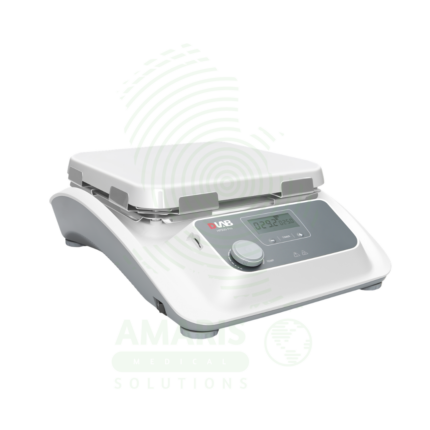
Analog Heating Magnetic Stirrer(MS-H-S)
Analog Heating Magnetic Stirrer is a robust, TÜV‑certified benchtop instrument engineered for accurate, safe, and economical heating and simultaneous stirring in clinical diagnostics, pharmaceutical quality control, analytical chemistry, and academic research laboratories worldwide. Featuring a 5‑inch (φ135 mm) round, ceramic‑coated stainless steel work plate, this analog hotplate stirrer delivers a heating range of room temperature +5 °C to 340 °C and a stepless stirring speed range of 100 to 1500 rpm with a maximum stirring capacity of 20 litres of water.
Every Analog Heating Magnetic Stirrer is individually factory‑calibrated and supplied with a calibration certificate traceable to international standards. The maintenance‑free, spark‑free DC brushless motor provides consistent, quiet agitation without routine upkeep, and the ceramic‑coated stainless steel work plate resists strong acids, strong alkalis, and organic solvents, offering rapid, uniform heating without localised hot spots. Two independent, intuitive analog control knobs (dual rotary knobs) allow simple, direct control over temperature and speed, and the integrated operation indicator light confirms heating status at a glance.
Key user‑focused features for clinical and QC workflows include a large 20‑litre stirring capacity – ideal for bulk buffer and reagent preparation; a 500 W heating system enabling rapid temperature ramp‑up to 340 °C; and independent control of heating and stirring, allowing the unit to be used as a hotplate‑only, stirrer‑only, or combined hotplate stirrer.
Safety is a priority with TÜV certification (CE, cTUVus, FCC), an independent safety circuit providing over‑temperature protection (420 °C hardware cutoff), an independent residual heat warning indicator (“HOT” flashes on the control panel at >50 °C and continues even after the unit is turned off if still connected to mains, until the plate is safe to touch), and an IP42‑rated housing offering robust dust‑ and water‑splashing protection – an upgrade over basic IP21 designs, making the Analog Heating Magnetic Stirrer well suited to busy clinical, QC, and teaching labs where spills and splashes are routine.
With a compact footprint (160 × 280 mm), moderate weight (2.8 kg), and universal power supply (100–240 V, 50/60 Hz), the MS‑H‑S occupies minimal bench space while delivering reliable performance suitable for a wide range of clinical and research workflows. The instrument is backed by a 2‑year manufacturer’s warranty and is supported by a global distributor network.
For the clinical laboratory scientist, pharmaceutical QC technician, and teaching laboratory instructor, the Analog Heating Magnetic Stirrer delivers the reliable, large‑capacity, and simple‑to‑operate heating and stirring required for routine buffer preparation, media processing, staining solution mixing, and any general‑purpose heating or stir‑only task where an economical and durable analog hotplate stirrer up to 340 °C is needed. For the patient, the reliable performance of this TÜV‑certified instrument ensures that diagnostic reagents and quality control samples are prepared consistently and cost‑effectively, supporting accurate routine diagnostics, efficient laboratory operations, and patient safety.
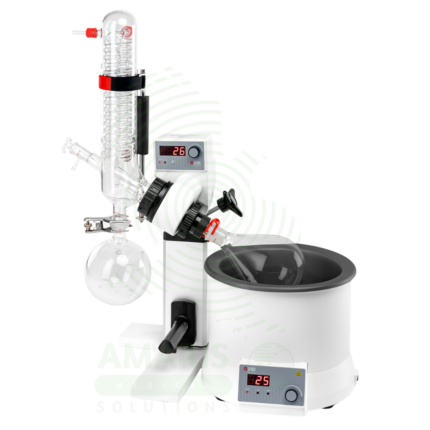
Industrial Digital Rotary Evaporator (RE200-Pro 20L)
The Industrial Digital Rotary Evaporator (RE200-Pro 20L) is a large-scale, industrial-grade distillation system designed for efficient and gentle removal of solvents from samples by evaporation under reduced pressure for pilot production and biopharmaceutical manufacturing . Featuring a 20L evaporating flask capacity, 4.0 L/h evaporation rate, and 4400W heating power (water/oil bath up to 180°C), this industrial unit provides precise temperature (PID control, water: ±1°C, oil: ±3°C), rotation speed (10-150 rpm), and timer (0-999 minutes) control for large-volume processing .
Key features include a large LCD digital display for real-time monitoring, one-click automatic motorized lift with 180mm stroke for smooth and silent operation, and a two-section vertical triple coil condenser with large cooling surface area (approximately 1.2 m²) for high-efficiency sample recovery . The heating bath features switchable water/oil heating modes, corrosion-resistant stainless steel construction, and special insulation design that keeps outer surface temperature much lower than inner pot temperature to prevent burns . The double-layer modified PTFE high-elasticity sealing ring provides ultra-strong sealing performance, high temperature resistance, and corrosion resistance for extended service life . The switch valve enables continuous collection of distillate without compromising system vacuum or solvent distillation, significantly increasing throughput for industrial applications .
For the bioprocess engineer and pharmaceutical manufacturing scientist, the Industrial Digital Rotary Evaporator (RE200-Pro 20L) supports large-scale concentration of bioreactor harvests, purification of bulk active pharmaceutical ingredients (APIs), solvent recovery from pilot production runs, industrial natural product extraction for nutraceutical manufacturing, high-volume solvent recovery for waste reduction, and large-scale concentration for cosmetics and food industry production . Safety features include overheating protection (220°C cutoff), boil-dry protection (auto power-off if bath empty), motor over-current protection, earth-leakage protection, lifting overload protection, and high-temperature warning above 50°C .
Corrosion-resistant stainless steel construction, 180mm motorized lift for user safety, heating bath insulation to prevent burns, PTFE sealing system for chemical resistance, and optional explosion-proof glassware ensure safe, reliable operation for industrial manufacturing . With a large footprint (1160 × 600 × 1860mm) and 106kg weight , the Industrial Digital Rotary Evaporator (RE200-Pro 20L) is an essential instrument for pharmaceutical manufacturing, bioprocessing, chemical production, cosmetics manufacturing, food industry quality control, and pilot plant operations .
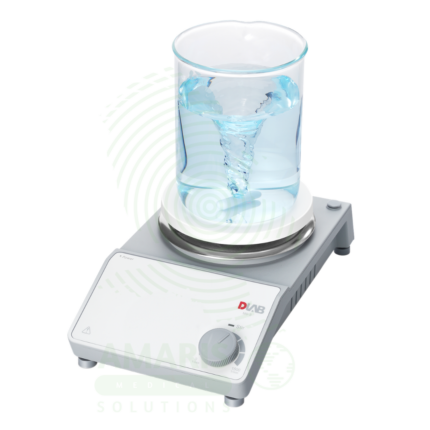
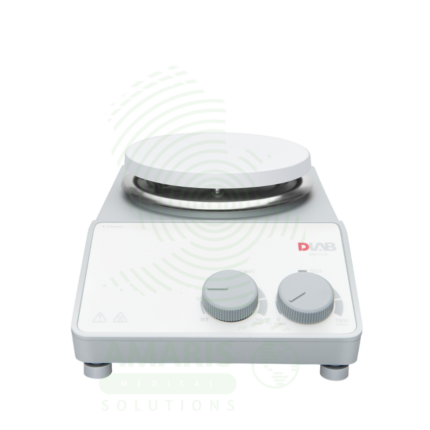
Magnetic Stirrer(MS‑S)
Magnetic Stirrer is a reliable, economical benchtop instrument engineered for efficient, reproducible mixing in clinical diagnostics, pharmaceutical quality control, water quality monitoring, food and beverage safety testing, and general research laboratories. Featuring a 5‑inch (Ø135 mm) round ceramic‑coated stainless steel work plate, this analog stirrer provides a The maximum stirring capacity of 20 liters and a stepless speed range of 0 to 1500 rpm via a simple scale‑graded dial.
Every MS‑S is constructed with a chemical‑resistant ceramic‑coated stainless steel work plate that withstands strong acids, strong alkalis, and organic solvents, ensuring long‑term durability and easy cleaning. The maintenance‑free, spark‑free brushless DC motor provides quiet, reliable, and consistent stirring performance suitable for continuous daily use. The universal 100–240 V, 50/60 Hz power supply allows direct use in laboratories worldwide without voltage conversion.
Key user‑focused features include stepless analog speed control via a single rotary knob with a clear scale‑graded dial for approximate speed selection, a large 20‑liter stirring capacity suitable for batch preparation of bulk reagents and quality control materials, support for stirring bars up to 80 mm in length for powerful magnetic coupling even with viscous solutions, and an IP42‑rated fully enclosed housing providing protection against solid foreign objects (>12.5 mm) and splashing water from any direction. The instrument is TÜV‑certified (CE, cTUVus, FCC) and manufactured under ISO 9001 and ISO 13485 quality management systems.
For the clinical laboratory scientist, pharmaceutical QC analyst, water quality technician, and food safety tester, the MS‑S delivers the large‑capacity, chemical‑resistant, and reliable stirring required for routine reagent preparation, buffer mixing, dissolution media preparation, sample homogenization, and QC material preparation. For the patient and the public, consistent and accurate mixing of reagents, buffers, and diagnostic samples directly supports reliable test results, safe pharmaceutical products, accurate environmental monitoring, and effective clinical decision‑making.
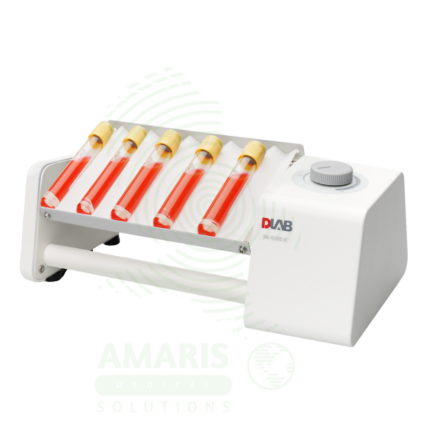
Short Deck Rocking Rotator (SK-R30S-E)
The Short Deck Rocking Rotator is a compact short-deck single-layer rocking rotator featuring adjustable speed control (0-30 rpm), fixed 40° tilt angle, continuous operation mode, and a maintenance-free brushless DC motor, designed for gentle, uniform mixing of blood tubes, serology specimens, and molecular biology samples in space-constrained clinical diagnostic and research laboratories .
Key features include a short deck (235mm length) that accommodates up to 8 × 5-10mL blood collection tubes, 4 × 50mL centrifuge tubes, or 10 × 15mL centrifuge tubes using interchangeable silicone mattresses, fixed 40° ± 3° rocking motion for gentle, thorough mixing, continuous operation mode for extended use, analog speed control (0-30 rpm) with On/Off switch and indicator light, and a maintenance-free brushless DC motor for quiet, reliable operation . The unit's compact footprint (235 × 160 × 130 mm) and lightweight design (1.9 kg) allow easy benchtop placement in space-constrained laboratories .
The Short Deck Rocking Rotator accommodates a variety of tube formats via interchangeable silicone mattress accessories (8-position for 5-10mL blood tubes, 4-position for 50mL tubes, 10-position for 15mL tubes), with universal voltage (100-240V, 50/60Hz) enabling use in laboratories worldwide without voltage conversion . The cold room and incubator compatibility (5-40°C operating temperature, ≤80% RH) allows sample mixing under controlled temperature conditions for temperature-sensitive applications .
For the clinical laboratory scientist and phlebotomist, the SK-R30S-E ensures gentle, thorough mixing of blood samples after collection—preventing clot formation, platelet activation, and hemolysis that could compromise complete blood count (CBC) and coagulation study (PT/PTT) results . For the immunology technologist, it supports RPR and VDRL serological testing for infectious diseases (HIV, syphilis, hepatitis) . For the molecular biologist, it facilitates gentle mixing of DNA, RNA, and protein samples for PCR and sequencing workflows .
Universal voltage (100-240V, 50/60Hz) enables use in laboratories worldwide without voltage conversion . The silicone mattresses provide secure tube retention and are easy to clean and decontaminate between sample batches .
For the patient undergoing coagulation monitoring (warfarin, heparin), complete blood count (CBC), serological testing for infectious diseases, or molecular diagnostic testing, the SK-R30S-E's gentle rocking motion ensures accurate test results that guide appropriate treatment decisions—preventing false-negative or false-positive results due to improper sample mixing, clot formation, or platelet activation .
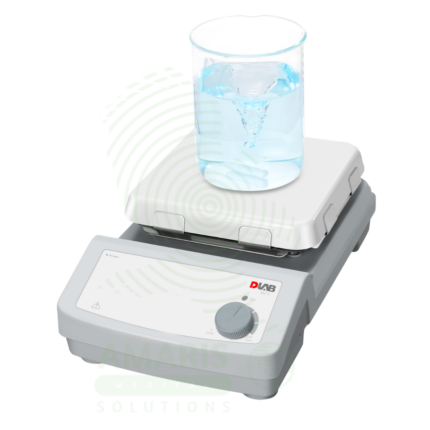
7″ Square Magnetic Stirrer (MS7‑S)
The DLAB 7″ Square Magnetic Stirrer (MS7‑S) is a reliable, economical benchtop instrument engineered for efficient, reproducible mixing in clinical diagnostics, pharmaceutical quality control, microbiology, and general research laboratories. Featuring a large 7‑inch (184×184 mm) square glass ceramic work plate, this stirrer provides a maximum stirring capacity of 10 liters and a stepless speed range of 0 to 1500 rpm, making it ideal for preparing buffers and reagents, dissolving powdered media, and homogenizing samples for a wide variety of diagnostic and research applications.
Every 7″ Square Magnetic Stirrer (MS7‑S) is constructed with a chemical‑resistant glass ceramic work plate that withstands strong acids, strong alkalis, and organic solvents, ensuring long‑term durability and easy cleaning. The robust shaded‑pole AC motor (15 W input, 1.5 W output) provides quiet, vibration‑free operation suitable for continuous daily use. The universal 100–240 V, 50/60 Hz power supply allows direct use in laboratories worldwide without voltage conversion.
Key user‑focused features include stepless analog speed control via a single rotary knob with a clear graduated scale for reproducible speed selection, a large 10‑liter stirring capacity suitable for batch preparation of bulk reagents and quality control materials, and support for stirring bars up to 80 mm in length for powerful magnetic coupling even with viscous solutions. The IP21‑rated powder‑coated metal housing provides protection against solid foreign objects and vertically falling water drops, while the non‑slip rubber feet ensure stability during high‑speed stirring.
For the clinical laboratory scientist, pharmaceutical QC analyst, and water quality technician, the 7″ Square Magnetic Stirrer (MS7‑S) delivers the large‑capacity, chemical‑resistant, and reliable stirring required for routine reagent preparation, buffer mixing, dissolution media preparation, and sample homogenization. For the patient, consistent and accurate mixing of reagents, buffers, and diagnostic samples directly supports reliable test results, safe pharmaceutical products, and effective clinical decision‑making.
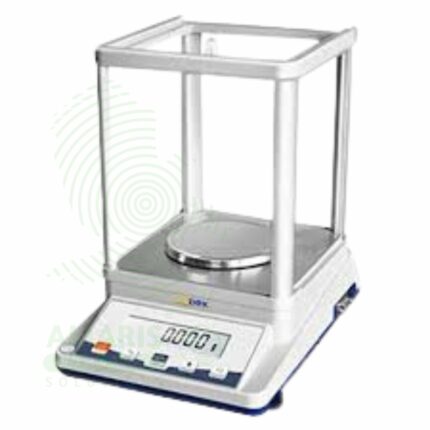
Analytical Balance
An Analytical Balance is a precision instrument used to measure mass with high accuracy and readability, often to 0.1 mg or better. It is essential for the quantitative preparation of reagents, standards, and samples in clinical and research laboratories. Its operation requires a stable, draft-free environment, meticulous calibration, and careful technique to avoid errors from temperature, static, or vibration. The validity of analytical results is directly dependent on the performance of the balance, making it a critical piece of equipment under strict quality control.
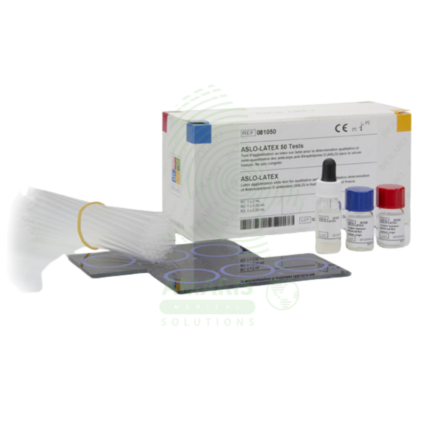
Anti-Streptol Olysin O Titer (ASOT)
Anti-Streptol Olysin O Titer (ASOT) is a quantitative or semi-quantitative serological test (latex agglutination, turbidimetry, nephelometry, or ELISA) for detecting antibodies against streptolysin O, an exotoxin produced by Group A Streptococcus. Elevated or rising titers indicate recent streptococcal infection and are essential for diagnosing post-streptococcal sequelae including acute rheumatic fever (Jones criteria) and post-streptococcal glomerulonephritis. The test requires serum samples; acute and convalescent (2-4 weeks apart) with fourfold rise confirms recent infection. Reference range typically <200-250 Todd units/mL (adults), varies by age and population. Primary clinical applications include diagnosis of Group A streptococcal infections, acute rheumatic fever evaluation, post-streptococcal glomerulonephritis diagnosis, differentiation of acute vs. past infection, evaluation of unexplained arthritis or carditis, pediatric inflammatory conditions (PANDAS), and monitoring disease activity in rheumatic fever. Critical safety precautions include proper timing of acute and convalescent samples, awareness of false negatives/positives, clinical correlation for diagnosis, and standard biohazard precautions. Essential test for rheumatology, nephrology, cardiology, and infectious disease practice.
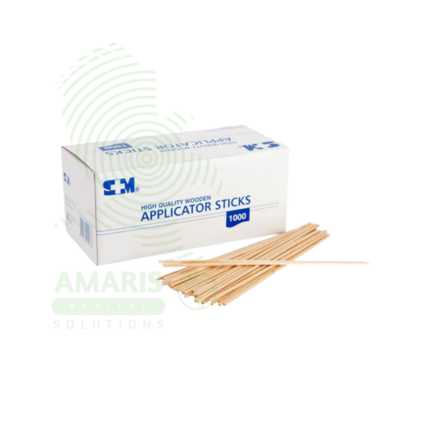
Applicator Sticks
Applicator Sticks are single-use medical devices with absorbent tips (cotton, rayon, flocked polyester) on wood, plastic, or paper shafts for collecting clinical specimens (throat, nasal, wound, cervical, urethral, rectal) for microbiological culture, rapid testing, and molecular diagnostics. Sterile individually wrapped or non-sterile bulk formats. Flocked swabs provide >90% specimen release for PCR testing. Primary applications include specimen collection for infection diagnosis, wound care and antiseptic application, gynecological sampling (Pap smears, STI testing), eye/ear specimen collection, laboratory slide preparation, and forensic evidence collection. Critical precautions include single-use only, sterile technique, proper collection method, and biohazard disposal. Essential consumable in all clinical settings.
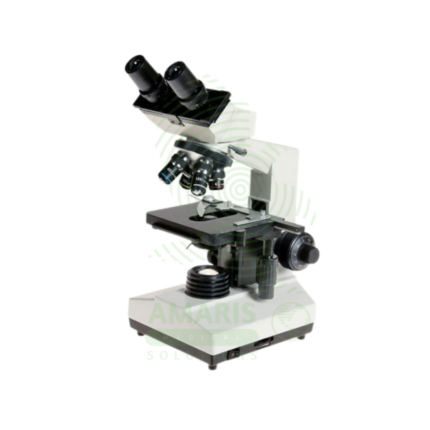
Binocular Electric Microscope
A Binocular Electric Microscope is a standard clinical laboratory instrument featuring binocular eyepieces for comfortable viewing and built-in electric illumination (halogen or LED) for routine diagnostic microscopy across microbiology, hematology, histopathology, cytology, urinalysis, and parasitology. Equipped with 4×, 10×, 40× (high dry), and 100× (oil immersion) plan or plan achromatic objectives, 10× widefield eyepieces with diopter adjustment, Abbe condenser with iris diaphragm, mechanical stage with X-Y controls, and coaxial coarse/fine focusing. Magnification range 40× to 1000× with resolution to 0.2-0.3 micrometres. Primary clinical applications include Gram stain interpretation for bacterial identification, manual differential white blood cell counts, red blood cell morphology assessment, malaria parasite detection, urine sediment examination, Pap smear screening, and semen analysis. Essential equipment in every clinical laboratory for visual examination of stained and unstained specimens, providing definitive diagnosis for countless infectious, hematologic, and neoplastic conditions. Binocular design reduces eye strain during prolonged use, while electric illumination ensures consistent, adjustable lighting for optimal specimen visualization.
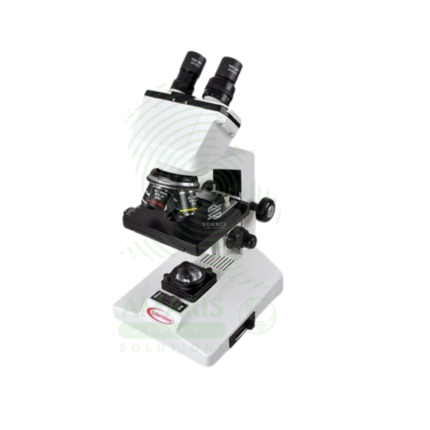
Binocular Microscope
A Binocular Microscope is a high-precision, compound optical instrument fundamental to clinical diagnostics. Featuring dual eyepieces for comfortable viewing and a suite of parfocal objective lenses (4x, 10x, 40x, 100x oil), it provides magnifications from 40x to 1000x. Its integrated LED illumination, mechanical stage, and Abbe condenser enable the detailed examination of stained blood films, tissue sections, microbiological specimens, and cytological preparations. As the primary tool for pathologists and laboratory scientists, it is indispensable for definitive diagnoses in hematology, histopathology, microbiology, and urinalysis, demanding skilled operation and meticulous maintenance for optimal performance.
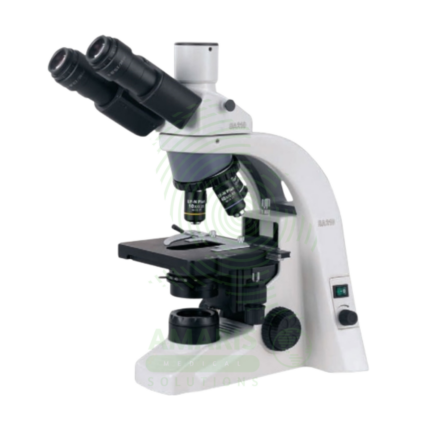
Biological Microscope
A Biological Microscope is a Class I medical device (optical instrument) designed for examining stained and unstained biological specimens in clinical, research, and educational laboratories. Available in monocular, binocular, or trinocular configurations with magnification from 40× to 1000× (oil immersion) using 4×, 10×, 40×, and 100× achromatic or plan achromatic objectives, 10× widefield eyepieces, Abbe condenser, mechanical stage, and built-in halogen or LED illumination. Features include coaxial coarse/fine focusing, revolving nosepiece, Köhler illumination alignment, and ergonomic design for comfortable use. Primary clinical applications include microbiological examination (Gram stains, acid-fast stains, wet mounts), hematology (differential counts, RBC morphology, platelet estimation), histopathology (tissue sections, H&E, special stains), cytology (Pap smears, FNAs, body fluids), urinalysis (sediment examination), parasitology (malaria, ova, parasites), and fertility (semen analysis). Essential equipment in every clinical laboratory for infectious disease diagnosis, cancer detection, hematological disorder evaluation, and countless other diagnostic applications requiring direct visualization of specimens. Biological microscopes are the foundation of laboratory medicine, enabling pathologists, microbiologists, hematologists, and laboratory scientists to visualize and interpret the cellular and microbial world for patient diagnosis and care.
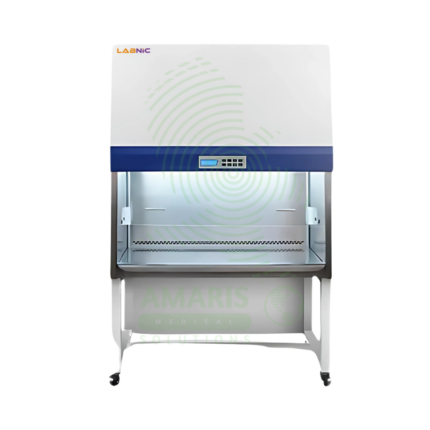
Biological Safety Carbinets
A Biological Safety Carbinets (BSC) is a primary containment device providing personnel, product, and environmental protection when handling infectious microorganisms and biological materials. Class II, Type A2 cabinets (most common in clinical laboratories) feature HEPA-filtered laminar downflow air (70% recirculated, 30% exhausted) maintaining ISO 5 (Class 100) air quality within the work zone, with inflow velocities of 100-120 fpm at the sash opening. Constructed of stainless steel with tempered glass sash, HEPA filters (99.99% efficient at 0.3 microns), motor/blower system, and UV decontamination option. Available in 3-6 foot widths for various laboratory applications. Certified to NSF/ANSI 49 standards with annual recertification required. Primary clinical applications include microbiological specimen processing (culture inoculation, Gram stains), mycobacteriology work (AFB smears, TB culture), viral culture and isolation, fungal mycology procedures, cell culture maintenance, molecular biology PCR setup, and antimicrobial susceptibility testing. Essential containment equipment for BSL-2 and BSL-3 laboratories handling pathogens including Mycobacterium tuberculosis, SARS-CoV-2, influenza viruses, pathogenic fungi, and other infectious agents, protecting laboratory personnel from aerosol-borne infections while maintaining specimen integrity.
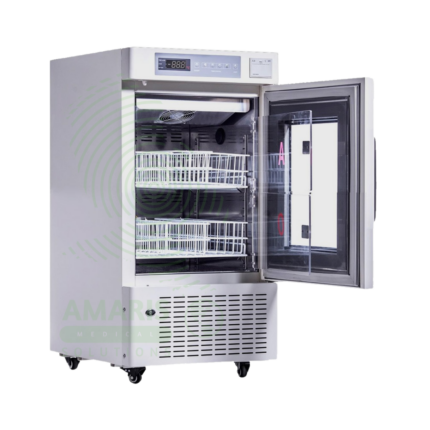
Blood Bank Freezer
A Blood Bank Freezer is a specialized Class II medical device designed for the safe, temperature-controlled frozen storage of blood components including fresh frozen plasma (FFP), cryoprecipitate, and other frozen plasma products at temperatures of -18°C to -35°C (standard plasma freezers) or -65°C to -80°C (for frozen red cells). Meeting stringent AABB, FDA, CAP, and EU regulatory standards, these freezers feature heavy-duty refrigeration systems, forced-air circulation for temperature uniformity (±2-3°C), microprocessor controls with digital displays, redundant temperature monitoring with chart recorders or digital data loggers, and multi-level alarm systems (audible, visual, remote) for high/low temperature, power failure, and door/lid ajar. Available in upright or chest configurations with capacities from 200-1,500+ liters, specialized blood bag racks, pull-out drawers, and secure locking. Primary clinical applications include long-term storage of fresh frozen plasma (12 months at -18°C), cryoprecipitate storage, frozen plasma components for transfusion, cryoprecipitate-rich plasma, long-term storage of rare blood products, and research/reference laboratory sample storage. Essential equipment for hospital blood banks, transfusion services, blood donor centers, and reference laboratories requiring validated, reliable frozen storage for critical blood components with full regulatory compliance and documented temperature monitoring.
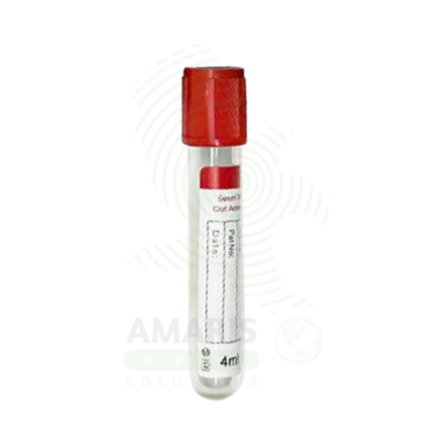
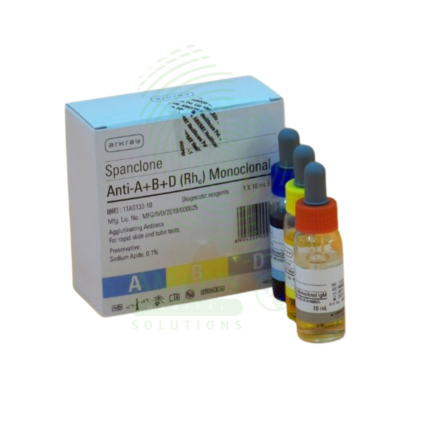
Blood Grouping kit
A Blood Grouping Kit is a Class II medical device (FDA-cleared/CE-marked) containing monoclonal antibodies (Anti-A, Anti-B, Anti-D) and control reagents for determining ABO blood group and Rh factor by agglutination method. The kit includes color-coded reagent vials, reaction cards or slides, mixing sticks, lancets, and capillary pipettes. Test time 2-5 minutes (slide method) or 15-30 minutes (tube method). Interpretation based on agglutination pattern: Anti-A positive = group A; Anti-B positive = group B; both positive = group AB; both negative = group O; Anti-D positive = Rh positive; Anti-D negative = Rh negative. Primary clinical applications include pre-transfusion compatibility testing, prenatal and neonatal testing (Rh incompatibility prevention), preoperative blood typing, blood donor screening, and emergency blood typing. Critical safety precautions include refrigerated storage (2-8°C), proper disposal of lancets in sharps containers, universal precautions for blood samples, and confirmation with reverse typing when possible. Essential kit for transfusion medicine, obstetrics, surgery, and emergency care.
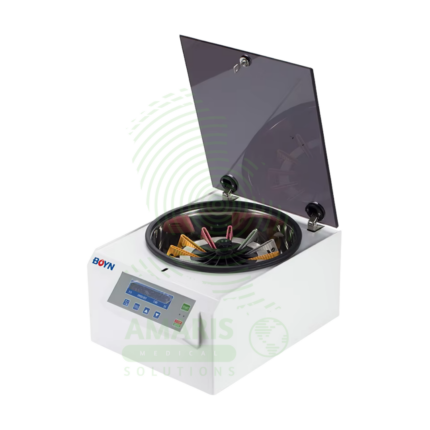
Blood ID Centrifuge
The Blood ID Centrifuge is a specialized benchtop centrifuge designed specifically for blood banking and immunohematology applications using gel card or column agglutination technology. It is optimized for centrifuging gel cards used in ABO/Rh typing, antibody screening, cross-matching, direct and indirect antiglobulin tests (Coombs tests), and antibody identification procedures. Features include fixed-angle or swing-out rotors with specialized gel card holders, programmable cycles (speed, time, acceleration/deceleration) for different test protocols, digital display, imbalance detection, and safety lid lock. Capacity typically 6-24 gel cards per run with speeds optimized at 1,000-2,500 RPM for gel card processing. Primary clinical applications include blood typing and cross-matching in transfusion medicine, antibody identification and titer determination, direct and indirect antiglobulin testing, newborn cord blood testing, donor screening, and quality control in immunohematology. Essential equipment for hospital blood banks, donor centers, and immunohematology reference laboratories requiring standardized, reproducible gel card test results.
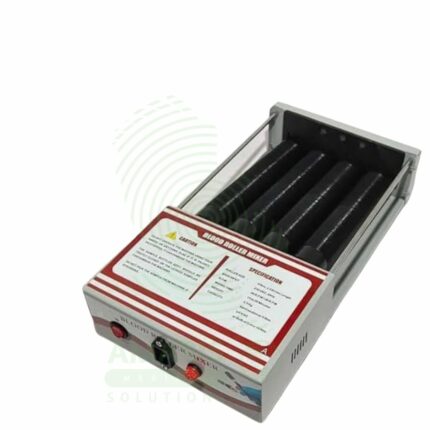
Blood Roller Mixer
A Blood Roller Mixer is a dedicated laboratory instrument that provides continuous, gentle rotation of blood collection tubes to ensure complete mixing of blood with anticoagulants, preventing clot formation. This is a critical first step in the pre-analytical phase, safeguarding sample integrity for hematology, coagulation, and chemistry testing. It features adjustable speed, a timer, and soft rollers to handle standard tube sizes quietly and reliably. Safe operation requires using properly capped tubes, balancing the load, and prompt cleaning of any biohazardous spills. It is an indispensable tool for ensuring the quality of blood samples in any clinical setting.
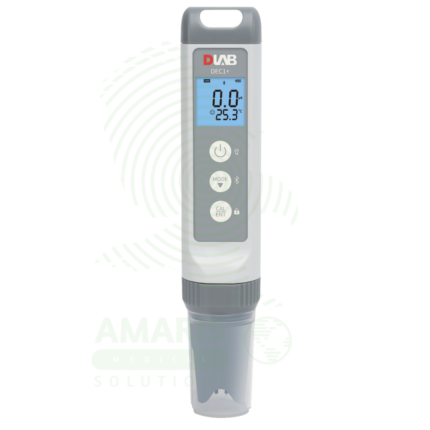
Bluetooth Pen Meter (DEC1+)
The Bluetooth Pen Meter( DEC1+) is a pocket-sized, Bluetooth-enabled pen meter featuring automatic ranging conductivity measurement (0~19.99 mS/cm), measurement of TDS (0~10.0 ppt), Resistivity (50 Ω·cm~20 MΩ·cm), Salinity (0~10 ppt), and Temperature (0~60℃), replaceable combined probe design (DEC1-S electrode), multi-color backlit LCD display, IP67 dustproof/waterproof rating, 1-point automatic calibration, and wireless connectivity to mobile APP for two-way control, unlimited data storage, and advanced data management—ideal for water quality testing in clinical, pharmaceutical, and environmental applications .
For the dialysis technician, water quality specialist, and pharmaceutical QC chemist, the Bluetooth Pen Meter( DEC1+) enables rapid, on-site verification of conductivity in purified water systems, dialysis fluids, and pharmaceutical process water—critical parameters for ensuring patient safety during renal replacement therapy and drug manufacturing . The Bluetooth connectivity and APP support allow wireless data transfer, calibration reminders, sample ID management.
Key features include multi-color backlit display with reading stability indicator and auto data lock , low battery indicator , user-configurable auto shut-off (1-8 minutes) and backlight duration (5-20 seconds) , compatibility with CH, USA, and NIST calibration standards , and IP67 rating for reliable operation in harsh field environments . The replaceable combined probe design extends instrument service life—electrode replacement rather than complete instrument replacement .
For the patient, accurate conductivity, TDS, and resistivity monitoring of water used in dialysis and pharmaceutical manufacturing ensures that critical treatment fluids meet stringent safety and quality standards—preventing potential harm from improperly treated water and supporting the production of safe, effective medications.
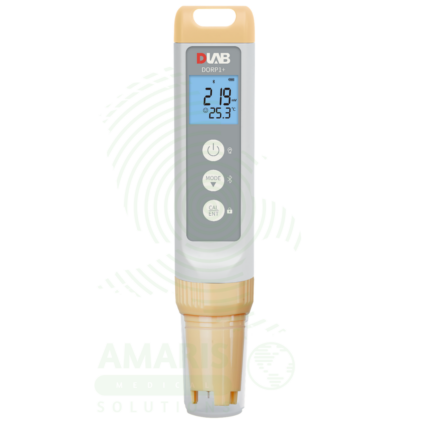
Bluetooth Pen Meter (DORP1+)
The Bluetooth Pen Meter (DORP1+) is a pocket-sized, single-parameter pen tester measuring Oxidation-Reduction Potential (ORP) from -1000.0 to +1000.0 millivolts with accuracy of ±0.1 percent of full scale ±1 digit and resolution of 0.1 or 1 millivolts, featuring replaceable combined electrode design (DORP1-S), multi-color backlit LCD display with reading stability indicator and automatic data lock, IP67 dustproof and waterproof rating, 0 to 60 degrees Celsius temperature measurement with ±0.2 degrees Celsius accuracy, 1-point automatic calibration with 222 millivolt ORP standard, support for CH, USA, and NIST standard buffer solutions, low battery indicator, user-configurable automatic shut-off and backlight duration, power-on self-diagnosis, and Bluetooth connectivity to a mobile application for two-way control, unlimited data storage, graphical display modes (chart, curve, dial, and normal), graphic navigation operation guides, calibration reminders, measurement object identification management, timed storage, and high and low value warning settings—ideal for water quality testing in clinical, pharmaceutical, and environmental applications .
For the dialysis technician, infection control officer, and water quality specialist, the Bluetooth Pen Meter (DORP1+) enables rapid, on-site ORP measurement to verify disinfection efficacy in purified water systems, dialysis fluids, and pharmaceutical process water—critical parameters for ensuring patient safety during renal replacement therapy and drug manufacturing. The replaceable electrode design extends instrument service life, while the IP67 rating ensures reliable operation in harsh field environments.
Key features include multi-color backlit display with reading stability indicator and automatic data lock when stable (smiley icon), power-on self-diagnosis function, low battery indicator, user-configurable automatic shut-off time and backlight duration, and compatibility with CH, USA, and NIST calibration standards. The Bluetooth connectivity allows wireless connection to a mobile application with two-way control, unlimited data storage, graphical display modes (chart, curve, dial, and normal), graphic navigation operation guides, calibration reminders, measurement object identification management, timed storage, and high and low value warning settings.
For the patient, accurate ORP monitoring of water used in dialysis and pharmaceutical manufacturing ensures that critical treatment fluids meet stringent safety and quality standards—preventing potential harm from improperly treated water and supporting the production of safe, effective medications.
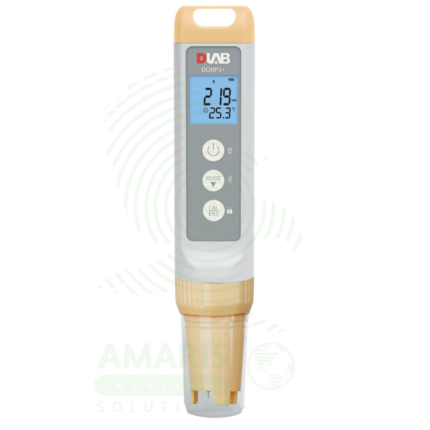
Bluetooth Pen Meter (DPC1+)
The Bluetooth Pen Meter (DPC1+) is a pocket-sized, multi-parameter Bluetooth-enabled pen tester measuring pH, ORP, conductivity, TDS, salinity, resistivity, and temperature, featuring replaceable combined electrode design (DPC1-S), multi-color backlit LCD display with reading stability indicator and automatic data lock, IP67 dustproof and waterproof rating, 1 to 3 point automatic pH calibration with buffer recognition, 1 point automatic conductivity calibration, CH/USA/NIST standard buffer compatibility, low battery indicator, user-configurable automatic shut-off and backlight duration, power-on self-diagnosis, and Bluetooth connectivity to a mobile application for two-way control, unlimited data storage, graphical display modes (graph, table, dial, general), graphic navigation operation guides, calibration reminders, measurement object ID management, and timed storage—with complete field-ready kit including hard carrying case (28.0 × 23.0 × 8.2 cm), sample vials (30 mL × 4), pH buffers (pH 4.00 and 6.86, 30 mL each), conductivity standards (1408 μS/cm and 12.85 mS/cm, 30 mL each), 3 mol KCl electrode storage solution (10 mL), four AAA batteries, and lanyard—ideal for water quality testing in clinical, pharmaceutical, and environmental applications .
For the dialysis technician, water quality specialist, infection control officer, and pharmaceutical QC chemist, the Bluetooth Pen Meter (DPC1+) enables rapid, on-site measurement of multiple water quality parameters—pH for assessing acid-base balance, ORP for verifying disinfection efficacy, conductivity and TDS for ionic purity, resistivity for ultrapure water verification, salinity for specific applications, and temperature for thermal monitoring—with wireless data logging for regulatory compliance . This comprehensive multi-parameter capability allows a single Bluetooth-enabled device to replace multiple single-parameter meters, simplifying field testing, reducing equipment costs, and providing auditable digital records .
Key features include multi-color backlit display with reading stability indicator and automatic data lock when stable (smiley icon), power-on self-diagnosis function, low battery indicator, user-configurable automatic shut-off time and backlight duration, and compatibility with CH, USA, and NIST calibration standards . The IP67 dustproof and waterproof rating ensures reliable operation in harsh field environments, while the complete accessory kit provides field-ready capability .
The Bluetooth connectivity allows wireless connection to a mobile application with two-way control, unlimited data storage, graphical display modes (graph mode for trend analysis, table mode for data review, dial mode for analog-style reading, and general mode for basic measurement), graphic navigation operation guides for user training, calibration reminders to ensure instrument accuracy, measurement object ID management for traceability, and timed storage for scheduled data logging .
For the patient, accurate multi-parameter monitoring of water used in dialysis and pharmaceutical manufacturing ensures that critical treatment fluids meet stringent safety and quality standards—preventing potential harm from improperly treated water and supporting the production of safe, effective medications. The DPC1+ is built under ISO 9001:2015 quality management and is suitable for drinking water, aquarium water, wastewater, pool water, non-concentrated chemicals, and non-viscous beverages .
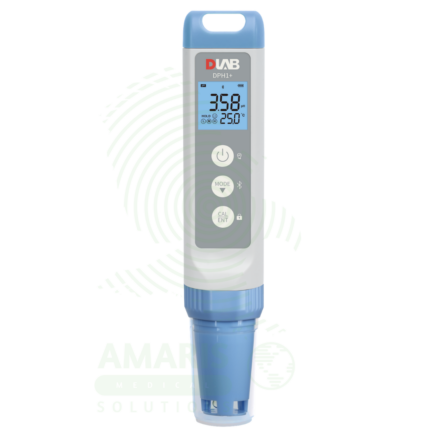
Bluetooth Pen Meter (DPH1+)
The Bluetooth Pen Meter (DPH1+) is a pocket-sized, single-parameter Bluetooth-enabled pen tester measuring pH (-2.00 to 16.00) with ±0.01 pH ±1 digit accuracy and 0.1/0.01 resolution, and ORP (-1000.0 to +1000.0 mV) with ±0.1 percent of full scale ±1 digit accuracy, featuring replaceable combined electrode design (DPH1-S), multi-color backlit LCD display with reading stability indicator and automatic data lock, IP67 dustproof and waterproof rating, 0 to 60 degrees Celsius temperature measurement with ±0.2 degrees Celsius accuracy, automatic temperature compensation (ATC), 1 to 3 point automatic pH calibration with buffer recognition, support for CH, USA, and NIST standard buffer solutions, low battery indicator, user-configurable automatic shut-off and backlight duration, power-on self-diagnosis, and Bluetooth connectivity to a mobile application for two-way control, unlimited data storage, graphical display modes (graph, table, dial, general), graphic navigation operation guides, calibration reminders, measurement object ID management, timed storage, and high/low value warning settings—with complete field-ready kit including hard carrying case (28.0 × 23.0 × 8.2 centimeters), pH buffers (pH 4.00, 6.86, and 9.18, 30 mL each), 3 mol KCl electrode storage solution (10 mL), sample vials (30 mL × 3), four AAA batteries, and lanyard—ideal for water quality testing in clinical, pharmaceutical, and environmental applications .
For the dialysis technician, water quality specialist, clinical laboratory scientist, pharmaceutical QC chemist, and infection control officer, the Bluetooth Pen Meter (DPH1+) enables rapid, on-site pH and ORP measurement of biological fluids (serum, plasma, urine, cerebrospinal fluid) for metabolic assessment, purified water systems, dialysis fluids, and pharmaceutical process water—critical parameters for ensuring patient safety during renal replacement therapy, diagnosing acid-base disorders, verifying disinfection efficacy, and supporting drug manufacturing .
Key features include multi-color backlit display with reading stability indicator and automatic data lock when stable, power-on self-diagnosis function, low battery indicator, user-configurable automatic shut-off time and backlight duration, replaceable electrode design with removable protective cover for extended instrument life and easy cleaning, and compatibility with CH, USA, and NIST calibration standards . The IP67 dustproof and waterproof rating ensures reliable operation in harsh field environments, while the complete accessory kit provides field-ready capability .
The Bluetooth connectivity allows wireless connection to a mobile application with two-way control, unlimited data storage, graphical display modes (graph mode for trend analysis, table mode for data review, dial mode for analog-style reading, and general mode for basic measurement), graphic navigation operation guides for user training, calibration reminders to ensure instrument accuracy, measurement object ID management for traceability, timed storage for scheduled data logging, and high/low value warning settings for critical parameter monitoring .
The replaceable DPH1-S electrode is pre-installed in new meters and is available as a replacement part, extending instrument service life—electrode replacement rather than complete meter replacement. The electrode features a removable protective cover that prevents damage to the glass bulb and facilitates cleaning . The electrode must be stored with the pH sensing bulb moist using 3 mol KCl storage solution to prevent drying .
For the patient, accurate pH and ORP monitoring of water used in dialysis and pharmaceutical manufacturing ensures that critical treatment fluids meet stringent safety and quality standards—preventing potential harm from improperly treated water and supporting the production of safe, effective medications. Additionally, pH measurement of biological fluids supports early detection of metabolic disturbances, acid-base imbalances, and renal dysfunction—enabling timely clinical intervention.
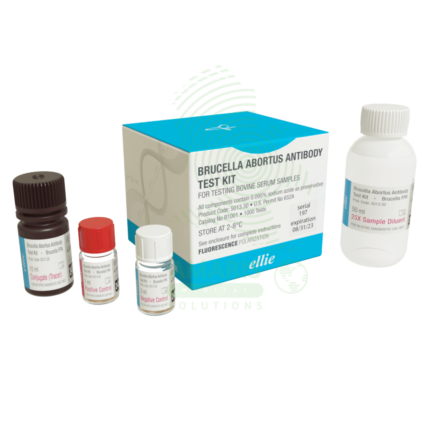
Brucella Set
A Brucella Set is a comprehensive serological test system (Class II medical device, CE-marked/FDA-cleared) for qualitative and quantitative detection of antibodies against Brucella species (B. abortus, B. melitensis, B. suis, B. canis) using multiple methodologies including tube agglutination, slide agglutination, and 2-mercaptoethanol (2-ME) testing. The set includes killed, stained Brucella antigens, positive and negative controls, dilution tubes, reaction cards, and 2-ME reagent for IgM/IgG differentiation. Diagnostic titer ≥1:160 or fourfold rise confirms brucellosis. Primary clinical applications include diagnosis of brucellosis in endemic regions (undulant fever, night sweats, arthralgia), fever of unknown origin investigation, occupational health screening in high-risk workers (veterinarians, farmers, slaughterhouse workers), diagnosis of focal complications (sacroiliitis, spondylitis, meningitis, endocarditis), treatment monitoring (fourfold decline indicates response), outbreak investigation, and public health surveillance. Critical safety precautions include handling all samples in biosafety cabinet (Brucella is highly infectious via aerosol), 2-ME reagent toxicity (use fume hood), awareness of prozone phenomenon (serial dilutions essential), cross-reactions with other Gram-negative bacteria, and mandatory reporting to public health authorities. Essential test for brucellosis diagnosis in endemic regions and occupational health settings.
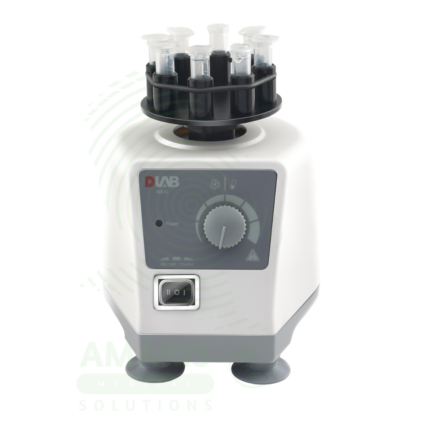
Cell Disruptor (MX-C)
The Cell Disruptor (MX-C) is a compact, high-speed benchtop homogenizer designed for the efficient mechanical lysis of biological samples. Utilizing a 4mm orbital diameter at speeds up to 3000 rpm, it employs circumferential vortex oscillation to break down the cell walls of bacteria, yeast, algae, and fungi to release intracellular contents . With a capacity to process up to eight 2.0 mL microtubes simultaneously, it facilitates rapid, hands-free sample preparation for downstream molecular workflows .
Ideal for research and clinical laboratories, the Cell Disruptor (MX-C) ensures constant, controlled shear rates that maintain the genomic integrity of released DNA and RNA, which is crucial for accurate PCR and sequencing results . Its robust construction, easy operation, and ability to handle tough microorganisms (including Gram-positive bacteria) make it an essential tool for genomic extraction and purification .
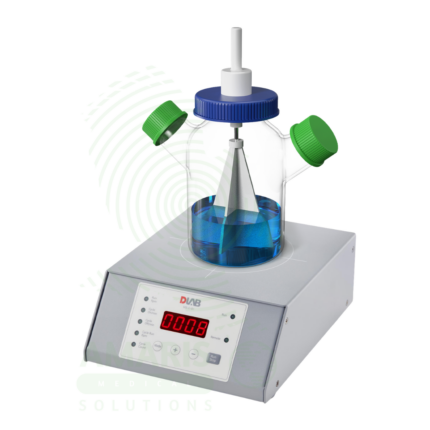
Cellular Magnetic Stirrer (MS‑C‑S1)
The Cellular Magnetic Stirrer (MS‑C‑S1), Single Channel, is a dedicated, low‑speed magnetic stirrer engineered to provide gentle, protective mixing for sensitive cell cultures in clinical, biopharmaceutical, and research laboratories. With a speed range of 5–200 rpm (adjustable in 1 rpm increments) and a maximum stirring capacity of 3 litres, this instrument is optimised to maintain cell viability and to support the homogeneous distribution of nutrients and gases, even during extended culture periods.
Every Cellular Magnetic Stirrer (MS‑C‑S1) is factory‑calibrated and supplied with an individual performance certificate. The stepper motor delivers high torque even at the lowest speeds, ensuring smooth, reliable stirring without compromising cell integrity. The cast‑aluminium work plate supports straightforward cleaning and resists corrosive reagents. The LED digital display provides immediate visual feedback of the actual stirring speed, while the programmable timer (0–49 min 59 sec) and multiple operational modes (constant, cyclic, dual‑speed) allow the system to be tailored to a wide variety of culture and protocol requirements.
Key user‑focused features for cell culture applications include low‑speed, high‑torque operation to minimise shear stress; smooth start/stop ramping to prevent sudden agitation that could detach cells; and a compact, low‑profile chassis (250 × 205 × 90 mm) that is fully compatible with use inside standard CO₂ incubators, warm rooms, and cold rooms. An RS232 data interface enables remote monitoring, direct PC control, and comprehensive data logging, supporting GLP compliance and full experiment documentation. The instrument meets international safety standards (CE, cTUVus) and comes with a 2‑year manufacturer’s warranty.
For the clinical cell culture scientist, bioprocessing specialist, and cancer researcher, the Cellular Magnetic Stirrer (MS‑C‑S1) delivers the gentle, reproducible, and incubator‑compatible stirring required for the successful maintenance of suspension cells, the expansion of microcarrier‑based cultures, and the reliable production of cell‑based diagnostic and therapeutic products. For the patient receiving advanced cell‑based therapies, this instrument helps ensure that the cells are cultured under optimal, gentle conditions and are consistently of high quality, directly supporting safer, more effective treatments.
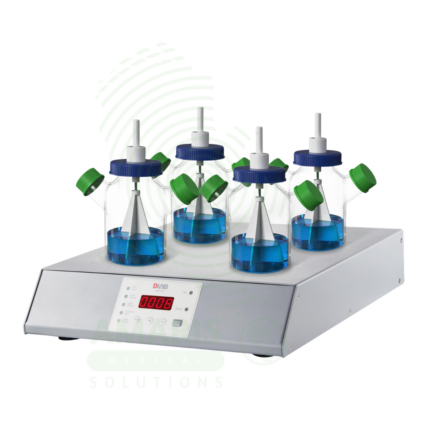
Cellular Magnetic Stirrer, 4‑Channel (MS‑C‑S4)
The Cellular Magnetic Stirrer, 4‑Channel (MS‑C‑S4), is a dedicated, low‑speed magnetic stirrer engineered to provide gentle, protective, parallel mixing for up to four independent cell cultures in clinical, biopharmaceutical, and research laboratories. With a speed range of 5–200 rpm (adjustable in 1 rpm increments) and a maximum stirring capacity of 3 litres per channel (12 litres total), this instrument is optimised to maintain cell viability and support homogeneous distribution of nutrients and gases across multiple vessels simultaneously, even during extended culture periods.
Every Cellular Magnetic Stirrer, 4‑Channel (MS‑C‑S4) is factory‑calibrated and supplied with an individual performance certificate. The stepper motor delivers high torque even at the lowest speeds, ensuring smooth, reliable stirring across all four positions without compromising cell integrity. Each of the four cast‑aluminium work plates (φ105 mm) is corrosion‑resistant, water‑shedding, and easy to clean. The LED digital display provides immediate visual feedback of the actual stirring speed, while the programmable timer (0–49 min 59 sec) and multiple operational modes (constant, cyclic, dual‑speed, mixed cycle) allow the system to be tailored to a wide variety of culture and protocol requirements across each channel.
Key user‑focused features for cell culture applications include low‑speed, high‑torque operation to minimise shear stress; smooth start/stop ramping to prevent sudden agitation that could detach cells; four independent channels with 190 mm centre spacing to accommodate standard vessels without cross‑interference; and a compact, low‑profile chassis (450×395×90 mm) that is fully compatible with use inside standard CO₂ incubators, warm rooms, and cold rooms (5–40 °C, ≤80 % RH). The non‑water‑accumulating surface and IP21‑rated housing protect against condensation and minor spills. An RS232 data interface enables remote monitoring, direct PC control, and comprehensive data logging across all four channels, supporting GLP compliance and full experiment documentation. The instrument meets international safety standards (CE) and is supplied with a calibration certificate.
For the clinical cell culture scientist, bioprocessing specialist, and cancer researcher, the Cellular Magnetic Stirrer, 4‑Channel (MS‑C‑S4) delivers the gentle, reproducible, and incubator‑compatible stirring required for the successful parallel maintenance of suspension cells, the expansion of microcarrier‑based cultures, and the reliable production of cell‑based diagnostic and therapeutic products across multiple channels simultaneously. For the patient receiving advanced cell‑based therapies, this instrument helps ensure that cells are cultured under optimal, gentle conditions and are consistently of high quality, directly supporting safer, more effective treatments.
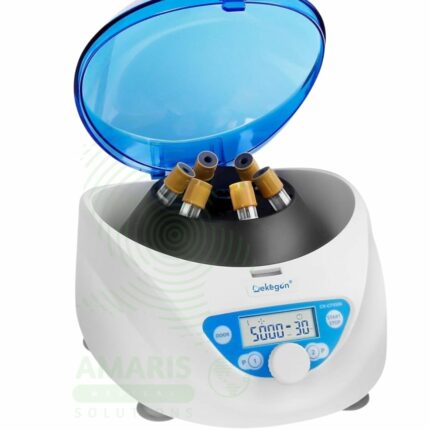
Centrifuge
A centrifuge is an instrument that uses rapid rotation to separate components of a liquid mixture based on density. In clinical and laboratory settings, it is indispensable for preparing blood samples (serum, plasma, cells), concentrating urine sediment, and processing microbiological specimens. Key specifications include maximum relative centrifugal force (RCF) and rotor type (swinging bucket or fixed angle). Safe operation is paramount and hinges on perfect load balancing, using securely sealed tubes, and never overriding safety lids. Proper cleaning after spills and regular rotor inspection are essential for preventing equipment failure and biohazard exposure. It is a fundamental piece of equipment for sample preparation across all disciplines of laboratory medicine.
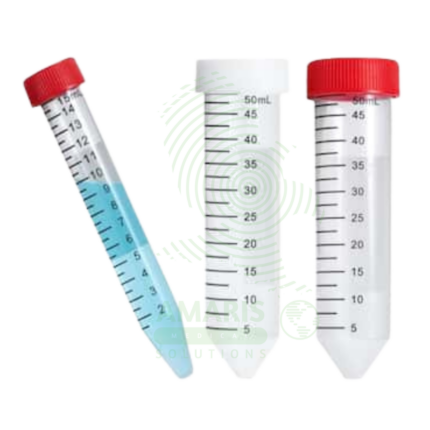
Centrifuge Tubes
Centrifuge Tubes are specialized disposable containers (polypropylene) designed to withstand high centrifugal forces (up to 30,000 x g) for separating biological fluids based on density. Available in microcentrifuge sizes (0.2-2.0 mL), conical tubes (15 mL, 50 mL), and larger volumes (100-500 mL). Features include leak-proof screw caps with O-rings (conical tubes), snap caps (microcentrifuge tubes), graduated volume markings, writing areas, and sterile/non-sterile options. Certified RNase/DNase-free, pyrogen-free, and autoclavable. Primary clinical applications include blood component separation (serum/plasma), urine sediment preparation, microbiology sample concentration, molecular biology (DNA/RNA extraction), cell culture processing, protein/enzyme analysis, and viral load testing. Critical safety precautions include never exceeding maximum RCF rating, proper balancing by weight, secure cap tightening, inspection for cracks, and disposal as biohazardous waste. Essential consumable in every clinical, research, and industrial laboratory.
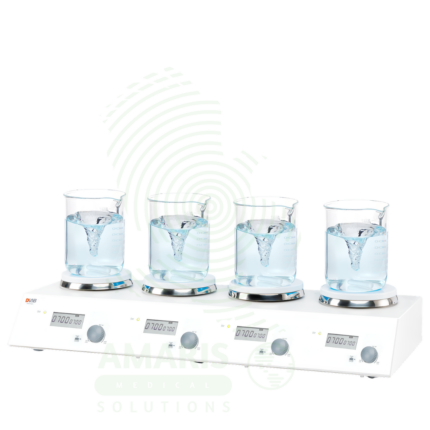
Channel LCD Digital Magnetic Stirrer (MS-M-S 44)
The Channel LCD Digital Magnetic Stirrer is a high‑throughput, non‑heating benchtop instrument engineered for the independent, reproducible stirring of up to four samples simultaneously in clinical diagnostics, pharmaceutical quality control, analytical chemistry, and academic research laboratories. Featuring four independent 5‑inch (Ø134 mm) ceramic‑coated aluminum work plates, this stirrer provides a speed range of 200 to 1500 rpm (1 rpm resolution) per channel, with a maximum stirring capacity of 3 liters of water per channel (12 liters total).
Every Channel LCD Digital Magnetic Stirrer is equipped with four independent high‑contrast LCD digital displays, one per channel, showing the actual stirring speed in real time. The four maintenance‑free, spark‑free brushless DC motors provide stable torque, ultra‑quiet operation, and long‑term reliability without routine maintenance. The ceramic‑coated aluminum work plates resist strong acids, strong alkalis, and organic solvents, ensuring chemical durability and easy cleaning. Four independent control panels allow each channel to be started, stopped, and adjusted to a different speed without cross‑interference.
Key user‑focused features include true independent parallel stirring, a compact space‑saving design (701 × 265 mm footprint) that integrates four stirring positions into a single instrument, and an IP21‑rated metal housing for basic splash and dust protection. The universal power supply (100–240 V, 50/60 Hz) allows worldwide use without voltage converters.
For the clinical laboratory scientist, pharmaceutical QC technician, and research scientist, the MS‑M‑S4 delivers the independent, high‑throughput stirring required for parallel clinical sample mixing, buffer and standard preparation, environmental sample homogenization, and educational laboratory demonstrations. For the patient, the reliable, reproducible performance of this instrument ensures that diagnostic reagents, quality control materials, and research samples are prepared consistently and efficiently, directly supporting accurate diagnostic outcomes and patient safety.
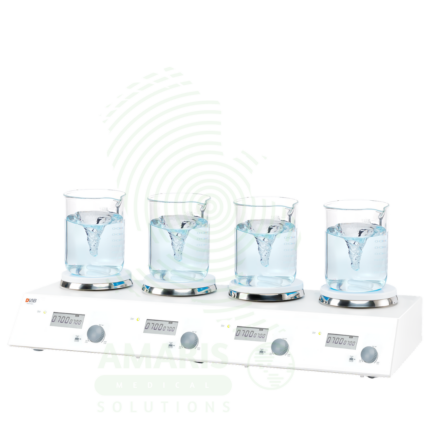
Channel LCD Digital Magnetic Stirrer (MS-M-S4 4)
The Channel LCD Digital Magnetic Stirrer is a high‑throughput, non‑heating benchtop instrument engineered for the independent, reproducible stirring of up to four samples simultaneously in clinical diagnostics, pharmaceutical quality control, analytical chemistry, and academic research laboratories. Featuring four independent 5‑inch (Ø134 mm) ceramic‑coated aluminum work plates, this stirrer provides a speed range of 200 to 1500 rpm (1 rpm resolution) per channel, with a maximum stirring capacity of 3 liters of water per channel (12 liters total).
Every Channel LCD Digital Magnetic Stirrer is equipped with four independent high‑contrast LCD digital displays, one per channel, showing the actual stirring speed in real time. The four maintenance‑free, spark‑free brushless DC motors provide stable torque, ultra‑quiet operation, and long‑term reliability without routine maintenance. The ceramic‑coated aluminum work plates resist strong acids, strong alkalis, and organic solvents, ensuring chemical durability and easy cleaning. Four independent control panels allow each channel to be started, stopped, and adjusted to a different speed without cross‑interference.
Key user‑focused features include true independent parallel stirring, a compact space‑saving design (701 × 265 mm footprint) that integrates four stirring positions into a single instrument, and an IP21‑rated metal housing for basic splash and dust protection. The universal power supply (100–240 V, 50/60 Hz) allows worldwide use without voltage converters.
For the clinical laboratory scientist, pharmaceutical QC technician, and research scientist, the MS‑M‑S4 delivers the independent, high‑throughput stirring required for parallel clinical sample mixing, buffer and standard preparation, environmental sample homogenization, and educational laboratory demonstrations. For the patient, the reliable, reproducible performance of this instrument ensures that diagnostic reagents, quality control materials, and research samples are prepared consistently and efficiently, directly supporting accurate diagnostic outcomes and patient safety.
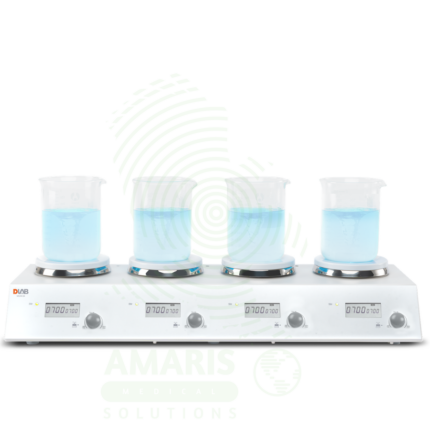
Channel LCD Digital Magnetic Stirrer(MS‑M‑S6 6)
The MS‑M‑S6 6‑Channel LCD Digital Magnetic Stirrer is a high‑throughput, non‑heating benchtop instrument engineered for the independent, reproducible stirring of up to six samples simultaneously in clinical diagnostics, pharmaceutical quality control, analytical chemistry, and academic research laboratories. Featuring six independent 5‑inch (Ø134 mm) ceramic‑coated aluminum work plates, this stirrer provides a speed range of 200 to 1500 rpm (1 rpm resolution) per channel, with a maximum stirring capacity of 3 liters of water per channel (18 liters total).
Every MS‑M‑S6 is equipped with six independent high‑contrast LCD digital displays, one per channel, showing the actual stirring speed in real time. The six maintenance‑free, spark‑free brushless DC motors provide stable torque, ultra‑quiet operation, and long‑term reliability without routine maintenance. The ceramic‑coated aluminum work plates resist strong acids, strong alkalis, and organic solvents, ensuring chemical durability and easy cleaning. Six independent control panels allow each channel to be started, stopped, and adjusted to a different speed without cross‑interference. The white ceramic surface provides clear contrast for observing titrations and color changes.
Key user‑focused features include true independent parallel stirring, a compact space‑saving design (564 × 523 mm footprint, 12.7 kg) that integrates six stirring positions into a single instrument – dramatically reducing bench space compared to six separate single‑channel units– and an IP21‑rated metal housing for basic splash and dust protection. The universal power supply (100–240 V, 50/60 Hz) allows worldwide use without voltage converters. The instrument is TÜV‑certified (CE, cTUVus, FCC) and manufactured under ISO 9001 and ISO 13485 quality management systems.
For the clinical laboratory scientist, pharmaceutical QC technician, and research scientist, the MS‑M‑S6 delivers the independent, high‑throughput stirring required for parallel clinical sample mixing, buffer and standard preparation, environmental sample homogenization, Kjeldahl nitrogen determination, Soxhlet extraction, and educational laboratory demonstrations. For the patient, the reliable, reproducible performance of this instrument ensures that diagnostic reagents, quality control materials, and research samples are prepared consistently and efficiently across up to six channels simultaneously, directly supporting accurate diagnostic outcomes and patient safety.
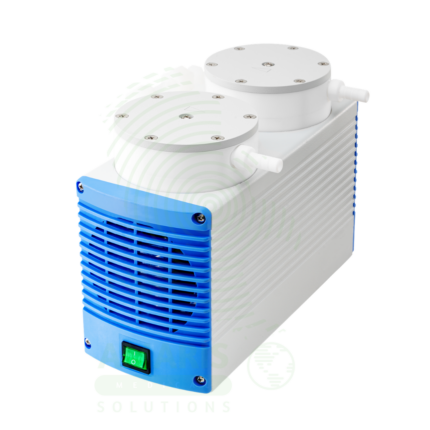
Chemistry-design diaphragm pump (C410)
The Chemistry-design diaphragm pump (C410) is a chemically-resistant, oil-free vacuum pump engineered for continuous operation in pharmaceutical, chemical, and clinical laboratories . Featuring PTFE-coated diaphragms and wetted parts (providing exceptional resistance to aggressive acidic, basic, and solvent vapors) and a maintenance-free, oil-free mechanism (eliminating regular oil changes and waste disposal) , this pump delivers stable vacuum performance down to 13 mbar absolute with flow rates ranging from 5-25 L/min depending on vacuum level .
The double-stage pump operates at 1450 rpm with a 95W motor, producing ≤50 dB noise level for quiet laboratory environments . Integrated thermal protection automatically shuts off the pump during overheating events and restarts when cooled, ensuring operational safety . The compact 8.5 kg design (294 x 156 x 195 mm) with 8mm nozzle connection integrates seamlessly with rotary evaporators, filtration manifolds, and vacuum distillation apparatus .
For the clinical laboratory scientist and pharmaceutical researcher, the Chemistry-design diaphragm pump (C410) powers rotary evaporation for drug discovery and solvent recovery , supports vacuum filtration for clinical sample preparation, enables concentration of heat-sensitive biomolecules, and serves as an environmentally-friendly substitute for water-jet pumps . For the patient and community, efficient laboratory workflows accelerate pharmaceutical development timelines, while reduced solvent waste and water conservation support sustainable healthcare practices .
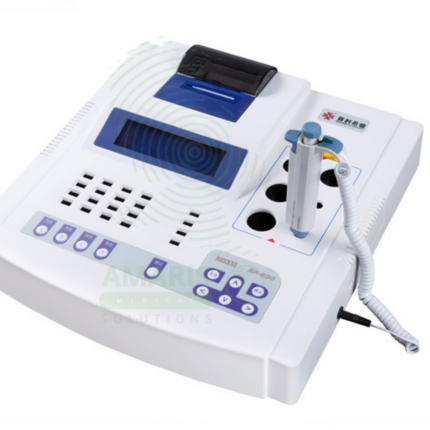
Coagulation Analyzer
A Coagulation Analyzer is a compact, automated instrument designed for performing essential tests that evaluate the blood's clotting ability. It accurately measures key parameters such as Prothrombin Time (PT/INR), Activated Partial Thromboplastin Time (aPTT), Thrombin Time, and Fibrinogen, which are critical for monitoring anticoagulant therapy (warfarin, heparin), diagnosing bleeding disorders, and assessing surgical risk. With its photometric detection and user-friendly operation, it delivers reliable results for small to medium-volume laboratories, clinics, and hospital wards. Its role in ensuring safe and effective patient management in thrombosis and hemostasis makes it a vital tool in clinical diagnostics.
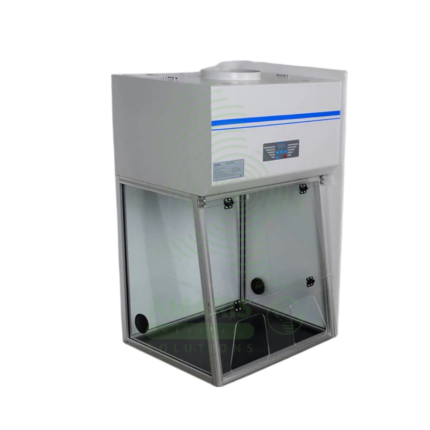
Compound Hood
A Compound Hood (Class II, Type B2 Biological Safety Cabinet) is a specialized containment device designed for safe handling and compounding of hazardous drugs including chemotherapy agents, meeting stringent USP <800> requirements. Featuring 100% exhaust to the outside, HEPA-filtered supply and exhaust air, negative pressure plenums, and hard-ducted connection to building exhaust systems, these cabinets provide maximum personnel, product, and environmental protection. Constructed of stainless steel with gas-tight seals, microprocessor controls, continuous airflow monitoring, and audible/visual alarms. Available in 4-6 foot widths. CRITICAL: Must be hard-ducted, NOT recirculating. Primary clinical applications include chemotherapy compounding in oncology pharmacies, hazardous IV admixture preparation, oral hazardous drug compounding, investigational drug handling, and clinical trial material preparation. Essential equipment for hospital pharmacies, cancer centers, and research facilities handling hazardous drugs, with absolute requirement for USP <800> compliance, annual certification, comprehensive training, medical surveillance, and strict adherence to containment protocols.
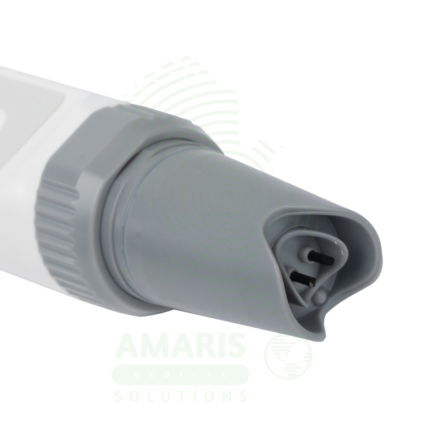
Conductivity Probe (DEC1-S)
The Conductivity Probe (DEC1-S) is a replacement combined conductivity electrode specifically designed for DLAB Conductivity Probe (DEC1-S) pen-type conductivity meter and DEC1+ Bluetooth pen meter, enabling continued use of the instrument when the original probe becomes worn or damaged . Featuring platinum sensing elements for accurate conductivity measurement across automatic ranging segments (0~19.99 mS/cm), this replaceable probe supports multi-parameter measurement of EC, TDS (0~10.0 ppt), resistivity (50 Ω·cm~20 MΩ·cm), salinity (0~10 ppt), and temperature (0~60℃) .
The Conductivity Probe (DEC1-S) delivers conductivity accuracy of ±1.0% F.S. ±1 digit and temperature accuracy of ±0.2°C when used with compatible DEC1/DEC1+ meters . The probe is pre-installed in new meter kits and is available as a replacement part to extend instrument service life—electrode replacement rather than complete meter replacement .
For the clinical laboratory scientist, dialysis technician, and water quality specialist, the Conductivity Probe (DEC1-S) ensures continued, accurate conductivity monitoring of purified water systems, dialysis fluids, and pharmaceutical process water—critical parameters for ensuring patient safety during renal replacement therapy and drug manufacturing. The probe's transparent housing allows visual confirmation of solution level and bubble detection, while its IP67 compatibility with DEC1 meters ensures reliable operation in harsh field environments .
For the patient, reliable replacement parts ensure continuous water quality monitoring in dialysis and pharmaceutical applications, preventing gaps in quality surveillance that could compromise patient safety. The Conductivity Probe (DEC1-S) probe is compatible with CH, USA, and NIST standard buffer solutions for flexible calibration options, and replacement is straightforward for trained laboratory personnel .
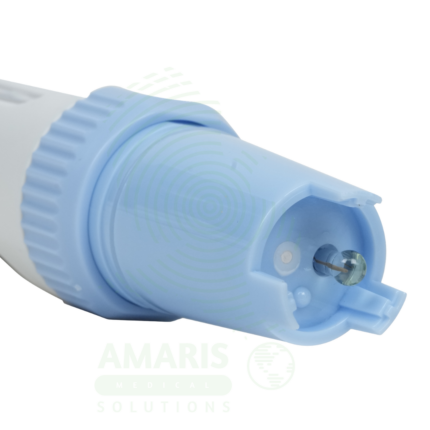
Conductivity Probe (DPC1-S)
The Conductivity Probe (DPC1-S) is a replacement combined multi-parameter electrode specifically designed for DLAB Conductivity Probe (DPC1-S) pen-type multi-parameter meter and DPC1+ Bluetooth pen meter, integrating pH sensing (glass bulb), conductivity sensing (platinum electrodes), and temperature sensing (thermistor) into a single replaceable probe for comprehensive water quality analysis .
The Conductivity Probe (DPC1-S) enables the DPC1 and DPC1+ meters to measure pH (-2.00 to 16.00 pH, accuracy ±0.01 pH), conductivity (0 to 19.99 mS/cm, auto-ranging, accuracy ±1.0 percent full scale), TDS (0.0 mg/L to 10.0 g/L with adjustable coefficient), salinity (0 to 10 ppt), resistivity (50 Ω·cm to 20 MΩ·cm), and temperature (0 to 60 degrees Celsius, accuracy ±0.2 degrees Celsius) .
The probe is pre-installed in new DPC1 and DPC1+ meter kits and is available as a replacement part to extend instrument service life—electrode replacement rather than complete meter replacement . The combined electrode design integrates multiple sensing elements into one probe, eliminating the need for separate electrodes for different parameters . The probe supports 1 to 3 point automatic pH calibration with buffer recognition and 1 point automatic conductivity calibration with standard solution recognition, and is compatible with CH, USA, and NIST standard buffer solutions for flexible calibration options . The probe shares the meter's IP67 dustproof and waterproof rating for reliable operation in harsh field environments .
For the clinical laboratory scientist, dialysis technician, and water quality specialist, the Conductivity Probe (DPC1-S) ensures continued, accurate multi-parameter water quality monitoring of purified water systems, dialysis fluids, and pharmaceutical process water—critical parameters for ensuring patient safety during renal replacement therapy and drug manufacturing. The combination electrode design simplifies field testing by integrating all necessary sensors into a single probe, and replacement is straightforward for trained laboratory personnel.
For the patient, reliable replacement parts ensure continuous water quality monitoring in dialysis and pharmaceutical applications, preventing gaps in quality surveillance that could compromise patient safety.
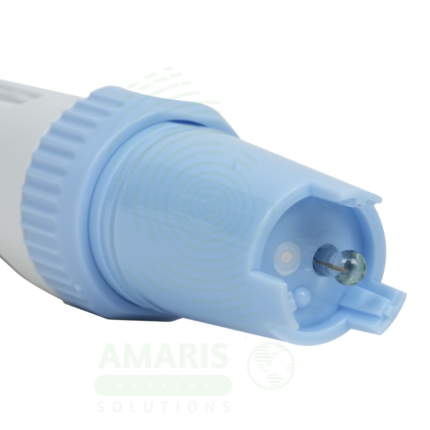
Conductivity Probe (DPH1-S)
The Conductivity Probe (DPH1-S) is a replacement combined pH/ORP electrode specifically designed for DLAB DPH1 pen-type pH/ORP meter and DPH1+ Bluetooth pen meter . The probe features a glass pH sensing bulb for precise pH measurement, an integrated thermistor for automatic temperature compensation (ATC), and a polycarbonate body that is resistant to many aqueous solutions but should avoid organic solvents such as carbon tetrachloride, trichloroethylene, tetrahydrofuran, toluene, xylene, and methyl ethyl ketone .
The Conductivity Probe (DPH1-S) enables the DPH1 and DPH1+ meters to measure pH (-2.00 to 16.00 pH, accuracy ±0.01 pH) , ORP (-1000.0 to +1000.0 mV, accuracy ±0.1 percent of full scale ±1 digit), and temperature (0 to 60 degrees Celsius, accuracy ±0.2 degrees Celsius) . When used with the compatible meters, the probe supports 1 to 3 point automatic pH calibration with buffer recognition and is compatible with CH, USA, and NIST standard buffer solutions for flexible calibration options . The probe shares the meter's IP67 dustproof and waterproof rating for reliable operation in harsh field environments .
The probe features a removable protective cover that prevents damage to the glass pH sensing bulb and facilitates easy cleaning . The probe is pre-installed in new DPH1 and DPH1+ meter kits and is available as a replacement part to extend instrument service life—electrode replacement rather than complete meter replacement . Replacement is straightforward for trained laboratory personnel, and the probe is a consumable item not covered under the instrument warranty .
For the clinical laboratory scientist, dialysis technician, and water quality specialist, the Conductivity Probe (DPH1-S) ensures continued, accurate pH and ORP monitoring of purified water systems, dialysis fluids, biological fluids, and pharmaceutical process water—critical parameters for ensuring patient safety during renal replacement therapy, diagnosing acid-base disorders, and supporting drug manufacturing.
For the patient, reliable replacement parts ensure continuous water quality monitoring in dialysis and pharmaceutical applications, preventing gaps in quality surveillance that could compromise patient safety. Accurate pH measurement of biological fluids supports early detection of metabolic disturbances, acid-base imbalances, and renal dysfunction, enabling timely clinical intervention.
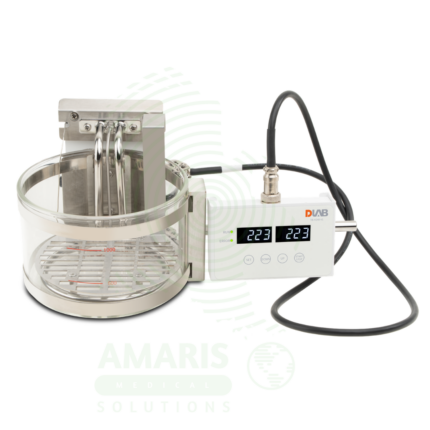
Constant Temperature Bath (TB-H240-V1)
The DLAB Constant Temperature Bath (TB-H240-V1) is a precision bench‑top instrument engineered for accurate, stable, and uniform heating in clinical diagnostics, pharmaceutical quality control, analytical chemistry, and academic research. Featuring a 1 L transparent glass bath (Ø150 × 100 mm), a heating range of 25–240 °C, ±0.5 °C temperature control accuracy, and a 0.1 °C temperature display resolution, this constant‑temperature bath provides an isothermal environment for water‑based or oil‑based heating applications.
Every Constant Temperature Bath (TB-H240-V1) is equipped with an intelligent PID temperature controller, a high‑efficiency heating element (350 W heating power, 360 W total power), a PT1000 external temperature sensor port (±0.2 °C accuracy), and a remote-control panel (detachable up to 1 m cable length) for safe operation in fume hoods and confined spaces. The borosilicate glass bath allows direct observation of samples without disturbing the experiment, while the protective guard prevents glassware from tipping and shields the user from the heating element.
Key user‑focused safety features include over‑temperature protection (280 °C cutoff), overcurrent protection, grounding protection, and a temperature self‑calibration function (user‑accessible). The IP21‑rated housing provides basic splash and dust protection. The unit is TÜV‑certified (CE, cTUVus, FCC), meets IEC/EN 61010‑1 safety standards for laboratory electrical equipment, and is manufactured under ISO 9001 and ISO 13485 quality management systems.
With a compact footprint (310 × 220 mm), a low weight (2.2 kg), and universal power supply (100–240 V, 50/60 Hz), the TB‑H240‑V1 is easy to integrate into any clinical or research bench‑top workflow. The instrument is backed by a 2‑year manufacturer’s warranty.
For the clinical laboratory scientist, pharmaceutical QC chemist, and research scientist, the Constant Temperature Bath (TB-H240-V1) delivers precise, stable, and observable heating required for ELISA incubation, coagulation testing, enzyme activity assays, sample digestion, dissolution testing, and general‑purpose medium heating. For the patient, the reliable performance of this constant‑temperature bath ensures that diagnostic tests and pharmaceutical products are accurate, reproducible and processed efficiently, directly supporting effective clinical decision‑making, appropriate treatment selection, and patient safety.
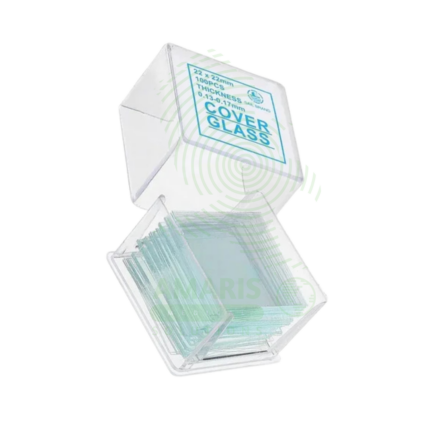
Cover Glass
Cover Glass (coverslips) are thin, transparent glass or plastic squares (e.g., 18×18 mm, 22×22 mm) or rectangles (22×30 mm, 24×50 mm) used to cover specimens on microscope slides for microscopic examination. Available in thickness No. 1 (0.13-0.16 mm) and No. 1.5 (0.16-0.19 mm) for optimal microscopy. Made from optical glass with high light transmission (>90%), refractive index 1.52 matching immersion oil. Packaged in boxes of 100-1000, interleaved with paper to prevent scratching. Primary clinical applications include covering blood films for manual differential counts and malaria diagnosis, wet mount preparations of urine sediment and vaginal secretions, histopathology and cytology slides, Gram-stained bacterial smears, semen analysis, KOH preparations for fungal elements, and India ink preparations for Cryptococcus. Critical safety precautions include handling with forceps (sharp edges), disposing of broken coverslips in sharps containers, avoiding fingerprints on optical surface, and proper disposal of biohazard-contaminated coverslips. Essential consumable in every clinical laboratory performing microscopy.
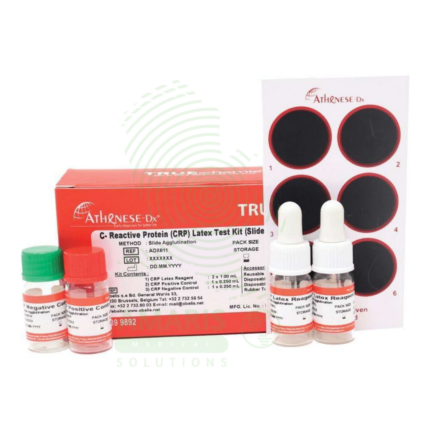
CRP Test Kit
CRP Test Kit (C-Reactive Protein) is a quantitative or semi-quantitative immunoassay (latex agglutination, turbidimetry, nephelometry, ELISA, or rapid immunochromatographic) for detecting C-reactive protein in blood, an acute-phase reactant produced in response to inflammation. Rapid rise within 6-12 hours, peaks at 24-48 hours, half-life 19 hours. Normal <5-10 mg/L; mild elevation 10-100 mg/L (viral infections, autoimmune flares); moderate 100-200 mg/L (bacterial infections); marked >200 mg/L (sepsis, major trauma). High-sensitivity CRP (hs-CRP) detects 0.1-10 mg/L for cardiovascular risk stratification (<1 mg/L low risk, 1-3 mg/L moderate, >3 mg/L high). Primary clinical applications include detection and monitoring of inflammation, diagnosis and management of infections (differentiating bacterial from viral), assessment of autoimmune disease activity, post-surgical monitoring for complications, cardiovascular risk screening (hs-CRP), monitoring rheumatic fever and inflammatory conditions, and neonatal sepsis evaluation. Critical safety precautions include proper sample handling (universal precautions), quality control verification, awareness of non-specific elevation, prozone phenomenon in very high concentrations, and clinical correlation for interpretation. Essential test for evaluating inflammation across all medical specialties.
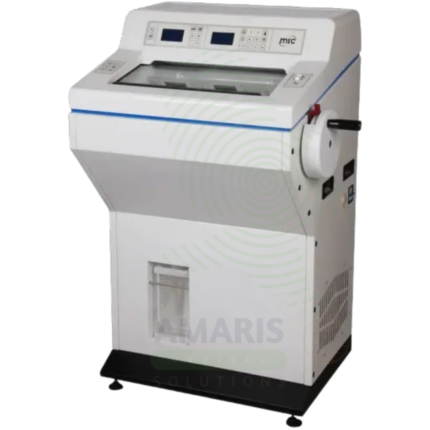
Cryostat Microtome
A Cryostat Microtome is a refrigerated instrument used to rapidly freeze and section tissue specimens for intraoperative frozen section diagnosis, immunofluorescence studies, and research applications. Essential in pathology departments, it enables rapid microscopic examination of tissue during surgery, allowing surgeons to determine margin status and guide resection. The cryostat preserves tissue antigenicity for immunohistochemistry and molecular testing, supporting comprehensive diagnostic and research capabilities.
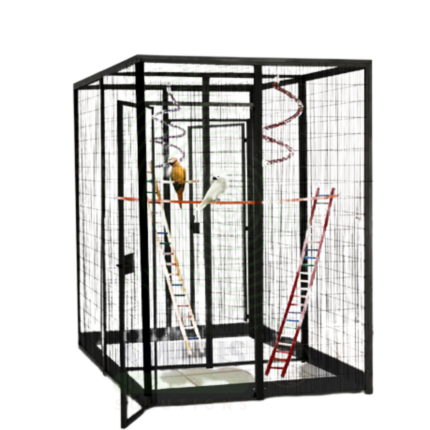
Custom Cage Assembly
A Custom Cage Assembly is a modular animal housing system designed for laboratory research, veterinary facilities, and animal care programs. Featuring individually ventilated rack systems, HEPA filtration, and customizable configurations, it provides the controlled environment needed for research animal welfare and experimental validity. Modular, scalable designs accommodate evolving research programs while supporting species-specific behaviors and regulatory compliance.
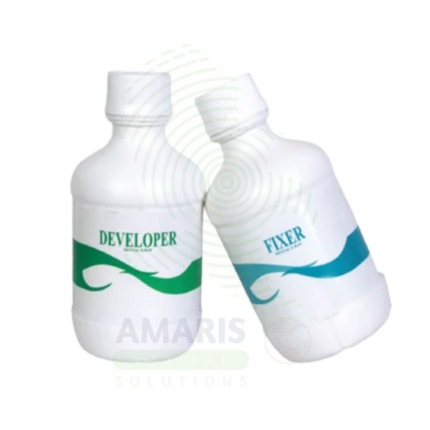
Dental X-ray Fixer & Developer
Dental X-ray Fixer & Developer are the two chemical solutions used to process analog dental X-ray films, converting the latent image into a permanent diagnostic radiograph. The Developer reduces exposed silver halide to metallic silver, creating the image, while the Fixer removes unexposed halides and hardens the emulsion. Their use requires strict adherence to time-temperature protocols, hazardous material handling with full PPE, and mandated environmental controls—most critically, silver recovery from used fixer. While fundamental to film-based radiology, the transition to digital imaging has reduced their prevalence, though they remain essential in practices maintaining analog systems.
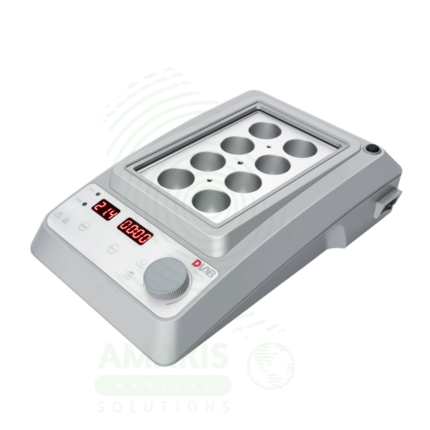
Digital Dry Bath (HB120-S)
The Digital Dry Bath (HB120-S) is a compact benchtop dry thermostat with extended high-temperature capability up to 120°C, designed for specialized molecular biology applications, protein denaturation, and high-temperature diagnostic assay preparation in clinical and research laboratories . With a temperature range from room temperature +5°C to 120°C and temperature control accuracy of ±0.5°C, this dry bath provides consistent, uniform heating for protocols requiring temperatures above the standard 100°C boiling point .
The HB120-S features a microprocessor-controlled system with LED display for real-time temperature and time monitoring, an intuitive control knob for simple operation without complex menus, and interchangeable aluminum heating blocks compatible with various tube formats and sizes . The unit supports both timing mode (0 to 99 hours 59 minutes) and continuous operation mode, with built-in temperature self-calibration function for long-term accuracy .
For the molecular biologist and clinical laboratory scientist, the HB120-S supports complete heat inactivation of restriction enzymes and heat-labile enzymes (preventing interference with downstream diagnostic assays), protein denaturation for SDS-PAGE and Western blotting, DNA denaturation for GC-rich templates and challenging PCR protocols, and high-temperature sample preparation for specialized diagnostic workflows .
Safety features include over-temperature protection and an insulated lid that prevents heat loss and contamination . The extended temperature range (up to 120°C) enables specialized protocols requiring higher temperatures than standard dry baths, making the HB120-S an essential tool for reference laboratories and molecular diagnostics facilities.
For the patient undergoing specialized molecular testing, the HB120-S's extended temperature capability ensures complete enzyme inactivation, thorough DNA denaturation for challenging templates, and reliable high-temperature sample preparation—supporting accurate diagnostic results for complex genetic conditions, infectious diseases, and oncology testing .
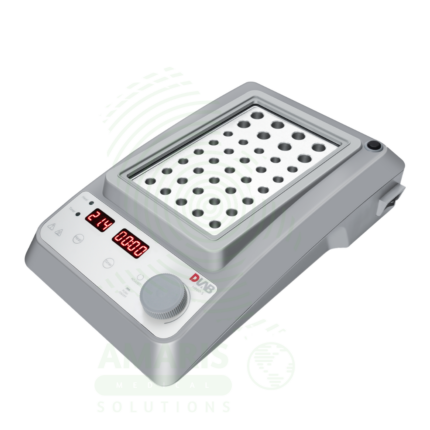
Digital Dry Bath (HB60-S)
The Digital Dry Bath (HB60-S) (LED Digital Dry Bath) is a compact, low-profile benchtop dry thermostat designed for precise temperature-controlled incubation in clinical diagnostic, molecular biology, and research laboratories . With a temperature range from room temperature +5°C to 60°C and five discrete temperature settings (25°C, 30°C, 37°C, 45°C, 60°C), this dry bath provides control accuracy of ±0.5°C and excellent temperature uniformity of ±0.3°C at 37°C .
The dual-purpose heating block accommodates up to 30 × 1.5/2.0 mL tubes or 8 × 5-10 mL tubes, offering flexibility for different sample volumes and tube formats . The LED display provides real-time monitoring of temperature and time, while the intuitive control knob allows easy operation without complex menus . The microprocessor-controlled unit supports both timing mode (0 to 99 hours 59 minutes) and continuous operation mode .
For the clinical laboratory scientist and medical technologist, the HB60-S supports enzyme-substrate reactions for biochemical tests and clinical chemistry, serum inactivation (56°C) for immunoassays and serological testing, DNA/RNA preparation for molecular diagnostics and PCR workflows, and sample warming and reagent thawing for diagnostic testing .
Safety features include over-temperature protection (80°C safety cut-off) and an insulated lid that prevents heat loss and contamination . The low-profile, space-saving design (175 × 290 × 85 mm) and lightweight construction (2.5 kg) minimize benchtop footprint while delivering reliable heating performance .
For the patient undergoing diagnostic testing for infectious diseases, autoimmune disorders, or genetic conditions, the HB60-S's precise temperature control ensures reliable enzyme reaction conditions, consistent DNA denaturation, and accurate sample preparation—supporting reliable test results that guide appropriate treatment decisions across clinical chemistry, molecular diagnostics, and research applications .
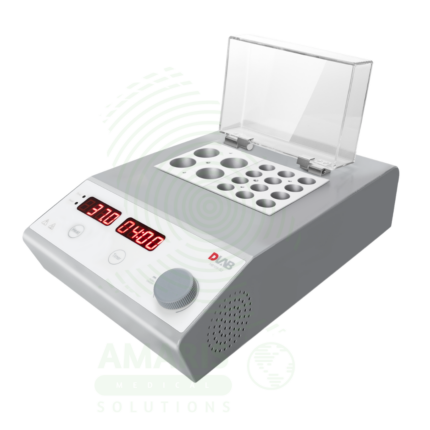
Digital Dry Bath Dual Block (HB105-S2)
The Digital Dry Bath Dual Block (HB105-S2) is a dual-block benchtop dry thermostat designed for high-throughput, precise temperature-controlled incubation in clinical diagnostic, molecular biology, and research laboratories . With a temperature range from room temperature +5°C to 105°C and temperature control accuracy of ±0.5°C, this dry bath provides consistent, uniform heating across two independently controlled blocks .
The HB105-S2 features a microprocessor-controlled system with independent LED displays and control knobs for each block, allowing simultaneous processing of protocols requiring different incubation temperatures (e.g., 37°C for enzyme reactions on block one, 56°C for serum inactivation on block two, 95°C for DNA denaturation on either block as needed) . The dual-block design saves valuable bench space while doubling throughput compared to single-block units .
For the clinical laboratory scientist and medical technologist, the HB105-S2 supports enzyme-substrate reactions for biochemical tests and clinical chemistry, serum inactivation (56°C) for immunoassays and serological testing, DNA denaturation for nucleic acid amplification and PCR preparation, and sample warming and reagent thawing for diagnostic testing . The independent block operation allows concurrent processing of different assay types without cross-contamination or temperature interference .
Safety features include independent over-temperature protection for each block and insulated lids that prevent heat loss and contamination . Built-in temperature self-calibration ensures long-term accuracy for both blocks . For the patient undergoing diagnostic testing for infectious diseases, autoimmune disorders, or genetic conditions, the HB105-S2's high-throughput, precise temperature control ensures reliable enzyme reaction conditions, consistent DNA denaturation, and accurate sample preparation—supporting reliable test results that guide appropriate treatment decisions across clinical chemistry, molecular diagnostics, and research applications .
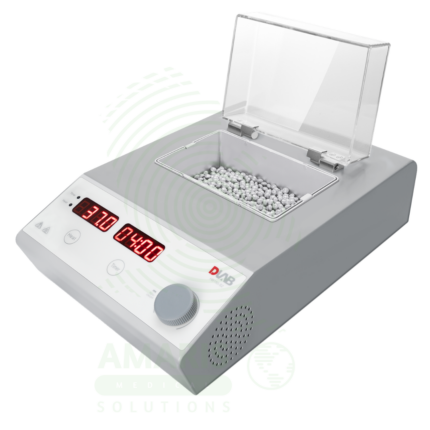
Digital Dry Bath Dual Block (HB150-S2)
The Digital Dry BathDual Block (HB150-S2) is a compact benchtop dry thermostat with extended high-temperature capability up to 150°C and dual independent heating blocks, designed for high-throughput advanced molecular biology applications, thermostable enzyme inactivation, and high-temperature diagnostic assay preparation in clinical and research laboratories . With a temperature range from room temperature +5°C to 150°C and temperature control accuracy of ±0.3°C (25-90°C) and ±0.6°C (90-150°C), this dry bath provides consistent, uniform heating across two independently controlled blocks for protocols requiring extreme temperatures up to 150°C .
The HB150-S2 features a microprocessor-controlled system with independent LED displays and control knobs for each block, allowing simultaneous processing of protocols requiring different elevated temperatures (e.g., 95°C for DNA denaturation on block one, 120°C for thermostable enzyme inactivation on block two, 150°C for specialized high-temperature applications) . The dual independent block operation saves valuable bench space while doubling throughput compared to single-block units .
The unit accepts various optional interchangeable aluminum heating blocks for different tube formats including 0.2mL, 0.5mL, 1.5/2mL, 5mL, 15mL, and 50mL tubes . Each block has an independent heat-preserving lid that prevents contamination and ensures temperature stability . A sound reminder function alerts users when set temperature is reached and at run completion for each block .
For the molecular biologist and clinical laboratory scientist, the HB150-S2 supports complete heat inactivation of thermostable restriction enzymes and heat-labile enzymes (preventing interference with downstream diagnostic assays), protein denaturation for SDS-PAGE and Western blotting at elevated temperatures, DNA denaturation for GC-rich templates and challenging PCR protocols, and high-throughput sample preparation for specialized diagnostic workflows .
For the patient undergoing specialized molecular testing, the HB150-S2's extended temperature capability (up to 150°C) combined with independent dual-block operation ensures complete inactivation of even thermostable enzymes, thorough DNA denaturation for the most challenging templates, and efficient processing of diverse high-temperature protocols—supporting accurate diagnostic results for complex genetic conditions, infectious diseases, and oncology testing that require extreme temperature control with high-throughput capacity.
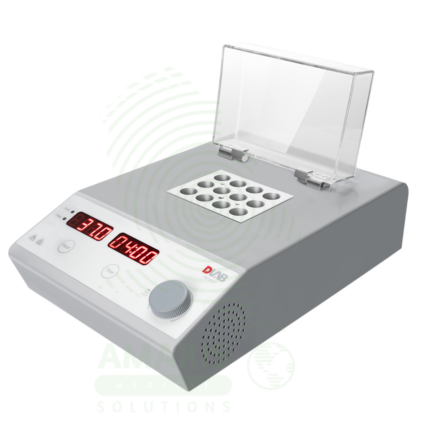
Digital Dry Bath Single Block (HB150-S1)
The Digital Dry Bath Single Block (HB150-S1) is a compact benchtop dry thermostat with extended high-temperature capability up to 150°C, designed for advanced molecular biology applications, thermostable enzyme inactivation, and high-temperature diagnostic assay preparation in clinical and research laboratories . With a temperature range from room temperature +5°C to 150°C and temperature control accuracy of ±0.3°C (25-90°C) and ±0.6°C (90-150°C), this dry bath provides consistent, uniform heating for protocols requiring extreme temperatures up to 150°C—enabling specialized assays that cannot be performed on standard dry baths with lower maximum temperatures .
The HB150-S1 features a microprocessor-controlled system with LED display for real-time temperature and time monitoring, an intuitive control knob for simple operation without complex menus, and interchangeable aluminum heating blocks compatible with various tube formats including 0.2mL, 0.5mL, 1.5/2mL, 5mL, 15mL, and 50mL tubes . The unit supports both timing mode (0 to 99 hours 59 minutes) and continuous operation mode, with built-in overheating protection for equipment and sample safety .
Key advanced features include an external temperature sensor port (PT1000 compatible) for real-time sample temperature verification , USB interface for data export and quality record traceability , and a heat-preserving block lid that prevents contamination and ensures temperature stability . A sound reminder function alerts users when set temperature is reached and at run completion .
For the molecular biologist and clinical laboratory scientist, the HB150-S1 supports complete heat inactivation of thermostable restriction enzymes and heat-labile enzymes (preventing interference with downstream diagnostic assays), protein denaturation for SDS-PAGE and Western blotting at elevated temperatures, DNA denaturation for GC-rich templates and challenging PCR protocols, and high-temperature sample preparation with external temperature verification for quality assurance .
For the patient undergoing specialized molecular testing, the HB150-S1's extended temperature capability (up to 150°C) ensures complete inactivation of even thermostable enzymes, thorough DNA denaturation for the most challenging templates, and reliable high-temperature sample preparation with documented temperature verification—supporting accurate diagnostic results for complex genetic conditions, infectious diseases, and oncology testing that require extreme temperature control .
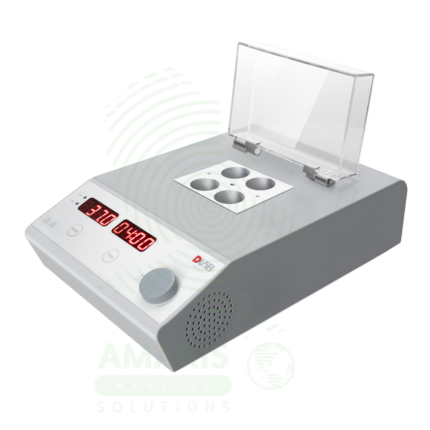
Digital Dry Bath Single Block(HB105-S1)
The Digital Dry Bath Single Block(HB105-S1) is a compact, single-block benchtop dry thermostat designed for precise temperature-controlled incubation in clinical diagnostic, molecular biology, and research laboratories . With a temperature range from room temperature +5°C to 105°C and temperature control accuracy of ±0.5°C, this dry bath provides consistent, uniform heating for a wide range of diagnostic and research applications .
The HB105-S1 features a microprocessor-controlled system with LED display for real-time temperature and time monitoring, an intuitive control knob for simple operation without complex menus, and interchangeable aluminum heating blocks compatible with various tube formats and sizes . The unit supports both timing mode (0 to 99 hours 59 minutes) and continuous operation mode, with built-in temperature self-calibration function for long-term accuracy .
For the clinical laboratory scientist and medical technologist, the HB105-S1 supports enzyme-substrate reactions for biochemical tests and clinical chemistry, serum inactivation (56°C) for immunoassays and serological testing, DNA denaturation for nucleic acid amplification and PCR preparation, and sample warming and reagent thawing for diagnostic testing . The compact, single-block design is ideal for space-constrained laboratories while delivering reliable heating performance .
Safety features include over-temperature protection and an insulated lid that prevents heat loss and contamination . For the patient undergoing diagnostic testing for infectious diseases, autoimmune disorders, or genetic conditions, the HB105-S1's precise temperature control ensures reliable enzyme reaction conditions, consistent DNA denaturation, and accurate sample preparation—supporting reliable test results that guide appropriate treatment decisions across clinical chemistry, molecular diagnostics, and research applications .
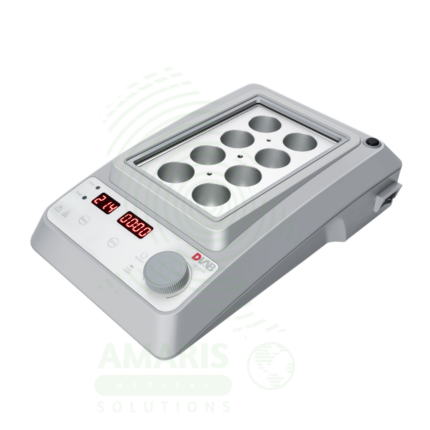
Digital Dry Bath with Calibration (HB120-SC)
The HDigital Dry Bath with Calibration (HB120-SC) is a compact benchtop dry thermostat with extended high-temperature capability up to 120°C and factory calibration certification, designed for regulated diagnostic applications requiring documented temperature accuracy in ISO 15189, CLIA, and CAP-accredited clinical and research laboratories .
With a temperature range from room temperature +5°C to 120°C and temperature control accuracy of ±0.5°C, this calibrated dry bath provides consistent, uniform heating for specialized molecular biology protocols while the included factory calibration certificate provides traceable temperature verification for regulatory compliance and quality assurance records .
The HB120-SC features a microprocessor-controlled system with LED display for real-time temperature and time monitoring, an intuitive control knob for simple operation without complex menus, and interchangeable aluminum heating blocks compatible with various tube formats and sizes . The unit supports both timing mode (0 to 99 hours 59 minutes) and continuous operation mode .
For the molecular biologist and quality assurance manager, the HB120-SC supports complete heat inactivation of restriction enzymes and heat-labile enzymes for regulated molecular diagnostics, protein denaturation for SDS-PAGE and Western blotting, DNA denaturation for GC-rich templates and challenging PCR protocols, and high-temperature sample preparation with documented temperature control .
Safety features include over-temperature protection and an insulated lid that prevents heat loss and contamination . The factory calibration certification provides documented evidence of temperature performance for laboratory accreditation inspections, supporting compliance with ISO 15189, CLIA, and CAP quality standards .
For the patient undergoing specialized molecular testing in an accredited laboratory, the HB120-SC's calibrated temperature performance ensures complete enzyme inactivation, thorough DNA denaturation for challenging templates, and reliable high-temperature sample preparation—supporting accurate diagnostic results for complex genetic conditions, infectious diseases, and oncology testing with documented quality control.