Dermatoscope and Magnifiers
 Diagnostic Kits
 Vital Signs Monitors
 Stethoscopes and Accessories
 Otoscopes, Ophthalmoscopes, and Retinoscopes
 Reflex Hammers and Neurological Tools
 Scales and Measuring Devices
 Spirometers and Pulmonary Function Tests
 Electrosurgical Units and Accessories
 Cutting Instruments
 Grasping and Holding Instruments
 Hemostatic Instruments
 Specialized Surgical Sets
 Single-Use Procedure Trays and Packs
 Surgical Drapes, Gowns, and Covers
 Tissue Unifying Instruments
 Radiation Protection
 X-Ray Machines and Accessories
 Ultrasound Systems and Probes
 MRI and CT Scanners
 Radiology Consumables
 Bone Densitometers
 Fluoroscopy Equipment
 Imaging Tables and Positioning Aids
 Microscopes and Accessories
 Centrifuges and Separators
 Analyzers
 Incubators and Ovens
 Pipettes, Dispensers, and Lab Glassware
 Refrigerators, Freezers, and Storage Units
 Lab Consumables
 Sterilizers and Autoclaves for Lab Use
 Multi-Parameter Monitors
 Ventilators and Respiratory Support Devices
 Defibrillators and AEDs
 Infusion Pumps and IV Systems
 Patient Warmers and Cooling Devices
 Central Monitoring Stations
 Accessories
 Anesthesia Machines and Workstations
 Oxygen Concentrators and Delivery Systems
 Nebulizers and Inhalers
 CPAP/BiPAP Machines
 Airway Management
 Anesthesia Masks, Circuits, and Bags
 Humidifiers and Heaters
 Respiratory Therapy Accessories
 First Aid Kits and Cabinets
 Emergency Resuscitation Equipment
 Trauma Supplies
 Emergency Carts and Crash Carts
 Burn Care Products
 Bleeding Control
 Automated External Defibrillators (AEDs)
 Transport and Evacuation
 Wheelchairs and Accessories
 Walkers, Crutches, and Canes
 Prosthetics and Orthotics
 Physical Therapy Equipment
 Transfer Devices
 Bathroom Safety
 Orthopedic Traction and Tables
 Hot/Cold Therapy Packs and Units
 Beds and Mattresses
 Chairs and Stools
 Tables
 Cabinets and Storage
 Privacy Screens & Curtains
 Stands and Racks
 Linens and Textiles
 Lighting
 Autoclaves and Sterilizers
 Ultrasonic Cleaners
 Disinfectant Solutions and Wipes
 Sterilization Pouches, Wraps, and Indicators
 Instrument Trays and Containers
 UV and Ozone Disinfection Devices
 Washer Disinfectors
 Wound Care
 Gloves
 Masks and Respirators
 Catheters and Tubing
 Swabs, Applicators, and Sponges
 Incontinence Products
 Personal Protective Equipment (PPE)
 Dental Chairs and Units
 Handpieces and Burs
 Instruments
 Consumables
 Sterilization for Dental Use
 Orthodontic Supplies
 Endodontic Tools
 Slit Lamps and Tonometers
 Lensometers and Phoropters
 Ophthalmic Surgical Instruments
 Eyewear Frames and Lenses
 Contact Lens Supplies
 Vision Testing Charts and Devices
 Eye Care Consumables
 Laser Systems for Eye Care
 ENT Exam Chairs and Tables
 Endoscopes
 Audiometers and Hearing Tests
 ENT Instruments
 Nasal and Throat Packs
 Hearing Aids and Accessories
 Otology Supplies
 Fetal Dopplers and Monitors
 Delivery Beds and Tables
 Gynecological Instruments
 Neonatal Incubators and Warmers
 Breast Pumps and Accessories
 Contraceptive Devices
 Maternity Supports and Pads
 Neonatal Consumables
 Cystoscopes and Urethroscopes
 Dialysis Machines and Supplies
 Urological Catheters and Bags
 Lithotripters
 Prostate Treatment Devices
 Urinary Incontinence Products
 Kidney Stone Management Tools
 Consumables & Disposables
 EEG and EMG Machines
 Neurosurgical Instruments
 Nerve Stimulators
 Headrests and Positioning Aids
 Lumbar Puncture Kits
 Seizure Monitoring Devices
 Consumables
 Rehabilitation for Neurological Conditions
 ECG Machines and Accessories
 Holter Monitors
 Stress Test Systems
 Pacemakers and Defibrillator Accessories
 Vascular Access Devices
 Cardiac Catheters and Guidewires
 Blood Flow Meters
 Consumables
 Orthopedic Instruments
 Casts, Splints, and Padding
 Joint Replacement Supplies
 Prosthetic Limbs and Components
 Bone Grafts and Substitutes
 Traction Devices
 Orthopedic Braces and Supports
 Rehabilitation Aids for Orthopedics
 Home Oxygen Therapy
 Hospital Beds for Home Use
 Mobility Aids
 Bathroom and Daily Living Aids
 Wound Care for Home
 Monitoring Devices
 Enteral Feeding Pumps and Tubes
 Hand Sanitizers and Dispensers
 Face Shields and Goggles
 Isolation Gowns and Suits
 Biohazard Waste Containers
 Air Purifiers and HEPA Filters
 Surface Disinfectants
 Sharps Containers
 Protective Barriers
 Cardiovascular & Endurance Training
 Strength Training & Weightlifting
 Functional Training & Core Conditioning
 Physical Therapy & Rehabilitation
 Sports & Outdoor Recreation
 Gym Flooring & Facility Equipment
 Fitness Monitoring & Accessories
 Kids & Novelties













Microscopes and Accessories
Essential diagnostic and research instruments with complementary components that enable high-resolution visualization and analysis of cellular, microbiological, and histological specimens. This category includes compound light microscopes, stereo/dissecting microscopes, digital imaging systems, objectives, eyepieces, illumination sources, mechanical stages, and slide preparation kits. These systems provide the magnification and clarity necessary for tasks ranging from routine blood smear analysis and urine sediment examination to intricate surgical procedures and advanced research applications. Ideal for clinical laboratories, pathology departments, research facilities, and educational institutions.
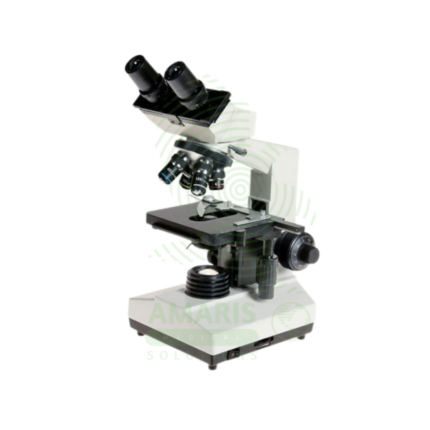
Binocular Electric Microscope
A Binocular Electric Microscope is a standard clinical laboratory instrument featuring binocular eyepieces for comfortable viewing and built-in electric illumination (halogen or LED) for routine diagnostic microscopy across microbiology, hematology, histopathology, cytology, urinalysis, and parasitology. Equipped with 4×, 10×, 40× (high dry), and 100× (oil immersion) plan or plan achromatic objectives, 10× widefield eyepieces with diopter adjustment, Abbe condenser with iris diaphragm, mechanical stage with X-Y controls, and coaxial coarse/fine focusing. Magnification range 40× to 1000× with resolution to 0.2-0.3 micrometres. Primary clinical applications include Gram stain interpretation for bacterial identification, manual differential white blood cell counts, red blood cell morphology assessment, malaria parasite detection, urine sediment examination, Pap smear screening, and semen analysis. Essential equipment in every clinical laboratory for visual examination of stained and unstained specimens, providing definitive diagnosis for countless infectious, hematologic, and neoplastic conditions. Binocular design reduces eye strain during prolonged use, while electric illumination ensures consistent, adjustable lighting for optimal specimen visualization.
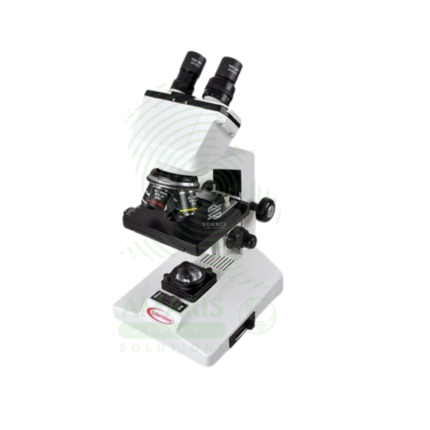
Binocular Microscope
A Binocular Microscope is a high-precision, compound optical instrument fundamental to clinical diagnostics. Featuring dual eyepieces for comfortable viewing and a suite of parfocal objective lenses (4x, 10x, 40x, 100x oil), it provides magnifications from 40x to 1000x. Its integrated LED illumination, mechanical stage, and Abbe condenser enable the detailed examination of stained blood films, tissue sections, microbiological specimens, and cytological preparations. As the primary tool for pathologists and laboratory scientists, it is indispensable for definitive diagnoses in hematology, histopathology, microbiology, and urinalysis, demanding skilled operation and meticulous maintenance for optimal performance.
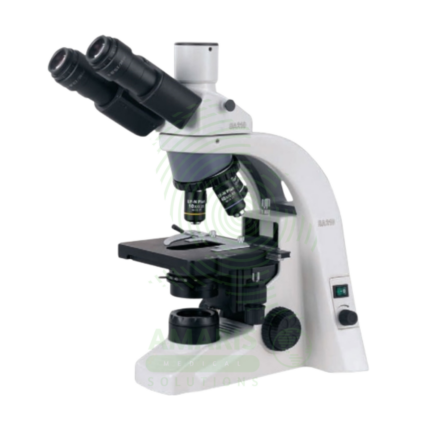
Biological Microscope
A Biological Microscope is a Class I medical device (optical instrument) designed for examining stained and unstained biological specimens in clinical, research, and educational laboratories. Available in monocular, binocular, or trinocular configurations with magnification from 40× to 1000× (oil immersion) using 4×, 10×, 40×, and 100× achromatic or plan achromatic objectives, 10× widefield eyepieces, Abbe condenser, mechanical stage, and built-in halogen or LED illumination. Features include coaxial coarse/fine focusing, revolving nosepiece, Köhler illumination alignment, and ergonomic design for comfortable use. Primary clinical applications include microbiological examination (Gram stains, acid-fast stains, wet mounts), hematology (differential counts, RBC morphology, platelet estimation), histopathology (tissue sections, H&E, special stains), cytology (Pap smears, FNAs, body fluids), urinalysis (sediment examination), parasitology (malaria, ova, parasites), and fertility (semen analysis). Essential equipment in every clinical laboratory for infectious disease diagnosis, cancer detection, hematological disorder evaluation, and countless other diagnostic applications requiring direct visualization of specimens. Biological microscopes are the foundation of laboratory medicine, enabling pathologists, microbiologists, hematologists, and laboratory scientists to visualize and interpret the cellular and microbial world for patient diagnosis and care.
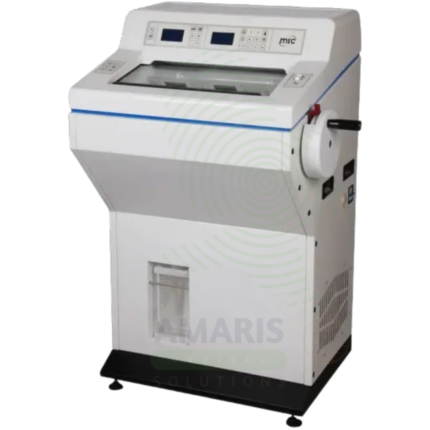
Cryostat Microtome
A Cryostat Microtome is a refrigerated instrument used to rapidly freeze and section tissue specimens for intraoperative frozen section diagnosis, immunofluorescence studies, and research applications. Essential in pathology departments, it enables rapid microscopic examination of tissue during surgery, allowing surgeons to determine margin status and guide resection. The cryostat preserves tissue antigenicity for immunohistochemistry and molecular testing, supporting comprehensive diagnostic and research capabilities.
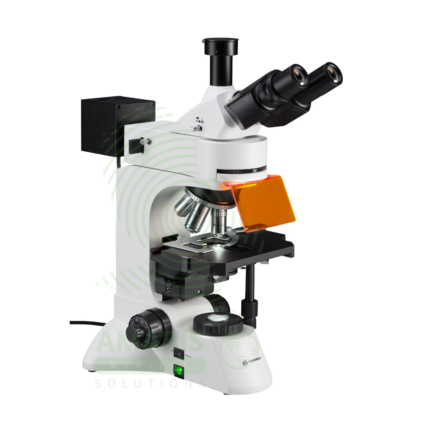
Fluorescent Microscope
A Fluorescent Microscope is a specialized Class I medical device designed for visualizing specimens labeled with fluorescent dyes (fluorochromes) that emit light at specific wavelengths when excited by high-intensity illumination. Equipped with high-pressure mercury (HBO), xenon (XBO), metal halide, or LED light sources, interchangeable filter cubes for specific fluorochromes (DAPI, FITC, TRITC, Cy3, Cy5), and high numerical aperture objectives for maximum light collection. Features include epifluorescence design, precision filter turret (4-6 positions), UV-blocking safety shields, and trinocular head for digital imaging. Primary clinical applications include immunofluorescence for autoimmune disease diagnosis (ANA, ANCA, anti-dsDNA, skin/kidney biopsies), fluorescence in situ hybridization (FISH) for genetic abnormalities (aneuploidy, deletions, translocations, HER2 amplification), auramine-rhodamine staining for tuberculosis screening, direct fluorescent antibody (DFA) testing for Legionella, Pneumocystis, Cryptosporidium, Giardia, and respiratory viruses, and FTA-ABS confirmatory testing for syphilis. Essential equipment in immunology, microbiology, pathology, cytogenetics, and molecular diagnostics laboratories requiring sensitive and specific detection of fluorescent signals for diagnosis of infectious, autoimmune, genetic, and neoplastic diseases.
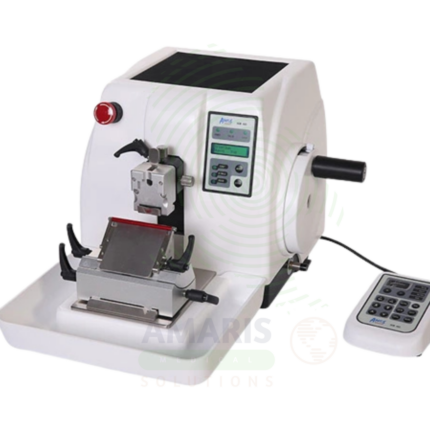
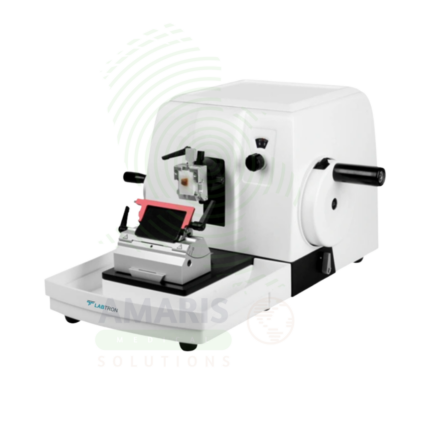
Fully Automated Microtome
A Fully Automated Microtome is a precision instrument for sectioning paraffin-embedded tissue blocks for histopathological examination. Motorized specimen advance and programmable settings ensure consistent section thickness, reduce operator fatigue, and improve throughput in high-volume histology laboratories. Integrated safety features and ergonomic design protect operators from injury while producing high-quality sections essential for accurate pathological diagnosis.
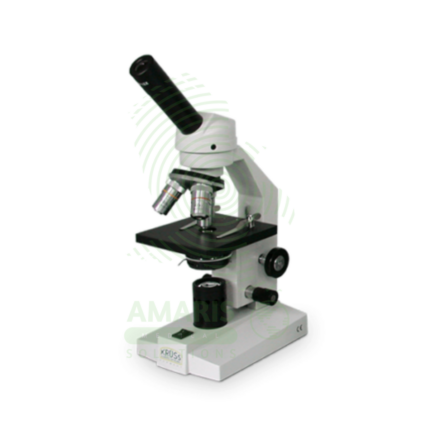
Microscope
A microscope is a Class I medical device (optical instrument) essential for visualizing microorganisms, cells, and tissues in clinical diagnostics, featuring magnifications from 40× to 1000× (oil immersion) with brightfield, phase contrast, fluorescence, darkfield, or polarized light capabilities. Standard clinical microscopes are binocular or trinocular with 4×, 10×, 40×, and 100× (oil) plan objectives, 10× widefield eyepieces, Abbe condenser, mechanical stage, and halogen or LED illumination. Fluorescence microscopes add specific filter cubes (FITC, TRITC, DAPI) and high-intensity light sources (mercury/xenon) for FISH, immunofluorescence, and AFB detection. Primary clinical applications include microbiological examination (Gram stains, AFB, wet mounts), hematology (differential counts, RBC morphology), histopathology (tissue sections, H&E, special stains), cytology (Pap smears, FNAs), urinalysis (sediment examination), parasitology (malaria, ova, parasites), and fertility (semen analysis). Essential equipment in every clinical laboratory for infectious disease diagnosis, cancer detection, hematological disorder evaluation, and countless other diagnostic applications requiring direct visualization of specimens.
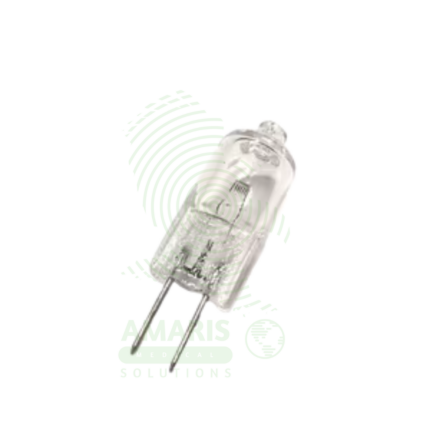
Microscope Bulb
A Microscope Bulb is a specialized halogen or LED lamp that serves as the essential illumination source for clinical and laboratory microscopes. Providing the bright, stable, and color-corrected light required for diagnostic visualization of specimens, it is a critical consumable component. Its technical specifications—voltage, wattage, base type, and filament alignment—must precisely match the microscope model. Proper handling (using gloves to avoid oil contamination) and adherence to safety protocols (allowing cooling, disconnecting power) are crucial for safe replacement and optimal bulb lifespan. Maintaining spares is vital to prevent operational downtime in diagnostic laboratories.