Dermatoscope and Magnifiers
 Diagnostic Kits
 Vital Signs Monitors
 Stethoscopes and Accessories
 Otoscopes, Ophthalmoscopes, and Retinoscopes
 Reflex Hammers and Neurological Tools
 Scales and Measuring Devices
 Spirometers and Pulmonary Function Tests
 Electrosurgical Units and Accessories
 Cutting Instruments
 Grasping and Holding Instruments
 Hemostatic Instruments
 Specialized Surgical Sets
 Single-Use Procedure Trays and Packs
 Surgical Drapes, Gowns, and Covers
 Tissue Unifying Instruments
 Radiation Protection
 X-Ray Machines and Accessories
 Ultrasound Systems and Probes
 MRI and CT Scanners
 Radiology Consumables
 Bone Densitometers
 Fluoroscopy Equipment
 Imaging Tables and Positioning Aids
 Microscopes and Accessories
 Centrifuges and Separators
 Analyzers
 Incubators and Ovens
 Pipettes, Dispensers, and Lab Glassware
 Refrigerators, Freezers, and Storage Units
 Lab Consumables
 Sterilizers and Autoclaves for Lab Use
 Multi-Parameter Monitors
 Ventilators and Respiratory Support Devices
 Defibrillators and AEDs
 Infusion Pumps and IV Systems
 Patient Warmers and Cooling Devices
 Central Monitoring Stations
 Accessories
 Anesthesia Machines and Workstations
 Oxygen Concentrators and Delivery Systems
 Nebulizers and Inhalers
 CPAP/BiPAP Machines
 Airway Management
 Anesthesia Masks, Circuits, and Bags
 Humidifiers and Heaters
 Respiratory Therapy Accessories
 First Aid Kits and Cabinets
 Emergency Resuscitation Equipment
 Trauma Supplies
 Emergency Carts and Crash Carts
 Burn Care Products
 Bleeding Control
 Automated External Defibrillators (AEDs)
 Transport and Evacuation
 Wheelchairs and Accessories
 Walkers, Crutches, and Canes
 Prosthetics and Orthotics
 Physical Therapy Equipment
 Transfer Devices
 Bathroom Safety
 Orthopedic Traction and Tables
 Hot/Cold Therapy Packs and Units
 Beds and Mattresses
 Chairs and Stools
 Tables
 Cabinets and Storage
 Privacy Screens & Curtains
 Stands and Racks
 Linens and Textiles
 Lighting
 Autoclaves and Sterilizers
 Ultrasonic Cleaners
 Disinfectant Solutions and Wipes
 Sterilization Pouches, Wraps, and Indicators
 Instrument Trays and Containers
 UV and Ozone Disinfection Devices
 Washer Disinfectors
 Wound Care
 Gloves
 Masks and Respirators
 Catheters and Tubing
 Swabs, Applicators, and Sponges
 Incontinence Products
 Personal Protective Equipment (PPE)
 Dental Chairs and Units
 Handpieces and Burs
 Instruments
 Consumables
 Sterilization for Dental Use
 Orthodontic Supplies
 Endodontic Tools
 Slit Lamps and Tonometers
 Lensometers and Phoropters
 Ophthalmic Surgical Instruments
 Eyewear Frames and Lenses
 Contact Lens Supplies
 Vision Testing Charts and Devices
 Eye Care Consumables
 Laser Systems for Eye Care
 ENT Exam Chairs and Tables
 Endoscopes
 Audiometers and Hearing Tests
 ENT Instruments
 Nasal and Throat Packs
 Hearing Aids and Accessories
 Otology Supplies
 Fetal Dopplers and Monitors
 Delivery Beds and Tables
 Gynecological Instruments
 Neonatal Incubators and Warmers
 Breast Pumps and Accessories
 Contraceptive Devices
 Maternity Supports and Pads
 Neonatal Consumables
 Cystoscopes and Urethroscopes
 Dialysis Machines and Supplies
 Urological Catheters and Bags
 Lithotripters
 Prostate Treatment Devices
 Urinary Incontinence Products
 Kidney Stone Management Tools
 Consumables & Disposables
 EEG and EMG Machines
 Neurosurgical Instruments
 Nerve Stimulators
 Headrests and Positioning Aids
 Lumbar Puncture Kits
 Seizure Monitoring Devices
 Consumables
 Rehabilitation for Neurological Conditions
 ECG Machines and Accessories
 Holter Monitors
 Stress Test Systems
 Pacemakers and Defibrillator Accessories
 Vascular Access Devices
 Cardiac Catheters and Guidewires
 Blood Flow Meters
 Consumables
 Orthopedic Instruments
 Casts, Splints, and Padding
 Joint Replacement Supplies
 Prosthetic Limbs and Components
 Bone Grafts and Substitutes
 Traction Devices
 Orthopedic Braces and Supports
 Rehabilitation Aids for Orthopedics
 Home Oxygen Therapy
 Hospital Beds for Home Use
 Mobility Aids
 Bathroom and Daily Living Aids
 Wound Care for Home
 Monitoring Devices
 Enteral Feeding Pumps and Tubes
 Hand Sanitizers and Dispensers
 Face Shields and Goggles
 Isolation Gowns and Suits
 Biohazard Waste Containers
 Air Purifiers and HEPA Filters
 Surface Disinfectants
 Sharps Containers
 Protective Barriers
 Cardiovascular & Endurance Training
 Strength Training & Weightlifting
 Functional Training & Core Conditioning
 Physical Therapy & Rehabilitation
 Sports & Outdoor Recreation
 Gym Flooring & Facility Equipment
 Fitness Monitoring & Accessories
 Kids & Novelties










Medical devices designed for fluid delivery, drainage, or access within the body. This category includes urinary catheters, IV lines, drainage tubes, and specialized surgical tubing. These products ensure safe, sterile, and efficient transport of fluids, medications, or gases, supporting patient care in critical care, surgical, and long-term treatment settings.
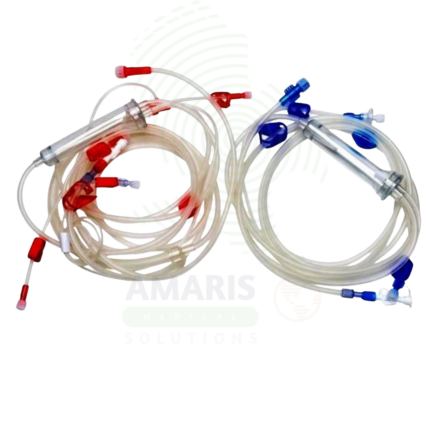
Bloodlines for Dialysis
Bloodlines for Dialysis are sterile, single-use tubing sets that form the extracorporeal circuit for hemodialysis and other blood purification therapies. Transporting blood from the patient to the dialyzer and back, they include pressure monitoring ports, air trap chambers, and medication administration sites. Essential for dialysis centers, hospitals, and home hemodialysis.
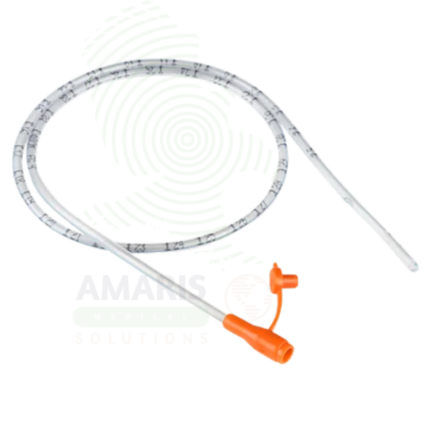
Feeding tube
A Feeding Tube is a flexible, sterile tube inserted into the gastrointestinal tract for delivery of liquid nutrition, medications, and fluids to patients who cannot safely eat or swallow due to stroke, neurological disease, head and neck cancer, critical illness, or other conditions. Available in nasogastric (nose to stomach), gastrostomy (through abdominal wall), and jejunostomy (into small bowel) configurations, these tubes are manufactured from biocompatible polyurethane or silicone with ENFit connectors to prevent dangerous misconnections with intravenous lines. Radiopaque markers and depth markings enable verification of proper placement by x-ray. For the clinician, feeding tubes provide reliable internal access that ensures patients receive adequate nutrition and medications while preventing aspiration complications. For the patient, a feeding tube provides life-sustaining nutrition that supports healing, maintains immune function, prevents starvation, and improves quality of life during recovery or long-term care.
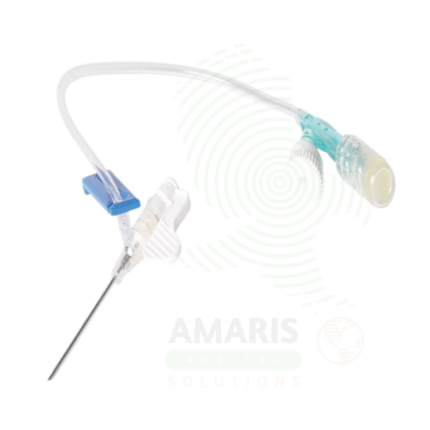
IV Cannulas & Tubing
IV Cannulas & Tubing are sterile, single-use medical devices that together constitute the complete peripheral intravenous access and delivery system. The IV cannula (peripheral intravenous catheter) is a flexible catheter mounted over a hollow introducer needle, inserted into a peripheral vein to establish vascular access for fluid, medication, and blood product administration. Available in gauges 14G-26G, with material options including FEP/Teflon® and polyurethane, and featuring passive or active sharps safety mechanisms. IV tubing (administration sets) is a flexible conduit connecting the fluid container to the cannula, incorporating drip chambers, flow regulators, injection ports, and needleless connectors. Available in macro-drip, micro-drip, filtered, light-protective, and non-PVC variants. Strict aseptic insertion technique, immediate sharps disposal, routine site assessment, and adherence to single-use protocols are essential to prevent phlebitis, bloodstream infection, and needlestick injury.
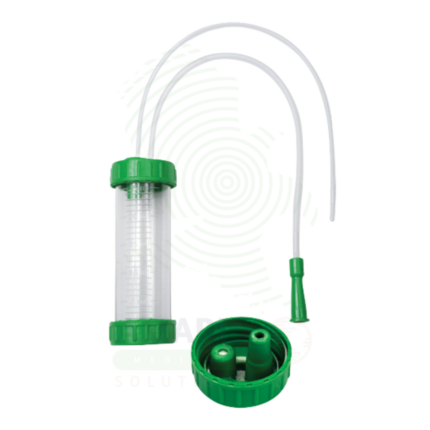
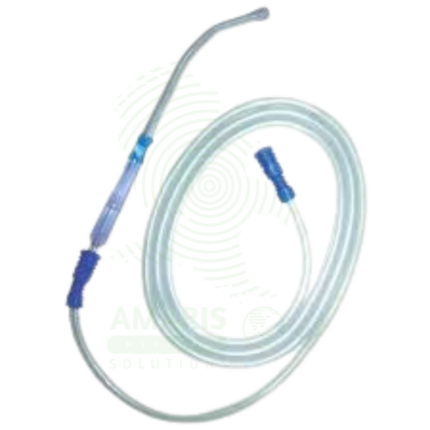
Mucus Extractor
Mucus Extractors are sterile, single-use handheld suction devices designed for the rapid clearance of secretions from the oral cavity, pharynx, and trachea, with distinct configurations for neonatal and adult populations. Neonatal/infant extractors feature soft, flexible, small-diameter tips with low suction capacity (30-60 mL) to minimize trauma to delicate airways. Adult/universal extractors (Yank Auer) are rigid, large-bore, angled devices with multiple suction eyes and high-flow capacity (150-300 mL) for rapid clearance of blood, vomitus, and thick secretions. Select models incorporate sterile specimen traps for collection of respiratory secretions for microbiological analysis. Critical safety requirements include strict limitation of suction duration (≤10 seconds; ≤5 seconds in neonates), avoidance of excessive suction pressure (neonates ≤80 mmHg), use of non-traumatic multiple-eye tips for vulnerable patients, and absolute single-use protocol. An indispensable airway device in neonatal resuscitation, pediatric care, emergency medicine, and perioperative settings.
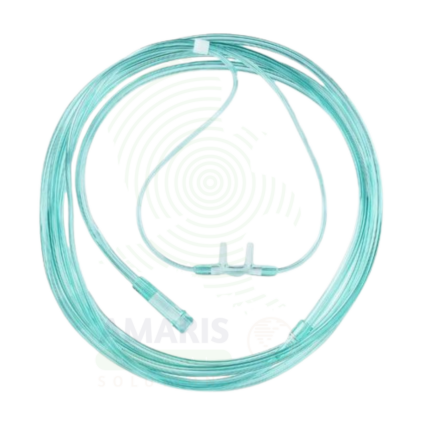
Oxygen nasal cannula
An Oxygen Nasal Cannula is a lightweight, flexible disposable tube with two soft prongs that fit into the nostrils for delivery of low to moderate flow supplemental oxygen to patients with hypoxemia or chronic respiratory disease. Manufactured from medical-grade PVC or silicone, the cannula connects to oxygen flow meters, concentrators, or conservers via a standard Christmas tree connector and delivers 1-6 liters per minute with an inspired oxygen concentration of approximately 24-40%. Available in adult, pediatric, infant, and neonatal sizes with tubing lengths from 2.1 to 7.6 meters, the nasal cannula is comfortable for extended wear, allowing patients to eat, talk, sleep, and maintain mobility during oxygen therapy. For the clinician, the nasal cannula provides a simple, well-tolerated method for correcting hypoxemia in acute and chronic settings. For the patient with COPD, pulmonary fibrosis, heart failure, or post-operative respiratory depression, the nasal cannula delivers life-sustaining oxygen that improves energy, reduces breathlessness, supports recovery, and enhances quality of life.
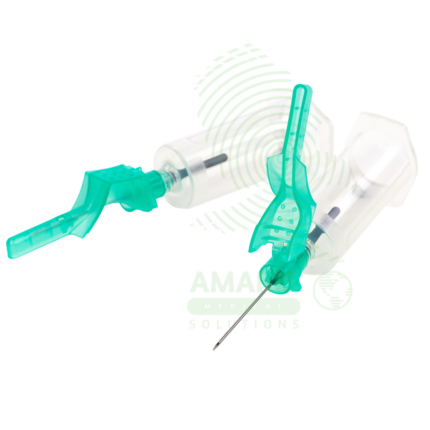
SAFE SERIES Blood Collection Needles
The SAFE SERIES (AM-SAFE) by Beijing Precil (Mindray subsidiary) is a comprehensive line of safety-engineered blood collection devices designed to prevent accidental needlestick injuries in healthcare workers. The series includes venous blood collection needles (AM-SAFE-V), standard safety needles (AM-SAFE1), winged infusion sets/butterfly needles (AM-SAFE2), high-gauge thin-wall needles for fragile veins (AM-SAFE3), premium coated needles for enhanced patient comfort (AM-GOLD), and nurse-friendly one-handed safety variants (AM-NURSE). All devices incorporate integral safety mechanisms that shield the contaminated needle immediately after withdrawal, complying with OSHA Needlestick Safety and Prevention Act requirements. Available in various gauges (18G-25G) and configurations for routine venipuncture, difficult vein access, pediatric/geriatric patients, and frequent blood draws. Sterile, single-use, latex-free, and color-coded for easy gauge identification. Essential safety devices for blood collection in hospitals, clinics, laboratories, and home healthcare settings.
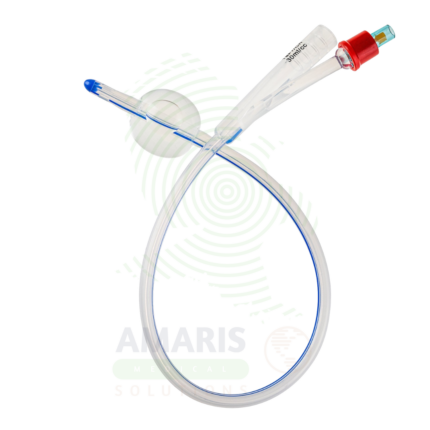
Silicone Urinary Catheters
Silicone Urinary Catheters are sterile, single-use, latex-free indwelling (Foley) catheters manufactured from 100% medical-grade silicone. They are indicated for patients requiring short- or long-term bladder drainage, particularly those with latex allergy, anticipated extended indwelling time (>7 days), or history of rapid catheter encrustation and blockage. Compared to latex and silicone-coated latex catheters, 100% silicone offers superior biocompatibility, enhanced resistance to biofilm formation and mineral encrustation, a larger internal lumen for improved flow, and complete absence of latex proteins. Available in French sizes 6 Fr-30 Fr with various tip configurations (straight, Coude, three-way irrigation) and balloon volumes (5-50 mL). Strict aseptic insertion technique, daily site care, maintenance of closed drainage, and prompt removal when no longer indicated are essential to prevent catheter-associated urinary tract infection (CAUTI) and urethral trauma.
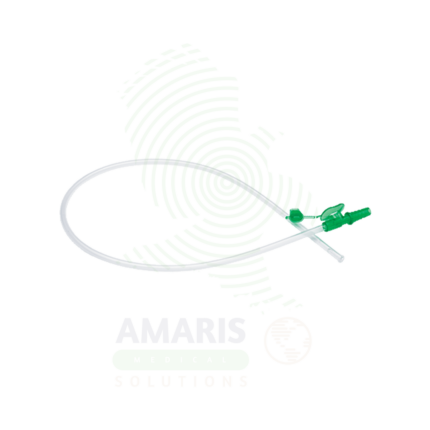
Suction Catheters
Suction Catheters are sterile, single-use flexible tubes designed for aspiration of pulmonary secretions from the airways of intubated, tracheostomized, or spontaneously breathing patients unable to clear their own secretions. Available in French sizes 5 Fr-18 Fr, with whistle-tip or coude configurations, single or multiple eyelets, and thumb-controlled suction valves. Open suction catheters are single-pass devices requiring strict sterile technique and immediate disposal. Closed (in-line) suction catheters are enclosed in a sterile sheath, permitting suctioning without ventilator disconnection, maintaining PEEP, and reducing aerosolization of pathogens—essential for high-frequency ventilation, ARDS, and airborne precautions. Critical safety parameters include catheter gauge not exceeding one-half the endotracheal tube internal diameter, suction duration ≤15 seconds, and vacuum pressure ≤150 mmHg. Proper technique prevents hypoxemia, mucosal trauma, and ventilator-associated pneumonia.
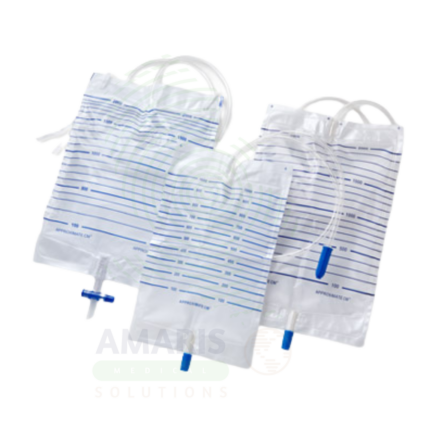
Urine Bags
Urine Bags are sterile, single-use, closed-system medical devices designed for gravity drainage, collection, containment, and measurement of urine from indwelling urinary catheters. Available in two primary configurations: large-capacity drainage bags (2000-4000 mL) for bedridden patients and overnight use, and smaller leg bags (350-750 mL) for ambulatory, community-dwelling patients. Core components include a transparent graduated collection bag, flexible drainage tubing, anti-reflux valve, needleless sampling port, and secure outlet valve. Manufactured from medical-grade PVC (DEHP-free alternatives available) or non-PVC materials, all components are latex-free and terminally sterilized. Critical safety requirements include maintaining the bag below bladder level at all times to prevent retrograde flow, preserving closed system integrity, and adhering to strict single-patient-use protocols. An indispensable component of CAUTI prevention bundles and urinary drainage management across acute care, long-term care, and home healthcare settings.
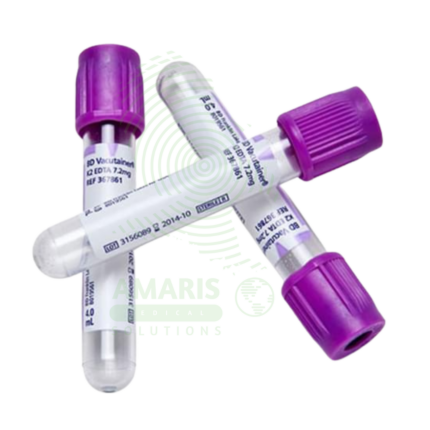
Vacutainer (EDTA/PLAIN)
Vacutainer (EDTA/PLAIN) is a sterile, evacuated blood collection tube (lavender/purple top) containing EDTA anticoagulant (K2EDTA or K3EDTA, 1.5-2.0 mg/mL blood) for hematology, blood banking, flow cytometry, and molecular diagnostics. Available in draw volumes 2-10 mL, glass or PET plastic, with color-coded stopper and sterile interior. EDTA chelates calcium, preventing coagulation while preserving cellular morphology. Primary clinical applications include complete blood count (CBC) and differential, blood typing and antibody screening (ABO/Rh, Coombs), hemoglobin A1c (HbA1c) testing, flow cytometry and immunophenotyping (CD4 counts), molecular diagnostics and PCR testing, sickle cell screening and hemoglobin electrophoresis, and parasitology (malaria smears). Critical safety precautions include filling to completion (correct blood-to-additive ratio), gentle inversion 8-10 times immediately after collection, never using for chemistry or coagulation testing, and proper disposal as biohazardous waste. Essential collection tube for hematology and immunohematology.
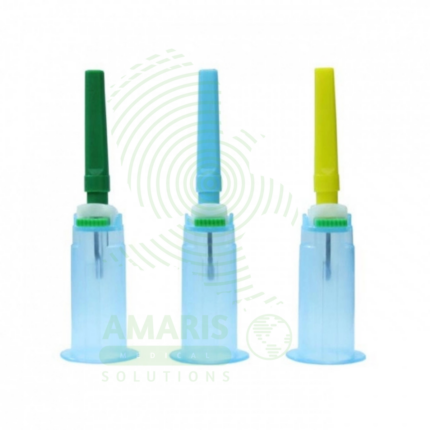
Vacutainer Needle Holder
A Vacutainer Needle Holder is a disposable plastic device (Class I/II medical device) used to securely hold double-ended blood collection needles and evacuated tubes during venipuncture, enabling safe and efficient collection of multiple blood specimens from a single venipuncture. Made from medical-grade ABS plastic or polypropylene, latex-free, approximately 12 cm length, with threaded end for needle attachment and flanged opening with flexible fingers to securely hold standard evacuated tubes (13 × 75 mm, 16 × 100 mm). Compatible with all standard double-ended needles and safety-engineered needles. Primary clinical applications include blood collection for laboratory testing (hematology, chemistry, coagulation, blood banking), multiple tube collection from single venipuncture, standardized venipuncture procedures, infection control (works with safety needles), and phlebotomy training. Critical safety precautions include single-use only (never reuse), secure needle attachment, immediate disposal of an entire unit with a needle in a sharps container, never recapping needles, and inspection for damage before use. Essential components of blood collection systems in hospitals, clinics, and laboratories.