Dermatoscope and Magnifiers
 Diagnostic Kits
 Vital Signs Monitors
 Stethoscopes and Accessories
 Otoscopes, Ophthalmoscopes, and Retinoscopes
 Reflex Hammers and Neurological Tools
 Scales and Measuring Devices
 Spirometers and Pulmonary Function Tests
 Electrosurgical Units and Accessories
 Cutting Instruments
 Grasping and Holding Instruments
 Hemostatic Instruments
 Specialized Surgical Sets
 Single-Use Procedure Trays and Packs
 Surgical Drapes, Gowns, and Covers
 Tissue Unifying Instruments
 Radiation Protection
 X-Ray Machines and Accessories
 Ultrasound Systems and Probes
 MRI and CT Scanners
 Radiology Consumables
 Bone Densitometers
 Fluoroscopy Equipment
 Imaging Tables and Positioning Aids
 Microscopes and Accessories
 Centrifuges and Separators
 Analyzers
 Incubators and Ovens
 Pipettes, Dispensers, and Lab Glassware
 Refrigerators, Freezers, and Storage Units
 Lab Consumables
 Sterilizers and Autoclaves for Lab Use
 Multi-Parameter Monitors
 Ventilators and Respiratory Support Devices
 Defibrillators and AEDs
 Infusion Pumps and IV Systems
 Patient Warmers and Cooling Devices
 Central Monitoring Stations
 Accessories
 Anesthesia Machines and Workstations
 Oxygen Concentrators and Delivery Systems
 Nebulizers and Inhalers
 CPAP/BiPAP Machines
 Airway Management
 Anesthesia Masks, Circuits, and Bags
 Humidifiers and Heaters
 Respiratory Therapy Accessories
 First Aid Kits and Cabinets
 Emergency Resuscitation Equipment
 Trauma Supplies
 Emergency Carts and Crash Carts
 Burn Care Products
 Bleeding Control
 Automated External Defibrillators (AEDs)
 Transport and Evacuation
 Wheelchairs and Accessories
 Walkers, Crutches, and Canes
 Prosthetics and Orthotics
 Physical Therapy Equipment
 Transfer Devices
 Bathroom Safety
 Orthopedic Traction and Tables
 Hot/Cold Therapy Packs and Units
 Beds and Mattresses
 Chairs and Stools
 Tables
 Cabinets and Storage
 Privacy Screens & Curtains
 Stands and Racks
 Linens and Textiles
 Lighting
 Autoclaves and Sterilizers
 Ultrasonic Cleaners
 Disinfectant Solutions and Wipes
 Sterilization Pouches, Wraps, and Indicators
 Instrument Trays and Containers
 UV and Ozone Disinfection Devices
 Washer Disinfectors
 Wound Care
 Gloves
 Masks and Respirators
 Catheters and Tubing
 Swabs, Applicators, and Sponges
 Incontinence Products
 Personal Protective Equipment (PPE)
 Dental Chairs and Units
 Handpieces and Burs
 Instruments
 Consumables
 Sterilization for Dental Use
 Orthodontic Supplies
 Endodontic Tools
 Slit Lamps and Tonometers
 Lensometers and Phoropters
 Ophthalmic Surgical Instruments
 Eyewear Frames and Lenses
 Contact Lens Supplies
 Vision Testing Charts and Devices
 Eye Care Consumables
 Laser Systems for Eye Care
 ENT Exam Chairs and Tables
 Endoscopes
 Audiometers and Hearing Tests
 ENT Instruments
 Nasal and Throat Packs
 Hearing Aids and Accessories
 Otology Supplies
 Fetal Dopplers and Monitors
 Delivery Beds and Tables
 Gynecological Instruments
 Neonatal Incubators and Warmers
 Breast Pumps and Accessories
 Contraceptive Devices
 Maternity Supports and Pads
 Neonatal Consumables
 Cystoscopes and Urethroscopes
 Dialysis Machines and Supplies
 Urological Catheters and Bags
 Lithotripters
 Prostate Treatment Devices
 Urinary Incontinence Products
 Kidney Stone Management Tools
 Consumables & Disposables
 EEG and EMG Machines
 Neurosurgical Instruments
 Nerve Stimulators
 Headrests and Positioning Aids
 Lumbar Puncture Kits
 Seizure Monitoring Devices
 Consumables
 Rehabilitation for Neurological Conditions
 ECG Machines and Accessories
 Holter Monitors
 Stress Test Systems
 Pacemakers and Defibrillator Accessories
 Vascular Access Devices
 Cardiac Catheters and Guidewires
 Blood Flow Meters
 Consumables
 Orthopedic Instruments
 Casts, Splints, and Padding
 Joint Replacement Supplies
 Prosthetic Limbs and Components
 Bone Grafts and Substitutes
 Traction Devices
 Orthopedic Braces and Supports
 Rehabilitation Aids for Orthopedics
 Home Oxygen Therapy
 Hospital Beds for Home Use
 Mobility Aids
 Bathroom and Daily Living Aids
 Wound Care for Home
 Monitoring Devices
 Enteral Feeding Pumps and Tubes
 Hand Sanitizers and Dispensers
 Face Shields and Goggles
 Isolation Gowns and Suits
 Biohazard Waste Containers
 Air Purifiers and HEPA Filters
 Surface Disinfectants
 Sharps Containers
 Protective Barriers
 Cardiovascular & Endurance Training
 Strength Training & Weightlifting
 Functional Training & Core Conditioning
 Physical Therapy & Rehabilitation
 Sports & Outdoor Recreation
 Gym Flooring & Facility Equipment
 Fitness Monitoring & Accessories
 Kids & Novelties














Industrial Digital Rotary Evaporator (RE200-Pro 20L)
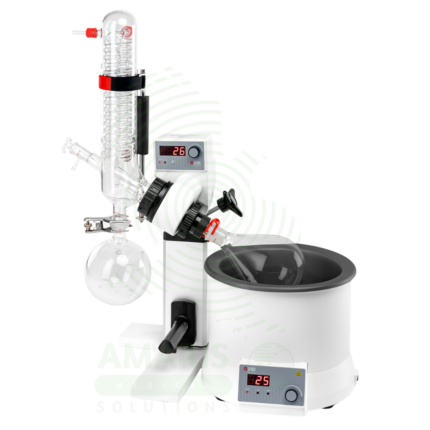
The Industrial Digital Rotary Evaporator (RE200-Pro 20L) is a large-scale, industrial-grade distillation system designed for efficient and gentle removal of solvents from samples by evaporation under reduced pressure for pilot production and biopharmaceutical manufacturing . Featuring a 20L evaporating flask capacity, 4.0 L/h evaporation rate, and 4400W heating power (water/oil bath up to 180°C), this industrial unit provides precise temperature (PID control, water: ±1°C, oil: ±3°C), rotation speed (10-150 rpm), and timer (0-999 minutes) control for large-volume processing .
Key features include a large LCD digital display for real-time monitoring, one-click automatic motorized lift with 180mm stroke for smooth and silent operation, and a two-section vertical triple coil condenser with large cooling surface area (approximately 1.2 m²) for high-efficiency sample recovery . The heating bath features switchable water/oil heating modes, corrosion-resistant stainless steel construction, and special insulation design that keeps outer surface temperature much lower than inner pot temperature to prevent burns . The double-layer modified PTFE high-elasticity sealing ring provides ultra-strong sealing performance, high temperature resistance, and corrosion resistance for extended service life . The switch valve enables continuous collection of distillate without compromising system vacuum or solvent distillation, significantly increasing throughput for industrial applications .
For the bioprocess engineer and pharmaceutical manufacturing scientist, the Industrial Digital Rotary Evaporator (RE200-Pro 20L) supports large-scale concentration of bioreactor harvests, purification of bulk active pharmaceutical ingredients (APIs), solvent recovery from pilot production runs, industrial natural product extraction for nutraceutical manufacturing, high-volume solvent recovery for waste reduction, and large-scale concentration for cosmetics and food industry production . Safety features include overheating protection (220°C cutoff), boil-dry protection (auto power-off if bath empty), motor over-current protection, earth-leakage protection, lifting overload protection, and high-temperature warning above 50°C .
Corrosion-resistant stainless steel construction, 180mm motorized lift for user safety, heating bath insulation to prevent burns, PTFE sealing system for chemical resistance, and optional explosion-proof glassware ensure safe, reliable operation for industrial manufacturing . With a large footprint (1160 × 600 × 1860mm) and 106kg weight , the Industrial Digital Rotary Evaporator (RE200-Pro 20L) is an essential instrument for pharmaceutical manufacturing, bioprocessing, chemical production, cosmetics manufacturing, food industry quality control, and pilot plant operations .
Blood ID Centrifuge
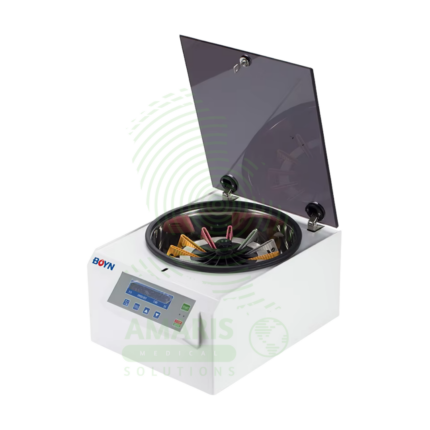
The Blood ID Centrifuge is a specialized benchtop centrifuge designed specifically for blood banking and immunohematology applications using gel card or column agglutination technology. It is optimized for centrifuging gel cards used in ABO/Rh typing, antibody screening, cross-matching, direct and indirect antiglobulin tests (Coombs tests), and antibody identification procedures. Features include fixed-angle or swing-out rotors with specialized gel card holders, programmable cycles (speed, time, acceleration/deceleration) for different test protocols, digital display, imbalance detection, and safety lid lock. Capacity typically 6-24 gel cards per run with speeds optimized at 1,000-2,500 RPM for gel card processing. Primary clinical applications include blood typing and cross-matching in transfusion medicine, antibody identification and titer determination, direct and indirect antiglobulin testing, newborn cord blood testing, donor screening, and quality control in immunohematology. Essential equipment for hospital blood banks, donor centers, and immunohematology reference laboratories requiring standardized, reproducible gel card test results.
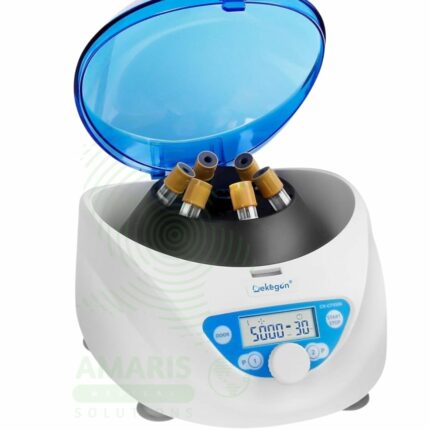
Centrifuge
A centrifuge is an instrument that uses rapid rotation to separate components of a liquid mixture based on density. In clinical and laboratory settings, it is indispensable for preparing blood samples (serum, plasma, cells), concentrating urine sediment, and processing microbiological specimens. Key specifications include maximum relative centrifugal force (RCF) and rotor type (swinging bucket or fixed angle). Safe operation is paramount and hinges on perfect load balancing, using securely sealed tubes, and never overriding safety lids. Proper cleaning after spills and regular rotor inspection are essential for preventing equipment failure and biohazard exposure. It is a fundamental piece of equipment for sample preparation across all disciplines of laboratory medicine.
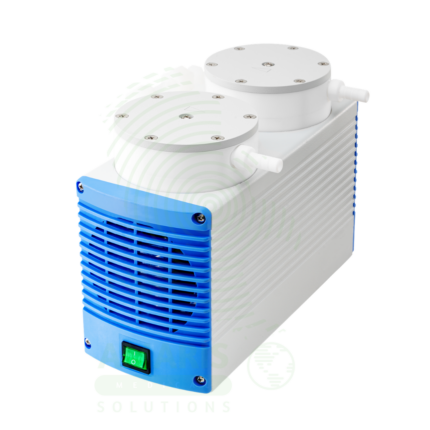
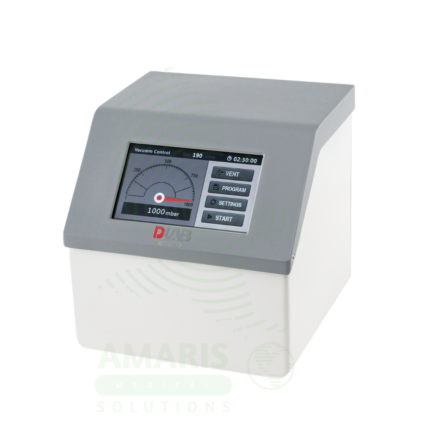
Chemistry-design diaphragm pump (C410)
The Chemistry-design diaphragm pump (C410) is a chemically-resistant, oil-free vacuum pump engineered for continuous operation in pharmaceutical, chemical, and clinical laboratories . Featuring PTFE-coated diaphragms and wetted parts (providing exceptional resistance to aggressive acidic, basic, and solvent vapors) and a maintenance-free, oil-free mechanism (eliminating regular oil changes and waste disposal) , this pump delivers stable vacuum performance down to 13 mbar absolute with flow rates ranging from 5-25 L/min depending on vacuum level .
The double-stage pump operates at 1450 rpm with a 95W motor, producing ≤50 dB noise level for quiet laboratory environments . Integrated thermal protection automatically shuts off the pump during overheating events and restarts when cooled, ensuring operational safety . The compact 8.5 kg design (294 x 156 x 195 mm) with 8mm nozzle connection integrates seamlessly with rotary evaporators, filtration manifolds, and vacuum distillation apparatus .
For the clinical laboratory scientist and pharmaceutical researcher, the Chemistry-design diaphragm pump (C410) powers rotary evaporation for drug discovery and solvent recovery , supports vacuum filtration for clinical sample preparation, enables concentration of heat-sensitive biomolecules, and serves as an environmentally-friendly substitute for water-jet pumps . For the patient and community, efficient laboratory workflows accelerate pharmaceutical development timelines, while reduced solvent waste and water conservation support sustainable healthcare practices .
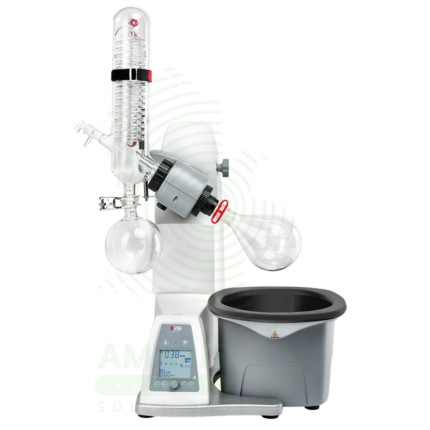
Digital Rotary Evaporator (RE100-Pro)
The Digital Rotary Evaporator (RE100-Pro) is a high-performance benchtop distillation system designed for efficient and gentle removal of solvents from samples by evaporation under reduced pressure . Featuring an LCD digital display for real-time monitoring of rotation speed (20-280 rpm), heating temperature (room temperature to 180°C), and timer (1-999 minutes), this unit provides precise control over all distillation processes .
Key features include a brushless DC motor for quiet, maintenance-free operation, a patented condenser with 1700cm² cooling surface for excellent condensation efficiency, and a 5L heating bath capable of water or oil heating with switchable modes . The motorized automatic lift with 150mm stroke raises the evaporating flask to a safe position in case of power failure, while the patented PTFE double spring sealing ring provides superior chemical resistance and vacuum integrity .
For the pharmaceutical researcher and analytical chemist, the Digital Rotary Evaporator (RE100-Pro) supports solvent removal for drug discovery and quality control, concentration of pharmaceutical compounds, natural product extraction, environmental sample preparation, and solvent recovery for laboratory waste reduction . Safety features include overheating protection (220°C cutoff), boil-dry protection (auto power-off if bath empty), motor over-current protection, earth-leakage protection, and lifting overload protection .
The Digital Rotary Evaporator (RE100-Pro) includes a detachable LCD control panel for remote operation, USB interface for PC control and data transmission, and an ejection mechanism for easy flask removal . Standard glassware includes 1000mL evaporating and receiving flasks, with optional glassware compatible for various application needs . With a compact footprint (465 × 457 × 583 mm) and 15kg weight, the Digital Rotary Evaporator (RE100-Pro) is an essential instrument for pharmaceutical research, chemical synthesis, quality control, and clinical research laboratories .
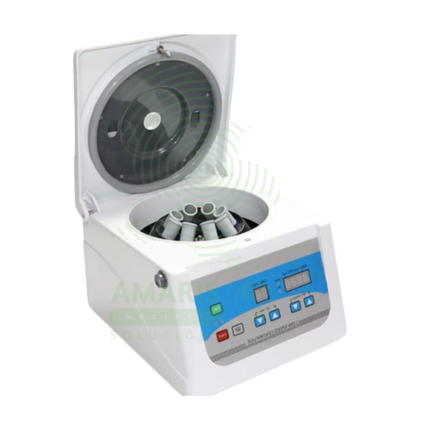
Electric Centrifuge
An Electric Centrifuge is a Class I medical device that uses rapid rotation to separate fluids of different densities, essential in clinical laboratories for processing blood, urine, and other biological specimens. Available in benchtop, refrigerated, microcentrifuge, hematocrit, and high-speed models with fixed-angle, swinging-bucket, or vertical rotors. Speed range 1,000-30,000+ RPM with RCF up to 65,000+ x g. Features include brushless induction motor, digital controls, imbalance detection, lid lock safety, and programmable protocols. Primary clinical applications include separation of serum/plasma for chemistry and hematology testing, urine sediment analysis for microscopy, platelet-rich plasma (PRP) preparation for regenerative medicine, concentration of bacteria for microbiology, cytology fluid analysis, blood banking, and molecular biology sample processing. Critical safety precautions include proper balancing of loads (weight matching), use of sealed rotors for biohazardous samples, regular rotor inspection for corrosion or cracks, never exceeding maximum rated speed, and never opening lid during operation. Essential equipment in clinical, research, and teaching laboratories.
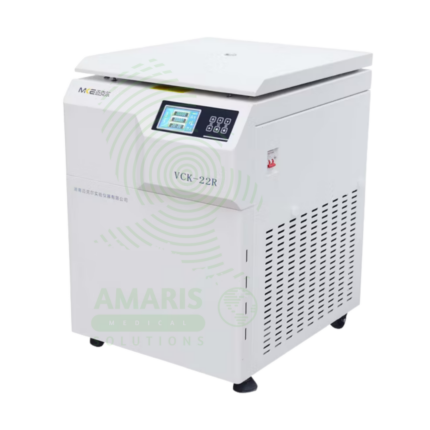
Floor Type High Speed Cooling Centrifuge
A Floor Type High Speed Cooling Centrifuge is a heavy-duty, floor-standing refrigerated centrifuge designed for large-scale, high-speed processing of temperature-sensitive biological samples at forces up to 120,000 x g (standard high-speed) or 800,000 x g (ultracentrifuge) with precise temperature control from -20°C to +40°C. Capable of processing multiple liters per run using fixed-angle, swinging-bucket, continuous flow, zonal, and vertical rotors with capacities from 4-8 × 500 mL bottles to continuous flow rates of 2-20 L/hour. Features include high-torque brushless motors, advanced refrigeration systems, high vacuum systems (ultracentrifuges), large color touchscreen interfaces with 21 CFR Part 11 compliant data logging, 100-1,000 programmable protocols, multi-sensor imbalance detection, aerosol-tight rotors for BSL-3/4 applications, and comprehensive safety interlock systems. Primary clinical and research applications include virus particle concentration and purification for virology and vaccine development, DNA/RNA extraction from large sample volumes, subcellular fractionation and organelle isolation, lipoprotein separation for cardiovascular risk assessment, protein purification for structural biology, exosome isolation for biomarker research, and large-scale vaccine and biopharmaceutical production under GMP conditions. Essential equipment for advanced diagnostic laboratories, research institutions, biopharmaceutical manufacturing facilities, and vaccine production centers requiring high centrifugal forces, precise temperature control, and validated, reproducible performance.
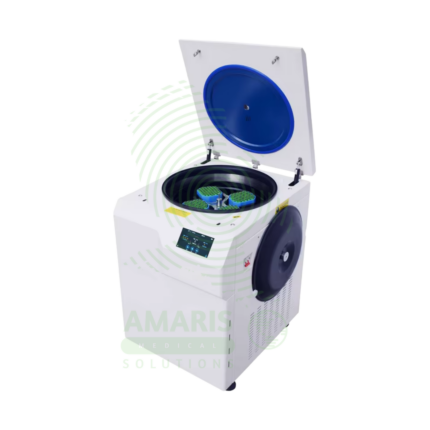
Floor Type Low Speed Cooling Centrifuge
A Floor Type Low Speed Cooling Centrifuge is a heavy-duty, floor-standing refrigerated centrifuge designed for large-scale, temperature-controlled processing of biological samples in clinical laboratories, blood banks, biopharmaceutical manufacturing, and research facilities. With capacities up to 12 blood bags, 6 × 1 L bottles, 192 blood collection tubes, or 20 microplates per run, these units operate at 4,000-8,000 RPM generating RCF up to 12,000 x g with precise temperature control from -10°C to +40°C (±1°C). Features include high-torque brushless motors, advanced refrigeration systems, color touchscreen interfaces, programmable protocols (50-100 programs), multiple acceleration/deceleration profiles, comprehensive imbalance detection, aerosol-tight rotors, and GMP-compliant data logging options. Primary clinical applications include blood bank processing (packed cells, plasma, cryoprecipitate), coagulation studies requiring cold centrifugation, temperature-sensitive molecular biology preparations, vaccine and biopharmaceutical production, cold precipitation studies, and long-duration centrifugation protocols. Essential equipment for high-volume clinical laboratories, blood donor centers, and GMP manufacturing facilities requiring precise temperature control and large sample capacity with reproducible, validated results.
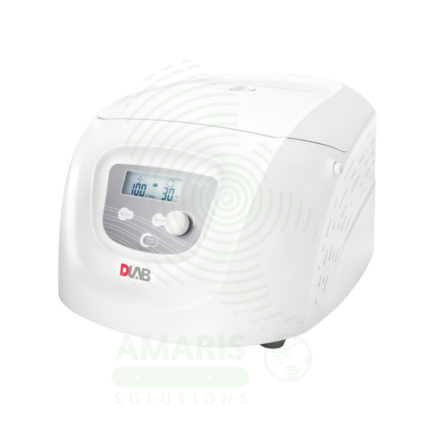
Hematocrit Centrifuge (DM1224)
The Hematocrit Centrifuge (DM1224) is a specialized high-speed benchtop centrifuge designed for hematocrit determination, packed cell volume (PCV) measurement, and microvolume blood sample processing in clinical diagnostic and research laboratories . Operating at speeds up to 12,000 rpm (13,680 × g) with a maintenance-free brushless DC motor, this centrifuge features a dedicated 24-place AC24 capillary rotor specifically engineered for standard hematocrit capillary tubes .
For the hematologist and clinical laboratory scientist, the DM1224 enables precise measurement of packed cell volume—a critical diagnostic parameter for screening and monitoring anemia, polycythemia, dehydration, and other hematological disorders . The microvolume capability (50-75 μL blood samples) makes this centrifuge ideal for pediatric, neonatal, geriatric, and critical care patients where blood conservation is essential . The integrated rotor design with optional hematocrit reader allows direct measurement of PCV values, providing rapid results for clinical decision-making .
The centrifuge features microprocessor-controlled operation with precise speed control (500-12,000 rpm, increment: 100 rpm), LCD display with speed/RCF switchover, and programmable run times from 10 seconds to 99 minutes or continuous operation . The Pulse key enables instantaneous centrifugation for quick spin-down needs, while the timer logic ensures accurate separation times by commencing once set speed is reached . Acceleration and deceleration are completed in 40 seconds each, optimizing cycle times for high-volume clinical laboratories .
Safety features include double door lock system (door interlock) preventing operation with open lid, over-speed detection, and automatic internal diagnosis, with CE safety certification . The high-strength metal rotor with excellent dynamic balancing ensures quiet, stable operation at high speeds .
With a compact footprint (364 × 280 × 213 mm), lightweight design (8.5 kg), and 24-tube capacity, the DM1224 provides reliable, specialized performance for hematocrit determination, PCV measurement, and microvolume blood processing—supporting patient diagnosis across clinical hematology, pediatrics, oncology, and transfusion medicine .
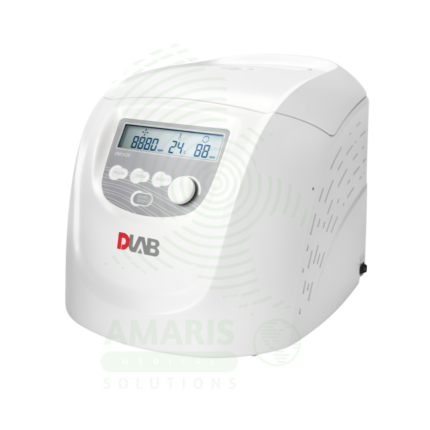
Hematocrit Centrifuge(DM1424)
The Hematocrit Centrifuge(DM1424) is a specialized high-speed benchtop centrifuge designed for hematocrit determination, packed cell volume (PCV) measurement, and micro-volume blood sample processing in clinical diagnostic and research laboratories . Operating at speeds from 200 to 14,000 rpm (up to 18,620 × g) with a maintenance-free brushless DC motor, this centrifuge features a dedicated AC24P hematocrit rotor for 24 × standard capillary tubes (12,000 rpm max) used for determination of erythrocyte volume fractions in blood and for separation of micro blood and solutions . An optional A24-2P microtube rotor (24 × 1.5/2.0 mL tubes, 14,000 rpm max) enables the same instrument to serve as a general-purpose microcentrifuge for DNA/RNA extraction, protein separation, and PCR sample preparation .
For the hematologist and clinical laboratory scientist, the DM1424 enables precise measurement of hematocrit (HCT) and packed cell volume (PCV)—critical diagnostic parameters for screening and monitoring anemia, polycythemia, dehydration, and other hematological disorders . The micro-volume capability makes this centrifuge ideal for neonatal bilirubin testing (photometric determination of bilirubin content in neonate blood samples for jaundice management), pediatric hematology, and critical care patients where blood conservation is essential . Additional clinical applications include doping tests, veterinary hematology, infant vitamin testing, and general clinical diagnostic testing .
The centrifuge features microprocessor-controlled operation with precise speed increments (10 rpm), LCD display with speed/RCF switchover, programmable run times (30 seconds to 99 minutes or continuous), and timer logic that commences once set speed is reached for accurate separation times . The PULSE key enables instantaneous quick spins, while parameters can be modified after set speed is reached without stopping the centrifuge . The lid automatically releases when operation has stopped, and a sound alert signals run completion .
Safety features include door interlock (prevents operation with open lid), over-speed detection, over-temperature detection, and automatic internal diagnosis, with CE, cTUVus, and FCC safety certifications . The centrifuge has passed MCA test according to IEC/EN61010-2-20 including explosion-proof and bio-safe tests, and complies with EN61010-2-101:2002 requirements for In Vitro Diagnostic (IVD) medical equipment .
With a compact footprint (approximately 15 × 11 × 11 inches), lightweight design (22 lbs), 2-year manufacturer warranty, and quiet, stable operation, the DM1424 provides reliable, specialized performance for hematocrit determination, PCV measurement, neonatal bilirubin testing, and micro-volume blood processing—supporting patient diagnosis across clinical hematology, neonatology, pediatrics, oncology, and transfusion medicine .
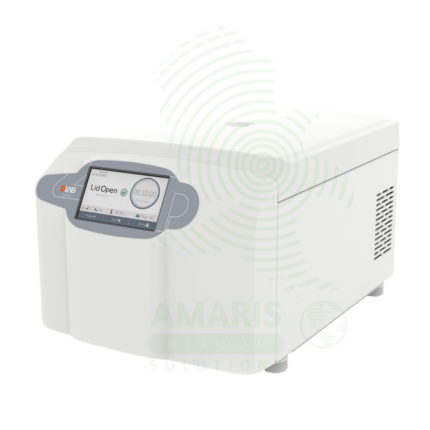
High Speed Centrifuge (DG1616)
The High Speed Centrifuge (DG1616) is a large-capacity benchtop centrifuge designed for high-throughput sample processing in clinical diagnostic, molecular biology, pharmaceutical, and industrial research laboratories . With a maximum speed of 16,000 rpm (up to 28,621 × g) and maximum capacity of 4 × 400 mL (1.6 liters), this centrifuge provides the speed and capacity needed for high-volume sample processing in clinical pathology, molecular diagnostics, and research settings .
The centrifuge features a maintenance-free brushless DC motor, new upgraded touch UI interface for user-friendly operation, and automatic rotor identification for safety . The SR400 SOR swing-out rotor accommodates 4 × 400 mL tubes with snap-on bio-caps, handling tube sizes from 2 mL to 100 mL, while fixed-angle rotors are available for high-speed applications up to 16,000 rpm . The refrigerated DG1616R model maintains sample temperatures from -10°C to 40°C, protecting temperature-sensitive biological samples during high-speed runs .
For the clinical laboratory scientist and medical technologist, the DG1616 facilitates serum and plasma separation for blood chemistry testing, coagulation studies, and lipid panels in high-volume clinical laboratories . It supports platelet-poor plasma preparation for advanced coagulation analysis, nucleic acid extraction and purification for molecular diagnostics, protein precipitation for biochemical assays, and cell pelleting for culture processing. Additional applications include urinalysis and fecal sample processing, microbiology sample preparation, and pharmaceutical quality control testing .
The centrifuge incorporates comprehensive safety features including electronic magnetic door locking, automatic rotor identification, imbalance detection, and 3-layer sealed rotors that are fully autoclavable at 121°C for biosafety . With programmable run times (30 seconds to 99 hours), 9 acceleration and 9 deceleration profiles, up to 100 program storage capacity, and a robust 70-90 kg construction, the DG1616 provides reliable, consistent performance for routine laboratory workflows supporting patient diagnosis and treatment monitoring .
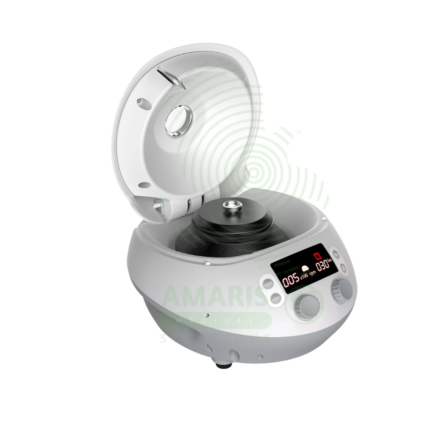
High Speed Micro Centrifuge
A High Speed Micro Centrifuge is a compact benchtop laboratory instrument designed for rapid separation of small-volume samples (0.2-2.0 mL) at speeds up to 30,000 RPM and RCF up to 65,000 x g. Available with fixed-angle or swinging-bucket rotors, digital controls, programmable protocols, imbalance detection, and safety lid lock. Refrigerated models maintain temperatures from -20°C to +40°C for temperature-sensitive applications. Primary clinical applications include DNA, RNA, and nucleic acid extraction for molecular diagnostics, protein precipitation and analysis for biochemistry, cell lysis and fractionation, microorganism and bacterial pelleting for microbiology, virus particle concentration, microvolume sample preparation for clinical chemistry, and rapid phase separation in extraction protocols. Essential equipment in molecular biology, clinical research, diagnostic laboratories, and biotechnology settings requiring rapid, efficient processing of small samples with high centrifugal forces.
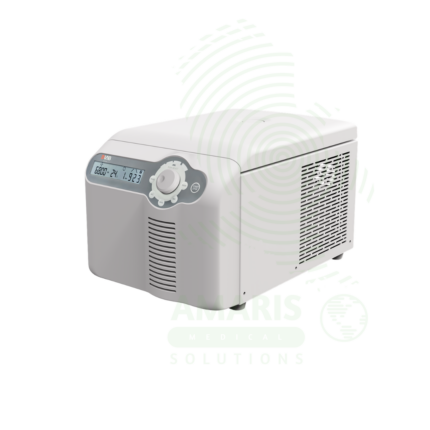
High Speed Micro Centrifuge (D1524)
The High Speed Micro Centrifuge (D1524) is a benchtop high-speed centrifuge designed for clinical diagnostic sample processing, molecular biology applications, and research laboratory use . With a maximum speed of 15,000 rpm (up to 21,380 × g), this centrifuge provides the speed and capacity needed for high-throughput sample processing in moderate to large volume diagnostic laboratories .
The standard A24-2 rotor accommodates 24 × 1.5/2.0 mL microcentrifuge tubes with 0.5 mL and 0.2 mL adapters, while an optional A12-PCR8 rotor supports 12 × 0.2 mL PCR tubes or 8-strip PCR tubes for molecular diagnostics . The digital LCD display with touch panel control allows precise speed (500-15,000 rpm, step: 100 rpm) and time (20 seconds to 99 minutes) adjustment .
For the clinical laboratory scientist and medical technologist, the D1524 facilitates serum and plasma separation for blood chemistry testing, coagulation studies, and lipid panels . It supports platelet-poor plasma preparation for advanced coagulation analysis, nucleic acid extraction and purification for molecular diagnostics, PCR sample preparation (with spin-down and continuous operation modes), and protein precipitation steps for biochemical assays .
The automatic imbalance detection, lid safety interlock, and durable engineering polymer/aluminum alloy rotor construction ensure safe, reliable operation throughout years of daily laboratory use . With a quiet DC motor (≤55 dB) and compact benchtop footprint (210 × 250 × 170 mm), the D1524 provides versatile, consistent performance for routine laboratory workflows supporting patient diagnosis and treatment monitoring.
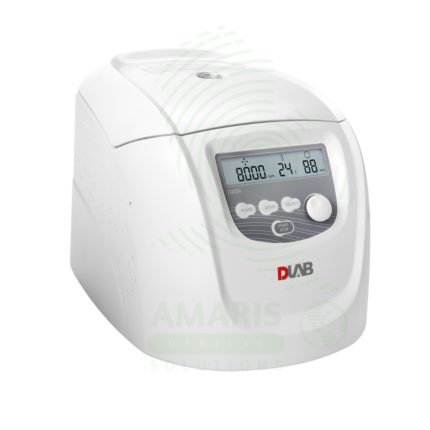
High Speed Micro Centrifuge (D3024)
The High Speed Micro Centrifuge (D3024) is a benchtop high-speed centrifuge designed for clinical diagnostic sample processing, molecular biology applications, and research laboratory use. With a maximum speed of 15,000 rpm (up to 21,380 × g), this centrifuge provides the speed and capacity needed for high-throughput sample processing in moderate to large volume diagnostic laboratories.
The standard A24-2 rotor accommodates 24 × 1.5/2.0 mL microcentrifuge tubes with 0.5 mL and 0.2 mL adapters, while optional rotors support 0.2 mL × 36, 0.5 mL × 36, PCR strips × 4, 5 mL × 12, and 5 mL × 18 configurations. The LCD display with touch panel control allows precise speed (500-15,000 rpm, step: 100 rpm) and time (20 seconds to 99 minutes) adjustment.
For the clinical laboratory scientist and medical technologist, the D3024 facilitates serum and plasma separation for blood chemistry testing, coagulation studies, and lipid panels. It supports nucleic acid extraction and purification for molecular diagnostics, PCR sample preparation (with spin-down and continuous operation modes), protein precipitation steps for biochemical assays, and cell pelleting for culture processing.
The automatic imbalance detection, lid safety interlock, over-speed detection, over-temperature detection, and durable rotor construction ensure safe, reliable operation throughout years of daily laboratory use. With a quiet brushless DC motor (≤55 dB) and compact benchtop footprint (210 × 250 × 170 mm), the D3024 provides versatile, consistent performance for routine laboratory workflows supporting patient diagnosis and treatment monitoring.
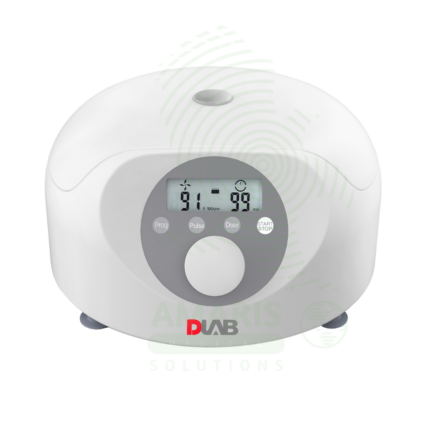
High Speed Micro Centrifuge(D2012S)
The High Speed Micro Centrifuge(D2012S) is a compact benchtop centrifuge designed for rapid sample processing in clinical diagnostic, molecular biology, and research laboratories. Operating at speeds up to 15,000 rpm (15,100 × g) with a quiet brushless DC motor, this microcentrifuge supports 12-position rotor capacity for 0.2/0.5/1.5/2.0 mL microcentrifuge tubes with tool-free rotor exchange and adapter compatibility.
For the clinical laboratory scientist and medical technologist, the D2012S facilitates serum and plasma separation for blood chemistry testing, coagulation studies, and lipid panels. It supports DNA/RNA extraction and purification for molecular diagnostics, PCR sample preparation (including 0.2 mL PCR tubes and 8-strip tubes), protein precipitation for biochemical assays, cell pelleting for culture processing, and urinalysis sample clarification.
The centrifuge features rapid acceleration (11 seconds) and deceleration (9 seconds) cycles, precise speed control, and programmable run times from 30 seconds to 99 minutes or continuous operation. The large LCD display provides real-time monitoring of speed, RCF, and run progress, with Speed/RCF switchover for user convenience. Pulsed (short-run) operation mode allows quick spin-downs for immediate sample processing needs.
Safety features include automatic lid lock, over-speed detection, over-temperature detection, rotor imbalance detection alarm, and auto internal diagnosis system. The D2012S has passed rigorous EN61010-2-20 explosion-proof safety testing and holds CE, cTUVus, and FCC safety certifications. The cast iron chassis with low center of gravity and four vacuum suction feet ensures stable, reliable operation during high-speed centrifugation.
With a compact footprint (255 × 245 × 140 mm) and lightweight (6 kg) design, the D2012S provides versatile, consistent performance for routine laboratory workflows supporting patient diagnosis and treatment monitoring.
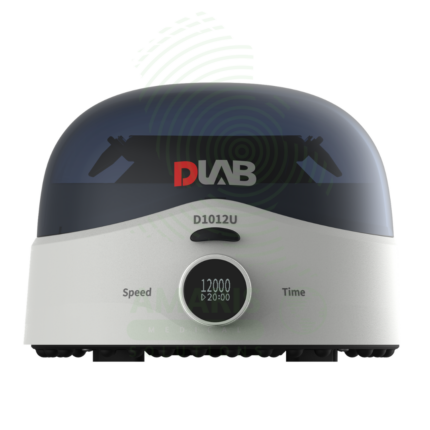
High Speed Palm Micro Centrifuge(D1012U)
The High Speed Palm Micro Centrifuge(D1012U) is a compact, high-speed centrifuge designed for rapid sample processing in clinical and research laboratories. Operating at speeds up to 12,000 rpm (up to 6,708 × g) with a quiet DC motor, this palm-sized centrifuge supports multiple rotor configurations—including 12 x 0.5/1.5/2.0 mL microcentrifuge tubes, 44 x 0.2 mL PCR tubes, and 4 x 0.2 mL PCR 8-strips . The OLED display allows precise monitoring and adjustment of speed (1,000-12,000 rpm) and run time (10 seconds to 20 minutes), while the clamp-locking rotor design ensures safe, secure operation . For the clinical laboratory scientist and medical technologist, the D1012U facilitates rapid separation of blood components for diagnostic testing, PCR sample preparation for molecular diagnostics, microfiltration of body fluids for urinalysis and cytology, and cell pelleting for cytological examination . Its compact footprint (210 x 180 x 130 mm) and lightweight design (1.5 kg) make it ideal for point-of-care testing, physician office laboratories, and space-constrained benchtops . Wide voltage technology (100-240V) ensures consistent performance across different laboratory power conditions . This centrifuge provides reliable, consistent performance for routine laboratory workflows supporting patient diagnosis and treatment monitoring.
High Speed Palm Micro Centrifuge(D1012UA )
The High Speed Palm Micro Centrifuge(D1012UA ) is a compact, high-speed centrifuge designed for rapid sample processing in clinical and research laboratories. Operating at speeds up to 10,000 rpm (up to 7,490 × g) with a quiet DC brushless motor, this palm-sized centrifuge supports multiple rotor configurations—including 12 x 0.5/1.5/2.0 mL microcentrifuge tubes, 44 x 0.2 mL PCR tubes, and 4 x 0.2 mL PCR 8-strips . The OLED display allows precise monitoring and adjustment of speed (2,000-10,000 rpm) and run time (10 seconds to 20 minutes) . The FA12-2P combo rotor features a durable clamp-locking design for safe, secure operation .
For the clinical laboratory scientist and medical technologist, the D1012UA facilitates rapid spin-down of samples for PCR preparation , microfiltration of body fluids for urinalysis and cytology, cell pelleting for cytological examination , and nucleic acid extraction and purification workflows . The screen buttons allow adjustment of motor start/stop with support for both soft braking and instant stop modes .
Its compact footprint (210 x 180 x 130 mm) and lightweight design (1.5 kg) make it ideal for point-of-care testing, physician office laboratories, and space-constrained benchtops . Wide voltage technology (100-240V) ensures consistent performance across different laboratory power conditions . This centrifuge provides reliable, consistent performance for routine laboratory workflows supporting patient diagnosis and treatment monitoring.
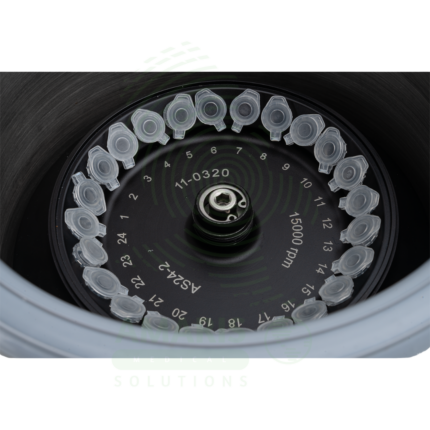
High Speed Refrigerated Centrifuge (D1524R)
The High Speed Refrigerated Centrifuge (D1524R) is a benchtop refrigerated microcentrifuge designed for temperature-sensitive sample processing in clinical diagnostic, molecular biology, and research laboratories. With a maximum speed of 15,000 rpm (up to 21,380 × g) and a temperature range of -20°C to 40°C, this centrifuge maintains sample integrity during high-speed runs—preventing protein denaturation, enzyme inactivation, and nucleic acid degradation .
The refrigerated centrifuge features a powerful R290 fluorine-free refrigerant compressor with pre-cooling function, reaching 4°C from room temperature in just 7 minutes . The standard AS24-2 bio-safe rotor accommodates 24 × 1.5/2.0 mL microcentrifuge tubes with 0.5 mL and 0.2 mL adapters, while optional rotors support 0.2 mL × 36, 0.5 mL × 36, PCR-8 strips × 4, 5 mL × 12, and 5 mL × 18 configurations .
For the clinical laboratory scientist and medical technologist, the D1524R facilitates serum and plasma separation for blood chemistry testing, coagulation studies, and lipid panels under refrigerated conditions. For the molecular biologist, it supports DNA/RNA extraction and purification, PCR sample preparation (spin-down of 0.2 mL PCR tubes and strip tubes), protein precipitation for biochemical assays, and cell pelleting for culture processing .
The centrifuge incorporates comprehensive safety features including dual door lock, over-speed detection, over-temperature detection, rotor imbalance detection alarm, and an internal diagnosis system . The three-layer sealed biosafety rotors prevent aerosol escape and cross-contamination, while the high-strength aluminum alloy rotors withstand repeated autoclave sterilization at 121°C .
With an LCD display, 9-level adjustable acceleration and deceleration, and up to 9 program storage capacity, the D1524R provides reliable, reproducible performance for temperature-controlled centrifugation supporting patient diagnosis, treatment monitoring, and research outcomes .
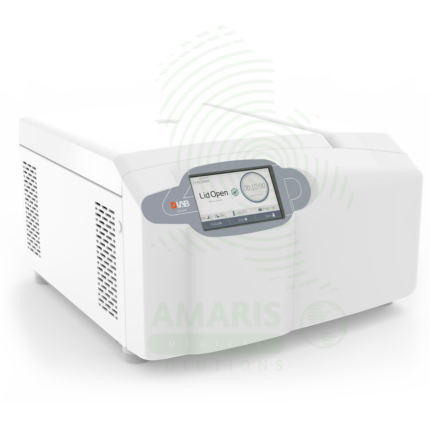
High Speed Refrigerated Centrifuge (DG1616R)
The High Speed Refrigerated Centrifuge (DG1616R) is a refrigerated, large-capacity benchtop centrifuge designed for temperature-controlled high-throughput sample processing in clinical diagnostic, molecular biology, pharmaceutical, and industrial research laboratories . With a maximum speed of 16,000 rpm (up to 28,621 × g) and maximum capacity of 4 × 400 mL (1.6 liters), this centrifuge provides the speed, capacity, and refrigeration needed for high-volume sample processing while protecting temperature-sensitive biological samples .
The active refrigeration system maintains sample temperatures from -10°C to 40°C, with a pre-cooling function that reaches 4°C in minutes—preventing protein denaturation, enzyme inactivation, and RNA degradation during high-speed runs . The DG1616R features a maintenance-free brushless DC motor, new upgraded touch UI interface for user-friendly operation, and automatic rotor identification for safety . The SR400 SOR swing-out rotor accommodates 4 × 400 mL tubes with snap-on bio-caps, handling tube sizes from 2 mL to 100 mL, while fixed-angle rotors are available for high-speed applications up to 16,000 rpm .
For the clinical laboratory scientist and medical technologist, the DG1616R facilitates serum and plasma separation for blood chemistry testing, coagulation studies, and lipid panels under refrigerated conditions . It supports platelet-poor plasma preparation for advanced coagulation analysis, nucleic acid extraction and purification for molecular diagnostics (preventing RNA degradation), protein precipitation for biochemical assays, and cell pelleting for culture processing while maintaining cell viability through temperature control. Additional applications include urinalysis, fecal sample processing, microbiology sample preparation, and pharmaceutical quality control testing .
The centrifuge incorporates comprehensive safety features including electronic magnetic door locking, automatic rotor identification, imbalance detection, and 3-layer sealed rotors that are fully autoclavable at 121°C for biosafety . With programmable run times (30 seconds to 99 hours), 9 acceleration and 9 deceleration profiles, up to 100 program storage capacity, and a robust 90 kg construction, the DG1616R provides reliable, temperature-controlled performance for routine laboratory workflows supporting patient diagnosis and treatment monitoring .
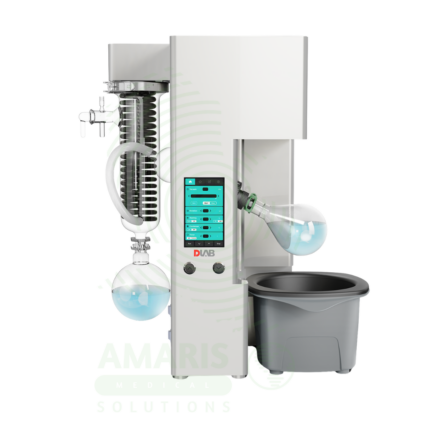
Intelligent Rotary Evaporator – Integrated (RE100-CV)
The Intelligent Rotary Evaporator - Integrated (RE100-CV), space-saving distillation system that combines a heating bath, rotating motor, self-cooling metal condenser, and vacuum controller into a single benchtop unit . Designed for high-efficiency solvent removal, this unit features a large 7-inch LCD touch screen that allows for precise, synchronized control of rotation speed (20-280 rpm), heating temperature (RT to 180°C), and vacuum pressure (1-1000 mbar) . Its innovative self-cooling metal condenser can drop 40°C in 5 minutes, eliminating the need for an external chiller and reducing energy consumption by up to 50% compared to traditional models .
For the pharmaceutical researcher and petroleum chemist, the Intelligent Rotary Evaporator - Integrated (RE100-CV) facilitates critical sample preparation steps, including the concentration of heat-sensitive compounds, purification of active pharmaceutical ingredients (APIs), solvent recycling, and extraction of natural products . The motorized lift (150mm stroke) with power failure protection, together with a chemical-resistant double PTFE seal and a 220°C over-temperature protection, ensures high safety standards during automated distillation .
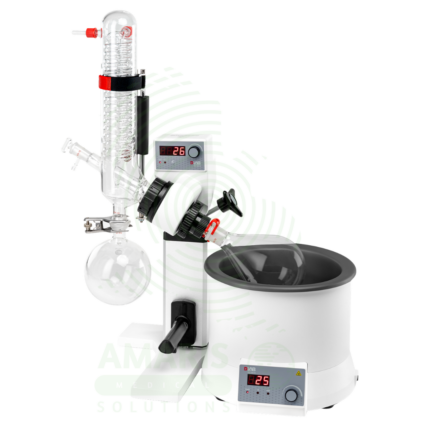
LED Digital Rotary Evaporator (RE100-S)
The LED Digital Rotary Evaporator (RE100-S) is a high-performance benchtop distillation system designed for efficient and gentle removal of solvents from samples by evaporation under reduced pressure . Featuring an LED digital display for real-time monitoring of rotation speed (20-200 rpm), heating temperature (room temperature to 180°C), and timer (1-999 minutes), this unit provides precise control over all distillation processes .
Key features include a brushless DC motor for quiet, maintenance-free operation; a patented vertical coiled condenser with cooling surface options of 1200cm² or 1700cm² for excellent condensation efficiency; a 5L heating bath capable of water or oil heating with switchable modes via simple switch; and a manual lift combined with auxiliary lift for precise glassware positioning . The patented PTFE double spring sealing ring provides superior chemical resistance and vacuum integrity, while the ejector mechanism ensures easy flask removal .
For the pharmaceutical researcher and analytical chemist, the LED Digital Rotary Evaporator (RE100-S) supports solvent removal for drug discovery and quality control, concentration of pharmaceutical compounds, natural product extraction, environmental sample preparation, and solvent recovery for laboratory waste reduction . Safety features include overheating protection (220°C cutoff), boil-dry protection (auto power-off if bath empty), motor over-current protection, earth-leakage protection, and lifting overload protection .
The LED Digital Rotary Evaporator (RE100-S) includes a USB interface for PC control and data transmission, adjustable immersion angle for optimal flask positioning, and timing interval operation in clockwise and anticlockwise directions for drying processes . Standard glassware includes 1000mL evaporating and receiving flasks, with optional glassware compatible with the entire RE100-Pro series . With separate main unit (7kg) and heating bath (3kg) design, compact footprint (440 × 320 × 450mm), and universal voltage compatibility (100-120/200-240V, 50/60Hz), the LED Digital Rotary Evaporator (RE100-S) is an essential instrument for pharmaceutical research, chemical synthesis, quality control, and clinical research laboratories .
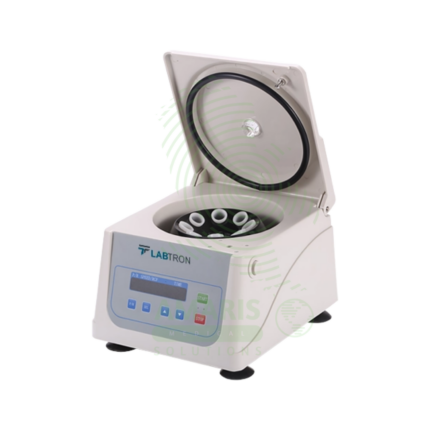
Low Speed Centrifuge
A Low Speed Centrifuge is a benchtop or floor-standing laboratory instrument designed for routine separation of biological samples at speeds of 3,000-6,000 RPM and RCF up to 5,000 x g. Available with swinging-bucket or fixed-angle rotors accepting blood collection tubes (3-10 mL), 15 mL and 50 mL conical tubes, urine tubes, and microplates. Features include digital controls, programmable protocols, imbalance detection, safety lid lock, and refrigerated options (4°C to ambient). Primary clinical applications include serum/plasma separation for clinical chemistry, urine sediment preparation for microscopy, platelet-rich plasma (PRP) preparation for regenerative medicine, cytology and body fluid concentration, blood bank and transfusion applications, coagulation testing sample preparation, and microbiology specimen concentration. Essential equipment in clinical laboratories, hospital blood banks, and research facilities requiring gentle, efficient separation of routine clinical samples.
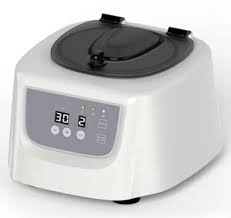
Low Speed Centrifuge (DM0306)
The Low Speed Centrifuge (DM0306) is a benchtop centrifuge designed for routine clinical diagnostic sample processing, blood component separation, and general laboratory applications. With low-speed operation optimized for serum and plasma preparation, this centrifuge provides gentle, controlled centrifugation that preserves cellular integrity while effectively separating blood components for routine chemistry panels, coagulation studies, and basic hematology testing.
For the medical technologist and clinical laboratory scientist, the DM0306 facilitates serum and plasma separation for blood chemistry testing, coagulation studies, and lipid panels. It supports urinalysis sediment preparation for microscopic examination, cerebrospinal fluid cell concentration for neurological diagnostic testing, and blood bank compatibility testing for transfusion medicine. The centrifuge also handles routine clinical chemistry sample preparation for liver function tests, renal function tests, electrolytes, glucose, and lipid profiles.
The DM0306 features reliable motor operation, simple controls for speed and time adjustment, and essential safety features including automatic lid lock and imbalance detection. With a compact benchtop footprint suitable for standard laboratory benchtops, this centrifuge provides consistent, reliable performance for routine laboratory workflows supporting patient diagnosis and treatment monitoring.
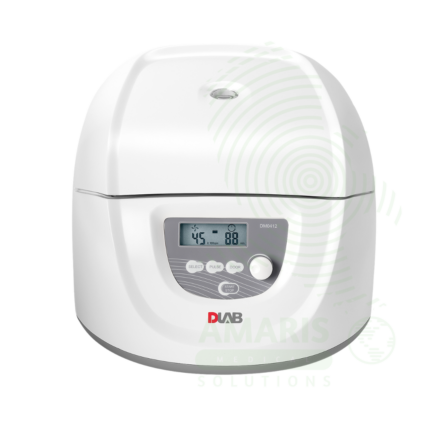
Low Speed Centrifuge (DM0412)
The Low Speed Centrifuge (DM0412) is a clinical benchtop centrifuge designed for routine diagnostic sample processing including blood component separation, serum and plasma preparation, urinalysis, and general laboratory applications . Operating at speeds from 300 to 4,500 rpm (up to 2,490 × g) with a quiet, maintenance-free brushless DC motor, this centrifuge supports multiple rotor configurations—including the A12-10P rotor for 12 x 10mL/7mL/5mL vacutainer tubes and 8 x 15mL tubes, and the A6-50P rotor for 6 x 50mL tubes .
For the medical technologist and clinical laboratory scientist, the DM0412 facilitates serum and plasma separation for blood chemistry testing, coagulation studies, and lipid panels. It supports urinalysis sediment preparation for microscopic examination, blood bank compatibility testing for transfusion medicine, nucleic acid extraction for molecular diagnostics, and PCR sample preparation for infectious disease testing . The centrifuge also handles routine clinical chemistry sample preparation for liver function tests, renal function tests, electrolytes, glucose, and lipid profiles.
The DM0412 features an easy-to-read LCD display with speed/RCF switchover, quick spin (PULSE) function for instantaneous centrifugation, and timer logic that commences once set speed is reached for accurate separation time . The centrifuge has passed stringent explosion-proof testing according to IEC/EN61010-2-20 and complies with In Vitro Diagnostic (IVD) medical equipment requirements (EN61010-2-101:2002), holding CE, cTUVus, and FCC safety certifications .
With excellent dynamic balancing ensuring stable operation even with moderate imbalance, double-layer safety protection housing, high-strength plastic rotors, and a compact benchtop footprint with 6 kg weight, the DM0412 provides reliable, consistent performance for routine laboratory workflows supporting patient diagnosis and treatment monitoring .
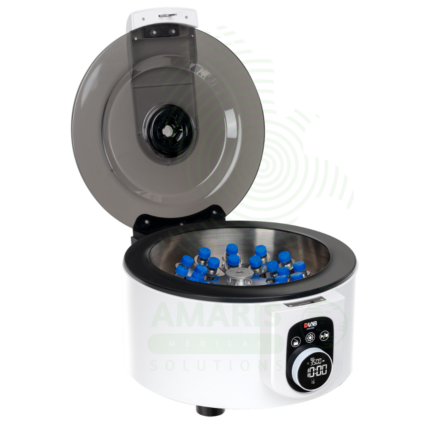
Low Speed Centrifuge (DM0436E)
The Low Speed Centrifuge (DM0436E) is a large-capacity benchtop centrifuge designed for high-throughput clinical diagnostic sample processing, blood component separation, urinalysis, and general laboratory applications. With a standard rotor capacity of 36 × 5/7/10 mL vacutainer tubes, this centrifuge provides the throughput needed for high-volume clinical laboratories while maintaining low-speed operation optimal for serum and plasma preparation.
For the medical technologist and clinical laboratory scientist, the DM0436E facilitates serum and plasma separation for blood chemistry testing (liver function tests, renal function tests, electrolytes, glucose, lipid profiles), coagulation studies (PT, PTT), and routine hematology workflows. It supports urinalysis sediment preparation for microscopic examination, cerebrospinal fluid cell concentration for neurological diagnostic testing, blood bank compatibility testing for transfusion medicine, and nucleic acid extraction for molecular diagnostics.
The centrifuge features a maintenance-free brushless DC motor, LCD display with speed/RCF switchover, quick spin (PULSE) function for instantaneous centrifugation, and tool-free rotor exchange for versatile application switching. The standard rotor accommodates 36 × 5/7/10 mL vacutainer tubes, with optional rotors available for 50 mL conical tubes, 15 mL tubes, 20 mL urine tubes, and 32 × 5/7 mL configurations, as well as tube adapters for smaller blood collection tubes.
Safety features include door interlock, over-speed detection, imbalance detection alarm, and over-temperature protection, with CE safety certification. The DM0436E provides reliable, high-throughput performance for routine laboratory workflows supporting patient diagnosis and treatment monitoring.
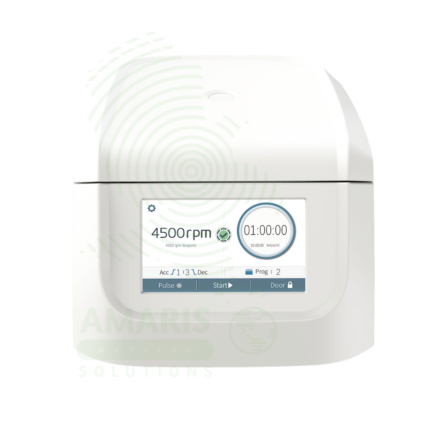
Low Speed Centrifuge (DM0612)
The Low Speed Centrifuge (DM0612) is a benchtop centrifuge designed for clinical diagnostic sample processing, blood component separation, urinalysis, and general laboratory applications. With a rotor capacity of 12 × 15 mL tubes, this centrifuge provides the throughput needed for moderate-volume clinical laboratories while maintaining low-speed operation optimal for serum and plasma preparation.
For the medical technologist and clinical laboratory scientist, the DM0612 facilitates serum and plasma separation for blood chemistry testing (liver function tests, renal function tests, electrolytes, glucose, lipid profiles), coagulation studies (PT, PTT), and routine hematology workflows. It supports urinalysis sediment preparation for microscopic examination, cerebrospinal fluid cell concentration for neurological diagnostic testing, blood bank compatibility testing for transfusion medicine, and nucleic acid extraction for molecular diagnostics.
The centrifuge features a maintenance-free brushless DC motor, simple interface for speed and time adjustment, and essential safety features including door interlock and imbalance detection. Tube adaptors allow processing of various tube sizes including 10 mL, 7 mL, and 5 mL vacutainer tubes, as well as 1.5-2 mL microcentrifuge tubes.
Safety features include door interlock and imbalance detection, with CE safety certification. The DM0612 provides reliable, consistent performance for routine laboratory workflows supporting patient diagnosis and treatment monitoring.
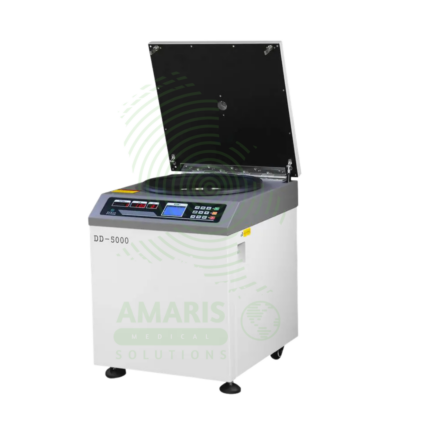
Low Speed Large Capacity Centrifuge
A Low Speed Large Capacity Centrifuge is a high-throughput laboratory instrument designed for processing multiple large-volume clinical samples simultaneously, with capacities up to 96 blood collection tubes, 32-64 conical tubes (15-50 mL), 4-8 centrifuge bottles (250-500 mL), and 4-16 microplates per run. Operating at speeds of 3,000-6,000 RPM with RCF up to 7,000 x g, these floor-standing or heavy benchtop units feature swinging-bucket, fixed-angle, and microplate rotors, programmable controls, imbalance detection, safety lid lock, and refrigerated options (-10°C to +40°C). Primary clinical applications include high-volume serum/plasma separation for clinical chemistry, urine sediment preparation for busy laboratories, blood bank and transfusion service processing, large-volume body fluid concentration, platelet-rich plasma (PRP) preparation for clinical procedures, coagulation testing sample preparation, and research/bioprocessing applications. Essential equipment for hospital laboratories, blood donor centers, reference laboratories, and research facilities requiring efficient, reliable processing of large sample volumes with consistent, reproducible results.
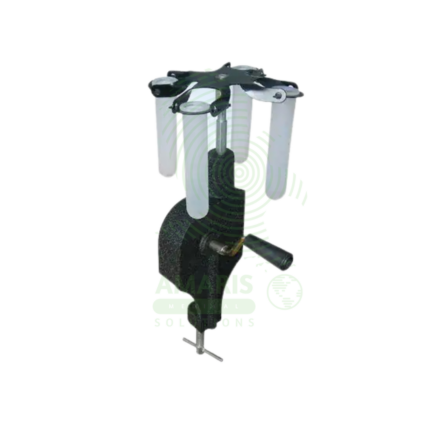
Manual Centrifuge
A Manual Centrifuge (hand-powered) is a non-electric mechanical device for separating fluids based on density, designed for use in field clinics, remote health posts, and developing world settings where electricity is unavailable or unreliable. Operated by hand crank, pull-cord, or foot pedal, achieving speeds of 1,000-4,000 RPM and RCF up to 1,500 x g. Accepts standard blood collection tubes (2-5 mL), microhematocrit tubes, and small centrifuge tubes. Primary clinical applications include separation of serum/plasma for basic diagnostic testing, urine sediment concentration for microscopy, microhematocrit determination for anemia screening, concentration of parasites for malaria and other vector-borne disease diagnosis, field epidemiology and outbreak investigation, veterinary medicine in rural settings, and teaching in resource-limited institutions. Critical safety precautions include meticulous balancing of tubes by weight (absolutely essential), never exceeding maximum rated speed, using appropriate PPE (no aerosol containment), regular inspection of gears and rotor for wear, and proper training of operators. Essential equipment for basic laboratory capabilities in low-resource and field settings.
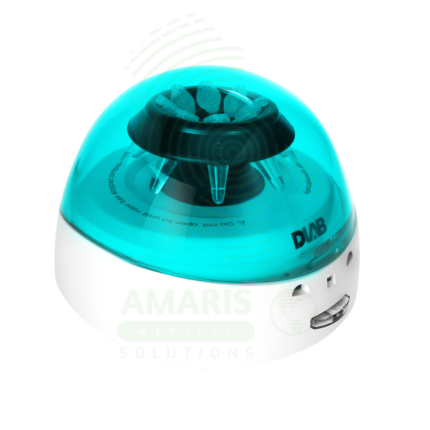
Mini Centrifuge (D1008E)
The D1008E Mini Centrifuge (also known as the EZee Mini-Centrifuge) is a compact benchtop centrifuge designed for rapid sample processing in clinical diagnostic, molecular biology, and research laboratories . Operating at a fixed speed of up to 5,000 rpm (1,360–2,000 × g) with a quiet DC motor, this mini centrifuge supports dual rotor capacity: a 8-position rotor for 0.2/0.5/1.5/2.0 mL microcentrifuge tubes and a PCR rotor for 0.2mL PCR tubes and 8-strip tubes, both with tool-free exchange and adapter compatibility .
For the clinical laboratory scientist and medical technologist, the D1008E facilitates rapid sample preparation for urinalysis, serological testing, and basic chemistry assays . It supports DNA/RNA extraction and purification for molecular diagnostics, PCR sample preparation (including 0.2 mL PCR tubes and 8-strip tubes), protein precipitation for biochemical assays, and microfiltration for sample cleanup workflows .
The centrifuge features an intuitive "close-to-start" operation—simply close the lid to begin spinning and open it to stop, eliminating the need for any buttons . The unit provides continuous run operation, accelerates and brakes in seconds, and operates at low noise levels (≤45 dB) for a quiet laboratory environment . The double door lock mechanism and automatic stop upon lid opening ensure user safety during operation .
Safety features include double door lock design, over-speed protection, and advanced wide voltage technology that maintains stable speed regardless of voltage fluctuations . The D1008E has passed rigorous EN61010-2-20 explosion-proof safety testing and holds CE, cTUVus, and FCC safety certifications .
With an ultra-compact footprint (150 × 150 × 117 mm) and lightweight (0.5 kg) design available in multiple colors (blue, green, pink, yellow), the D1008E provides versatile, consistent performance for routine laboratory workflows supporting patient diagnosis and research applications
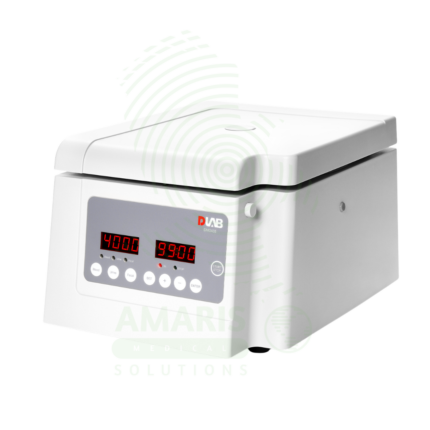
Multi-Purpose Low Speed Centrifuge (DM0408)
The Multi-Purpose Low Speed Centrifuge (DM0408) is a versatile benchtop centrifuge designed for a wide range of clinical diagnostic applications including blood chemistry, urinalysis, coagulation testing, and blood bank workflows. With multiple rotor options accommodating blood collection tubes, urine tubes, conical tubes, and microcentrifuge tubes, this single instrument handles diverse sample processing needs across the clinical laboratory.
For the medical technologist and clinical laboratory scientist, the DM0408 facilitates serum and plasma separation for blood chemistry testing, coagulation studies, and lipid panels. It supports urinalysis sediment preparation for microscopic examination, cerebrospinal fluid cell concentration for neurological diagnostic testing, and blood bank compatibility testing for transfusion medicine. The centrifuge also handles routine clinical chemistry sample preparation for liver function tests, renal function tests, electrolytes, glucose, and lipid profiles.
The DM0408 features reliable motor operation, user-friendly controls for speed and time adjustment, and essential safety features including automatic lid lock and imbalance detection. With interchangeable rotors for different tube types, a compact benchtop footprint suitable for standard laboratory benchtops, and consistent, reliable performance, the DM0408 provides versatile sample processing for routine laboratory workflows supporting patient diagnosis and treatment monitoring.
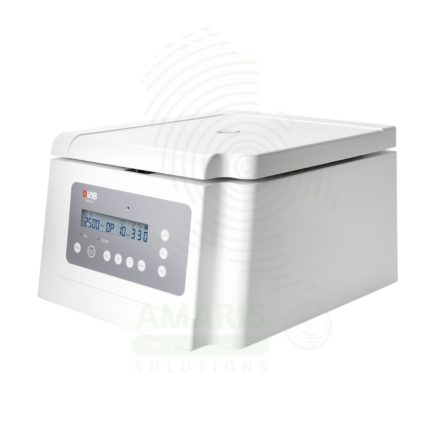
Multi-Purpose Low Speed Centrifuge (DM0424)
The Multi-Purpose Low Speed Centrifuge (DM0424) is a high-capacity benchtop centrifuge designed for clinical diagnostic sample processing, blood component separation, urinalysis, and general laboratory applications. With a standard rotor capacity of 24 × 5/7/10 mL vacutainer tubes, this centrifuge provides the throughput needed for moderate to high-volume clinical laboratories while maintaining low-speed operation optimal for serum and plasma preparation.
For the medical technologist and clinical laboratory scientist, the DM0424 facilitates serum and plasma separation for blood chemistry testing (liver function tests, renal function tests, electrolytes, glucose, lipid profiles), coagulation studies (PT, PTT), and routine hematology workflows. It supports urinalysis sediment preparation for microscopic examination, cerebrospinal fluid cell concentration for neurological diagnostic testing, blood bank compatibility testing for transfusion medicine, and nucleic acid extraction for molecular diagnostics.
The centrifuge features a maintenance-free brushless DC motor, LCD display with speed/RCF switchover, quick spin (PULSE) function for instantaneous centrifugation, and tool-free rotor exchange for versatile application switching. The standard rotor accommodates 24 × 5/7/10 mL vacutainer tubes, with optional rotors available for 50 mL conical tubes, 15 mL tubes, and 100 mL tubes, as well as tube adapters for smaller blood collection tubes.
Safety features include door interlock, over-speed detection, imbalance detection alarm, and over-temperature protection, with CE safety certification. The DM0424 provides reliable, high-throughput performance for routine laboratory workflows supporting patient diagnosis and treatment monitoring.
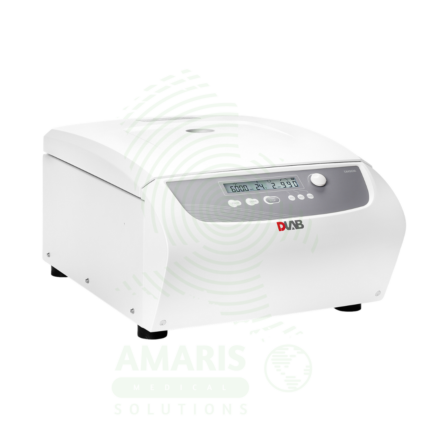
Multi-Purpose Low Speed Centrifuge (DM0636)
The Multi-Purpose Low Speed Centrifuge (DM0636) is a high-capacity benchtop centrifuge designed for large-volume clinical diagnostic sample processing, blood component separation, urinalysis, molecular biology applications, and industrial laboratory use . Operating at speeds from 300 to 6,000 rpm (up to 4,100 × g) with a maintenance-free brushless DC motor, this centrifuge provides the throughput and versatility needed for high-volume clinical laboratories while maintaining low-speed operation optimal for serum and plasma preparation .
The centrifuge accommodates a wide range of rotors, including swing-out rotors for 4 × 100 mL tubes, fixed-angle rotors for 6 × 50 mL or 30–60 × 2.0 mL tubes, and specialized rotors for microplates and PCR strips . The LCD display allows precise monitoring and adjustment of speed (300-6,000 rpm, increment: 10 rpm) and run time (30 seconds to 99 minutes), with speed/RCF switchover for user convenience . The Pulse key enables instantaneous centrifugation for quick spin-down needs .
For the medical technologist and clinical laboratory scientist, the DM0636 facilitates serum and plasma separation for blood chemistry testing (liver function tests, renal function tests, electrolytes, glucose, lipid profiles), coagulation studies, and routine hematology workflows. It supports urinalysis sediment preparation for microscopic examination, cerebrospinal fluid cell concentration for neurological diagnostic testing, blood bank compatibility testing for transfusion medicine, nucleic acid extraction for molecular diagnostics, and microplate processing for high-throughput screening.
The centrifuge features comprehensive safety protections including door interlock, imbalance protection alarm, over-speed detection, over-temperature detection, and automatic internal diagnosis system . With 9 programmable acceleration and 10 deceleration levels, 9 program memory storage, dynamic balancing for stable operation, and compliance with IEC/EN61010 safety standards, the DM0636 provides reliable, high-throughput performance for routine laboratory workflows supporting patient diagnosis and treatment monitoring .
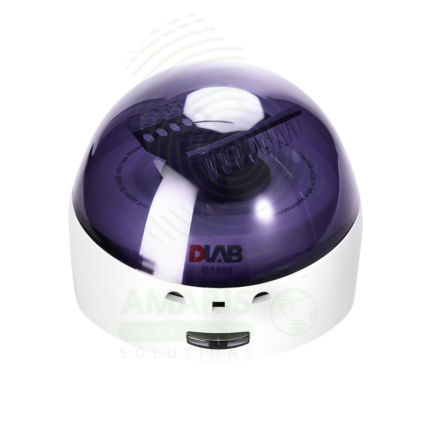
Palm Micro Centrifuge(D1008)
The Palm Micro Centrifuge(D1008) is a compact, high-speed centrifuge designed for rapid sample processing in clinical and research laboratories. Operating at a fixed speed of 7000 RPM (2680 x G) with a quiet brushless DC motor, this palm-sized centrifuge supports multiple rotor configurations—including 8 x 0.2/0.5/1.5/2.0 mL microcentrifuge tubes, 16 x 0.2 mL PCR tubes, and 2 x 0.2 mL PCR 8-strips . The tool-free rotor exchange system allows quick swapping between rotor types, while the lid-activated start/stop function enables instantaneous operation for time-sensitive procedures . For the clinical laboratory scientist and medical technologist, the D1008 facilitates rapid separation of blood components for diagnostic testing, microfiltration of body fluids for urinalysis and cytology, and PCR sample preparation for molecular diagnostics. Its compact footprint (160 x 170 x 122 mm) and lightweight design (0.5 kg) make it ideal for point-of-care testing, physician office laboratories, and space-constrained benchtops . Certified with CE, cTUVus, and FCC safety standards, this centrifuge provides reliable, consistent performance for routine laboratory workflows supporting patient diagnosis and treatment monitoring .
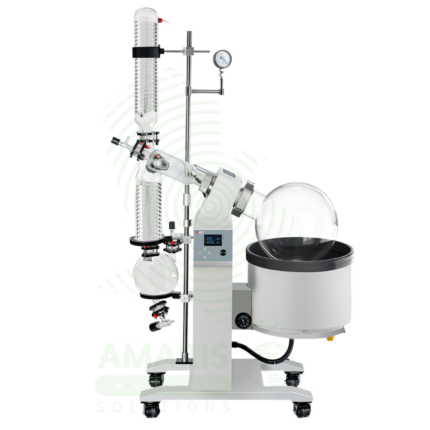
Pilot Scale Digital Control Rotary Evaporator (RE1000-E)
The Pilot Scale Digital Control Rotary Evaporator (RE1000-E) is a pilot-scale, digital distillation system designed for efficient and gentle removal of solvents from samples by evaporation under reduced pressure for pilot production and biopharmaceutical manufacturing . Featuring a 10L evaporating flask capacity, 3.8 L/h evaporation rate (75% alcohol), and 3000W heating power (water bath 20-100°C / oil bath 20-180°C optional), this pilot-scale unit provides precise temperature control (PID control, ±1°C), rotation speed (20-130 rpm), and timer (0-999 minutes) control for large-volume processing .
Key features include a large LCD digital display for real-time monitoring of temperature, speed, direction, and time; stepless automatic motorized lift with 200mm stroke for smooth and silent operation; and a double-layer high-efficiency condenser with large cooling surface area and anti-backflow design for high-efficiency sample recovery . The heating bath features switchable water/oil heating modes, Teflon-coated inner layer for corrosion resistance and easy cleaning, and special insulation design that keeps outer surface temperature low to avoid operator burns . The professional PTFE sealing system provides high temperature resistance, corrosion resistance, and durability for extended service life . The automatic switching valve enables continuous collection of distillate without compromising system vacuum or solvent distillation, significantly increasing throughput for industrial applications .
For the bioprocess engineer and pharmaceutical manufacturing scientist, the Pilot Scale Digital Control Rotary Evaporator (RE1000-E) supports large-scale concentration of bioreactor harvests, purification of bulk active pharmaceutical ingredients (APIs), solvent recovery from pilot production runs, pilot-scale natural product extraction for nutraceutical manufacturing, high-volume solvent recovery for waste reduction, and pilot-scale concentration for cosmetics and food industry production . Safety features include motor overcurrent protection, earth leakage protection, dry heating protection (anti-dry burning), over-temperature protection, and automatic lift stop on power failure .
Continuous feeding capability, digital steam temperature sensing device (real-time feedback of solvent steam temperature for adjusting appropriate vacuum degree), forward and reverse rotation function (suitable for concentration of samples containing powder or solid particles), and optional vacuum controller for automated solvent separation ensure versatile, efficient operation for industrial manufacturing . With a compact footprint (480 × 790 × 1130mm) and pilot-scale capacity, the Pilot Scale Digital Control Rotary Evaporator (RE1000-E) is an essential instrument for pharmaceutical manufacturing, bioprocessing, chemical production, cosmetics manufacturing, food industry quality control, and pilot plant operations .
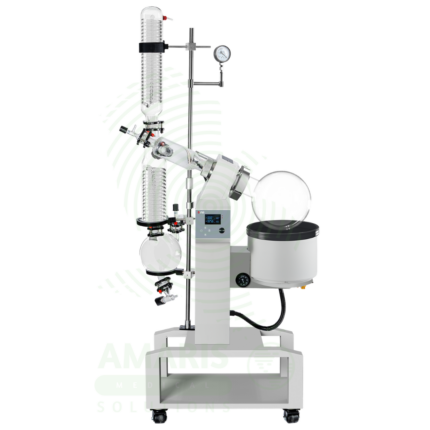
Pilot Scale Digital Control Rotary Evaporator (RE2000-E)
The Pilot Scale Digital Control Rotary Evaporator (RE2000-E) is a pilot-scale, digital distillation system designed for efficient and gentle removal of solvents from samples by evaporation under reduced pressure for pilot production and biopharmaceutical manufacturing . Featuring a 20L evaporating flask capacity, 5.0 L/h evaporation rate (75% alcohol), and 4000W heating power (water bath 20-100°C / oil bath 20-180°C optional), this pilot-scale unit provides precise temperature control (PID control, ±1°C), rotation speed (20-130 rpm), and timer (0-999 minutes) control for large-volume processing .
Key features include a large LCD digital display for real-time monitoring of temperature, speed, direction, and time; stepless automatic motorized lift with 180mm stroke for smooth and silent operation; and a double-layer high-efficiency condenser with large cooling surface area and anti-backflow design for high-efficiency sample recovery . The heating bath features switchable water/oil heating modes, Teflon-coated inner layer for corrosion resistance and easy cleaning, and special insulation design that keeps outer surface temperature low to avoid operator burns . The professional PTFE sealing system provides high temperature resistance, corrosion resistance, and durability for extended service life . The automatic switching valve enables continuous collection of distillate without compromising system vacuum or solvent distillation, significantly increasing throughput for industrial applications .
For the bioprocess engineer and pharmaceutical manufacturing scientist, the Pilot Scale Digital Control Rotary Evaporator (RE2000-E) supports large-scale concentration of bioreactor harvests, purification of bulk active pharmaceutical ingredients (APIs), solvent recovery from pilot production runs, pilot-scale natural product extraction for nutraceutical manufacturing, high-volume solvent recovery for waste reduction, and pilot-scale concentration for cosmetics and food industry production . Safety features include motor overcurrent protection, earth leakage protection, dry heating protection (anti-dry burning), over-temperature protection, and automatic lift stop on power failure .
Continuous feeding capability, digital steam temperature sensing device (real-time feedback of solvent steam temperature for adjusting appropriate vacuum degree), forward and reverse rotation function (suitable for concentration of samples containing powder or solid particles), and optional vacuum controller for automated solvent separation ensure versatile, efficient operation for industrial manufacturing . With a compact footprint (900 × 490 × 1320mm) and pilot-scale capacity, the Pilot Scale Digital Control Rotary Evaporator (RE2000-E) is an essential instrument for pharmaceutical manufacturing, bioprocessing, chemical production, cosmetics manufacturing, food industry quality control, and pilot plant operations .
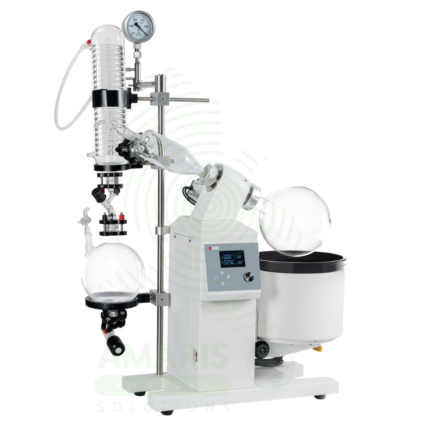
Pilot Scale Digital Control Rotary Evaporator (RE500-E)
The Pilot Scale Digital Control Rotary Evaporator (RE500-E) is a pilot-scale, digital distillation system designed for efficient and gentle removal of solvents from samples by evaporation under reduced pressure for pilot production and biopharmaceutical manufacturing . Featuring a 5L evaporating flask capacity, 2.0 L/h evaporation rate (75% alcohol), and 2000W heating power (water bath 20-100°C / oil bath 20-180°C optional), this pilot-scale unit provides precise temperature control (PID control, water bath: ±1°C), rotation speed (20-180 rpm), and timer (0-999 minutes) control for large-volume processing .
Key features include a large LCD digital display for real-time monitoring of temperature, speed, direction, and time; stepless automatic motorized lift with 130mm stroke for smooth and silent operation; and a double-layer high-efficiency condenser with large cooling surface area and anti-backflow design for high-efficiency sample recovery . The heating bath features switchable water/oil heating modes, Teflon-coated inner layer for corrosion resistance and easy cleaning, and special insulation design that keeps outer surface temperature low to avoid operator burns . The professional PTFE sealing system provides high temperature resistance, corrosion resistance, and durability for extended service life . The automatic switching valve enables continuous collection of distillate without compromising system vacuum or solvent distillation, significantly increasing throughput for industrial applications .
For the bioprocess engineer and pharmaceutical manufacturing scientist, the Pilot Scale Digital Control Rotary Evaporator (RE500-E) supports large-scale concentration of bioreactor harvests, purification of bulk active pharmaceutical ingredients (APIs), solvent recovery from pilot production runs, pilot-scale natural product extraction for nutraceutical manufacturing, high-volume solvent recovery for waste reduction, and pilot-scale concentration for cosmetics and food industry production . Safety features include motor overcurrent protection, earth leakage protection, lift overload protection, anti-dry burning protection, over-temperature protection, and automatic lift stop on power failure .
Continuous feeding capability, digital steam temperature sensing device (real-time feedback of solvent steam temperature for adjusting appropriate vacuum degree), forward and reverse rotation function (suitable for concentration of samples containing powder or solid particles), and optional vacuum controller for automated solvent separation ensure versatile, efficient operation for industrial manufacturing . With a compact footprint (600 × 290 × 720mm) and pilot-scale capacity, the Pilot Scale Digital Control Rotary Evaporator (RE500-E) is an essential instrument for pharmaceutical manufacturing, bioprocessing, chemical production, cosmetics manufacturing, food industry quality control, and pilot plant operations .
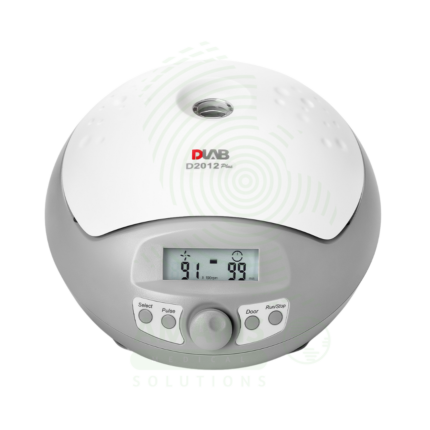
Plus High Speed Mini Centrifuge (D2012)
The Plus High Speed Mini Centrifuge (D2012) is a compact benchtop centrifuge designed for rapid sample processing in clinical diagnostic, molecular biology, and research laboratories . Operating at speeds up to 15,000 rpm (15,100 × g) with a quiet brushless DC motor, this mini centrifuge supports 12-position rotor capacity for 0.2/0.5/1.5/2.0 mL microcentrifuge tubes with tool-free rotor exchange and adapter compatibility .
For the clinical laboratory scientist and medical technologist, the D2012 Plus facilitates serum and plasma separation for blood chemistry testing, coagulation studies, and lipid panels . It supports DNA/RNA extraction and purification for molecular diagnostics, PCR sample preparation (including 0.2 mL PCR tubes and 8-strip tubes), protein precipitation for biochemical assays, cell pelleting for culture processing, and urinalysis sample clarification .
The centrifuge features rapid acceleration (11 seconds) and deceleration (9 seconds) cycles, precise speed control with ±20 rpm accuracy, and programmable run times from 30 seconds to 99 minutes or continuous operation . The large LCD display provides real-time monitoring of speed, RCF, and run progress, with Speed/RCF switchover for user convenience . Pulsed (short-run) operation mode allows quick spin-downs for immediate sample processing needs .
Safety features include automatic lid lock, over-speed detection, over-temperature detection, rotor imbalance detection alarm, and auto internal diagnosis system . The D2012 Plus has passed rigorous EN61010-2-20 explosion-proof safety testing and holds CE, cTUVus, and FCC safety certifications . The cast iron chassis with low center of gravity and four vacuum suction feet ensures stable, reliable operation during high-speed centrifugation .
With a compact footprint (255 × 245 × 140 mm) and lightweight (6 kg) design, the D2012 Plus provides versatile, consistent performance for routine laboratory workflows supporting patient diagnosis and treatment monitoring .