 Dermatoscope and Magnifiers
 Diagnostic Kits
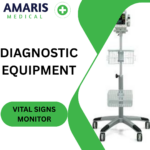 Vital Signs Monitors
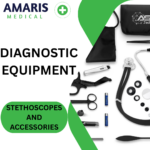 Stethoscopes and Accessories
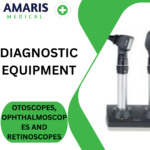 Otoscopes, Ophthalmoscopes, and Retinoscopes
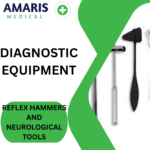 Reflex Hammers and Neurological Tools
 Scales and Measuring Devices
 Spirometers and Pulmonary Function Tests
 Electrosurgical Units and Accessories
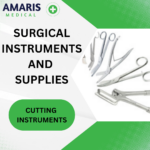 Cutting Instruments
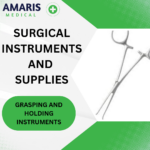 Grasping and Holding Instruments
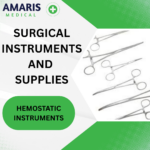 Hemostatic Instruments
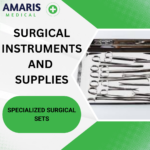 Specialized Surgical Sets
 Single-Use Procedure Trays and Packs
 Surgical Drapes, Gowns, and Covers
 Tissue Unifying Instruments
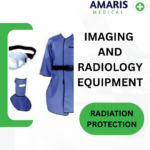 Radiation Protection
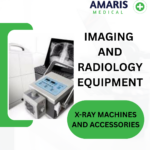 X-Ray Machines and Accessories
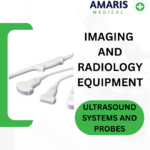 Ultrasound Systems and Probes
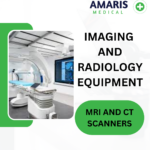 MRI and CT Scanners
 Radiology Consumables
 Bone Densitometers
 Fluoroscopy Equipment
 Imaging Tables and Positioning Aids
 Microscopes and Accessories
 Centrifuges and Separators
 Analyzers
 Incubators and Ovens
 Pipettes, Dispensers, and Lab Glassware
 Refrigerators, Freezers, and Storage Units
 Lab Consumables
 Sterilizers and Autoclaves for Lab Use
 Multi-Parameter Monitors
 Ventilators and Respiratory Support Devices
 Defibrillators and AEDs
 Infusion Pumps and IV Systems
 Patient Warmers and Cooling Devices
 Central Monitoring Stations
 Accessories
 Anesthesia Machines and Workstations
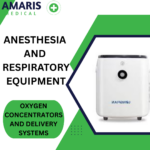 Oxygen Concentrators and Delivery Systems
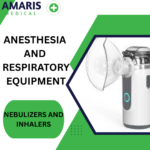 Nebulizers and Inhalers
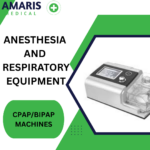 CPAP/BiPAP Machines
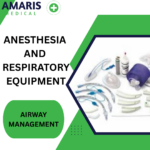 Airway Management
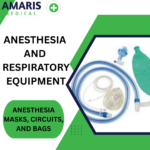 Anesthesia Masks, Circuits, and Bags
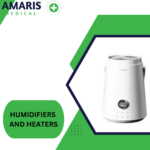 Humidifiers and Heaters
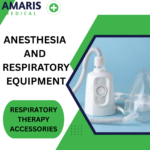 Respiratory Therapy Accessories
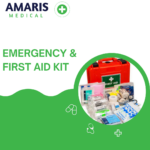
 First Aid Kits and Cabinets
 Emergency Resuscitation Equipment
 Trauma Supplies
 Emergency Carts and Crash Carts
 Burn Care Products
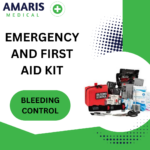 Bleeding Control
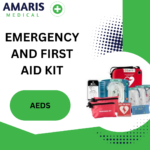 Automated External Defibrillators (AEDs)
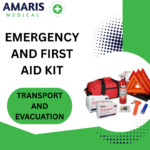 Transport and Evacuation

 Wheelchairs and Accessories
 Walkers, Crutches, and Canes
 Prosthetics and Orthotics
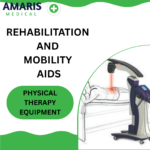 Physical Therapy Equipment
 Transfer Devices
 Bathroom Safety
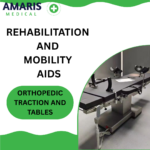 Orthopedic Traction and Tables
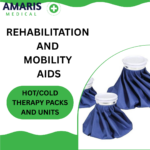 Hot/Cold Therapy Packs and Units

 Beds and Mattresses
 Chairs and Stools
 Tables
 Cabinets and Storage
 Privacy Screens & Curtains
 Stands and Racks
 Linens and Textiles
 Lighting
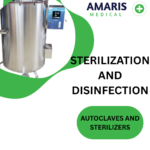 Autoclaves and Sterilizers
 Ultrasonic Cleaners
 Disinfectant Solutions and Wipes
 Sterilization Pouches, Wraps, and Indicators
 Instrument Trays and Containers
 UV and Ozone Disinfection Devices
 Washer Disinfectors
 Wound Care
 Gloves
 Masks and Respirators
 Catheters and Tubing
 Swabs, Applicators, and Sponges
 Incontinence Products
 Personal Protective Equipment (PPE)
 Dental Chairs and Units
 Handpieces and Burs
 Instruments
 Consumables
 Sterilization for Dental Use
 Orthodontic Supplies
 Endodontic Tools
 Slit Lamps and Tonometers
 Lensometers and Phoropters
 Ophthalmic Surgical Instruments
 Eyewear Frames and Lenses
 Contact Lens Supplies
 Vision Testing Charts and Devices
 Eye Care Consumables
 Laser Systems for Eye Care
 ENT Exam Chairs and Tables
 Endoscopes
 Audiometers and Hearing Tests
 ENT Instruments
 Nasal and Throat Packs
 Hearing Aids and Accessories
 Otology Supplies
 Fetal Dopplers and Monitors
 Delivery Beds and Tables
 Gynecological Instruments
 Neonatal Incubators and Warmers
 Breast Pumps and Accessories
 Contraceptive Devices
 Maternity Supports and Pads
 Neonatal Consumables
 Cystoscopes and Urethroscopes
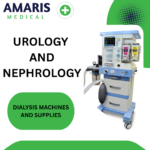 Dialysis Machines and Supplies
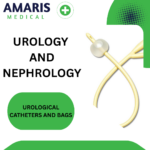 Urological Catheters and Bags
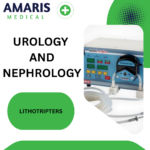 Lithotripters
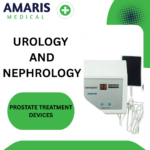 Prostate Treatment Devices
 Urinary Incontinence Products
 Kidney Stone Management Tools
 Consumables & Disposables
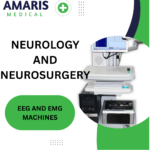 EEG and EMG Machines
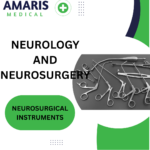 Neurosurgical Instruments
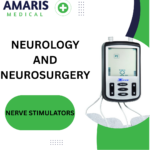 Nerve Stimulators
 Headrests and Positioning Aids
 Lumbar Puncture Kits
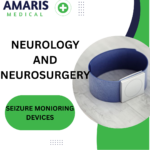 Seizure Monitoring Devices
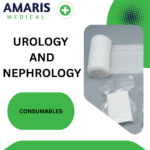 Consumables
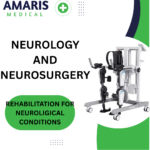 Rehabilitation for Neurological Conditions
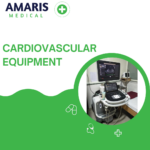
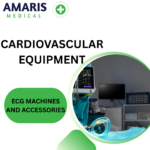 ECG Machines and Accessories
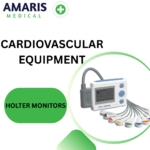 Holter Monitors
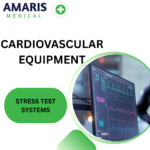 Stress Test Systems
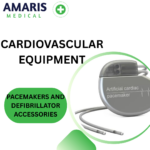 Pacemakers and Defibrillator Accessories
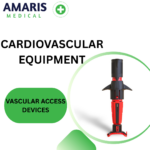 Vascular Access Devices
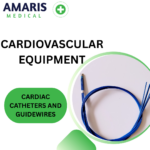 Cardiac Catheters and Guidewires
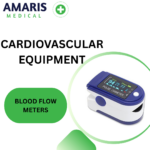 Blood Flow Meters
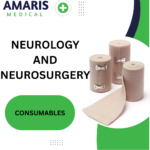 Consumables

 Orthopedic Instruments
 Casts, Splints, and Padding
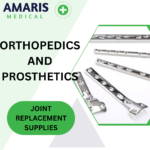 Joint Replacement Supplies
 Prosthetic Limbs and Components
 Bone Grafts and Substitutes
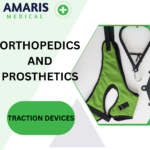 Traction Devices
 Orthopedic Braces and Supports
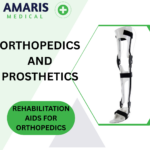 Rehabilitation Aids for Orthopedics
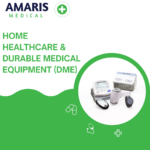
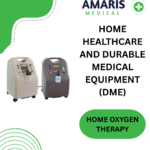 Home Oxygen Therapy
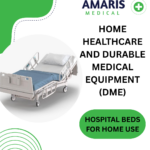 Hospital Beds for Home Use
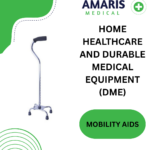 Mobility Aids
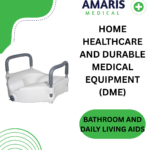 Bathroom and Daily Living Aids
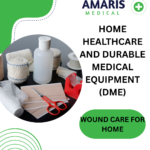 Wound Care for Home
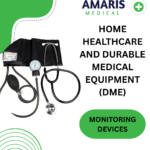 Monitoring Devices
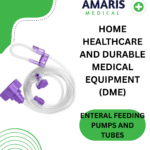 Enteral Feeding Pumps and Tubes
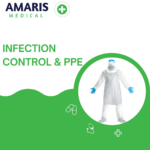
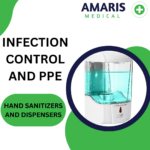 Hand Sanitizers and Dispensers
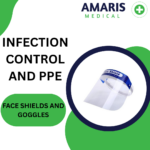 Face Shields and Goggles
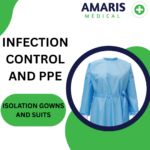 Isolation Gowns and Suits
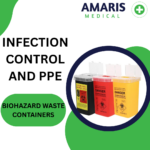 Biohazard Waste Containers
 Air Purifiers and HEPA Filters
 Surface Disinfectants
 Sharps Containers
 Protective Barriers
 Cardiovascular & Endurance Training
 Strength Training & Weightlifting
 Functional Training & Core Conditioning
 Physical Therapy & Rehabilitation
 Sports & Outdoor Recreation
 Gym Flooring & Facility Equipment
 Fitness Monitoring & Accessories
 Kids & Novelties










Essential single-use products designed to support hygiene, efficiency, and patient safety across healthcare settings. This category includes items such as gloves, syringes, gauze, drapes, specimen containers, and procedure-specific kits. These products help minimize infection risks, streamline clinical workflows, and ensure reliable performance in diagnostics, treatment, and daily patient care.
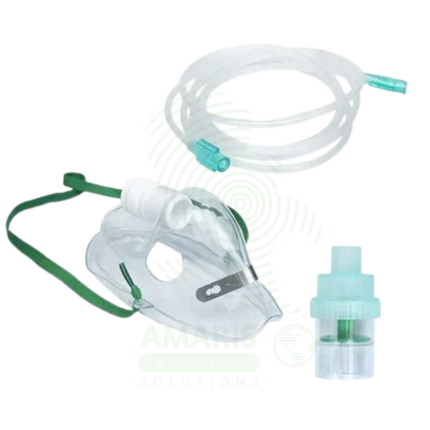
Adult & Pediatric Nebulizer Kit
An Adult & Pediatric Nebulizer Kit is a complete set of patient-contact components required for aerosol medication delivery, including a nebulizer cup, connecting tubing, and both an adult mouthpiece and a pediatric mask (or universal fit). Designed for use with a compressor, it provides the delivery circuit for treating asthma, COPD, and other respiratory conditions. Available in disposable (single-patient-use) formats for infection control in clinics or reusable formats for home care, its proper use, coupled with rigorous cleaning for reusable kits, is essential for effective therapy and preventing respiratory infections. The kit's universal connectors ensure compatibility with standard compressors.
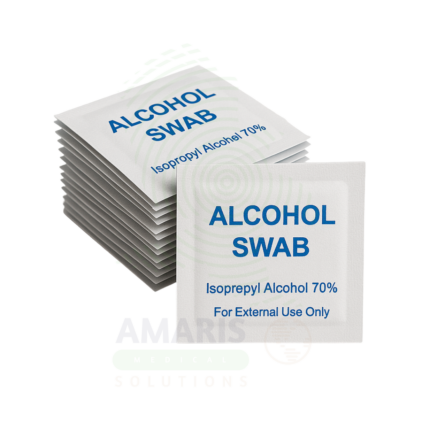
Alcohol Swabs
Alcohol Swabs are sterile, single-use, individually packaged pads saturated with 70% isopropyl alcohol, the standard concentration for optimal bactericidal and virucidal activity. They are the fundamental device for skin antisepsis prior to injections, venipuncture, intravenous cannulation, and minor surgical procedures, and for disinfection of vial tops and intravenous injection ports. Clinical efficacy requires a minimum 30-second application with mechanical friction followed by complete air drying (30 seconds) before skin puncture. Alcohol is rapidly bactericidal against vegetative Gram-positive and Gram-negative bacteria, tuberculocidal, fungicidal, and virucidal against enveloped viruses, but ineffective against bacterial spores and non-enveloped viruses. Critical safety precautions include avoidance of mucous membranes, strict single-use protocol, awareness of flammability (keep away from ignition sources), and absolute requirement for complete drying to prevent injection site pain and medication inactivation. Latex-free and available in various sizes.
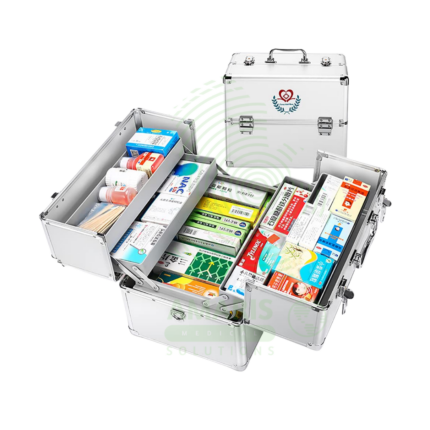
Aluminium First Aid Kit For Ambulance
An Aluminium First Aid Kit for Ambulance is a heavy-duty, weather-resistant storage case specifically designed for organizing, protecting, and securing medical supplies in emergency medical service vehicles. Constructed from 1.2-2.0 mm aluminium alloy with reinforced corners, durable latches, and rubber gaskets (IP54-IP67 rated), these cases protect contents from vibration, impact, moisture, and temperature extremes during emergency response. Available in various configurations including single compartment, multi-drawer, and clear-lid models with customizable interior dividers, elastic straps, and pouches. Designed to meet ambulance equipment mounting standards (KKK-A-1822, NFPA 1917, CEN 1789) with proper installation to withstand collision forces. Primary clinical applications include organized storage of airway management devices, bleeding control supplies, wound care materials, diagnostic equipment, emergency medications, IV supplies, splinting equipment, PPE, and obstetric supplies for BLS, ALS, and CCT ambulance services. Critical safety considerations include proper vehicle mounting to prevent projectile hazards, secure latching during transport, regular inventory management, expiration date monitoring, and decontamination after biohazard exposure. Essential equipment for organized, efficient, and safe emergency medical response.
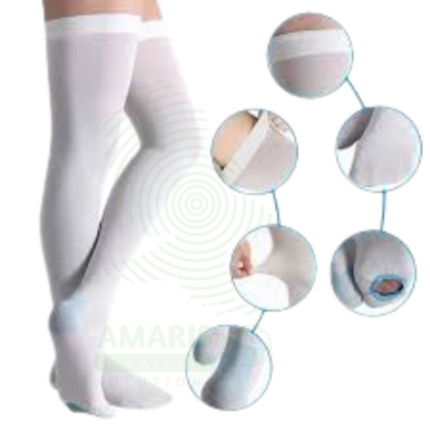
Anti-Embolic Compression Stockings
Anti-Embolic Compression Stockings are medical-grade elastic stockings designed to prevent Deep Vein Thrombosis (DVT) in non-ambulatory, surgical, or medically ill patients. By delivering graduated external pressure—tightest at the ankle and decreasing up the leg—they enhance venous blood flow and reduce stasis, a key factor in clot formation. They are a cornerstone of mechanical thromboprophylaxis in hospitals. Correct sizing based on precise leg measurements is critical for both efficacy and safety, as improper fit can lead to complications or failure of prophylaxis. Daily skin assessment and adherence to wearing guidelines are essential components of safe use.
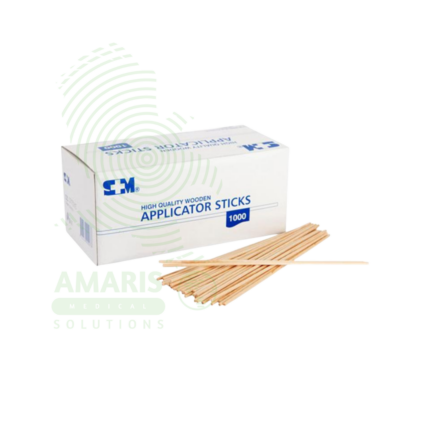
Applicator Sticks
Applicator Sticks are single-use medical devices with absorbent tips (cotton, rayon, flocked polyester) on wood, plastic, or paper shafts for collecting clinical specimens (throat, nasal, wound, cervical, urethral, rectal) for microbiological culture, rapid testing, and molecular diagnostics. Sterile individually wrapped or non-sterile bulk formats. Flocked swabs provide >90% specimen release for PCR testing. Primary applications include specimen collection for infection diagnosis, wound care and antiseptic application, gynecological sampling (Pap smears, STI testing), eye/ear specimen collection, laboratory slide preparation, and forensic evidence collection. Critical precautions include single-use only, sterile technique, proper collection method, and biohazard disposal. Essential consumable in all clinical settings.
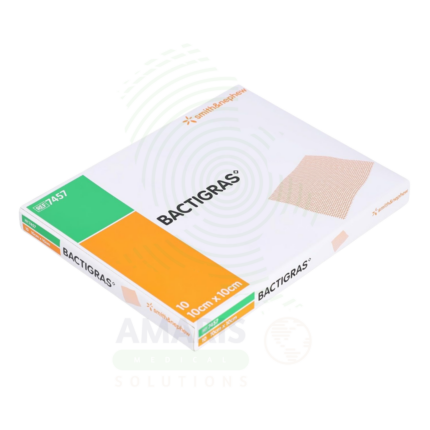
Bactigras Pack
Bactigras pack is a sterile, antiseptic-impregnated paraffin tulle gras dressing manufactured by Smith & Nephew. It consists of an open-weave leno cotton gauze impregnated with white soft paraffin BP containing chlorhexidine acetate BP 0.5% w/w. This combination provides a soothing, low-adherent primary wound dressing that releases broad-spectrum antiseptic activity against gram-positive and gram-negative bacteria, including MRSA, while allowing exudate to drain freely into a secondary absorbent dressing. For the clinician, Bactigras offers a reliable, ready-to-use solution for preventing and treating infection in minor burns, scalds, lacerations, abrasions, donor/recipient graft sites, and ulcerative wounds. For the patient, the low-adherent paraffin base ensures pain-free dressing changes, while the antiseptic component protects against infection, promoting faster healing and reducing complications. Available in multiple sizes from 5cm x 5cm to 10cm x 40cm, each dressing is individually wrapped and sterile.
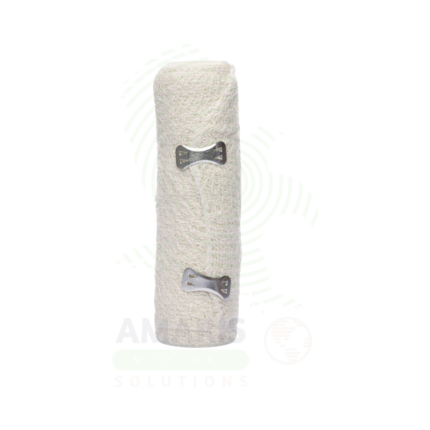
Bandages (Crepe, Elastic, Gauze)
Bandages (Crepe, Elastic, Gauze) are flexible, single-use or limited-use medical textiles designed for wound dressing retention, compression therapy, and joint support. Crepe bandages are woven cotton fabric with light-to-medium elasticity for securing dressings and mild support. Elastic bandages contain high-stretch synthetic fibers providing sustained, adjustable compression for venous ulcers, edema, and acute soft tissue injuries—clinically proven superior to compression stockings for post-surgical venous ulcer healing. Gauze bandages are highly absorbent, non-elastic cotton or non-woven rolls for dressing securement and wound packing. Selection is determined by required compression level, anatomical site, and clinical indication. Critical safety principles include avoiding over-tightening (one-finger rule), never applying directly to open wounds, assessing distal neurovascular status, and adherence to contraindications including significant arterial disease.
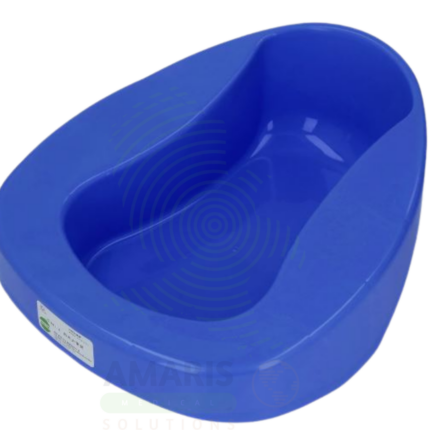
Bed Pans
Bed Pans are portable receptacles designed for the collection of urine and feces from patients confined to bed or unable to use a traditional toilet due to illness, surgery, injury, or disability. Available in standard and fracture (low-profile) configurations, and in reusable (stainless steel, medical-grade plastic) or disposable (rigid plastic, pulp/paper) formats. Fracture pans feature a tapered, flat front that minimizes hip flexion—essential for patients with hip fractures, hip replacements, and lower extremity immobilization. Bariatric variants support patients up to 1200 lbs (544 kg). Critical safety principles include strict pressure injury prevention (minimize time on pan, never drag patient), proper positioning technique to avoid skin shearing, and adherence to weight capacity ratings. An indispensable patient care device in hospitals, surgical units, long-term care facilities, and home healthcare settings.
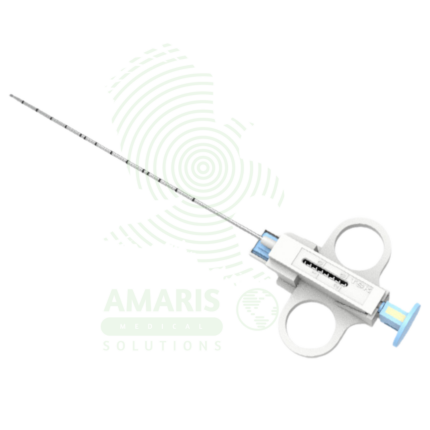
Biopsy Needles
Biopsy Needles are sterile, single-use precision medical devices designed to obtain tissue or cellular specimens from internal organs, masses, and lesions for histopathological or cytological diagnosis. Available in core biopsy (automatic spring-loaded, semi-automatic, vacuum-assisted, coaxial) and fine needle aspiration configurations, with gauges ranging from 14G-27G and lengths from 6-25 cm. Core biopsy needles obtain intact tissue cores preserving histological architecture; FNA needles aspirate cellular material for cytological evaluation. Specialized variants include bone marrow biopsy needles (Jamshidi, Illinois), echogenic-tip needles for ultrasound guidance, and MRI-compatible needles (nitinol, titanium). Critical safety requirements include strict image guidance for non-palpable lesions, verification of coagulation status, adherence to single-use protocols, and immediate post-procedure monitoring for complications (hemorrhage, pneumothorax, organ injury). An indispensable tool in interventional radiology, oncology, and minimally invasive diagnosis.
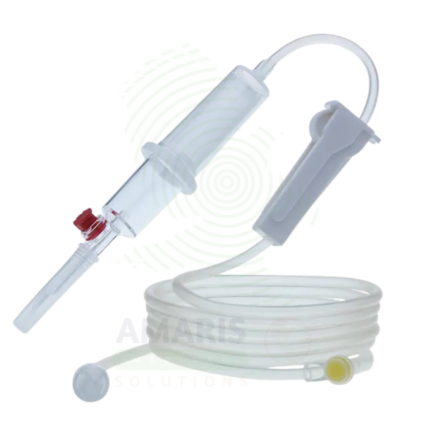
Blood giving set
A Blood Giving Set is a sterile, single-use intravenous administration set specifically designed for transfusing whole blood and blood components—including packed red blood cells, platelets, fresh frozen plasma, and cryoprecipitate—to patients with bleeding, anemia, or coagulation disorders. Featuring an integral microaggregate filter (170-260 microns) that removes clots and particulate matter, large-bore tubing for optimal flow rates, and a precision roller clamp for controlled infusion, the blood giving set ensures safe, filtered delivery of life-saving blood products. Compatible with blood warming devices and pressure infusers, the set supports both slow, controlled transfusions for medically fragile patients and rapid, high-volume infusion for those with active hemorrhage. For the clinician, the blood giving set simplifies transfusion set-up, ensures consistent filtration, and enables precise flow control. For the patient receiving blood transfusion due to trauma, surgery, gastrointestinal bleeding, cancer, or bone marrow failure, the blood giving set delivers essential blood components that restore oxygen-carrying capacity, correct coagulation, and support survival.
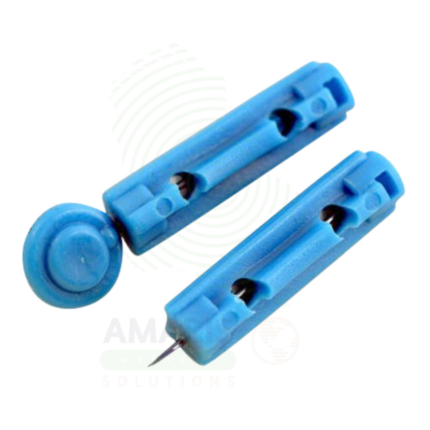
Blood Lancets
Blood Lancets are sterile, single-use, precision-engineered sharp devices designed to obtain capillary blood specimens via controlled skin puncture (fingerstick, heel stick, or alternate site). Available in standard (21G-28G) and safety (auto-retracting) configurations, with fixed or adjustable penetration depths (0.65 mm - 2.2 mm). Safety lancets with automatic needle retraction are OSHA-mandated for healthcare workers to eliminate sharps injury risk. Specialized variants include ultra-thin (30G-33G) low-pain lancets for frequent testers, pediatric lancets with reduced depth, and neonatal heel stick lancets featuring incision-style blades with strict depth limitation (≤2.0 mm per CLSI). Essential for diabetes self-monitoring, point-of-care testing (glucose, HbA1c, PT/INR, cholesterol), and newborn metabolic screening. Critical safety imperatives include absolute single-use protocol, immediate activation of safety mechanisms or disposal into sharps containers, appropriate depth selection to prevent tissue injury, and rigorous infection control practices. An indispensable medical consumable in chronic disease management, acute care, and preventive medicine.
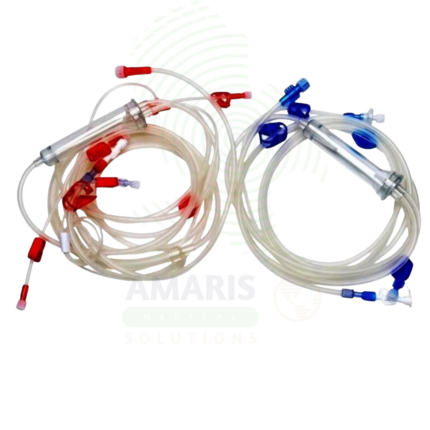
Bloodlines for Dialysis
Bloodlines for Dialysis are sterile, single-use tubing sets that form the extracorporeal circuit for hemodialysis and other blood purification therapies. Transporting blood from the patient to the dialyzer and back, they include pressure monitoring ports, air trap chambers, and medication administration sites. Essential for dialysis centers, hospitals, and home hemodialysis.
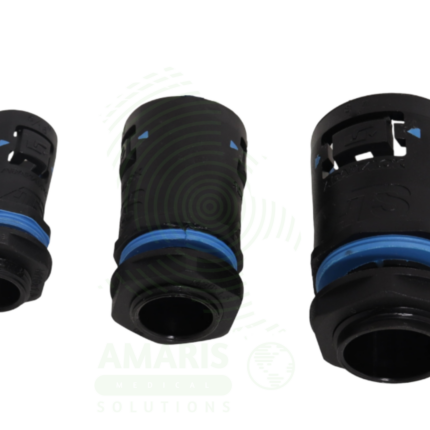
Body surface conduit fixing device – Type A
Body Surface Conduit Fixing Device – Type A, sterile single-use adhesive securement device designed to replace sutures for percutaneous catheters, drains, and tubes. Breathable non-woven fabric base with medical-grade pressure-sensitive adhesive and integrated hook-and-loop (Velcro) fastener. Applied to intact skin adjacent to the catheter exit site; fastener wraps around the catheter without occluding the lumen. Eliminates sutures—reducing needle-stick injuries and suture-related pain and tension—while minimizing micro-motion that can lead to catheter-related bloodstream infections and exit-site infections. Broad adhesive base distributes drain weight evenly to prevent pressure damage and accidental pull-out. Low-profile soft fabric conforms to body contours for comfort during sleeping, walking, and bathing. Indicated for chest tubes, abdominal drains, nasogastric tubes, epidural catheters, central venous catheters, peritoneal dialysis catheters, and surgical wound drains in surgical wards, ICUs, interventional radiology, and home care
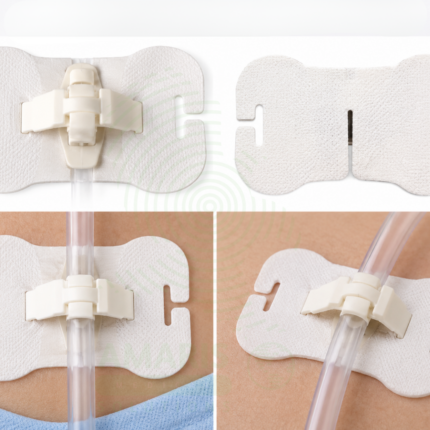
Body surface conduit fixing device – Type B
Body Surface Conduit Fixing Device – Type B, sterile adhesive catheter stabilization device for epidural catheters, central venous catheters (CVCs), and large-bore drainage tubes. Features a rigid locking cradle/mechanical clamp integrated into a breathable transparent adhesive dressing. Specialized clamp holds catheter wings or hub firmly, preventing pistoning that introduces bacteria and reduces Catheter-Related Bloodstream Infections (CRBSI). Transparent film allows continuous visual inspection of the insertion site without disturbing the dressing. Eliminates silk sutures, removing pinch/pull pain for patients with long-term lines. Hypoallergenic waterproof adhesive allows showering. Anatomically versatile: chest for PICCs, back for epidurals, abdomen for drainage tubes. Ideal for anesthesiology, critical care, oncology, dialysis, and general hospital use.
Body surface conduit fixing device – Type C
Body Surface Conduit Fixing Device – Type C, sterile single-use adhesive fixation system for chest tubes, abdominal drains, pelvic catheters, and indwelling venous lines. Soft breathable non-woven fabric with pressure-sensitive low-sensitization adhesive; enclosed wrap-around fixation strap creates a snug 360-degree grip to prevent inward migration and accidental pullout. Proven tensile strength up to 3 kg (≈6.6 lb) pull force, suitable for heavy drainage systems and ambulatory/mobile patients. Adjustable fixation strip accommodates various conduit sizes, reducing inventory complexity. High-permeability design prevents moisture buildup and reduces fungal infection and skin maceration risk; conforms to body contours to minimize irritation and MARSI with extended wear. Available as Type C‑02 and Type C‑04 variants. Ideal for post-operative care, critical care, and home healthcare.
Body surface conduit fixing device – Type D
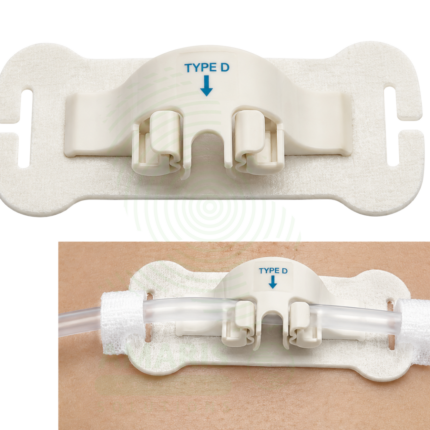
Body Surface Conduit Fixing Device – Type D, sterile single-use catheter fixation system for large-bore drainage catheters (F26–F30 and larger). Constructed from medical-grade pressure-sensitive adhesive-coated non-woven spunlace fabric, transparent polyurethane film, polyurethane foam cushioning, and a mechanical polypropylene buckle lock. “Airplane” configuration with extended fixation wings distributes retention forces evenly across the skin. Positive-locking buckle gives audible and tactile confirmation of secure engagement; transparent film allows continuous insertion-site visualization; foam pad cushions the catheter hub to prevent pressure ulcers and reduce skin trauma. Available in 10.5×6.5 cm, 11.0×6.0 cm, 10.0×7.0 cm, and 11.0×10.0 cm variants. Ideal for chest tubes, abdominal drains, biliary drains, and other percutaneous catheters in thoracic surgery, abdominal surgery, interventional radiology, and long-term drainage management.
Body surface conduit fixing device – Type G
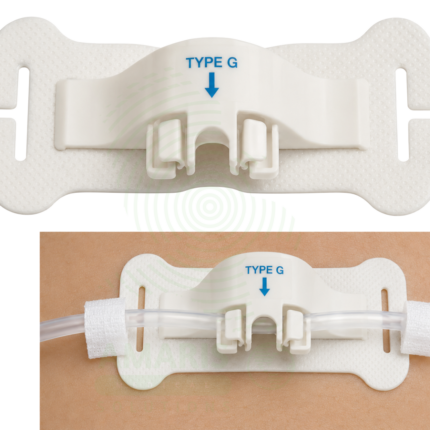
The Body Surface Conduit Fixing Device - Type G is a Class I medical device specifically designed for the mechanical fixation of medical catheters, tubing, and drainage lines to the patient's body surface . Operating on a strap-based mechanism, Type G devices utilize an adjustable nylon adhesive strap (often hook-and-loop/Velcro material) that wraps around the conduit rather than relying on broad adhesive patches adhered directly to the skin for the primary hold .
For the clinician and wound care nurse, Type G provides a valuable alternative to adhesive-based fixation for patients with fragile, damaged, or sensitive skin. The nylon adhesive strap is loosened, moved to the appropriate position along the catheter line, placed around the tube, and then tightened to the correct tension . This mechanical hold minimizes direct skin contact with adhesives, reducing the risk of medical adhesive-related skin injury (MARSI) while still providing a secure grip on the conduit.
For the patient, especially those with a history of dermatitis, fragile skin, or those requiring long-term catheterization, Type G offers a comfortable, breathable alternative. The use of breathable, comfortable non-woven fabric helps prevent edge warping and moisture accumulation . The strap can be periodically loosened, the skin inspected, and the device retightened without requiring a complete dressing change, preserving supplies and reducing patient discomfort. Type G devices are suitable for securing feeding tubes, drainage catheters, and central lines where a traditional adhesive securement may be contraindicated or where frequent line adjustments are necessary.
Body surface conduit fixing device – Type H
Body Surface Conduit Fixing Device – Type H, sterile single-use catheter fixation system for patients with sensitive, fragile, or easily damaged skin. Satin cloth adhesive base coated with medical-grade pressure-sensitive adhesive reduces friction and shear versus standard non-woven/film adhesives; polypropylene snap buckle locks securely around the catheter with audible/tactile confirmation. Some configurations use silicone-based adhesive for neonates and acrylic-allergy patients. Modular design allows independent placement of adhesive base and locking mechanism, distributing fixation forces away from the insertion site to reduce tissue trauma, phlebitis, and pressure injury. Class II medical device. Ideal for PICC lines, central venous catheters, hemodialysis catheters, epidural catheters, chest tubes, surgical drains, arterial lines, and feeding tubes, especially where skin preservation is critical.
Body surface conduit fixing device – Type I
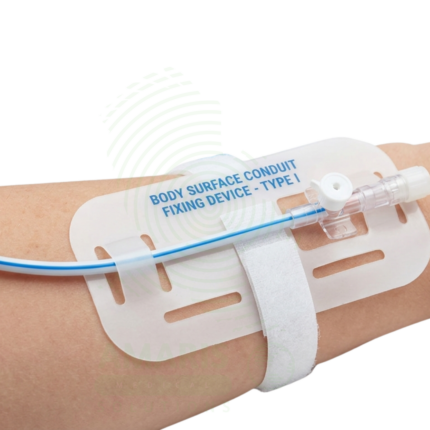
Body Surface Conduit Fixing Device – Type I, sterile single-use mechanical fixation system for securing endotracheal tubes and oral conduits. Rigid shell with integrated bite block, sponge comfort pad, rotating nut/slider for precise tube clamping, and adjustable cheek straps. Replaces adhesive tape fixation—ideal for prolonged intubation, facial burns/skin trauma, or adhesive allergies. Bite block prevents tube occlusion; sponge reduces pressure ulcers; straps accommodate facial edema without device removal. Class II medical device for ICU, operating rooms, emergency departments, and patient transport. For the patient, Type I offers a more secure and comfortable alternative to traditional tape fixation. The bite block prevents the distressing event of tube occlusion from biting, which can trigger ventilator alarms and require emergency intervention. The sponge cushion reduces pressure on the face and lips, decreasing the risk of pressure ulcers and skin breakdown during extended intubation periods. The adjustable straps accommodate changes in facial edema and can be loosened or tightened without complete device removal, reducing disturbance to the patient. Available in multiple configurations including specifications as a Class II medical device , Type I is the catheter fixation device of choice for endotracheal tube management in intensive care, operating rooms, emergency departments, and during patient transport, particularly for patients where facial skin preservation and secure tube fixation are both clinical priorities.
Body surface conduit fixing device – Type M
Body Surface Conduit Fixing Device – Type M, sterile single-use modular catheter fixation system with two components: an adhesive base (coated non-woven fabric, polyurethane film, release paper, medical-grade pressure-sensitive adhesive) and a removable catheter fixing seat (nylon hook-and-loop strap with polypropylene components, optional polyethylene foam for pressure relief). The catheter seat detaches and reattaches without replacing the entire device, enabling site inspection, dressing changes, and catheter manipulation while reducing adhesive removal from skin. Adjustable strap tension accommodates various catheter diameters; foam cushioning prevents pressure ulcers; transparent polyurethane film allows continuous insertion-site visualization. Ideal for PICC lines, central venous catheters, dialysis catheters, chest tubes, surgical drains, arterial lines, and feeding tubes in hospital, home healthcare, and long-term care settings.
Buffer Solution (pH 4.00)
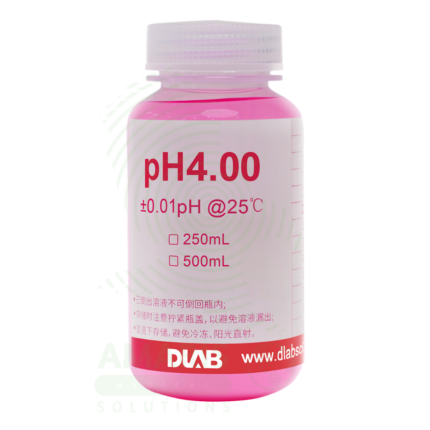
Buffer Solution (pH 4.00), sterile ready-to-use liquid reagent with a precisely known pH of 4.00 at 25°C, formulated for calibration and quality control of pH meters, electrodes, and automated analyzers. Typically composed of 0.05M potassium hydrogen phthalate, purified water (>98%), and preservative. Serves as the acidic calibration standard for two- or three-point pH calibration (with pH 6.86 and 9.18 buffers) in clinical chemistry, blood gas analysis, urinalysis, and pharmaceutical QC. Class I Medical Device (FDA Product Code JCC), 510(K) exempt; NIST-traceable under ISO 17025; each batch supplied with certificate of analysis (lot-specific pH, uncertainty, expiry) for GLP compliance. Available in 30 mL sachets, 100 mL, 500 mL, and 1 L bottles, with color-coded red options.
Buffer Solution (pH 6.86)
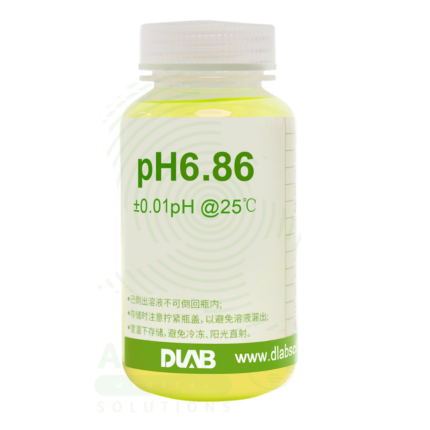
Buffer Solution (pH 6.86) is a sterile, ready-to-use liquid reagent with a precisely known pH value of 6.86 at 25°C, specifically formulated for the calibration and quality control of pH meters, pH electrodes, and automated analyzers in clinical diagnostic and research laboratories . The solution is composed of potassium dihydrogen phosphate/di-sodium hydrogen phosphate (KH₂PO₄/Na₂HPO₄) in purified water, manufactured under ISO/IEC 17025 and ISO 17034 accreditation with traceability to NIST standard reference materials and PTB primary certified reference standards .
For the clinical laboratory scientist and medical technologist, Buffer Solution (pH 6.86) serves as the neutral calibration standard for two-point or three-point pH meter calibration (typically in conjunction with pH 4.00 and pH 9.18 buffers), ensuring accurate pH measurement of biological specimens including blood, urine, cerebrospinal fluid, and diagnostic reagents . The solution is measured using a combined glass electrode following a 5-point calibration method, compliant with DIN 19268, NIST, IUPAC, Ph. Eur, and USP standards . Each batch is accompanied by a detailed and batch-specific certificate of analysis (CoA) containing lot number, measured pH value (range 6.861 - 6.867), uncertainty (±0.02 pH), and expiration date .
The solution is classified as a Class I Medical Device (FDA Product Code JCC – General Purpose Reagent) and is 510(K) exempt, with GMP exempt status when not labeled as sterile . pH 6.86 buffer solution is available in various packaging formats including 30 mL sachets, 60 mL bottles, 100 mL bottles, 500 mL bottles, and 1 L bottles . Some manufacturers color-code the solution for easy identification (e.g., green or clear depending on the brand), and a pH/temperature table is printed on the label for accurate calibrations at different temperatures . The unopened shelf life is 2 years when stored at room temperature (15-25°C); once opened, the solution should be used within 90 days .
For the patient undergoing diagnostic testing for acid-base disturbances, metabolic disorders, or renal dysfunction, accurate pH measurement of biological fluids—verified through proper calibration with certified pH 6.86 buffer—ensures reliable test results that guide appropriate treatment decisions across clinical chemistry, blood gas analysis, urinalysis, and pharmaceutical quality control applications.
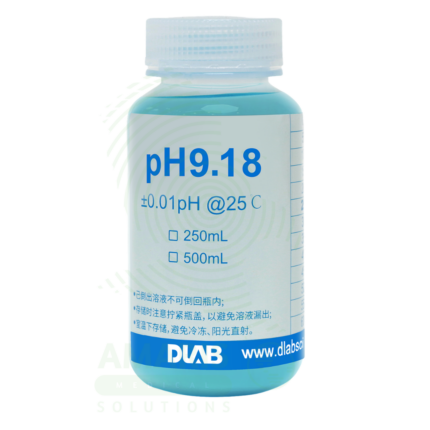
Buffer Solution (pH 9.18)
Buffer Solution (pH 9.18) is a sterile, ready-to-use liquid reagent with a precisely known pH value of 9.18 at 25°C, specifically formulated for the calibration and quality control of pH meters, pH electrodes, and automated analyzers in the alkaline range for clinical diagnostic and research laboratories. The solution is composed of sodium tetraborate decahydrate (borax) in purified water, manufactured under ISO/IEC 17025 and ISO 17034 accreditation with traceability to NIST standard reference materials and PTB primary certified reference standards. For the clinical laboratory scientist and medical technologist, Buffer Solution (pH 9.18) serves as the alkaline calibration standard for three-point pH meter calibration (in conjunction with pH 6.86 and pH 4.00 buffers), ensuring accurate pH measurement of alkaline biological specimens including urine, pancreatic fluid, and certain diagnostic reagents. The solution is measured using a combined glass electrode following a 5-point calibration method, compliant with DIN 19268, NIST, IUPAC, Ph. Eur, and USP standards. Each batch is accompanied by a detailed and batch-specific certificate of analysis (CoA) containing lot number, measured pH value, pH/temperature table (9.22 at 20°C, 9.18 at 25°C, 9.14 at 30°C, 9.09 at 37°C), uncertainty (±0.02 pH), and expiration date.
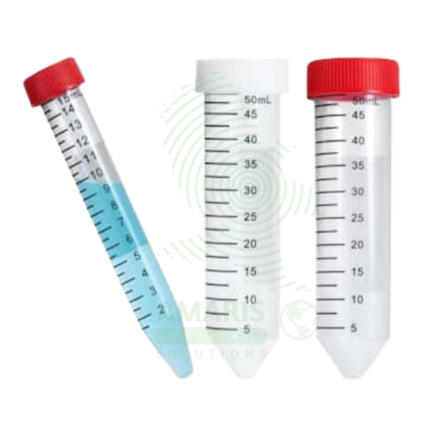
Centrifuge Tubes
Centrifuge Tubes are specialized disposable containers (polypropylene) designed to withstand high centrifugal forces (up to 30,000 x g) for separating biological fluids based on density. Available in microcentrifuge sizes (0.2-2.0 mL), conical tubes (15 mL, 50 mL), and larger volumes (100-500 mL). Features include leak-proof screw caps with O-rings (conical tubes), snap caps (microcentrifuge tubes), graduated volume markings, writing areas, and sterile/non-sterile options. Certified RNase/DNase-free, pyrogen-free, and autoclavable. Primary clinical applications include blood component separation (serum/plasma), urine sediment preparation, microbiology sample concentration, molecular biology (DNA/RNA extraction), cell culture processing, protein/enzyme analysis, and viral load testing. Critical safety precautions include never exceeding maximum RCF rating, proper balancing by weight, secure cap tightening, inspection for cracks, and disposal as biohazardous waste. Essential consumable in every clinical, research, and industrial laboratory.
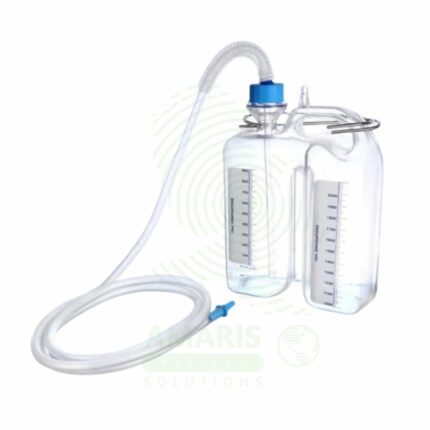
Chest Bottle
A Chest Bottle (Underwater Seal Drainage System) is a three-chamber disposable device used to drain air and fluid from the pleural space via a chest tube. Its critical component is a water seal chamber that acts as a one-way valve, preventing air from re-entering the chest while allowing drainage. It is used to treat pneumothorax, hemothorax, and pleural effusions, and is mandatory post-thoracic surgery. The system must always be kept upright and below the patient's chest level. It provides essential clinical information through tidaling in the water seal (indicating tube patency and lung expansion) and bubbling (indicating an air leak), making it both a therapeutic and diagnostic tool.
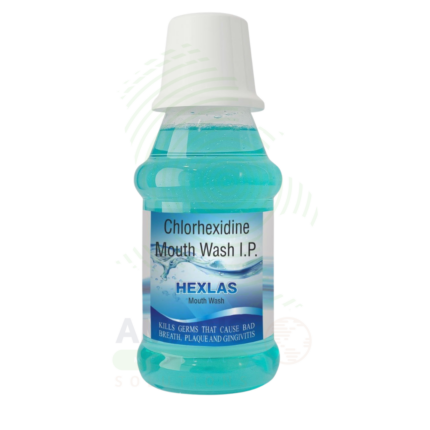
Chlorhexidine Mouthwash
Chlorhexidine Mouthwash is a potent, substantive antimicrobial oral rinse containing chlorhexidine gluconate (typically 0.12% or 0.2%). It is the gold-standard chemical agent for controlling plaque biofilm and gingival inflammation, prescribed for short-term therapeutic use following oral surgery, in the treatment of periodontitis, for patients with physical limitations, and in ICU protocols to prevent pneumonia. Its key property is substantivity—binding to oral tissues for prolonged effect. Major precautions include avoiding use immediately after toothpaste, limiting duration to prevent tooth staining, and never swallowing the solution.
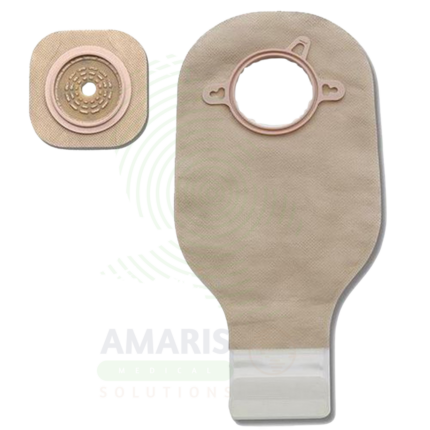
Colostomy Bags
Colostomy Bags are adhesive pouching systems designed for the collection and containment of fecal effluent from a surgically created colostomy stoma. Available in one-piece (integrated barrier and pouch) and two-piece (separate barrier flange and interchangeable pouches) configurations, with drainable (reusable closure) or closed-end (single-use) formats. Core components include an odor-proof multi-layer plastic pouch, hydrocolloid or silicone skin barrier with custom-cut or pre-cut aperture, charcoal gas filter for deodorization, and secure closure system. Convex barriers address flush or retracted stomas; fabric-backed pouches enhance comfort and discretion. Critical to peristomal skin health are correct aperture sizing (1-2 mm larger than stoma), prompt management of leakage, gentle adhesive removal, and meticulous skin hygiene. An indispensable quality-of-life device enabling community reintegration and dignified living for millions of ostomy patients worldwide.
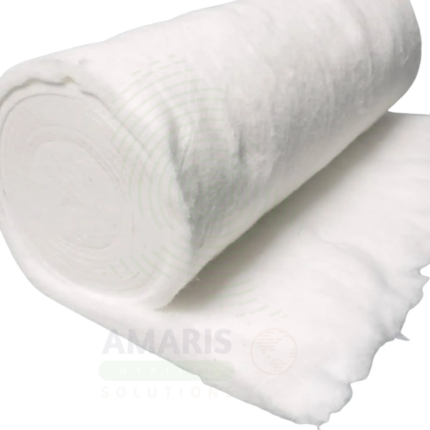
Cotton Rolls
Cotton Rolls are sterile or non-sterile, single-use cylinders of 100% purified, highly absorbent cotton, most commonly used in dentistry for moisture control and oral isolation. Placed in the buccal vestibule or sublingually, they absorb saliva and blood, creating a dry operative field essential for adhesive restorations, impressions, and minor surgical procedures. Standard dimensions are 1.5 inches in length and 0.5 inches in diameter, with jumbo, pediatric, tapered, and banded variants available. Critical performance properties include high absorbency (20-25x fluid weight), wet strength, and low-linting. Sterile rolls are required for surgical procedures contacting open wounds. Strict single-use protocol and careful count/retrieval are mandatory to prevent aspiration hazards. An indispensable, high-volume consumable in dental practice.
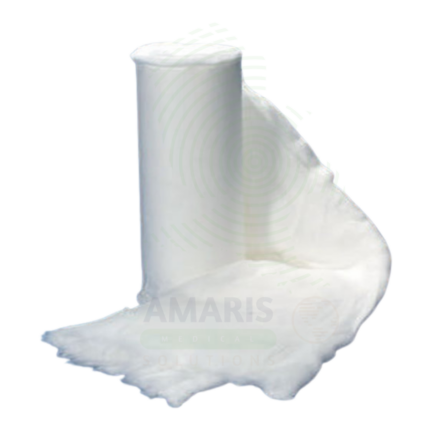
Cotton Wool
Cotton Wool is purified, absorbent cotton fiber used for wound cleansing, medication application, fluid absorption, and specimen collection in healthcare settings. Available in various forms including balls, rolls, swabs, and pellets, it is an essential consumable for hospitals, clinics, dental offices, and laboratories.
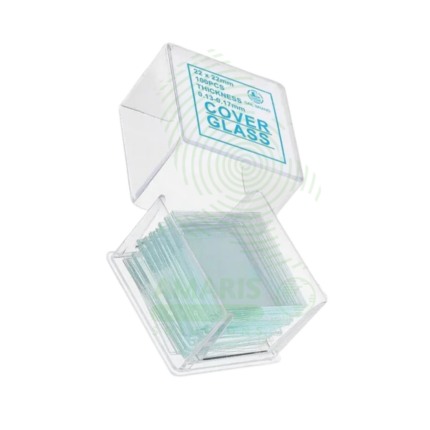
Cover Glass
Cover Glass (coverslips) are thin, transparent glass or plastic squares (e.g., 18×18 mm, 22×22 mm) or rectangles (22×30 mm, 24×50 mm) used to cover specimens on microscope slides for microscopic examination. Available in thickness No. 1 (0.13-0.16 mm) and No. 1.5 (0.16-0.19 mm) for optimal microscopy. Made from optical glass with high light transmission (>90%), refractive index 1.52 matching immersion oil. Packaged in boxes of 100-1000, interleaved with paper to prevent scratching. Primary clinical applications include covering blood films for manual differential counts and malaria diagnosis, wet mount preparations of urine sediment and vaginal secretions, histopathology and cytology slides, Gram-stained bacterial smears, semen analysis, KOH preparations for fungal elements, and India ink preparations for Cryptococcus. Critical safety precautions include handling with forceps (sharp edges), disposing of broken coverslips in sharps containers, avoiding fingerprints on optical surface, and proper disposal of biohazard-contaminated coverslips. Essential consumable in every clinical laboratory performing microscopy.
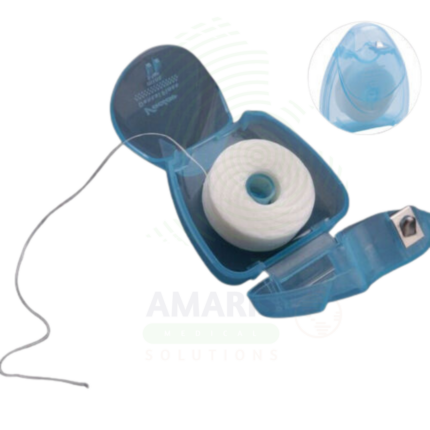
Dental Floss
Dental Floss is a thin, strong filament—available in materials like nylon or PTFE and forms such as waxed, unwaxed, or tape—designed specifically for the mechanical removal of dental plaque biofilm and debris from between teeth (interdental spaces) and below the gumline. Its daily use is a critical, evidence-based practice for preventing interdental tooth decay (caries) and gum disease (gingivitis and periodontitis), forming an indispensable part of a complete oral hygiene routine. Proper technique is essential to avoid gum injury and ensure effective cleaning.
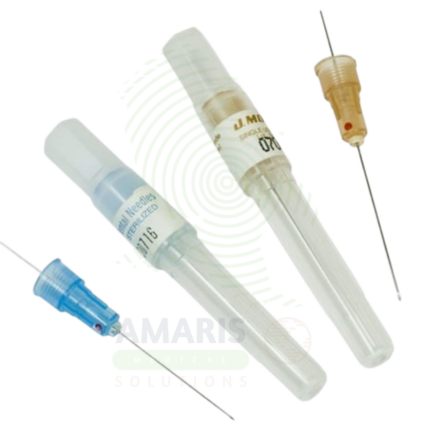
Dental Needles
Dental Needles are sterile, single-use hypodermic needles specifically designed for the administration of local anesthesia in dentistry. Characterized by their gauge (diameter) and length, they are selected to target specific nerves (e.g., long 27G for mandibular blocks, short 30G for infiltrations). Their primary functions are to penetrate oral tissue precisely, allow for aspiration to ensure safe extravascular placement, and deliver anesthetic solution. As sharps, their safe handling and immediate disposal in a designated container are paramount to prevent needlestick injuries and cross-contamination, making them a critical safety-focused consumable in dental practice.
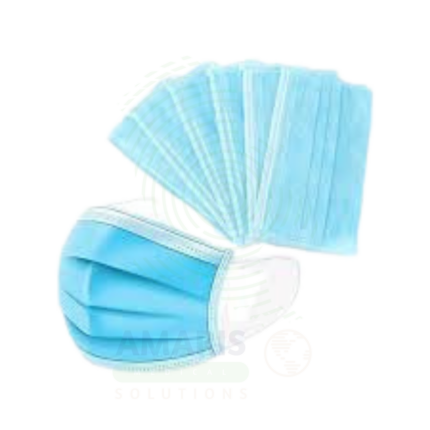
Disposable face masks
Disposable Face Masks are single-use, multi-layer coverings designed to provide barrier protection and source control in healthcare settings. Constructed from non-woven polypropylene with melt-blown filter layers, these masks offer bacterial filtration efficiency (BFE) of 95% or higher and are available in ASTM levels 1, 2, and 3 with varying fluid resistance. Featuring flexible nose pieces for custom fit and elastic ear loops or ties for secure fastening, they serve as a fundamental component of Standard Precautions—protecting healthcare workers and patients from respiratory droplets, splashes, and sprays during routine care, surgical procedures, and outbreak response. Essential for hospitals, clinics, dental offices, and long-term care facilities, disposable face masks are a cornerstone of infection prevention and control programs worldwide.
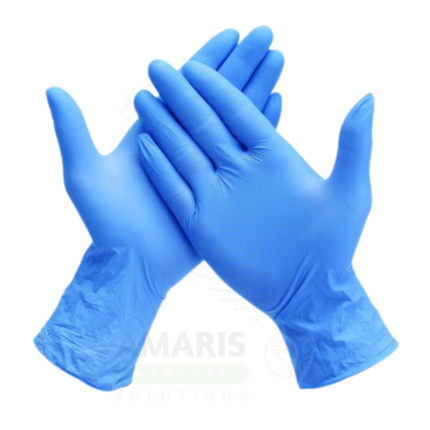
Disposable Non-Sterile Gloves
Disposable Non-Sterile Gloves are single-use barrier protection gloves used for routine patient care, examinations, and non-sterile procedures in healthcare settings. Available in nitrile, vinyl, and latex materials, they provide protection against bloodborne pathogens and cross-contamination while allowing tactile sensitivity. Essential for infection control in hospitals, clinics, dental offices, and laboratories, they are designed for single use with disposal after each patient encounter. Proper sizing, hand hygiene, and selection of appropriate material (latex-free nitrile or vinyl for those with latex allergies) are critical for effective protection.
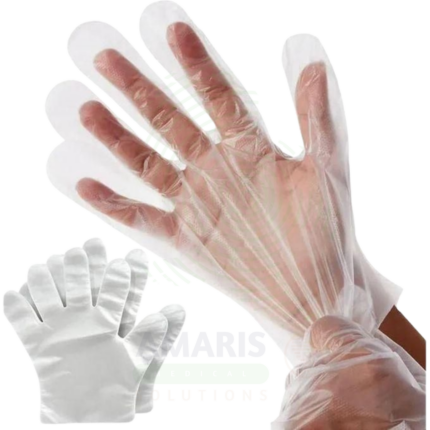
Disposable Polythene Gloves
Disposable Polythene Gloves are lightweight, economical, single-use gloves made from low-density polyethylene (LDPE), designed for low-risk, non-sterile applications in healthcare and food service settings. These loose-fitting, ambidextrous gloves provide basic barrier protection for tasks such as environmental cleaning, food handling, patient bathing, and linen management where exposure to blood, body fluids, or sharps is not expected. Latex-free and powder-free, they offer a safe alternative for individuals with latex allergy and are ideal for high-volume use by support staff, dietary workers, environmental services personnel, and visitors. While they do not provide the strength, durability, or tactile sensitivity required for clinical procedures, they serve as an essential component of basic infection control and hygiene practices in healthcare facilities.
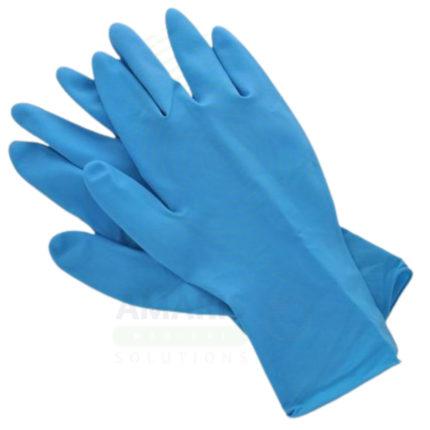
Disposable sterile gloves
Disposable Sterile Gloves are single-use barrier devices that provide critical protection for both healthcare workers and patients during surgical, invasive, and aseptic procedures. Available in latex, nitrile, polyisoprene, and neoprene materials with powder-free construction to minimize allergic reactions and foreign body complications, these gloves maintain the integrity of the sterile field while preventing transmission of bloodborne pathogens. Anatomically shaped for left and right hands with textured fingertips for secure instrument handling, they are available in sizes from extra small to extra large with extended cuffs for gown coverage. Essential for operating rooms, labor and delivery, interventional suites, emergency departments, and any setting where invasive procedures are performed, sterile gloves are a fundamental component of infection prevention and patient safety.
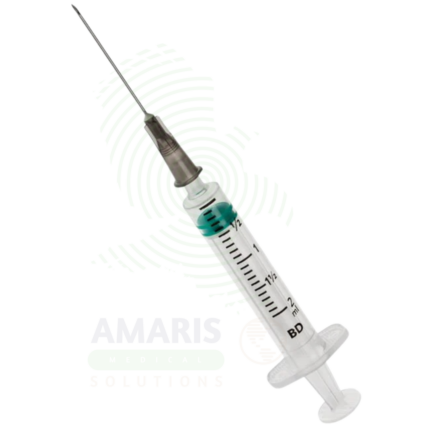
Disposable Syringes with needles
Disposable Syringes with Needles are sterile, single-use devices for parenteral medication administration, vaccination, and blood collection. Available in various sizes and needle gauges for different applications, they provide accurate dosing and safe delivery. Essential for hospitals, clinics, pharmacies, and home healthcare.
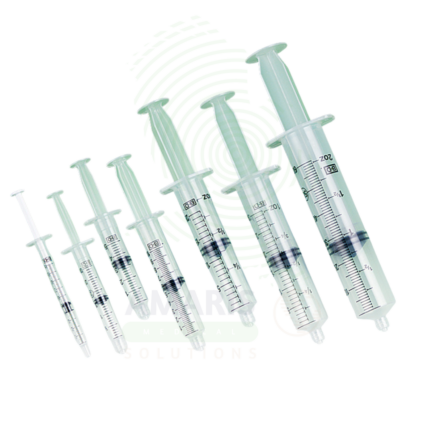
Disposable Syringes without needles
Disposable Syringes without Needles are sterile, single-use syringes for accurate measurement and administration of liquid medications, enteral feedings, and irrigation solutions. Available in various tip configurations including Luer-lok, slip tip, oral, and enteral, they are essential for safe medication delivery in hospitals, clinics, and home healthcare.
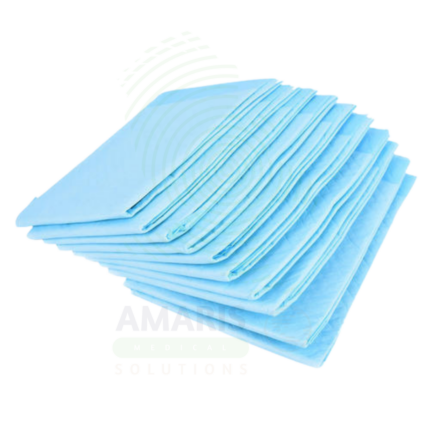
Dressing Pad & Underpad
Dressing Pad & Underpad are absorbent disposable products used for wound care, incontinence management, and surface protection. Dressing pads manage wound exudate and promote healing, while underpads protect bedding and skin from moisture. Essential for hospitals, long-term care facilities, and home healthcare.
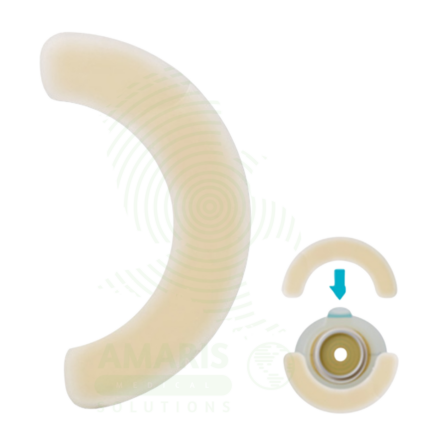
Elastic Barrier Tape
Elastic Barrier Tape, skin-friendly hydrocolloid-based adhesive strip placed over the outer edges of an ostomy baseplate to prevent lifting, rolling, and leakage. Up to 1.5× the elasticity of conventional medical tape, stretching and moving with the body during bending, twisting, running, swimming, and other activities. Moisture-absorbing, waterproof composition maintains a secure seal even when sweaty or submerged. Available in curved (C-shaped) strips for round barriers, straight strips for square barriers, and belt-style options for hernias; can be combined into a full “picture frame” seal around any brand of ostomy appliance. Ultra-thin beveled edges lie flat, resist catching on clothing, and remain discreet under athletic wear. Breathable adhesive minimizes irritation for long-term daily use on sensitive or fragile skin. Ideal for WOCN troubleshooting of edge lifting, extended appliance wear time, and peristomal skin protection.
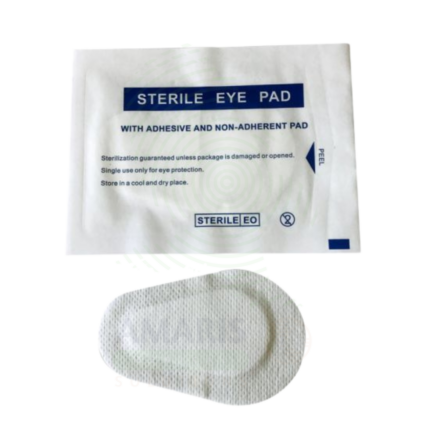
Eye Pads
Eye Pads are sterile or non-sterile, single-use, soft, conformable absorbent pads designed specifically for application over the closed eyelid and periorbital region. Constructed from absorbent cotton, rayon, or low-linting non-woven synthetic fibers, they provide cushioning, gentle pressure distribution, and fluid absorption for postoperative eye protection, corneal abrasion management, exposure keratopathy prevention, and periorbital trauma care. Available in standard and pressure-rated thicknesses, with or without integrated adhesive tape tabs, and in sterile (surgical/postoperative) or non-sterile (minor injury/comfort) grades. Critical safety imperatives include absolute contraindication of direct application to an open or ruptured globe, meticulous lint-free construction to prevent corneal foreign body, and single-use-only protocol. An indispensable ophthalmic consumable in surgical, emergency, and outpatient eye care.
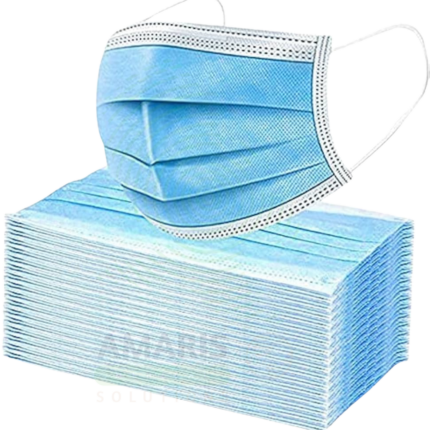
Face Masks
A Face Mask is a disposable, loose-fitting or tight-fitting (respirator) barrier device designed to cover the wearer's nose and mouth. Its primary functions are source control (to contain the wearer's respiratory secretions) and personal protection (to filter inhaled airborne particles). In healthcare, specific types—such as ASTM-rated surgical masks for sterile procedures and NIOSH-certified respirators (e.g., N95) for aerosol-generating procedures—are critical PPE for infection prevention. Correct usage, including strict single-use protocols and proper donning/doffing technique, is essential for its effectiveness in interrupting pathogen transmission.
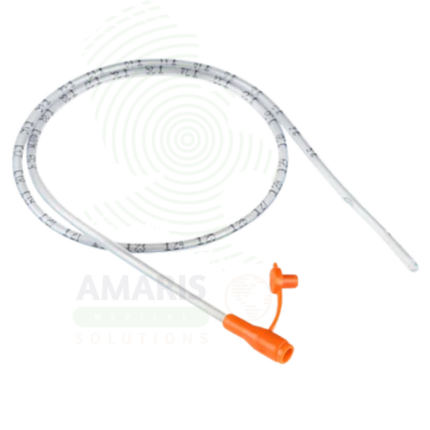
Feeding tube
A Feeding Tube is a flexible, sterile tube inserted into the gastrointestinal tract for delivery of liquid nutrition, medications, and fluids to patients who cannot safely eat or swallow due to stroke, neurological disease, head and neck cancer, critical illness, or other conditions. Available in nasogastric (nose to stomach), gastrostomy (through abdominal wall), and jejunostomy (into small bowel) configurations, these tubes are manufactured from biocompatible polyurethane or silicone with ENFit connectors to prevent dangerous misconnections with intravenous lines. Radiopaque markers and depth markings enable verification of proper placement by x-ray. For the clinician, feeding tubes provide reliable internal access that ensures patients receive adequate nutrition and medications while preventing aspiration complications. For the patient, a feeding tube provides life-sustaining nutrition that supports healing, maintains immune function, prevents starvation, and improves quality of life during recovery or long-term care.
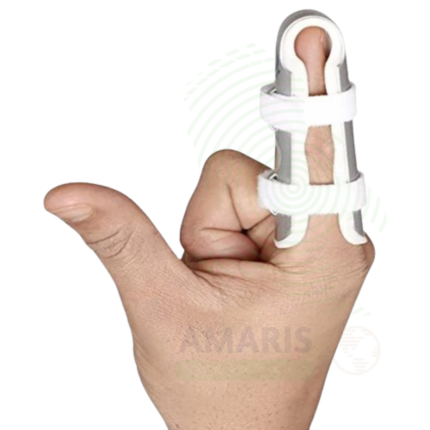
Finger Cot
A Finger Cot is a small, finger-shaped protective covering used to protect minor finger wounds, diabetic ulcers, surgical incisions, and amputation stumps, as well as to provide barrier protection for healthcare workers and laboratory personnel. Made from latex, nitrile, vinyl, or silicone, it provides a comfortable, secure fit while protecting the finger from contamination, moisture, friction, and irritants. Available in various sizes, materials, and sterile or non-sterile versions. Latex-free options are available for individuals with latex allergy.
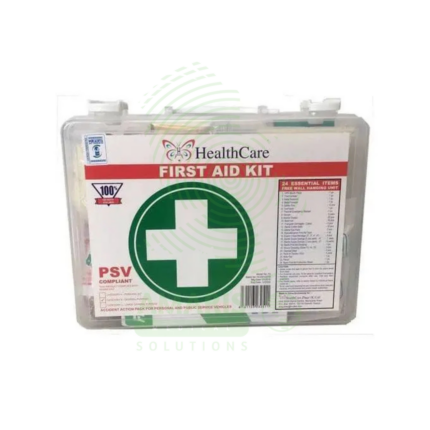
First Aid Kit
A First Aid Kit is an organized collection of medical supplies and equipment for providing initial care in emergency situations, available in various sizes and configurations for home, workplace, vehicle, travel, and specialized applications. Kits range from personal pouches (0.5-2 L) to comprehensive workplace cabinets (5-35 L) with soft-sided bags, hard cases, or wall-mounted containers. Contents are typically organized to meet regional standards (ANSI/ISEA Z308.1, CSA Z1220, BS 8599, DIN 13157/13169) and include wound care supplies (bandages, gauze, tape), antiseptics, burn care, eye care, emergency items (CPR mask, cold packs, foil blanket), instruments (scissors, tweezers), and PPE (gloves). Class A kits provide minimum supplies for low-hazard workplaces; Class B kits offer expanded quantities for high-hazard environments. Primary clinical applications include immediate treatment of minor injuries (cuts, abrasions, burns, sprains), bleeding control, wound care, fracture immobilization, and emergency assessment. Essential safety equipment for every home, workplace, vehicle, and public facility, providing critical medical supplies until professional care arrives.
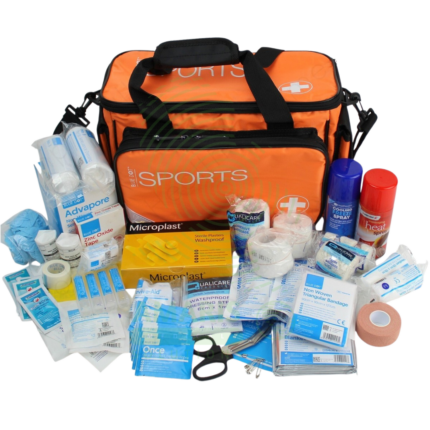
First Aid Kit For Sporting Places
A First Aid Kit for Sporting Places is a portable, organized medical kit specifically designed for the types and frequencies of injuries encountered in athletic and sporting environments. Available in various configurations including sideline kits for team use, personal sports pouches, team travel kits, and wall-mounted cabinets for gymnasiums. Constructed from ballistic nylon, polyester, ABS plastic, or aluminum with organized interior compartments, pouches, and elastic loops for rapid access to supplies. Contains sport-specific medical supplies including wound care materials, elastic bandages, instant cold packs, splinting materials, eye wash, blister care, concussion assessment tools, and personal protective equipment. Primary clinical applications include immediate treatment of common sports injuries (sprains, strains, contusions, abrasions, lacerations), concussion assessment, bleeding control, heat illness management, eye injury care, and emergency action plan implementation. Essential equipment for athletic teams, schools, fitness centers, recreational facilities, and sporting events, providing organized, accessible medical supplies for athlete safety and injury management.
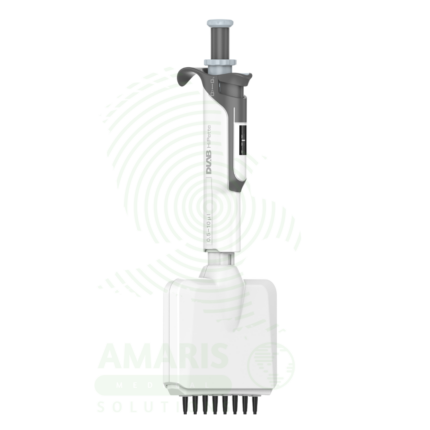
Fully Autoclavable Manual 8-Channel Adjustable Colorful Pipette (HiPette)
Fully Autoclavable Manual 8‑Channel Adjustable Colorful Pipette (HiPette), precision multichannel pipette for high‑throughput 96‑well processing, reducing plate filling time by approximately 87.5% versus single‑channel pipettes. Five volume ranges (0.5–10 µL, 5–50 µL, 10–100 µL, 20–200 µL, 30–300 µL) with 4‑digit digital display and volume lock to prevent accidental changes. Color‑coded push caps for quick volume identification. Fully autoclavable at 121°C for 20 min and UV‑compatible for aseptic work with infectious samples or cell cultures. Ergonomic lightweight construction with minimal press force, moderate press stroke, finger rest, 360° rotating head, and elastic nozzle system for secure tip fit on all 8 channels with light touch. Strong channel‑to‑channel repeatability; accuracy as low as ±0.2 µL at 10 µL and CV as low as ±0.12 µL. Ideal for ELISA, PCR setup, nucleic acid extraction, and cell‑based assays.
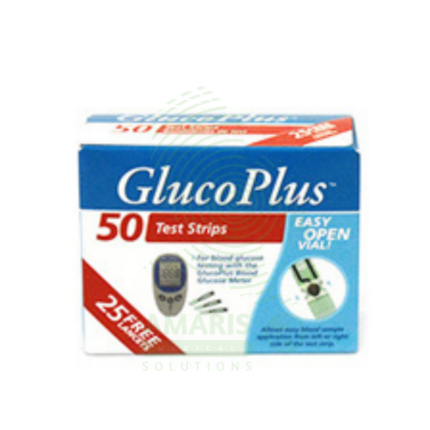
Glucosics Blood Sugar Sticks
Glucosics Blood Sugar Sticks are single-use, disposable electrochemical test sticks (ISO 15197:2013 compliant) designed exclusively for use with Glucosics glucose meters to measure capillary blood glucose from 0.5-1.0 µL samples in 5-7 seconds. Each stick contains glucose oxidase or glucose dehydrogenase reagents that generate electrical current proportional to glucose concentration (20-600 mg/dL range). Packaging options include multi-stick vials (25-100 sticks) with desiccant for daily use or individually foil-wrapped sticks for travel. Sticks feature no-coding automatic calibration, hematocrit compensation (20-60%), and interference resistance. Primary clinical applications include daily blood glucose testing for Type 1, Type 2, and gestational diabetes management, hypoglycemia and hyperglycemia detection, pre- and post-meal glucose assessment, and hospital point-of-care testing. Critical safety precautions include single-use only, immediate vial closure after stick removal to prevent humidity damage, storage at 2-30°C away from bathrooms and temperature extremes, never using expired sticks, proper hand hygiene before testing, and disposal in sharps containers. Essential consumable for diabetes self-management when used with Glucosics meters.