Dermatoscope and Magnifiers
 Diagnostic Kits
 Vital Signs Monitors
 Stethoscopes and Accessories
 Otoscopes, Ophthalmoscopes, and Retinoscopes
 Reflex Hammers and Neurological Tools
 Scales and Measuring Devices
 Spirometers and Pulmonary Function Tests
 Electrosurgical Units and Accessories
 Cutting Instruments
 Grasping and Holding Instruments
 Hemostatic Instruments
 Specialized Surgical Sets
 Single-Use Procedure Trays and Packs
 Surgical Drapes, Gowns, and Covers
 Tissue Unifying Instruments
 Radiation Protection
 X-Ray Machines and Accessories
 Ultrasound Systems and Probes
 MRI and CT Scanners
 Radiology Consumables
 Bone Densitometers
 Fluoroscopy Equipment
 Imaging Tables and Positioning Aids
 Microscopes and Accessories
 Centrifuges and Separators
 Analyzers
 Incubators and Ovens
 Pipettes, Dispensers, and Lab Glassware
 Refrigerators, Freezers, and Storage Units
 Lab Consumables
 Sterilizers and Autoclaves for Lab Use
 Multi-Parameter Monitors
 Ventilators and Respiratory Support Devices
 Defibrillators and AEDs
 Infusion Pumps and IV Systems
 Patient Warmers and Cooling Devices
 Central Monitoring Stations
 Accessories
 Anesthesia Machines and Workstations
 Oxygen Concentrators and Delivery Systems
 Nebulizers and Inhalers
 CPAP/BiPAP Machines
 Airway Management
 Anesthesia Masks, Circuits, and Bags
 Humidifiers and Heaters
 Respiratory Therapy Accessories
 First Aid Kits and Cabinets
 Emergency Resuscitation Equipment
 Trauma Supplies
 Emergency Carts and Crash Carts
 Burn Care Products
 Bleeding Control
 Automated External Defibrillators (AEDs)
 Transport and Evacuation
 Wheelchairs and Accessories
 Walkers, Crutches, and Canes
 Prosthetics and Orthotics
 Physical Therapy Equipment
 Transfer Devices
 Bathroom Safety
 Orthopedic Traction and Tables
 Hot/Cold Therapy Packs and Units
 Beds and Mattresses
 Chairs and Stools
 Tables
 Cabinets and Storage
 Privacy Screens & Curtains
 Stands and Racks
 Linens and Textiles
 Lighting
 Autoclaves and Sterilizers
 Ultrasonic Cleaners
 Disinfectant Solutions and Wipes
 Sterilization Pouches, Wraps, and Indicators
 Instrument Trays and Containers
 UV and Ozone Disinfection Devices
 Washer Disinfectors
 Wound Care
 Gloves
 Masks and Respirators
 Catheters and Tubing
 Swabs, Applicators, and Sponges
 Incontinence Products
 Personal Protective Equipment (PPE)
 Dental Chairs and Units
 Handpieces and Burs
 Instruments
 Consumables
 Sterilization for Dental Use
 Orthodontic Supplies
 Endodontic Tools
 Slit Lamps and Tonometers
 Lensometers and Phoropters
 Ophthalmic Surgical Instruments
 Eyewear Frames and Lenses
 Contact Lens Supplies
 Vision Testing Charts and Devices
 Eye Care Consumables
 Laser Systems for Eye Care
 ENT Exam Chairs and Tables
 Endoscopes
 Audiometers and Hearing Tests
 ENT Instruments
 Nasal and Throat Packs
 Hearing Aids and Accessories
 Otology Supplies
 Fetal Dopplers and Monitors
 Delivery Beds and Tables
 Gynecological Instruments
 Neonatal Incubators and Warmers
 Breast Pumps and Accessories
 Contraceptive Devices
 Maternity Supports and Pads
 Neonatal Consumables
 Cystoscopes and Urethroscopes
 Dialysis Machines and Supplies
 Urological Catheters and Bags
 Lithotripters
 Prostate Treatment Devices
 Urinary Incontinence Products
 Kidney Stone Management Tools
 Consumables & Disposables
 EEG and EMG Machines
 Neurosurgical Instruments
 Nerve Stimulators
 Headrests and Positioning Aids
 Lumbar Puncture Kits
 Seizure Monitoring Devices
 Consumables
 Rehabilitation for Neurological Conditions
 ECG Machines and Accessories
 Holter Monitors
 Stress Test Systems
 Pacemakers and Defibrillator Accessories
 Vascular Access Devices
 Cardiac Catheters and Guidewires
 Blood Flow Meters
 Consumables
 Orthopedic Instruments
 Casts, Splints, and Padding
 Joint Replacement Supplies
 Prosthetic Limbs and Components
 Bone Grafts and Substitutes
 Traction Devices
 Orthopedic Braces and Supports
 Rehabilitation Aids for Orthopedics
 Home Oxygen Therapy
 Hospital Beds for Home Use
 Mobility Aids
 Bathroom and Daily Living Aids
 Wound Care for Home
 Monitoring Devices
 Enteral Feeding Pumps and Tubes
 Hand Sanitizers and Dispensers
 Face Shields and Goggles
 Isolation Gowns and Suits
 Biohazard Waste Containers
 Air Purifiers and HEPA Filters
 Surface Disinfectants
 Sharps Containers
 Protective Barriers
 Cardiovascular & Endurance Training
 Strength Training & Weightlifting
 Functional Training & Core Conditioning
 Physical Therapy & Rehabilitation
 Sports & Outdoor Recreation
 Gym Flooring & Facility Equipment
 Fitness Monitoring & Accessories
 Kids & Novelties












Cardiovascular & Endurance Training are exercise activities and equipment designed to elevate heart rate and improve aerobic capacity over sustained periods. They include running, cycling, rowing, swimming, brisk walking, and machine-based workouts such as treadmills, ellipticals, stationary bikes, and rowers. These methods strengthen the heart and lungs while burning calories, treating conditions like obesity, hypertension, coronary artery disease, metabolic syndrome, poor stamina, chronic fatigue, and post-cardiac rehabilitation deconditioning.
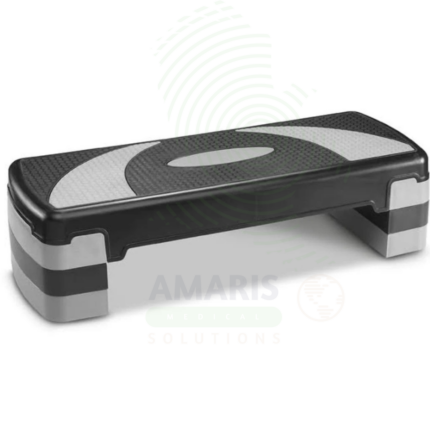
Aerobic Stepper
An Aerobic Stepper is a raised, non-slip platform with adjustable height designed for step-up, step-down, and lateral stepping exercises that deliver low-impact cardiovascular conditioning, lower extremity strengthening, and balance training. The textured stepping surface and non-slip rubber feet provide stability, while adjustable risers allow progressive intensity from four to eight inches—enabling patients to advance exercise challenges as strength and endurance improve. For the physical therapist and rehabilitation specialist, the aerobic stepper provides functional, task-specific training that directly translates to activities of daily living such as stair climbing, curb stepping, and independent community mobility. The stepping motion strengthens quadriceps, hamstrings, gluteals, and calf muscles while challenging dynamic balance, weight shifting, and proprioceptive responses—essential skills for fall prevention in older adults and patients with balance impairment. For the cardiac and pulmonary rehabilitation specialist, the adjustable platform provides a safe, progressive cardiovascular training modality suitable for patients from early deconditioning to advanced conditioning. For the patient recovering from total knee replacement, hip fracture, or deconditioning, regular stepper training rebuilds lower extremity strength, improves balance confidence, and supports safe, independent ambulation.
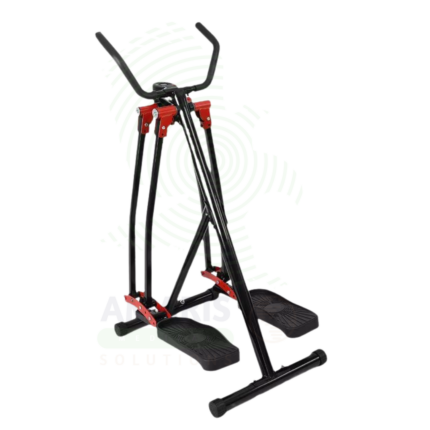
Air Walker & Stepper
An Air Walker & Stepper is a compact exercise machine with independent foot platforms that simulate walking or stepping motion using air resistance or hydraulic resistance for low-impact cardiovascular conditioning and lower extremity strengthening. The independent foot platforms require coordinated weight shifting and balance control, challenging proprioceptive systems while providing a smooth, controlled stepping motion that minimizes stress on the knees, hips, and ankles. For the physical therapist and exercise physiologist, the air walker and stepper enables safe cardiovascular conditioning for patients with osteoarthritis, joint replacement recovery, or lower extremity injuries who cannot tolerate high-impact activities like walking or jogging. Progressive resistance training strengthens quadriceps, hamstrings, gluteals, and calf muscles while improving dynamic balance and coordination. Available with fixed handlebars for stability or moving arms for upper body engagement, the device accommodates patients across functional levels—from frail elderly with balance impairment to athletes recovering from injury. For the patient with arthritis, post-surgical restrictions, or neurological conditions affecting gait, regular use improves cardiovascular fitness, lower extremity strength, balance confidence, and functional mobility.
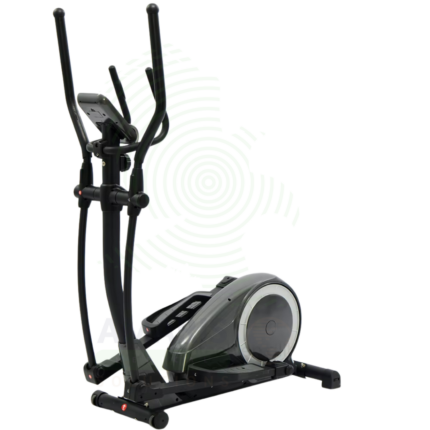
Cross Trainer
A Cross Trainer is a stationary exercise machine with foot platforms that move in an elliptical (oval) path and synchronized moving handlebars, providing simultaneous upper and lower body cardiovascular exercise with minimal joint impact. The elliptical motion eliminates heel strike impact, reducing stress on the knees, hips, and spine while allowing high-caloric expenditure—making it an ideal exercise modality for patients with osteoarthritis, joint replacement, chronic joint pain, or weight-bearing restrictions. The coordinated upper and lower body motion challenges neuromuscular control, proprioception, and cardiovascular endurance simultaneously, making it effective for patients recovering from stroke, neurological conditions, or deconditioning. Adjustable magnetic or electromagnetic resistance allows for progressive training, while heavy flywheel technology ensures smooth, consistent motion. For the physical therapist and exercise physiologist, the cross trainer provides safe, effective cardiovascular conditioning and total body strengthening for cardiac rehabilitation, pulmonary rehabilitation, orthopedic recovery, and neurological rehabilitation. For the patient with arthritis, joint pathology, or functional limitations, the cross trainer enables consistent, pain-free exercise that improves cardiovascular fitness, lower extremity strength, upper body endurance, balance confidence, and functional mobility—supporting long-term health and independence.
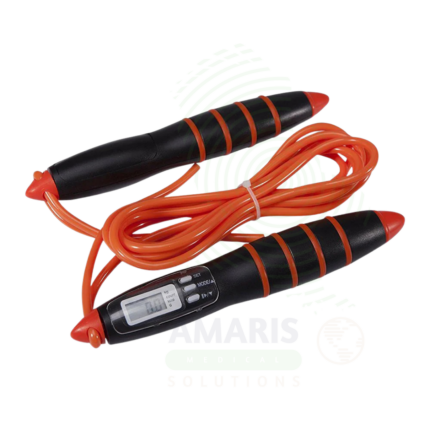
Digital Jump Rope
A Digital Jump Rope is a jump rope with digital handles that count jumps, track time, and calculate calories burned, providing real-time performance feedback for high-intensity cardiovascular conditioning, coordination training, and rehabilitation. The built-in accelerometer or gyroscope sensors automatically detect each jump, displaying metrics such as jump count, total jumps, continuous jumps, exercise duration, and estimated calorie expenditure on an LCD screen. For the exercise physiologist and physical therapist, the digital jump rope enables precise exercise prescription with objective performance metrics—allowing accurate monitoring of exercise volume, intensity, and progression for patients in cardiac rehabilitation, metabolic conditioning, or advanced rehabilitation programs. The digital feedback provides patients with clear numerical goals (jump counts, time, calories) that build confidence and motivation throughout the rehabilitation process. For pediatric physical therapists and occupational therapists, the engaging activity with performance tracking supports coordination, rhythm, and motor planning development. Portable, adjustable, and providing objective exercise data, the digital jump rope is an effective tool for high-intensity interval training, coordination development, and objective exercise monitoring in physical therapy, sports medicine, and fitness settings.
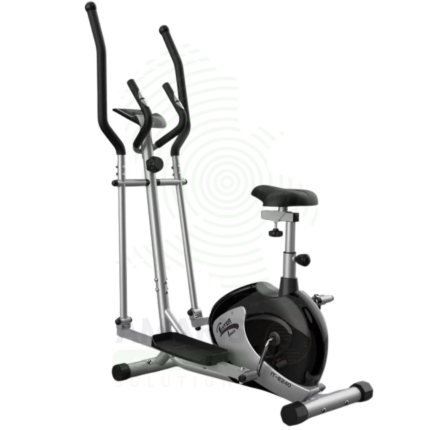
Elliptical Bike
An Elliptical Bike is a stationary exercise machine that combines the seated position of a recumbent bike with the elliptical motion of a cross trainer, providing seated, low-impact cardiovascular exercise with back support and minimal joint stress. The seated elliptical motion eliminates heel strike impact while the recumbent seat with back support provides spinal stability—making it an ideal exercise modality for patients with chronic low back pain, spinal stenosis, balance impairment, or those who cannot tolerate upright exercise. The elliptical path strengthens quadriceps, hamstrings, gluteals, and calf muscles without the impact forces of walking or jogging, supporting joint health and functional mobility. For the physical therapist and rehabilitation specialist, the elliptical bike enables safe cardiovascular conditioning for patients recovering from lumbar spine surgery, total joint replacement, cardiac events, or neurological conditions who require seated support. For the patient with osteoarthritis, balance deficits, or deconditioning, the elliptical bike provides consistent, pain-free exercise that improves cardiovascular fitness, lower extremity strength, and functional capacity—supporting long-term health and independence while minimizing fall risk.
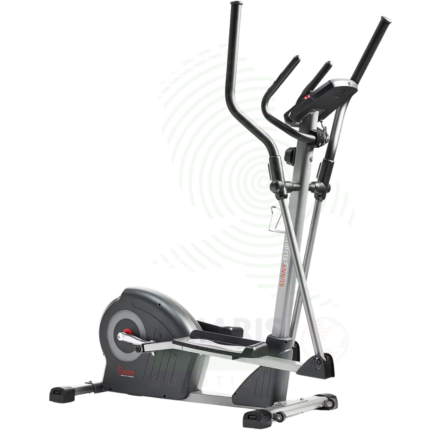
Elliptical Trainer & Orbitrek
An Elliptical Trainer & Orbitrek is a stationary exercise machine with foot platforms that move in an elliptical (oval) path and synchronized moving handlebars, providing simultaneous upper and lower body cardiovascular exercise with minimal joint impact. The elliptical motion eliminates heel strike impact, reducing stress on the knees, hips, and spine while allowing high-caloric expenditure—making it an ideal exercise modality for patients with osteoarthritis, joint replacement, chronic joint pain, or weight-bearing restrictions. The coordinated upper and lower body motion challenges neuromuscular control, proprioception, and cardiovascular endurance simultaneously, making it effective for patients recovering from stroke, neurological conditions, or deconditioning. Adjustable magnetic or electromagnetic resistance allows for progressive training, while heavy flywheel technology ensures smooth, consistent motion. For the physical therapist and exercise physiologist, the elliptical trainer provides safe, effective cardiovascular conditioning and total body strengthening for cardiac rehabilitation, pulmonary rehabilitation, orthopedic recovery, and neurological rehabilitation. For the patient with arthritis, joint pathology, or functional limitations, the elliptical trainer enables consistent, pain-free exercise that improves cardiovascular fitness, lower extremity strength, upper body endurance, balance confidence, and functional mobility—supporting long-term health and independence.
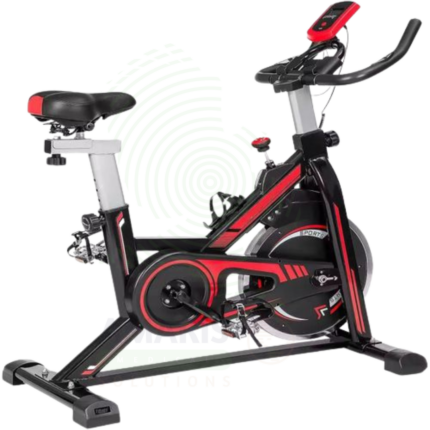
Exercise Bicycle
An Exercise Bicycle is a stationary bike with adjustable resistance and seat positioning used for cardiovascular conditioning, lower extremity strengthening, and rehabilitation in clinical and fitness settings. Available in upright, recumbent, and semi-recumbent configurations, the exercise bicycle provides low-impact aerobic exercise that improves cardiovascular fitness, strengthens quadriceps and hamstring muscles, and supports gait retraining without excessive joint loading. For the cardiac rehabilitation specialist, the exercise bicycle provides safe, monitored aerobic exercise following myocardial infarction or bypass surgery. For the physical therapist, the stationary bike enables closed-chain strengthening and range of motion recovery following total knee replacement, ACL reconstruction, or hip surgery. For the patient with osteoarthritis, stroke, Parkinson's disease, or peripheral arterial disease, regular cycling improves mobility, reduces pain, and enhances functional independence. Featuring adjustable resistance levels, heart rate monitoring, and ergonomic seating with back support on recumbent models, the exercise bicycle accommodates patients across the lifespan and functional spectrum—from frail elderly to athletic populations.
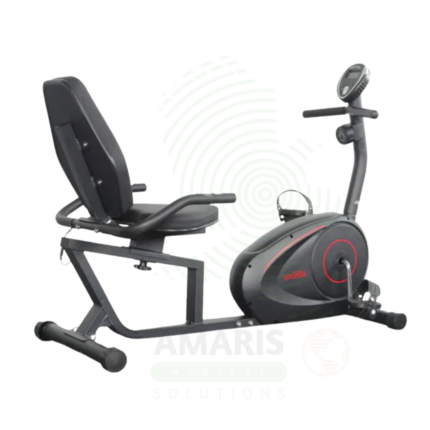
Lazy Bike
A Lazy Bike is a compact, portable seated pedal exerciser designed for passive, active-assisted, or active lower extremity cycling while the user remains seated in a standard chair, wheelchair, or recliner. Unlike traditional stationary bikes that require standing, balancing, or transferring to a specialized seat, the lazy bike places the pedal unit on the floor in front of the user, allowing patients with severe deconditioning, lower extremity weakness, neurological impairment, or post-operative restrictions to initiate lower extremity movement safely from their own chair. Adjustable magnetic or friction resistance allows for progressive strengthening, while forward and backward pedaling engages different muscle groups. For the physical therapist and rehabilitation specialist, the lazy bike provides an accessible entry point to lower extremity rehabilitation for patients who cannot yet tolerate upright exercise, including those recovering from stroke, spinal cord injury, joint replacement, cardiac surgery, or critical illness. For the patient with limited mobility, regular lazy bike use maintains joint range of motion, activates the calf muscle pump to reduce edema, prevents deconditioning, and supports functional recovery—all while remaining safely seated in their own chair.
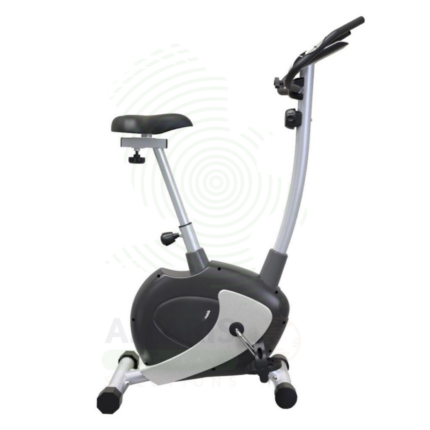
Magnetic Bike
A Magnetic Bike is a stationary bicycle utilizing magnetic resistance technology for smooth, quiet, low-maintenance operation, designed for cardiovascular conditioning and rehabilitation in clinical and home settings. Unlike friction-based resistance systems, magnetic resistance uses magnets positioned near a flywheel to create eddy current resistance without physical contact—eliminating friction pad wear, providing consistent resistance across all levels, and enabling whisper-quiet operation suitable for home use and clinical environments. Available in upright and recumbent configurations, the magnetic bike offers joint-friendly, non-weight-bearing exercise that strengthens quadriceps, hamstrings, gluteals, and calf muscles while improving cardiovascular fitness. For the physical therapist and rehabilitation specialist, the magnetic bike provides precise, repeatable resistance levels for therapeutic exercise prescription, with recumbent models accommodating patients with balance impairment, low back pain, or difficulty mounting standard upright bikes. For the patient recovering from total knee replacement, ACL reconstruction, osteoarthritis, or cardiac event, the magnetic bike enables safe, progressive strengthening and conditioning that improves function, reduces pain, and supports return to independent living. Digital consoles with heart rate monitoring and pre-programmed exercise protocols allow for objective progress tracking and telehealth integration.
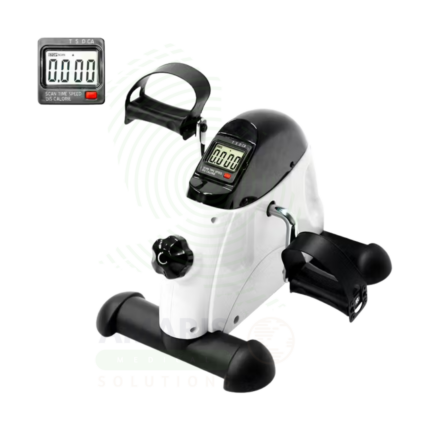
Mini Bike
A Mini Bike is a compact, portable pedal exerciser designed for seated lower extremity cycling and tabletop upper extremity cycling for passive, active-assisted, or active exercise in rehabilitation and home settings. Unlike traditional stationary bikes that require standing or transferring to a specialized seat, the mini bike places the pedal unit on the floor in front of the user for leg exercise, or on a tabletop for arm exercise, allowing patients with severe deconditioning, lower extremity weakness, neurological impairment, or upper limb pathology to initiate therapeutic movement safely from their own chair or bed. Adjustable magnetic or friction resistance allows for progressive strengthening, while forward and backward pedaling engages different muscle groups. For the physical therapist and occupational therapist, the mini bike provides an accessible entry point to rehabilitation for patients who cannot yet tolerate upright exercise—including those recovering from stroke, spinal cord injury, joint replacement, cardiac surgery, or critical illness. For the patient with limited mobility, regular mini bike use maintains joint range of motion, activates the calf muscle pump to reduce edema, prevents deconditioning, restores upper extremity function, and supports functional recovery—all while remaining safely seated.
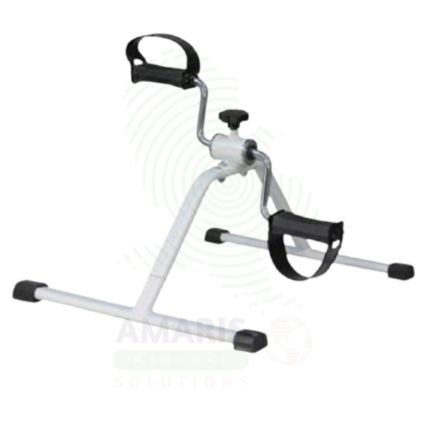
Pedal Exercise Bike
A Pedal Exercise Bike is a compact, portable seated pedal exerciser designed for passive, active-assisted, or active lower extremity cycling while the user remains seated in a standard chair, wheelchair, or recliner. Unlike traditional stationary bikes that require standing, balancing, or transferring to a specialized seat, the pedal exercise bike places the pedal unit on the floor in front of the user, allowing patients with severe deconditioning, lower extremity weakness, neurological impairment, or post-operative restrictions to initiate lower extremity movement safely from their own chair. Adjustable magnetic or friction resistance allows for progressive strengthening, while forward and backward pedaling engages different muscle groups. For the physical therapist and rehabilitation specialist, the pedal exercise bike provides an accessible entry point to lower extremity rehabilitation for patients who cannot yet tolerate upright exercise, including those recovering from stroke, spinal cord injury, joint replacement, cardiac surgery, or critical illness. For the patient with limited mobility, regular pedal bike use maintains joint range of motion, activates the calf muscle pump to reduce edema, prevents deconditioning, and supports functional recovery—all while remaining safely seated.
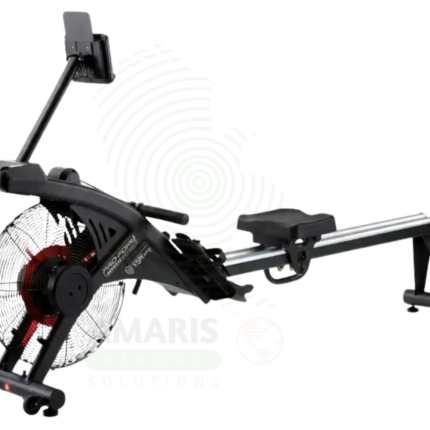
Rowing Machine
A Rowing Machine is a stationary exercise machine with a sliding seat, footrests, and a handle attached to a resistance mechanism that simulates the motion of rowing, providing total body cardiovascular conditioning and strengthening. The rowing stroke engages approximately eighty-five percent of the body's musculature—including legs (quadriceps, hamstrings, gluteals), back (latissimus dorsi, rhomboids, trapezius), arms (biceps, triceps, forearms), and core (abdominals, obliques, erector spinae)—in a coordinated, fluid motion. The non-weight-bearing, low-impact design minimizes stress on the knees, hips, and spine, making it an ideal exercise modality for patients with osteoarthritis, joint replacement, or chronic joint pain. For the physical therapist and exercise physiologist, the rowing machine provides efficient total body conditioning for cardiac rehabilitation, pulmonary rehabilitation, and orthopedic recovery. For the patient with cardiovascular disease, deconditioning, or chronic low back pain, regular rowing improves cardiovascular fitness, rebuilds total body strength, enhances core stability, and supports functional independence—all with minimal joint impact.
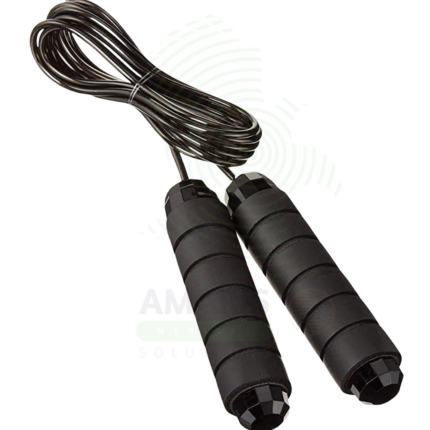
Skipping Rope
A Skipping Rope is a lightweight rope with handles designed to be swung over the head and jumped over repeatedly, delivering high-intensity cardiovascular conditioning, plyometric training, and coordination development. The repetitive jumping motion provides efficient cardiovascular exercise that improves VO₂ max, stroke volume, and aerobic capacity in a short period, while the impact forces provide osteogenic loading that stimulates bone formation and maintains bone mineral density. The coordinated timing of rope rotation and jump challenges motor planning, bilateral coordination, and rhythm—essential skills for athletic performance and functional movement. For the sports medicine clinician and physical therapist, skipping rope provides controlled plyometric training that develops lower extremity power, agility, and neuromuscular coordination for return-to-sport rehabilitation following ankle sprain, ACL reconstruction, or lower extremity injury. For the patient with adequate functional capacity, regular skipping rope exercise improves cardiovascular fitness, supports weight management, and reduces cardiac risk factors. Portable, inexpensive, and requiring minimal space, the skipping rope is an accessible tool for home-based exercise, community wellness programs, and rehabilitation progression.
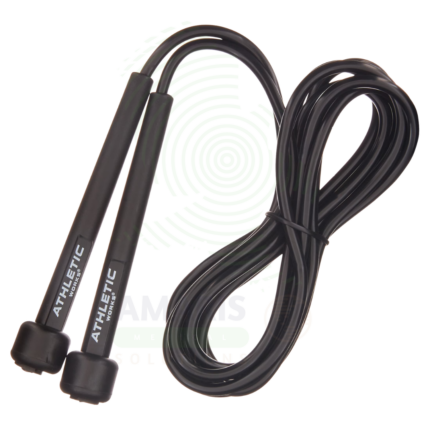
Speed Jump Rope
A Speed Jump Rope is a lightweight, streamlined rope with ball-bearing handles designed for rapid rotation speeds, delivering high-velocity cardiovascular conditioning, agility training, and advanced neuromuscular coordination. The ultra-light steel cable or coated cable construction, combined with high-speed ball-bearing handles, enables rotation speeds of five to eight rotations per second—allowing for high-intensity interval training that rapidly elevates heart rate, improves VO₂ max, and maximizes caloric expenditure in minimal time. The demanding coordination of high-speed rotation and precise jump timing challenges neuromuscular control, rhythm, and motor planning, while single-leg jumps and complex footwork patterns develop agility, foot speed, and reactive control. For the sports medicine clinician and physical therapist, the speed jump rope provides advanced plyometric and agility training for return-to-sport following ACL reconstruction, ankle instability, or lower extremity injury—bridging the gap between basic rehabilitation and high-level athletic performance. For the athlete and high-functioning patient, speed rope training develops anaerobic power, lactate threshold, and the explosive lower extremity strength essential for cutting, pivoting, and quick directional changes in sport.
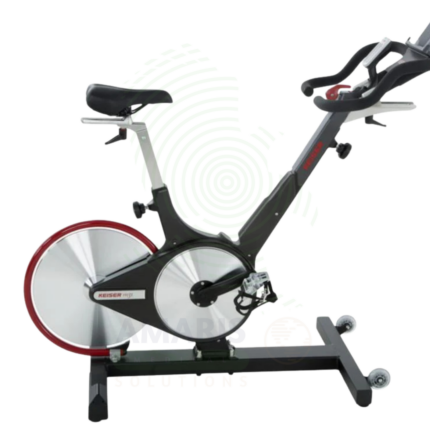
Spin Bike
A Spin Bike is a heavy-flywheel stationary bicycle designed for high-intensity interval training, cardiovascular conditioning, and lower extremity strengthening in clinical rehabilitation and fitness settings. Featuring a heavy flywheel (typically 40-60 pounds) that creates smooth, continuous momentum, adjustable friction or magnetic resistance for progressive loading, and multi-position handlebars with a racing-style seat, the spin bike enables high-caloric expenditure exercise that improves VO₂ max, stroke volume, and muscular endurance. The closed-chain, non-weight-bearing mechanics allow patients with knee, hip, or ankle arthritis, post-surgical restrictions, or weight-bearing limitations to achieve high-intensity cardiovascular and strengthening benefits without joint impact. For the physical therapist and sports medicine clinician, the spin bike supports rehabilitation following ACL reconstruction, total knee replacement, and patellofemoral pain syndrome, while providing forced-rate training protocols for Parkinson's disease and reciprocal movement retraining for stroke patients. For the patient with cardiovascular disease, obesity, or metabolic syndrome, regular spin bike exercise improves cardiac function, supports weight management, and enhances insulin sensitivity. Built on a heavy-gauge steel frame with emergency braking and leveling stabilizers, the spin bike provides a stable, safe platform for high-intensity exercise across diverse patient populations.