Dermatoscope and Magnifiers
 Diagnostic Kits
 Vital Signs Monitors
 Stethoscopes and Accessories
 Otoscopes, Ophthalmoscopes, and Retinoscopes
 Reflex Hammers and Neurological Tools
 Scales and Measuring Devices
 Spirometers and Pulmonary Function Tests
 Electrosurgical Units and Accessories
 Cutting Instruments
 Grasping and Holding Instruments
 Hemostatic Instruments
 Specialized Surgical Sets
 Single-Use Procedure Trays and Packs
 Surgical Drapes, Gowns, and Covers
 Tissue Unifying Instruments
 Radiation Protection
 X-Ray Machines and Accessories
 Ultrasound Systems and Probes
 MRI and CT Scanners
 Radiology Consumables
 Bone Densitometers
 Fluoroscopy Equipment
 Imaging Tables and Positioning Aids
 Microscopes and Accessories
 Centrifuges and Separators
 Analyzers
 Incubators and Ovens
 Pipettes, Dispensers, and Lab Glassware
 Refrigerators, Freezers, and Storage Units
 Lab Consumables
 Sterilizers and Autoclaves for Lab Use
 Multi-Parameter Monitors
 Ventilators and Respiratory Support Devices
 Defibrillators and AEDs
 Infusion Pumps and IV Systems
 Patient Warmers and Cooling Devices
 Central Monitoring Stations
 Accessories
 Anesthesia Machines and Workstations
 Oxygen Concentrators and Delivery Systems
 Nebulizers and Inhalers
 CPAP/BiPAP Machines
 Airway Management
 Anesthesia Masks, Circuits, and Bags
 Humidifiers and Heaters
 Respiratory Therapy Accessories
 First Aid Kits and Cabinets
 Emergency Resuscitation Equipment
 Trauma Supplies
 Emergency Carts and Crash Carts
 Burn Care Products
 Bleeding Control
 Automated External Defibrillators (AEDs)
 Transport and Evacuation
 Wheelchairs and Accessories
 Walkers, Crutches, and Canes
 Prosthetics and Orthotics
 Physical Therapy Equipment
 Transfer Devices
 Bathroom Safety
 Orthopedic Traction and Tables
 Hot/Cold Therapy Packs and Units
 Beds and Mattresses
 Chairs and Stools
 Tables
 Cabinets and Storage
 Privacy Screens & Curtains
 Stands and Racks
 Linens and Textiles
 Lighting
 Autoclaves and Sterilizers
 Ultrasonic Cleaners
 Disinfectant Solutions and Wipes
 Sterilization Pouches, Wraps, and Indicators
 Instrument Trays and Containers
 UV and Ozone Disinfection Devices
 Washer Disinfectors
 Wound Care
 Gloves
 Masks and Respirators
 Catheters and Tubing
 Swabs, Applicators, and Sponges
 Incontinence Products
 Personal Protective Equipment (PPE)
 Dental Chairs and Units
 Handpieces and Burs
 Instruments
 Consumables
 Sterilization for Dental Use
 Orthodontic Supplies
 Endodontic Tools
 Slit Lamps and Tonometers
 Lensometers and Phoropters
 Ophthalmic Surgical Instruments
 Eyewear Frames and Lenses
 Contact Lens Supplies
 Vision Testing Charts and Devices
 Eye Care Consumables
 Laser Systems for Eye Care
 ENT Exam Chairs and Tables
 Endoscopes
 Audiometers and Hearing Tests
 ENT Instruments
 Nasal and Throat Packs
 Hearing Aids and Accessories
 Otology Supplies
 Fetal Dopplers and Monitors
 Delivery Beds and Tables
 Gynecological Instruments
 Neonatal Incubators and Warmers
 Breast Pumps and Accessories
 Contraceptive Devices
 Maternity Supports and Pads
 Neonatal Consumables
 Cystoscopes and Urethroscopes
 Dialysis Machines and Supplies
 Urological Catheters and Bags
 Lithotripters
 Prostate Treatment Devices
 Urinary Incontinence Products
 Kidney Stone Management Tools
 Consumables & Disposables
 EEG and EMG Machines
 Neurosurgical Instruments
 Nerve Stimulators
 Headrests and Positioning Aids
 Lumbar Puncture Kits
 Seizure Monitoring Devices
 Consumables
 Rehabilitation for Neurological Conditions
 ECG Machines and Accessories
 Holter Monitors
 Stress Test Systems
 Pacemakers and Defibrillator Accessories
 Vascular Access Devices
 Cardiac Catheters and Guidewires
 Blood Flow Meters
 Consumables
 Orthopedic Instruments
 Casts, Splints, and Padding
 Joint Replacement Supplies
 Prosthetic Limbs and Components
 Bone Grafts and Substitutes
 Traction Devices
 Orthopedic Braces and Supports
 Rehabilitation Aids for Orthopedics
 Home Oxygen Therapy
 Hospital Beds for Home Use
 Mobility Aids
 Bathroom and Daily Living Aids
 Wound Care for Home
 Monitoring Devices
 Enteral Feeding Pumps and Tubes
 Hand Sanitizers and Dispensers
 Face Shields and Goggles
 Isolation Gowns and Suits
 Biohazard Waste Containers
 Air Purifiers and HEPA Filters
 Surface Disinfectants
 Sharps Containers
 Protective Barriers
 Cardiovascular & Endurance Training
 Strength Training & Weightlifting
 Functional Training & Core Conditioning
 Physical Therapy & Rehabilitation
 Sports & Outdoor Recreation
 Gym Flooring & Facility Equipment
 Fitness Monitoring & Accessories
 Kids & Novelties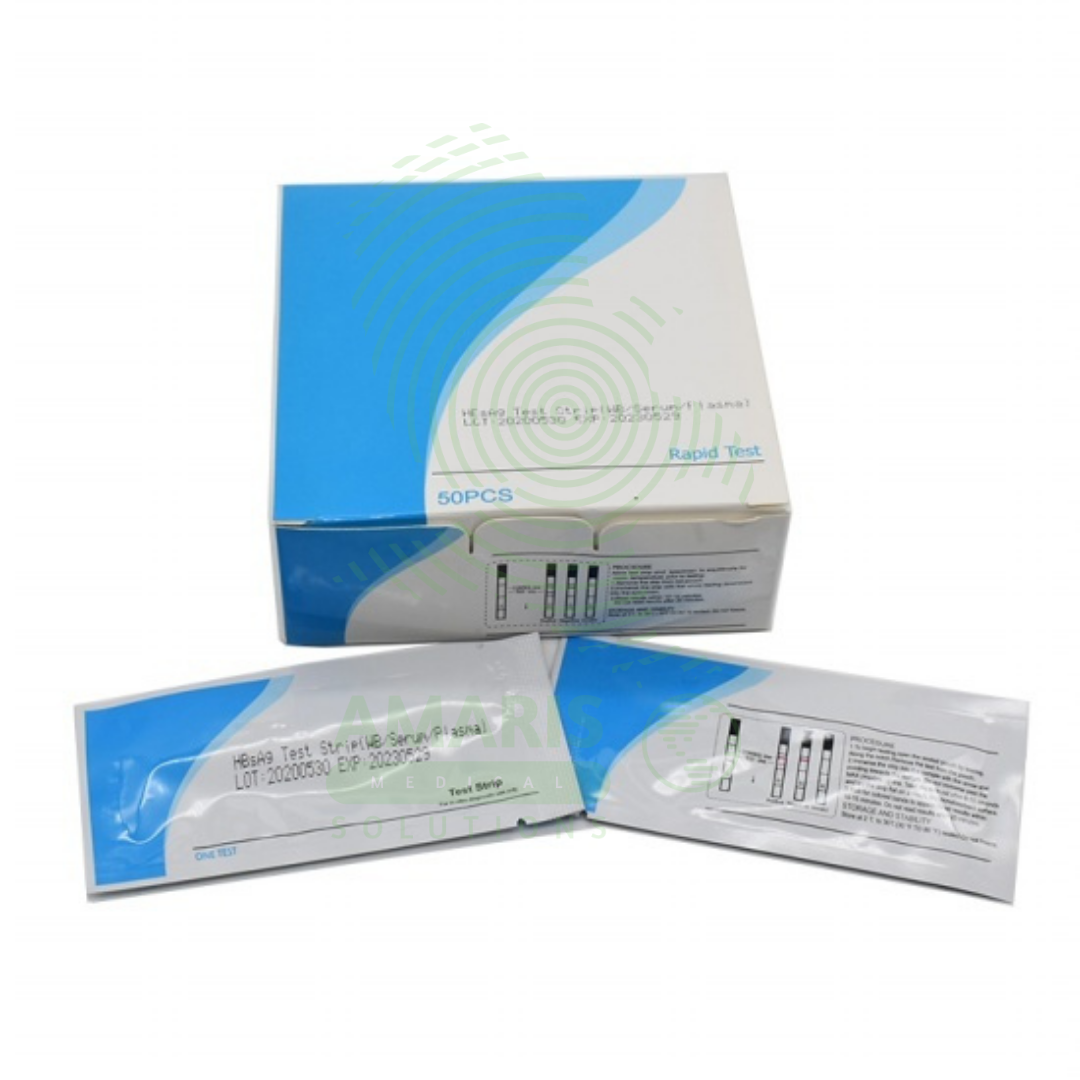
Rapid Test Kits (HIV, HBV, HCV, Malaria)
$1.00
WhatsApp Order
Rapid Test Kits for HIV, HBV, HCV, and Malaria are single-use, immunochromatographic devices designed for the quick, preliminary screening of these critical infectious diseases at the point of care. By detecting specific antibodies or antigens in a small blood sample (or oral fluid for some HIV tests), they provide a visual result within 15-30 minutes without the need for laboratory equipment. Their primary role is to expand access to testing in community and resource-limited settings, enabling immediate counseling, triage, and referral for confirmatory testing and treatment. As essential tools in public health, they are characterized by their simplicity, speed, and critical importance in early diagnosis and outbreak response.
Description
Rapid Test Kits (HIV, HBV, HCV, Malaria)
PRIMARY CLINICAL & DIAGNOSTIC USES
1. Point-of-Care (POC) Screening for Infectious Diseases:
-
Primary Use: The primary use is to provide rapid, preliminary screening for specific infections at or near the site of patient care. This enables immediate triage, initial diagnosis, and prompt initiation of counseling and referral in settings without access to central laboratory facilities, such as community health clinics, emergency departments, outreach programs, and resource-limited areas.
-
How it helps: Brings life-saving diagnostic capability to the places where people live and seek care, eliminating the days or weeks of waiting for lab results that can mean the difference between starting treatment and being lost to follow-up.
2. Blood Donor Safety Screening (in some settings):
-
Primary Use: Used in blood banks and donation camps in low-resource regions to provide an immediate screening layer for transfusion-transmissible infections (HIV, HBV, HCV) to enhance blood safety prior to more sophisticated confirmatory testing.
-
How it helps: Provides an essential safety net for blood transfusion services in areas where laboratory infrastructure is limited, catching infected donations before they can be given to recipients.
3. Public Health Surveillance and Outbreak Investigation:
-
Primary Use: Deployed in field settings during disease outbreaks (e.g., malaria epidemics) or for population-level serosurveys to quickly map disease prevalence and guide public health interventions.
-
How it helps: Empowers public health officials to track diseases in real-time during outbreaks, identifying hotspots and guiding resource allocation to contain epidemics before they spread further.
4. Pre- and Post-Test Counseling Tool:
-
Primary Use: The rapid turnaround time (10-30 minutes) allows healthcare providers to deliver results during a single visit, facilitating immediate counseling, discussion of risk reduction, and planning for confirmatory testing and linkage to care if reactive.
-
How it helps: Ensures that no patient is lost to follow-up between testing and result delivery, providing immediate support and connection to care for those who test positive.
5. Prenatal Screening:
-
Primary Use: Used in antenatal clinics to screen pregnant women for infections like HIV, HBV, and syphilis (often combined) to enable timely interventions that prevent mother-to-child transmission.
-
How it helps: Protects the most vulnerable—newborn babies—by identifying infections in pregnant women early and providing treatment that can prevent transmission during pregnancy and birth.
SECONDARY & SUPPORTIVE USES
1. Occupational Health Post-Exposure Prophylaxis (PEP) Decisions: Following a needlestick or other occupational exposure to blood, a rapid test on the source patient can provide critical information to guide the urgency and type of PEP for the healthcare worker, offering peace of mind and guiding treatment.
2. Self-Testing (for specific approved kits): Certain HIV self-test kits are designed for use by individuals in private, increasing access to testing for those who might not visit a clinic and empowering people to take control of their health.
3. Diagnostic Support in Remote Areas: Serves as the primary diagnostic tool for malaria in remote regions where microscopy is unavailable, guiding immediate antimalarial treatment and preventing deaths from this preventable disease.
KEY PRODUCT FEATURES
1. BASIC IDENTIFICATION ATTRIBUTES
-
Device Type: In Vitro Diagnostic (IVD) Rapid Diagnostic Test (RDT).
-
Format: Typically lateral flow immunochromatographic assays (similar to a pregnancy test). Some may be in cassette, dipstick, or card formats.
-
Sample Types: Varies by kit. Common samples include whole blood (from fingerstick or venipuncture), serum, plasma, or oral fluid (for some HIV tests).
-
Target Pathogens/Analytes:
-
HIV: Detects antibodies (Ab) to HIV-1/2 and/or p24 antigen (Ag) (4th generation combo tests).
-
HBV: Detects Hepatitis B surface Antigen (HBsAg).
-
HCV: Detects antibodies to Hepatitis C virus.
-
Malaria: Detects specific parasite antigens (e.g., HRP-2 for P. falciparum, pLDH for other species).
-
2. TECHNICAL & PERFORMANCE PROPERTIES
-
Principle: Based on antigen-antibody reactions. The sample migrates along a nitrocellulose strip. If the target analyte (antibody or antigen) is present, it binds to conjugated colored particles and then to immobilized capture reagents, forming a visible colored line in the test region.
-
Interpretation:
-
Positive/Reactive: A colored line appears in both the Control (C) region and the Test (T) region.
-
Negative/Non-Reactive: A colored line appears only in the Control (C) region.
-
Invalid: No line in the Control region. The test must be repeated with a new kit.
-
-
Time to Result: Typically 15 to 30 minutes.
-
Sensitivity and Specificity: Must meet minimum WHO performance standards. For example:
-
HIV RDTs: Sensitivity >99%, Specificity >98%.
-
Malaria RDTs: Detection thresholds around 100-200 parasites/µL.
-
-
Shelf Life and Storage: Typically requires storage at 2-30°C. Must be protected from moisture, direct sunlight, and freezing.
3. PHYSICAL & OPERATIONAL PROPERTIES
-
Packaging: Individually sealed foil pouches containing the test device, a disposable dropper/transfer pipette, buffer solution, and sometimes a lancet and alcohol swab.
-
Simplicity: Designed for use by trained personnel with minimal laboratory infrastructure. Procedures involve simple steps: sample collection, application, adding buffer, and timed reading.
-
No Instrumentation Required: Visual readout, no electricity needed.
4. SAFETY & COMPLIANCE ATTRIBUTES
-
Regulatory Approvals: Must have relevant market authorizations: WHO Prequalification (PQ) is a key benchmark for quality in global health. FDA 510(k) Clearance (US), CE Marking (EU), and approvals from national regulatory bodies (e.g., CDSCO in India) are essential.
-
Quality Standards: Manufactured under ISO 13485. Performance evaluated against reference standards.
-
Intended Use: Clearly labeled as a screening test. Reactive (positive) results must be confirmed with supplemental/confirmatory tests (e.g., Western Blot for HIV, Nucleic Acid Test for HCV, microscopy for malaria) as per national algorithms.
5. STORAGE & HANDLING ATTRIBUTES
-
Storage: Store in a cool, dry place within the specified temperature range. Monitor expiry dates and implement a first-expiry-first-out (FEFO) inventory system.
-
Transport: Use cold chain (2-8°C) if required for long-term stability, but many kits are stable at ambient temperatures for a defined period.
-
Waste Disposal: All used components (test devices, lancets, swabs) are considered biohazardous waste and must be disposed of in appropriate sharps and biohazard containers.
6. LABORATORY & CLINICAL APPLICATIONS
-
Primary Application: A public health and clinical screening tool designed for simplicity and speed, bridging the gap between initial suspicion and confirmatory laboratory diagnosis.
-
Algorithmic Testing: Often used in serial or parallel testing algorithms (e.g., using two or three different HIV RDTs in sequence) to improve overall accuracy before referral for confirmation.
SAFETY HANDLING PRECAUTIONS
1. SAFETY PRECAUTIONS
-
Universal Precautions: Handle all blood and body fluid samples as potentially infectious. Wear gloves and other appropriate PPE during testing and waste handling.
-
Single-Use Only: Every component is for single use only. Do not reuse lancets, pipettes, or test devices.
-
Strict Adherence to Procedure: Follow the manufacturer's instructions exactly regarding sample volume, incubation time, and interpretation. Reading results too early or too late can lead to errors.
-
Post-Test Counseling: Have a trained counselor available to deliver results, especially reactive ones, and to provide immediate support, risk reduction information, and a clear plan for confirmatory testing and care linkage.
2. FIRST AID MEASURES
-
Needlestick or Exposure: In case of a lancet injury or exposure to sample, wash the area immediately with soap and water. For mucosal exposure, rinse thoroughly with water. Follow the facility's post-exposure prophylaxis (PEP) protocol and seek medical evaluation.
-
Reagent Contact: If buffer solution contacts skin or eyes, rinse with plenty of water.
3. FIRE FIGHTING MEASURES
-
Flammability: The plastic and paper components are combustible.
-
Extinguishing Media: Use water, foam, or CO₂ as appropriate for the surrounding fire.
Related products
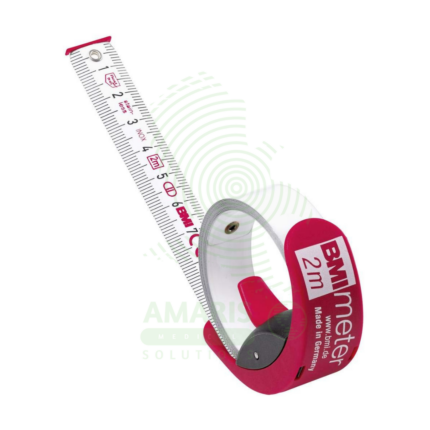
BMI Tape
A BMI Tape is a rapid screening tool that estimates an individual's Body Mass Index (BMI) category by measuring body circumference, most commonly the waist. It features a color-coded scale that directly displays BMI ranges (Underweight, Normal, Overweight, Obese), eliminating the need for separate height and weight measurements and manual calculation. While highly useful for community health screenings, wellness programs, and patient education due to its portability and simplicity, it is an approximate method. Its accuracy is limited compared to BMI calculated from precise clinical measurements, and it should be used as an initial screening indicator rather than a definitive diagnostic tool.
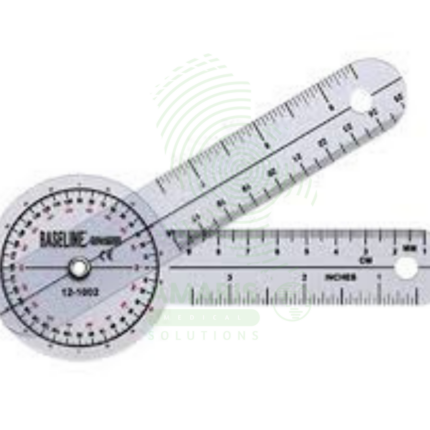
Goniometer
A goniometer is a calibrated, handheld measuring instrument designed to precisely quantify joint range of motion in degrees. Essential for physical and occupational therapy, orthopedic assessment, and rehabilitation medicine, it consists of a protractor-like body with two arms—one stationary, one movable—that align with the patient's limb segments. Available in various sizes for different joints (from fingers to hips) and in materials including transparent plastic, stainless steel, and digital formats, it transforms subjective observations of mobility into objective, reproducible data. This fundamental clinical tool guides diagnosis, documents treatment progress, supports disability determinations, and provides the evidence base for therapeutic interventions.
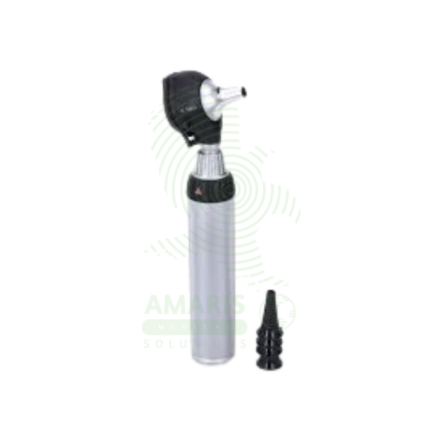
LED Otoscope
An LED Otoscope is a handheld medical device used for illuminating and magnifying the external ear canal and tympanic membrane. Featuring a bright, cool, and long-lasting LED light source, it provides superior visualization for diagnosing common conditions like ear infections, wax impaction, and perforations. Its design, incorporating a reusable handle/head and disposable specula, ensures hygiene and patient safety. As an essential tool in family medicine, pediatrics, and ENT, it enables clinicians to perform accurate otoscopic examinations and, when equipped with an insufflator, crucial pneumatic otoscopy to assess middle ear function.
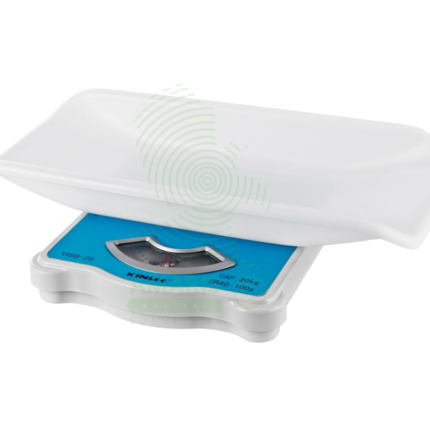
Manual Baby Weighing Scale
A Manual Baby Weighing Scale is a simple, mechanical device used to measure infant weight without the need for electricity or batteries. Operating on a spring or balance principle, it features a suspended sling or seat and a dial display. Its primary advantage is durability and portability for use in community health, outreach programs, and areas with unreliable power. While less precise than digital scales, it provides a reliable and accessible means to monitor growth trends and screen for undernutrition in resource-limited settings, making it a vital tool for basic pediatric care in the field.
Ophthalmoscope
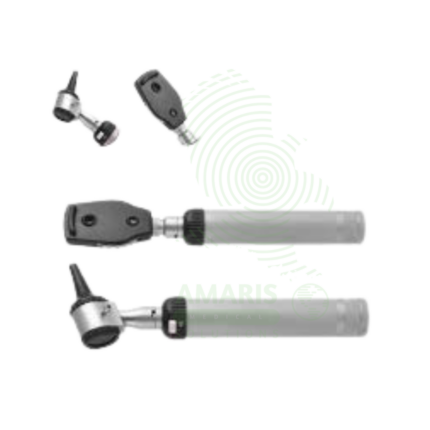
An Ophthalmoscope is a handheld diagnostic instrument used to examine the interior of the eye, specifically the fundus (retina, optic disc, blood vessels, and macula). By providing illuminated magnification, it serves as a vital screening tool for detecting ocular diseases like glaucoma and retinal disorders, and more importantly, for identifying signs of systemic conditions such as diabetes, hypertension, and increased intracranial pressure. Its operation involves selecting appropriate apertures and compensating lenses to obtain a clear view. While offering a detailed but narrow field of vision, mastery of the direct ophthalmoscope remains a cornerstone skill in general medicine, neurology, and ophthalmology for assessing vascular and neurological health.
Upper Arm Blood Pressure Monitor
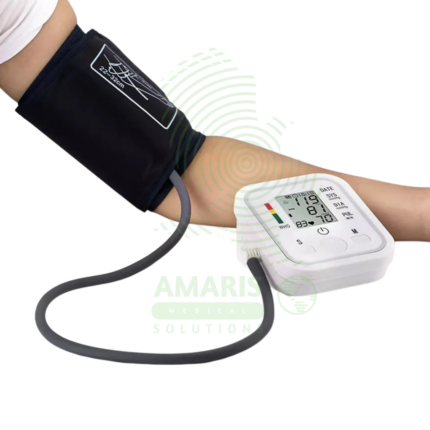
The Upper Arm Blood Pressure Monitor is a clinically validated, automatic digital device designed for accurate and comfortable blood pressure and pulse measurement at home or in professional settings. Known for its user-friendly features like Intellisense inflation technology, a large clear display, and comprehensive functions including irregular heartbeat detection, multi-user memory, and a WHO-based hypertension indicator, it provides reliable data for effective hypertension management. Its robust construction, adherence to international safety standards (CE, FDA), and focus on patient comfort make it a trusted choice for individuals and healthcare providers seeking a dependable tool for cardiovascular health monitoring.
VDRL Test For Syphilis
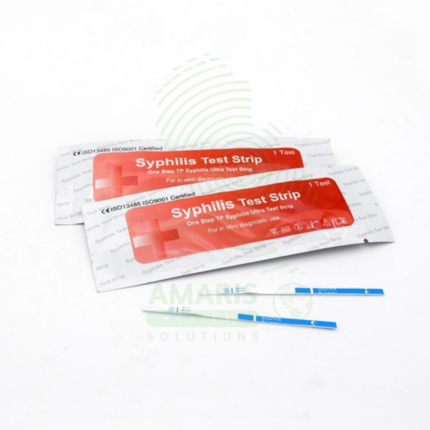
The VDRL Test For Syphilis (Venereal Disease Research Laboratory) is a Class II medical device (FDA-cleared) non-treponemal flocculation test for qualitative and quantitative detection of reaginic antibodies in serum or cerebrospinal fluid, used for syphilis screening, diagnosis, and treatment monitoring. The test uses an antigen mixture (cardiolipin, cholesterol, lecithin) that reacts with antibodies, forming visible clumping (flocculation) in positive samples. Results are reported as reactive/non-reactive with quantitative titers (e.g., 1:2 to 1:256). Primary clinical applications include initial screening for syphilis infection, confirmation of active syphilis (with treponemal tests), monitoring treatment response (fourfold titer decrease indicates cure), diagnosis of neurosyphilis (CSF testing), prenatal screening for congenital syphilis prevention, screening in high-risk populations (MSM, HIV-positive, multiple partners), and blood donor screening. Critical safety precautions include confirmation of all reactive results with treponemal tests (TPPA, FTA-ABS), awareness of false positives (pregnancy, autoimmune disease, viral infections), proper specimen handling (universal precautions), refrigerated storage of reagents (2-8°C), and mandatory reporting of reactive results to public health authorities. Essential test for syphilis control and congenital syphilis prevention worldwide.