Dermatoscope and Magnifiers
 Diagnostic Kits
 Vital Signs Monitors
 Stethoscopes and Accessories
 Otoscopes, Ophthalmoscopes, and Retinoscopes
 Reflex Hammers and Neurological Tools
 Scales and Measuring Devices
 Spirometers and Pulmonary Function Tests
 Electrosurgical Units and Accessories
 Cutting Instruments
 Grasping and Holding Instruments
 Hemostatic Instruments
 Specialized Surgical Sets
 Single-Use Procedure Trays and Packs
 Surgical Drapes, Gowns, and Covers
 Tissue Unifying Instruments
 Radiation Protection
 X-Ray Machines and Accessories
 Ultrasound Systems and Probes
 MRI and CT Scanners
 Radiology Consumables
 Bone Densitometers
 Fluoroscopy Equipment
 Imaging Tables and Positioning Aids
 Microscopes and Accessories
 Centrifuges and Separators
 Analyzers
 Incubators and Ovens
 Pipettes, Dispensers, and Lab Glassware
 Refrigerators, Freezers, and Storage Units
 Lab Consumables
 Sterilizers and Autoclaves for Lab Use
 Multi-Parameter Monitors
 Ventilators and Respiratory Support Devices
 Defibrillators and AEDs
 Infusion Pumps and IV Systems
 Patient Warmers and Cooling Devices
 Central Monitoring Stations
 Accessories
 Anesthesia Machines and Workstations
 Oxygen Concentrators and Delivery Systems
 Nebulizers and Inhalers
 CPAP/BiPAP Machines
 Airway Management
 Anesthesia Masks, Circuits, and Bags
 Humidifiers and Heaters
 Respiratory Therapy Accessories
 First Aid Kits and Cabinets
 Emergency Resuscitation Equipment
 Trauma Supplies
 Emergency Carts and Crash Carts
 Burn Care Products
 Bleeding Control
 Automated External Defibrillators (AEDs)
 Transport and Evacuation
 Wheelchairs and Accessories
 Walkers, Crutches, and Canes
 Prosthetics and Orthotics
 Physical Therapy Equipment
 Transfer Devices
 Bathroom Safety
 Orthopedic Traction and Tables
 Hot/Cold Therapy Packs and Units
 Beds and Mattresses
 Chairs and Stools
 Tables
 Cabinets and Storage
 Privacy Screens & Curtains
 Stands and Racks
 Linens and Textiles
 Lighting
 Autoclaves and Sterilizers
 Ultrasonic Cleaners
 Disinfectant Solutions and Wipes
 Sterilization Pouches, Wraps, and Indicators
 Instrument Trays and Containers
 UV and Ozone Disinfection Devices
 Washer Disinfectors
 Wound Care
 Gloves
 Masks and Respirators
 Catheters and Tubing
 Swabs, Applicators, and Sponges
 Incontinence Products
 Personal Protective Equipment (PPE)
 Dental Chairs and Units
 Handpieces and Burs
 Instruments
 Consumables
 Sterilization for Dental Use
 Orthodontic Supplies
 Endodontic Tools
 Slit Lamps and Tonometers
 Lensometers and Phoropters
 Ophthalmic Surgical Instruments
 Eyewear Frames and Lenses
 Contact Lens Supplies
 Vision Testing Charts and Devices
 Eye Care Consumables
 Laser Systems for Eye Care
 ENT Exam Chairs and Tables
 Endoscopes
 Audiometers and Hearing Tests
 ENT Instruments
 Nasal and Throat Packs
 Hearing Aids and Accessories
 Otology Supplies
 Fetal Dopplers and Monitors
 Delivery Beds and Tables
 Gynecological Instruments
 Neonatal Incubators and Warmers
 Breast Pumps and Accessories
 Contraceptive Devices
 Maternity Supports and Pads
 Neonatal Consumables
 Cystoscopes and Urethroscopes
 Dialysis Machines and Supplies
 Urological Catheters and Bags
 Lithotripters
 Prostate Treatment Devices
 Urinary Incontinence Products
 Kidney Stone Management Tools
 Consumables & Disposables
 EEG and EMG Machines
 Neurosurgical Instruments
 Nerve Stimulators
 Headrests and Positioning Aids
 Lumbar Puncture Kits
 Seizure Monitoring Devices
 Consumables
 Rehabilitation for Neurological Conditions
 ECG Machines and Accessories
 Holter Monitors
 Stress Test Systems
 Pacemakers and Defibrillator Accessories
 Vascular Access Devices
 Cardiac Catheters and Guidewires
 Blood Flow Meters
 Consumables
 Orthopedic Instruments
 Casts, Splints, and Padding
 Joint Replacement Supplies
 Prosthetic Limbs and Components
 Bone Grafts and Substitutes
 Traction Devices
 Orthopedic Braces and Supports
 Rehabilitation Aids for Orthopedics
 Home Oxygen Therapy
 Hospital Beds for Home Use
 Mobility Aids
 Bathroom and Daily Living Aids
 Wound Care for Home
 Monitoring Devices
 Enteral Feeding Pumps and Tubes
 Hand Sanitizers and Dispensers
 Face Shields and Goggles
 Isolation Gowns and Suits
 Biohazard Waste Containers
 Air Purifiers and HEPA Filters
 Surface Disinfectants
 Sharps Containers
 Protective Barriers
 Cardiovascular & Endurance Training
 Strength Training & Weightlifting
 Functional Training & Core Conditioning
 Physical Therapy & Rehabilitation
 Sports & Outdoor Recreation
 Gym Flooring & Facility Equipment
 Fitness Monitoring & Accessories
 Kids & Novelties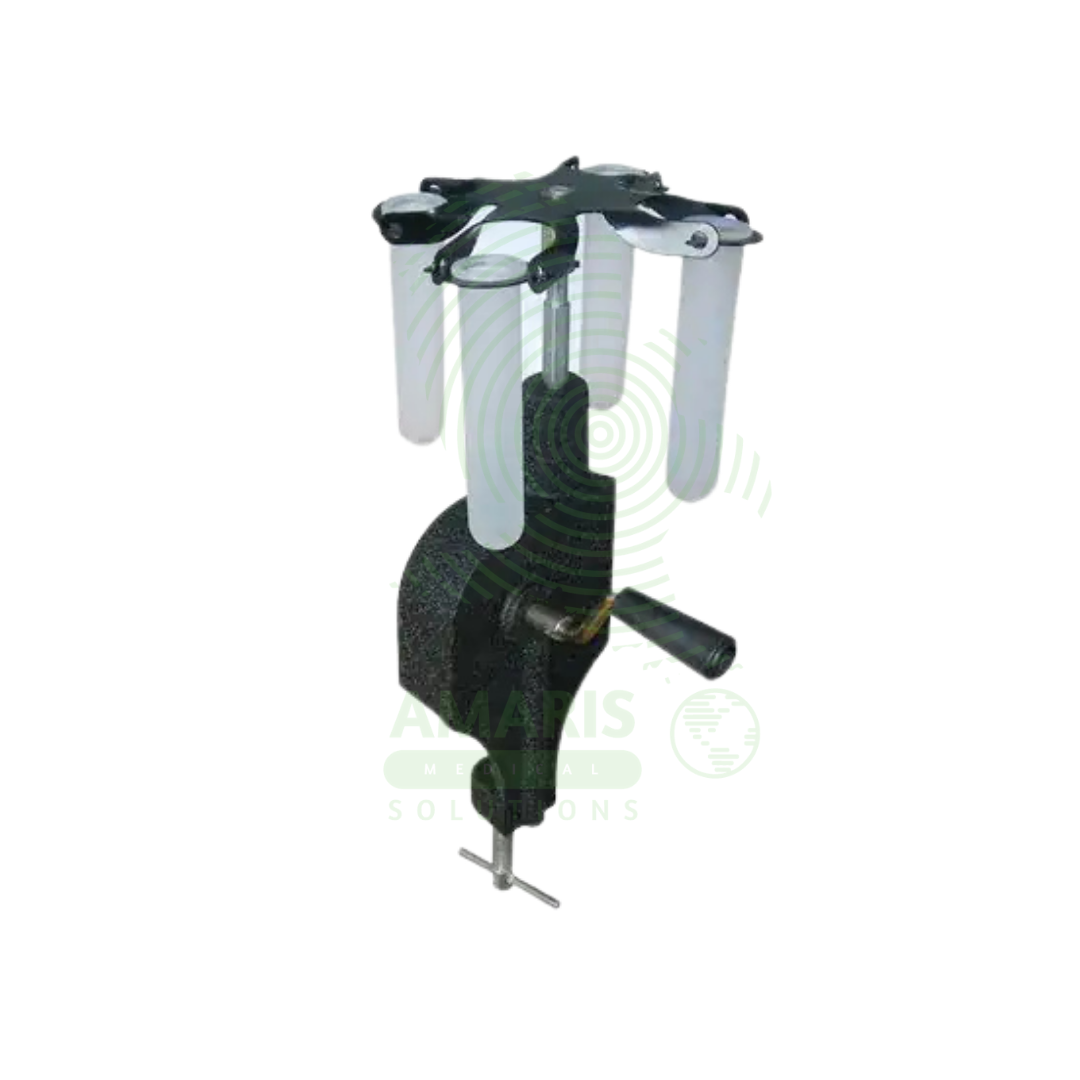
Manual Centrifuge
$1.00
WhatsApp Order
A Manual Centrifuge (hand-powered) is a non-electric mechanical device for separating fluids based on density, designed for use in field clinics, remote health posts, and developing world settings where electricity is unavailable or unreliable. Operated by hand crank, pull-cord, or foot pedal, achieving speeds of 1,000-4,000 RPM and RCF up to 1,500 x g. Accepts standard blood collection tubes (2-5 mL), microhematocrit tubes, and small centrifuge tubes. Primary clinical applications include separation of serum/plasma for basic diagnostic testing, urine sediment concentration for microscopy, microhematocrit determination for anemia screening, concentration of parasites for malaria and other vector-borne disease diagnosis, field epidemiology and outbreak investigation, veterinary medicine in rural settings, and teaching in resource-limited institutions. Critical safety precautions include meticulous balancing of tubes by weight (absolutely essential), never exceeding maximum rated speed, using appropriate PPE (no aerosol containment), regular inspection of gears and rotor for wear, and proper training of operators. Essential equipment for basic laboratory capabilities in low-resource and field settings.
Description
Manual Centrifuge
PRIMARY CLINICAL & DIAGNOSTIC USES
1. Rapid Separation of Blood Components in Low-Resource Settings:
-
Primary Use: Provides essential centrifugation capability in field clinics, remote health posts, and developing world laboratories where electricity is unavailable or unreliable, enabling separation of serum and plasma for basic diagnostic testing.
-
How it helps: Brings basic laboratory capability to communities that would otherwise have no access to diagnostic testing, allowing healthcare workers to perform essential tests and make informed treatment decisions without relying on electrical power.
2. Urine Sediment Concentration for Microscopy:
-
Primary Use: Manual centrifugation concentrates cellular elements, casts, crystals, and microorganisms in urine specimens, enabling microscopic examination for diagnosis of urinary tract infections, kidney disease, and schistosomiasis in settings without electric power.
-
How it helps: Makes it possible to diagnose common and serious conditions in remote areas by concentrating urine samples enough to see infectious organisms and other abnormalities that would otherwise be invisible under a microscope.
3. Microhematocrit Determination:
-
Primary Use: Used to measure packed cell volume (PCV) for anemia screening and dehydration assessment in remote clinics, using capillary tubes and a manual hematocrit reader.
-
How it helps: Provides a simple, reliable way to detect anemia—a condition affecting billions worldwide—in areas with limited resources, allowing healthcare workers to identify and treat patients before anemia causes serious health complications.
4. Parasitology and Vector-Borne Disease Diagnosis:
-
Primary Use: Concentrates parasites from blood (malaria, trypanosomiasis, filariasis) and other body fluids for microscopic detection in field conditions where electric centrifuges are impractical.
-
How it helps: Gives healthcare workers in remote, disease-endemic areas the ability to diagnose life-threatening parasitic infections on the spot, allowing them to start life-saving treatment immediately rather than waiting days for laboratory results.
5. Field Epidemiology and Outbreak Investigation:
-
Primary Use: Deployed during infectious disease outbreaks in remote areas to process samples for rapid diagnostic testing when laboratory infrastructure is limited or non-existent.
-
How it helps: Enables rapid response teams to identify the cause of disease outbreaks in real-time, allowing public health officials to contain epidemics before they spread to larger populations.
6. Veterinary Medicine in Rural Settings:
-
Primary Use: Used by veterinarians in field conditions to process blood and other specimens from livestock and companion animals for basic diagnostic purposes.
-
How it helps: Protects the health of animals that families depend on for food, income, and companionship, allowing veterinarians to diagnose and treat diseases that could otherwise devastate rural livelihoods.
7. Teaching and Demonstration:
-
Primary Use: Valuable educational tool in resource-limited training institutions to demonstrate centrifugation principles and techniques without reliance on electric power.
-
How it helps: Trains the next generation of healthcare workers in fundamental laboratory techniques, building local capacity for diagnostic testing even in the most resource-limited settings.
SECONDARY & SUPPORTIVE USES
1. Emergency Preparedness and Disaster Response: Stocked in emergency medical kits and disaster response supplies for use when power grids are damaged, ensuring diagnostic capability survives natural disasters and humanitarian crises.
2. Military and Forward Operating Medical Units: Used by military medical personnel in field conditions where electric power is unavailable or generators are impractical, supporting healthcare delivery in combat zones and remote deployments.
3. Research in Remote Field Stations: Essential for field biologists and anthropologists collecting and processing samples in isolated locations, enabling scientific discovery in the world’s most remote places.
4. Community Health Worker Programs: Deployed in community-based health programs for basic diagnostic capabilities at the village level, empowering local health workers to provide more comprehensive care.
5. Complementary Medicine and Alternative Health Practices: Used in some alternative medicine settings for preparing treatments (though not primary clinical use), demonstrating the versatility of manual centrifugation.
6. Science Education: Used in schools and universities to teach centrifugation principles in settings without laboratory infrastructure, inspiring future scientists regardless of resource limitations.
7. Home Healthcare in Developing Regions: Occasionally used by visiting health workers for basic sample processing in home settings, bringing diagnostic capability directly to patients who cannot travel to clinics.
KEY PRODUCT FEATURES
1. BASIC IDENTIFICATION ATTRIBUTES
-
Product Type: Non-electric, hand-powered or mechanically driven centrifuge for separation of fluids based on density.
-
Common Names: Manual Centrifuge, Hand-Powered Centrifuge, Non-Electric Centrifuge, Field Centrifuge, Salad-Spinner Centrifuge (low-cost variants).
-
Power Sources:
-
Hand Crank: Rotor driven by hand-turned crank and gear system.
-
Pull-Cord: Similar to lawnmower starter; rapid acceleration with pull cord.
-
Foot-Powered: Operated by foot pedal (less common).
-
Salad Spinner Type: Low-cost plastic device for basic applications.
-
-
Rotor Types:
-
Fixed-Angle Rotor: For blood collection tubes and microhematocrit tubes.
-
Swinging-Bucket Rotor: For larger volume tubes (less common in manual models).
-
Capillary Tube Rotor: Specialized for microhematocrit determination.
-
-
Capacity: 2-12 tubes per run depending on model.
-
Maximum Speed: 1,000-4,000 RPM achievable with manual operation.
-
Maximum RCF: 100-1,500 x g depending on radius and achievable speed.
2. TECHNICAL & PERFORMANCE PROPERTIES
-
Drive System: Mechanical gear system (hand crank) or direct drive (pull-cord).
-
Speed Control: Operator-dependent; some models include tachometer or speed indicator.
-
RCF Calculation: RCF = 1.118 × 10⁻⁵ × r × RPM² (r = radius in cm); operator must calculate based on speed and radius.
-
Timer: Manual timing by operator (stopwatch or clock).
-
Tube Types: Accepts standard blood collection tubes (2-5 mL), microhematocrit tubes, and small centrifuge tubes.
-
Durability: Constructed for field use; may have fewer moving parts for reliability.
-
Portability: Lightweight, compact, often designed to fit in backpacks or field kits.
-
No Power Required: Operates entirely without electricity; no batteries needed.
3. PHYSICAL & OPERATIONAL PROPERTIES
-
Dimensions: 20-40 cm × 20-40 cm × 30-50 cm (varies by model).
-
Weight: 2-10 kg depending on materials (plastic vs. metal construction).
-
Construction: High-impact plastic, aluminum, or painted steel; some models stainless steel bowl.
-
Crank Handle: Ergonomic design with gear ratio to achieve required speed with reasonable effort.
-
Speed Indicator: Some models include mechanical tachometer or strobe disk for RPM measurement.
-
Brake: Manual or mechanical brake to stop rotor quickly.
-
Lid: May have locking mechanism for safety; some models open design.
-
Base: Non-slip feet or mounting bracket for stability during operation.
4. SAFETY & COMPLIANCE ATTRIBUTES
-
Regulatory Status: Class I medical device; not typically requiring FDA clearance if sold for field use.
-
Safety Features:
-
Lid Lock: Some models include latch to prevent opening during operation.
-
Balance Tolerance: Manual operation requires careful balancing; imbalance sensed by operator.
-
Rotor Guard: Protective cover to contain contents in case of tube failure.
-
-
Biological Safety: No aerosol containment; operators must use appropriate PPE.
-
Material Safety: Non-toxic materials; resistant to disinfectants.
-
Stability: Wide base or mounting provision to prevent tipping during cranking.
-
CE Mark: May be CE marked for European use.
5. STORAGE & HANDLING ATTRIBUTES
-
Storage: Store in a clean, dry environment; protect from dust, humidity, and extreme temperatures.
-
Cleaning: Wipe with mild detergent and disinfectant; dry thoroughly; do not immerse.
-
Lubrication: Periodic lubrication of gears and bearings per manufacturer instructions.
-
Inspection: Before each use, inspect crank, gears, rotor, and tubes for damage or wear.
-
Rotor Care: Remove and clean rotor after use; inspect for cracks or corrosion.
-
Transport: Designed for field transport; may include carrying case.
-
Calibration: No electrical calibration required; operator must verify speed with tachometer if accuracy needed.
6. LABORATORY & CLINICAL APPLICATIONS
-
Primary Application: Manual centrifugation for basic diagnostic sample processing in settings without reliable electricity.
-
Key Applications:
-
Serum/Plasma Separation: 3-5 minutes at maximum achievable speed.
-
Microhematocrit: 5-10 minutes at 10,000-12,000 RPM (some manual models achieve this with high gear ratios).
-
Urine Sediment: 3-5 minutes at 1,500-2,000 RPM.
-
Parasite Concentration: 3-5 minutes at 1,500-2,000 RPM.
-
-
Speed Determination: Operators must achieve and maintain sufficient speed; practice and consistency required.
-
Sample Volume: Limited to small volumes (typically 2-5 mL tubes).
-
Limitations: Lower maximum RCF than electric centrifuges; operator-dependent speed and timing; not suitable for high-speed applications; limited capacity.
SAFETY HANDLING PRECAUTIONS
1. SAFETY PRECAUTIONS
-
Balancing Loads: Absolutely critical - tubes must be balanced by weight. Uneven loads cause excessive vibration, poor separation, and potential mechanical failure or injury.
-
Tube Compatibility: Use only tubes rated for manual centrifugation; glass tubes may break if excessive force applied.
-
Speed Control: Do not exceed manufacturer's maximum rated speed; overspeeding may cause rotor failure.
-
Lid/Latch: Ensure lid is securely closed before operation; keep hands and loose items away from moving parts.
-
Operator Fatigue: Cranking requires physical effort; take breaks if needed; do not continue if overly fatigued.
-
Biohazard Safety: Manual centrifuges typically lack aerosol containment; use appropriate PPE (gloves, eye protection, mask).
-
Spill Response: Clean spills immediately with appropriate disinfectant; rotor and bowl may need thorough cleaning.
-
Training: Operators must be trained in proper technique, balancing, and safety procedures.
-
Inspection: Regular inspection of gears, crank, and rotor for wear or damage; replace worn parts immediately.
2. FIRST AID MEASURES
-
Tube Breakage: Stop immediately; carefully remove broken glass and contaminated contents using forceps; disinfect rotor and bowl; wear heavy-duty gloves.
-
Crank Injury: If finger caught in crank, assess injury; provide first aid; seek medical attention if significant.
-
Biological Exposure: If splashed with blood or body fluids, wash immediately with soap and water; follow institutional exposure protocol.
-
Rotor Failure: If rotor detaches or fails, step away; assess for injury; do not use until inspected and repaired.
3. FIRE FIGHTING MEASURES
-
Flammability: Plastic components may be combustible; metal parts non-combustible.
-
Extinguishing Media: Use water, foam, CO₂, or dry chemical as appropriate.
Related products
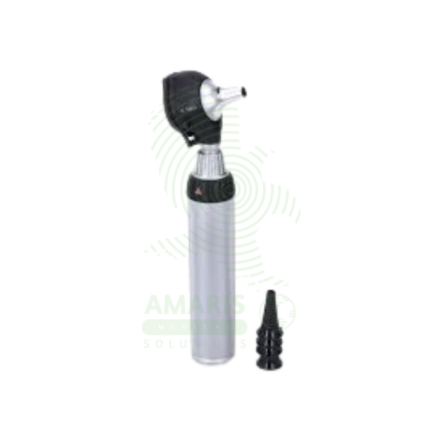
LED Otoscope
An LED Otoscope is a handheld medical device used for illuminating and magnifying the external ear canal and tympanic membrane. Featuring a bright, cool, and long-lasting LED light source, it provides superior visualization for diagnosing common conditions like ear infections, wax impaction, and perforations. Its design, incorporating a reusable handle/head and disposable specula, ensures hygiene and patient safety. As an essential tool in family medicine, pediatrics, and ENT, it enables clinicians to perform accurate otoscopic examinations and, when equipped with an insufflator, crucial pneumatic otoscopy to assess middle ear function.

Littman Stethoscope (Classic 4 Cardiology)
A Littman Stethoscope (Classic 4 Cardiology) represents the pinnacle of acoustic auscultation technology. Designed for clinicians who require the highest level of diagnostic accuracy, it features dual tunable diaphragms and dual-lumen tubing to provide exceptional acoustic sensitivity and ambient noise reduction. Its innovative design allows the user to hear both high and low-frequency sounds by simply adjusting pressure on either side of the chestpiece, making it the instrument of choice for cardiologists, intensivists, and specialists who cannot afford to miss a subtle murmur, rub, or breath sound. It combines superior performance with the durability and comfort expected from the Littmann brand.
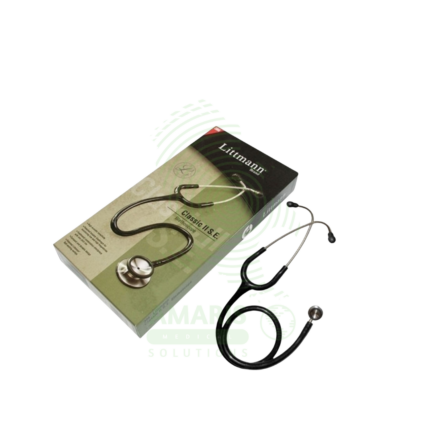
Littmann Stethoscope (Classic II)
A Littmann Stethoscope (Classic II) is a premium, acoustic dual-head stethoscope renowned for its diagnostic clarity, durability, and innovative tunable diaphragm technology. It allows healthcare professionals to hear both high and low-frequency sounds by simply adjusting pressure on the single-sided chestpiece, eliminating the need to rotate it. With its superior acoustics, comfortable fit, and wide range of colors, it is the instrument of choice for medical students, nurses, and physicians across all specialties who require reliable performance for physical assessment, auscultation of heart and lung sounds, and manual blood pressure measurement.
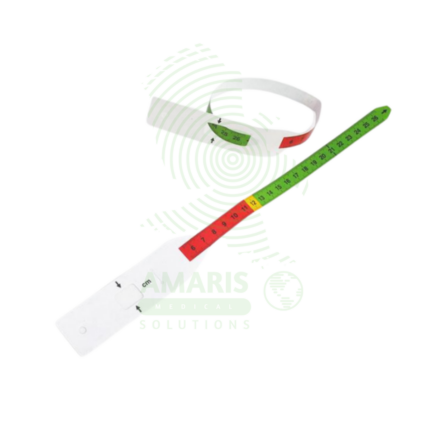
MUAC Tape
A MUAC Tape (Mid-Upper Arm Circumference) is a specialized, color-coded measuring tape used globally as the primary field tool for screening children aged 6-59 months for acute malnutrition. Its simple design—featuring red, yellow, and green zones corresponding to Severe Acute Malnutrition, Moderate Acute Malnutrition, and normal nutritional status—allows for instant, non-invasive assessment without the need for scales, calculation, or literacy. Durable, portable, and inexpensive, it is the cornerstone of community-based nutrition programs, emergency relief efforts, and public health surveillance, enabling early detection and life-saving intervention for malnourished children in even the most resource-constrained settings.
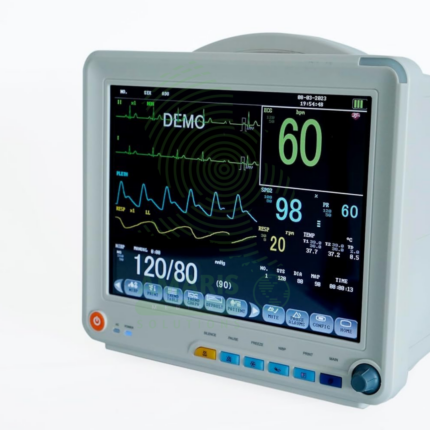
Patient Monitor
The Patient Monitor (6 Parameters BCCMS8000) is a versatile multi-parameter monitor designed for continuous surveillance of core vital signs in various clinical settings. It tracks six essential parameters—ECG, SpO2, Non-Invasive Blood Pressure (NIBP), Respiration, Temperature, and Pulse Rate—providing clinicians with real-time waveforms and numerical data on a clear color display. With its robust alarm system, battery backup for transport, and reliable performance, it is a fundamental tool for ensuring patient safety on general hospital wards, during procedures, and in emergency departments. Its design balances comprehensive monitoring capability with user-friendly operation.
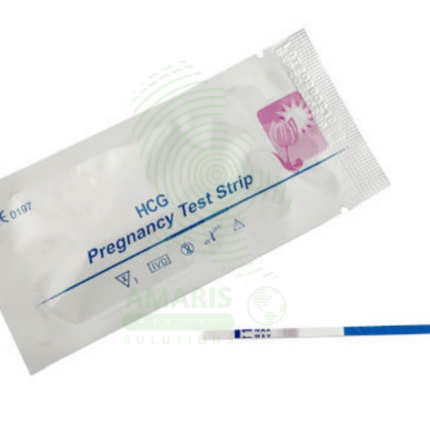
Pregnancy Test Strips
Pregnancy Test Strips are simple, dip-style lateral flow devices designed for the rapid, qualitative detection of human chorionic gonadotropin (hCG) in urine to indicate pregnancy. As the most fundamental format of home pregnancy tests, they offer high sensitivity (often from 10 mIU/mL), affordability, and a quick result within 3-5 minutes. Their ease of use makes them a widely accessible first step in pregnancy detection for personal use and clinical screening. A visible test line, even if faint, is a positive result, though confirmation with a healthcare provider is always recommended.
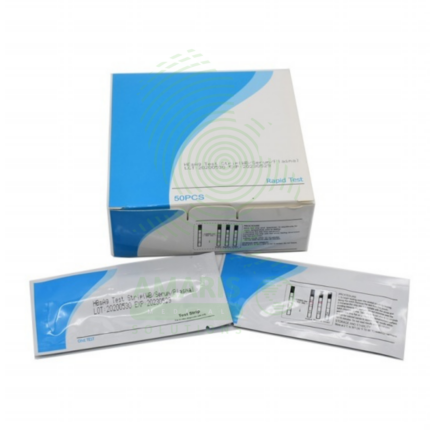
Rapid Test Kits (HIV, HBV, HCV, Malaria)
Rapid Test Kits for HIV, HBV, HCV, and Malaria are single-use, immunochromatographic devices designed for the quick, preliminary screening of these critical infectious diseases at the point of care. By detecting specific antibodies or antigens in a small blood sample (or oral fluid for some HIV tests), they provide a visual result within 15-30 minutes without the need for laboratory equipment. Their primary role is to expand access to testing in community and resource-limited settings, enabling immediate counseling, triage, and referral for confirmatory testing and treatment. As essential tools in public health, they are characterized by their simplicity, speed, and critical importance in early diagnosis and outbreak response.