Dermatoscope and Magnifiers
 Diagnostic Kits
 Vital Signs Monitors
 Stethoscopes and Accessories
 Otoscopes, Ophthalmoscopes, and Retinoscopes
 Reflex Hammers and Neurological Tools
 Scales and Measuring Devices
 Spirometers and Pulmonary Function Tests
 Electrosurgical Units and Accessories
 Cutting Instruments
 Grasping and Holding Instruments
 Hemostatic Instruments
 Specialized Surgical Sets
 Single-Use Procedure Trays and Packs
 Surgical Drapes, Gowns, and Covers
 Tissue Unifying Instruments
 Radiation Protection
 X-Ray Machines and Accessories
 Ultrasound Systems and Probes
 MRI and CT Scanners
 Radiology Consumables
 Bone Densitometers
 Fluoroscopy Equipment
 Imaging Tables and Positioning Aids
 Microscopes and Accessories
 Centrifuges and Separators
 Analyzers
 Incubators and Ovens
 Pipettes, Dispensers, and Lab Glassware
 Refrigerators, Freezers, and Storage Units
 Lab Consumables
 Sterilizers and Autoclaves for Lab Use
 Multi-Parameter Monitors
 Ventilators and Respiratory Support Devices
 Defibrillators and AEDs
 Infusion Pumps and IV Systems
 Patient Warmers and Cooling Devices
 Central Monitoring Stations
 Accessories
 Anesthesia Machines and Workstations
 Oxygen Concentrators and Delivery Systems
 Nebulizers and Inhalers
 CPAP/BiPAP Machines
 Airway Management
 Anesthesia Masks, Circuits, and Bags
 Humidifiers and Heaters
 Respiratory Therapy Accessories
 First Aid Kits and Cabinets
 Emergency Resuscitation Equipment
 Trauma Supplies
 Emergency Carts and Crash Carts
 Burn Care Products
 Bleeding Control
 Automated External Defibrillators (AEDs)
 Transport and Evacuation
 Wheelchairs and Accessories
 Walkers, Crutches, and Canes
 Prosthetics and Orthotics
 Physical Therapy Equipment
 Transfer Devices
 Bathroom Safety
 Orthopedic Traction and Tables
 Hot/Cold Therapy Packs and Units
 Beds and Mattresses
 Chairs and Stools
 Tables
 Cabinets and Storage
 Privacy Screens & Curtains
 Stands and Racks
 Linens and Textiles
 Lighting
 Autoclaves and Sterilizers
 Ultrasonic Cleaners
 Disinfectant Solutions and Wipes
 Sterilization Pouches, Wraps, and Indicators
 Instrument Trays and Containers
 UV and Ozone Disinfection Devices
 Washer Disinfectors
 Wound Care
 Gloves
 Masks and Respirators
 Catheters and Tubing
 Swabs, Applicators, and Sponges
 Incontinence Products
 Personal Protective Equipment (PPE)
 Dental Chairs and Units
 Handpieces and Burs
 Instruments
 Consumables
 Sterilization for Dental Use
 Orthodontic Supplies
 Endodontic Tools
 Slit Lamps and Tonometers
 Lensometers and Phoropters
 Ophthalmic Surgical Instruments
 Eyewear Frames and Lenses
 Contact Lens Supplies
 Vision Testing Charts and Devices
 Eye Care Consumables
 Laser Systems for Eye Care
 ENT Exam Chairs and Tables
 Endoscopes
 Audiometers and Hearing Tests
 ENT Instruments
 Nasal and Throat Packs
 Hearing Aids and Accessories
 Otology Supplies
 Fetal Dopplers and Monitors
 Delivery Beds and Tables
 Gynecological Instruments
 Neonatal Incubators and Warmers
 Breast Pumps and Accessories
 Contraceptive Devices
 Maternity Supports and Pads
 Neonatal Consumables
 Cystoscopes and Urethroscopes
 Dialysis Machines and Supplies
 Urological Catheters and Bags
 Lithotripters
 Prostate Treatment Devices
 Urinary Incontinence Products
 Kidney Stone Management Tools
 Consumables & Disposables
 EEG and EMG Machines
 Neurosurgical Instruments
 Nerve Stimulators
 Headrests and Positioning Aids
 Lumbar Puncture Kits
 Seizure Monitoring Devices
 Consumables
 Rehabilitation for Neurological Conditions
 ECG Machines and Accessories
 Holter Monitors
 Stress Test Systems
 Pacemakers and Defibrillator Accessories
 Vascular Access Devices
 Cardiac Catheters and Guidewires
 Blood Flow Meters
 Consumables
 Orthopedic Instruments
 Casts, Splints, and Padding
 Joint Replacement Supplies
 Prosthetic Limbs and Components
 Bone Grafts and Substitutes
 Traction Devices
 Orthopedic Braces and Supports
 Rehabilitation Aids for Orthopedics
 Home Oxygen Therapy
 Hospital Beds for Home Use
 Mobility Aids
 Bathroom and Daily Living Aids
 Wound Care for Home
 Monitoring Devices
 Enteral Feeding Pumps and Tubes
 Hand Sanitizers and Dispensers
 Face Shields and Goggles
 Isolation Gowns and Suits
 Biohazard Waste Containers
 Air Purifiers and HEPA Filters
 Surface Disinfectants
 Sharps Containers
 Protective Barriers
 Cardiovascular & Endurance Training
 Strength Training & Weightlifting
 Functional Training & Core Conditioning
 Physical Therapy & Rehabilitation
 Sports & Outdoor Recreation
 Gym Flooring & Facility Equipment
 Fitness Monitoring & Accessories
 Kids & Novelties
ESR Tubes Glass
$1.00
WhatsApp Order
ESR Tubes Glass are specialized glass tubes (300 mm length, 2.55 mm bore diameter, graduated 0-200 mm in 1 mm intervals) meeting ICSH and CLSI Westergren specifications for measuring erythrocyte sedimentation rate, a non-specific marker of inflammation. Used with citrated or diluted EDTA blood, filled to exactly 200 mm, placed vertically in Westergren stand, and read at 60 minutes. Primary clinical applications include determination of ESR for diagnosing and monitoring inflammatory conditions (infections, autoimmune disorders, malignancies), monitoring disease activity in rheumatoid arthritis, assessment of temporal arteritis and polymyalgia rheumatica, evaluation of infection and inflammatory response, screening for occult inflammatory conditions, and monitoring chronic inflammatory diseases (SLE, IBD, vasculitis). Critical safety precautions include handling glass tubes carefully to avoid breakage (sharps hazard), proper disposal in sharps containers as biohazardous waste, ensuring vertical alignment and constant temperature (18-25°C), reading at exactly 60 minutes, and avoiding air bubbles and vibration. Essential consumable for reference Westergren ESR testing in clinical laboratories.
Description
ESR Tubes Glass
PRIMARY CLINICAL & DIAGNOSTIC USES
1. Erythrocyte Sedimentation Rate (ESR) Determination:
-
Primary Use: Glass ESR tubes are specifically designed for measuring the rate at which erythrocytes sediment in a given time period (typically 1 hour), providing a non-specific marker of inflammation used in diagnosing and monitoring conditions such as infections, autoimmune disorders, and malignancies.
-
How it helps: Provides doctors with a simple, time-tested window into the body’s inflammatory state, revealing the presence of hidden inflammation that may be causing everything from joint pain to unexplained fever.
2. Westergren Method ESR Testing:
-
Primary Use: Standard glass tubes meeting Westergren specifications (length 300 mm, graduated in mm) are used in the reference Westergren method for ESR determination, which remains the gold standard for laboratory measurement of ESR.
-
How it helps: Ensures consistent, reliable results across laboratories worldwide by adhering to the internationally recognized reference method, giving doctors confidence that ESR results are accurate and comparable no matter where the test is performed.
3. Monitoring Disease Activity in Rheumatoid Arthritis:
-
Primary Use: Serial ESR measurements using standardized glass tubes help monitor disease activity and response to therapy in patients with rheumatoid arthritis and other inflammatory arthritides.
-
How it helps: Gives patients with arthritis and their rheumatologists objective feedback on whether treatments are working, helping guide adjustments that can slow disease progression and reduce pain.
4. Assessment of Temporal Arteritis and Polymyalgia Rheumatica:
-
Primary Use: ESR is a key diagnostic criterion for giant cell arteritis (temporal arteritis) and polymyalgia rheumatica, with markedly elevated ESR values supporting clinical diagnosis.
-
How it helps: Helps diagnose these serious inflammatory conditions quickly, allowing for prompt treatment that can prevent blindness in temporal arteritis and relieve the debilitating pain of polymyalgia rheumatica.
5. Evaluation of Infection and Inflammatory Response:
-
Primary Use: ESR helps differentiate bacterial from viral infections and monitor response to antibiotic therapy, though CRP is more rapidly responsive.
-
How it helps: Provides another piece of the diagnostic puzzle when evaluating patients with suspected infections, helping doctors distinguish between different types of illness and track recovery.
6. Screening for Occult Inflammatory Conditions:
-
Primary Use: ESR is often included in routine laboratory panels to screen for unsuspected inflammatory or malignant conditions in patients with constitutional symptoms (fever, weight loss, fatigue).
-
How it helps: Uncovers hidden causes of vague symptoms that might otherwise be dismissed, leading to earlier diagnosis of serious conditions like hidden infections, autoimmune diseases, or cancers.
7. Monitoring Chronic Inflammatory Diseases:
-
Primary Use: Serial ESR measurements are used to monitor disease activity in conditions such as systemic lupus erythematosus, inflammatory bowel disease, and vasculitis.
-
How it helps: Provides patients with chronic inflammatory conditions and their doctors a reliable way to track disease flares and remissions over time, guiding treatment decisions that maintain quality of life.
SECONDARY & SUPPORTIVE USES
1. Research and Clinical Trials: Used in studies investigating inflammatory markers and treatment efficacy, contributing to scientific understanding of inflammatory diseases and the development of new therapies.
2. Veterinary Medicine: Used for ESR determination in animal health, though reference ranges differ, helping veterinarians diagnose and monitor inflammatory conditions in pets and livestock.
3. Quality Control in Laboratory Testing: Standardized glass tubes ensure consistency in ESR measurement across laboratories, maintaining the reliability of this important diagnostic test.
4. Teaching and Training: Used in medical laboratory science education to teach the Westergren method, training the next generation of laboratory professionals in this essential technique.
5. Epidemiological Studies: Used in population-based studies to assess inflammatory burden, helping researchers understand the prevalence and impact of inflammation-related diseases in different populations.
6. Geriatric Assessment: ESR may be used in evaluation of unexplained constitutional symptoms in elderly patients, helping uncover hidden conditions in a vulnerable population.
7. Preoperative Assessment: Occasionally used to screen for occult infection or inflammation before surgery, helping identify patients who may be at increased risk for surgical complications.
KEY PRODUCT FEATURES
1. BASIC IDENTIFICATION ATTRIBUTES
-
Product Type: Specialized glass tubes for measuring erythrocyte sedimentation rate by the Westergren method.
-
Common Names: ESR Tubes, Westergren Tubes, Sedimentation Rate Tubes, Glass ESR Pipettes, Westergren Pipettes.
-
Specifications (Westergren Standard):
-
Length: 300 mm ± 1.5 mm.
-
Graduations: 0-200 mm scale, marked at 1 mm intervals.
-
Bore Diameter: 2.55 mm ± 0.15 mm.
-
Volume: Approximately 1.0-1.5 mL.
-
-
Graduation Range: 0-200 mm (typical).
-
Zero Mark: At top of tube (0 mm) with 200 mm at bottom.
-
Material: Soda-lime glass or borosilicate glass; optically clear.
-
Markings: Permanent, fused ceramic or etched graduations.
2. TECHNICAL & PERFORMANCE PROPERTIES
-
Westergren Method Compliance: Meets International Council for Standardization in Haematology (ICSH) and CLSI specifications for reference ESR method.
-
Dimensional Accuracy: Length tolerance ±1.5 mm; bore diameter tolerance ±0.15 mm ensures consistent sedimentation characteristics.
-
Graduation Accuracy: ±0.5 mm at any point on scale.
-
Surface Properties: Clean, smooth inner surface prevents turbulence and ensures consistent settling.
-
Compatibility: Designed for use with Westergren sedimentation racks and stands.
-
Sample Type: Citrated blood (4:1 ratio) or EDTA blood diluted with saline (some methods).
-
Sedimentation Time: 60 minutes ± 1 minute standard reading; 30-minute reading used in some settings.
-
Temperature Stability: Readings standardized at 18-25°C; elevated temperatures increase rate.
3. PHYSICAL & OPERATIONAL PROPERTIES
-
Tube Dimensions: 300 mm length × 3-4 mm outer diameter.
-
Graduation Details: Clearly marked black or white ceramic graduations; major marks at 10 mm intervals, minor at 1 mm.
-
Identification Mark: Manufacturers often include logo or lot number on tube.
-
Packaging: Individually wrapped or bulk packed in protective containers to prevent breakage.
-
Shelf Life: Indefinite if stored properly; no expiration.
-
Storage: Store in original packaging at room temperature; protect from breakage and dust.
-
Cleaning: Tubes are single-use; not intended for reuse.
4. SAFETY & COMPLIANCE ATTRIBUTES
-
Regulatory Status: Class I medical device; generally exempt from pre-market notification.
-
Quality Standards: Manufactured to ICSH and CLSI standards for ESR measurement.
-
Biohazard Precautions: Used tubes are contaminated with blood; dispose of biohazardous waste.
-
Breakage Hazard: Glass tubes are fragile and may break, creating sharp fragments.
-
Disposal: Dispose of used tubes in sharps containers as biohazardous waste.
-
Accuracy Certification: Some tubes certified for accuracy traceable to national standards.
-
Latex-Free: All components latex-free.
5. STORAGE & HANDLING ATTRIBUTES
-
Storage: Store in original packaging at room temperature; protect from breakage, dust, and moisture.
-
Inspection: Before use, check for cracks, chips, or damaged graduations; do not use damaged tubes.
-
Filling: Fill to exactly 200 mm mark (0 mark at top) using Westergren pipette or syringe.
-
Setting Up: Place filled tube vertically in Westergren stand; ensure no air bubbles.
-
Reading: Read at exactly 60 minutes (or 30 minutes) at top of clear plasma column, ignoring buffy coat.
-
Disposal: After reading, dispose of the tube in a sharps container; do not reuse.
6. LABORATORY & CLINICAL APPLICATIONS
-
Primary Application: Measurement of erythrocyte sedimentation rate by the Westergren method for assessing inflammatory activity.
-
Proper Technique (Westergren Method):
-
Mix citrated blood (4:1 ratio) or dilute EDTA blood with saline.
-
Draw blood to exactly 200 mm mark (0 at top).
-
Place the tube vertically in Westergren stand at 18-25°C.
-
Allow to stand undisturbed for exactly 60 minutes.
-
Read distance from top of plasma column to top of sedimented red cells.
-
Report results in mm/hour.
-
-
Reference Ranges (Westergren):
-
Men <50 years: 0-15 mm/hour.
-
Men >50 years: 0-20 mm/hour.
-
Women <50 years: 0-20 mm/hour.
-
Women >50 years: 0-30 mm/hour.
-
Children: 0-10 mm/hour.
-
Limitations: Non-specific; affected by age, gender, anemia, polycythemia, and temperature; glass tubes fragile; requires 1 hour for result.
SAFETY HANDLING PRECAUTIONS
1. SAFETY PRECAUTIONS
-
Breakage Hazard: Glass tubes are fragile; handle with care to avoid breakage. If the tube breaks during filling or reading, carefully remove fragments with forceps; dispose in a sharps container.
-
Biohazard: Used tubes are contaminated with blood; dispose in sharps containers; never discard in regular trash.
-
Filling: Use appropriate safety devices (gloves, eye protection) when handling blood.
-
Vertical Alignment: Ensure tube is exactly vertical; angled tube increases sedimentation rate.
-
Temperature Control: Avoid drafts, direct sunlight, and temperature variations; results affected by temperature.
-
Timing: Read at exactly 60 minutes; delayed reading increases result.
-
Air Bubbles: Avoid air bubbles in column; bubbles interfere with sedimentation.
-
Vibration: Place stand on vibration-free surface; vibration increases sedimentation rate.
2. FIRST AID MEASURES
-
Broken Tube with Blood Exposure: If a broken tube causes a cut, wash wound thoroughly with soap and water; report injury; follow institutional bloodborne pathogen exposure protocol.
-
Blood Spill: Contain with absorbent material; disinfect area with 10% bleach solution.
-
Eye Contact with Blood: Flush eyes with copious water for 15 minutes; seek medical attention.
3. FIRE FIGHTING MEASURES
-
Flammability: Glass is non-combustible.
-
Extinguishing Media: Use water, foam, CO₂, or dry chemical as appropriate for surrounding fire.
Related products
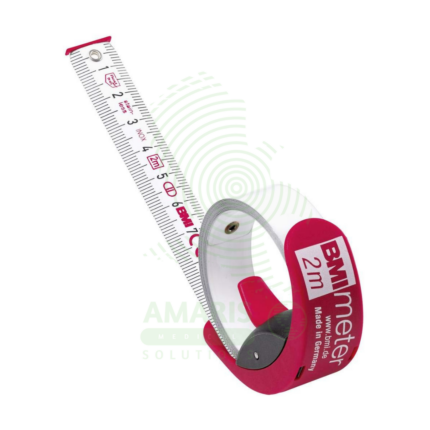
BMI Tape
A BMI Tape is a rapid screening tool that estimates an individual's Body Mass Index (BMI) category by measuring body circumference, most commonly the waist. It features a color-coded scale that directly displays BMI ranges (Underweight, Normal, Overweight, Obese), eliminating the need for separate height and weight measurements and manual calculation. While highly useful for community health screenings, wellness programs, and patient education due to its portability and simplicity, it is an approximate method. Its accuracy is limited compared to BMI calculated from precise clinical measurements, and it should be used as an initial screening indicator rather than a definitive diagnostic tool.
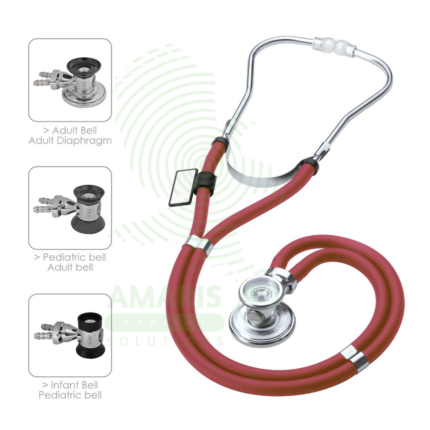
Dual Head Stethoscope
The Dual Head Stethoscope is the classic, essential acoustic diagnostic tool used by healthcare professionals worldwide. Its defining feature is a two-sided chestpiece, combining a diaphragm for high-frequency sounds (breath sounds, normal heart tones) and a bell for low-frequency sounds (heart murmurs, abnormal heart tones). Through mechanical sound conduction, it provides critical information for assessing cardiac, pulmonary, and vascular systems during physical examinations and manual blood pressure measurement. Its effectiveness relies on proper technique, a good acoustic seal, and consistent cleaning. As a fundamental symbol of medical practice, it balances functionality, durability, and affordability.
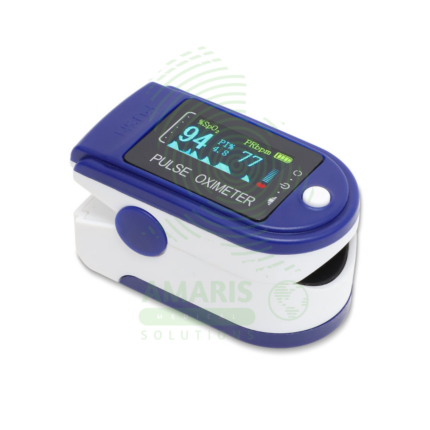
Fingertip Pulse Oximeter
A Fingertip Pulse Oximeter is a compact, non-invasive medical device that clips onto a finger to measure peripheral arterial oxygen saturation (SpO2) and pulse rate in seconds. Utilizing light-based technology, it provides critical, real-time data on respiratory and circulatory status. Its portability and ease of use make it indispensable in hospitals (from ORs to general wards), for patients managing chronic lung conditions at home, and for situational monitoring in sports or high-altitude environments. While an extremely valuable screening tool, readings must be interpreted in context, considering factors like patient movement, perfusion, and clinical symptoms.
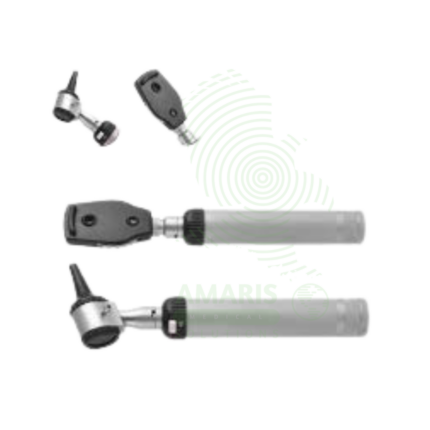
Ophthalmoscope
An Ophthalmoscope is a handheld diagnostic instrument used to examine the interior of the eye, specifically the fundus (retina, optic disc, blood vessels, and macula). By providing illuminated magnification, it serves as a vital screening tool for detecting ocular diseases like glaucoma and retinal disorders, and more importantly, for identifying signs of systemic conditions such as diabetes, hypertension, and increased intracranial pressure. Its operation involves selecting appropriate apertures and compensating lenses to obtain a clear view. While offering a detailed but narrow field of vision, mastery of the direct ophthalmoscope remains a cornerstone skill in general medicine, neurology, and ophthalmology for assessing vascular and neurological health.
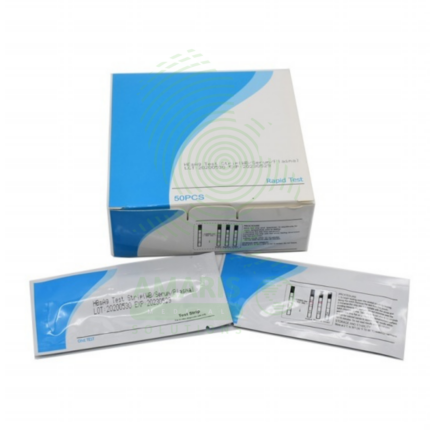
Rapid Test Kits (HIV, HBV, HCV, Malaria)
Rapid Test Kits for HIV, HBV, HCV, and Malaria are single-use, immunochromatographic devices designed for the quick, preliminary screening of these critical infectious diseases at the point of care. By detecting specific antibodies or antigens in a small blood sample (or oral fluid for some HIV tests), they provide a visual result within 15-30 minutes without the need for laboratory equipment. Their primary role is to expand access to testing in community and resource-limited settings, enabling immediate counseling, triage, and referral for confirmatory testing and treatment. As essential tools in public health, they are characterized by their simplicity, speed, and critical importance in early diagnosis and outbreak response.
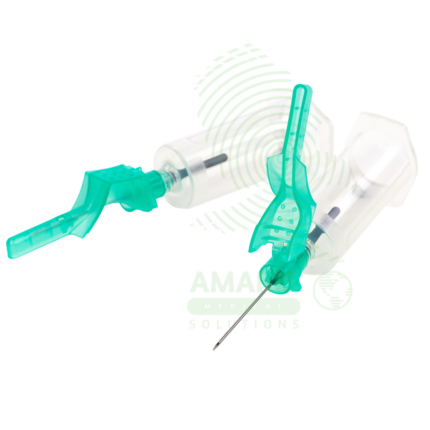
SAFE SERIES Blood Collection Needles
The SAFE SERIES (AM-SAFE) by Beijing Precil (Mindray subsidiary) is a comprehensive line of safety-engineered blood collection devices designed to prevent accidental needlestick injuries in healthcare workers. The series includes venous blood collection needles (AM-SAFE-V), standard safety needles (AM-SAFE1), winged infusion sets/butterfly needles (AM-SAFE2), high-gauge thin-wall needles for fragile veins (AM-SAFE3), premium coated needles for enhanced patient comfort (AM-GOLD), and nurse-friendly one-handed safety variants (AM-NURSE). All devices incorporate integral safety mechanisms that shield the contaminated needle immediately after withdrawal, complying with OSHA Needlestick Safety and Prevention Act requirements. Available in various gauges (18G-25G) and configurations for routine venipuncture, difficult vein access, pediatric/geriatric patients, and frequent blood draws. Sterile, single-use, latex-free, and color-coded for easy gauge identification. Essential safety devices for blood collection in hospitals, clinics, laboratories, and home healthcare settings.
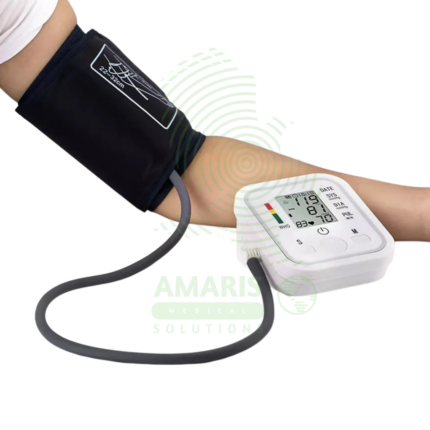
Upper Arm Blood Pressure Monitor
The Upper Arm Blood Pressure Monitor is a clinically validated, automatic digital device designed for accurate and comfortable blood pressure and pulse measurement at home or in professional settings. Known for its user-friendly features like Intellisense inflation technology, a large clear display, and comprehensive functions including irregular heartbeat detection, multi-user memory, and a WHO-based hypertension indicator, it provides reliable data for effective hypertension management. Its robust construction, adherence to international safety standards (CE, FDA), and focus on patient comfort make it a trusted choice for individuals and healthcare providers seeking a dependable tool for cardiovascular health monitoring.