Dermatoscope and Magnifiers
 Diagnostic Kits
 Vital Signs Monitors
 Stethoscopes and Accessories
 Otoscopes, Ophthalmoscopes, and Retinoscopes
 Reflex Hammers and Neurological Tools
 Scales and Measuring Devices
 Spirometers and Pulmonary Function Tests
 Electrosurgical Units and Accessories
 Cutting Instruments
 Grasping and Holding Instruments
 Hemostatic Instruments
 Specialized Surgical Sets
 Single-Use Procedure Trays and Packs
 Surgical Drapes, Gowns, and Covers
 Tissue Unifying Instruments
 Radiation Protection
 X-Ray Machines and Accessories
 Ultrasound Systems and Probes
 MRI and CT Scanners
 Radiology Consumables
 Bone Densitometers
 Fluoroscopy Equipment
 Imaging Tables and Positioning Aids
 Microscopes and Accessories
 Centrifuges and Separators
 Analyzers
 Incubators and Ovens
 Pipettes, Dispensers, and Lab Glassware
 Refrigerators, Freezers, and Storage Units
 Lab Consumables
 Sterilizers and Autoclaves for Lab Use
 Multi-Parameter Monitors
 Ventilators and Respiratory Support Devices
 Defibrillators and AEDs
 Infusion Pumps and IV Systems
 Patient Warmers and Cooling Devices
 Central Monitoring Stations
 Accessories
 Anesthesia Machines and Workstations
 Oxygen Concentrators and Delivery Systems
 Nebulizers and Inhalers
 CPAP/BiPAP Machines
 Airway Management
 Anesthesia Masks, Circuits, and Bags
 Humidifiers and Heaters
 Respiratory Therapy Accessories
 First Aid Kits and Cabinets
 Emergency Resuscitation Equipment
 Trauma Supplies
 Emergency Carts and Crash Carts
 Burn Care Products
 Bleeding Control
 Automated External Defibrillators (AEDs)
 Transport and Evacuation
 Wheelchairs and Accessories
 Walkers, Crutches, and Canes
 Prosthetics and Orthotics
 Physical Therapy Equipment
 Transfer Devices
 Bathroom Safety
 Orthopedic Traction and Tables
 Hot/Cold Therapy Packs and Units
 Beds and Mattresses
 Chairs and Stools
 Tables
 Cabinets and Storage
 Privacy Screens & Curtains
 Stands and Racks
 Linens and Textiles
 Lighting
 Autoclaves and Sterilizers
 Ultrasonic Cleaners
 Disinfectant Solutions and Wipes
 Sterilization Pouches, Wraps, and Indicators
 Instrument Trays and Containers
 UV and Ozone Disinfection Devices
 Washer Disinfectors
 Wound Care
 Gloves
 Masks and Respirators
 Catheters and Tubing
 Swabs, Applicators, and Sponges
 Incontinence Products
 Personal Protective Equipment (PPE)
 Dental Chairs and Units
 Handpieces and Burs
 Instruments
 Consumables
 Sterilization for Dental Use
 Orthodontic Supplies
 Endodontic Tools
 Slit Lamps and Tonometers
 Lensometers and Phoropters
 Ophthalmic Surgical Instruments
 Eyewear Frames and Lenses
 Contact Lens Supplies
 Vision Testing Charts and Devices
 Eye Care Consumables
 Laser Systems for Eye Care
 ENT Exam Chairs and Tables
 Endoscopes
 Audiometers and Hearing Tests
 ENT Instruments
 Nasal and Throat Packs
 Hearing Aids and Accessories
 Otology Supplies
 Fetal Dopplers and Monitors
 Delivery Beds and Tables
 Gynecological Instruments
 Neonatal Incubators and Warmers
 Breast Pumps and Accessories
 Contraceptive Devices
 Maternity Supports and Pads
 Neonatal Consumables
 Cystoscopes and Urethroscopes
 Dialysis Machines and Supplies
 Urological Catheters and Bags
 Lithotripters
 Prostate Treatment Devices
 Urinary Incontinence Products
 Kidney Stone Management Tools
 Consumables & Disposables
 EEG and EMG Machines
 Neurosurgical Instruments
 Nerve Stimulators
 Headrests and Positioning Aids
 Lumbar Puncture Kits
 Seizure Monitoring Devices
 Consumables
 Rehabilitation for Neurological Conditions
 ECG Machines and Accessories
 Holter Monitors
 Stress Test Systems
 Pacemakers and Defibrillator Accessories
 Vascular Access Devices
 Cardiac Catheters and Guidewires
 Blood Flow Meters
 Consumables
 Orthopedic Instruments
 Casts, Splints, and Padding
 Joint Replacement Supplies
 Prosthetic Limbs and Components
 Bone Grafts and Substitutes
 Traction Devices
 Orthopedic Braces and Supports
 Rehabilitation Aids for Orthopedics
 Home Oxygen Therapy
 Hospital Beds for Home Use
 Mobility Aids
 Bathroom and Daily Living Aids
 Wound Care for Home
 Monitoring Devices
 Enteral Feeding Pumps and Tubes
 Hand Sanitizers and Dispensers
 Face Shields and Goggles
 Isolation Gowns and Suits
 Biohazard Waste Containers
 Air Purifiers and HEPA Filters
 Surface Disinfectants
 Sharps Containers
 Protective Barriers
 Cardiovascular & Endurance Training
 Strength Training & Weightlifting
 Functional Training & Core Conditioning
 Physical Therapy & Rehabilitation
 Sports & Outdoor Recreation
 Gym Flooring & Facility Equipment
 Fitness Monitoring & Accessories
 Kids & Novelties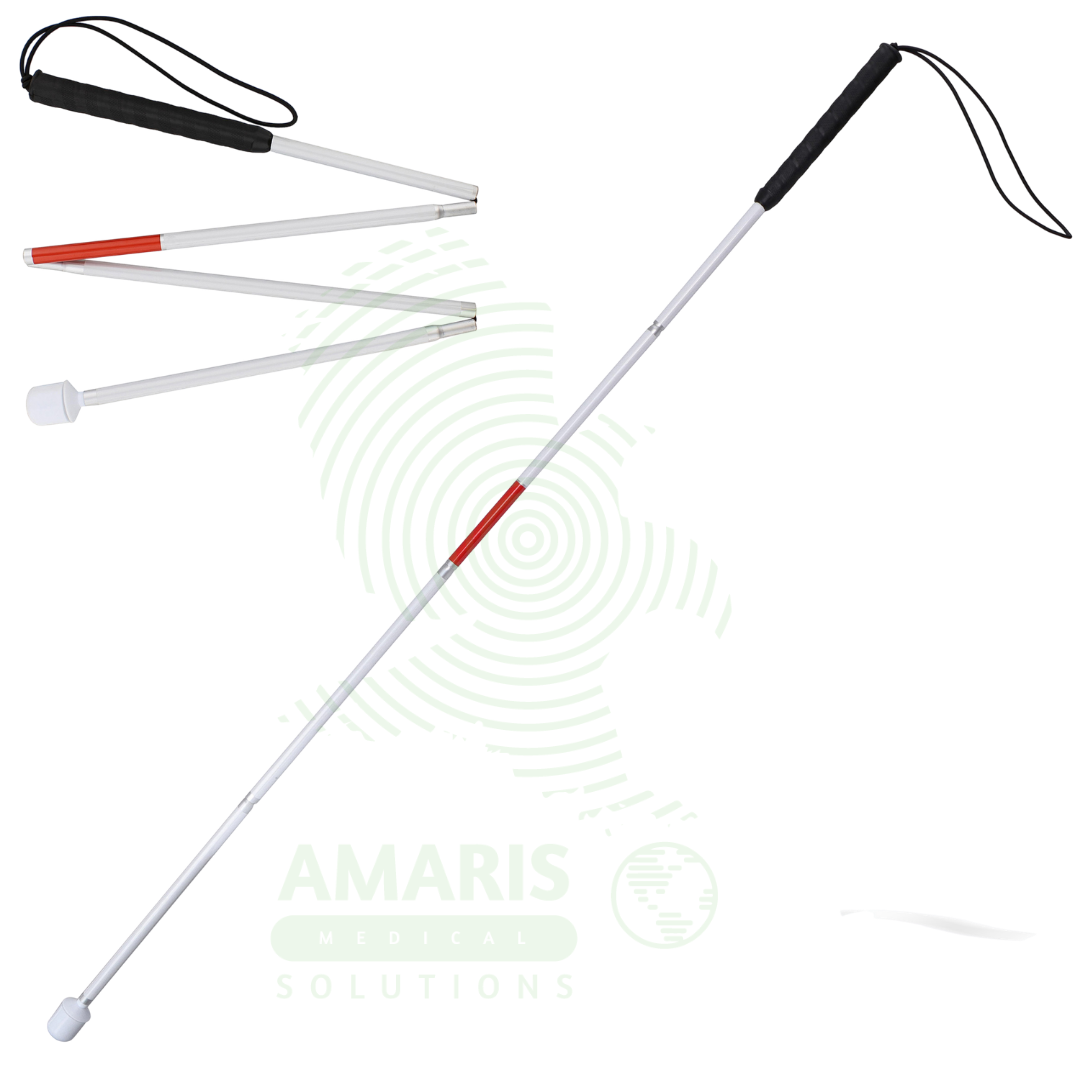
Blind Cane
$1.00
WhatsApp Order
A Blind Cane (white cane) is a specialized, lightweight mobility tool used by individuals who are blind or visually impaired for navigation and environmental awareness. Its core function is tactile and auditory detection of obstacles, drop-offs, and surface changes one step ahead of the user. Key features include a white shaft for visibility, an ergonomic grip, and a replaceable, specialized tip. It is not a walking stick for balance but a sensory probe. Its effective and safe use requires mandatory training in specific techniques from a certified Orientation and Mobility (O&M) specialist.
Description
Blind Cane
PRIMARY CLINICAL & DIAGNOSTIC USES
1. Obstacle Detection and Environmental Navigation for the Visually Impaired
-
Primary Use: Serves as a sensory extension of the user’s hand, swept in an arc to tactically probe the ground and immediate space ahead to detect obstacles, drop-offs, changes in surface texture, and other hazards, allowing for safe, independent travel.
-
How it helps: For the orientation and mobility specialist training a visually impaired individual, the cane transforms from a simple tool into an extension of the user’s sensory system—transmitting information about the environment through vibrations and sound directly to the hand that holds it. For the person who is blind or visually impaired, the cane is the tool that makes independent travel possible, warning of curbs before they step off, detecting obstacles before they collide, and revealing the path ahead that their eyes cannot see.
2. Identification of Surface Textures and Environmental Cues
-
Primary Use: Used to interpret the environment through touch and sound, helping users locate shorelines, detect changes in flooring, find doorways, and identify specific landmarks like mailbox posts or tactile paving.
-
How it helps: For the mobility instructor teaching environmental interpretation, the cane becomes a tool for “reading” the world—the change from grass to sidewalk tells the user they’ve reached the street, the sound of a different tip material indicates they’ve entered a building, the feel of tactile paving warns of a upcoming transit platform edge. For the visually impaired traveler, these cues create a mental map of their environment, providing the information needed to navigate complex spaces with confidence.
3. Body Protector and Communicator of Visual Impairment
-
Primary Use: Held in a diagonal position across the body, it acts as a physical buffer preventing collisions with objects at waist and chest height, while its white color and distinctive use signal to the public that the user is blind or visually impaired.
-
How it helps: For the user navigating crowded spaces, the cane held diagonally creates a protective buffer zone—detecting obstacles before the user’s body encounters them, and signaling to others that the person approaching may not see them. For the sighted public, the white cane is an instantly recognized symbol that communicates the user’s visual impairment, prompting caution, awareness, and occasionally offers of assistance that respect the user’s autonomy.
4. Traversal of Stairs and Uneven Terrain
-
Primary Use: Essential for safely navigating stairs by locating the first and last steps, determining step height and depth, and providing physical support and stability during ascent and descent.
-
How it helps: For the user approaching a flight of stairs, the cane becomes a probing tool that reveals what the eyes cannot—finding the edge of the first step, determining whether stairs go up or down, and providing tactile information about step depth and condition. For the visually impaired person facing stairs, the cane transforms a potentially hazardous obstacle into a navigable challenge, providing the information needed to ascend or descend safely and independently.
SECONDARY & SUPPORTIVE USES
1. Auditory Environmental Sensing: The sound of the cane tip tapping different surfaces provides auditory feedback about the user’s location and surface type—the sharp tap of concrete, the muffled sound of grass, the echo of a tunnel or covered walkway. For the user, this auditory information supplements tactile feedback, building a richer picture of their environment.
2. Balance Aid: While not its primary design purpose, the cane can provide a light, secondary point of balance and stability, especially on uneven ground or when stopping. For the user pausing at a street corner or navigating rough terrain, the cane’s contact with the ground provides an additional point of stability.
3. Location Finding and Wayfinding: Used in conjunction with orientation and mobility training to follow shorelines, maintain straight lines of travel, and locate specific destinations. For the user learning a new route, the cane helps them stay on path by following a grass edge, building line, or other shoreline feature.
4. Probing for Specific Objects: Can be used to locate and identify objects like chairs, tables, or specific items on the ground. For the user entering an unfamiliar room, the cane helps locate a seat; for the person who has dropped an item, it helps find it without depending on sighted assistance.
KEY PRODUCT FEATURES
1. BASIC IDENTIFICATION ATTRIBUTES
-
Product Type: A long, lightweight mobility tool specifically designed for navigation by individuals who are blind or have low vision. Also known as a white cane, identification cane, or long cane.
-
Core Design: A slender, straight shaft that is long enough to reach the ground one step ahead of the user when held upright. It is almost always white or white with red segments for high visibility.
-
Key Components:
-
Shaft: Made of lightweight materials like aluminum, fiberglass, or carbon fiber. Can be rigid, folding, or telescopic.
-
Tip: A specialized, replaceable tip designed for optimal slide and tap feedback. Common types include pencil tip (for smooth surfaces), marshmallow/roller ball tip (for rough surfaces), and ceramic glide tips.
-
Grip/Handle: An ergonomic, often contoured handle for comfortable grip during constant use. May be made of rubber or plastic.
-
Elastic Cord (in folding models): Runs through segments to keep a folding cane connected when collapsed.
-
Reflective Tape: Often present for increased visibility at night.
-
2. TECHNICAL & PERFORMANCE PROPERTIES
-
Length: Critically determined by user height and technique. Proper length is from the user's sternum to the ground.
-
Weight: Extremely lightweight (often 6-12 ounces / 170-340 grams) to reduce fatigue during all-day use.
-
Durability: Designed to withstand constant tapping and sliding on various surfaces but is not a weight-bearing device.
-
Collapsibility: Folding (4-6 segments) or telescopic canes collapse to a compact size for storage and transport.
3. PHYSICAL & OPERATIONAL PROPERTIES
-
Construction: High-tech composite materials for strength and low weight.
-
Visibility: Mandatory white color per international convention for identification of blindness.
-
Customization: Canes can be customized with grip types, tip types, and shaft materials based on user preference and environment.
4. SAFETY & COMPLIANCE ATTRIBUTES
-
Regulatory Status: Considered an assistive technology device.
-
Symbolic Significance: The white color is legally recognized in many countries as identifying a blind person, granting them specific rights of way and protections.
5. STORAGE & HANDLING ATTRIBUTES
-
Storage: Collapsible models fold into a small pouch or bag. Rigid canes can be leaned against a wall.
-
Cleaning: Wipe the shaft clean. Tips wear out and must be replaced regularly (every few months with daily use).
-
Maintenance: Check the tip for excessive wear or cracks. Ensure folding mechanisms lock securely. Replace worn tips immediately.
6. LABORATORY & CLINICAL APPLICATIONS
-
Primary Application: The fundamental tool of Orientation and Mobility (O&M) training, a specialized discipline taught by certified O&M specialists. The cane is not merely issued but its use is meticulously trained to develop specific techniques (touch technique, diagonal technique) for safe and efficient travel.
SAFETY HANDLING PRECAUTIONS
1. SAFETY PRECAUTIONS
-
Proper Training is Non-Negotiable: Use of a blind cane must be taught by a certified Orientation and Mobility (O&M) specialist. Incorrect technique is dangerous and ineffective.
-
Correct Length: Using a cane that is too short or too long compromises safety and technique.
-
Regular Tip Inspection: A worn or missing tip provides poor feedback, slips easily, and damages the cane shaft.
-
Environmental Awareness: Users must be trained to interpret cane feedback and never rely solely on the cane in extremely hazardous or unfamiliar environments without additional assistance.
-
Not a Weight-Bearing Device: The cane is for detection and light touch, not for supporting body weight. Leaning on it can cause it to slip or break.
2. FIRST AID MEASURES
-
Fall Due to Missed Obstacle or Slippery Surface: Assist the user if needed. Check if the fall was related to cane technique, a worn tip, or an unexpected environmental hazard.
-
Cane Breakage: If the cane breaks during use, it must be replaced immediately. The user should not travel without a functional cane.
3. FIRE FIGHTING MEASURES
-
Flammability: Composite materials and plastic grips are combustible.
-
Extinguishing Media: Use water, foam, or CO₂.
Related products
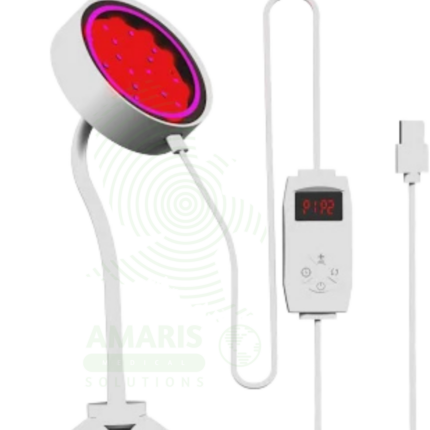
Desktop Infrared Therapy Lamp
A Desktop Infrared Therapy Lamp is a compact, focused heat therapy device that emits infrared radiation to deliver deep, penetrating warmth to targeted areas of the body. Used primarily for pain relief, muscle relaxation, and promoting healing in soft tissue and joint conditions, it is a common tool in physical therapy, chiropractic, and wellness practices. Its adjustable design allows precise positioning over areas like the neck, shoulder, or knee. Treatment involves non-invasive, radiant heat that increases local circulation. Critical safety practices include adhering to treatment time and distance guidelines, avoiding use over contraindicated areas, and never looking directly at the bulb.
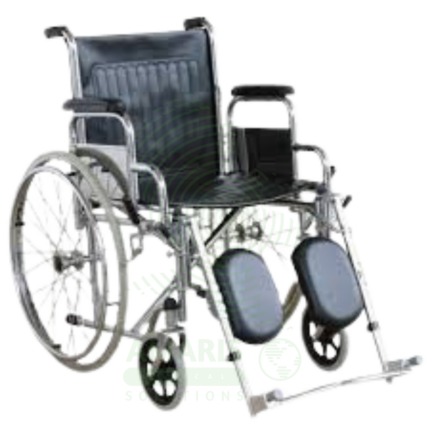
Detachable Wheelchair
A Detachable Wheelchair is a manual wheelchair designed for easy disassembly and transport. Its key feature is a folding X-frame and quick-release wheels, allowing it to break down into compact parts for storage in car trunks or small spaces. While offering superior portability and convenience for travel and occasional use, it is generally less efficient for long-distance self-propulsion than a rigid-frame wheelchair. Safety depends on ensuring all components, especially wheels and frame locks, are securely assembled before each use.
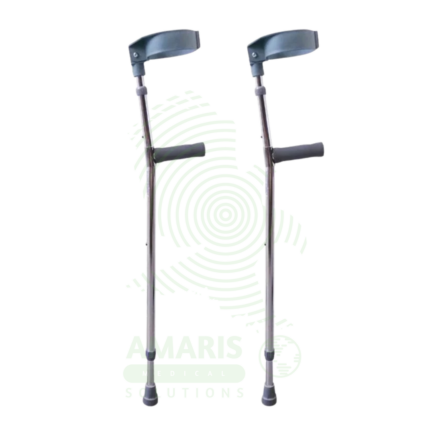
Elbow & Axiliary Crutches
An Elbow & Axiliary Crutches feature a forearm cuff and are designed for long-term mobility, offering a natural gait for unilateral or bilateral conditions. Auxiliary (Underarm) Crutches have an axillary pad and are for short-term, non-weight-bearing use after injury or surgery. Both require precise fitting—forearm crutch cuffs must be below the elbow, and underarm crutch weight must be borne through the hands to avoid nerve damage. Proper gait training from a therapist is essential for safe use of either type.
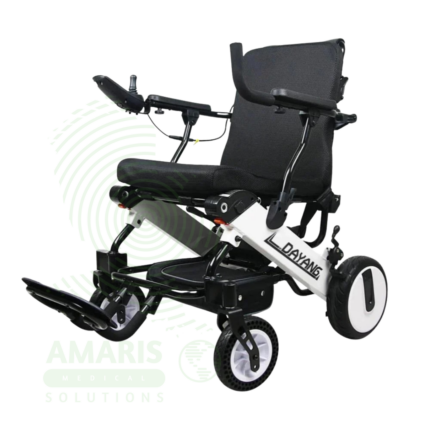
Electric Wheelchair
An Electric Wheelchair is a battery-powered mobility device prescribed for individuals with significant mobility impairments who cannot self-propel a manual chair. It provides independent indoor and outdoor mobility through a joystick or alternative control system. Key features often include power seating functions (tilt, recline) for pressure relief and postural support, and are available in various drive configurations (rear, mid, front-wheel) for different environments. As complex rehabilitation technology, it requires professional evaluation, user training, and regular maintenance to ensure safe operation, enhance independence, and improve the user's quality of life.
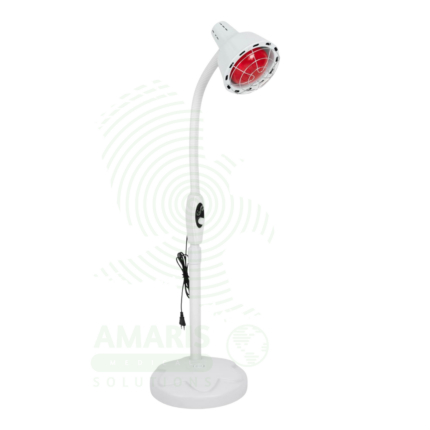
Infrared Therapy Lamp Stand
An Infrared Therapy Lamp Stand is a professional-grade, floor-standing device that emits broad-spectrum infrared radiation to deliver deep-heat therapy to large areas of the body. Designed for clinical use in physical therapy, chiropractic, and pain management clinics, it features adjustable height and tilt panels on a stable, mobile stand for targeted treatment of the back, shoulders, and legs. Its primary uses include pain relief for musculoskeletal conditions, tissue warming for rehabilitation, and promoting muscle relaxation. Safe operation requires strict adherence to contraindications, treatment time/distance guidelines, and continuous patient monitoring to prevent burns or overheating.
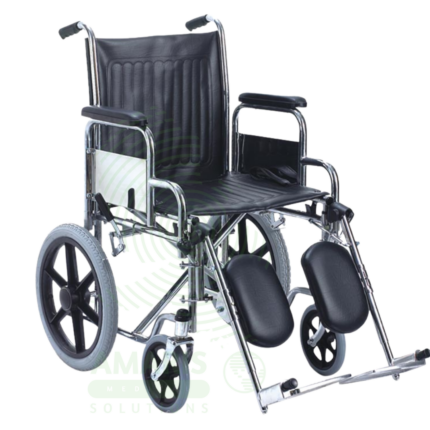
Orthopedic Commode Wheelchair With Flipping Armrest
The Orthopedic Commode Wheelchair with Flipping Armrest is a specialized hybrid device designed for patients with lower limb injuries or surgeries requiring non-weight-bearing status. It combines an extended-frame orthopedic wheelchair with an elevating leg rest, a commode seat opening, and a flipping armrest for lateral transfers. This allows for simultaneous fracture management (leg elevation/immobilization), pressure sore prevention (heel off-loading), and safe, hygienic toileting without dangerous transfers. Its use mandates the constant engagement of anti-tip levers due to a high risk of backwards tipping and requires careful navigation of its substantial length.
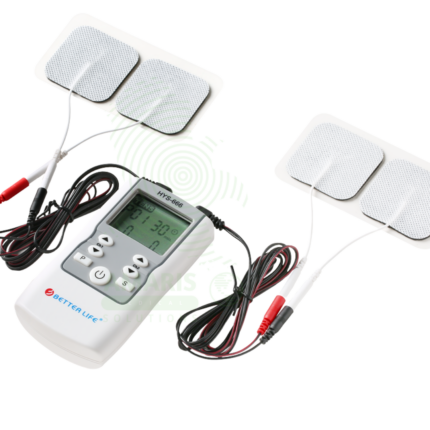
TENS Machine
A TENS Machine is an electronic device used for non-invasive pain management, capable of independently controlling up to four pairs of electrodes (eight total) to treat multiple or complex pain areas simultaneously. By delivering adjustable, low-voltage electrical pulses through the skin, it modulates pain signals via the Gate Control mechanism and may stimulate the body's natural painkillers. Its key adjustable parameters—pulse rate, width, and amplitude—allow for personalized therapy for conditions ranging from arthritis to post-surgical pain. Safe operation requires strict adherence to electrode placement guidelines and contraindications, making it a versatile tool for clinical and prescribed home use.