Dermatoscope and Magnifiers
 Diagnostic Kits
 Vital Signs Monitors
 Stethoscopes and Accessories
 Otoscopes, Ophthalmoscopes, and Retinoscopes
 Reflex Hammers and Neurological Tools
 Scales and Measuring Devices
 Spirometers and Pulmonary Function Tests
 Electrosurgical Units and Accessories
 Cutting Instruments
 Grasping and Holding Instruments
 Hemostatic Instruments
 Specialized Surgical Sets
 Single-Use Procedure Trays and Packs
 Surgical Drapes, Gowns, and Covers
 Tissue Unifying Instruments
 Radiation Protection
 X-Ray Machines and Accessories
 Ultrasound Systems and Probes
 MRI and CT Scanners
 Radiology Consumables
 Bone Densitometers
 Fluoroscopy Equipment
 Imaging Tables and Positioning Aids
 Microscopes and Accessories
 Centrifuges and Separators
 Analyzers
 Incubators and Ovens
 Pipettes, Dispensers, and Lab Glassware
 Refrigerators, Freezers, and Storage Units
 Lab Consumables
 Sterilizers and Autoclaves for Lab Use
 Multi-Parameter Monitors
 Ventilators and Respiratory Support Devices
 Defibrillators and AEDs
 Infusion Pumps and IV Systems
 Patient Warmers and Cooling Devices
 Central Monitoring Stations
 Accessories
 Anesthesia Machines and Workstations
 Oxygen Concentrators and Delivery Systems
 Nebulizers and Inhalers
 CPAP/BiPAP Machines
 Airway Management
 Anesthesia Masks, Circuits, and Bags
 Humidifiers and Heaters
 Respiratory Therapy Accessories
 First Aid Kits and Cabinets
 Emergency Resuscitation Equipment
 Trauma Supplies
 Emergency Carts and Crash Carts
 Burn Care Products
 Bleeding Control
 Automated External Defibrillators (AEDs)
 Transport and Evacuation
 Wheelchairs and Accessories
 Walkers, Crutches, and Canes
 Prosthetics and Orthotics
 Physical Therapy Equipment
 Transfer Devices
 Bathroom Safety
 Orthopedic Traction and Tables
 Hot/Cold Therapy Packs and Units
 Beds and Mattresses
 Chairs and Stools
 Tables
 Cabinets and Storage
 Privacy Screens & Curtains
 Stands and Racks
 Linens and Textiles
 Lighting
 Autoclaves and Sterilizers
 Ultrasonic Cleaners
 Disinfectant Solutions and Wipes
 Sterilization Pouches, Wraps, and Indicators
 Instrument Trays and Containers
 UV and Ozone Disinfection Devices
 Washer Disinfectors
 Wound Care
 Gloves
 Masks and Respirators
 Catheters and Tubing
 Swabs, Applicators, and Sponges
 Incontinence Products
 Personal Protective Equipment (PPE)
 Dental Chairs and Units
 Handpieces and Burs
 Instruments
 Consumables
 Sterilization for Dental Use
 Orthodontic Supplies
 Endodontic Tools
 Slit Lamps and Tonometers
 Lensometers and Phoropters
 Ophthalmic Surgical Instruments
 Eyewear Frames and Lenses
 Contact Lens Supplies
 Vision Testing Charts and Devices
 Eye Care Consumables
 Laser Systems for Eye Care
 ENT Exam Chairs and Tables
 Endoscopes
 Audiometers and Hearing Tests
 ENT Instruments
 Nasal and Throat Packs
 Hearing Aids and Accessories
 Otology Supplies
 Fetal Dopplers and Monitors
 Delivery Beds and Tables
 Gynecological Instruments
 Neonatal Incubators and Warmers
 Breast Pumps and Accessories
 Contraceptive Devices
 Maternity Supports and Pads
 Neonatal Consumables
 Cystoscopes and Urethroscopes
 Dialysis Machines and Supplies
 Urological Catheters and Bags
 Lithotripters
 Prostate Treatment Devices
 Urinary Incontinence Products
 Kidney Stone Management Tools
 Consumables & Disposables
 EEG and EMG Machines
 Neurosurgical Instruments
 Nerve Stimulators
 Headrests and Positioning Aids
 Lumbar Puncture Kits
 Seizure Monitoring Devices
 Consumables
 Rehabilitation for Neurological Conditions
 ECG Machines and Accessories
 Holter Monitors
 Stress Test Systems
 Pacemakers and Defibrillator Accessories
 Vascular Access Devices
 Cardiac Catheters and Guidewires
 Blood Flow Meters
 Consumables
 Orthopedic Instruments
 Casts, Splints, and Padding
 Joint Replacement Supplies
 Prosthetic Limbs and Components
 Bone Grafts and Substitutes
 Traction Devices
 Orthopedic Braces and Supports
 Rehabilitation Aids for Orthopedics
 Home Oxygen Therapy
 Hospital Beds for Home Use
 Mobility Aids
 Bathroom and Daily Living Aids
 Wound Care for Home
 Monitoring Devices
 Enteral Feeding Pumps and Tubes
 Hand Sanitizers and Dispensers
 Face Shields and Goggles
 Isolation Gowns and Suits
 Biohazard Waste Containers
 Air Purifiers and HEPA Filters
 Surface Disinfectants
 Sharps Containers
 Protective Barriers
 Cardiovascular & Endurance Training
 Strength Training & Weightlifting
 Functional Training & Core Conditioning
 Physical Therapy & Rehabilitation
 Sports & Outdoor Recreation
 Gym Flooring & Facility Equipment
 Fitness Monitoring & Accessories
 Kids & Novelties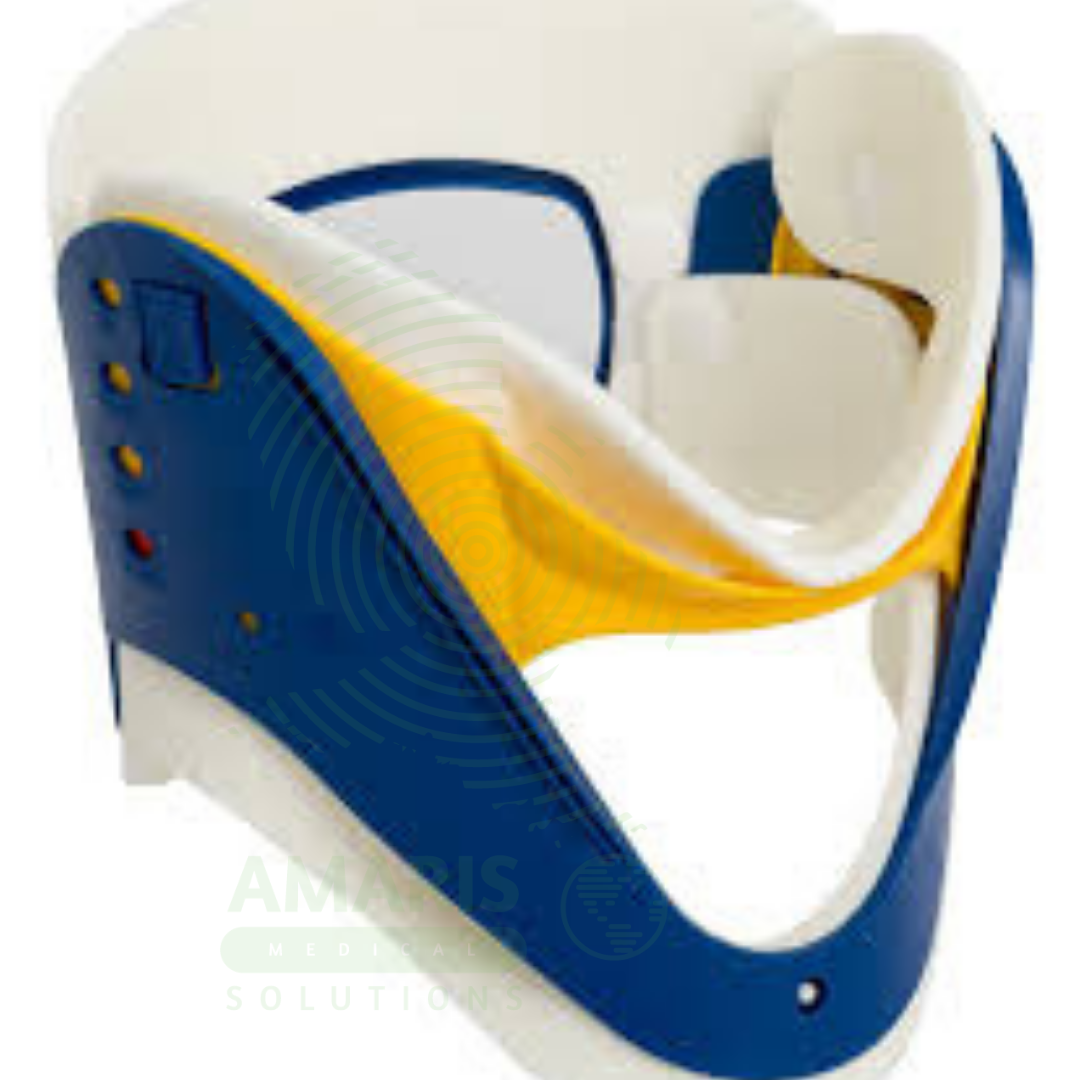

Various Cervical Collars
$1.00
WhatsApp Order
Various Cervical Collars are orthotic devices used to restrict neck movement and support the head. They range from soft foam collars for mild pain and postural reminder to rigid, adjustable collars (e.g., Philadelphia, Aspen) for post-traumatic or post-surgical immobilization. Their primary function is to protect the cervical spine, manage pain, and promote healing. Safety and effectiveness are entirely dependent on correct professional selection, sizing, and fitting, coupled with vigilant skin care to prevent pressure injuries.
Description
Various Cervical Collars
PRIMARY CLINICAL & DIAGNOSTIC USES
1. Immobilization and Stabilization Following Cervical Trauma or Surgery
-
Primary Use: Restricts cervical spine movement to prevent further injury to the spinal cord, nerve roots, or vertebral structures after trauma or following surgical procedures like cervical fusion, critical for healing and preventing neurological damage.
-
How it helps: For the emergency physician, trauma surgeon, and neurosurgeon, the cervical collar is the first line of defense against catastrophic neurological injury—holding the neck stable during extrication, transport, and initial treatment, protecting the spinal cord from the movement that could turn a stable fracture into permanent paralysis. For the patient with a suspected or confirmed cervical injury, the collar provides the reassurance that their neck is protected, that every bump in the ambulance and every movement in the hospital will not worsen their injury.
2. Pain Management for Cervical Musculoskeletal Conditions
-
Primary Use: Provides support, limits painful ranges of motion, and offers a sense of security to reduce muscle spasms and pain associated with acute cervical strain, severe osteoarthritis, cervical radiculopathy, or disc pathologies.
-
How it helps: For the primary care physician, physiatrist, and pain specialist, a cervical collar prescribed for acute flare-ups provides mechanical relief—taking the weight of the head off painful structures, preventing movements that aggravate inflamed nerves, and giving the muscles a chance to stop spasming. For the patient with a severe cervical strain, acute disc herniation, or arthritic flare, the collar offers tangible relief from the constant pain of holding their head upright, allowing healing to begin.
3. Postural Support and Alignment Correction
-
Primary Use: Used to encourage proper cervical alignment and reduce strain on muscles and ligaments in individuals with poor posture, forward head posture, or chronic neck pain, often as part of a broader ergonomic and therapeutic program.
-
How it helps: For the physical therapist and occupational therapist addressing chronic neck pain, a soft cervical collar can serve as a postural reminder—providing gentle feedback when the head drifts forward into poor alignment, supporting the cervical curve, and reducing the chronic strain that leads to tension headaches and muscle pain. For the patient whose desk job has created chronic neck dysfunction, wearing a collar for limited periods retrains their body toward healthier posture.
4. Prophylactic Stabilization During High-Risk Transport or Procedures
-
Primary Use: Applied as a precautionary measure during the emergency extrication and transport of trauma patients with suspected spinal injury, and during certain medical procedures where neck movement must be minimized.
-
How it helps: For the paramedic and emergency medical technician at an accident scene, applying a cervical collar to any patient with a mechanism concerning spinal injury is a fundamental safety measure—protecting the unknown injury until it can be definitively cleared. For the trauma patient who cannot communicate their symptoms, the collar provides protection until they can be evaluated, ensuring that no preventable injury is missed.
SECONDARY & SUPPORTIVE USES
1. Management of Neurological Conditions: Used in some cases of cervical dystonia or to support the head in conditions causing severe neck muscle weakness. For the patient with advanced neuromuscular weakness, a collar provides the head support needed to maintain upright posture, communicate, and interact with their environment.
2. Healing Aid for Soft Tissue Injuries: Provides rest and support to allow healing of ligaments and muscles after minor to moderate whiplash or strain injuries. For the patient recovering from a motor vehicle accident, short-term collar use during the acute inflammatory phase can speed recovery and reduce pain.
3. Adjunct to Traction Therapy: Some collars are used in conjunction with home cervical traction units to maintain alignment during treatment. For the patient managing cervical radiculopathy with home traction, the collar helps maintain the gains achieved during traction sessions.
4. Post-Operative Swelling Management: Can provide gentle compression and support to manage post-surgical edema in the neck area. For the patient after anterior cervical surgery, a soft collar provides comfort and mild compression while protecting the surgical site.
5. Diagnostic Aid: A trial period of wearing a supportive collar can help diagnose if a patient’s pain is mechanical and thus relieved by immobilization, or has another source. For the clinician puzzling over a patient’s neck pain, the response to collar use provides valuable diagnostic information.
KEY PRODUCT FEATURES
1. BASIC IDENTIFICATION ATTRIBUTES
-
Product Type: External orthoses designed to encircle the neck and limit motion of the cervical spine. They vary widely in rigidity and purpose.
-
Core Design: A structure that contacts the mandible (jaw) and occiput (back of skull) or shoulders, transferring loads to the chest and upper back to limit neck movement.
-
Key Types & Components:
-
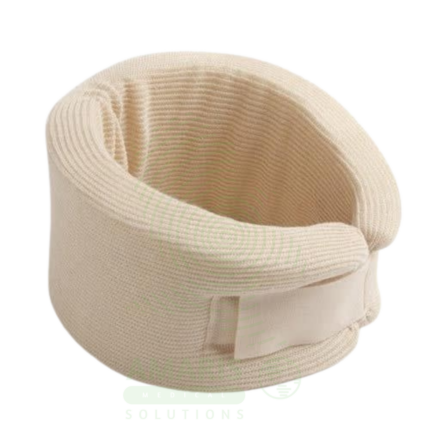
Soft Collar (Foam Collar): Made of soft foam with a fleece cover and Velcro closure. Provides minimal support, warmth, and gentle reminder to limit movement.
-
Philadelphia Collar: Semi-rigid, two-piece design with rigid plastic front and back, connected by Velcro straps. Includes chin and occipital pieces. Provides moderate flexion/extension and rotation control.
-
Aspen/ Miami J / Malibu Collars: Rigid, multi-piece collars with plastic shells, soft removable liners, and adjustable height posts. Offer high levels of immobilization and are adjustable for fit.
-
Sternal-Occipital-Mandibular Immobilizer (SOMI): A rigid brace with chest plate, forehead strap, and mandibular support. Controls flexion very effectively; often used for unstable lower cervical fractures.
-
Halo Vest: The most rigid external fixation. A metal ring screwed into the skull attached to a rigid plastic vest. Provides near-complete immobilization.
-
2. TECHNICAL & PERFORMANCE PROPERTIES
-
Level of Immobilization: Ranges from Minimal (soft collar) to Moderate (Philadelphia) to Maximum (Aspen/Miami J type) to Near-Complete (Halo Vest).
-
Motion Control: Different collars restrict different planes of motion (flexion, extension, lateral bending, rotation) to varying degrees.
-
Adjustability: Rigid collars are高度 adjustable in height and circumference for a custom, secure fit.
-
Material: Foam, polyethylene plastic, thermoplastic, metal.
3. PHYSICAL & OPERATIONAL PROPERTIES
-
Construction: Medical-grade materials designed for skin contact.
-
Fit: Must be professionally sized and fitted. An ill-fitting collar is ineffective and can cause complications (skin breakdown, airway or vascular compression).
-
Cleanability: Rigid collars have removable, washable liners. Soft collars are often hand-washable.
4. SAFETY & COMPLIANCE ATTRIBUTES
-
Regulatory Status: Class I medical device.
-
Biocompatibility: Materials must be non-irritating and hypoallergenic.
5. STORAGE & HANDLING ATTRIBUTES
-
Storage: Keep clean and dry. Store rigid collars assembled or in their case.
-
Cleaning & Disinfection: Clean liners according to manufacturer instructions (often hand wash, air dry). Wipe plastic parts with disinfectant. Never autoclave unless specified.
-
Maintenance: Inspect Velcro, straps, and plastic for wear or cracks. Replace liners when soiled or worn.
6. LABORATORY & CLINICAL APPLICATIONS
-
Primary Application: A fundamental tool in trauma, orthopedic, and neurosurgical settings. Selection is based on the required level of immobilization, the specific injury (C1-C2 vs. lower cervical), patient anatomy, and comfort. Fitting is a clinical skill.
SAFETY HANDLING PRECAUTIONS
1. SAFETY PRECAUTIONS
-
Professional Fitting is Mandatory: Must be sized and applied by trained medical personnel (MD, PA, NP, trained EMT/RN). Incorrect fit can lead to inadequate immobilization, skin ulcers, or airway compromise.
-
Skin Integrity Checks: Inspect skin under the collar at least twice daily for redness, pressure points, or breakdown, especially on the chin, mandible, and occiput.
-
Avoid Chin Pressure: Ensure the collar does not press excessively on the chin, which can cause ulcers or mandible pain.
-
Swelling Monitoring: Be aware that post-injury swelling can change, making a previously well-fitted collar too tight. Reassess fit frequently in acute phases.
-
Wearing Schedule: Use only as prescribed (e.g., continuously vs. only during the day). Prolonged use of rigid collars can lead to muscle atrophy and dependence.
2. FIRST AID MEASURES
-
Respiratory Distress: If a patient reports difficulty breathing or swallowing, reassess collar fit immediately and loosen if necessary. Seek emergency help if distress is severe.
-
Skin Breakdown: If a pressure sore develops, remove the collar if safe to do so per medical instructions. Treat the wound and do not reapply the collar over the sore without a protective dressing and clinical guidance.
3. FIRE FIGHTING MEASURES
-
Flammability: Foam, fabric, and plastic components are combustible.
-
Extinguishing Media: Use water, foam, or CO₂. For a halo vest, the primary concern is the patient's airway; evacuate the patient.
Related products
-33%
Adult Soft Cervical Collar
An Adult Soft Cervical Collar is a lightweight, foam cervical orthosis providing gentle support and comfort for acute cervical strain, whiplash injuries, muscle spasms, and degenerative cervical conditions. The soft foam construction retains body heat to help relax tense muscles while providing proprioceptive feedback for postural awareness. It is adjustable with Velcro closure for customized fit and is available in various sizes. Not indicated for cervical spine trauma, fractures, or instability requiring rigid immobilization. Used in primary care, emergency departments, and physical therapy settings for symptomatic relief of acute and chronic neck conditions.
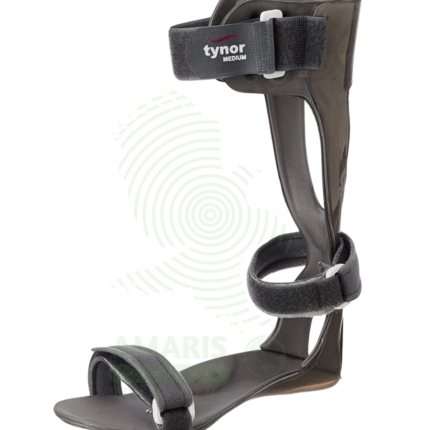
AFO & Drop Foot Splint
An AFO & Drop Foot Splint is a custom-fabricated brace that stabilizes the ankle and foot to correct foot drop and improve walking safety. By maintaining the foot at a 90-degree angle, it prevents toes from dragging during the swing phase of gait, thereby preventing trips and falls. Essential for patients with neurological conditions (stroke, MS, cerebral palsy), peripheral nerve injuries, or post-surgical instability, it is a prescription device meticulously crafted by an orthotist to provide specific levels of support, flexibility, and control. Daily skin checks and proper footwear are imperative for safe and effective long-term use.
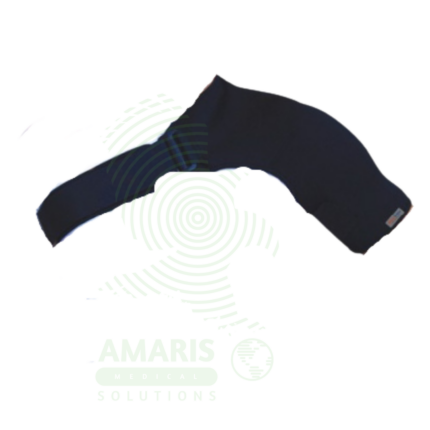
Airprene Shoulder Support
An Airprene Shoulder Support is a neoprene-based shoulder orthosis providing adjustable compression, warmth, and proprioceptive feedback for acute shoulder injuries, rotator cuff tendinopathy, shoulder instability, and post-operative recovery. The perforated neoprene material retains body heat to promote circulation and muscle relaxation while allowing air circulation to reduce moisture buildup. Used in sports medicine, orthopedics, and physical therapy settings, it provides symptomatic relief and functional support during healing and rehabilitation. Proper fit and skin integrity monitoring are essential for safe use.
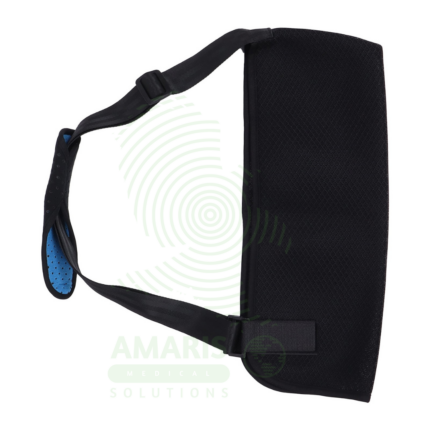
Arm Sling
An Arm Sling is a fundamental supportive device used to elevate, immobilize, and protect the injured upper limb. By cradling the forearm and transferring weight to the neck and opposite shoulder, it provides stability for fractures, dislocations, and post-operative conditions of the shoulder, arm, elbow, or wrist. Proper application is critical: the elbow must be bent at 90 degrees, the hand elevated above the elbow, and the wrist supported to prevent swelling and nerve complications. Available in standard, shoulder immobilizer, and collar-and-cuff designs, it is an essential tool for pain management, healing facilitation, and patient comfort across all clinical settings.
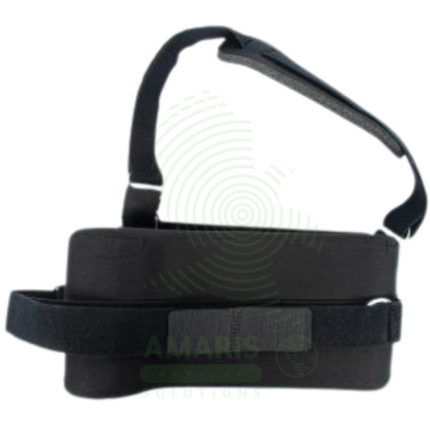
Arm Sling With Swathe
An Arm Sling With Swathe is a two-piece shoulder immobilization system used for complete immobilization following shoulder surgery, shoulder dislocation, proximal humerus fractures, and clavicle fractures. The sling supports the arm while the swathe wraps around the body to secure the arm against the chest, preventing abduction, external rotation, and other movements that could compromise healing. Used in orthopedic surgery, emergency departments, and post-operative care settings, it provides essential protection during the critical healing phase. Proper positioning, skin integrity monitoring, and circulation checks are essential for safe and effective use.
Goniometer
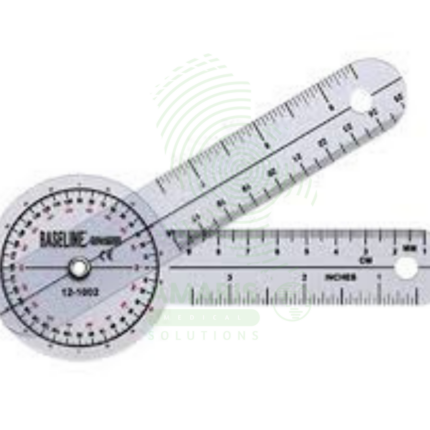
A goniometer is a calibrated, handheld measuring instrument designed to precisely quantify joint range of motion in degrees. Essential for physical and occupational therapy, orthopedic assessment, and rehabilitation medicine, it consists of a protractor-like body with two arms—one stationary, one movable—that align with the patient's limb segments. Available in various sizes for different joints (from fingers to hips) and in materials including transparent plastic, stainless steel, and digital formats, it transforms subjective observations of mobility into objective, reproducible data. This fundamental clinical tool guides diagnosis, documents treatment progress, supports disability determinations, and provides the evidence base for therapeutic interventions.
POP Bandages
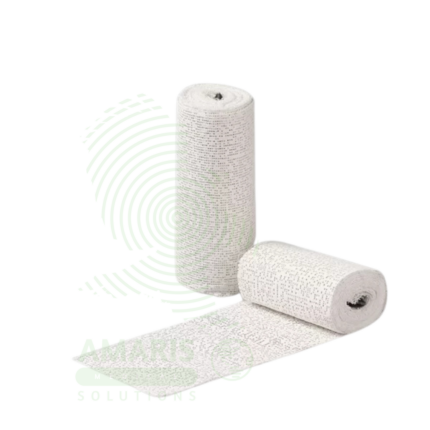
POP Bandages (Plaster of Paris) are gauze rolls impregnated with calcium sulfate hemihydrate, used to fabricate custom, rigid external casts. When activated in water, they undergo a chemical reaction that generates heat and hardens into a solid structure, providing excellent immobilization for fractures, severe sprains, and post-operative protection. Valued for their superior moldability and radiolucency, they remain a fundamental tool in orthopedics. Their application requires skilled technique with strict attention to thermal safety, padding, and post-application monitoring for circulatory compromise. Proper dry storage is essential to maintain shelf life.