Dermatoscope and Magnifiers
 Diagnostic Kits
 Vital Signs Monitors
 Stethoscopes and Accessories
 Otoscopes, Ophthalmoscopes, and Retinoscopes
 Reflex Hammers and Neurological Tools
 Scales and Measuring Devices
 Spirometers and Pulmonary Function Tests
 Electrosurgical Units and Accessories
 Cutting Instruments
 Grasping and Holding Instruments
 Hemostatic Instruments
 Specialized Surgical Sets
 Single-Use Procedure Trays and Packs
 Surgical Drapes, Gowns, and Covers
 Tissue Unifying Instruments
 Radiation Protection
 X-Ray Machines and Accessories
 Ultrasound Systems and Probes
 MRI and CT Scanners
 Radiology Consumables
 Bone Densitometers
 Fluoroscopy Equipment
 Imaging Tables and Positioning Aids
 Microscopes and Accessories
 Centrifuges and Separators
 Analyzers
 Incubators and Ovens
 Pipettes, Dispensers, and Lab Glassware
 Refrigerators, Freezers, and Storage Units
 Lab Consumables
 Sterilizers and Autoclaves for Lab Use
 Multi-Parameter Monitors
 Ventilators and Respiratory Support Devices
 Defibrillators and AEDs
 Infusion Pumps and IV Systems
 Patient Warmers and Cooling Devices
 Central Monitoring Stations
 Accessories
 Anesthesia Machines and Workstations
 Oxygen Concentrators and Delivery Systems
 Nebulizers and Inhalers
 CPAP/BiPAP Machines
 Airway Management
 Anesthesia Masks, Circuits, and Bags
 Humidifiers and Heaters
 Respiratory Therapy Accessories
 First Aid Kits and Cabinets
 Emergency Resuscitation Equipment
 Trauma Supplies
 Emergency Carts and Crash Carts
 Burn Care Products
 Bleeding Control
 Automated External Defibrillators (AEDs)
 Transport and Evacuation
 Wheelchairs and Accessories
 Walkers, Crutches, and Canes
 Prosthetics and Orthotics
 Physical Therapy Equipment
 Transfer Devices
 Bathroom Safety
 Orthopedic Traction and Tables
 Hot/Cold Therapy Packs and Units
 Beds and Mattresses
 Chairs and Stools
 Tables
 Cabinets and Storage
 Privacy Screens & Curtains
 Stands and Racks
 Linens and Textiles
 Lighting
 Autoclaves and Sterilizers
 Ultrasonic Cleaners
 Disinfectant Solutions and Wipes
 Sterilization Pouches, Wraps, and Indicators
 Instrument Trays and Containers
 UV and Ozone Disinfection Devices
 Washer Disinfectors
 Wound Care
 Gloves
 Masks and Respirators
 Catheters and Tubing
 Swabs, Applicators, and Sponges
 Incontinence Products
 Personal Protective Equipment (PPE)
 Dental Chairs and Units
 Handpieces and Burs
 Instruments
 Consumables
 Sterilization for Dental Use
 Orthodontic Supplies
 Endodontic Tools
 Slit Lamps and Tonometers
 Lensometers and Phoropters
 Ophthalmic Surgical Instruments
 Eyewear Frames and Lenses
 Contact Lens Supplies
 Vision Testing Charts and Devices
 Eye Care Consumables
 Laser Systems for Eye Care
 ENT Exam Chairs and Tables
 Endoscopes
 Audiometers and Hearing Tests
 ENT Instruments
 Nasal and Throat Packs
 Hearing Aids and Accessories
 Otology Supplies
 Fetal Dopplers and Monitors
 Delivery Beds and Tables
 Gynecological Instruments
 Neonatal Incubators and Warmers
 Breast Pumps and Accessories
 Contraceptive Devices
 Maternity Supports and Pads
 Neonatal Consumables
 Cystoscopes and Urethroscopes
 Dialysis Machines and Supplies
 Urological Catheters and Bags
 Lithotripters
 Prostate Treatment Devices
 Urinary Incontinence Products
 Kidney Stone Management Tools
 Consumables & Disposables
 EEG and EMG Machines
 Neurosurgical Instruments
 Nerve Stimulators
 Headrests and Positioning Aids
 Lumbar Puncture Kits
 Seizure Monitoring Devices
 Consumables
 Rehabilitation for Neurological Conditions
 ECG Machines and Accessories
 Holter Monitors
 Stress Test Systems
 Pacemakers and Defibrillator Accessories
 Vascular Access Devices
 Cardiac Catheters and Guidewires
 Blood Flow Meters
 Consumables
 Orthopedic Instruments
 Casts, Splints, and Padding
 Joint Replacement Supplies
 Prosthetic Limbs and Components
 Bone Grafts and Substitutes
 Traction Devices
 Orthopedic Braces and Supports
 Rehabilitation Aids for Orthopedics
 Home Oxygen Therapy
 Hospital Beds for Home Use
 Mobility Aids
 Bathroom and Daily Living Aids
 Wound Care for Home
 Monitoring Devices
 Enteral Feeding Pumps and Tubes
 Hand Sanitizers and Dispensers
 Face Shields and Goggles
 Isolation Gowns and Suits
 Biohazard Waste Containers
 Air Purifiers and HEPA Filters
 Surface Disinfectants
 Sharps Containers
 Protective Barriers
 Cardiovascular & Endurance Training
 Strength Training & Weightlifting
 Functional Training & Core Conditioning
 Physical Therapy & Rehabilitation
 Sports & Outdoor Recreation
 Gym Flooring & Facility Equipment
 Fitness Monitoring & Accessories
 Kids & Novelties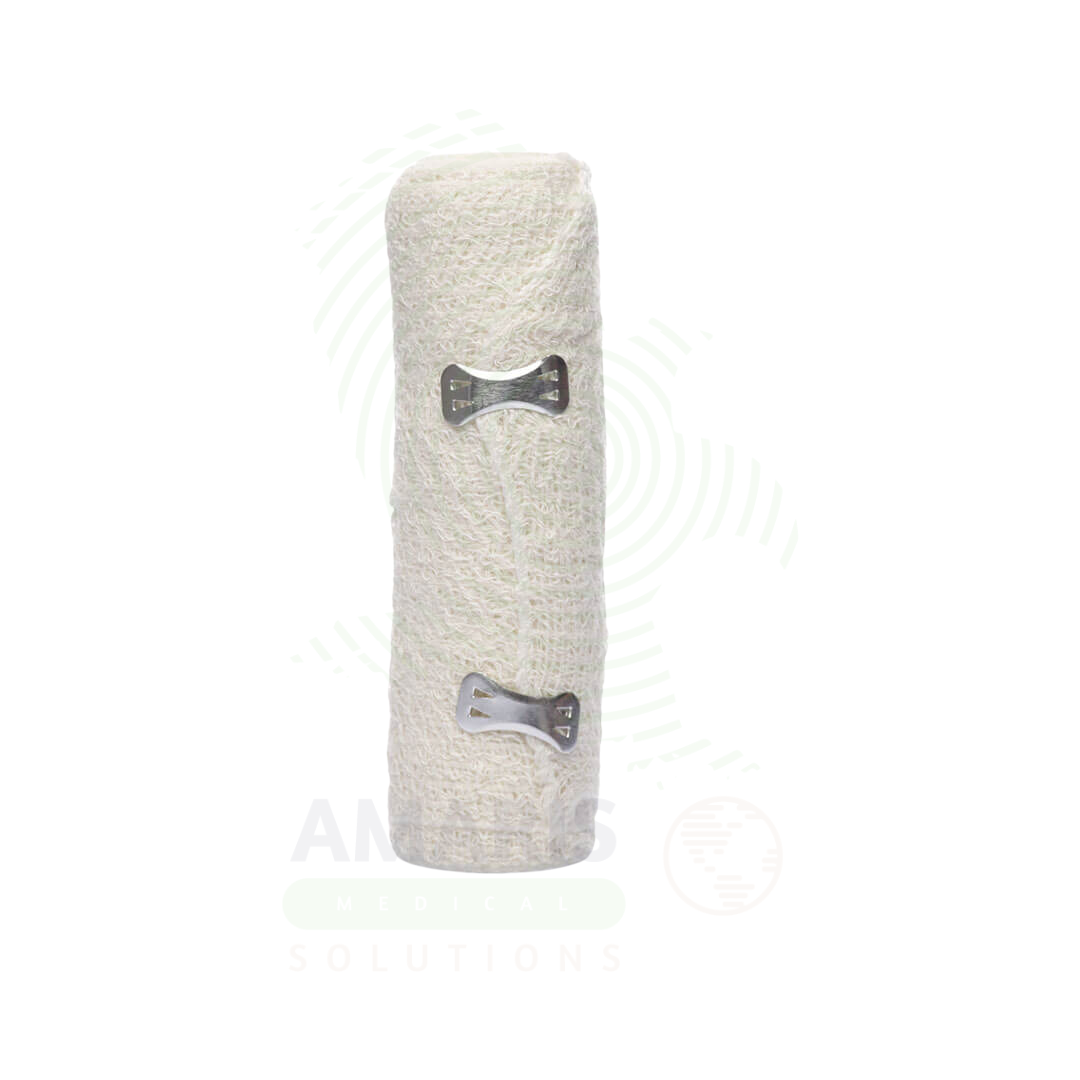
Bandages (Crepe, Elastic, Gauze)
$1.00
WhatsApp Order
Bandages (Crepe, Elastic, Gauze) are flexible, single-use or limited-use medical textiles designed for wound dressing retention, compression therapy, and joint support. Crepe bandages are woven cotton fabric with light-to-medium elasticity for securing dressings and mild support. Elastic bandages contain high-stretch synthetic fibers providing sustained, adjustable compression for venous ulcers, edema, and acute soft tissue injuries—clinically proven superior to compression stockings for post-surgical venous ulcer healing. Gauze bandages are highly absorbent, non-elastic cotton or non-woven rolls for dressing securement and wound packing. Selection is determined by required compression level, anatomical site, and clinical indication. Critical safety principles include avoiding over-tightening (one-finger rule), never applying directly to open wounds, assessing distal neurovascular status, and adherence to contraindications including significant arterial disease.
Description
Bandages (Crepe, Elastic, Gauze)
PRIMARY CLINICAL & DIAGNOSTIC USES
1. Wound Dressing Retention and Securement
-
Primary Use: Holds primary wound dressings securely in place over acute or chronic wounds, preventing dressing displacement, maintaining a clean wound environment, and allowing for undisturbed healing.
-
How it helps: For the nurse and wound care specialist, bandages provide the reliable securement needed to keep dressings exactly where they should be—holding gauze against a draining wound, keeping non-adherent pads in place over a surgical site, and ensuring that medicated dressings maintain continuous contact with the wound bed. For the patient, properly secured dressings mean their wound heals faster, with less risk of infection and fewer painful dressing changes.
2. Compression Therapy for Venous Insufficiency and Lymphedema
-
Primary Use: Essential components of multi-layer compression bandaging systems for the treatment of venous leg ulcers, chronic edema, and lymphedema, applied with graduated pressure to facilitate venous return, reduce capillary filtration, and control edema.
-
How it helps: For the vascular specialist and wound care clinician, compression bandaging provides the mechanical force that counteracts venous hypertension—reducing ulcer size, decreasing calf circumference, and alleviating pain in patients with chronic venous disease. For the patient with venous leg ulcers or lymphedema, properly applied compression bandages mean their wounds can heal, their swelling can be controlled, and they can avoid the progression to more severe complications.
3. Immobilization and Joint Support
-
Primary Use: Provides stabilization and limits movement in injured joints, sprains, strains, and soft tissue injuries, offering controlled compression while permitting functional mobility during the healing process.
-
How it helps: For the athletic trainer, emergency provider, and primary care physician, elastic and crepe bandages provide the external support that injured ligaments and muscles need—stabilizing an ankle sprain, supporting a knee strain, and providing proprioceptive feedback that helps patients protect their injury. For the patient with a soft tissue injury, a properly applied bandage means they can continue to move and function while their injury heals, without the joint giving way or causing additional pain.
4. Post-Operative and Post-Traumatic Edema Control
-
Primary Use: Applied following orthopedic surgery, soft tissue trauma, or cast removal to minimize swelling, provide comfort, and support the injured extremity during rehabilitation.
-
How it helps: For the orthopedic surgeon and physical therapist, compression bandaging in the post-operative period controls the edema that would otherwise limit mobility and delay recovery—reducing swelling, improving comfort, and allowing earlier return to function. For the patient recovering from surgery or injury, a well-applied bandage means less pain, less swelling, and a faster path back to normal activities.
5. Fracture and Dislocation Management
-
Primary Use: Used in conjunction with splints, plaster casts, or as part of initial emergency immobilization to stabilize fractures and dislocations until definitive orthopedic care is established.
-
How it helps: For the emergency provider and first responder, bandages are essential for securing splints and immobilizing injured extremities—holding a splint firmly in place during transport, providing compression to limit swelling, and ensuring that a fracture does not move during extrication. For the patient with a suspected fracture, proper bandaging means their injury is stabilized, their pain is reduced, and further damage is prevented until they reach definitive care.
SECONDARY & SUPPORTIVE USES
1. Hemostasis and Pressure Application: Applied firmly over bleeding wounds or following venipuncture, arterial catheterization, or minor surgical procedures to achieve hemostasis through localized pressure. For the patient who has just had blood drawn or a procedure, a pressure bandage prevents continued bleeding and hematoma formation.
2. Securement of Splints and Medical Devices: Used to fasten splints, intravenous boards, temperature probes, and other medical devices to the body. For the patient with an IV line or monitoring device, proper securement means the device stays in place and functions correctly.
3. Prophylactic Support in Athletics and Occupational Settings: Worn preventively during sports or heavy lifting activities to provide joint stability and reduce risk of recurrent injury. For the athlete returning from injury, a supportive bandage provides confidence and protection during activity.
4. Component of Two-Component Compression Systems: Gauze bandages impregnated with zinc oxide paste serve as the inner layer, with elastic crepe as the outer layer, creating affordable compression bandage kits for chronic wound care in resource-limited settings. For patients in underserved areas, these systems provide access to effective compression therapy.
5. Temporary Closure of Surgical Incisions or Lacerations: In emergency or austere settings, elastic or crepe bandages may be used for temporary approximation of wound edges until definitive closure is performed. For the patient in a field setting, this temporary closure protects the wound until definitive care is available.
6. Padding and Protection: Cotton or gauze bandages provide cushioning between rigid splints or casts and the skin, preventing pressure ulcers and friction injuries. For the patient in a cast, proper padding means the cast does not become a source of skin breakdown.
7. Ancillary Use in Burn Care: Used to secure burn dressings and absorb exudate during the management of partial-thickness burns. For the burn patient, bandages that hold dressings in place and absorb drainage are essential for wound healing and infection prevention.
KEY PRODUCT FEATURES
1. BASIC IDENTIFICATION ATTRIBUTES
-
Product Type: A flexible, absorbent, or elastic strip of woven or non-woven material used for wrapping, supporting, or compressing body parts.
-
Designation: Defined by material composition, weave/stretch characteristics, width, length, and degree of elasticity.
-
Core Variants:
-
Crepe Bandages: Woven cotton fabric with light to medium elasticity. Characterized by a crinkled texture that provides conformability and moderate compression. Available in light, medium, and elastic grades .
-
Elastic Bandages (Tensor/Compression): High-stretch bandages containing elastomeric fibers (rubber, spandex, elastane) that provide sustained, adjustable compression. Used for soft tissue support, edema control, and compression therapy .
-
Gauze Bandages: Woven cotton or non-woven fabric, non-elastic or minimally elastic. Highly absorbent, breathable, and conforming. Primarily used for dressing retention and wound packing .
-
-
Core Components: Single continuous roll, typically wound around a cardboard or plastic core. May have reinforced edges to prevent fraying and ensure even tension distribution.
2. TECHNICAL & PERFORMANCE PROPERTIES
-
Elasticity and Extensibility: Crepe bandages offer 30-90% extensibility; elastic bandages offer 100-200%+, permitting controlled, sustained compression without slippage. Degree of stretch correlates directly with applied pressure .
-
Compression Profile: The ability to deliver and maintain graduated sub-bandage pressure. Critical for venous ulcer treatment and edema management. Clinical studies demonstrate superiority of compression bandages over stockings for ulcer size reduction (16.5 cm² to 7.9 cm² vs. 16.1 cm² to 9.6 cm²) and pain score improvement (8.0 to 2.9 vs. 7.9 to 5.4) .
-
Absorbency (Gauze): High fluid uptake capacity for exudate management. Must retain structural integrity when saturated .
-
Tensile Strength: Resistance to tearing during application and wear. Woven cotton construction provides high tensile strength; non-woven materials have lower tear resistance.
-
Conformability: Ability to adhere closely to body contours without buckling or creating pressure points. Crepe and elastic bandages demonstrate superior conformability due to their stretch characteristics.
-
Breathability: Air permeability to prevent maceration of underlying skin. Cotton-based products offer high moisture vapor transmission .
3. PHYSICAL & OPERATIONAL PROPERTIES
-
Dimensions:
-
Width: Ranges from 2.5 cm (pediatric/fingers) to 15 cm (adult thigh/trunk). Common widths: 5 cm, 7.5 cm, 10 cm, 15 cm .
-
Length: Standard rolls typically 2 m to 4 m. Extended lengths (6 m+) for compression therapy and larger body regions .
-
-
Packaging: Individ wrapped or bulk-packed, non-sterile (standard) or sterile (surgical/procedure-specific). Many products feature easy-tear or easy-open tabs for rapid deployment in emergencies .
-
Medical Device Classification: Class I medical device (low risk) in most jurisdictions. ARTG ID 236809, GMDN Code 10274, UNSPSC 42311500 documented for commercial crepe bandage products .
4. SAFETY & COMPLIANCE ATTRIBUTES
-
Regulatory Status: Class I medical device. Requires general controls but exempt from pre-market notification (510(k)) in many jurisdictions. Must be manufactured under quality system regulations (ISO 13485).
-
Biocompatibility: Materials must be non-irritating, non-sensitizing, and hypoallergenic. Cotton, rayon, and elastomeric compounds must meet ISO 10993 standards for skin contact.
-
Latex Content: Some elastic bandages contain natural rubber latex. Latex-free synthetic elastic bandages are available and should be selected for patients or healthcare environments with latex allergy protocols .
-
Fluid Repellency: Not applicable; bandages are intentionally porous and absorbent. Not fluid-resistant barriers.
-
Sterility: Available in both sterile (for intraoperative or immunocompromised patient use) and non-sterile (standard first aid/injury management) formats.
5. STORAGE & HANDLING ATTRIBUTES
-
Storage: Store in original packaging in a cool, dry environment. Protect from moisture, direct sunlight, and extreme temperatures which can degrade elastic fibers and promote mold growth on cellulose materials.
-
Shelf Life: Typically 3-5 years from manufacture date when stored appropriately. Elastic bandages may experience gradual loss of elasticity over time, particularly if exposed to heat or ozone.
-
Single-Use vs. Reusable: Bandages are generally intended for single-patient use. Reuse is not recommended due to:
-
Loss of elasticity and conformability after washing.
-
Bioburden accumulation and risk of cross-contamination.
-
Fraying, edge degradation, and compromised structural integrity.
-
-
Cleaning: If reuse is unavoidable in resource-limited settings, gentle hand washing with mild soap and air drying is required. Do not machine wash, machine dry, iron, or use bleach. Elasticity will degrade progressively with each wash cycle.
6. LABORATORY & CLINICAL APPLICATIONS
-
Primary Application: The fundamental tool for external application of compression, support, and dressing retention across all healthcare settings: hospitals, emergency departments, primary care, sports medicine, long-term care, and home healthcare.
-
Selection Criteria:
-
Crepe Bandage: Light to moderate support, dressing retention, mild edema, post-cast removal, daytime joint support .
-
Elastic Bandage: High-compression requirements, venous ulcers, lymphedema, acute sports injuries, post-operative edema, hemorrhage control .
-
Gauze Bandage: Dressing securement, wound packing, absorbent layer under compression, non-critical applications .
-
-
Compression Bandage Evidence Base: Clinical studies demonstrate that compression bandages remain the gold standard for venous ulcer post-surgical care, with statistically superior outcomes in wound healing, edema reduction, and pain control compared to compression stockings .
SAFETY HANDLING PRECAUTIONS
1. SAFETY PRECAUTIONS
-
Avoid Over-Tightening (Most Important): A tight bandage does not equal a good bandage. Excessive tension causes:
-
Distal ischemia (pallor, coldness, pain, numbness, tingling).
-
Compartment syndrome (medical emergency).
-
Nerve compression and permanent neuropathy.
-
Skin shearing and pressure ulcers.
-
The bandage should be snug but permit insertion of one finger between the bandage and skin .
-
-
Circulatory Assessment: After application and at each dressing change, assess distal extremities for capillary refill (<2 seconds), sensation, motor function, skin color, and temperature. Document findings.
-
Do Not Apply Directly to Open Wounds: Bandages are not primary wound dressings. Always cover wounds with sterile, non-adherent, or medicated dressings before bandage application .
-
Contraindications: Do not apply compression bandages to patients with:
-
Significant peripheral arterial disease (ABI <0.5-0.8 per protocol).
-
Uncontrolled congestive heart failure.
-
Acute deep vein thrombosis (unless anticoagulated and prescribed).
-
Known allergy to bandage components.
-
Severe diabetic neuropathy with insensate extremities .
-
-
Gradient Application: For edema and venous conditions, bandages should be applied with greatest tension distally, gradually decreasing proximally to facilitate fluid return. Inverse gradient exacerbates edema.
-
Skin Inspection: Inspect underlying skin at each bandage change for redness, blistering, maceration, or allergic contact dermatitis. Zinc oxide paste, common in compression systems, may cause irritation in sensitized individuals.
-
Immobilization Precautions: Prolonged joint immobilization without prescribed range-of-motion exercises may result in contracture or stiffness.
-
Frequency of Change: Bandages should be changed daily or as clinically indicated based on wound exudate, moisture, or soiling. Prolonged wear without change increases infection risk and maceration .
2. FIRST AID MEASURES
-
Compartment Syndrome Suspect: If a patient reports severe, uncontrolled pain (disproportionate to injury), paresthesia, pallor, pulselessness, or paralysis, remove bandage immediately and elevate the limb. This is a surgical emergency; seek immediate medical attention.
-
Allergic Contact Dermatitis: If erythema, pruritus, vesiculation, or weeping occurs under the bandage, discontinue use, gently cleanse skin, and apply topical corticosteroids if prescribed. Substitute with hypoallergenic or latex-free alternatives.
-
Bandage Slippage/Displacement: If bandage becomes loose, wrinkled, or displaced, remove and reapply. Do not simply reinforce over existing bandages, as this creates uneven pressure and tourniquet effect.
3. FIRE FIGHTING MEASURES
-
Flammability: Cotton, rayon, and synthetic elastic fibers are readily combustible.
-
Extinguishing Media: Use water, foam, CO₂, or dry chemical powder as appropriate for the surrounding fire.
Related products
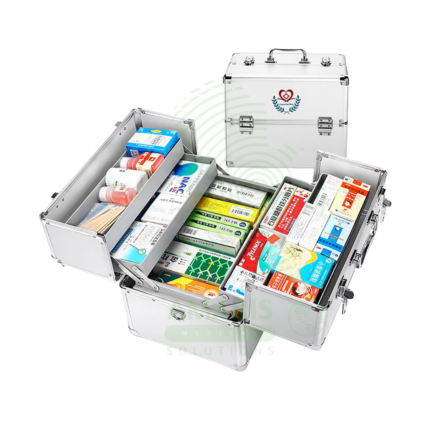
Aluminium First Aid Kit For Ambulance
An Aluminium First Aid Kit for Ambulance is a heavy-duty, weather-resistant storage case specifically designed for organizing, protecting, and securing medical supplies in emergency medical service vehicles. Constructed from 1.2-2.0 mm aluminium alloy with reinforced corners, durable latches, and rubber gaskets (IP54-IP67 rated), these cases protect contents from vibration, impact, moisture, and temperature extremes during emergency response. Available in various configurations including single compartment, multi-drawer, and clear-lid models with customizable interior dividers, elastic straps, and pouches. Designed to meet ambulance equipment mounting standards (KKK-A-1822, NFPA 1917, CEN 1789) with proper installation to withstand collision forces. Primary clinical applications include organized storage of airway management devices, bleeding control supplies, wound care materials, diagnostic equipment, emergency medications, IV supplies, splinting equipment, PPE, and obstetric supplies for BLS, ALS, and CCT ambulance services. Critical safety considerations include proper vehicle mounting to prevent projectile hazards, secure latching during transport, regular inventory management, expiration date monitoring, and decontamination after biohazard exposure. Essential equipment for organized, efficient, and safe emergency medical response.
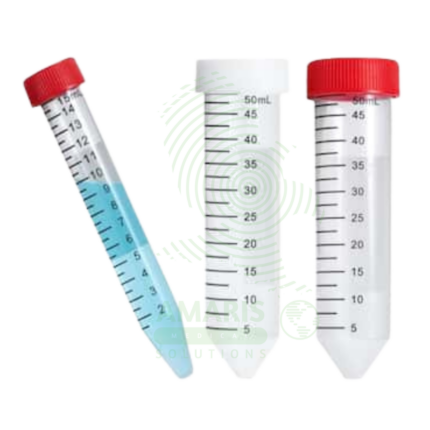
Centrifuge Tubes
Centrifuge Tubes are specialized disposable containers (polypropylene) designed to withstand high centrifugal forces (up to 30,000 x g) for separating biological fluids based on density. Available in microcentrifuge sizes (0.2-2.0 mL), conical tubes (15 mL, 50 mL), and larger volumes (100-500 mL). Features include leak-proof screw caps with O-rings (conical tubes), snap caps (microcentrifuge tubes), graduated volume markings, writing areas, and sterile/non-sterile options. Certified RNase/DNase-free, pyrogen-free, and autoclavable. Primary clinical applications include blood component separation (serum/plasma), urine sediment preparation, microbiology sample concentration, molecular biology (DNA/RNA extraction), cell culture processing, protein/enzyme analysis, and viral load testing. Critical safety precautions include never exceeding maximum RCF rating, proper balancing by weight, secure cap tightening, inspection for cracks, and disposal as biohazardous waste. Essential consumable in every clinical, research, and industrial laboratory.
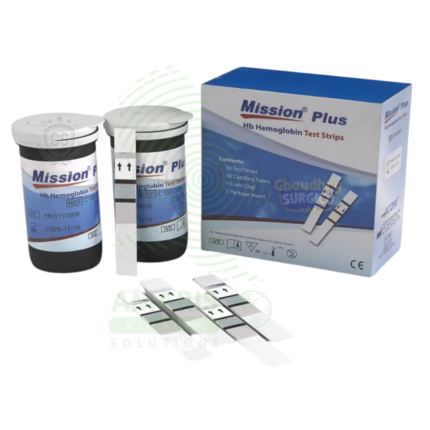
Mission plus strips
Mission Plus Strips are single-use, disposable electrochemical test strips (ISO 15197:2013 compliant) designed exclusively for use with Mission Plus glucose meters to measure capillary blood glucose from 0.5-1.0 µL samples in 5-7 seconds. Each strip contains glucose oxidase or glucose dehydrogenase reagents that generate electrical current proportional to glucose concentration (20-600 mg/dL range). Packaging options include multi-strip vials (25-100 strips) with desiccant for daily use or individually foil-wrapped strips for travel. Strips feature no-coding automatic calibration, hematocrit compensation (20-60%), and interference resistance. Primary clinical applications include daily blood glucose testing for Type 1, Type 2, and gestational diabetes management, hypoglycemia and hyperglycemia detection, pre- and post-meal glucose assessment, and hospital point-of-care testing. Critical safety precautions include single-use only, immediate vial closure after strip removal to prevent humidity damage, storage at 2-30°C away from bathrooms and temperature extremes, never using expired strips, proper hand hygiene before testing, and disposal in sharps containers. Essential consumable for diabetes self-management when used with Mission Plus meters.
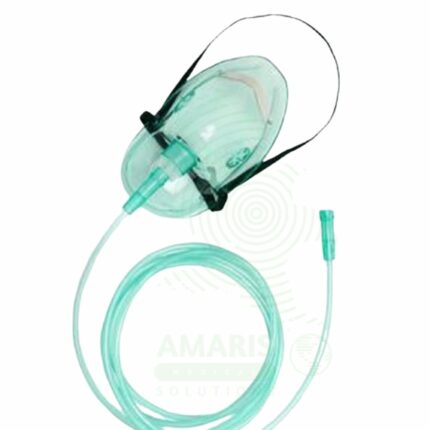
Oxygen Mask (Adult/Infant/Paediatric)
An Oxygen Mask is a disposable, single-use interface used to deliver supplemental oxygen from a medical gas supply to a patient's airways. Available in types for specific clinical needs—Simple Mask for low-flow therapy, Venturi Mask for precise FiO2 control (especially in COPD), and Non-Rebreather Mask for emergency high-flow delivery—and in sizes for adults, children, and infants. Correct selection and application, including ensuring the proper oxygen flow rate for the mask type, are essential for effective therapy and patient safety. Adherence to strict fire safety protocols is non-negotiable due to the combustion risk posed by enriched oxygen environments.
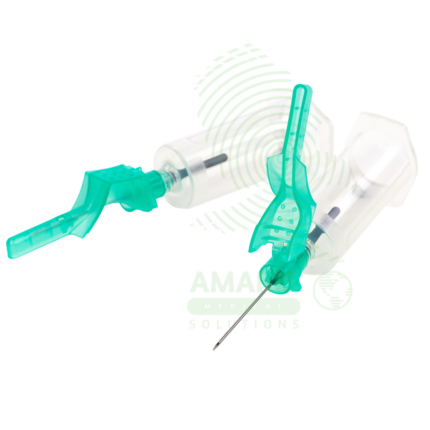
SAFE SERIES Blood Collection Needles
The SAFE SERIES (AM-SAFE) by Beijing Precil (Mindray subsidiary) is a comprehensive line of safety-engineered blood collection devices designed to prevent accidental needlestick injuries in healthcare workers. The series includes venous blood collection needles (AM-SAFE-V), standard safety needles (AM-SAFE1), winged infusion sets/butterfly needles (AM-SAFE2), high-gauge thin-wall needles for fragile veins (AM-SAFE3), premium coated needles for enhanced patient comfort (AM-GOLD), and nurse-friendly one-handed safety variants (AM-NURSE). All devices incorporate integral safety mechanisms that shield the contaminated needle immediately after withdrawal, complying with OSHA Needlestick Safety and Prevention Act requirements. Available in various gauges (18G-25G) and configurations for routine venipuncture, difficult vein access, pediatric/geriatric patients, and frequent blood draws. Sterile, single-use, latex-free, and color-coded for easy gauge identification. Essential safety devices for blood collection in hospitals, clinics, laboratories, and home healthcare settings.
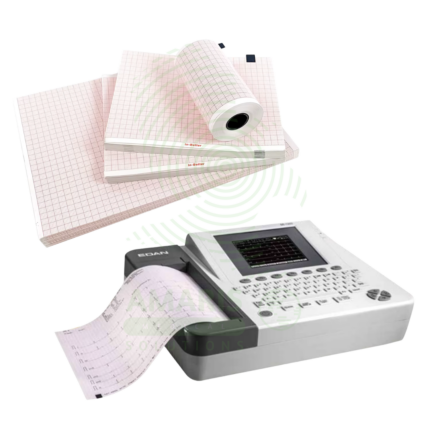
Thermal Printing Paper Roll
Thermal Printing Paper Roll is a heat-sensitive recording medium used with medical monitoring and diagnostic equipment including ECG machines, fetal monitors, ultrasound printers, and telemetry systems. The paper produces high-contrast, permanent images of physiological waveforms and data when passed over the printer's thermal head. Available in various widths, lengths, and grid patterns to match specific device requirements, it is an essential consumable for creating hard copy records for patient charts, consultation, and legal documentation. Proper storage away from light, heat, and moisture is essential to preserve image quality. BPA-free and archival-grade options are available for specific applications.
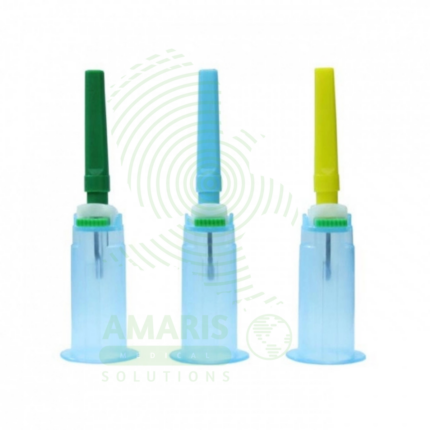
Vacutainer Needle Holder
A Vacutainer Needle Holder is a disposable plastic device (Class I/II medical device) used to securely hold double-ended blood collection needles and evacuated tubes during venipuncture, enabling safe and efficient collection of multiple blood specimens from a single venipuncture. Made from medical-grade ABS plastic or polypropylene, latex-free, approximately 12 cm length, with threaded end for needle attachment and flanged opening with flexible fingers to securely hold standard evacuated tubes (13 × 75 mm, 16 × 100 mm). Compatible with all standard double-ended needles and safety-engineered needles. Primary clinical applications include blood collection for laboratory testing (hematology, chemistry, coagulation, blood banking), multiple tube collection from single venipuncture, standardized venipuncture procedures, infection control (works with safety needles), and phlebotomy training. Critical safety precautions include single-use only (never reuse), secure needle attachment, immediate disposal of an entire unit with a needle in a sharps container, never recapping needles, and inspection for damage before use. Essential components of blood collection systems in hospitals, clinics, and laboratories.