Dermatoscope and Magnifiers
 Diagnostic Kits
 Vital Signs Monitors
 Stethoscopes and Accessories
 Otoscopes, Ophthalmoscopes, and Retinoscopes
 Reflex Hammers and Neurological Tools
 Scales and Measuring Devices
 Spirometers and Pulmonary Function Tests
 Electrosurgical Units and Accessories
 Cutting Instruments
 Grasping and Holding Instruments
 Hemostatic Instruments
 Specialized Surgical Sets
 Single-Use Procedure Trays and Packs
 Surgical Drapes, Gowns, and Covers
 Tissue Unifying Instruments
 Radiation Protection
 X-Ray Machines and Accessories
 Ultrasound Systems and Probes
 MRI and CT Scanners
 Radiology Consumables
 Bone Densitometers
 Fluoroscopy Equipment
 Imaging Tables and Positioning Aids
 Microscopes and Accessories
 Centrifuges and Separators
 Analyzers
 Incubators and Ovens
 Pipettes, Dispensers, and Lab Glassware
 Refrigerators, Freezers, and Storage Units
 Lab Consumables
 Sterilizers and Autoclaves for Lab Use
 Multi-Parameter Monitors
 Ventilators and Respiratory Support Devices
 Defibrillators and AEDs
 Infusion Pumps and IV Systems
 Patient Warmers and Cooling Devices
 Central Monitoring Stations
 Accessories
 Anesthesia Machines and Workstations
 Oxygen Concentrators and Delivery Systems
 Nebulizers and Inhalers
 CPAP/BiPAP Machines
 Airway Management
 Anesthesia Masks, Circuits, and Bags
 Humidifiers and Heaters
 Respiratory Therapy Accessories
 First Aid Kits and Cabinets
 Emergency Resuscitation Equipment
 Trauma Supplies
 Emergency Carts and Crash Carts
 Burn Care Products
 Bleeding Control
 Automated External Defibrillators (AEDs)
 Transport and Evacuation
 Wheelchairs and Accessories
 Walkers, Crutches, and Canes
 Prosthetics and Orthotics
 Physical Therapy Equipment
 Transfer Devices
 Bathroom Safety
 Orthopedic Traction and Tables
 Hot/Cold Therapy Packs and Units
 Beds and Mattresses
 Chairs and Stools
 Tables
 Cabinets and Storage
 Privacy Screens & Curtains
 Stands and Racks
 Linens and Textiles
 Lighting
 Autoclaves and Sterilizers
 Ultrasonic Cleaners
 Disinfectant Solutions and Wipes
 Sterilization Pouches, Wraps, and Indicators
 Instrument Trays and Containers
 UV and Ozone Disinfection Devices
 Washer Disinfectors
 Wound Care
 Gloves
 Masks and Respirators
 Catheters and Tubing
 Swabs, Applicators, and Sponges
 Incontinence Products
 Personal Protective Equipment (PPE)
 Dental Chairs and Units
 Handpieces and Burs
 Instruments
 Consumables
 Sterilization for Dental Use
 Orthodontic Supplies
 Endodontic Tools
 Slit Lamps and Tonometers
 Lensometers and Phoropters
 Ophthalmic Surgical Instruments
 Eyewear Frames and Lenses
 Contact Lens Supplies
 Vision Testing Charts and Devices
 Eye Care Consumables
 Laser Systems for Eye Care
 ENT Exam Chairs and Tables
 Endoscopes
 Audiometers and Hearing Tests
 ENT Instruments
 Nasal and Throat Packs
 Hearing Aids and Accessories
 Otology Supplies
 Fetal Dopplers and Monitors
 Delivery Beds and Tables
 Gynecological Instruments
 Neonatal Incubators and Warmers
 Breast Pumps and Accessories
 Contraceptive Devices
 Maternity Supports and Pads
 Neonatal Consumables
 Cystoscopes and Urethroscopes
 Dialysis Machines and Supplies
 Urological Catheters and Bags
 Lithotripters
 Prostate Treatment Devices
 Urinary Incontinence Products
 Kidney Stone Management Tools
 Consumables & Disposables
 EEG and EMG Machines
 Neurosurgical Instruments
 Nerve Stimulators
 Headrests and Positioning Aids
 Lumbar Puncture Kits
 Seizure Monitoring Devices
 Consumables
 Rehabilitation for Neurological Conditions
 ECG Machines and Accessories
 Holter Monitors
 Stress Test Systems
 Pacemakers and Defibrillator Accessories
 Vascular Access Devices
 Cardiac Catheters and Guidewires
 Blood Flow Meters
 Consumables
 Orthopedic Instruments
 Casts, Splints, and Padding
 Joint Replacement Supplies
 Prosthetic Limbs and Components
 Bone Grafts and Substitutes
 Traction Devices
 Orthopedic Braces and Supports
 Rehabilitation Aids for Orthopedics
 Home Oxygen Therapy
 Hospital Beds for Home Use
 Mobility Aids
 Bathroom and Daily Living Aids
 Wound Care for Home
 Monitoring Devices
 Enteral Feeding Pumps and Tubes
 Hand Sanitizers and Dispensers
 Face Shields and Goggles
 Isolation Gowns and Suits
 Biohazard Waste Containers
 Air Purifiers and HEPA Filters
 Surface Disinfectants
 Sharps Containers
 Protective Barriers
 Cardiovascular & Endurance Training
 Strength Training & Weightlifting
 Functional Training & Core Conditioning
 Physical Therapy & Rehabilitation
 Sports & Outdoor Recreation
 Gym Flooring & Facility Equipment
 Fitness Monitoring & Accessories
 Kids & Novelties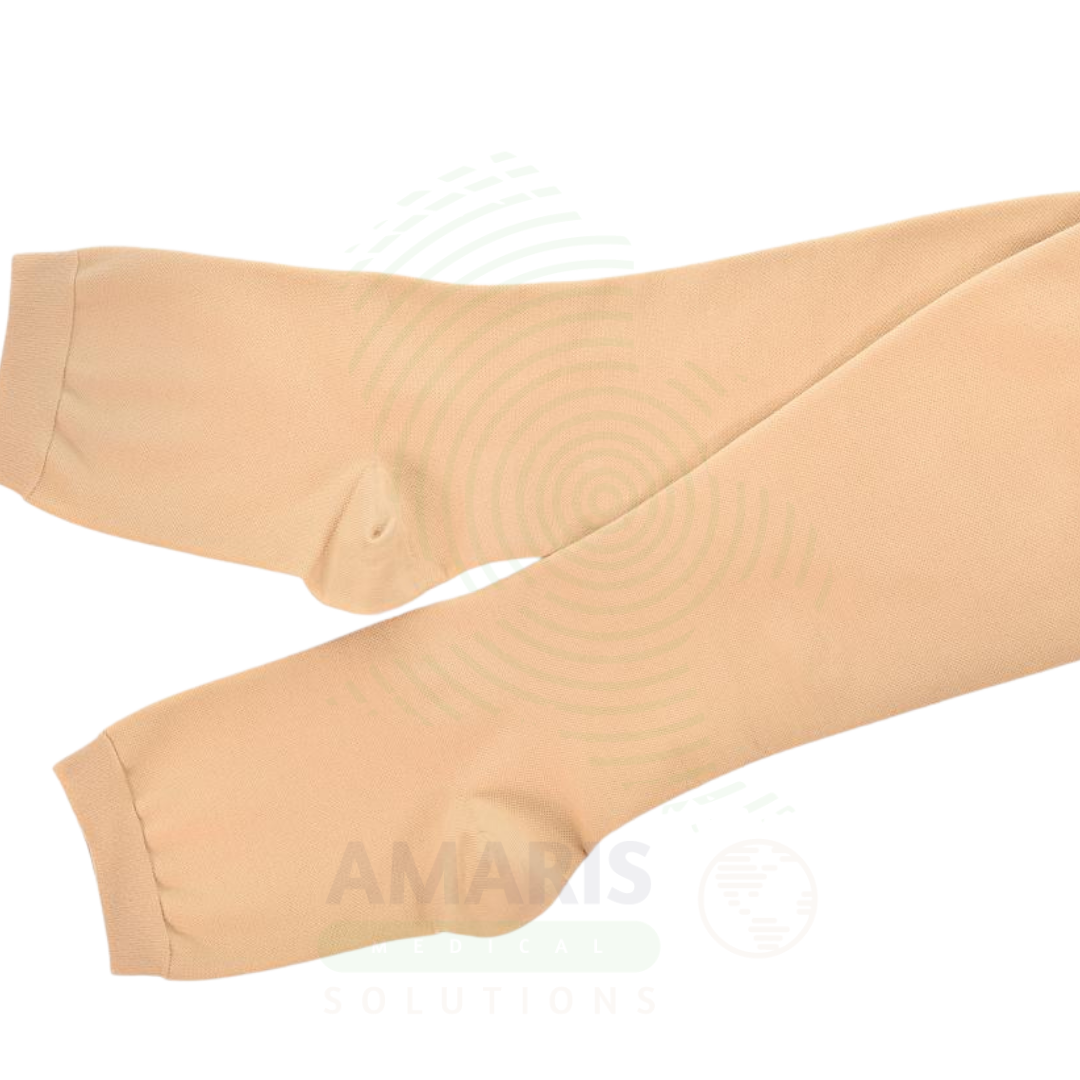
Compression Stockings
$1.00
WhatsApp Order
Compression Stockings are graduated compression garments designed to improve venous return, reduce edema, and prevent deep vein thrombosis. Featuring compression that is tightest at the ankle and gradually decreases up the leg, they provide mechanical support for the venous and lymphatic systems. Available in compression levels from mild (15-20 mmHg) for prophylaxis and travel to extra firm (40-50 mmHg) for severe lymphedema and chronic venous insufficiency, these garments are essential for managing chronic venous insufficiency, post-operative swelling, pregnancy-related edema, and lymphedema. Available in knee-high, thigh-high, and waist-high styles with various toe configurations, proper sizing based on ankle, calf, and leg measurements is critical for therapeutic effectiveness. Patients with arterial insufficiency (ABI <0.8) should not use compression therapy, and stockings should be replaced every 3-6 months to maintain compression integrity.
Description
Compression Stockings
PRIMARY CLINICAL & DIAGNOSTIC USES
1. Management of Chronic Venous Insufficiency
-
Primary Use: Provides graduated compression that is tightest at the ankle and gradually decreases up the leg, supporting venous return, reducing venous hypertension, and preventing blood pooling in the lower extremities. This is essential for managing chronic venous insufficiency, varicose veins, and venous leg ulcers.
-
How it helps: For the vascular specialist and wound care clinician, graduated compression stockings provide the mechanical support needed to counteract venous hypertension—improving venous return, reducing edema, and promoting healing of venous ulcers. For the patient with chronic venous insufficiency, this means reduced leg pain, swelling, and heaviness, and prevention of more serious complications like venous ulcers.
2. Prevention and Treatment of Deep Vein Thrombosis
-
Primary Use: Used for prophylaxis of deep vein thrombosis in patients at risk due to prolonged immobility, post-operative recovery, or during long-distance travel. The compression reduces venous stasis, one of the primary factors in thrombus formation.
-
How it helps: For the surgeon, hospitalist, and travel medicine physician, compression stockings provide a mechanical means of preventing DVT—reducing venous stasis and promoting blood flow during periods of immobility. For the patient recovering from surgery, confined to bed, or traveling long distances, this means reduced risk of life-threatening pulmonary embolism.
3. Management of Lymphedema
-
Primary Use: Provides sustained compression to help reduce limb swelling and prevent fluid accumulation in patients with primary or secondary lymphedema, including post-mastectomy lymphedema.
-
How it helps: For the lymphedema therapist and oncologist, compression stockings provide the external support needed to manage chronic swelling—facilitating lymphatic drainage and preventing fluid accumulation. For the patient with lymphedema, this means reduced limb heaviness, improved mobility, and decreased risk of recurrent cellulitis.
4. Post-Surgical Edema Control
-
Primary Use: Applied following surgical procedures on the legs, including varicose vein surgery, joint replacement, and fracture fixation, to control post-operative swelling and support healing.
-
How it helps: For the orthopedic and vascular surgeon, post-operative compression helps control swelling, reduces pain, and supports tissue healing. For the patient recovering from leg surgery, this means faster recovery, reduced discomfort, and improved mobility.
5. Pregnancy-Related Leg Swelling
-
Primary Use: Used during pregnancy to manage the leg swelling and varicose veins that commonly occur due to increased blood volume, hormonal changes, and pressure from the growing uterus.
-
How it helps: For the obstetrician and prenatal care provider, compression stockings provide symptomatic relief for the common discomforts of pregnancy. For the expectant mother, this means reduced leg pain, swelling, and fatigue, allowing greater comfort and mobility during pregnancy.
SECONDARY & SUPPORTIVE USES
1. Occupational Prophylaxis: Used by individuals who stand for prolonged periods (nurses, retail workers, flight attendants) to prevent occupational leg fatigue and varicose veins. For the occupational health professional, this supports workplace wellness; for the worker, it means less leg fatigue and reduced risk of developing varicose veins.
2. Sports Recovery: Used by athletes to enhance recovery after intense training or competition, promoting circulation and reducing muscle soreness. For the sports medicine physician, this supports recovery protocols; for the athlete, it means faster recovery and reduced post-exercise soreness.
3. Diabetic Support: Provides gentle compression for diabetic patients with venous insufficiency, under careful medical supervision. For the endocrinologist, this supports comprehensive diabetic foot care; for the diabetic patient, this means improved circulation and reduced risk of complications.
4. Geriatric Care: Used for elderly patients with age-related venous insufficiency, edema, and mobility limitations. For the geriatrician, this supports mobility and quality of life; for the older adult, this means improved comfort, reduced swelling, and maintained independence.
5. Post-Sclerotherapy Support: Worn following sclerotherapy for varicose veins to maintain compression and optimize treatment outcomes. For the phlebologist, this supports treatment success; for the patient undergoing vein treatment, this means better cosmetic and functional results.
6. Air Travel Prophylaxis: Used during long-haul flights to prevent DVT and reduce leg swelling. For the travel medicine physician, this is a preventive recommendation; for the traveler, this means reduced risk of travel-related thrombosis and more comfortable flights.
7. Hospice and Palliative Care: Provides comfort and symptom management for patients with advanced illness who experience lower extremity edema. For the palliative care team, this supports quality of life; for the patient at end of life, this means improved comfort and dignity.
KEY PRODUCT FEATURES
1. BASIC IDENTIFICATION ATTRIBUTES
-
Product Type: Graduated compression garment covering the foot and leg, available in knee-high, thigh-high, and waist-high styles.
-
Designation: Compression Stockings, Graduated Compression Stockings, Medical Compression Hosiery, Elastic Compression Stockings.
-
Compression Levels:
-
Mild (15-20 mmHg): Prophylaxis, mild varicose veins, travel, occupational use.
-
Moderate (20-30 mmHg): Moderate varicose veins, post-sclerotherapy, edema, pregnancy.
-
Firm (30-40 mmHg): Severe varicose veins, venous ulcers, lymphedema, post-thrombotic syndrome.
-
Extra Firm (40-50 mmHg): Severe lymphedema, chronic venous insufficiency.
-
-
Key Components:
-
Graduated Compression: Tightest at ankle, decreasing up the leg.
-
Fabric: Nylon, spandex, or cotton blend; moisture-wicking options.
-
Toe Box: Closed toe, open toe, or reinforced options.
-
Silicone Band: Non-slip silicone band for thigh-high styles.
-
Heel Pocket: Anatomically shaped for proper fit.
-
2. TECHNICAL & PERFORMANCE PROPERTIES
-
Compression Gradient: Ankle to knee: 100% to 70-80% graduated reduction; ankle to thigh: 100% to 40-70% reduction.
-
Pressure Range: 15-50 mmHg depending on clinical indication.
-
Material: Breathable, moisture-wicking fabric; antimicrobial options available.
-
Durability: Designed for repeated use and washing; typical lifespan 3-6 months.
-
Latex-Free: Available in latex-free options.
3. PHYSICAL & OPERATIONAL PROPERTIES
-
Construction: Seamless or flat seams to prevent skin irritation.
-
Sizing: Based on ankle circumference, calf circumference, and leg length measurements.
-
Donning: May require donning gloves or applicator devices for ease of application.
-
Styles: Knee-high, thigh-high, waist-high (pantyhose), and open-toe options.
-
Care: Hand wash or machine wash in cold water; air dry; do not use fabric softeners.
4. SAFETY & COMPLIANCE ATTRIBUTES
-
Regulatory Status: Class I or Class II medical device depending on compression level.
-
Biocompatibility: Materials safe for prolonged skin contact.
-
Skin Safety: Designed to prevent pressure points and irritation.
-
Arterial Assessment: Contraindicated in patients with severe arterial insufficiency (ABI <0.8).
5. STORAGE & HANDLING ATTRIBUTES
-
Storage: Store flat in cool, dry location; avoid folding or hanging to prevent compression loss.
-
Cleaning: Hand wash with mild soap; air dry; do not machine dry or use bleach.
-
Inspection: Check for wear, tears, or loss of compression; replace as needed.
-
Donning: Use donning gloves to protect stockings from fingernail damage.
6. LABORATORY & CLINICAL APPLICATIONS
-
Primary Application: Management of venous insufficiency, DVT prophylaxis, edema control, and lymphedema.
-
Clinical Role: Essential for vascular medicine, wound care, post-operative recovery, occupational health, and preventive care.
SAFETY HANDLING PRECAUTIONS
1. SAFETY PRECAUTIONS
-
Proper Sizing: Measure for correct fit using specific ankle, calf, and leg measurements; improper sizing can cause discomfort or ineffective compression.
-
Arterial Assessment: Do not use it in patients with significant arterial insufficiency; perform ankle-brachial index assessment before prescribing.
-
Skin Inspection: Inspect skin daily for irritation, redness, pressure points, or breakdown.
-
Application: Apply in morning when swelling is minimal; remove at night unless prescribed for 24-hour wear.
-
Washing: Wash regularly to maintain hygiene and compression integrity.
-
Replacement: Replace every 3-6 months or when compression is lost; signs of wear include sagging, loss of elasticity, or visible damage.
2. FIRST AID MEASURES
-
Skin Irritation: If irritation occurs, discontinue use; inspect for proper fit; allow skin to heal; consider cotton liner or alternative material.
-
Circulation Compromise: If numbness, tingling, or discoloration occurs, remove immediately; consult the provider.
-
Pressure Injury: If pressure areas develop, discontinue use; consult provider for alternative sizing or style.
-
Skin Breakdown: If skin breakdown occurs, discontinue use; seek wound care evaluation.
3. FIRE FIGHTING MEASURES
-
Flammability: Fabric materials are combustible.
-
Extinguishing Media: Use water, foam, or CO₂ as appropriate for surrounding materials.
Related products
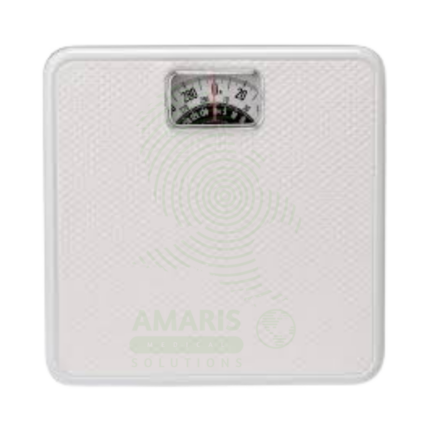
Analogue Bathroom Weighing Scale
An Analogue Bathroom Weighing Scale is a mechanical Class I medical device (for health monitoring) using a precision spring and lever system to measure body weight without batteries or electronics. Features include enameled steel, stainless steel, or ABS plastic platform (25-30 cm square), large circular dial (10-15 cm diameter) with clear numerals and pointer, zero adjustment knob for calibration before each use, weight capacity 120-180 kg (265-400 lbs) standard (heavy-duty models to 250 kg/550 lbs), and graduation 0.5 kg or 1 lb increments with accuracy ±0.5-1 kg. Primary clinical applications include home weight monitoring for patients who prefer non-electronic devices, chronic disease management in resource-limited settings (heart failure, CKD), geriatric and low-vision patient weighing (large, clear dial), bariatric patient monitoring (higher weight capacities), pediatric growth monitoring in home settings, pregnancy weight tracking, and post-hospitalization transition monitoring. Critical safety considerations include verifying zero adjustment before each use, placement on hard level surface (not carpet), staying within weight capacity, reading at eye level to avoid parallax error, and recognizing that spring fatigue over years may affect accuracy. Essential non-electronic alternative for patients needing simple, reliable, battery-free weight monitoring.
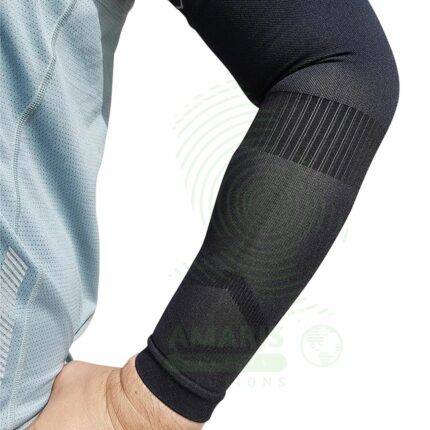
Compression Arm Sleeve
A Compression Arm Sleeve is a medical-grade elastic sleeve that applies graduated pressure from the wrist to the upper arm. Its primary clinical purpose is the management and reduction of swelling (edema) caused by conditions such as lymphedema (often post-mastectomy), chronic venous insufficiency, or post-surgical recovery. By enhancing lymphatic and venous return, it helps control limb volume, reduce discomfort, and prevent complications like skin fibrosis. Correct sizing and consistent daily wear are essential for therapeutic efficacy, and the garment requires specific daily care through gentle hand-washing to maintain its compression properties and hygiene.
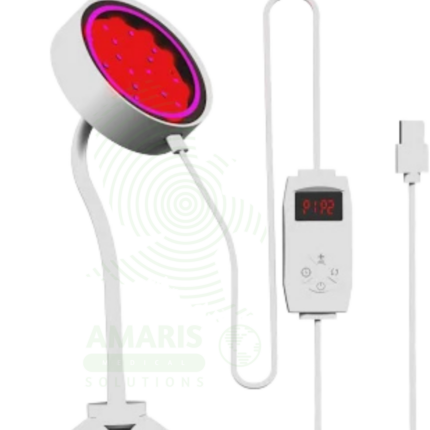
Desktop Infrared Therapy Lamp
A Desktop Infrared Therapy Lamp is a compact, focused heat therapy device that emits infrared radiation to deliver deep, penetrating warmth to targeted areas of the body. Used primarily for pain relief, muscle relaxation, and promoting healing in soft tissue and joint conditions, it is a common tool in physical therapy, chiropractic, and wellness practices. Its adjustable design allows precise positioning over areas like the neck, shoulder, or knee. Treatment involves non-invasive, radiant heat that increases local circulation. Critical safety practices include adhering to treatment time and distance guidelines, avoiding use over contraindicated areas, and never looking directly at the bulb.
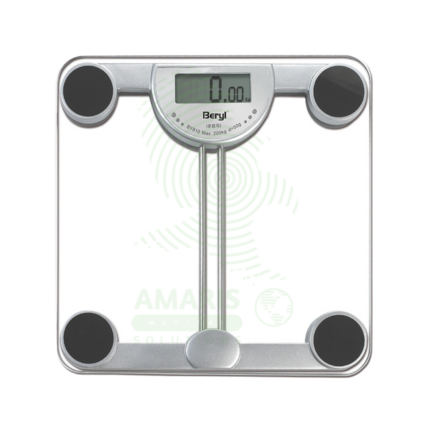
Digital Bathroom Weighing Scale
A Digital Bathroom Weighing Scale is a Class I medical device (for health monitoring) using strain gauge sensor technology (four high-precision sensors, accuracy ±0.1-0.3 kg) to measure body weight in home settings. Features include tempered glass, stainless steel, or ABS plastic platform (30-35 cm square), backlit LCD display with large numerals, auto-on/off, low battery indicator, overload warning, and weight capacity 150-200 kg (330-440 lbs) standard, with bariatric models to 300 kg (660 lbs). Measurement units switchable between kg, lb, and st. Primary clinical applications include home weight monitoring for chronic disease management (congestive heart failure fluid detection, chronic kidney disease), obesity and weight management programs, bariatric surgery pre- and post-operative monitoring, diabetes management and metabolic health, pregnancy weight gain tracking, geriatric nutritional status monitoring (detecting malnutrition), and pediatric growth monitoring. Critical safety considerations include use on hard, level surface (not carpet), consistent weighing conditions (same time, minimal clothing), inspection of glass platform for cracks, staying within weight capacity, and recognition that rapid weight gain >2-3 kg in 24-48 hours may indicate fluid overload requiring medical attention. Essential tool for home-based chronic disease management and health monitoring.
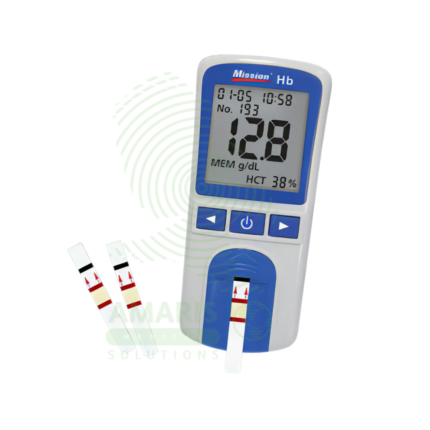
Hemoglobin Meter
A Hemoglobin Meter is a Class II medical device (FDA-cleared, CE-marked) for quantitative point-of-care measurement of hemoglobin concentration in capillary or venous blood, providing results in 5-60 seconds from a 5-20 µL sample. The meter uses photometric, electrochemical, or conductivity technology to measure hemoglobin, with accuracy ±0.3-0.5 g/dL compared to reference methods. Features include backlit LCD display, memory storage for 100-1000 results, USB/Bluetooth connectivity for data transfer, and compatibility with single-use disposable cuvettes or test strips. Primary clinical applications include anemia screening and diagnosis (WHO criteria), preoperative assessment and surgical planning, antenatal care and maternal health monitoring, malaria-endemic region screening, chronic disease management (CKD, IBD, cancer), nutritional assessment and intervention programs, and blood donor screening. Critical safety precautions include single-use lancets, proper hand hygiene, correct sample application, quality control with control solutions, proper cuvette storage (protect from heat, light, humidity), and never using expired cuvettes. Essential point-of-care device for hemoglobin testing in hospitals, clinics, community health programs, and blood donation centers.
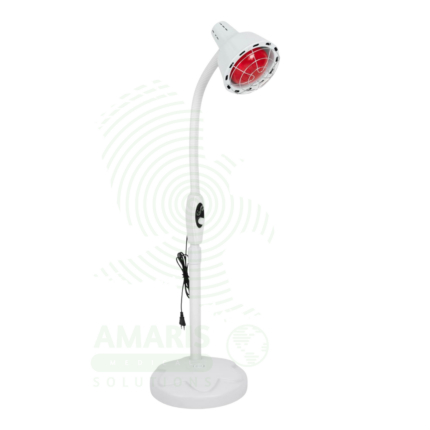
Infrared Therapy Lamp Stand
An Infrared Therapy Lamp Stand is a professional-grade, floor-standing device that emits broad-spectrum infrared radiation to deliver deep-heat therapy to large areas of the body. Designed for clinical use in physical therapy, chiropractic, and pain management clinics, it features adjustable height and tilt panels on a stable, mobile stand for targeted treatment of the back, shoulders, and legs. Its primary uses include pain relief for musculoskeletal conditions, tissue warming for rehabilitation, and promoting muscle relaxation. Safe operation requires strict adherence to contraindications, treatment time/distance guidelines, and continuous patient monitoring to prevent burns or overheating.
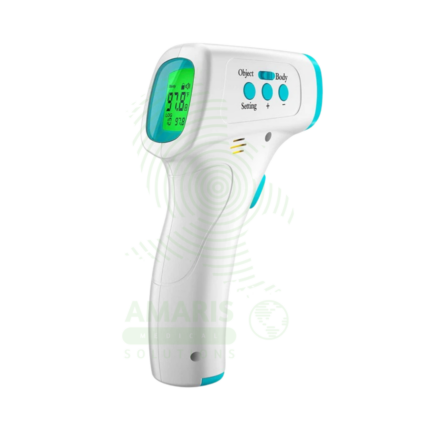
Non-Touch Digital Thermometer
A Non-Touch Digital Thermometer is a Class II medical device using infrared thermopile sensor technology (8-14 µm spectral response) to measure body temperature from the forehead or temporal artery without skin contact in 1-3 seconds with accuracy ±0.2-0.3°C. Features include backlit LCD display, fever alert (audible and color-coded), memory storage (10-50 readings), auto-shutoff, and selectable modes (body/surface/ambient). Measurement distance 3-15 cm; requires clean, dry forehead free of hair, sweat, or cosmetics. Primary clinical applications include pediatric fever screening in infants and children (non-distressing), infection control and isolation precautions (reduces healthcare worker exposure), mass screening at airports, schools, and workplaces, neonatal and NICU temperature monitoring (minimal handling), burn unit and wound care patients (non-contact over damaged skin), intraoperative and post-anesthesia care, and geriatric/dementia care (non-stressful for agitated patients). Critical safety considerations include environmental acclimation (10-15 minutes at room temperature), clean sensor lens, correct measurement distance, avoidance of laser in eyes (if equipped), and confirmation of suspected fever with contact thermometer. Essential screening tool for infection control, pediatrics, and high-volume settings.