Dermatoscope and Magnifiers
 Diagnostic Kits
 Vital Signs Monitors
 Stethoscopes and Accessories
 Otoscopes, Ophthalmoscopes, and Retinoscopes
 Reflex Hammers and Neurological Tools
 Scales and Measuring Devices
 Spirometers and Pulmonary Function Tests
 Electrosurgical Units and Accessories
 Cutting Instruments
 Grasping and Holding Instruments
 Hemostatic Instruments
 Specialized Surgical Sets
 Single-Use Procedure Trays and Packs
 Surgical Drapes, Gowns, and Covers
 Tissue Unifying Instruments
 Radiation Protection
 X-Ray Machines and Accessories
 Ultrasound Systems and Probes
 MRI and CT Scanners
 Radiology Consumables
 Bone Densitometers
 Fluoroscopy Equipment
 Imaging Tables and Positioning Aids
 Microscopes and Accessories
 Centrifuges and Separators
 Analyzers
 Incubators and Ovens
 Pipettes, Dispensers, and Lab Glassware
 Refrigerators, Freezers, and Storage Units
 Lab Consumables
 Sterilizers and Autoclaves for Lab Use
 Multi-Parameter Monitors
 Ventilators and Respiratory Support Devices
 Defibrillators and AEDs
 Infusion Pumps and IV Systems
 Patient Warmers and Cooling Devices
 Central Monitoring Stations
 Accessories
 Anesthesia Machines and Workstations
 Oxygen Concentrators and Delivery Systems
 Nebulizers and Inhalers
 CPAP/BiPAP Machines
 Airway Management
 Anesthesia Masks, Circuits, and Bags
 Humidifiers and Heaters
 Respiratory Therapy Accessories
 First Aid Kits and Cabinets
 Emergency Resuscitation Equipment
 Trauma Supplies
 Emergency Carts and Crash Carts
 Burn Care Products
 Bleeding Control
 Automated External Defibrillators (AEDs)
 Transport and Evacuation
 Wheelchairs and Accessories
 Walkers, Crutches, and Canes
 Prosthetics and Orthotics
 Physical Therapy Equipment
 Transfer Devices
 Bathroom Safety
 Orthopedic Traction and Tables
 Hot/Cold Therapy Packs and Units
 Beds and Mattresses
 Chairs and Stools
 Tables
 Cabinets and Storage
 Privacy Screens & Curtains
 Stands and Racks
 Linens and Textiles
 Lighting
 Autoclaves and Sterilizers
 Ultrasonic Cleaners
 Disinfectant Solutions and Wipes
 Sterilization Pouches, Wraps, and Indicators
 Instrument Trays and Containers
 UV and Ozone Disinfection Devices
 Washer Disinfectors
 Wound Care
 Gloves
 Masks and Respirators
 Catheters and Tubing
 Swabs, Applicators, and Sponges
 Incontinence Products
 Personal Protective Equipment (PPE)
 Dental Chairs and Units
 Handpieces and Burs
 Instruments
 Consumables
 Sterilization for Dental Use
 Orthodontic Supplies
 Endodontic Tools
 Slit Lamps and Tonometers
 Lensometers and Phoropters
 Ophthalmic Surgical Instruments
 Eyewear Frames and Lenses
 Contact Lens Supplies
 Vision Testing Charts and Devices
 Eye Care Consumables
 Laser Systems for Eye Care
 ENT Exam Chairs and Tables
 Endoscopes
 Audiometers and Hearing Tests
 ENT Instruments
 Nasal and Throat Packs
 Hearing Aids and Accessories
 Otology Supplies
 Fetal Dopplers and Monitors
 Delivery Beds and Tables
 Gynecological Instruments
 Neonatal Incubators and Warmers
 Breast Pumps and Accessories
 Contraceptive Devices
 Maternity Supports and Pads
 Neonatal Consumables
 Cystoscopes and Urethroscopes
 Dialysis Machines and Supplies
 Urological Catheters and Bags
 Lithotripters
 Prostate Treatment Devices
 Urinary Incontinence Products
 Kidney Stone Management Tools
 Consumables & Disposables
 EEG and EMG Machines
 Neurosurgical Instruments
 Nerve Stimulators
 Headrests and Positioning Aids
 Lumbar Puncture Kits
 Seizure Monitoring Devices
 Consumables
 Rehabilitation for Neurological Conditions
 ECG Machines and Accessories
 Holter Monitors
 Stress Test Systems
 Pacemakers and Defibrillator Accessories
 Vascular Access Devices
 Cardiac Catheters and Guidewires
 Blood Flow Meters
 Consumables
 Orthopedic Instruments
 Casts, Splints, and Padding
 Joint Replacement Supplies
 Prosthetic Limbs and Components
 Bone Grafts and Substitutes
 Traction Devices
 Orthopedic Braces and Supports
 Rehabilitation Aids for Orthopedics
 Home Oxygen Therapy
 Hospital Beds for Home Use
 Mobility Aids
 Bathroom and Daily Living Aids
 Wound Care for Home
 Monitoring Devices
 Enteral Feeding Pumps and Tubes
 Hand Sanitizers and Dispensers
 Face Shields and Goggles
 Isolation Gowns and Suits
 Biohazard Waste Containers
 Air Purifiers and HEPA Filters
 Surface Disinfectants
 Sharps Containers
 Protective Barriers
 Cardiovascular & Endurance Training
 Strength Training & Weightlifting
 Functional Training & Core Conditioning
 Physical Therapy & Rehabilitation
 Sports & Outdoor Recreation
 Gym Flooring & Facility Equipment
 Fitness Monitoring & Accessories
 Kids & Novelties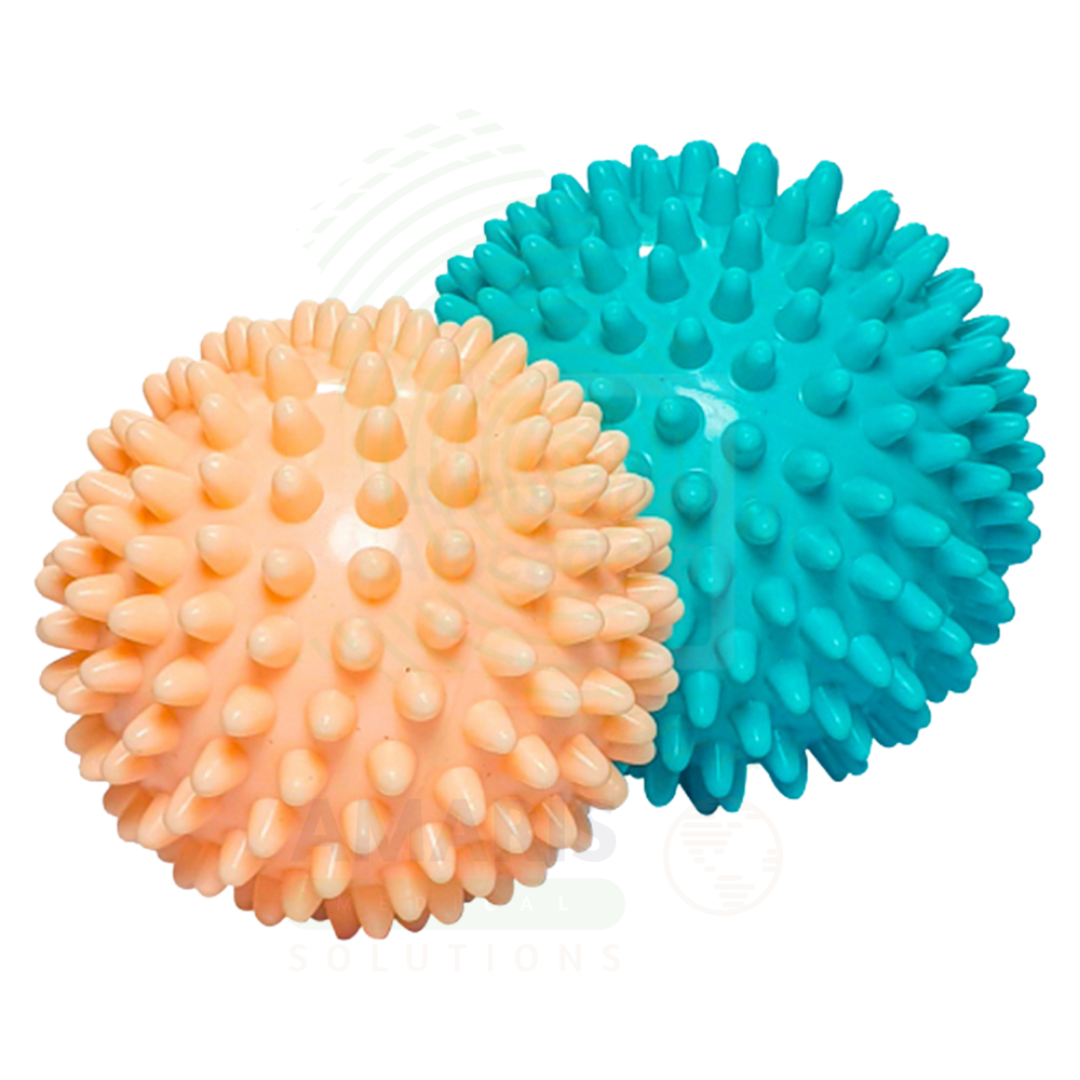
Massage Ball
$1.00
WhatsApp Order
A Massage Ball is a firm, rubber or silicone ball used for self-myofascial release, trigger point therapy, and muscle tension relief through sustained pressure and rolling techniques. Available in various sizes, surface textures (smooth, textured, or spiked), and densities (soft to extra firm), the massage ball allows patients to apply targeted pressure to hyperirritable spots within taut bands of skeletal muscle—inactivating trigger points and relieving referred pain patterns associated with myofascial pain syndrome, tension headaches, plantar fasciitis, and piriformis syndrome. For the physical therapist and occupational therapist, the massage ball provides patients with a portable, effective tool for self-managing muscle tension between clinical visits. Rolling under the foot reduces plantar fascia tension and heel pain. Placing between the upper back and a wall releases tight rhomboids and trapezius muscles from prolonged sitting. Positioning under the gluteals releases the piriformis muscle and reduces sciatic nerve compression. For the patient with chronic neck pain, low back pain, plantar fasciitis, or tension headaches, regular massage ball use reduces pain, improves range of motion, decreases reliance on analgesic medications, and empowers self-management of musculoskeletal symptoms.
Description
Massage Ball
PRIMARY CLINICAL & DIAGNOSTIC USES
1. Myofascial Release and Trigger Point Therapy
-
Primary Use: Provides a firm, rubber or silicone ball used to apply sustained pressure to myofascial trigger points, releasing muscle tension, reducing pain, and improving tissue extensibility.
-
How it helps: For the physical therapist and massage therapist, the massage ball delivers targeted pressure to hyperirritable spots within taut bands of skeletal muscle—inactivating trigger points and relieving referred pain patterns associated with myofascial pain syndrome. For the patient with chronic neck pain, low back pain, or tension headaches, self-myofascial release with a massage ball reduces pain, improves range of motion, and decreases reliance on analgesic medications.
2. Plantar Fasciitis and Foot Pain Management
-
Primary Use: Rolled under the foot to massage the plantar fascia, arch, and heel, reducing tension and inflammation associated with plantar fasciitis and heel pain.
-
How it helps: For the physical therapist and podiatrist, rolling a massage ball under the foot provides sustained, controlled pressure that stretches and mobilizes the plantar fascia—reducing morning heel pain and improving foot function. For the patient with plantar fasciitis, heel spurs, or arch pain, regular foot rolling reduces symptoms, improves walking tolerance, and supports return to activity.
3. Upper Back and Scapular Mobility
-
Primary Use: Placed between the upper back and a wall or floor to apply pressure to the rhomboids, trapezius, and paraspinal muscles, releasing tension and improving thoracic mobility.
-
How it helps: For the physical therapist and ergonomic specialist, the massage ball provides targeted pressure to the upper back muscles that commonly become tight and painful from prolonged sitting, poor posture, or repetitive activities. For the patient with desk job-related neck and shoulder tension, thoracic outlet syndrome, or scapular dyskinesis, massage ball release improves posture, reduces pain, and restores mobility.
4. Hip and Gluteal Muscle Release
-
Primary Use: Placed under the gluteal muscles while sitting or lying to release tension in the piriformis, gluteus medius, and deep hip rotators.
-
How it helps: For the physical therapist and sports medicine clinician, the massage ball provides targeted pressure to the deep hip muscles that can become tight from prolonged sitting, running, or cycling—reducing referred pain patterns associated with piriformis syndrome and sciatica. For the patient with deep buttock pain, sciatic symptoms, or hip tightness, massage ball release reduces nerve compression, improves hip mobility, and alleviates radiating leg pain.
SECONDARY & SUPPORTIVE USES
1. Neck and Cervical Spine Tension Release: Used to massage suboccipital muscles and upper trapezius for tension headache relief.
2. Shoulder and Rotator Cuff Myofascial Release: Used to access and release tight muscles around the shoulder girdle.
3. Quadriceps and Hamstring Muscle Release: Used to roll tight thigh muscles before and after exercise.
4. Calf and Achilles Tendon Tension Relief: Used to roll calf muscles to reduce tightness and improve ankle mobility.
5. Thoracic Mobility and Postural Correction: Used to mobilize the thoracic spine and improve posture.
6. Piriformis Syndrome Management: Used to release the piriformis muscle and reduce sciatic nerve compression.
7. Tension Headache Prevention: Used to release suboccipital and upper trapezius muscles to reduce headache frequency.
8. Fibromyalgia Pain Management: Used for gentle myofascial release to reduce widespread pain.
9. Sports Recovery and Muscle Soreness: Used post-exercise to reduce delayed onset muscle soreness.
10. Desk Worker Posture Improvement: Used to release tight muscles from prolonged sitting.
11. Athletic Performance Enhancement: Used for pre-activity myofascial release to improve muscle function.
12. Home Self-Care Program: Provides portable, effective tool for patients to manage their own myofascial pain.
13. Yoga and Pilates Integration: Used for self-massage and myofascial release before practice.
14. Travel and Portable Therapy: Small, lightweight, and easily carried for use anywhere.
KEY PRODUCT FEATURES
1. BASIC IDENTIFICATION ATTRIBUTES
-
Device Type: A firm, rubber or silicone ball used for self-myofascial release, trigger point therapy, and muscle tension relief through sustained pressure and rolling techniques.
-
Designation: Massage Ball, Therapy Ball, Trigger Point Ball, Myofascial Release Ball, Lacrosse Ball, Peanut Massage Ball, Spike Massage Ball, Mobility Ball, Self-Massage Ball, Physio Ball.
-
Key Components:
o Ball Body: Solid rubber, silicone, or EVA foam.
o Surface: Smooth, textured, or spiked.
o Density: Firm to extra firm for deep tissue work.
o Size: Various sizes for different body areas.
2. TECHNICAL & PERFORMANCE PROPERTIES
-
Materials: Natural rubber, silicone, EVA foam, or TPU.
-
Surface Types: Smooth (gentle), textured (grip), spiked (deep tissue), peanut shape (spine safe).
-
Sizes: Small (2-3 inches for feet, hands), Medium (3-4 inches for back, glutes), Large (4-5 inches for large muscle groups), Peanut (two balls connected for spine).
-
Density: Soft (gentle), medium (therapeutic), firm (deep tissue), extra firm (advanced).
-
Durability: High durability; resists deformation.
-
Latex-Free: Available in latex-free options.
-
Non-Toxic: Materials are non-toxic for safe handling.
3. PHYSICAL & OPERATIONAL PROPERTIES
-
Construction: Solid, seamless construction.
-
Grip: Textured surface for secure handling.
-
Portability: Small, lightweight; easily carried in pocket or bag.
-
Storage: Minimal space required.
-
Cleaning: Wipe with damp cloth and mild soap; air dry.
-
Noise: Silent during use.
4. SAFETY & COMPLIANCE ATTRIBUTES
-
Regulatory Status: Class I medical device when labeled for therapeutic myofascial release; fitness accessory if for general wellness.
-
Non-Toxic: Materials are non-toxic for safe handling.
-
Latex-Free: Available for patients with latex allergy.
-
Durability: Resists deformation with proper use.
5. STORAGE & HANDLING ATTRIBUTES
-
Storage: Store in a clean, dry location; keep away from sharp objects.
-
Cleaning: Wipe with damp cloth and mild disinfectant; air dry.
-
Inspection: Inspect for cracks, tears, or deformation before each use; discard if compromised.
-
Surface: Use on clean, dry surface or through clothing.
6. LABORATORY & CLINICAL APPLICATIONS
-
Primary Application: Self-myofascial release, trigger point therapy, muscle tension relief, and mobility improvement in physical therapy, sports medicine, and home self-care settings.
-
Clinical Role: Essential self-care tool in physical therapy clinics, sports medicine facilities, occupational therapy, and home healthcare for myofascial pain management and mobility improvement.
SAFETY HANDLING PRECAUTIONS
1. SAFETY PRECAUTIONS
-
Proper Pressure: Apply firm but tolerable pressure; avoid sharp or excessive pain.
-
Avoid Bony Prominences: Do not apply directly to spine, bones, or joints; focus on muscle bellies.
-
Duration: Hold pressure for 30-60 seconds on trigger points; avoid prolonged pressure on one area.
-
Contraindications: Avoid in patients with acute fractures, open wounds, deep vein thrombosis, or bleeding disorders.
-
Medical Clearance: Patients with osteoporosis, anticoagulant therapy, or cancer metastases require medical clearance.
-
Hydration: Drink water after myofascial release to aid tissue recovery.
-
Skin Check: Inspect skin for bruising or irritation; discontinue if skin damage occurs.
-
Gradual Progression: Start with gentle pressure; increase gradually as tolerated.
2. FIRST AID MEASURES
-
Bruising: If bruising occurs, reduce pressure, apply a cold pack if needed; consult a therapist if bruising persists.
-
Skin Irritation: If skin irritation occurs, discontinue use, clean skin, consider using through clothing.
-
Increased Pain: If pain worsens after use, discontinue, rest, apply ice if needed; consult a therapist.
3. FIRE FIGHTING MEASURES
-
Flammability: Rubber and silicone materials are combustible; may burn if exposed to flame or high heat.
-
Extinguishing Media: Use water, foam, dry chemical, or carbon dioxide for fire involving ball materials.
-
Fire Response: No special fire hazards beyond typical combustible materials.
Related products
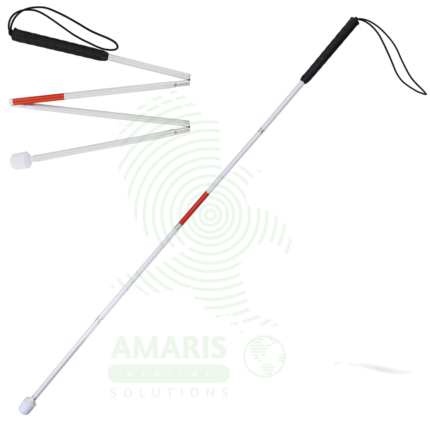
Blind Cane
A Blind Cane (white cane) is a specialized, lightweight mobility tool used by individuals who are blind or visually impaired for navigation and environmental awareness. Its core function is tactile and auditory detection of obstacles, drop-offs, and surface changes one step ahead of the user. Key features include a white shaft for visibility, an ergonomic grip, and a replaceable, specialized tip. It is not a walking stick for balance but a sensory probe. Its effective and safe use requires mandatory training in specific techniques from a certified Orientation and Mobility (O&M) specialist.
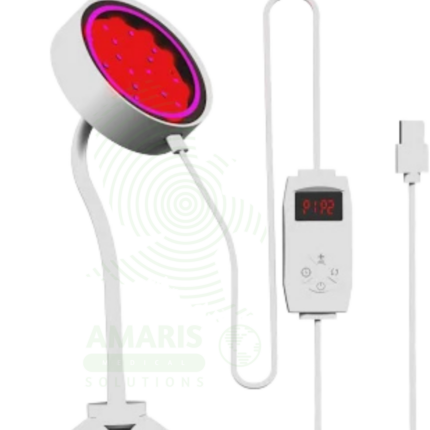
Desktop Infrared Therapy Lamp
A Desktop Infrared Therapy Lamp is a compact, focused heat therapy device that emits infrared radiation to deliver deep, penetrating warmth to targeted areas of the body. Used primarily for pain relief, muscle relaxation, and promoting healing in soft tissue and joint conditions, it is a common tool in physical therapy, chiropractic, and wellness practices. Its adjustable design allows precise positioning over areas like the neck, shoulder, or knee. Treatment involves non-invasive, radiant heat that increases local circulation. Critical safety practices include adhering to treatment time and distance guidelines, avoiding use over contraindicated areas, and never looking directly at the bulb.
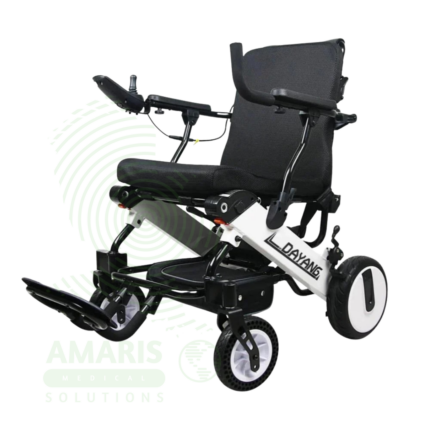
Electric Wheelchair
An Electric Wheelchair is a battery-powered mobility device prescribed for individuals with significant mobility impairments who cannot self-propel a manual chair. It provides independent indoor and outdoor mobility through a joystick or alternative control system. Key features often include power seating functions (tilt, recline) for pressure relief and postural support, and are available in various drive configurations (rear, mid, front-wheel) for different environments. As complex rehabilitation technology, it requires professional evaluation, user training, and regular maintenance to ensure safe operation, enhance independence, and improve the user's quality of life.
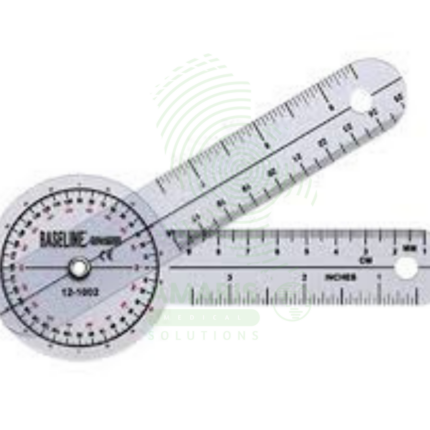
Goniometer
A goniometer is a calibrated, handheld measuring instrument designed to precisely quantify joint range of motion in degrees. Essential for physical and occupational therapy, orthopedic assessment, and rehabilitation medicine, it consists of a protractor-like body with two arms—one stationary, one movable—that align with the patient's limb segments. Available in various sizes for different joints (from fingers to hips) and in materials including transparent plastic, stainless steel, and digital formats, it transforms subjective observations of mobility into objective, reproducible data. This fundamental clinical tool guides diagnosis, documents treatment progress, supports disability determinations, and provides the evidence base for therapeutic interventions.
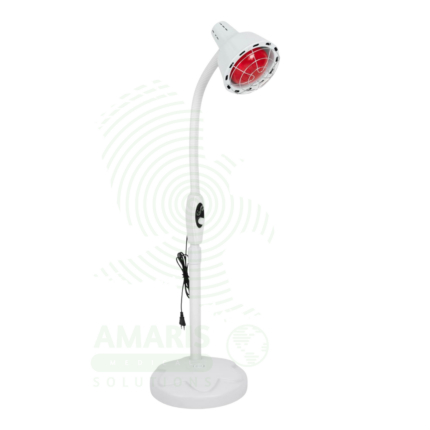
Infrared Therapy Lamp Stand
An Infrared Therapy Lamp Stand is a professional-grade, floor-standing device that emits broad-spectrum infrared radiation to deliver deep-heat therapy to large areas of the body. Designed for clinical use in physical therapy, chiropractic, and pain management clinics, it features adjustable height and tilt panels on a stable, mobile stand for targeted treatment of the back, shoulders, and legs. Its primary uses include pain relief for musculoskeletal conditions, tissue warming for rehabilitation, and promoting muscle relaxation. Safe operation requires strict adherence to contraindications, treatment time/distance guidelines, and continuous patient monitoring to prevent burns or overheating.
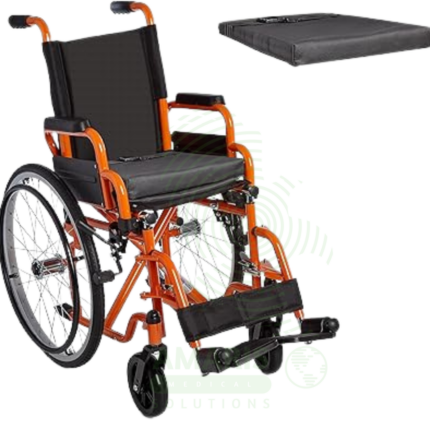
Pediatric Wheelchair
A Pediatric Wheelchair is a specially sized and designed mobility device for children with long-term physical disabilities. Its core functions are to provide independent or assisted mobility, deliver critical postural support to promote proper skeletal development and prevent deformities, and serve as a platform for inclusion in home, school, and community life. Unlike adult chairs, it features extensive adjustability to accommodate growth and modular seating systems tailored to each child's specific postural and medical needs. Prescription and fitting by a rehabilitation team are essential for safe and effective use.
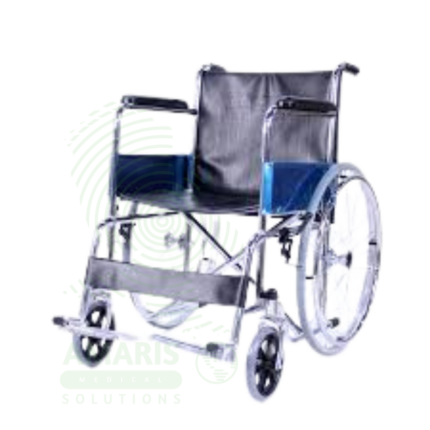
Standard Wheelchair
The Standard Wheelchair is a manually operated, folding or rigid-frame chair with two large rear wheels and two front casters, designed for basic patient mobility. It is used to transport non-ambulatory patients within healthcare facilities, support recovery from injury or surgery, and provide temporary mobility assistance. Key features include handrims for self-propulsion, attendant push handles, flip-up footrests, and wheel locks. As a fundamental piece of equipment in hospitals, clinics, and communities, it requires proper use of brakes and safe transfer techniques to prevent accidents.