Dermatoscope and Magnifiers
 Diagnostic Kits
 Vital Signs Monitors
 Stethoscopes and Accessories
 Otoscopes, Ophthalmoscopes, and Retinoscopes
 Reflex Hammers and Neurological Tools
 Scales and Measuring Devices
 Spirometers and Pulmonary Function Tests
 Electrosurgical Units and Accessories
 Cutting Instruments
 Grasping and Holding Instruments
 Hemostatic Instruments
 Specialized Surgical Sets
 Single-Use Procedure Trays and Packs
 Surgical Drapes, Gowns, and Covers
 Tissue Unifying Instruments
 Radiation Protection
 X-Ray Machines and Accessories
 Ultrasound Systems and Probes
 MRI and CT Scanners
 Radiology Consumables
 Bone Densitometers
 Fluoroscopy Equipment
 Imaging Tables and Positioning Aids
 Microscopes and Accessories
 Centrifuges and Separators
 Analyzers
 Incubators and Ovens
 Pipettes, Dispensers, and Lab Glassware
 Refrigerators, Freezers, and Storage Units
 Lab Consumables
 Sterilizers and Autoclaves for Lab Use
 Multi-Parameter Monitors
 Ventilators and Respiratory Support Devices
 Defibrillators and AEDs
 Infusion Pumps and IV Systems
 Patient Warmers and Cooling Devices
 Central Monitoring Stations
 Accessories
 Anesthesia Machines and Workstations
 Oxygen Concentrators and Delivery Systems
 Nebulizers and Inhalers
 CPAP/BiPAP Machines
 Airway Management
 Anesthesia Masks, Circuits, and Bags
 Humidifiers and Heaters
 Respiratory Therapy Accessories
 First Aid Kits and Cabinets
 Emergency Resuscitation Equipment
 Trauma Supplies
 Emergency Carts and Crash Carts
 Burn Care Products
 Bleeding Control
 Automated External Defibrillators (AEDs)
 Transport and Evacuation
 Wheelchairs and Accessories
 Walkers, Crutches, and Canes
 Prosthetics and Orthotics
 Physical Therapy Equipment
 Transfer Devices
 Bathroom Safety
 Orthopedic Traction and Tables
 Hot/Cold Therapy Packs and Units
 Beds and Mattresses
 Chairs and Stools
 Tables
 Cabinets and Storage
 Privacy Screens & Curtains
 Stands and Racks
 Linens and Textiles
 Lighting
 Autoclaves and Sterilizers
 Ultrasonic Cleaners
 Disinfectant Solutions and Wipes
 Sterilization Pouches, Wraps, and Indicators
 Instrument Trays and Containers
 UV and Ozone Disinfection Devices
 Washer Disinfectors
 Wound Care
 Gloves
 Masks and Respirators
 Catheters and Tubing
 Swabs, Applicators, and Sponges
 Incontinence Products
 Personal Protective Equipment (PPE)
 Dental Chairs and Units
 Handpieces and Burs
 Instruments
 Consumables
 Sterilization for Dental Use
 Orthodontic Supplies
 Endodontic Tools
 Slit Lamps and Tonometers
 Lensometers and Phoropters
 Ophthalmic Surgical Instruments
 Eyewear Frames and Lenses
 Contact Lens Supplies
 Vision Testing Charts and Devices
 Eye Care Consumables
 Laser Systems for Eye Care
 ENT Exam Chairs and Tables
 Endoscopes
 Audiometers and Hearing Tests
 ENT Instruments
 Nasal and Throat Packs
 Hearing Aids and Accessories
 Otology Supplies
 Fetal Dopplers and Monitors
 Delivery Beds and Tables
 Gynecological Instruments
 Neonatal Incubators and Warmers
 Breast Pumps and Accessories
 Contraceptive Devices
 Maternity Supports and Pads
 Neonatal Consumables
 Cystoscopes and Urethroscopes
 Dialysis Machines and Supplies
 Urological Catheters and Bags
 Lithotripters
 Prostate Treatment Devices
 Urinary Incontinence Products
 Kidney Stone Management Tools
 Consumables & Disposables
 EEG and EMG Machines
 Neurosurgical Instruments
 Nerve Stimulators
 Headrests and Positioning Aids
 Lumbar Puncture Kits
 Seizure Monitoring Devices
 Consumables
 Rehabilitation for Neurological Conditions
 ECG Machines and Accessories
 Holter Monitors
 Stress Test Systems
 Pacemakers and Defibrillator Accessories
 Vascular Access Devices
 Cardiac Catheters and Guidewires
 Blood Flow Meters
 Consumables
 Orthopedic Instruments
 Casts, Splints, and Padding
 Joint Replacement Supplies
 Prosthetic Limbs and Components
 Bone Grafts and Substitutes
 Traction Devices
 Orthopedic Braces and Supports
 Rehabilitation Aids for Orthopedics
 Home Oxygen Therapy
 Hospital Beds for Home Use
 Mobility Aids
 Bathroom and Daily Living Aids
 Wound Care for Home
 Monitoring Devices
 Enteral Feeding Pumps and Tubes
 Hand Sanitizers and Dispensers
 Face Shields and Goggles
 Isolation Gowns and Suits
 Biohazard Waste Containers
 Air Purifiers and HEPA Filters
 Surface Disinfectants
 Sharps Containers
 Protective Barriers
 Cardiovascular & Endurance Training
 Strength Training & Weightlifting
 Functional Training & Core Conditioning
 Physical Therapy & Rehabilitation
 Sports & Outdoor Recreation
 Gym Flooring & Facility Equipment
 Fitness Monitoring & Accessories
 Kids & Novelties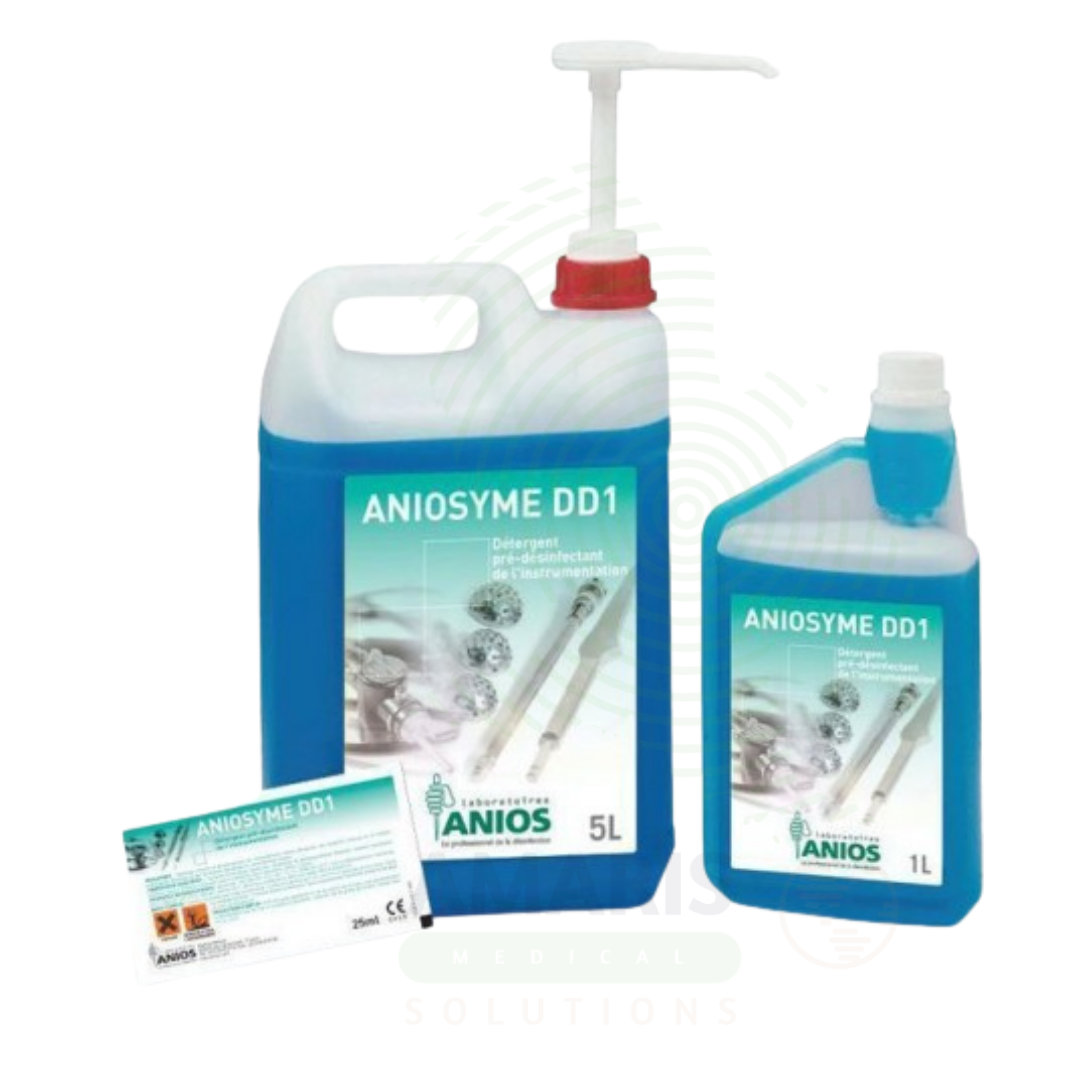
Aniosyme Disinfectant
$1.00
WhatsApp Order
Aniosyme Disinfectant is a medical device formulated as a tri-enzymatic liquid detergent with disinfecting properties for cleaning and pre-disinfection of medical-surgical instruments, endoscopic equipment, and medical devices before terminal sterilization. Its patented formulation combines three enzymes—protease (breaks down proteins), lipase (breaks down fats), and amylase (breaks down starches)—with quaternary ammonium antimicrobial agents and non-ionic surfactants, delivering both enzymatic cleaning and broad-spectrum antimicrobial efficacy in a single step. Demonstrating bactericidal, yeasticidal, and virucidal activity in a short contact time at standard dilution, Aniosyme is effective against multidrug-resistant bacteria (including MRSA, VRE, and ESBL producers), Candida albicans, and viruses including HIV, HBV, HCV, and Herpes. Chlorine-free and aldehyde-free with neutral pH, it is non-corrosive and compatible with a wide range of materials including aluminum alloys, making it suitable for use in ultrasonic cleaners and soaking trays. For the sterile processing technician, Aniosyme simplifies instrument reprocessing by combining cleaning and pre-disinfection in one solution. For the patient, proper use of Aniosyme ensures that surgical instruments, endoscopes, and medical devices are thoroughly cleaned and pre-disinfected before sterilization—significantly reducing the risk of healthcare-associated infections, cross-contamination, and surgical site complications.
Description
Aniosyme Disinfectant
PRIMARY CLINICAL & DIAGNOSTIC USES
1. Pre-Disinfection of Medical and Surgical Instruments Before Sterilization
-
Primary Use: Provides a tri-enzymatic liquid detergent with disinfecting properties specifically formulated for cleaning and pre-disinfection of surgical instruments, medical devices, and endoscopic equipment before terminal sterilization.
-
How it helps: For the sterile processing technician and central sterile manager, Aniosyme disinfectant combines enzymatic cleaning with antimicrobial action in a single step—reducing manual cleaning time, improving workflow efficiency, and ensuring instruments are properly prepared for sterilization. For the patient undergoing surgery or invasive procedures, proper pre-disinfection of instruments significantly reduces the risk of healthcare-associated infections, cross-contamination, and surgical site infections that could lead to serious complications.
2. Enzymatic Breakdown of Organic Soiling
-
Primary Use: Features a patented tri-enzymatic complex (protease, lipase, amylase) that breaks down proteins, fats, and starches—effectively removing blood, tissue, mucus, and other organic residues from instrument surfaces.
-
How it helps: For the decontamination technician, the enzymatic action of Aniosyme ensures thorough removal of organic debris that could otherwise protect microorganisms from sterilization processes—improving cleaning efficacy and reducing the risk of residual contamination. For the patient, complete removal of organic matter from reusable instruments means that subsequent sterilization is more reliable, reducing the chance of pathogen transmission between patients.
3. Broad-Spectrum Antimicrobial Efficacy
-
Primary Use: Demonstrates bactericidal, yeasticidal, and virucidal activity with optimized efficacy achieved in a short contact time at the recommended dilution.
-
How it helps: For the infection control practitioner, the rapid antimicrobial action of Aniosyme allows for efficient instrument turnaround while maintaining high safety standards—supporting compliance with sterilization and disinfection protocols. For the patient, broad-spectrum efficacy against bacteria (including multidrug-resistant organisms), yeasts, and viruses (including HIV, HBV, HCV, and Herpes) provides comprehensive protection against a wide range of potential pathogens.
4. Biofilm Prevention and Removal
-
Primary Use: Formulated to reduce the formation of biofilm on medical device surfaces, addressing a critical challenge in instrument reprocessing that can compromise patient safety.
-
How it helps: For the sterile processing department manager, Aniosyme’s anti-biofilm properties help maintain instrument cleanliness over multiple reprocessing cycles—reducing the need for harsh mechanical cleaning and extending instrument lifespan. For the patient, prevention of biofilm formation on endoscopes and surgical instruments eliminates a significant source of healthcare-associated infections that can be difficult to treat.
5. Compatibility with Ultrasonic Cleaners
-
Primary Use: Specifically formulated for use in ultrasonic cleaning baths and soaking trays, making it compatible with standard instrument reprocessing equipment.
-
How it helps: For the decontamination technician, Aniosyme’s compatibility with ultrasonic cleaners allows for automated, consistent cleaning that reaches instrument lumens and crevices—improving cleaning effectiveness while reducing manual labor. For the patient, ultrasonic cleaning with enzymatic disinfectant ensures that even complex instruments with narrow lumens (such as endoscopes) are thoroughly cleaned before sterilization.
SECONDARY & SUPPORTIVE USES
1. Manual Cleaning of Surgical Instrumentation: Used for manual soaking and brushing of contaminated surgical instruments in decontamination areas.
2. Endoscope Reprocessing: Specifically indicated for cleaning and pre-disinfection of flexible and rigid endoscopes, including bronchoscopes, gastroscopes, and colonoscopes.
3. Ultrasonic Bath Cleaning: Suitable for use in ultrasonic cleaning tanks for automated instrument processing.
4. Soaking of Contaminated Instruments During Transport: Used in healthcare facilities to soak instruments immediately after use, preventing organic matter from drying onto surfaces.
5. Decontamination of Dental Instruments: Applied for cleaning and pre-disinfection of dental handpieces, forceps, mirrors, and other reusable dental instruments.
6. Veterinary Instrument Processing: Used in veterinary clinics and hospitals for cleaning surgical instruments used in animal procedures.
7. Tattoo and Body Art Equipment: Applied for cleaning and pre-disinfection of reusable needles, tubes, and grips in professional tattoo and piercing studios.
8. Laboratory Instrument Cleaning: Used to clean and disinfect reusable laboratory glassware, forceps, scissors, and other instruments.
9. Beauty and Aesthetic Equipment: Applied for cleaning metal instruments used in nail salons, esthetic clinics, and spa settings.
10. Mobile Medical Units: Used in field hospitals, mobile clinics, and military medical units where reliable instrument reprocessing is required.
KEY PRODUCT FEATURES
1. BASIC IDENTIFICATION ATTRIBUTES
-
Device Type: A medical device formulated as a tri-enzymatic liquid detergent with disinfecting properties for cleaning and pre-disinfection of medical instruments before sterilization.
-
Designation: Aniosyme Disinfectant, Aniosyme X3, Aniosyme DD1, Aniosyme Prime, Pre-Disinfection Detergent, Enzymatic Cleaner Disinfectant, Instrument Pre-Cleaner, Medical Device Disinfectant.
-
Key Components:
o Enzymatic Complex: Protease (breaks down proteins), lipase (breaks down fats), amylase (breaks down starches and carbohydrates).
o Surfactants: Non-ionic surfactants for enhanced cleaning and stain removal.
o Active Antimicrobial Agents: Quaternary ammonium compounds, propionate ammonium quaternary, polyhexamethylene biguanide.
o Sequestrants: Agents that bind metal ions to prevent interference with cleaning.
o Colorant: Blue color for easy identification of solution.
2. TECHNICAL & PERFORMANCE PROPERTIES
-
Formulation Type: Liquid concentrate requiring dilution before use.
-
Dilution Rate: Standard dilution of twenty-five milliliters per five liters of water.
-
Water Temperature: Use with cold or warm water, typically ambient to forty degrees Celsius.
-
Contact Time: Minimum five minutes for most applications; extended contact time for endoscopic equipment.
-
pH: Neutral pH at dilution – compatible with aluminum alloys and sensitive materials.
-
Chlorine-Free: Formulated without chlorides to prevent corrosion of instruments.
-
Aldehyde-Free: Contains no aldehydes (glutaraldehyde, formaldehyde).
-
Soaking Bath Stability: Stable for up to eight hours; replace when visibly soiled or at minimum once daily.
MICROBIOLOGICAL PROPERTIES
-
Bactericidal Efficacy: Active against Pseudomonas aeruginosa, Staphylococcus aureus (including MRSA), Enterococcus faecium (VRE), Acinetobacter baumannii (BLSE), Klebsiella pneumoniae (OXA 48), Escherichia coli (OXA 48) at recommended contact time.
-
Yeasticidal Efficacy: Active against Candida albicans and other yeasts at recommended contact time.
-
Virucidal Efficacy: Active against HIV-1, PRV (surrogate for HBV), BVDV (surrogate for HCV), Herpes simplex virus type one, Vaccinia virus at recommended contact time.
-
Mycobactericidal Efficacy: Active against Mycobacterium terrae and Mycobacterium avium with extended contact time.
-
Regulatory Standards: Compliant with EN 1040, EN 1275, EN 13727, EN 13624, EN 14476, EN 14561, EN 14562.
3. PHYSICAL & OPERATIONAL PROPERTIES
-
Appearance: Clear blue liquid.
-
Fragrance: Neutral odor.
-
Packaging Sizes: One liter bottles, five liter cans with pump, unit doses in cartons.
-
Application Methods: Soaking, manual brushing, ultrasonic cleaning.
-
Rinsing: Instruments must be thoroughly rinsed with water after treatment to remove all traces of product.
4. SAFETY & COMPLIANCE ATTRIBUTES
-
Regulatory Status: Medical Device – Class IIa or IIb with CE marking.
-
Regulatory Standards: Compliant with applicable Medical Device Directives.
-
Material Compatibility: Non-corrosive; compatible with a wide range of materials including aluminum alloys, stainless steel, plastics, and elastomers.
-
Storage Conditions: Store between plus five degrees Celsius and plus thirty-five degrees Celsius.
-
Professional Use Only: Restricted to healthcare professionals and trained personnel.
5. STORAGE & HANDLING ATTRIBUTES
-
Storage: Store in original container in a cool, dry location at temperatures between plus five degrees Celsius and plus thirty-five degrees Celsius; protect from freezing and direct sunlight.
-
Shelf Life: Refer to expiration date printed on packaging.
-
Working Solution Stability: Replace solution when visibly soiled and at minimum once daily.
-
Dispensing: Use appropriate dosing equipment for accurate dilution.
-
Container Disposal: Dispose of empty containers according to local regulations for chemical waste.
6. LABORATORY & CLINICAL APPLICATIONS
-
Primary Application: Cleaning and pre-disinfection of medical-surgical instruments, endoscopic equipment, and medical devices before terminal sterilization.
-
Clinical Role: Essential product in central sterile processing departments, operating rooms, endoscopy suites, dental clinics, outpatient surgical centers, and any healthcare setting where reusable medical instruments are reprocessed.
SAFETY HANDLING PRECAUTIONS
1. SAFETY PRECAUTIONS
-
Personal Protective Equipment: Wear appropriate PPE (gloves, eye protection, fluid-resistant gown) when handling concentrated or diluted solution.
-
Ventilation: Use in well-ventilated areas; avoid inhalation of vapors.
-
Dilution Accuracy: Follow manufacturer dilution instructions precisely; incorrect dilution may reduce efficacy.
-
Total Immersion: Completely immerse instruments in solution to ensure all surfaces are treated.
-
Contact Time: Respect minimum contact time for standard instruments; extended contact time for endoscopic equipment.
-
Rinsing: Rinse instruments thoroughly with water after treatment to remove all traces of product before sterilization.
-
Solution Replacement: Replace solution when visibly soiled or at least once daily; do not top off with fresh solution.
-
Material Compatibility: Confirm compatibility with specific instrument materials before first use; avoid use on zinc or iron components.
-
Do Not Mix: Do not mix with other cleaning agents or disinfectants unless specified as compatible.
-
Spill Management: Absorb spills with inert material; collect in appropriate container; clean area with water.
2. FIRST AID MEASURES
-
Skin Contact: Remove contaminated clothing; wash skin thoroughly with soap and water; seek medical attention if irritation persists.
-
Eye Contact: Rinse immediately with plenty of water for at least fifteen minutes; remove contact lenses; seek medical attention.
-
Inhalation: Move to fresh air; if breathing difficulty persists, seek medical attention.
-
Ingestion: Do not induce vomiting; rinse mouth; drink water; seek immediate medical attention.
3. FIRE FIGHTING MEASURES
-
Flammability: Aqueous solution; not classified as flammable. However, evaporation may leave combustible residues.
-
Extinguishing Media: Use water spray, alcohol-resistant foam, dry chemical, or carbon dioxide for surrounding fires.
-
Hazardous Combustion Products: May release irritating or toxic fumes including carbon monoxide and carbon dioxide when heated to decomposition.
-
Firefighter Protection: Wear full protective clothing and self-contained breathing apparatus.
Related products
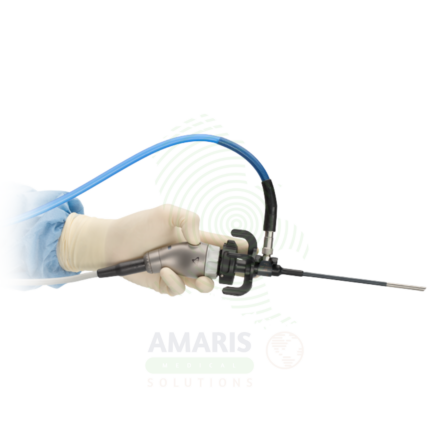
Arthroscopic Accessories
Arthroscopic accessories encompass a range of ancillary equipment essential for minimally invasive joint surgery, including fluid management systems, powered shaver blades, radiofrequency probes, suturing systems, and specimen retrieval devices. These accessories enable efficient tissue resection, precise repair, and thorough debris removal through small portals, supporting the full range of arthroscopic procedures. Essential for orthopedic surgery, they contribute to the safety, efficiency, and success of arthroscopic interventions.
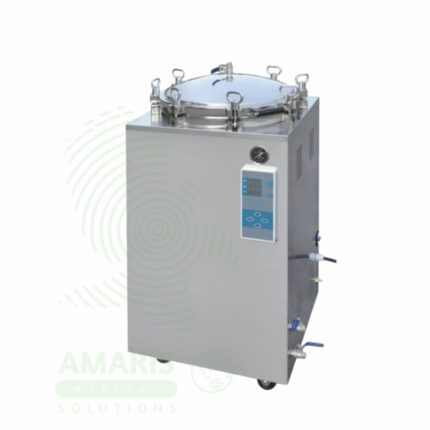
Autoclave Machine
An Autoclave Machine is a pressurized steam sterilizer used to destroy all microbial life, including resistant bacterial spores, on medical, surgical, and laboratory items. It is the most reliable method for sterilizing heat- and moisture-stable materials such as surgical instruments, wrapped packs, textiles, and laboratory media. Effective sterilization depends on the correct combination of steam, pressure, temperature, and time, validated by rigorous physical, chemical, and biological monitoring. Safe operation requires strict adherence to loading guidelines, use of appropriate cycles (especially for liquids), and extreme caution due to high heat and pressure hazards. It is an indispensable piece of capital equipment for any facility requiring guaranteed sterility.
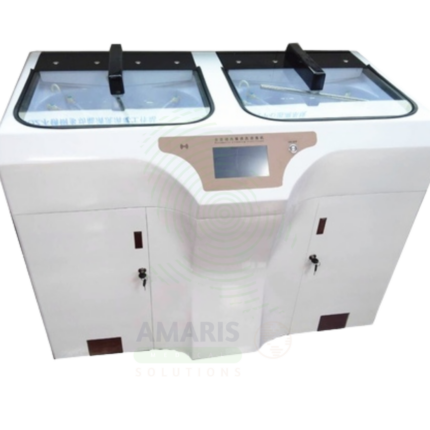
Automatic Washer Disinfector
An Automatic Washer Disinfector is an automated machine that cleans and thermally disinfects reusable surgical instruments, including forceps, scissors, retractors, and hollow-bore devices. Using a combination of water, detergents, and high-temperature rinse cycles, it removes organic debris and reduces microbial load before sterilization. Essential for sterile processing departments, it standardizes instrument cleaning, provides documentation for quality assurance, and ensures that instruments are properly prepared for subsequent sterilization.
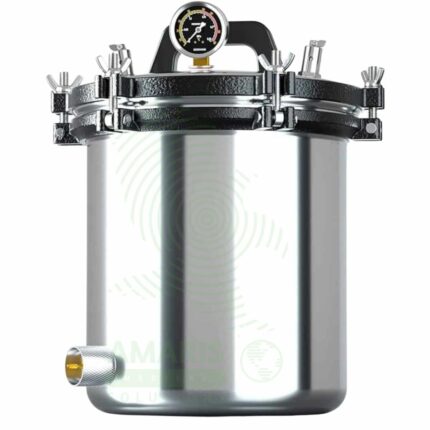
Electric Autoclave
An Electric Autoclave is a sterilization device that uses saturated steam under pressure to destroy all microbial life, including bacterial spores, on surgical instruments, laboratory glassware, textiles, and other heat- and moisture-stable items. Available in tabletop, vertical, and horizontal configurations, it operates at temperatures of 121-134°C with cycles designed for unwrapped items, wrapped packs, liquids, and porous loads. Essential for sterile processing departments, operating rooms, laboratories, and dental clinics, the autoclave ensures that reusable instruments are safe for patient use. Proper cycle selection, load configuration, and regular biological monitoring are critical for effective sterilization.
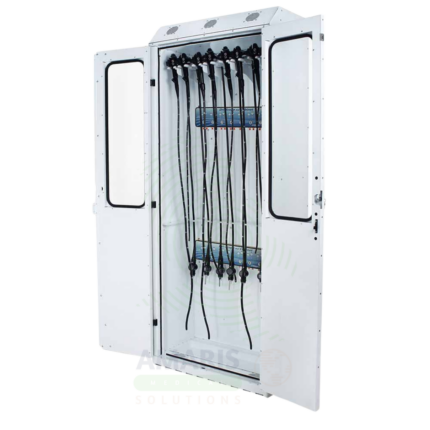
Endoscope Storage Cabinet
An Endoscope Storage Cabinet is a specialized storage system designed to maintain the sterility of flexible endoscopes after high-level disinfection. Featuring vertical hanging racks to prevent damage, HEPA-filtered air circulation to prevent recontamination, and drying systems to inhibit microbial growth, it protects expensive endoscopes while ensuring they are ready for patient use. Essential for gastroenterology, pulmonology, and urology departments, it supports infection prevention, equipment longevity, and efficient workflow.
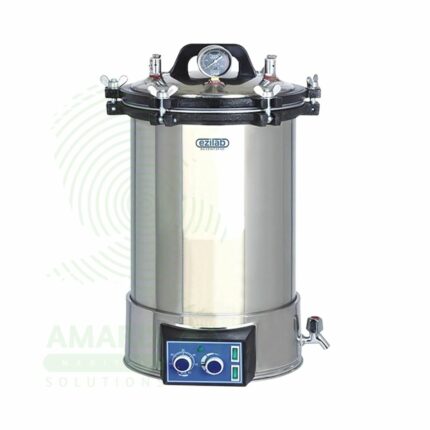
Portable Steam Sterilizer
A Portable Steam Sterilizer is a compact, mobile autoclave designed to provide sterilization capability in field, remote, backup, or home healthcare settings. Its key feature is operational independence from fixed water and drain lines, using an integrated reservoir and often versatile power options. While offering the same core sterilization efficacy as larger units for unwrapped instruments and liquids, its portability necessitates strict attention to using the correct water type, ensuring a stable operating surface, and managing extreme heat hazards in often suboptimal environments. It is a critical tool for extending safe surgical and procedural standards beyond traditional healthcare facilities.
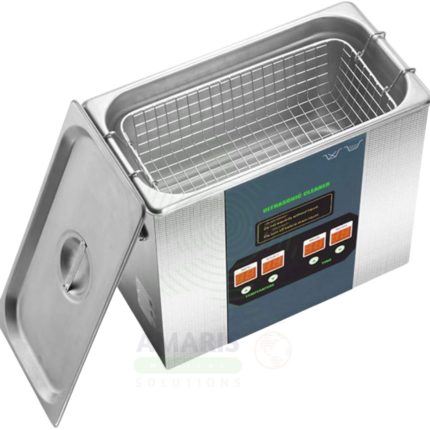
Ultrasonic Cleaner
An Ultrasonic Cleaner is a cleaning device that uses high-frequency sound waves to create microscopic cavitation bubbles that remove debris, blood, tissue, and biofilm from surgical instruments, dental instruments, and laboratory glassware. Essential for instrument reprocessing, it is the critical first step before sterilization, ensuring that organic material is removed so that subsequent sterilization is effective. Used in sterile processing departments, dental practices, and laboratories, it provides thorough cleaning of complex instruments with narrow lumens, hinges, and articulating joints.