Dermatoscope and Magnifiers
 Diagnostic Kits
 Vital Signs Monitors
 Stethoscopes and Accessories
 Otoscopes, Ophthalmoscopes, and Retinoscopes
 Reflex Hammers and Neurological Tools
 Scales and Measuring Devices
 Spirometers and Pulmonary Function Tests
 Electrosurgical Units and Accessories
 Cutting Instruments
 Grasping and Holding Instruments
 Hemostatic Instruments
 Specialized Surgical Sets
 Single-Use Procedure Trays and Packs
 Surgical Drapes, Gowns, and Covers
 Tissue Unifying Instruments
 Radiation Protection
 X-Ray Machines and Accessories
 Ultrasound Systems and Probes
 MRI and CT Scanners
 Radiology Consumables
 Bone Densitometers
 Fluoroscopy Equipment
 Imaging Tables and Positioning Aids
 Microscopes and Accessories
 Centrifuges and Separators
 Analyzers
 Incubators and Ovens
 Pipettes, Dispensers, and Lab Glassware
 Refrigerators, Freezers, and Storage Units
 Lab Consumables
 Sterilizers and Autoclaves for Lab Use
 Multi-Parameter Monitors
 Ventilators and Respiratory Support Devices
 Defibrillators and AEDs
 Infusion Pumps and IV Systems
 Patient Warmers and Cooling Devices
 Central Monitoring Stations
 Accessories
 Anesthesia Machines and Workstations
 Oxygen Concentrators and Delivery Systems
 Nebulizers and Inhalers
 CPAP/BiPAP Machines
 Airway Management
 Anesthesia Masks, Circuits, and Bags
 Humidifiers and Heaters
 Respiratory Therapy Accessories
 First Aid Kits and Cabinets
 Emergency Resuscitation Equipment
 Trauma Supplies
 Emergency Carts and Crash Carts
 Burn Care Products
 Bleeding Control
 Automated External Defibrillators (AEDs)
 Transport and Evacuation
 Wheelchairs and Accessories
 Walkers, Crutches, and Canes
 Prosthetics and Orthotics
 Physical Therapy Equipment
 Transfer Devices
 Bathroom Safety
 Orthopedic Traction and Tables
 Hot/Cold Therapy Packs and Units
 Beds and Mattresses
 Chairs and Stools
 Tables
 Cabinets and Storage
 Privacy Screens & Curtains
 Stands and Racks
 Linens and Textiles
 Lighting
 Autoclaves and Sterilizers
 Ultrasonic Cleaners
 Disinfectant Solutions and Wipes
 Sterilization Pouches, Wraps, and Indicators
 Instrument Trays and Containers
 UV and Ozone Disinfection Devices
 Washer Disinfectors
 Wound Care
 Gloves
 Masks and Respirators
 Catheters and Tubing
 Swabs, Applicators, and Sponges
 Incontinence Products
 Personal Protective Equipment (PPE)
 Dental Chairs and Units
 Handpieces and Burs
 Instruments
 Consumables
 Sterilization for Dental Use
 Orthodontic Supplies
 Endodontic Tools
 Slit Lamps and Tonometers
 Lensometers and Phoropters
 Ophthalmic Surgical Instruments
 Eyewear Frames and Lenses
 Contact Lens Supplies
 Vision Testing Charts and Devices
 Eye Care Consumables
 Laser Systems for Eye Care
 ENT Exam Chairs and Tables
 Endoscopes
 Audiometers and Hearing Tests
 ENT Instruments
 Nasal and Throat Packs
 Hearing Aids and Accessories
 Otology Supplies
 Fetal Dopplers and Monitors
 Delivery Beds and Tables
 Gynecological Instruments
 Neonatal Incubators and Warmers
 Breast Pumps and Accessories
 Contraceptive Devices
 Maternity Supports and Pads
 Neonatal Consumables
 Cystoscopes and Urethroscopes
 Dialysis Machines and Supplies
 Urological Catheters and Bags
 Lithotripters
 Prostate Treatment Devices
 Urinary Incontinence Products
 Kidney Stone Management Tools
 Consumables & Disposables
 EEG and EMG Machines
 Neurosurgical Instruments
 Nerve Stimulators
 Headrests and Positioning Aids
 Lumbar Puncture Kits
 Seizure Monitoring Devices
 Consumables
 Rehabilitation for Neurological Conditions
 ECG Machines and Accessories
 Holter Monitors
 Stress Test Systems
 Pacemakers and Defibrillator Accessories
 Vascular Access Devices
 Cardiac Catheters and Guidewires
 Blood Flow Meters
 Consumables
 Orthopedic Instruments
 Casts, Splints, and Padding
 Joint Replacement Supplies
 Prosthetic Limbs and Components
 Bone Grafts and Substitutes
 Traction Devices
 Orthopedic Braces and Supports
 Rehabilitation Aids for Orthopedics
 Home Oxygen Therapy
 Hospital Beds for Home Use
 Mobility Aids
 Bathroom and Daily Living Aids
 Wound Care for Home
 Monitoring Devices
 Enteral Feeding Pumps and Tubes
 Hand Sanitizers and Dispensers
 Face Shields and Goggles
 Isolation Gowns and Suits
 Biohazard Waste Containers
 Air Purifiers and HEPA Filters
 Surface Disinfectants
 Sharps Containers
 Protective Barriers
 Cardiovascular & Endurance Training
 Strength Training & Weightlifting
 Functional Training & Core Conditioning
 Physical Therapy & Rehabilitation
 Sports & Outdoor Recreation
 Gym Flooring & Facility Equipment
 Fitness Monitoring & Accessories
 Kids & Novelties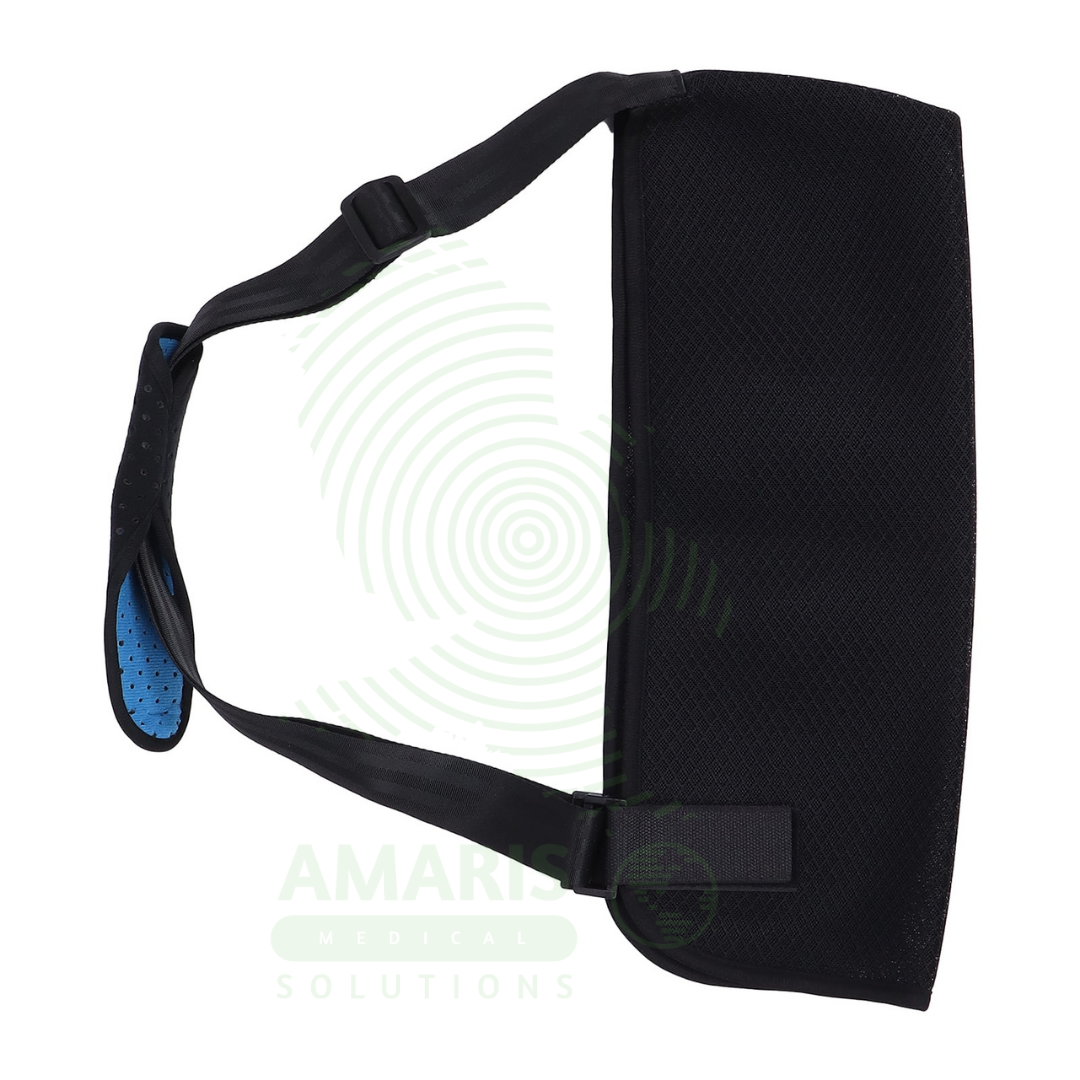
Arm Sling
WhatsApp Order
An Arm Sling is a fundamental supportive device used to elevate, immobilize, and protect the injured upper limb. By cradling the forearm and transferring weight to the neck and opposite shoulder, it provides stability for fractures, dislocations, and post-operative conditions of the shoulder, arm, elbow, or wrist. Proper application is critical: the elbow must be bent at 90 degrees, the hand elevated above the elbow, and the wrist supported to prevent swelling and nerve complications. Available in standard, shoulder immobilizer, and collar-and-cuff designs, it is an essential tool for pain management, healing facilitation, and patient comfort across all clinical settings.
Description
Arm Sling
PRIMARY CLINICAL & DIAGNOSTIC USES
1. Support and Immobilization of Upper Limb Injuries
-
Primary Use: Supports, elevates, and immobilizes the arm, elbow, and forearm following acute injuries such as shoulder dislocations, clavicle fractures, humerus fractures, elbow fractures or dislocations, and wrist or forearm fractures, holding the arm in a stable position to reduce pain, minimize movement, and promote initial healing.
-
How it helps: For the emergency physician, orthopedic surgeon, and athletic trainer, an arm sling provides immediate, effective immobilization that transforms a painful, unstable injury into a supported, protected limb—reducing the risk of further damage during transport and initial healing. For the patient with a fractured clavicle, dislocated shoulder, or broken humerus, the sling takes the weight of their arm off the injured structures, providing dramatic pain relief and the reassurance that their injury is now protected from accidental movement.
2. Post-Operative Care for Shoulder, Arm, or Hand Surgery
-
Primary Use: Used following surgical procedures like rotator cuff repair, shoulder stabilization, open reduction internal fixation of fractures, and elbow reconstructions to protect the surgical repair, reduce stress on healing tissues, and maintain the arm in the prescribed position of immobilization.
-
How it helps: For the surgeon and post-operative care team, the arm sling is the external protector of their internal work—holding the arm in the precise position that keeps tension off repaired tendons, protects hardware, and allows healing to proceed undisturbed. For the patient emerging from shoulder or arm surgery, the sling provides both physical protection and psychological reassurance, reminding them and others that the arm is healing and must be handled with care.
3. Management of Soft Tissue Injuries
-
Primary Use: Provides support and rest for severe sprains, strains, or contusions of the shoulder, elbow, or wrist, allowing inflammation to subside while maintaining functional use of the hand when appropriate.
-
How it helps: For the primary care physician and sports medicine specialist, prescribing a sling for a severe soft tissue injury gives the patient a way to rest the injured structures while remaining mobile and independent. For the patient with a severe rotator cuff strain or elbow tendinopathy flare-up, wearing a sling for a few days provides the rest needed to break the cycle of pain and inflammation, speeding recovery and preventing chronicity.
4. Treatment of Neurological or Vascular Conditions
-
Primary Use: Supports a paralyzed or weakened arm to prevent subluxation of the shoulder joint and protect the limb, and elevates the arm in conditions like complex regional pain syndrome or lymphedema to manage swelling and pain.
-
How it helps: For the physiatrist, neurologist, and lymphedema therapist, a properly fitted sling provides essential support that prevents secondary complications—protecting the shoulder joint from painful subluxation in stroke patients, reducing swelling through elevation, and protecting the hypersensitive limb in CRPS from accidental contact. For the patient with post-stroke weakness, the sling prevents the chronic pain and joint damage that results from an unsupported arm dangling at their side. For the patient with lymphedema, elevation in a sling helps mobilize fluid and reduce swelling.
5. Stabilization for Rib Fractures
-
Primary Use: A broad arm sling helps stabilize the arm and limit movement of the pectoral muscles, providing indirect support and pain relief for fractures of the upper ribs.
-
How it helps: For the emergency and trauma provider, using a sling for rib fractures addresses the mechanical source of pain—limiting the pull of arm and chest wall muscles on the fractured ribs during movement. For the patient with painful rib fractures, the sling provides noticeable relief with every arm movement and deep breath, reducing the splinting that leads to atelectasis and pneumonia.
SECONDARY & SUPPORTIVE USES
1. First Aid and Emergency Stabilization: A fundamental component of first aid kits and emergency response for immediate stabilization of suspected upper limb fractures or dislocations before radiographic evaluation and definitive treatment. For the first responder at an accident scene, a sling applied quickly provides immediate comfort and prevents further injury during transport.
2. Comfort and Pain Management for Chronic Conditions: Provides symptomatic relief and support for patients with chronic conditions like severe shoulder osteoarthritis, rheumatoid arthritis, or rotator cuff arthropathy during flare-ups. For the patient with end-stage arthritis awaiting surgery, a sling during severe flare-ups provides periods of relief that make the waiting more bearable.
3. Pediatric Immobilization: Essential for managing common pediatric injuries like clavicle fractures or nursemaid’s elbow, where it provides both treatment and comfort. For the child with a broken collarbone from a fall, a sling that fits properly provides security and allows them to return to play sooner.
4. Prevention of Dependent Edema: By keeping the hand elevated above the level of the heart, slings help prevent or reduce gravity-dependent swelling in the hand and fingers following injury or surgery. For the patient with a cast or after hand surgery, elevation in a sling prevents the painful, stiff swelling that complicates recovery.
5. Facilitation of Healing in Tendon Repairs: For certain tendon repairs in the hand or forearm, a sling is used to maintain the wrist and hand in a specific elevated position to protect the repair. For the patient after flexor tendon repair, the prescribed sling position protects the delicate surgical work while allowing early protected motion protocols.
KEY PRODUCT FEATURES
1. BASIC IDENTIFICATION ATTRIBUTES
-
Type: A supportive fabric device designed to cradle the forearm and support the weight of the arm from the neck or opposite shoulder.
-
Designation: Commonly categorized by design and support area (e.g., Universal Arm Sling, Shoulder Immobilizer, Clavicle/Collar and Cuff Sling).
-
Common Variants:
-
Universal (Standard) Arm Sling: A triangular or rectangular piece of fabric that supports the forearm, with a strap around the neck. The most common type for forearm, wrist, and elbow injuries.
-
Shoulder Immobilizer: A more comprehensive system consisting of a forearm pouch and a wrap-around body strap that secures the arm tightly against the torso, preventing shoulder movement. Used for post-shoulder surgery or shoulder dislocations.
-
Collar and Cuff Sling: A simple strap looped around the neck that supports the wrist, allowing the elbow to hang freely at 90 degrees. Often used for humeral or elbow fractures where gravity assists alignment.
-
Single/Two-Piece Humeral Fracture Sling: Specifically designed to support the weight of the arm with a cuff under the elbow and a strap around the neck, often with an abdominal binder to control rotation.
-
2. TECHNICAL & PERFORMANCE PROPERTIES
-
Material:
-
Fabric: Durable, breathable, and washable materials like cotton, polyester, or nylon. May include foam padding at pressure points (neck, wrist).
-
Straps: Adjustable, non-stretch straps with secure fasteners (D-rings, Velcro, buckles).
-
-
Support Mechanism: Functions by transferring the weight of the arm from the injured shoulder girdle to the neck and opposite shoulder, while cradling the forearm to prevent dependent positioning.
3. PHYSICAL & OPERATIONAL PROPERTIES
-
Adjustability: Critical for proper fit. Must be adjustable in length to ensure the elbow is bent at 90 degrees, the hand is elevated above the elbow, and the wrist is supported in a neutral position.
-
Fit and Sizing: Typically one-size-fits-most adults, with pediatric sizes available. Proper sizing ensures the fingertips are visible at the open end of a standard sling and the hand is supported to prevent "hand drop."
-
Comfort Features: Wide, padded neck straps or padded sleeves are essential to prevent chafing and nerve compression (e.g., on the side of the neck). Breathable, moisture-wicking liners improve patient compliance.
4. SAFETY & COMPLIANCE ATTRIBUTES
-
Regulatory Status: Class I medical device.
-
Biocompatibility: Fabrics must be non-irritating for prolonged skin contact.
-
Latex-Free: Standard.
5. STORAGE & HANDLING ATTRIBUTES
-
Storage: Store in a clean, dry place.
-
Cleaning & Disinfection:
-
Most fabric slings are machine washable in cold water on a gentle cycle. Tumble dry on low or air dry. Check manufacturer labels.
-
For infection control, disposable slings are available for single-patient use in clinical settings.
-
-
Replacement: Reusable slings are durable for the duration of treatment (weeks to months). Replace if straps lose integrity, fasteners fail, or the fabric becomes soiled beyond cleaning.
6. LABORATORY & CLINICAL APPLICATIONS
-
Primary Application: A ubiquitous device in emergency medicine, orthopedics, trauma, post-operative care, and general practice for the initial and ongoing management of a wide range of upper extremity conditions.
-
Disposable vs. Reusable: Disposable slings are common in hospitals and ERs for hygiene and convenience. Reusable slings are standard for home care and longer-term therapy.
SAFETY HANDLING PRECAUTIONS
1. SAFETY PRECAUTIONS
-
Neurovascular Monitoring (CRITICAL): Instruct patients to monitor fingers for color (pink), warmth, sensation, and movement. Numbness, tingling, bluish discoloration, or swelling are signs the sling may be too tight or the arm is too dependent, requiring adjustment.
-
Skin Integrity: Check skin under the neck strap and in the armpit daily for redness, irritation, or breakdown. Use padding as needed.
-
Correct Positioning: The hand must be higher than the elbow to prevent edema. The wrist should be supported in a neutral (handshake) position to avoid "wrist drop" or ulnar nerve compression at the elbow.
-
Prevention of Shoulder Stiffness: For injuries not requiring strict shoulder immobilization, patients should be instructed to remove the sling several times a day (if permitted) to perform gentle pendulum exercises to prevent adhesive capsulitis (frozen shoulder).
2. FIRST AID MEASURES
-
If Causing Numbness or Discoloration: Immediately loosen all straps. Allow the arm to rest in a supported position lower than the heart briefly. If symptoms persist, seek medical advice.
-
Skin Irritation or Rash: Remove the sling. Clean the skin. Allow it to air out. Apply a barrier cream if needed. Consider adding a soft cotton sleeve or padding before reapplying.
3. FIRE FIGHTING MEASURES
-
Flammability: Fabric and foam components are combustible.
-
Extinguishing Media: Use water, foam, or CO₂ as appropriate for the surrounding fire.
Related products
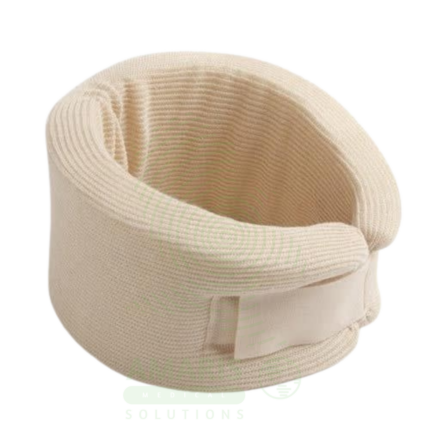
Adult Soft Cervical Collar
An Adult Soft Cervical Collar is a lightweight, foam cervical orthosis providing gentle support and comfort for acute cervical strain, whiplash injuries, muscle spasms, and degenerative cervical conditions. The soft foam construction retains body heat to help relax tense muscles while providing proprioceptive feedback for postural awareness. It is adjustable with Velcro closure for customized fit and is available in various sizes. Not indicated for cervical spine trauma, fractures, or instability requiring rigid immobilization. Used in primary care, emergency departments, and physical therapy settings for symptomatic relief of acute and chronic neck conditions.
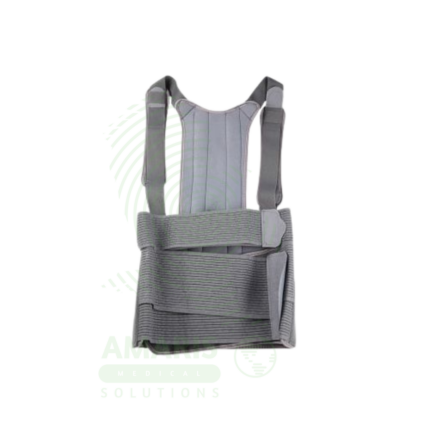
Breathable Spinal Brace Thoracolumbar
A Breathable Spinal Brace Thoracolumbar is a rigid external orthosis providing immobilization and support for the thoracic and lumbar spine following spinal surgery, fractures, instability, and disc herniation. The brace restricts flexion, extension, rotation, and lateral bending to protect surgical repairs and promote healing. Featuring a breathable, moisture-wicking lining for patient comfort, it allows safe mobilization during recovery. Used in spine surgery, orthopedics, and rehabilitation settings, proper fit, skin integrity monitoring, and neurological assessment are essential for safe and effective use.
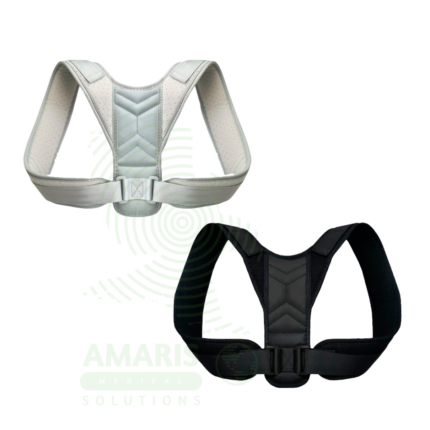
Clavicle Support
A Clavicle Support is a figure-eight style brace designed to immobilize and support the clavicle and shoulder girdle following clavicle fractures, acromioclavicular joint injuries, and clavicle surgery. The support retracts the shoulders, maintaining proper alignment of the fractured bone ends during healing. Used in orthopedic clinics, emergency departments, and sports medicine settings, it provides external stabilization that reduces pain, prevents displacement, and supports healing. Proper fit, skin integrity monitoring, and circulation checks are essential for safe and effective use.

Goniometer
A goniometer is a calibrated, handheld measuring instrument designed to precisely quantify joint range of motion in degrees. Essential for physical and occupational therapy, orthopedic assessment, and rehabilitation medicine, it consists of a protractor-like body with two arms—one stationary, one movable—that align with the patient's limb segments. Available in various sizes for different joints (from fingers to hips) and in materials including transparent plastic, stainless steel, and digital formats, it transforms subjective observations of mobility into objective, reproducible data. This fundamental clinical tool guides diagnosis, documents treatment progress, supports disability determinations, and provides the evidence base for therapeutic interventions.
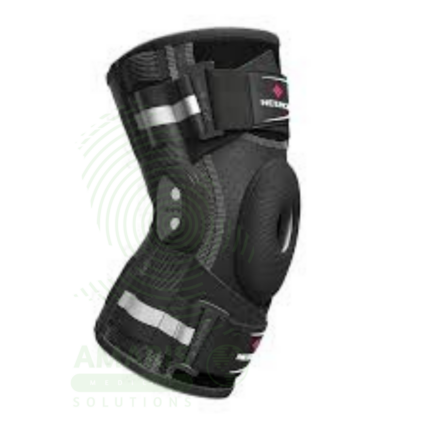
Hinged & Stabilizer Knee Braces
Hinged & Stabilizer Knee Braces are rigid or semi-rigid orthotic devices featuring side hinges, designed to provide mechanical stability, control motion, and protect the knee joint. They are essential for post-operative rehabilitation (e.g., after ACL reconstruction), managing chronic ligament instability, treating acute sprains, and, in the form of unloader braces, alleviating pain from osteoarthritis. Their effectiveness relies on a precise fit with proper hinge alignment, an adjustable strapping system, and selection of the correct brace type for the specific clinical indication. They are a cornerstone of non-surgical and post-surgical knee management.

Orthopedic Padding
Orthopedic Padding is a soft, cushioning material applied directly to the skin as an essential protective layer underneath casts, splints, and braces. Its primary functions are to prevent skin breakdown by distributing pressure, absorb moisture, and provide comfort during immobilization. Available in rolls of cotton, synthetic, or foam, its correct, wrinkle-free application is a critical safety step in fracture management and orthopedic bracing, directly impacting patient tolerance and preventing complications like pressure ulcers.
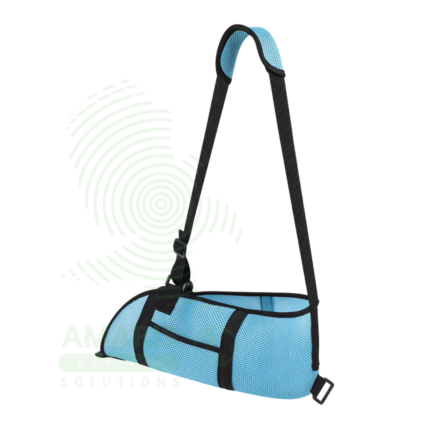
Pediatric Arm Sling
A Pediatric Arm Sling is a soft, fabric support designed specifically for children to immobilize and support the arm following upper extremity injuries, fractures, and surgery. Sized for pediatric patients with adjustable, padded neck straps, it provides comfortable, lightweight support that reduces pain, limits movement, and elevates the extremity to control swelling. Used in pediatric emergency departments, orthopedic clinics, and primary care settings, it supports healing while allowing children to return to daily activities. Proper positioning, circulation monitoring, and age-appropriate education are essential for safe use.