Dermatoscope and Magnifiers
 Diagnostic Kits
 Vital Signs Monitors
 Stethoscopes and Accessories
 Otoscopes, Ophthalmoscopes, and Retinoscopes
 Reflex Hammers and Neurological Tools
 Scales and Measuring Devices
 Spirometers and Pulmonary Function Tests
 Electrosurgical Units and Accessories
 Cutting Instruments
 Grasping and Holding Instruments
 Hemostatic Instruments
 Specialized Surgical Sets
 Single-Use Procedure Trays and Packs
 Surgical Drapes, Gowns, and Covers
 Tissue Unifying Instruments
 Radiation Protection
 X-Ray Machines and Accessories
 Ultrasound Systems and Probes
 MRI and CT Scanners
 Radiology Consumables
 Bone Densitometers
 Fluoroscopy Equipment
 Imaging Tables and Positioning Aids
 Microscopes and Accessories
 Centrifuges and Separators
 Analyzers
 Incubators and Ovens
 Pipettes, Dispensers, and Lab Glassware
 Refrigerators, Freezers, and Storage Units
 Lab Consumables
 Sterilizers and Autoclaves for Lab Use
 Multi-Parameter Monitors
 Ventilators and Respiratory Support Devices
 Defibrillators and AEDs
 Infusion Pumps and IV Systems
 Patient Warmers and Cooling Devices
 Central Monitoring Stations
 Accessories
 Anesthesia Machines and Workstations
 Oxygen Concentrators and Delivery Systems
 Nebulizers and Inhalers
 CPAP/BiPAP Machines
 Airway Management
 Anesthesia Masks, Circuits, and Bags
 Humidifiers and Heaters
 Respiratory Therapy Accessories
 First Aid Kits and Cabinets
 Emergency Resuscitation Equipment
 Trauma Supplies
 Emergency Carts and Crash Carts
 Burn Care Products
 Bleeding Control
 Automated External Defibrillators (AEDs)
 Transport and Evacuation
 Wheelchairs and Accessories
 Walkers, Crutches, and Canes
 Prosthetics and Orthotics
 Physical Therapy Equipment
 Transfer Devices
 Bathroom Safety
 Orthopedic Traction and Tables
 Hot/Cold Therapy Packs and Units
 Beds and Mattresses
 Chairs and Stools
 Tables
 Cabinets and Storage
 Privacy Screens & Curtains
 Stands and Racks
 Linens and Textiles
 Lighting
 Autoclaves and Sterilizers
 Ultrasonic Cleaners
 Disinfectant Solutions and Wipes
 Sterilization Pouches, Wraps, and Indicators
 Instrument Trays and Containers
 UV and Ozone Disinfection Devices
 Washer Disinfectors
 Wound Care
 Gloves
 Masks and Respirators
 Catheters and Tubing
 Swabs, Applicators, and Sponges
 Incontinence Products
 Personal Protective Equipment (PPE)
 Dental Chairs and Units
 Handpieces and Burs
 Instruments
 Consumables
 Sterilization for Dental Use
 Orthodontic Supplies
 Endodontic Tools
 Slit Lamps and Tonometers
 Lensometers and Phoropters
 Ophthalmic Surgical Instruments
 Eyewear Frames and Lenses
 Contact Lens Supplies
 Vision Testing Charts and Devices
 Eye Care Consumables
 Laser Systems for Eye Care
 ENT Exam Chairs and Tables
 Endoscopes
 Audiometers and Hearing Tests
 ENT Instruments
 Nasal and Throat Packs
 Hearing Aids and Accessories
 Otology Supplies
 Fetal Dopplers and Monitors
 Delivery Beds and Tables
 Gynecological Instruments
 Neonatal Incubators and Warmers
 Breast Pumps and Accessories
 Contraceptive Devices
 Maternity Supports and Pads
 Neonatal Consumables
 Cystoscopes and Urethroscopes
 Dialysis Machines and Supplies
 Urological Catheters and Bags
 Lithotripters
 Prostate Treatment Devices
 Urinary Incontinence Products
 Kidney Stone Management Tools
 Consumables & Disposables
 EEG and EMG Machines
 Neurosurgical Instruments
 Nerve Stimulators
 Headrests and Positioning Aids
 Lumbar Puncture Kits
 Seizure Monitoring Devices
 Consumables
 Rehabilitation for Neurological Conditions
 ECG Machines and Accessories
 Holter Monitors
 Stress Test Systems
 Pacemakers and Defibrillator Accessories
 Vascular Access Devices
 Cardiac Catheters and Guidewires
 Blood Flow Meters
 Consumables
 Orthopedic Instruments
 Casts, Splints, and Padding
 Joint Replacement Supplies
 Prosthetic Limbs and Components
 Bone Grafts and Substitutes
 Traction Devices
 Orthopedic Braces and Supports
 Rehabilitation Aids for Orthopedics
 Home Oxygen Therapy
 Hospital Beds for Home Use
 Mobility Aids
 Bathroom and Daily Living Aids
 Wound Care for Home
 Monitoring Devices
 Enteral Feeding Pumps and Tubes
 Hand Sanitizers and Dispensers
 Face Shields and Goggles
 Isolation Gowns and Suits
 Biohazard Waste Containers
 Air Purifiers and HEPA Filters
 Surface Disinfectants
 Sharps Containers
 Protective Barriers
 Cardiovascular & Endurance Training
 Strength Training & Weightlifting
 Functional Training & Core Conditioning
 Physical Therapy & Rehabilitation
 Sports & Outdoor Recreation
 Gym Flooring & Facility Equipment
 Fitness Monitoring & Accessories
 Kids & Novelties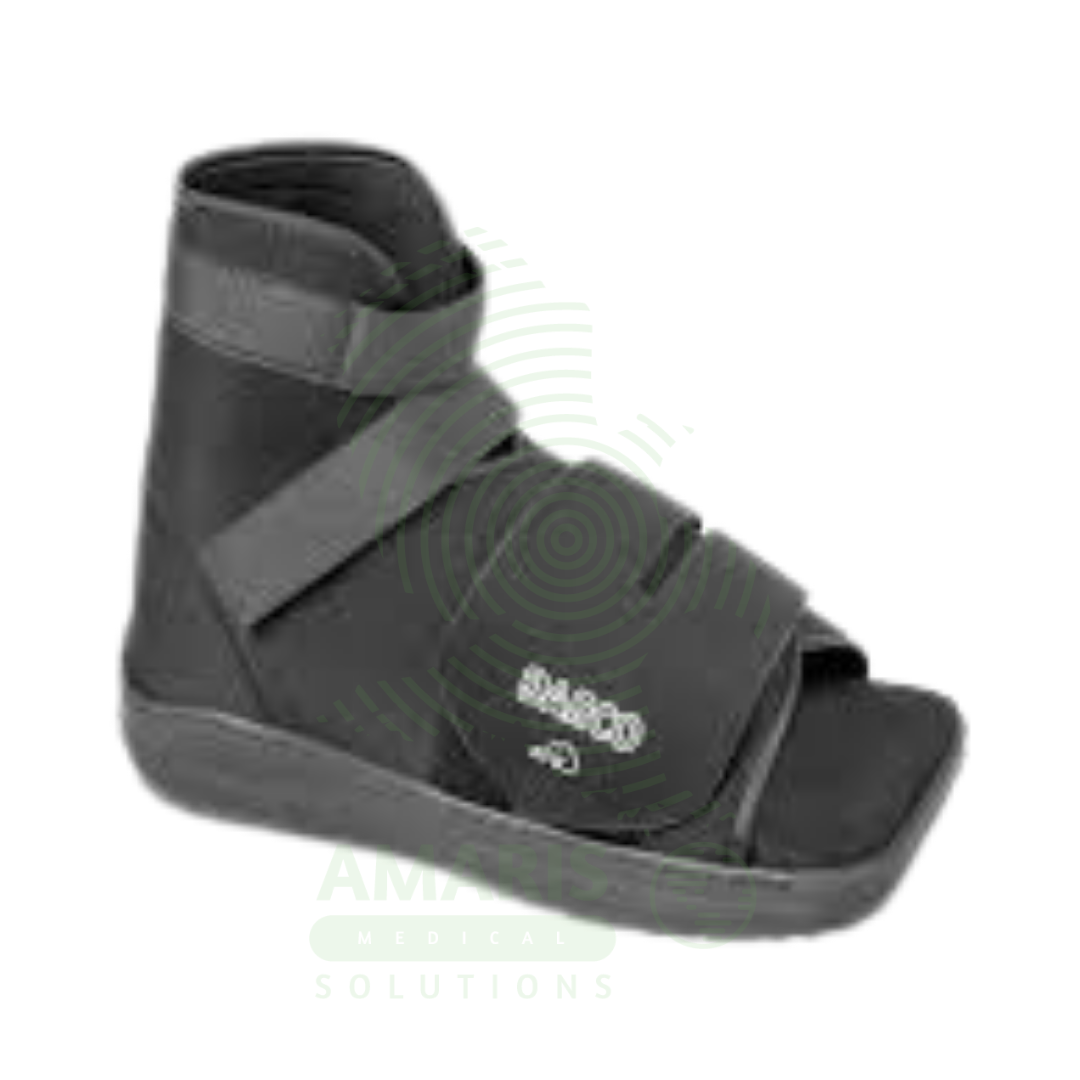
Cast Shoes & Boots
$1.00
WhatsApp Order
A Cast Shoes & Boots is a durable, rigid-soled overshoe designed to be worn over a below-knee cast or fracture walking boot. Its primary function is to enable safe, protected weight-bearing by providing a stable, rocker-bottom walking surface that protects the cast from wear and tear and compensates for leg length discrepancy. Featuring an adjustable strap closure to accommodate bulky dressings and swelling, it is an essential mobility aid for patients recovering from foot, ankle, or lower leg fractures, surgeries, and severe sprains. Proper fit and gait awareness are important for safe ambulation during the healing period.
Description
Cast Shoes & Boots
PRIMARY CLINICAL & DIAGNOSTIC USES
1. Protected Weight-Bearing for Lower Extremity Casts
-
Primary Use: Provides a durable, protective, and stable walking surface for patients wearing a below-knee cast or walking boot, designed to fit over the bulky cast, allowing for safe ambulation while the underlying injury heals.
-
How it helps: For the orthopedic technician and casting specialist, the cast shoe transforms a smooth, slippery cast bottom into a functional walking surface—adding traction, protecting the cast from wear, and providing a stable platform that supports the prescribed weight-bearing status. For the patient navigating recovery with a cast on their leg, the shoe means they can walk to the bathroom, move around their home, and maintain independence, rather than being confined to crutches and non-weight-bearing status.
2. Post-Operative Foot and Ankle Protection
-
Primary Use: Following surgery on the foot, ankle, or lower leg where a cast is applied, the cast shoe enables early mobilization and protected weight-bearing as prescribed by the surgeon, facilitating recovery and independence.
-
How it helps: For the surgical team and post-operative care providers, the cast shoe provides the means for patients to begin moving safely after surgery—supporting the prescribed weight-bearing restrictions while protecting the surgical site from ground contact and contamination. For the patient emerging from foot or ankle surgery, being able to stand and walk with the protection of a cast shoe restores a measure of independence during the vulnerable post-operative period.
3. Immobilization and Offloading for Foot Fractures
-
Primary Use: Used as part of the treatment regimen for stable fractures of the foot when a cast is applied, providing a rigid sole that prevents bending and protects the fracture site during walking.
-
How it helps: For the orthopedic provider managing metatarsal or toe fractures, the rigid sole of the cast shoe prevents the bending forces that would stress the fracture site—allowing the patient to walk while the bone heals. For the patient with a broken bone in their foot, this means they can remain mobile during the weeks of healing, rather than being completely non-weight-bearing.
4. Management of Severe Ankle Sprains and Soft Tissue Injuries
-
Primary Use: When a cast or rigid boot is used for immobilization of severe ligament injuries, the cast shoe allows the patient to walk without damaging the cast or boot on the ground.
-
How it helps: For the sports medicine provider managing a severe ankle sprain requiring immobilization, the cast shoe preserves the integrity of the immobilization device while allowing functional mobility. For the athlete or active individual with a severe ligament injury, being able to walk in a protected manner maintains muscle tone and cardiovascular fitness during the healing period.
5. Diabetic Foot Care and Offloading
-
Primary Use: A specific application where a cast shoe is used in conjunction with a total contact cast or removable walking brace to offload pressure from diabetic foot ulcers, particularly on the plantar surface, to promote healing.
-
How it helps: For the podiatrist and wound care specialist managing diabetic foot ulcers, the cast shoe is a critical component of pressure offloading—redistributing weight away from the ulcer site and creating the environment necessary for healing. For the diabetic patient facing a foot ulcer that could lead to infection, hospitalization, or amputation, a properly fitted cast shoe means their wound has the chance to heal while they remain mobile, preserving both limb and independence.
SECONDARY & SUPPORTIVE USES
1. Transition from Non-Weight-Bearing to Full Weight-Bearing: Provides a stable platform during the rehabilitation phase as patients progress from crutch use to full weight-bearing, offering more security than walking in a cast alone. For the patient graduating from non-weight-bearing status, the familiar stability of the cast shoe supports confidence during this challenging transition.
2. Protection of Cast from Moisture and Debris: When used outdoors or in wet environments, the cast shoe helps keep the underlying cast or bandage cleaner and drier than it would be if exposed. For the patient navigating daily life with a cast, this protection means fewer cast changes, less skin irritation, and greater comfort.
3. Evening Out Leg Length Discrepancy: The built-up sole of the cast shoe compensates for the height added by the cast or walking boot on the other foot, helping to maintain proper pelvic alignment and gait mechanics during ambulation. For the patient walking with a bulky cast, this compensation prevents the back pain and gait abnormalities that result from walking with one leg effectively longer than the other.
4. Use with Post-Surgical Shoes: Can be used over special post-operative shoes that are designed to accommodate dressings and swollen feet, providing an additional layer of protection and traction. For the patient with a heavily bandaged foot after surgery, the combination of post-operative shoe and cast cover provides both accommodation for swelling and a safe walking surface.
KEY PRODUCT FEATURES
1. BASIC IDENTIFICATION ATTRIBUTES
-
Type: A durable overshoe or boot designed to fit over a lower limb cast or brace.
-
Designation: Commonly called a Cast Shoe, Cast Boot, Walker Shoe, or Orthopedic Shoe.
-
Common Variants:
-
Standard Cast Shoe (Open-Toe): Features a wide, deep opening, adjustable straps (often Velcro), and a rigid, flat rocker sole. The open-toe design allows for toe movement, swelling, and visual inspection.
-
Closed-Toe Cast Boot: Provides more comprehensive protection from the elements and debris. Often used for longer-term wear or in outdoor/industrial settings.
-
Bariatric/Extra-Wide Cast Shoe: Designed with a larger volume to accommodate larger casts, severe edema, or larger foot sizes.
-
Pneumatic (Air) Cast Shoe: Incorporates inflatable air chambers to provide a custom fit and cushioning around the cast.
-
2. TECHNICAL & PERFORMANCE PROPERTIES
-
Material:
-
Upper: Heavy-duty, water-resistant nylon, vinyl, or synthetic leather. Often lined with a soft fabric.
-
Sole: Rigid, non-marking rubber or EVA sole with a rocker-bottom profile to facilitate a smoother, safer gait by preventing the foot from getting caught during the swing phase.
-
Closure: Multiple wide, adjustable hook-and-loop (Velcro) straps that provide a secure fit over the varying circumference of a cast.
-
-
Sole Design: The rocker-bottom sole is a critical feature. It reduces the need for ankle motion, minimizes forces on the healing limb, and helps prevent tripping by allowing a rolling motion from heel to toe-off.
3. PHYSICAL & OPERATIONAL PROPERTIES
-
Fit: Sized to fit over the cast, not the foot. Sizing is typically by the patient's regular shoe size, but the shoe is intentionally large and voluminous.
-
Adjustability: The multiple straps allow for a customized, secure fit that can be adjusted as swelling increases or decreases.
-
Weight: Designed to be as lightweight as possible to minimize energy expenditure during walking.
4. SAFETY & COMPLIANCE ATTRIBUTES
-
Regulatory Status: Class I medical device.
-
Slip Resistance: The outsole must provide good traction on a variety of surfaces to prevent slips and falls.
-
Stability: The wide, flat base and rigid sole contribute to stability during standing and walking.
5. STORAGE & HANDLING ATTRIBUTES
-
Storage: Store in a cool, dry place.
-
Cleaning: Wipe clean with a damp cloth and mild detergent. Air dry. Do not machine wash or dry.
-
Replacement: A single-patient use item for the duration of cast wear. Should be replaced if the sole is worn smooth (losing traction), straps lose their integrity, or the shoe becomes structurally compromised.
6. LABORATORY & CLINICAL APPLICATIONS
-
Primary Application: A standard-issue mobility aid in orthopedics, podiatry, emergency care, and fracture clinics for patients with below-knee immobilization.
-
Essential Companion Device: It is not a standalone treatment but an essential accessory that enables the functional use of a cast or fracture walker.
SAFETY HANDLING PRECAUTIONS
1. SAFETY PRECAUTIONS
-
Proper Fit Over Cast: Ensure the cast or boot fits completely within the shoe and does not protrude, which could cause pressure points or trips. The straps should be snug but not constrictive.
-
Gait Training: Patients may need instruction on walking with the altered biomechanics of a rocker-bottom shoe and a leg length difference. Use of a single crutch or cane in the opposite hand is often recommended for balance.
-
Slip and Fall Hazard: While designed for traction, wet or slippery surfaces remain a hazard. Patients should be cautioned.
-
Skin Inspection: Instruct patients to regularly remove the shoe and check the skin around the top of the cast and between the toes (if visible) for redness, irritation, or pressure points.
2. FIRST AID MEASURES
-
If a Fall Occurs: Assess the patient for injury. Check the cast for damage (cracks, soft spots). If the cast is damaged, contact the healthcare provider.
-
If the Shoe Causes Pain or Rubbing: Remove the shoe immediately. Inspect the skin and the cast edge. Padding may be needed on the cast. Ensure the shoe straps are not over-tightened.
3. FIRE FIGHTING MEASURES
-
Flammability: Synthetic materials are combustible.
-
Extinguishing Media: Use water, foam, or CO₂ as appropriate for the surrounding fire.
Related products
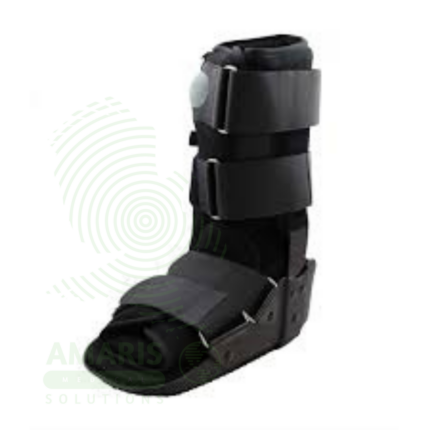
Ankle Walkers (Fixed/Air)
Ankle Walkers (Fixed/Air) are rigid, boot-like orthotic devices designed to immobilize the foot and ankle. Serving as a modern alternative to short leg casts, they are used for treating stable fractures, severe sprains, post-operative conditions, and for offloading diabetic foot ulcers. The "Fixed" type uses foam padding, while the "Air" type incorporates adjustable air bladders for a custom fit and superior swelling management. Both types feature a rocker-bottom sole to facilitate walking and multiple straps for secure immobilization. Daily skin inspection and proper fit are critical for safe and effective use, especially for patients with compromised sensation.
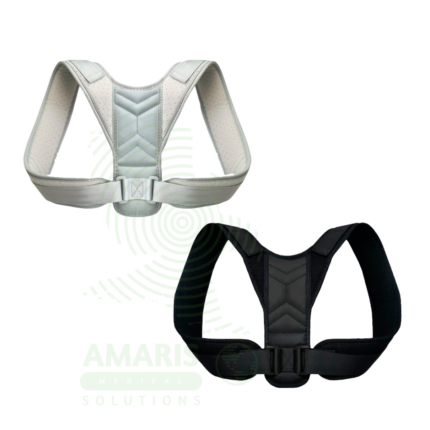
Clavicle Support
A Clavicle Support is a figure-eight style brace designed to immobilize and support the clavicle and shoulder girdle following clavicle fractures, acromioclavicular joint injuries, and clavicle surgery. The support retracts the shoulders, maintaining proper alignment of the fractured bone ends during healing. Used in orthopedic clinics, emergency departments, and sports medicine settings, it provides external stabilization that reduces pain, prevents displacement, and supports healing. Proper fit, skin integrity monitoring, and circulation checks are essential for safe and effective use.
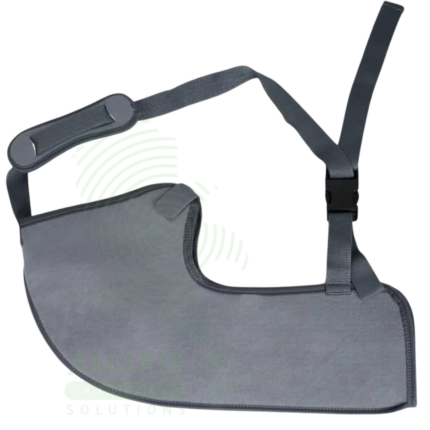
Cotton Arm Sling
A Cotton Arm Sling is a soft, fabric support used to immobilize and support the arm following upper extremity injuries, fractures, and surgery. The sling supports the weight of the arm, reduces pain by limiting movement, and elevates the extremity to control swelling. Made from breathable cotton fabric with an adjustable neck strap, it provides comfortable, lightweight support for a wide range of conditions including wrist fractures, elbow sprains, hand injuries, and post-operative recovery. Proper positioning and circulation monitoring are essential for safe use.
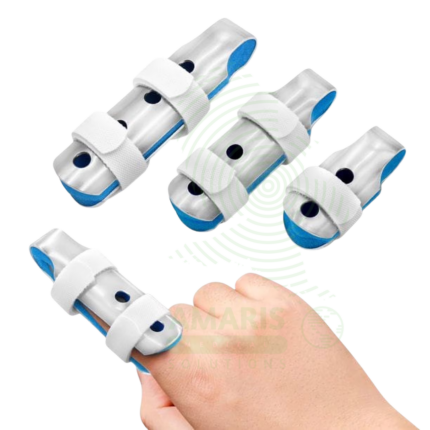
Finger Splints
Finger Splints are orthotic devices designed to immobilize, support, and protect injured or diseased fingers and thumbs. Used for treating fractures, dislocations, tendon injuries (like mallet or boutonnière deformity), joint instability, and arthritis, they promote proper healing and alignment by restricting harmful movement. Available in various forms—including rigid aluminum foam, custom thermoplastic, and soft buddy straps—they are essential tools in emergency care, orthopedics, and hand therapy. Correct application with careful attention to skin integrity and circulation is paramount for safe and effective treatment.
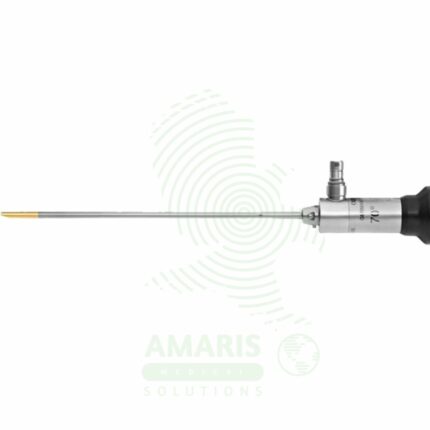
Orthopedic Arthroscope
An Orthopedic Arthroscope is a rigid, rod-lens telescope used for the visualization and surgical treatment of joint interiors. As the cornerstone of minimally invasive joint surgery, it provides a bright, magnified view of structures like cartilage, menisci, and ligaments through tiny incisions. Available in key diameters (2.7mm, 4.0mm) and viewing angles (0°, 30°, 70°), its optical quality is paramount for surgical precision. Mandatory pre-sterilization leak testing and careful autoclaving are required to maintain sterility and integrity. Proper handling is essential to prevent costly damage to the optics and to ensure patient safety during diagnostic and therapeutic arthroscopic procedures.
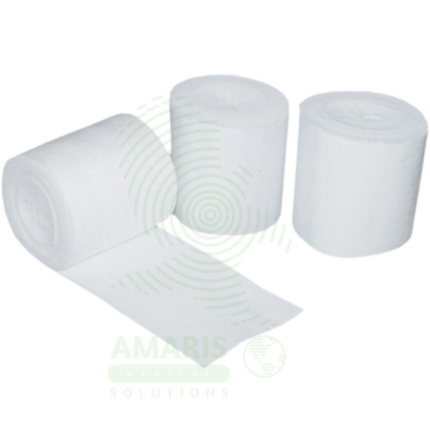
Orthopedic Padding
Orthopedic Padding is a soft, cushioning material applied directly to the skin as an essential protective layer underneath casts, splints, and braces. Its primary functions are to prevent skin breakdown by distributing pressure, absorb moisture, and provide comfort during immobilization. Available in rolls of cotton, synthetic, or foam, its correct, wrinkle-free application is a critical safety step in fracture management and orthopedic bracing, directly impacting patient tolerance and preventing complications like pressure ulcers.
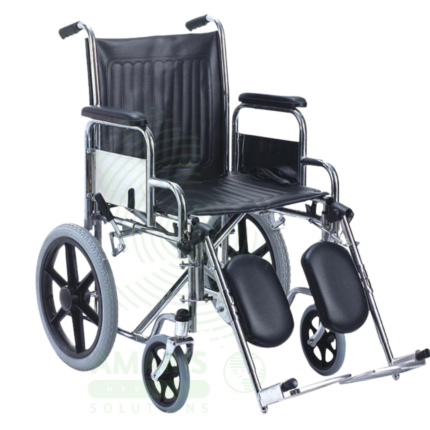
Orthopedic Wheelchair
An Orthopedic Wheelchair is a specialized manual wheelchair with an extended frame and elevating leg rests, designed to support patients who must keep one or both lower limbs in a straight, non-weight-bearing position. It is primarily used for managing lower limb fractures, post-operative recovery (e.g., hip replacements), and conditions requiring heel-off-loading to prevent pressure sores. Its key safety consideration is a heightened risk of tipping backwards due to the forward weight of the extended leg, requiring cautious use, engagement of anti-tip levers, and awareness of its increased length during navigation.