Dermatoscope and Magnifiers
 Diagnostic Kits
 Vital Signs Monitors
 Stethoscopes and Accessories
 Otoscopes, Ophthalmoscopes, and Retinoscopes
 Reflex Hammers and Neurological Tools
 Scales and Measuring Devices
 Spirometers and Pulmonary Function Tests
 Electrosurgical Units and Accessories
 Cutting Instruments
 Grasping and Holding Instruments
 Hemostatic Instruments
 Specialized Surgical Sets
 Single-Use Procedure Trays and Packs
 Surgical Drapes, Gowns, and Covers
 Tissue Unifying Instruments
 Radiation Protection
 X-Ray Machines and Accessories
 Ultrasound Systems and Probes
 MRI and CT Scanners
 Radiology Consumables
 Bone Densitometers
 Fluoroscopy Equipment
 Imaging Tables and Positioning Aids
 Microscopes and Accessories
 Centrifuges and Separators
 Analyzers
 Incubators and Ovens
 Pipettes, Dispensers, and Lab Glassware
 Refrigerators, Freezers, and Storage Units
 Lab Consumables
 Sterilizers and Autoclaves for Lab Use
 Multi-Parameter Monitors
 Ventilators and Respiratory Support Devices
 Defibrillators and AEDs
 Infusion Pumps and IV Systems
 Patient Warmers and Cooling Devices
 Central Monitoring Stations
 Accessories
 Anesthesia Machines and Workstations
 Oxygen Concentrators and Delivery Systems
 Nebulizers and Inhalers
 CPAP/BiPAP Machines
 Airway Management
 Anesthesia Masks, Circuits, and Bags
 Humidifiers and Heaters
 Respiratory Therapy Accessories
 First Aid Kits and Cabinets
 Emergency Resuscitation Equipment
 Trauma Supplies
 Emergency Carts and Crash Carts
 Burn Care Products
 Bleeding Control
 Automated External Defibrillators (AEDs)
 Transport and Evacuation
 Wheelchairs and Accessories
 Walkers, Crutches, and Canes
 Prosthetics and Orthotics
 Physical Therapy Equipment
 Transfer Devices
 Bathroom Safety
 Orthopedic Traction and Tables
 Hot/Cold Therapy Packs and Units
 Beds and Mattresses
 Chairs and Stools
 Tables
 Cabinets and Storage
 Privacy Screens & Curtains
 Stands and Racks
 Linens and Textiles
 Lighting
 Autoclaves and Sterilizers
 Ultrasonic Cleaners
 Disinfectant Solutions and Wipes
 Sterilization Pouches, Wraps, and Indicators
 Instrument Trays and Containers
 UV and Ozone Disinfection Devices
 Washer Disinfectors
 Wound Care
 Gloves
 Masks and Respirators
 Catheters and Tubing
 Swabs, Applicators, and Sponges
 Incontinence Products
 Personal Protective Equipment (PPE)
 Dental Chairs and Units
 Handpieces and Burs
 Instruments
 Consumables
 Sterilization for Dental Use
 Orthodontic Supplies
 Endodontic Tools
 Slit Lamps and Tonometers
 Lensometers and Phoropters
 Ophthalmic Surgical Instruments
 Eyewear Frames and Lenses
 Contact Lens Supplies
 Vision Testing Charts and Devices
 Eye Care Consumables
 Laser Systems for Eye Care
 ENT Exam Chairs and Tables
 Endoscopes
 Audiometers and Hearing Tests
 ENT Instruments
 Nasal and Throat Packs
 Hearing Aids and Accessories
 Otology Supplies
 Fetal Dopplers and Monitors
 Delivery Beds and Tables
 Gynecological Instruments
 Neonatal Incubators and Warmers
 Breast Pumps and Accessories
 Contraceptive Devices
 Maternity Supports and Pads
 Neonatal Consumables
 Cystoscopes and Urethroscopes
 Dialysis Machines and Supplies
 Urological Catheters and Bags
 Lithotripters
 Prostate Treatment Devices
 Urinary Incontinence Products
 Kidney Stone Management Tools
 Consumables & Disposables
 EEG and EMG Machines
 Neurosurgical Instruments
 Nerve Stimulators
 Headrests and Positioning Aids
 Lumbar Puncture Kits
 Seizure Monitoring Devices
 Consumables
 Rehabilitation for Neurological Conditions
 ECG Machines and Accessories
 Holter Monitors
 Stress Test Systems
 Pacemakers and Defibrillator Accessories
 Vascular Access Devices
 Cardiac Catheters and Guidewires
 Blood Flow Meters
 Consumables
 Orthopedic Instruments
 Casts, Splints, and Padding
 Joint Replacement Supplies
 Prosthetic Limbs and Components
 Bone Grafts and Substitutes
 Traction Devices
 Orthopedic Braces and Supports
 Rehabilitation Aids for Orthopedics
 Home Oxygen Therapy
 Hospital Beds for Home Use
 Mobility Aids
 Bathroom and Daily Living Aids
 Wound Care for Home
 Monitoring Devices
 Enteral Feeding Pumps and Tubes
 Hand Sanitizers and Dispensers
 Face Shields and Goggles
 Isolation Gowns and Suits
 Biohazard Waste Containers
 Air Purifiers and HEPA Filters
 Surface Disinfectants
 Sharps Containers
 Protective Barriers
 Cardiovascular & Endurance Training
 Strength Training & Weightlifting
 Functional Training & Core Conditioning
 Physical Therapy & Rehabilitation
 Sports & Outdoor Recreation
 Gym Flooring & Facility Equipment
 Fitness Monitoring & Accessories
 Kids & Novelties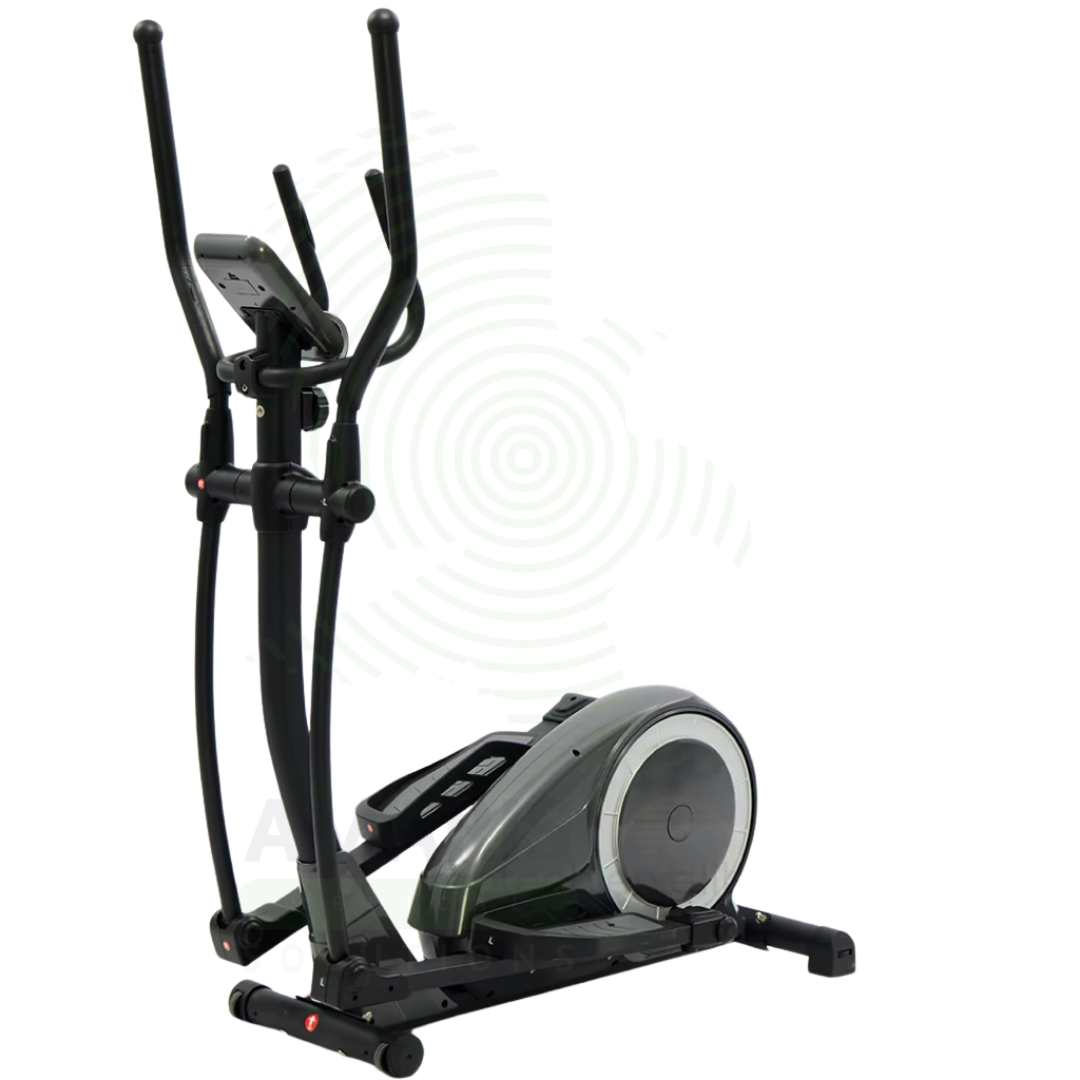
Cross Trainer
$1.00
WhatsApp Order
A Cross Trainer is a stationary exercise machine with foot platforms that move in an elliptical (oval) path and synchronized moving handlebars, providing simultaneous upper and lower body cardiovascular exercise with minimal joint impact. The elliptical motion eliminates heel strike impact, reducing stress on the knees, hips, and spine while allowing high-caloric expenditure—making it an ideal exercise modality for patients with osteoarthritis, joint replacement, chronic joint pain, or weight-bearing restrictions. The coordinated upper and lower body motion challenges neuromuscular control, proprioception, and cardiovascular endurance simultaneously, making it effective for patients recovering from stroke, neurological conditions, or deconditioning. Adjustable magnetic or electromagnetic resistance allows for progressive training, while heavy flywheel technology ensures smooth, consistent motion. For the physical therapist and exercise physiologist, the cross trainer provides safe, effective cardiovascular conditioning and total body strengthening for cardiac rehabilitation, pulmonary rehabilitation, orthopedic recovery, and neurological rehabilitation. For the patient with arthritis, joint pathology, or functional limitations, the cross trainer enables consistent, pain-free exercise that improves cardiovascular fitness, lower extremity strength, upper body endurance, balance confidence, and functional mobility—supporting long-term health and independence.
Description
Cross Trainer
PRIMARY CLINICAL & DIAGNOSTIC USES
1. Low-Impact Total Body Cardiovascular Conditioning
-
Primary Use: Provides a stationary exercise machine with foot platforms that move in an elliptical (oval) path and moving handlebars, allowing simultaneous upper and lower body cardiovascular exercise with minimal joint impact.
-
How it helps: For the exercise physiologist and physical therapist, the cross trainer enables total body cardiovascular conditioning without the impact forces associated with walking, jogging, or running—significantly reducing stress on the knees, hips, and spine while allowing high-caloric expenditure. For the patient with osteoarthritis, joint replacement, or chronic joint pain, this device provides safe, effective cardiovascular exercise that maintains fitness without exacerbating joint symptoms.
2. Simultaneous Upper and Lower Extremity Rehabilitation
-
Primary Use: Moving handlebars engage the upper body musculature while foot platforms work the lower extremities, providing coordinated total body movement that improves cardiovascular fitness, strength, and neuromuscular coordination.
-
How it helps: For the physical therapist and occupational therapist, the cross trainer’s coordinated upper and lower body motion challenges neuromuscular control, proprioception, and cardiovascular endurance simultaneously—making it an effective tool for patients recovering from stroke, neurological conditions, or deconditioning. For the patient with hemiparesis, Parkinson’s disease, or generalized weakness, the forced reciprocal motion promotes neural recovery, improves coordination, and builds endurance.
3. Weight-Bearing Exercise with Reduced Joint Stress
-
Primary Use: Provides weight-bearing exercise that supports bone mineral density and muscle function while the elliptical motion eliminates heel strike impact, protecting arthritic or post-surgical joints.
-
How it helps: For the rheumatologist and orthopedic surgeon, the cross trainer allows patients with osteoarthritis, rheumatoid arthritis, or post-surgical restrictions to engage in weight-bearing activity that maintains bone density and muscle strength without the painful impact forces of walking or jogging. For the patient with knee, hip, or ankle arthritis, this device enables consistent, pain-free exercise that supports joint health and functional mobility.
4. Cardiovascular and Pulmonary Rehabilitation
-
Primary Use: Used as a primary aerobic exercise modality in cardiac rehabilitation, pulmonary rehabilitation, and metabolic conditioning programs to improve cardiovascular fitness and exercise capacity.
-
How it helps: For the cardiac rehabilitation specialist and exercise physiologist, the cross trainer provides a safe, adjustable-intensity aerobic exercise that can be precisely controlled and progressed—improving VO₂ max, stroke volume, and endothelial function in patients with cardiovascular disease. For the patient recovering from myocardial infarction, coronary bypass, or with stable angina, regular cross trainer use improves exercise tolerance, reduces symptoms, and decreases mortality risk.
SECONDARY & SUPPORTIVE USES
1. Total Knee Replacement Rehabilitation: Used for progressive cardiovascular conditioning and lower extremity strengthening following total knee arthroplasty.
2. Total Hip Replacement Rehabilitation: Used for low-impact conditioning while maintaining hip precautions during recovery.
3. ACL Reconstruction and Meniscus Repair: Used for closed-chain strengthening and cardiovascular conditioning without rotational stress.
4. Osteoarthritis Management: Used for pain-free cardiovascular conditioning and lower extremity strengthening.
5. Rheumatoid Arthritis Exercise: Used for low-impact total body exercise during periods of active disease.
6. Stroke Rehabilitation Gait Retraining: Used for reciprocal lower extremity movement training and weight shifting with upper body support.
7. Parkinson’s Disease Exercise: Used for rhythmic, large-amplitude movement to improve gait parameters and reduce freezing.
8. Multiple Sclerosis Conditioning: Used for cardiovascular conditioning and total body strengthening with fatigue management.
9. Spinal Stenosis and Chronic Low Back Pain: Used for upright, non-impact exercise that maintains spinal extension and reduces symptoms.
10. Peripheral Arterial Disease Management: Used for supervised exercise therapy to improve walking distance and reduce claudication.
11. Chronic Obstructive Pulmonary Disease (COPD) Rehabilitation: Used for endurance training in pulmonary rehabilitation programs.
12. Cardiac Rehabilitation Phase II and III: Used for monitored aerobic exercise following myocardial infarction, bypass surgery, or angioplasty.
13. Obesity and Weight Management: Used for high-caloric expenditure exercise with low joint impact.
14. Type Two Diabetes and Metabolic Syndrome: Used for aerobic exercise to improve insulin sensitivity and glycemic control.
15. Fibromyalgia Graded Exercise: Used for controlled-intensity total body exercise to improve function without symptom exacerbation.
15. Geriatric Deconditioning: Used for low-impact cardiovascular conditioning and balance training in older adults.
16. Sports Medicine Cross-Training: Used for low-impact conditioning for athletes recovering from lower extremity injuries.
17. Home Healthcare and Telehealth: Used for supervised home exercise programs with remote monitoring capabilities.
KEY PRODUCT FEATURES
1. BASIC IDENTIFICATION ATTRIBUTES
-
Device Type: A stationary exercise machine with foot platforms that move in an elliptical (oval) path and moving handlebars, providing simultaneous upper and lower body cardiovascular exercise with minimal joint impact.
-
Designation: Cross Trainer, Elliptical Trainer, Elliptical Machine, Elliptical Cross Trainer, Elliptical Stepper, Elliptical Glider, Total Body Elliptical, Low-Impact Elliptical.
-
Key Components:
o Frame: Steel frame with stabilizers.
o Foot Platforms: Large, textured, non-slip pedals with elliptical motion.
o Moving Handlebars: Upper body arms synchronized with foot motion.
o Fixed Handlebars: Stationary handrails for balance (on some models).
o Resistance System: Magnetic, electromagnetic, or fan resistance.
o Flywheel: Heavy flywheel for smooth, consistent motion.
o Console: Digital display showing speed, time, distance, resistance, heart rate, calories.
o Heart Rate Sensors: Contact sensors on handlebars and wireless compatibility.
2. TECHNICAL & PERFORMANCE PROPERTIES
-
Resistance Types: Magnetic resistance (smooth, quiet), electromagnetic (computer-controlled), or fan resistance (air-driven).
-
Resistance Levels: Typically 8-32 levels of adjustable resistance.
-
Flywheel Weight: Heavy flywheel (typically 15-30 pounds) for smooth momentum.
-
Stride Length: Typically 18-22 inches for comfortable, natural gait.
-
Motion Path: Elliptical (oval) path with adjustable incline on some models.
-
Step-On Height: Low step-on height for easy mounting.
-
Weight Capacity: Typically 250-400 pounds; bariatric models available.
-
Heart Rate Monitoring: Contact sensors and wireless chest strap compatibility.
-
Console Features: Time, distance, speed, RPM, resistance level, calories, heart rate, pre-programmed workouts.
-
Power: Plug-in electric for magnetic/electromagnetic resistance; self-powered options available.
3. PHYSICAL & OPERATIONAL PROPERTIES
-
Construction: Steel frame with powder-coat finish.
-
Resistance Operation: Smooth, quiet, consistent resistance throughout stride.
-
Foot Platforms: Textured, non-slip surface with adequate width for stability.
-
Moving Handlebars: Ergonomic grip positions for comfort.
-
Stability: Wide base with leveling feet to prevent rocking.
-
Portability: Transport wheels for repositioning.
-
Stride Smoothness: Heavy flywheel provides smooth, continuous motion.
-
Storage: Some models fold for compact storage.
4. SAFETY & COMPLIANCE ATTRIBUTES
-
Regulatory Status: Class I medical device when labeled for therapeutic exercise; fitness equipment if for general wellness.
-
Stability: Wide base prevents tipping during use.
-
Low Step Height: Easy mounting and dismounting for patients with limited mobility.
-
Non-Slip Pedals: Textured surface prevents foot slippage.
-
Emergency Stop: Some models feature emergency stop mechanisms.
-
Electrical Safety: Certified to electrical safety standards.
5. STORAGE & HANDLING ATTRIBUTES
-
Storage: Store in a clean, dry location; folding models allow compact storage.
-
Cleaning: Wipe frame, foot platforms, handlebars, and console with damp cloth and mild disinfectant.
-
Inspection: Inspect foot platforms, handlebars, resistance mechanism, and stabilizers regularly; tighten loose hardware.
-
Maintenance: Lubricate moving parts per manufacturer schedule; magnetic resistance requires minimal maintenance.
-
Calibration: Electronic models may require periodic calibration.
6. LABORATORY & CLINICAL APPLICATIONS
-
Primary Application: Low-impact total body cardiovascular conditioning, lower extremity strengthening, upper body rehabilitation, and functional mobility improvement in cardiac rehab, physical therapy, orthopedic rehab, and wellness settings.
-
Clinical Role: Essential rehabilitation and conditioning equipment in physical therapy clinics, cardiac rehabilitation programs, orthopedic rehabilitation, pulmonary rehabilitation, sports medicine facilities, and home healthcare for low-impact total body exercise training.
SAFETY HANDLING PRECAUTIONS
1. SAFETY PRECAUTIONS
-
Proper Mounting: Step onto foot platforms carefully, holding stationary handlebars for support; ensure feet are centered on platforms.
-
Start Slowly: Begin with low resistance and slow stride rate; increase gradually.
-
Handrail Use: Use stationary handlebars for balance initially; progress to moving handlebars as coordination and balance improve.
-
Footwear: Wear closed-toe athletic shoes with non-slip soles.
-
Upright Posture: Maintain upright posture with core engaged; avoid leaning on handlebars.
-
Supervision: Patients with balance impairment, cognitive deficits, or severe weakness require supervision.
-
Medical Clearance: Patients with cardiac, pulmonary, or uncontrolled metabolic conditions require medical clearance before use.
-
Stability Check: Ensure leveling feet are adjusted to prevent rocking.
-
Hydration: Keep water available during exercise.
-
Emergency Stop: Instruct patients on emergency stop procedures before starting.
2. FIRST AID MEASURES
-
Syncope or Dizziness: If patient experiences dizziness, stop exercise, assist patient off machine, assess vital signs.
-
Chest Pain or Cardiac Symptoms: Stop exercise immediately, assess patient, activate emergency response if indicated.
-
Fall from Machine: If a patient falls, stop the machine immediately, assess for injury, provide appropriate first aid, document the incident.
-
Foot Slippage: If foot slips from the platform, stop immediately, assess for injury, ensure proper footwear before resuming.
3. FIRE FIGHTING MEASURES
-
Flammability: Frame is metal (non-flammable); plastic components and console may burn.
-
Extinguishing Media: Use carbon dioxide or dry chemical extinguisher for electrical fires.
-
Fire Response: Unplug machine immediately; do not use water on electrical fire.
Related products
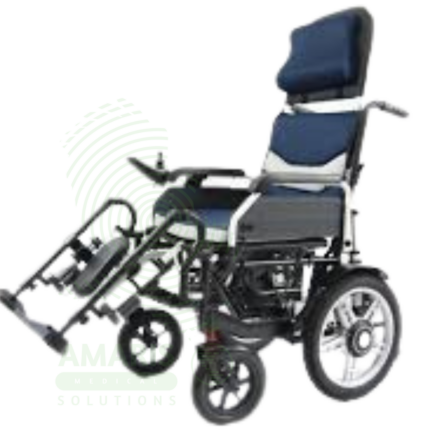
Electric Reclining Wheelchair
An Electric Reclining Wheelchair is a sophisticated powered mobility device that provides both independent locomotion and powered positioning. It features a motorized backrest that reclines to near-horizontal and synchronized elevating leg rests, allowing users to independently manage pressure relief, circulation, breathing, and comfort without leaving the chair. Prescribed for individuals with complex needs such as spinal cord injuries, severe fatigue, or circulatory disorders, it enhances independence and medical stability. Its use requires thorough training due to the significant change in stability and footprint when reclined, and it demands more rigorous maintenance than standard power chairs.
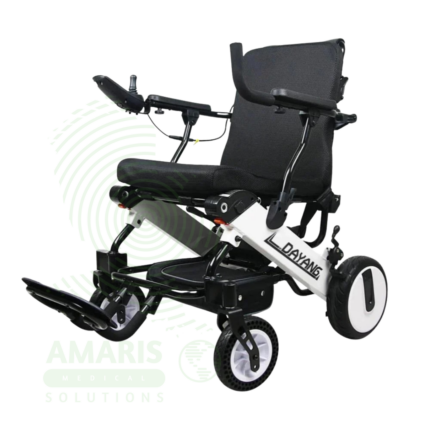
Electric Wheelchair
An Electric Wheelchair is a battery-powered mobility device prescribed for individuals with significant mobility impairments who cannot self-propel a manual chair. It provides independent indoor and outdoor mobility through a joystick or alternative control system. Key features often include power seating functions (tilt, recline) for pressure relief and postural support, and are available in various drive configurations (rear, mid, front-wheel) for different environments. As complex rehabilitation technology, it requires professional evaluation, user training, and regular maintenance to ensure safe operation, enhance independence, and improve the user's quality of life.
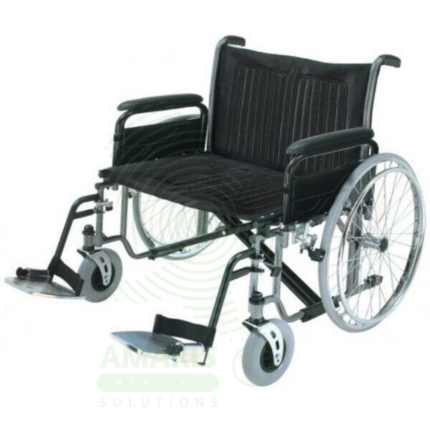
Extra Wide Wheelchair
An Extra Wide Wheelchair is a heavy-duty manual wheelchair designed with a seat width greater than 20 inches to safely and comfortably accommodate bariatric patients or individuals with unique seating needs. Key features include a reinforced wide frame, high weight capacity, wide footrests, and robust components. Its primary use is to provide dignified and stable mobility for patients of size, though its increased dimensions require careful planning for doorway accessibility and make it heavier and less maneuverable than standard chairs. It is a fundamental tool for safe patient handling in bariatric care.
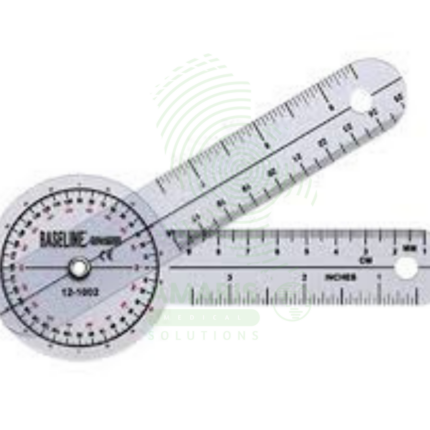
Goniometer
A goniometer is a calibrated, handheld measuring instrument designed to precisely quantify joint range of motion in degrees. Essential for physical and occupational therapy, orthopedic assessment, and rehabilitation medicine, it consists of a protractor-like body with two arms—one stationary, one movable—that align with the patient's limb segments. Available in various sizes for different joints (from fingers to hips) and in materials including transparent plastic, stainless steel, and digital formats, it transforms subjective observations of mobility into objective, reproducible data. This fundamental clinical tool guides diagnosis, documents treatment progress, supports disability determinations, and provides the evidence base for therapeutic interventions.
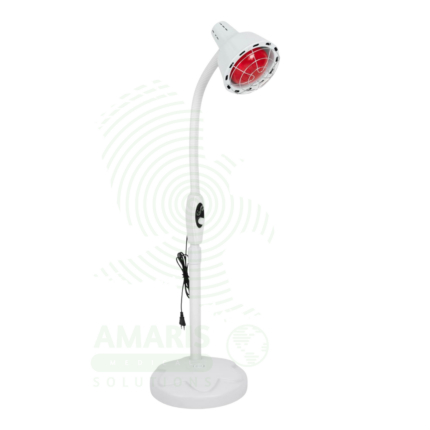
Infrared Therapy Lamp Stand
An Infrared Therapy Lamp Stand is a professional-grade, floor-standing device that emits broad-spectrum infrared radiation to deliver deep-heat therapy to large areas of the body. Designed for clinical use in physical therapy, chiropractic, and pain management clinics, it features adjustable height and tilt panels on a stable, mobile stand for targeted treatment of the back, shoulders, and legs. Its primary uses include pain relief for musculoskeletal conditions, tissue warming for rehabilitation, and promoting muscle relaxation. Safe operation requires strict adherence to contraindications, treatment time/distance guidelines, and continuous patient monitoring to prevent burns or overheating.
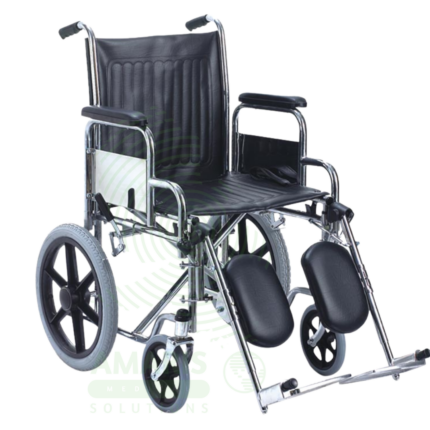
Orthopedic Commode Wheelchair With Flipping Armrest
The Orthopedic Commode Wheelchair with Flipping Armrest is a specialized hybrid device designed for patients with lower limb injuries or surgeries requiring non-weight-bearing status. It combines an extended-frame orthopedic wheelchair with an elevating leg rest, a commode seat opening, and a flipping armrest for lateral transfers. This allows for simultaneous fracture management (leg elevation/immobilization), pressure sore prevention (heel off-loading), and safe, hygienic toileting without dangerous transfers. Its use mandates the constant engagement of anti-tip levers due to a high risk of backwards tipping and requires careful navigation of its substantial length.
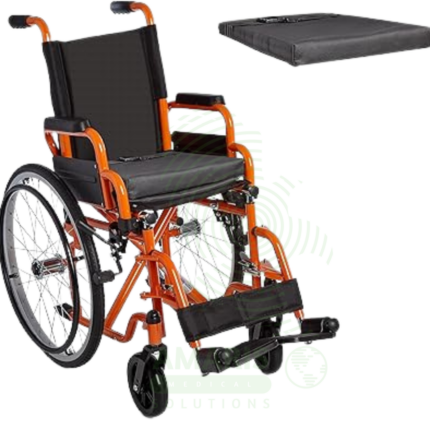
Pediatric Wheelchair
A Pediatric Wheelchair is a specially sized and designed mobility device for children with long-term physical disabilities. Its core functions are to provide independent or assisted mobility, deliver critical postural support to promote proper skeletal development and prevent deformities, and serve as a platform for inclusion in home, school, and community life. Unlike adult chairs, it features extensive adjustability to accommodate growth and modular seating systems tailored to each child's specific postural and medical needs. Prescription and fitting by a rehabilitation team are essential for safe and effective use.