Dermatoscope and Magnifiers
 Diagnostic Kits
 Vital Signs Monitors
 Stethoscopes and Accessories
 Otoscopes, Ophthalmoscopes, and Retinoscopes
 Reflex Hammers and Neurological Tools
 Scales and Measuring Devices
 Spirometers and Pulmonary Function Tests
 Electrosurgical Units and Accessories
 Cutting Instruments
 Grasping and Holding Instruments
 Hemostatic Instruments
 Specialized Surgical Sets
 Single-Use Procedure Trays and Packs
 Surgical Drapes, Gowns, and Covers
 Tissue Unifying Instruments
 Radiation Protection
 X-Ray Machines and Accessories
 Ultrasound Systems and Probes
 MRI and CT Scanners
 Radiology Consumables
 Bone Densitometers
 Fluoroscopy Equipment
 Imaging Tables and Positioning Aids
 Microscopes and Accessories
 Centrifuges and Separators
 Analyzers
 Incubators and Ovens
 Pipettes, Dispensers, and Lab Glassware
 Refrigerators, Freezers, and Storage Units
 Lab Consumables
 Sterilizers and Autoclaves for Lab Use
 Multi-Parameter Monitors
 Ventilators and Respiratory Support Devices
 Defibrillators and AEDs
 Infusion Pumps and IV Systems
 Patient Warmers and Cooling Devices
 Central Monitoring Stations
 Accessories
 Anesthesia Machines and Workstations
 Oxygen Concentrators and Delivery Systems
 Nebulizers and Inhalers
 CPAP/BiPAP Machines
 Airway Management
 Anesthesia Masks, Circuits, and Bags
 Humidifiers and Heaters
 Respiratory Therapy Accessories
 First Aid Kits and Cabinets
 Emergency Resuscitation Equipment
 Trauma Supplies
 Emergency Carts and Crash Carts
 Burn Care Products
 Bleeding Control
 Automated External Defibrillators (AEDs)
 Transport and Evacuation
 Wheelchairs and Accessories
 Walkers, Crutches, and Canes
 Prosthetics and Orthotics
 Physical Therapy Equipment
 Transfer Devices
 Bathroom Safety
 Orthopedic Traction and Tables
 Hot/Cold Therapy Packs and Units
 Beds and Mattresses
 Chairs and Stools
 Tables
 Cabinets and Storage
 Privacy Screens & Curtains
 Stands and Racks
 Linens and Textiles
 Lighting
 Autoclaves and Sterilizers
 Ultrasonic Cleaners
 Disinfectant Solutions and Wipes
 Sterilization Pouches, Wraps, and Indicators
 Instrument Trays and Containers
 UV and Ozone Disinfection Devices
 Washer Disinfectors
 Wound Care
 Gloves
 Masks and Respirators
 Catheters and Tubing
 Swabs, Applicators, and Sponges
 Incontinence Products
 Personal Protective Equipment (PPE)
 Dental Chairs and Units
 Handpieces and Burs
 Instruments
 Consumables
 Sterilization for Dental Use
 Orthodontic Supplies
 Endodontic Tools
 Slit Lamps and Tonometers
 Lensometers and Phoropters
 Ophthalmic Surgical Instruments
 Eyewear Frames and Lenses
 Contact Lens Supplies
 Vision Testing Charts and Devices
 Eye Care Consumables
 Laser Systems for Eye Care
 ENT Exam Chairs and Tables
 Endoscopes
 Audiometers and Hearing Tests
 ENT Instruments
 Nasal and Throat Packs
 Hearing Aids and Accessories
 Otology Supplies
 Fetal Dopplers and Monitors
 Delivery Beds and Tables
 Gynecological Instruments
 Neonatal Incubators and Warmers
 Breast Pumps and Accessories
 Contraceptive Devices
 Maternity Supports and Pads
 Neonatal Consumables
 Cystoscopes and Urethroscopes
 Dialysis Machines and Supplies
 Urological Catheters and Bags
 Lithotripters
 Prostate Treatment Devices
 Urinary Incontinence Products
 Kidney Stone Management Tools
 Consumables & Disposables
 EEG and EMG Machines
 Neurosurgical Instruments
 Nerve Stimulators
 Headrests and Positioning Aids
 Lumbar Puncture Kits
 Seizure Monitoring Devices
 Consumables
 Rehabilitation for Neurological Conditions
 ECG Machines and Accessories
 Holter Monitors
 Stress Test Systems
 Pacemakers and Defibrillator Accessories
 Vascular Access Devices
 Cardiac Catheters and Guidewires
 Blood Flow Meters
 Consumables
 Orthopedic Instruments
 Casts, Splints, and Padding
 Joint Replacement Supplies
 Prosthetic Limbs and Components
 Bone Grafts and Substitutes
 Traction Devices
 Orthopedic Braces and Supports
 Rehabilitation Aids for Orthopedics
 Home Oxygen Therapy
 Hospital Beds for Home Use
 Mobility Aids
 Bathroom and Daily Living Aids
 Wound Care for Home
 Monitoring Devices
 Enteral Feeding Pumps and Tubes
 Hand Sanitizers and Dispensers
 Face Shields and Goggles
 Isolation Gowns and Suits
 Biohazard Waste Containers
 Air Purifiers and HEPA Filters
 Surface Disinfectants
 Sharps Containers
 Protective Barriers
 Cardiovascular & Endurance Training
 Strength Training & Weightlifting
 Functional Training & Core Conditioning
 Physical Therapy & Rehabilitation
 Sports & Outdoor Recreation
 Gym Flooring & Facility Equipment
 Fitness Monitoring & Accessories
 Kids & Novelties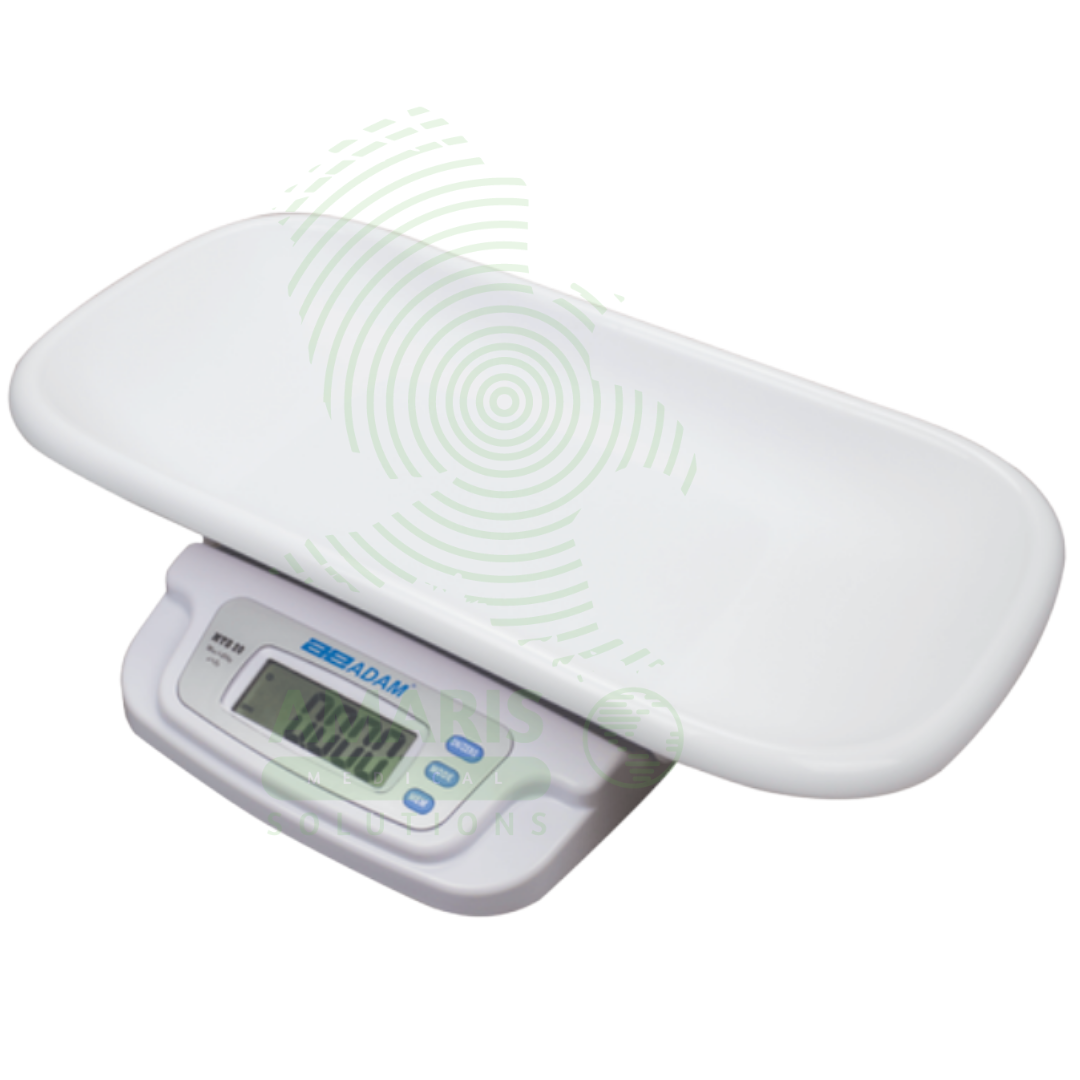
Digital Baby Weighing Scale
WhatsApp Order
A Digital Baby Weighing Scale is a high-precision medical device designed exclusively for the safe and accurate measurement of infant and toddler weight. Featuring a stable, hygienic platform with gram-level precision, it is indispensable in hospitals (especially NICUs), pediatric clinics, and community health settings. Its core functions—such as hold, tare, and zeroing—ensure reliable readings even with a moving child. Accurate weight data is foundational for assessing growth, calculating medication doses, managing nutrition, and detecting early signs of health issues, making this scale a critical tool for safeguarding infant health and development.
Description
Digital Baby Weighing Scale
PRIMARY CLINICAL & DIAGNOSTIC USES
1. Newborn & Infant Growth Monitoring:
-
Primary Use: The primary use is for the accurate and frequent measurement of an infant’s weight from birth through early childhood. Serial weight measurements are the single most important objective indicator of adequate nutrition, proper feeding (breastfeeding or formula), and healthy growth in this vulnerable population.
-
How it helps: Provides parents and pediatricians with the most fundamental measure of a baby’s health and development, offering reassurance that a child is thriving or early warning when intervention is needed.
2. Assessment of Nutritional Status & Failure to Thrive (FTT):
-
Primary Use: Essential for diagnosing and monitoring Failure to Thrive, a condition where an infant’s weight gain deviates significantly from standard growth curves. Accurate daily or weekly weights are critical for evaluating the effectiveness of nutritional interventions.
-
How it helps: Gives healthcare providers the precise data needed to identify babies who aren’t gaining weight as expected, allowing for early intervention that can prevent long-term developmental problems.
3. Neonatal Hospital & NICU Care:
-
Primary Use: A fundamental tool in Neonatal Intensive Care Units (NICUs), special care nurseries, and postnatal wards. Used to monitor extremely low birth weight (ELBW) and very low birth weight (VLBW) infants, where precise daily weight trends (often to the gram) guide fluid management, caloric intake, and medication dosing.
-
How it helps: Provides the tiny, precise measurements needed to care for the most vulnerable patients, ensuring that premature infants receive exactly the right amount of fluids and nutrition to support their fragile development.
4. Pediatric Well-Baby Checkups:
-
Primary Use: A standard piece of equipment in pediatrician and family physician offices for tracking growth percentiles during routine visits, as plotted on standardized growth charts (e.g., WHO growth standards).
-
How it helps: Tracks a baby’s growth journey over time, ensuring they are hitting developmental milestones and alerting pediatricians to potential problems that need further investigation.
5. Pre-discharge & Post-discharge Assessment:
-
Primary Use: Used to ensure an infant has regained birth weight before hospital discharge and to monitor progress during early follow-up visits, a key metric for successful transition to home.
-
How it helps: Gives new parents confidence that their baby is ready to go home and provides continued reassurance during those crucial first weeks at home that weight gain is on track.
SECONDARY & SUPPORTIVE USES
1. Medication Dosage Calculation: Provides the precise body weight required to calculate safe and accurate medication doses for infants, where dosing is always weight-based (mg/kg), protecting the smallest patients from medication errors.
2. Monitoring Fluid Balance: In hospitalized infants, especially those with conditions like dehydration, sepsis, or cardiac issues, daily weight is a sensitive indicator of overall fluid status (loss or retention), guiding critical care decisions.
3. Public Health & Vaccination Campaigns: Used in community health centers and during vaccination drives to screen for underweight infants and monitor the nutritional status of populations, supporting public health initiatives.
4. Lactation Consulting: Used by lactation consultants to assess feeding adequacy through pre-feed and post-feed weight checks (test weighing), providing objective data on milk transfer and giving breastfeeding mothers confidence that their baby is getting enough.
KEY PRODUCT FEATURES
1. BASIC IDENTIFICATION ATTRIBUTES
-
Device Type: Electronic, platform-based weighing scale.
-
Patient Group: Designed specifically for infants and young children, typically from 0 kg up to 20 kg (or 44 lbs).
-
Platform Design: Features a large, flat, integrated tray or platform with raised edges or a shallow containment area to ensure the safety of a non-ambulatory or squirming infant. Some models have a removable bassinet or bowl for newborns.
-
Display: A clear, digital LCD or LED display, often mounted on a vertical pole or integrated into the base for easy reading while the infant is on the scale.
2. TECHNICAL & PERFORMANCE PROPERTIES
-
Capacity & Precision: High precision is critical. Typical capacity: 0-20 kg. Precision/Readability: 2g, 5g, or 10g for medical-grade scales. Consumer models may have 10g or 20g readability.
-
Weighing Modes:
-
Hold Function: Locks the weight reading on the display after the infant is still, even if they are then removed, preventing movement from altering the result.
-
Tare Function: Allows for the weight of a diaper, blanket, or clothing to be subtracted to obtain the infant's net weight.
-
Zeroing: Automatic or manual zeroing ensures the scale reads zero before the infant is placed.
-
-
Measurement Technology: Uses high-sensitivity strain gauge load cells to convert force into an electrical signal, which is processed and displayed.
-
Calibration: Medical-grade scales feature internal or external calibration with certified weights to maintain long-term accuracy.
3. PHYSICAL & OPERATIONAL PROPERTIES
-
Hygiene & Cleaning: The platform is made of smooth, non-porous, medical-grade plastic (often ABS or polypropylene) that can be easily wiped clean and disinfected with hospital-grade agents (alcohol, bleach solutions) between patients.
-
Stability & Safety: Has a wide, non-slip base to prevent tipping. The platform is low to the ground or has a stable stand.
-
Portability: Many models are lightweight with a compact footprint for easy movement within a clinic or hospital room. Some are battery-operated for use in field settings.
-
Data Features: Advanced models may include RS232, USB, or Bluetooth connectivity to transfer weight data directly to Electronic Medical Record (EMR) systems or growth chart software.
4. SAFETY & COMPLIANCE ATTRIBUTES
-
Regulatory Approvals: Must carry medical device approvals such as CE Marking (Class I or IIa), FDA 510(k) Clearance, and comply with regional metrology laws (e.g., EC Type Examination for non-automatic weighing instruments).
-
Accuracy Standards: Must comply with metrological standards like OIML R76 or ISO 13491 for non-automatic weighing instruments, defining accuracy classes (e.g., Class III for medium accuracy).
-
Electrical Safety: Complies with IEC 60601-1 safety standard for medical electrical equipment.
5. STORAGE & HANDLING ATTRIBUTES
-
Storage: Store in a clean, dry area. Avoid extreme temperatures and humidity, which can affect the load cells and electronic components.
-
Handling: Transport carefully. Avoid dropping or subjecting the scale to impacts, as this can damage the sensitive load cells and require recalibration. Never exceed the maximum weight capacity.
-
Calibration & Verification: Should undergo regular performance verification (e.g., daily check with test weights in clinical settings) and periodic professional calibration as per manufacturer and regulatory guidelines.
6. LABORATORY & CLINICAL APPLICATIONS
-
Primary Application: The gold-standard instrument for obtaining accurate body weight in non-ambulatory pediatric patients, forming the basis for nutritional, pharmacological, and fluid management.
-
Critical Data Point: Weight is a primary variable in countless pediatric clinical algorithms and growth assessments.
SAFETY HANDLING PRECAUTIONS
1. SAFETY PRECAUTIONS
-
Infant Safety: Never leave an infant unattended on the scale. Always keep one hand on or directly above the infant to prevent falls or rolling off. Ensure the scale is on a stable, level surface.
-
Hygiene: Disinfect the scale platform thoroughly between each patient use to prevent the spread of infections, particularly in NICU settings.
-
Correct Use: Ensure the scale is zeroed before use. Use the tare function if weighing an infant in a diaper or light clothing. Allow the reading to stabilize (using the hold function if available) before recording.
-
Electrical Safety: Do not use if the power cord or casing is damaged. Keep liquids away from the electronic components.
2. FIRST AID MEASURES
-
General: In case of an infant falling from the scale, assess for injury and seek medical attention if needed. The scale itself poses minimal direct hazard.
-
Electrical Malfunction: If the scale smokes or malfunctions electrically, disconnect from power immediately.
3. FIRE FIGHTING MEASURES
-
Flammability: Plastic housing and electronic components are combustible.
-
Extinguishing Media: For electrical fires, use a CO₂ or dry chemical extinguisher.
Related products
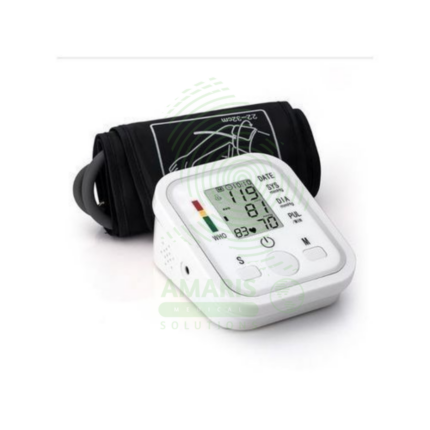
Digital Blood Pressure Monitor
A Digital Blood Pressure Monitor is an automatic electronic device that measures and displays systolic pressure, diastolic pressure, and pulse rate using the oscillometric method. Designed primarily for home and clinical use, it offers a user-friendly alternative to manual aneroid devices, requiring minimal training. Key features often include irregular heartbeat detection, multi-user memory, and connectivity for data tracking. Its accuracy, when clinically validated and used with correct technique, makes it an indispensable tool for the diagnosis and management of hypertension, empowering patients and supporting healthcare providers with reliable ambulatory data.
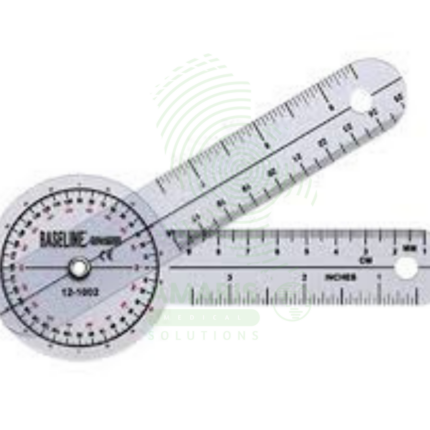
Goniometer
A goniometer is a calibrated, handheld measuring instrument designed to precisely quantify joint range of motion in degrees. Essential for physical and occupational therapy, orthopedic assessment, and rehabilitation medicine, it consists of a protractor-like body with two arms—one stationary, one movable—that align with the patient's limb segments. Available in various sizes for different joints (from fingers to hips) and in materials including transparent plastic, stainless steel, and digital formats, it transforms subjective observations of mobility into objective, reproducible data. This fundamental clinical tool guides diagnosis, documents treatment progress, supports disability determinations, and provides the evidence base for therapeutic interventions.
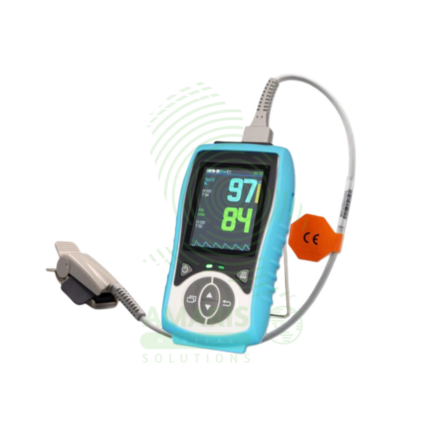
Handheld Pulse Oximeter
A Handheld Pulse Oximeter is a professional-grade, portable medical device used by healthcare providers for accurate and reliable monitoring of blood oxygen saturation (SpO2) and pulse rate. It consists of a durable, feature-rich monitor unit and separate, interchangeable sensors for use on fingers, toes, or ears. Superior to basic fingertip models, it offers advanced functions like configurable alarms, detailed plethysmograph display, trend memory, and data connectivity. Its robust design, clinical accuracy under challenging conditions (motion, low perfusion), and versatility make it an essential tool in hospitals, clinics, ambulances, and home health for patient assessment and monitoring.
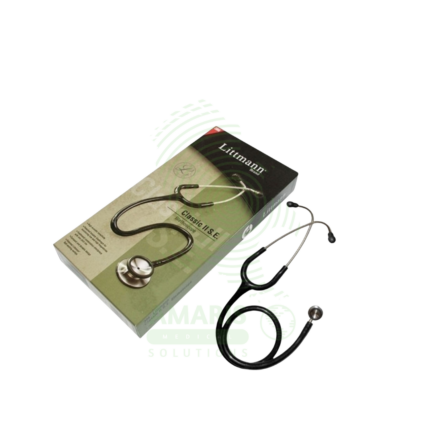
Littmann Stethoscope (Classic II)
A Littmann Stethoscope (Classic II) is a premium, acoustic dual-head stethoscope renowned for its diagnostic clarity, durability, and innovative tunable diaphragm technology. It allows healthcare professionals to hear both high and low-frequency sounds by simply adjusting pressure on the single-sided chestpiece, eliminating the need to rotate it. With its superior acoustics, comfortable fit, and wide range of colors, it is the instrument of choice for medical students, nurses, and physicians across all specialties who require reliable performance for physical assessment, auscultation of heart and lung sounds, and manual blood pressure measurement.
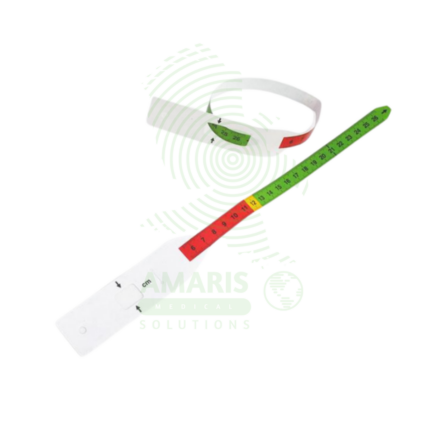
MUAC Tape
A MUAC Tape (Mid-Upper Arm Circumference) is a specialized, color-coded measuring tape used globally as the primary field tool for screening children aged 6-59 months for acute malnutrition. Its simple design—featuring red, yellow, and green zones corresponding to Severe Acute Malnutrition, Moderate Acute Malnutrition, and normal nutritional status—allows for instant, non-invasive assessment without the need for scales, calculation, or literacy. Durable, portable, and inexpensive, it is the cornerstone of community-based nutrition programs, emergency relief efforts, and public health surveillance, enabling early detection and life-saving intervention for malnourished children in even the most resource-constrained settings.
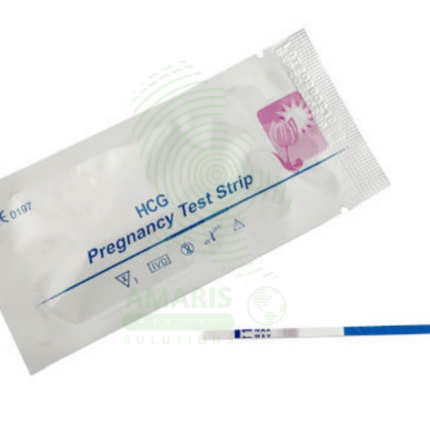
Pregnancy Test Strips
Pregnancy Test Strips are simple, dip-style lateral flow devices designed for the rapid, qualitative detection of human chorionic gonadotropin (hCG) in urine to indicate pregnancy. As the most fundamental format of home pregnancy tests, they offer high sensitivity (often from 10 mIU/mL), affordability, and a quick result within 3-5 minutes. Their ease of use makes them a widely accessible first step in pregnancy detection for personal use and clinical screening. A visible test line, even if faint, is a positive result, though confirmation with a healthcare provider is always recommended.
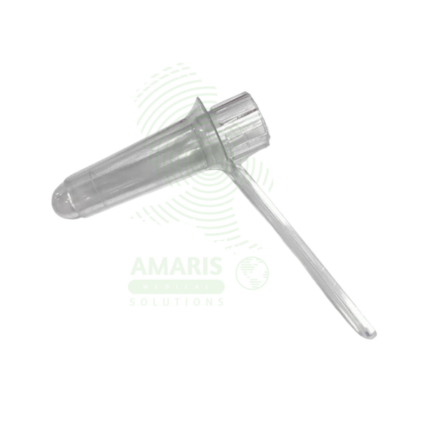
Proctoscope
A Proctoscope is a rigid, straight-tube endoscope specifically designed for the examination and treatment of the anal canal and distal rectum. It enables direct visualization to diagnose conditions like hemorrhoids, fissures, and proctitis, and serves as a conduit for therapeutic procedures such as band ligation. Available in reusable (autoclavable metal) or disposable (single-use plastic) formats, it is a fundamental tool in colorectal practice. Its effective use requires proper patient preparation, gentle insertion technique, and stringent adherence to sterilization protocols to ensure patient safety and diagnostic accuracy.