Dermatoscope and Magnifiers
 Diagnostic Kits
 Vital Signs Monitors
 Stethoscopes and Accessories
 Otoscopes, Ophthalmoscopes, and Retinoscopes
 Reflex Hammers and Neurological Tools
 Scales and Measuring Devices
 Spirometers and Pulmonary Function Tests
 Electrosurgical Units and Accessories
 Cutting Instruments
 Grasping and Holding Instruments
 Hemostatic Instruments
 Specialized Surgical Sets
 Single-Use Procedure Trays and Packs
 Surgical Drapes, Gowns, and Covers
 Tissue Unifying Instruments
 Radiation Protection
 X-Ray Machines and Accessories
 Ultrasound Systems and Probes
 MRI and CT Scanners
 Radiology Consumables
 Bone Densitometers
 Fluoroscopy Equipment
 Imaging Tables and Positioning Aids
 Microscopes and Accessories
 Centrifuges and Separators
 Analyzers
 Incubators and Ovens
 Pipettes, Dispensers, and Lab Glassware
 Refrigerators, Freezers, and Storage Units
 Lab Consumables
 Sterilizers and Autoclaves for Lab Use
 Multi-Parameter Monitors
 Ventilators and Respiratory Support Devices
 Defibrillators and AEDs
 Infusion Pumps and IV Systems
 Patient Warmers and Cooling Devices
 Central Monitoring Stations
 Accessories
 Anesthesia Machines and Workstations
 Oxygen Concentrators and Delivery Systems
 Nebulizers and Inhalers
 CPAP/BiPAP Machines
 Airway Management
 Anesthesia Masks, Circuits, and Bags
 Humidifiers and Heaters
 Respiratory Therapy Accessories
 First Aid Kits and Cabinets
 Emergency Resuscitation Equipment
 Trauma Supplies
 Emergency Carts and Crash Carts
 Burn Care Products
 Bleeding Control
 Automated External Defibrillators (AEDs)
 Transport and Evacuation
 Wheelchairs and Accessories
 Walkers, Crutches, and Canes
 Prosthetics and Orthotics
 Physical Therapy Equipment
 Transfer Devices
 Bathroom Safety
 Orthopedic Traction and Tables
 Hot/Cold Therapy Packs and Units
 Beds and Mattresses
 Chairs and Stools
 Tables
 Cabinets and Storage
 Privacy Screens & Curtains
 Stands and Racks
 Linens and Textiles
 Lighting
 Autoclaves and Sterilizers
 Ultrasonic Cleaners
 Disinfectant Solutions and Wipes
 Sterilization Pouches, Wraps, and Indicators
 Instrument Trays and Containers
 UV and Ozone Disinfection Devices
 Washer Disinfectors
 Wound Care
 Gloves
 Masks and Respirators
 Catheters and Tubing
 Swabs, Applicators, and Sponges
 Incontinence Products
 Personal Protective Equipment (PPE)
 Dental Chairs and Units
 Handpieces and Burs
 Instruments
 Consumables
 Sterilization for Dental Use
 Orthodontic Supplies
 Endodontic Tools
 Slit Lamps and Tonometers
 Lensometers and Phoropters
 Ophthalmic Surgical Instruments
 Eyewear Frames and Lenses
 Contact Lens Supplies
 Vision Testing Charts and Devices
 Eye Care Consumables
 Laser Systems for Eye Care
 ENT Exam Chairs and Tables
 Endoscopes
 Audiometers and Hearing Tests
 ENT Instruments
 Nasal and Throat Packs
 Hearing Aids and Accessories
 Otology Supplies
 Fetal Dopplers and Monitors
 Delivery Beds and Tables
 Gynecological Instruments
 Neonatal Incubators and Warmers
 Breast Pumps and Accessories
 Contraceptive Devices
 Maternity Supports and Pads
 Neonatal Consumables
 Cystoscopes and Urethroscopes
 Dialysis Machines and Supplies
 Urological Catheters and Bags
 Lithotripters
 Prostate Treatment Devices
 Urinary Incontinence Products
 Kidney Stone Management Tools
 Consumables & Disposables
 EEG and EMG Machines
 Neurosurgical Instruments
 Nerve Stimulators
 Headrests and Positioning Aids
 Lumbar Puncture Kits
 Seizure Monitoring Devices
 Consumables
 Rehabilitation for Neurological Conditions
 ECG Machines and Accessories
 Holter Monitors
 Stress Test Systems
 Pacemakers and Defibrillator Accessories
 Vascular Access Devices
 Cardiac Catheters and Guidewires
 Blood Flow Meters
 Consumables
 Orthopedic Instruments
 Casts, Splints, and Padding
 Joint Replacement Supplies
 Prosthetic Limbs and Components
 Bone Grafts and Substitutes
 Traction Devices
 Orthopedic Braces and Supports
 Rehabilitation Aids for Orthopedics
 Home Oxygen Therapy
 Hospital Beds for Home Use
 Mobility Aids
 Bathroom and Daily Living Aids
 Wound Care for Home
 Monitoring Devices
 Enteral Feeding Pumps and Tubes
 Hand Sanitizers and Dispensers
 Face Shields and Goggles
 Isolation Gowns and Suits
 Biohazard Waste Containers
 Air Purifiers and HEPA Filters
 Surface Disinfectants
 Sharps Containers
 Protective Barriers
 Cardiovascular & Endurance Training
 Strength Training & Weightlifting
 Functional Training & Core Conditioning
 Physical Therapy & Rehabilitation
 Sports & Outdoor Recreation
 Gym Flooring & Facility Equipment
 Fitness Monitoring & Accessories
 Kids & Novelties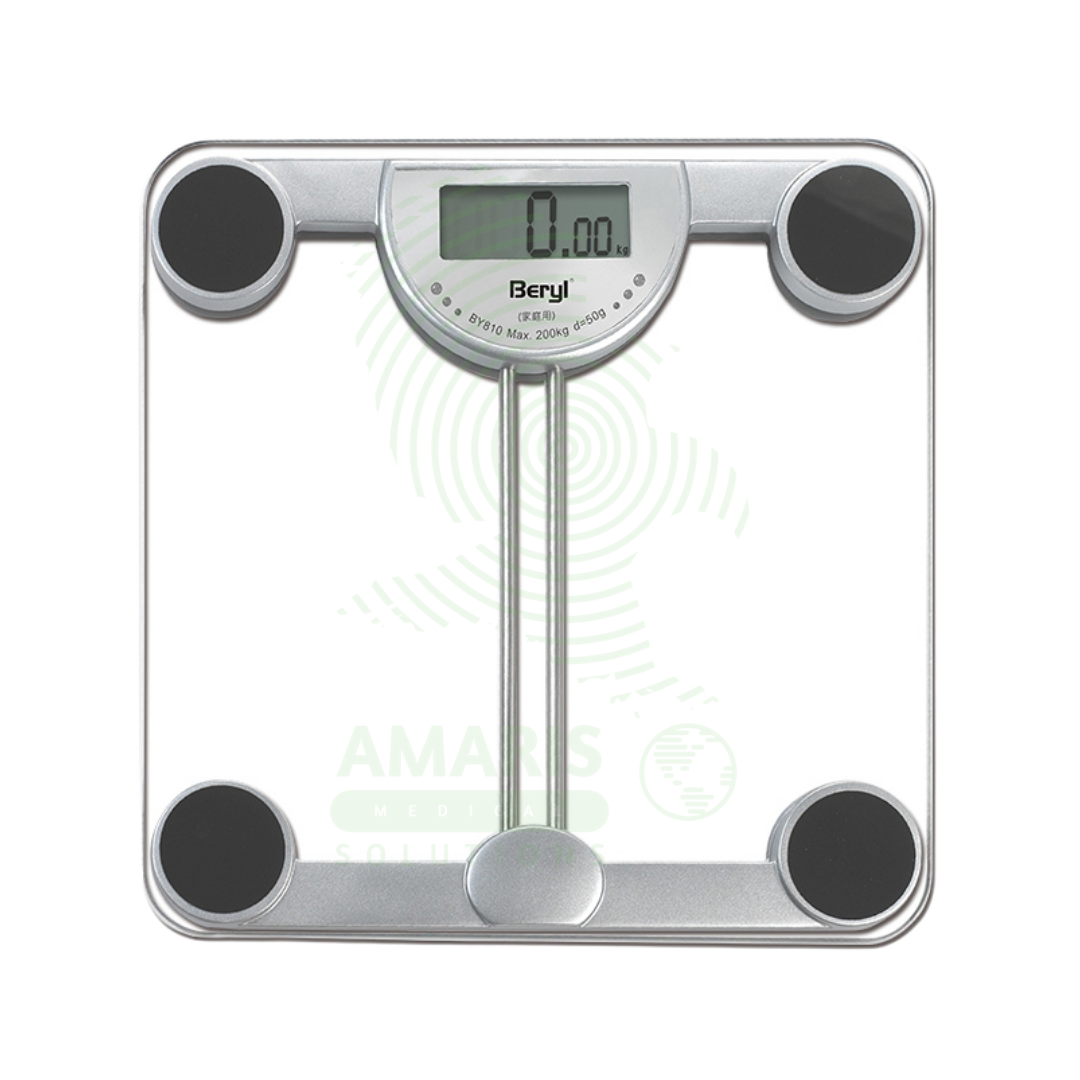
Digital Bathroom Weighing Scale
WhatsApp Order
A Digital Bathroom Weighing Scale is a Class I medical device (for health monitoring) using strain gauge sensor technology (four high-precision sensors, accuracy ±0.1-0.3 kg) to measure body weight in home settings. Features include tempered glass, stainless steel, or ABS plastic platform (30-35 cm square), backlit LCD display with large numerals, auto-on/off, low battery indicator, overload warning, and weight capacity 150-200 kg (330-440 lbs) standard, with bariatric models to 300 kg (660 lbs). Measurement units switchable between kg, lb, and st. Primary clinical applications include home weight monitoring for chronic disease management (congestive heart failure fluid detection, chronic kidney disease), obesity and weight management programs, bariatric surgery pre- and post-operative monitoring, diabetes management and metabolic health, pregnancy weight gain tracking, geriatric nutritional status monitoring (detecting malnutrition), and pediatric growth monitoring. Critical safety considerations include use on hard, level surface (not carpet), consistent weighing conditions (same time, minimal clothing), inspection of glass platform for cracks, staying within weight capacity, and recognition that rapid weight gain >2-3 kg in 24-48 hours may indicate fluid overload requiring medical attention. Essential tool for home-based chronic disease management and health monitoring.
Description
Digital Bathroom Weighing Scale
PRIMARY CLINICAL & DIAGNOSTIC USES
1. Home Weight Monitoring for Chronic Disease Management:
-
Primary Use: Enables patients with congestive heart failure, chronic kidney disease, and hypertension to perform daily weight measurements to detect fluid retention early, allowing timely intervention and preventing hospital admissions for fluid overload.
-
How it helps: Serves as a life-saving early warning system for heart and kidney patients, catching the subtle daily weight gains that signal fluid buildup days before symptoms become severe, allowing doctors to adjust medications and prevent hospitalization.
2. Obesity and Weight Management Programs:
-
Primary Use: Provides objective, serial weight data for individuals enrolled in medically supervised weight loss programs, allowing patients and providers to track progress, adjust dietary and exercise recommendations, and maintain accountability between clinic visits.
-
How it helps: Transforms weight loss from guesswork into a data-driven journey, giving patients and their providers clear evidence of progress that motivates continued effort and allows for timely adjustments when results stall.
3. Bariatric Surgery Pre- and Post-Operative Monitoring:
-
Primary Use: Candidates for bariatric surgery require documented weight trends for insurance approval and pre-operative preparation. Post-operatively, daily or weekly weights help track expected weight loss and identify plateaus or complications requiring intervention.
-
How it helps: Supports patients through their entire weight loss surgery journey, from documenting the need for surgery to celebrating post-operative success, while alerting the surgical team if weight loss stalls or complications arise.
4. Diabetes Management and Metabolic Health:
-
Primary Use: Patients with diabetes use daily weights as part of comprehensive metabolic monitoring, as weight changes correlate with glycemic control and cardiovascular risk. Serial weights help detect medication-related weight gain or loss requiring treatment adjustment.
-
How it helps: Gives diabetic patients a simple way to track a key health metric that directly impacts blood sugar control, helping them and their doctors fine-tune medications and lifestyle for better outcomes.
5. Pregnancy Weight Gain Tracking:
-
Primary Use: Obstetric providers recommend regular weight monitoring throughout pregnancy to ensure appropriate fetal growth and detect inadequate or excessive gain that may indicate complications such as gestational hypertension, diabetes, or intrauterine growth restriction.
-
How it helps: Helps expectant mothers and their obstetricians track one of the most important indicators of fetal health, catching problems with weight gain early when interventions can make the biggest difference for both mother and baby.
6. Geriatric Nutritional Status Monitoring:
-
Primary Use: Regular weight measurement in elderly patients helps detect unintentional weight loss indicating malnutrition, depression, or underlying illness, and guides nutritional interventions in home healthcare and long-term care settings.
-
How it helps: Serves as an early warning system for serious health problems in the elderly, catching dangerous weight loss before it leads to frailty, falls, and hospitalization.
7. Pediatric Growth Monitoring:
-
Primary Use: Parents use bathroom scales for between-visit weight checks to track growth in children, complementing measurements obtained at well-child visits and alerting providers to concerning trends.
-
How it helps: Gives parents a simple way to track their children’s healthy development, spotting potential problems early when interventions can be most effective.
SECONDARY & SUPPORTIVE USES
1. Fitness and Wellness Tracking: Health-conscious individuals monitor weight trends in response to exercise and nutrition programs as part of general wellness maintenance, supporting personal health goals.
2. Athletic Performance Monitoring: Athletes track weight fluctuations related to hydration status and training loads to optimize performance and recovery, helping them compete at their best.
3. Medication-Induced Weight Change Monitoring: Patients on medications known to cause weight gain (antipsychotics, antidepressants, corticosteroids) or weight loss (chemotherapy, thyroid medications) track trends to alert providers to significant changes.
4. Preoperative Weight Documentation: Provides baseline weight for anesthesia dosing and surgical planning prior to elective procedures, ensuring patient safety during surgery.
5. Thyroid Disorder Management: Patients with hyperthyroidism or hypothyroidism monitor weight as a clinical indicator of disease control and medication effectiveness, helping manage these chronic conditions.
6. Eating Disorder Recovery Support: Under professional guidance, individuals in recovery from eating disorders use regular weight monitoring as part of comprehensive treatment plans, supporting healing and recovery.
7. Family Health Tracking: Multi-user scales with automatic user recognition allow entire households to track individual weight trends for general health awareness, supporting family-wide wellness goals.
KEY PRODUCT FEATURES
1. BASIC IDENTIFICATION ATTRIBUTES
-
Device Type: Digital electronic bathroom scale for body weight measurement in home settings.
-
Common Names: Digital Bathroom Scale, Electronic Scale, Home Weight Scale, Personal Scale, Body Weight Scale.
-
Components:
-
Platform: Tempered glass, metal, or reinforced plastic platform with integrated sensors.
-
Display: Backlit LCD showing weight in kg, lb, or st.
-
Sensors: Strain gauge or load cell technology for weight measurement.
-
Power Source: 2-4×AAA batteries, coin cell (CR2032), or rechargeable lithium-ion.
-
Auto-On/Off: Activates when stepping on platform; shuts off automatically after use.
-
-
Weight Capacity: 150-200 kg (330-440 lbs) standard; bariatric models available up to 250-300 kg (550-660 lbs).
-
Graduation: 0.1 kg or 0.2 lb increments for clinical relevance.
-
Accuracy: ±0.1-0.3 kg (±0.2-0.6 lb) depending on quality.
2. TECHNICAL & PERFORMANCE PROPERTIES
-
Measurement Technology: Four high-precision strain gauge sensors for accurate weight distribution and measurement.
-
Display Units: Switchable between kg, lb, and st (stones) depending on market.
-
Auto-Calibration: Self-calibrating upon power-up; no manual calibration required by the user.
-
Step-On Technology: Instant-on activation; no tapping or waiting required.
-
Hold Feature: Display locks weight after measurement until scale is vacated.
-
Low Battery Indicator: Alerts when battery replacement is needed.
-
Overload Indicator: Warns when weight exceeds maximum capacity.
-
Multi-User Memory: Some models store weight history for multiple users.
-
Auto-Recognition: Advanced models recognize individual users based on weight profile.
3. PHYSICAL & OPERATIONAL PROPERTIES
-
Platform Dimensions: 30-35 cm × 30-35 cm (12-14 inches square) typical.
-
Platform Material Options:
-
Tempered Glass: Modern, sleek, easy to clean; may be slippery when wet.
-
Stainless Steel: Durable, premium, non-slip surface.
-
ABS Plastic: Lightweight, economical, textured surface.
-
-
Thickness: 2-4 cm (0.8-1.6 inches) low profile for easy storage.
-
Display Size: 5-8 cm (2-3 inch) backlit LCD with large numerals.
-
Weight: 1.5-2.5 kg (3.3-5.5 lbs) depending on materials.
-
Non-Slip Feet: Rubberized pads for stability on hard floors; carpet feet available for soft surfaces.
-
Battery Life: 6-12 months with daily use (2-4×AAA).
-
Storage: Upright storage capability on many models.
4. SAFETY & COMPLIANCE ATTRIBUTES
-
Regulatory Status: Class I medical device when marketed for health monitoring; general consumer product otherwise.
-
Clinical Standards: Should meet accuracy requirements per OIML R76 (international weighing instrument standard) if used for medical monitoring.
-
Electrical Safety: Low-voltage battery operation; no shock hazard.
-
Surface Safety: Non-slip surface or textured finish to prevent falls.
-
Weight Capacity: Clearly marked on device; do not exceed.
-
Stability: Wide base with non-slip feet prevents tipping.
-
Glass Safety: Tempered glass designed to shatter safely if broken; inspect for cracks.
-
Ingress Protection: Should withstand bathroom humidity; not for immersion.
5. STORAGE & HANDLING ATTRIBUTES
-
Storage: Store flat or upright in clean, dry areas; avoid extreme temperatures and direct sunlight.
-
Cleaning: Wipe with damp cloth and mild soap; do not immerse. Avoid abrasive cleaners that damage surfaces or sensors.
-
Battery Maintenance: Remove batteries if storing long-term; replace when a low indicator appears.
-
Calibration: Factory calibrated; verify accuracy annually with known reference weight if concerned.
-
Inspection: Before each use, verify platform integrity, display function, and battery status. Check for cracks in the glass platform.
-
Placement: Use on hard, level surface for accuracy; carpet or uneven flooring affects readings.
6. LABORATORY & CLINICAL APPLICATIONS
-
Primary Application: Home weight monitoring for chronic disease management (heart failure, CKD, hypertension), weight loss programs, bariatric surgery follow-up, diabetes management, pregnancy weight tracking, geriatric nutritional monitoring, and pediatric growth checks.
-
Measurement Guidelines:
-
Place the scale on a hard, level surface (not carpet).
-
Weigh at the same time daily (morning preferred), after voiding, before eating or drinking.
-
Wear minimal, consistent clothing.
-
Stand still with feet evenly distributed; weight distributed on both feet.
-
Wait for the display to lock before stepping off.
-
Record reading for trend tracking.
-
-
Clinical Significance:
-
Heart failure: weight gain >2-3 kg (4-6 lbs) in 24-48 hours may indicate fluid overload.
-
Pregnancy: steady gain of 0.5-2 kg/month depending on trimester.
-
Weight loss programs: goal of 0.5-1 kg (1-2 lbs) per week.
-
-
Limitations: Accuracy affected by carpet, uneven flooring, and improper positioning.
SAFETY HANDLING PRECAUTIONS
1. SAFETY PRECAUTIONS
-
Surface Check: Ensure scale is on level, non-slip surface; wet floors increase fall risk.
-
Platform Integrity: Inspect glass platform for cracks before each use; do not use it if damaged.
-
Step Carefully: Step onto scale gently; sudden impact may damage sensors or cause fall.
-
Footwear: Bare feet or non-slip socks recommended; wet feet may slip on smooth surfaces.
-
Weight Capacity: Do not exceed maximum weight capacity; platform failure may cause injury.
-
Not for Diagnostic Use Alone: Weight trends should be interpreted by healthcare providers; sudden changes require medical attention.
-
Pediatric Use: Supervise children; ensure stable footing.
-
Battery Safety: Keep batteries away from children; ingestion hazard.
-
Cleaning: Do not immerse in water; wipe only.
2. FIRST AID MEASURES
-
Rapid Weight Gain (Heart Failure): If weight increases >2-3 kg (4-6 lbs) in 24-48 hours with symptoms (shortness of breath, edema), contact a healthcare provider immediately.
-
Platform Breakage: If glass cracks during use, step off carefully; assess for injury; dispose of damaged scale properly.
-
Fall from Scale: Assess for injury; document incident.
-
Battery Leakage: Remove batteries immediately; avoid skin contact with electrolyte; clean compartment.
3. FIRE FIGHTING MEASURES
-
Flammability: Plastic components and batteries are combustible.
-
Extinguishing Media: For electrical fire, use CO₂ or dry chemical (Class C) extinguisher.
Related products
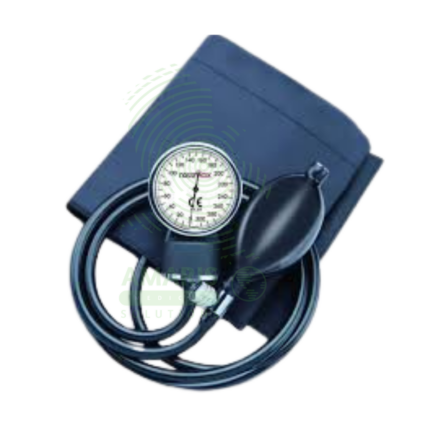
Aneroid Blood Pressure Monitor
The Aneroid Blood Pressure Monitor is a manual, mechanical sphygmomanometer used for the accurate, non-invasive measurement of arterial blood pressure. Operating on the auscultatory method, it consists of an inflatable cuff, a pump bulb with a release valve, and a calibrated dial gauge. Renowned for its reliability, durability, and independence from electrical power, it serves as a clinical gold standard and essential tool in physician offices, hospitals, and for guided home monitoring. Its accuracy is dependent on proper technique, correct cuff size, and regular calibration, making it a fundamental device for diagnosing and managing hypertension and assessing cardiovascular health.
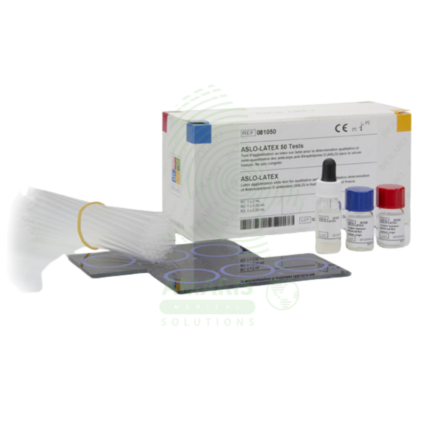
Anti-Streptol Olysin O Titer (ASOT)
Anti-Streptol Olysin O Titer (ASOT) is a quantitative or semi-quantitative serological test (latex agglutination, turbidimetry, nephelometry, or ELISA) for detecting antibodies against streptolysin O, an exotoxin produced by Group A Streptococcus. Elevated or rising titers indicate recent streptococcal infection and are essential for diagnosing post-streptococcal sequelae including acute rheumatic fever (Jones criteria) and post-streptococcal glomerulonephritis. The test requires serum samples; acute and convalescent (2-4 weeks apart) with fourfold rise confirms recent infection. Reference range typically <200-250 Todd units/mL (adults), varies by age and population. Primary clinical applications include diagnosis of Group A streptococcal infections, acute rheumatic fever evaluation, post-streptococcal glomerulonephritis diagnosis, differentiation of acute vs. past infection, evaluation of unexplained arthritis or carditis, pediatric inflammatory conditions (PANDAS), and monitoring disease activity in rheumatic fever. Critical safety precautions include proper timing of acute and convalescent samples, awareness of false negatives/positives, clinical correlation for diagnosis, and standard biohazard precautions. Essential test for rheumatology, nephrology, cardiology, and infectious disease practice.
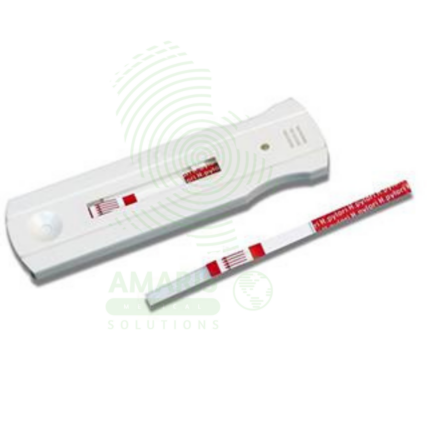
H. pylori Test Strips
H. pylori Test Strips are rapid, lateral flow immunochromatographic devices used for the qualitative detection of Helicobacter pylori antigens in human stool. As a non-invasive stool antigen test (SAT), it provides a convenient and reliable method for diagnosing active H. pylori infection and confirming eradication after therapy, with results available in under 15 minutes. Ideal for use in clinics and outpatient settings, it aids in the management of dyspepsia and peptic ulcer disease. Proper sample handling, adherence to pre-test medication restrictions, and strict biohazard precautions are essential for obtaining accurate results.
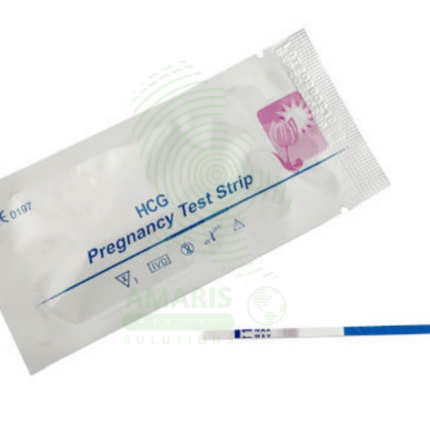
Pregnancy Test Strips
Pregnancy Test Strips are simple, dip-style lateral flow devices designed for the rapid, qualitative detection of human chorionic gonadotropin (hCG) in urine to indicate pregnancy. As the most fundamental format of home pregnancy tests, they offer high sensitivity (often from 10 mIU/mL), affordability, and a quick result within 3-5 minutes. Their ease of use makes them a widely accessible first step in pregnancy detection for personal use and clinical screening. A visible test line, even if faint, is a positive result, though confirmation with a healthcare provider is always recommended.
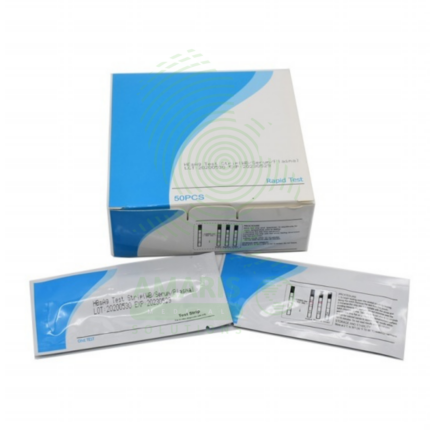
Rapid Test Kits (HIV, HBV, HCV, Malaria)
Rapid Test Kits for HIV, HBV, HCV, and Malaria are single-use, immunochromatographic devices designed for the quick, preliminary screening of these critical infectious diseases at the point of care. By detecting specific antibodies or antigens in a small blood sample (or oral fluid for some HIV tests), they provide a visual result within 15-30 minutes without the need for laboratory equipment. Their primary role is to expand access to testing in community and resource-limited settings, enabling immediate counseling, triage, and referral for confirmatory testing and treatment. As essential tools in public health, they are characterized by their simplicity, speed, and critical importance in early diagnosis and outbreak response.
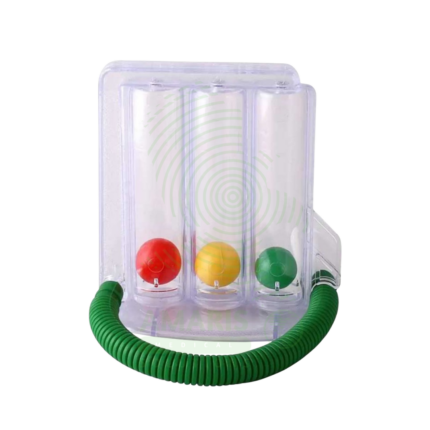
Spirometer
A Spirometer is an essential diagnostic medical device used to measure how much and how quickly air can be inhaled and exhaled by the lungs. By performing forced breathing maneuvers, it generates key parameters—primarily Forced Vital Capacity (FVC) and Forced Expiratory Volume in 1 second (FEV1)—that are fundamental for diagnosing and monitoring obstructive and restrictive lung diseases like Asthma and COPD. Requiring daily calibration and strict adherence to international standards (ATS/ERS), it provides the objective, reproducible data needed for clinical decision-making in pulmonology, primary care, occupational health, and pre-operative assessment.
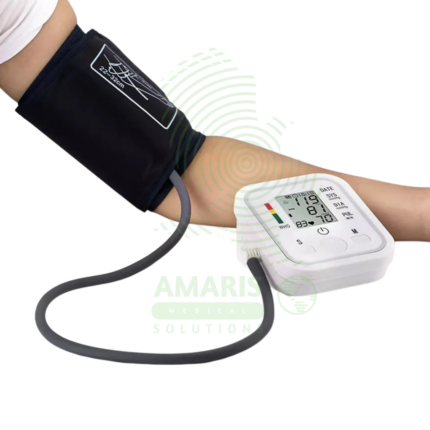
Upper Arm Blood Pressure Monitor
The Upper Arm Blood Pressure Monitor is a clinically validated, automatic digital device designed for accurate and comfortable blood pressure and pulse measurement at home or in professional settings. Known for its user-friendly features like Intellisense inflation technology, a large clear display, and comprehensive functions including irregular heartbeat detection, multi-user memory, and a WHO-based hypertension indicator, it provides reliable data for effective hypertension management. Its robust construction, adherence to international safety standards (CE, FDA), and focus on patient comfort make it a trusted choice for individuals and healthcare providers seeking a dependable tool for cardiovascular health monitoring.