Dermatoscope and Magnifiers
 Diagnostic Kits
 Vital Signs Monitors
 Stethoscopes and Accessories
 Otoscopes, Ophthalmoscopes, and Retinoscopes
 Reflex Hammers and Neurological Tools
 Scales and Measuring Devices
 Spirometers and Pulmonary Function Tests
 Electrosurgical Units and Accessories
 Cutting Instruments
 Grasping and Holding Instruments
 Hemostatic Instruments
 Specialized Surgical Sets
 Single-Use Procedure Trays and Packs
 Surgical Drapes, Gowns, and Covers
 Tissue Unifying Instruments
 Radiation Protection
 X-Ray Machines and Accessories
 Ultrasound Systems and Probes
 MRI and CT Scanners
 Radiology Consumables
 Bone Densitometers
 Fluoroscopy Equipment
 Imaging Tables and Positioning Aids
 Microscopes and Accessories
 Centrifuges and Separators
 Analyzers
 Incubators and Ovens
 Pipettes, Dispensers, and Lab Glassware
 Refrigerators, Freezers, and Storage Units
 Lab Consumables
 Sterilizers and Autoclaves for Lab Use
 Multi-Parameter Monitors
 Ventilators and Respiratory Support Devices
 Defibrillators and AEDs
 Infusion Pumps and IV Systems
 Patient Warmers and Cooling Devices
 Central Monitoring Stations
 Accessories
 Anesthesia Machines and Workstations
 Oxygen Concentrators and Delivery Systems
 Nebulizers and Inhalers
 CPAP/BiPAP Machines
 Airway Management
 Anesthesia Masks, Circuits, and Bags
 Humidifiers and Heaters
 Respiratory Therapy Accessories
 First Aid Kits and Cabinets
 Emergency Resuscitation Equipment
 Trauma Supplies
 Emergency Carts and Crash Carts
 Burn Care Products
 Bleeding Control
 Automated External Defibrillators (AEDs)
 Transport and Evacuation
 Wheelchairs and Accessories
 Walkers, Crutches, and Canes
 Prosthetics and Orthotics
 Physical Therapy Equipment
 Transfer Devices
 Bathroom Safety
 Orthopedic Traction and Tables
 Hot/Cold Therapy Packs and Units
 Beds and Mattresses
 Chairs and Stools
 Tables
 Cabinets and Storage
 Privacy Screens & Curtains
 Stands and Racks
 Linens and Textiles
 Lighting
 Autoclaves and Sterilizers
 Ultrasonic Cleaners
 Disinfectant Solutions and Wipes
 Sterilization Pouches, Wraps, and Indicators
 Instrument Trays and Containers
 UV and Ozone Disinfection Devices
 Washer Disinfectors
 Wound Care
 Gloves
 Masks and Respirators
 Catheters and Tubing
 Swabs, Applicators, and Sponges
 Incontinence Products
 Personal Protective Equipment (PPE)
 Dental Chairs and Units
 Handpieces and Burs
 Instruments
 Consumables
 Sterilization for Dental Use
 Orthodontic Supplies
 Endodontic Tools
 Slit Lamps and Tonometers
 Lensometers and Phoropters
 Ophthalmic Surgical Instruments
 Eyewear Frames and Lenses
 Contact Lens Supplies
 Vision Testing Charts and Devices
 Eye Care Consumables
 Laser Systems for Eye Care
 ENT Exam Chairs and Tables
 Endoscopes
 Audiometers and Hearing Tests
 ENT Instruments
 Nasal and Throat Packs
 Hearing Aids and Accessories
 Otology Supplies
 Fetal Dopplers and Monitors
 Delivery Beds and Tables
 Gynecological Instruments
 Neonatal Incubators and Warmers
 Breast Pumps and Accessories
 Contraceptive Devices
 Maternity Supports and Pads
 Neonatal Consumables
 Cystoscopes and Urethroscopes
 Dialysis Machines and Supplies
 Urological Catheters and Bags
 Lithotripters
 Prostate Treatment Devices
 Urinary Incontinence Products
 Kidney Stone Management Tools
 Consumables & Disposables
 EEG and EMG Machines
 Neurosurgical Instruments
 Nerve Stimulators
 Headrests and Positioning Aids
 Lumbar Puncture Kits
 Seizure Monitoring Devices
 Consumables
 Rehabilitation for Neurological Conditions
 ECG Machines and Accessories
 Holter Monitors
 Stress Test Systems
 Pacemakers and Defibrillator Accessories
 Vascular Access Devices
 Cardiac Catheters and Guidewires
 Blood Flow Meters
 Consumables
 Orthopedic Instruments
 Casts, Splints, and Padding
 Joint Replacement Supplies
 Prosthetic Limbs and Components
 Bone Grafts and Substitutes
 Traction Devices
 Orthopedic Braces and Supports
 Rehabilitation Aids for Orthopedics
 Home Oxygen Therapy
 Hospital Beds for Home Use
 Mobility Aids
 Bathroom and Daily Living Aids
 Wound Care for Home
 Monitoring Devices
 Enteral Feeding Pumps and Tubes
 Hand Sanitizers and Dispensers
 Face Shields and Goggles
 Isolation Gowns and Suits
 Biohazard Waste Containers
 Air Purifiers and HEPA Filters
 Surface Disinfectants
 Sharps Containers
 Protective Barriers
 Cardiovascular & Endurance Training
 Strength Training & Weightlifting
 Functional Training & Core Conditioning
 Physical Therapy & Rehabilitation
 Sports & Outdoor Recreation
 Gym Flooring & Facility Equipment
 Fitness Monitoring & Accessories
 Kids & Novelties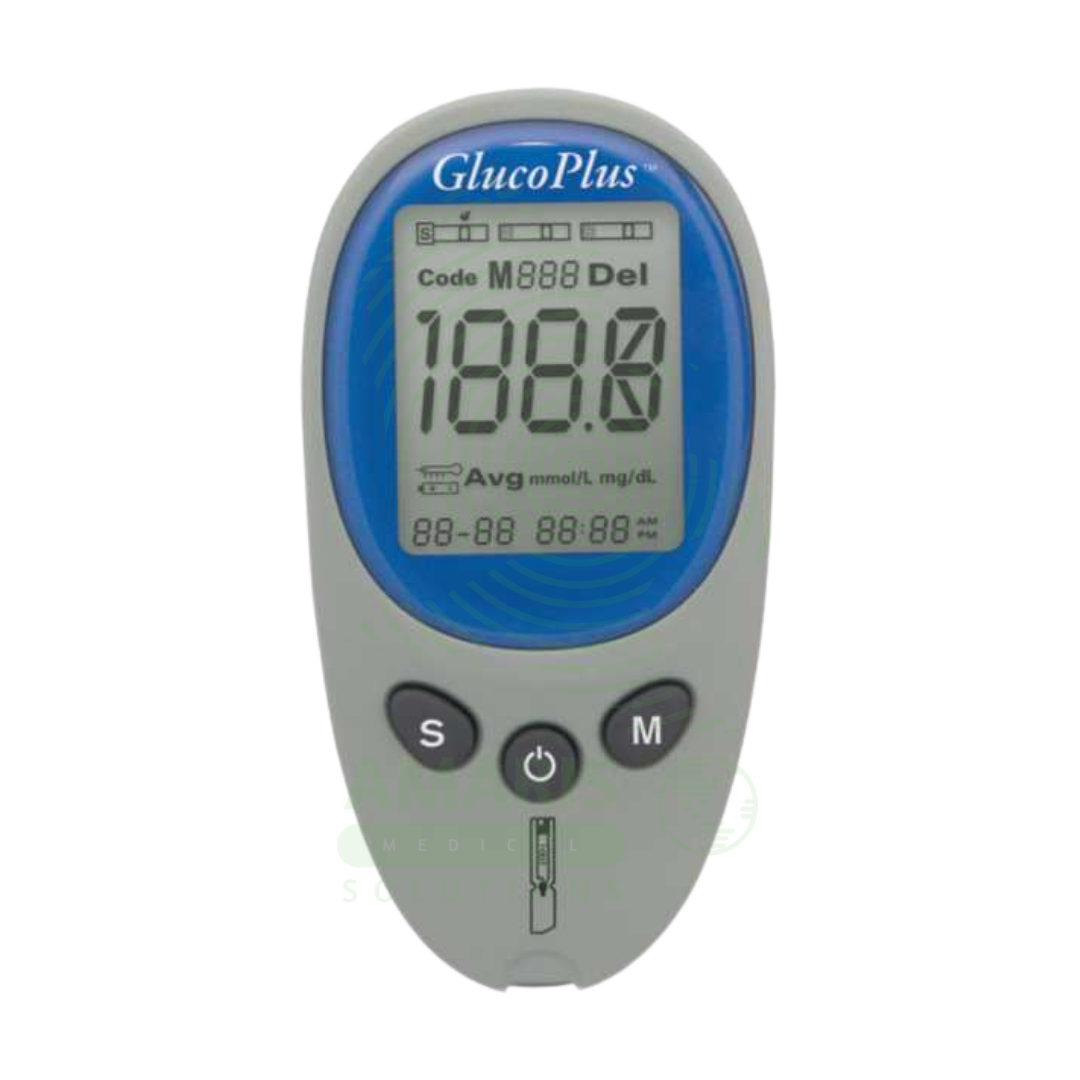

Glucosplus Blood Sugar Machine
$1.00
WhatsApp Order
The Glucosplus Blood Sugar Machine is a Class II medical device (FDA-cleared, ISO 15197:2013 compliant) using electrochemical biosensor technology to measure capillary blood glucose from a 0.5-1.0 µL sample in 5-7 seconds. Features include no-coding system eliminating user error, 300-500 result memory with date/time stamps, 7/14/30-day averaging, pre-/post-meal event tagging, push-button strip ejection, backlit LCD display, and auto-shutoff. Primary clinical applications include self-monitoring for Type 1, Type 2, and gestational diabetes, insulin dose adjustment, acute glycemic event detection (hypoglycemia/hyperglycemia), hospital point-of-care testing, long-term glycemic control assessment, and preconception planning for diabetic women. Critical safety considerations include single-use lancets (never share), proper hand hygiene before testing, correct test strip storage (sealed vial, temperature control), never using expired strips, regular control solution testing, and immediate action for hypoglycemia per 15-15 rule. Essential tool for daily diabetes self-management enabling patients to achieve glycemic targets and reduce long-term complications.
Description
Glucosplus Blood Sugar Machine
PRIMARY CLINICAL & DIAGNOSTIC USES
1. Self-Monitoring of Blood Glucose for Diabetes Management:
-
Primary Use: Enables individuals with Type 1, Type 2, or gestational diabetes to measure their capillary blood glucose levels multiple times daily using the GlucosPlus glucose monitoring system. Real-time data guides insulin dosing, dietary choices, and physical activity to achieve target glycemic ranges and reduce long-term complications including retinopathy, nephropathy, and neuropathy.
-
How it helps: Puts the power of daily diabetes management directly in the patient’s hands, allowing them to make informed, real-time decisions that keep their blood sugar stable and significantly reduce the risk of developing devastating long-term complications like blindness, kidney failure, and nerve damage.
2. Detection and Management of Acute Glycemic Events:
-
Primary Use: Critical for immediate identification of hypoglycemia (low blood sugar) to prevent seizures, unconsciousness, or death, and for recognizing hyperglycemia (high blood sugar) to guide corrective insulin and prevent diabetic ketoacidosis (DKA) or hyperosmolar hyperglycemic state (HHS) requiring emergency medical intervention.
-
How it helps: Serves as a life-saving early warning system that alerts patients to dangerous blood sugar fluctuations before they escalate into medical emergencies, giving them the confidence to manage their condition safely at home.
3. Insulin Dose Titration and Adjustment:
-
Primary Use: Provides objective data for healthcare providers and patients to safely adjust insulin regimens, including basal rates, bolus doses, and correction factors, ensuring optimal glycemic control while minimizing hypoglycemia risk.
-
How it helps: Transforms insulin management from guesswork into precision medicine, allowing for personalized adjustments that keep blood sugar in target range and dramatically reduce the dangerous highs and lows that damage the body over time.
4. Gestational Diabetes Management:
-
Primary Use: Standard of care for pregnant women with gestational diabetes to maintain tight glycemic control throughout pregnancy, reducing risks of macrosomia, neonatal hypoglycemia, and cesarean delivery while ensuring fetal health.
-
How it helps: Protects both mother and baby during pregnancy by keeping blood sugar tightly controlled, preventing complications that could lead to a very large baby, difficult delivery, or serious health problems for the newborn after birth.
5. Hospital and Clinical Point-of-Care Testing:
-
Primary Use: Used by healthcare providers for rapid bedside glucose assessment of inpatients, outpatients, and emergency department patients presenting with altered mental status, suspected hypoglycemia, or diabetic emergencies.
-
How it helps: Delivers instant results at the bedside, enabling clinicians to make immediate treatment decisions—such as administering glucose or insulin—without waiting for laboratory confirmation, which is critical in acute care situations.
6. Long-Term Glycemic Control Assessment:
-
Primary Use: Serial glucose readings contribute to HbA1c estimation and assessment of time-in-range metrics, providing comprehensive evaluation of diabetes management effectiveness and guiding treatment modifications.
-
How it helps: Transforms daily readings into a powerful long-term health report, showing doctors and patients the big picture of diabetes control and guiding strategic adjustments that improve outcomes over months and years.
7. Preconception and Pregnancy Planning for Diabetic Women:
-
Primary Use: Essential for women with pre-existing diabetes planning pregnancy to achieve optimal glycemic control before conception and maintain tight control throughout pregnancy, reducing risks of congenital anomalies and pregnancy complications.
-
How it helps: Gives women with diabetes the opportunity to plan for a healthy pregnancy by ensuring their blood sugar is well-controlled before conception, dramatically reducing the risk of birth defects and complications that can arise from poorly managed diabetes during pregnancy.
SECONDARY & SUPPORTIVE USES
1. Medication Adjustment for Non-Diabetes Conditions: Monitors glucose levels in patients taking medications that affect blood sugar, including corticosteroids, antipsychotics, and certain immunosuppressants, helping prevent and detect drug-induced hyperglycemia.
2. Post-Bariatric Surgery Monitoring: Tracks glycemic status in patients who may experience diabetes remission or improvement following bariatric procedures, ensuring continued metabolic health and early detection of recurrence.
3. Critical Illness Glucose Management: Used in intensive care units for tight glycemic control protocols in critically ill patients, where glucose fluctuations impact morbidity and mortality.
4. Metabolic Research and Lifestyle Studies: Employed in clinical trials and research studies investigating glycemic responses to foods, exercise regimens, medications, and stress in both diabetic and non-diabetic populations.
5. Prediabetes and Insulin Resistance Monitoring: Helps individuals with prediabetes track glucose patterns to guide lifestyle modifications and prevent progression to Type 2 diabetes.
6. Telehealth and Remote Patient Monitoring: Enables automatic transmission of readings to healthcare providers through connected features, supporting virtual diabetes management and reducing need for in-person visits.
7. Fitness and Athletic Performance Monitoring: Utilized by some endurance athletes and fitness enthusiasts to optimize fuel intake and prevent exercise-induced hypoglycemia.
KEY PRODUCT FEATURES
1. BASIC IDENTIFICATION ATTRIBUTES
-
Device Type: Electronic glucose meter (glucometer) for quantitative measurement of glucose in capillary blood.
-
Common Names: GlucosPlus Glucose Meter, GlucosPlus Blood Sugar Monitor, GlucosPlus Glucometer.
-
Components:
-
Meter: Handheld electronic unit with display, processor, and test strip port.
-
Lancing Device: Spring-loaded pen for obtaining blood sample.
-
Lancets: Sterile, single-use needles for skin puncture.
-
Test Strips: Disposable electrochemical strips specific to the GlucosPlus system.
-
Control Solution: Liquid used to verify meter and strip accuracy.
-
Carrying Case: Protective case for meter and supplies.
-
Batteries: Replaceable coin cell (CR2032) or AAA batteries.
-
-
Sample Type: Fresh capillary whole blood from fingertip (standard).
-
Core Technology: Electrochemical biosensor; test strip contains glucose oxidase or glucose dehydrogenase enzyme.
-
Display: Backlit LCD showing glucose reading in mg/dL or mmol/L, date, time, and measurement flags.
2. TECHNICAL & PERFORMANCE PROPERTIES
-
Accuracy Standards: Complies with ISO 15197:2013; meets accuracy requirements for clinical use with ≥95% of results within ±15 mg/dL (<100 mg/dL) or ±15% (≥100 mg/dL) of laboratory reference.
-
Measurement Range: Typically 20-600 mg/dL (1.1-33.3 mmol/L).
-
Sample Volume: 0.5-1.0 µL typical, minimizing patient discomfort.
-
Time to Result: 5-7 seconds for most measurements.
-
Memory Storage: Stores 300-500 results with date and time stamps.
-
Averaging Functions: Calculates 7, 14, and 30-day averages for trend analysis.
-
Event Tagging: Allows marking readings as pre-meal, post-meal, fasting, or general.
-
Coding: No-coding system eliminates potential source of user error.
-
Auto-Ejection: Push-button test strip ejection minimizes handling of used strips.
-
Battery Life: Approximately 1000 tests per set of batteries.
-
Auto-Shutoff: Powers off automatically after a period of inactivity.
3. PHYSICAL & OPERATIONAL PROPERTIES
-
Meter Dimensions: Compact, portable design (approximately 8-10 cm × 5-6 cm × 1-2 cm).
-
Weight: Lightweight (40-70 grams) for easy carrying and handling.
-
Display Size: Easy-to-read backlit LCD with large numerals.
-
Test Strip Port: Located at bottom or side of meter.
-
Operating Temperature: 10-40°C (50-104°F).
-
Operating Humidity: 10-90% non-condensing.
-
Storage Temperature: -20 to 60°C (-4 to 140°F) for meter; test strips have narrower range.
-
Battery Type: CR2032 coin cell or 2×AAA depending on model.
4. SAFETY & COMPLIANCE ATTRIBUTES
-
Regulatory Status: Class II medical device requiring FDA 510(k) clearance (USA) and CE Marking (EU).
-
Clinical Standards: Meets ISO 15197:2013 accuracy requirements.
-
Quality Management: Manufactured under ISO 13485 certified processes.
-
Intended Use: Approved for layperson self-testing at home; professional-use models for clinics.
-
Electrical Safety: Compliant with IEC 60601-1; low-voltage battery operation.
-
EMC Compliance: IEC 60601-1-2; immune to typical household interference.
-
Biocompatibility: Test strip materials meet ISO 10993 for blood contact.
-
Latex-Free: All components latex-free.
-
Control Solution: Must be used periodically to verify system accuracy.
5. STORAGE & HANDLING ATTRIBUTES
-
Meter Storage: Store at room temperature in a clean, dry place; avoid extreme temperatures, humidity, and direct sunlight.
-
Test Strip Storage: Critical for accuracy. Keep strips in the original sealed vial. Store at recommended temperature (typically 2-30°C). Do not use expired strips. Close the vial immediately after removing the strip to protect from moisture and contamination.
-
Lancet Storage: Store in original packaging; protect from moisture and extreme temperatures.
-
Control Solution: Store at room temperature; note expiration date; discard after 3-6 months after opening per manufacturer.
-
Cleaning: Wipe meter exterior with soft, damp cloth; do not immerse. Use approved disinfectant wipes if specified.
-
Battery Replacement: Replace batteries when low indicator appears; remove if storing long-term.
-
Calibration: No user calibration required; control solution verifies accuracy.
6. LABORATORY & CLINICAL APPLICATIONS
-
Primary Application: Point-of-care device for quantitative measurement of glucose in capillary blood, forming the backbone of modern intensive diabetes self-management.
-
Testing Guidelines (ADA Recommendations):
-
Type 1 Diabetes: 4-10 times daily (before meals, post-meals, before bed, before exercise, when hypoglycemia is suspected).
-
Type 2 Diabetes (Insulin-Treated): Multiple daily as above.
-
Type 2 Diabetes (Non-Insulin): Frequency individualized based on glycemic control and treatment.
-
Gestational Diabetes: Fasting and post-meal testing as prescribed.
-
-
Target Ranges (ADA):
-
Fasting/Pre-meal: 80-130 mg/dL (4.4-7.2 mmol/L)
-
Postprandial (1-2 hours): <180 mg/dL (<10.0 mmol/L)
-
-
Time-in-Range: Modern diabetes management emphasizes percentage of time glucose remains within target range (typically 70-180 mg/dL).
-
Limitations: Results are for capillary whole blood, calibrated to give plasma-equivalent value. Suitable for immediate clinical decisions but not substitute for laboratory venous plasma glucose for formal diagnosis.
SAFETY HANDLING PRECAUTIONS
1. SAFETY PRECAUTIONS
-
Infection Control: Lancets are for single use only and must never be shared. Used lancets must be disposed of in FDA-cleared sharps containers. Never discard household trash.
-
Hand Hygiene: Wash hands with soap and water and dry thoroughly before testing. Testing on unclean skin (with food residue, sweat, lotion) causes grossly inaccurate results.
-
Alcohol Wipes: If using alcohol swab, allow skin to dry completely before lancing; alcohol contaminates samples and causes stinging.
-
Test Strip Handling: Close vial immediately after removing strip; exposure to humidity degrades strips. Never use expired strips.
-
Storage Temperature: Never store test strips in bathroom (humidity) or car (extreme temperatures).
-
Quality Assurance: Regular use of control solution with each new vial of strips, after dropping meter, or if results seem inconsistent.
-
Actionable Results: Users must be educated on personalized glycemic targets and specific actions for low and high readings (15-15 Rule for hypoglycemia, sick-day rules for hyperglycemia).
-
Hypoglycemia Protocol: If reading <70 mg/dL with symptoms, consume 15g fast-acting carbs (4 oz juice, 3-4 glucose tablets), re-test in 15 minutes. Repeat if still low.
-
Hyperglycemia Protocol: If reading >250 mg/dL with symptoms (nausea, fruity breath), check ketones and contact healthcare providers immediately.
2. FIRST AID MEASURES
-
Hypoglycemia (<70 mg/dL or per personalized target): If conscious, administer 15-20 grams fast-acting carbohydrate. Re-test in 15 minutes. Repeat if still low. If unconscious or unable to swallow, administer glucagon if prescribed and call emergency services immediately.
-
Severe Hyperglycemia (>250-300 mg/dL with symptoms): Check urine or blood ketones. If moderate/large ketones are present, contact a healthcare provider immediately. Follow sick-day management plans.
-
Test Strip Ingestion (Child): If a child swallows a test strip, contact poison control. Strips are generally non-toxic but may cause choking.
-
Battery Ingestion: If coin cell battery swallowed, seek immediate emergency care; causes severe esophageal burns within 2 hours.
-
Lancet Injury (Healthcare Setting): If needlestick injury occurs, wash area vigorously with soap and water; report immediately; follow institutional post-exposure prophylaxis protocol.
3. FIRE FIGHTING MEASURES
-
Flammability: Plastic casing, electronic components, and batteries are combustible.
-
Extinguishing Media: For electrical fire, use CO₂ or dry chemical (Class C) extinguisher.
-
Battery Fire: Damaged lithium battery may ignite; use Class D extinguisher or sand.
Related products
BMI Tape
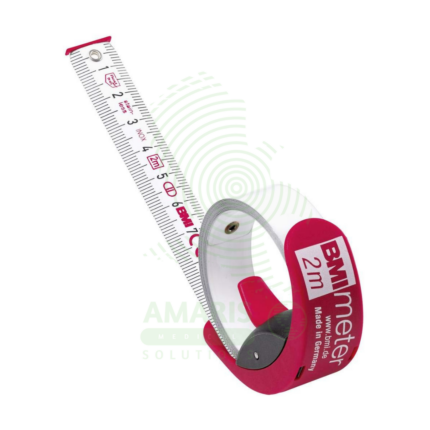
A BMI Tape is a rapid screening tool that estimates an individual's Body Mass Index (BMI) category by measuring body circumference, most commonly the waist. It features a color-coded scale that directly displays BMI ranges (Underweight, Normal, Overweight, Obese), eliminating the need for separate height and weight measurements and manual calculation. While highly useful for community health screenings, wellness programs, and patient education due to its portability and simplicity, it is an approximate method. Its accuracy is limited compared to BMI calculated from precise clinical measurements, and it should be used as an initial screening indicator rather than a definitive diagnostic tool.
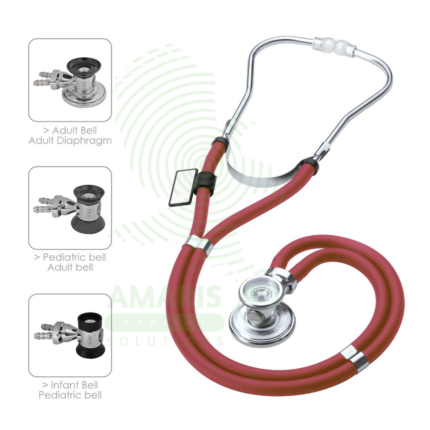
Dual Head Stethoscope
The Dual Head Stethoscope is the classic, essential acoustic diagnostic tool used by healthcare professionals worldwide. Its defining feature is a two-sided chestpiece, combining a diaphragm for high-frequency sounds (breath sounds, normal heart tones) and a bell for low-frequency sounds (heart murmurs, abnormal heart tones). Through mechanical sound conduction, it provides critical information for assessing cardiac, pulmonary, and vascular systems during physical examinations and manual blood pressure measurement. Its effectiveness relies on proper technique, a good acoustic seal, and consistent cleaning. As a fundamental symbol of medical practice, it balances functionality, durability, and affordability.
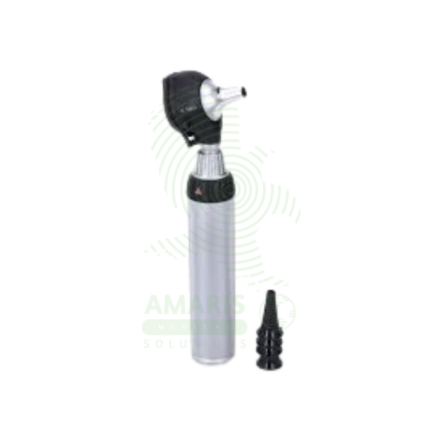
LED Otoscope
An LED Otoscope is a handheld medical device used for illuminating and magnifying the external ear canal and tympanic membrane. Featuring a bright, cool, and long-lasting LED light source, it provides superior visualization for diagnosing common conditions like ear infections, wax impaction, and perforations. Its design, incorporating a reusable handle/head and disposable specula, ensures hygiene and patient safety. As an essential tool in family medicine, pediatrics, and ENT, it enables clinicians to perform accurate otoscopic examinations and, when equipped with an insufflator, crucial pneumatic otoscopy to assess middle ear function.

Littman Stethoscope (Classic 4 Cardiology)
A Littman Stethoscope (Classic 4 Cardiology) represents the pinnacle of acoustic auscultation technology. Designed for clinicians who require the highest level of diagnostic accuracy, it features dual tunable diaphragms and dual-lumen tubing to provide exceptional acoustic sensitivity and ambient noise reduction. Its innovative design allows the user to hear both high and low-frequency sounds by simply adjusting pressure on either side of the chestpiece, making it the instrument of choice for cardiologists, intensivists, and specialists who cannot afford to miss a subtle murmur, rub, or breath sound. It combines superior performance with the durability and comfort expected from the Littmann brand.
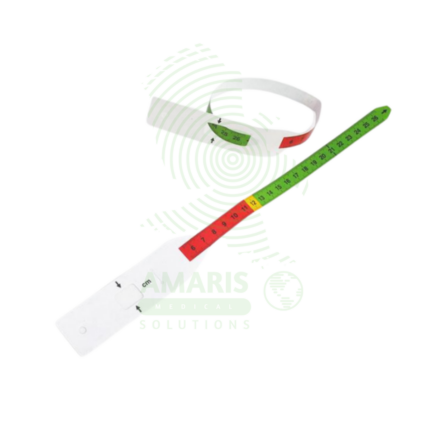
MUAC Tape
A MUAC Tape (Mid-Upper Arm Circumference) is a specialized, color-coded measuring tape used globally as the primary field tool for screening children aged 6-59 months for acute malnutrition. Its simple design—featuring red, yellow, and green zones corresponding to Severe Acute Malnutrition, Moderate Acute Malnutrition, and normal nutritional status—allows for instant, non-invasive assessment without the need for scales, calculation, or literacy. Durable, portable, and inexpensive, it is the cornerstone of community-based nutrition programs, emergency relief efforts, and public health surveillance, enabling early detection and life-saving intervention for malnourished children in even the most resource-constrained settings.
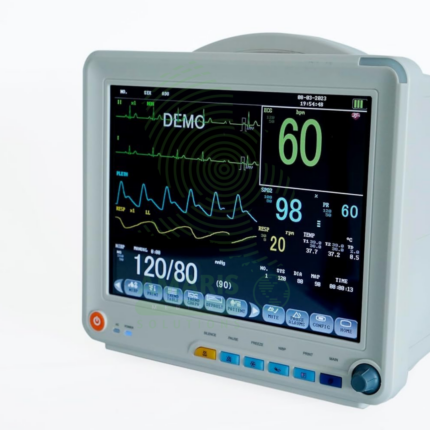
Patient Monitor
The Patient Monitor (6 Parameters BCCMS8000) is a versatile multi-parameter monitor designed for continuous surveillance of core vital signs in various clinical settings. It tracks six essential parameters—ECG, SpO2, Non-Invasive Blood Pressure (NIBP), Respiration, Temperature, and Pulse Rate—providing clinicians with real-time waveforms and numerical data on a clear color display. With its robust alarm system, battery backup for transport, and reliable performance, it is a fundamental tool for ensuring patient safety on general hospital wards, during procedures, and in emergency departments. Its design balances comprehensive monitoring capability with user-friendly operation.
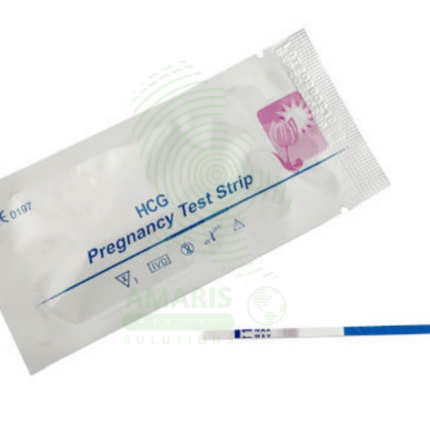
Pregnancy Test Strips
Pregnancy Test Strips are simple, dip-style lateral flow devices designed for the rapid, qualitative detection of human chorionic gonadotropin (hCG) in urine to indicate pregnancy. As the most fundamental format of home pregnancy tests, they offer high sensitivity (often from 10 mIU/mL), affordability, and a quick result within 3-5 minutes. Their ease of use makes them a widely accessible first step in pregnancy detection for personal use and clinical screening. A visible test line, even if faint, is a positive result, though confirmation with a healthcare provider is always recommended.