Dermatoscope and Magnifiers
 Diagnostic Kits
 Vital Signs Monitors
 Stethoscopes and Accessories
 Otoscopes, Ophthalmoscopes, and Retinoscopes
 Reflex Hammers and Neurological Tools
 Scales and Measuring Devices
 Spirometers and Pulmonary Function Tests
 Electrosurgical Units and Accessories
 Cutting Instruments
 Grasping and Holding Instruments
 Hemostatic Instruments
 Specialized Surgical Sets
 Single-Use Procedure Trays and Packs
 Surgical Drapes, Gowns, and Covers
 Tissue Unifying Instruments
 Radiation Protection
 X-Ray Machines and Accessories
 Ultrasound Systems and Probes
 MRI and CT Scanners
 Radiology Consumables
 Bone Densitometers
 Fluoroscopy Equipment
 Imaging Tables and Positioning Aids
 Microscopes and Accessories
 Centrifuges and Separators
 Analyzers
 Incubators and Ovens
 Pipettes, Dispensers, and Lab Glassware
 Refrigerators, Freezers, and Storage Units
 Lab Consumables
 Sterilizers and Autoclaves for Lab Use
 Multi-Parameter Monitors
 Ventilators and Respiratory Support Devices
 Defibrillators and AEDs
 Infusion Pumps and IV Systems
 Patient Warmers and Cooling Devices
 Central Monitoring Stations
 Accessories
 Anesthesia Machines and Workstations
 Oxygen Concentrators and Delivery Systems
 Nebulizers and Inhalers
 CPAP/BiPAP Machines
 Airway Management
 Anesthesia Masks, Circuits, and Bags
 Humidifiers and Heaters
 Respiratory Therapy Accessories
 First Aid Kits and Cabinets
 Emergency Resuscitation Equipment
 Trauma Supplies
 Emergency Carts and Crash Carts
 Burn Care Products
 Bleeding Control
 Automated External Defibrillators (AEDs)
 Transport and Evacuation
 Wheelchairs and Accessories
 Walkers, Crutches, and Canes
 Prosthetics and Orthotics
 Physical Therapy Equipment
 Transfer Devices
 Bathroom Safety
 Orthopedic Traction and Tables
 Hot/Cold Therapy Packs and Units
 Beds and Mattresses
 Chairs and Stools
 Tables
 Cabinets and Storage
 Privacy Screens & Curtains
 Stands and Racks
 Linens and Textiles
 Lighting
 Autoclaves and Sterilizers
 Ultrasonic Cleaners
 Disinfectant Solutions and Wipes
 Sterilization Pouches, Wraps, and Indicators
 Instrument Trays and Containers
 UV and Ozone Disinfection Devices
 Washer Disinfectors
 Wound Care
 Gloves
 Masks and Respirators
 Catheters and Tubing
 Swabs, Applicators, and Sponges
 Incontinence Products
 Personal Protective Equipment (PPE)
 Dental Chairs and Units
 Handpieces and Burs
 Instruments
 Consumables
 Sterilization for Dental Use
 Orthodontic Supplies
 Endodontic Tools
 Slit Lamps and Tonometers
 Lensometers and Phoropters
 Ophthalmic Surgical Instruments
 Eyewear Frames and Lenses
 Contact Lens Supplies
 Vision Testing Charts and Devices
 Eye Care Consumables
 Laser Systems for Eye Care
 ENT Exam Chairs and Tables
 Endoscopes
 Audiometers and Hearing Tests
 ENT Instruments
 Nasal and Throat Packs
 Hearing Aids and Accessories
 Otology Supplies
 Fetal Dopplers and Monitors
 Delivery Beds and Tables
 Gynecological Instruments
 Neonatal Incubators and Warmers
 Breast Pumps and Accessories
 Contraceptive Devices
 Maternity Supports and Pads
 Neonatal Consumables
 Cystoscopes and Urethroscopes
 Dialysis Machines and Supplies
 Urological Catheters and Bags
 Lithotripters
 Prostate Treatment Devices
 Urinary Incontinence Products
 Kidney Stone Management Tools
 Consumables & Disposables
 EEG and EMG Machines
 Neurosurgical Instruments
 Nerve Stimulators
 Headrests and Positioning Aids
 Lumbar Puncture Kits
 Seizure Monitoring Devices
 Consumables
 Rehabilitation for Neurological Conditions
 ECG Machines and Accessories
 Holter Monitors
 Stress Test Systems
 Pacemakers and Defibrillator Accessories
 Vascular Access Devices
 Cardiac Catheters and Guidewires
 Blood Flow Meters
 Consumables
 Orthopedic Instruments
 Casts, Splints, and Padding
 Joint Replacement Supplies
 Prosthetic Limbs and Components
 Bone Grafts and Substitutes
 Traction Devices
 Orthopedic Braces and Supports
 Rehabilitation Aids for Orthopedics
 Home Oxygen Therapy
 Hospital Beds for Home Use
 Mobility Aids
 Bathroom and Daily Living Aids
 Wound Care for Home
 Monitoring Devices
 Enteral Feeding Pumps and Tubes
 Hand Sanitizers and Dispensers
 Face Shields and Goggles
 Isolation Gowns and Suits
 Biohazard Waste Containers
 Air Purifiers and HEPA Filters
 Surface Disinfectants
 Sharps Containers
 Protective Barriers
 Cardiovascular & Endurance Training
 Strength Training & Weightlifting
 Functional Training & Core Conditioning
 Physical Therapy & Rehabilitation
 Sports & Outdoor Recreation
 Gym Flooring & Facility Equipment
 Fitness Monitoring & Accessories
 Kids & Novelties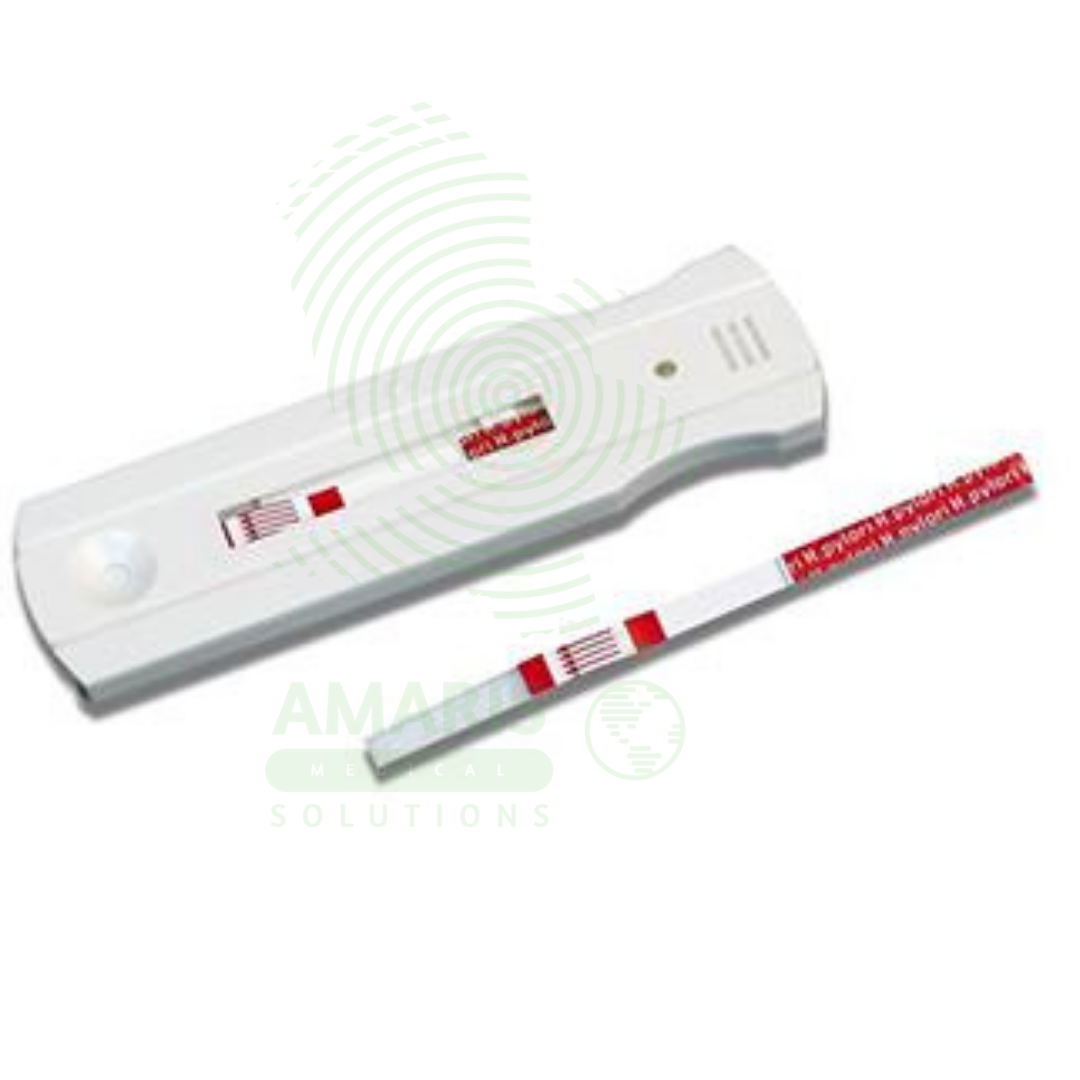
H. pylori Test Strips
WhatsApp Order
H. pylori Test Strips are rapid, lateral flow immunochromatographic devices used for the qualitative detection of Helicobacter pylori antigens in human stool. As a non-invasive stool antigen test (SAT), it provides a convenient and reliable method for diagnosing active H. pylori infection and confirming eradication after therapy, with results available in under 15 minutes. Ideal for use in clinics and outpatient settings, it aids in the management of dyspepsia and peptic ulcer disease. Proper sample handling, adherence to pre-test medication restrictions, and strict biohazard precautions are essential for obtaining accurate results.
Description
H. pylori Test Strips
PRIMARY CLINICAL & DIAGNOSTIC USES
1. Point-of-Care Screening for Helicobacter pylori Infection:
-
Primary Use: The primary use is for the rapid, qualitative detection of specific antigens from Helicobacter pylori in human stool samples. It serves as a convenient, non-invasive screening tool to identify current active infection in patients with symptoms of dyspepsia, gastritis, or peptic ulcer disease.
-
How it helps: Provides doctors with a simple, non-invasive way to check for a common cause of stomach pain, bloating, and ulcers, allowing treatment to begin quickly without subjecting patients to uncomfortable procedures.
2. Non-Invasive Diagnosis in Pediatric and Adult Patients:
-
Primary Use: Particularly useful for patients who cannot or prefer not to undergo invasive procedures like endoscopy and biopsy (the gold standard). It is well-suited for children and for initial workup in primary care settings.
-
How it helps: Spares children and anxious adults from the stress and discomfort of endoscopic procedures, offering a gentle, stool-based test that is much easier for patients of all ages to tolerate.
3. Confirmation of Eradication Post-Treatment:
-
Primary Use: A key application is to confirm the success of H. pylori eradication therapy. A follow-up test is typically performed at least 4 weeks after completion of antibiotic and proton pump inhibitor (PPI) treatment to verify that the infection has been cleared.
-
How it helps: Provides patients and their doctors with clear evidence that the course of antibiotics worked, offering peace of mind that the bacteria has been eliminated and reducing the risk of ulcer recurrence or complications.
4. Epidemiological and Public Health Studies:
-
Primary Use: Used in community health settings and research to estimate the prevalence of H. pylori infection in populations.
-
How it helps: Helps public health officials understand how common this infection is in different communities, guiding efforts to reduce its spread and associated health problems like stomach cancer.
SECONDARY & SUPPORTIVE USES
1. Monitoring High-Risk Groups: Screens individuals with a family history of gastric cancer or those on long-term NSAID therapy who may be at increased risk for H. pylori-related complications, catching infections early when they are easiest to treat.
2. Triaging Patients for Endoscopy: A positive stool antigen test in a symptomatic patient provides a strong indication for upper gastrointestinal endoscopy to assess for ulcers, gastritis, or other pathology, helping doctors prioritize which patients need invasive procedures.
KEY PRODUCT FEATURES
1. BASIC IDENTIFICATION ATTRIBUTES
-
Device Type: Rapid, Immunochromatographic, Lateral Flow Assay.
-
Common Name: H. pylori Stool Antigen Test (SAT).
-
Sample Type: Fresh human stool sample. Some kits may also be validated for use with stool samples stored in specific transport media.
-
Target: Detects H. pylori antigens (proteins), specifically indicating an active, current infection (as opposed to antibody tests which can remain positive after past infection).
2. TECHNICAL & PERFORMANCE PROPERTIES
-
Test Principle: Utilizes monoclonal or polyclonal antibodies specific to H. pylori antigens. The stool sample is mixed with an extraction buffer. When this mixture is applied to the test device, it migrates laterally. If H. pylori antigens are present, they bind to antibody-colored conjugate particles, forming a visible colored line in the test region (T).
-
Procedure: A small stool sample is collected and mixed with the provided extraction buffer. Several drops of the mixture are then added to the sample well of the test cassette. Results are read after 5-15 minutes.
-
Interpretation:
-
Positive: Two colored lines appear—one in the Control line region (C) and one in the Test line region (T).
-
Negative: Only one colored line appears in the Control line region (C). No line appears in the Test line region.
-
Invalid: No line appears in the Control region. The test must be repeated with a new device.
-
-
Accuracy: Performance must meet regulatory standards. Sensitivity and specificity are typically >90% when compared to reference methods (histology, urea breath test). Exact figures are kit-dependent and should be verified from the product insert.
-
Time to Result: Results are available in 5 to 15 minutes.
3. PHYSICAL & OPERATIONAL PROPERTIES
-
Kit Format: Sold as a complete test kit, usually containing:
-
Test cassettes or strips (individually sealed in foil pouches with desiccant).
-
Sample collection devices (spatula, tube).
-
Extraction buffer vials.
-
Disposable droppers.
-
Instructions for Use (IFU).
-
-
Storage: Most kits require storage at room temperature (2-30°C). Must be kept in a dry place and protected from direct sunlight and freezing. Always check the expiry date before use.
4. SAFETY & COMPLIANCE ATTRIBUTES
-
Regulatory Approvals: Must carry relevant medical device approvals: CE Marking (for EU), FDA 510(k) Clearance (for US), and other national regulatory approvals.
-
Quality Standards: Manufactured under a ISO 13485 quality management system.
-
Intended Use: Approved for professional use in clinics, laboratories, or for prescription home use with proper instructions.
5. STORAGE & HANDLING ATTRIBUTES
-
Storage: Store unopened test kits at the temperature specified by the manufacturer (usually room temperature). Do not use expired kits.
-
Stool Sample Handling: Stool samples should be tested as soon as possible after collection (ideally within 24 hours if refrigerated at 2-8°C). Some kits provide specific transport media for longer stability.
-
Waste Disposal: The used test device, sample collection materials, and gloves should be disposed of as biohazardous waste following local regulations.
6. LABORATORY & CLINICAL APPLICATIONS
-
Primary Application: A rapid, non-invasive screening and diagnostic tool for active H. pylori infection, suitable for use in outpatient clinics, physician offices, and smaller laboratories.
-
Important Consideration: Proton Pump Inhibitors (PPIs), antibiotics, and bismuth compounds can suppress bacterial load and lead to false-negative results. Patients should ideally stop PPIs for 2 weeks and antibiotics/bismuth for 4 weeks prior to testing.
SAFETY HANDLING PRECAUTIONS
1. SAFETY PRECAUTIONS
-
Biohazard Precautions: Stool samples are potential sources of infection. Perform testing wearing appropriate Personal Protective Equipment (PPE): disposable gloves, lab coat, and safety glasses if splashing is possible.
-
Avoid Contamination: Do not touch the sample window (membrane) of the test cassette. Use the provided dropper for sample application.
-
Follow Instructions Precisely: Adhere strictly to the incubation times and sample preparation steps in the IFU. Adding too much or too little sample can affect the result.
-
Interpretation Window: Read results within the specified time frame (e.g., at 10 minutes). Do not interpret results after 20-30 minutes, as an evaporation line may appear and be misinterpreted as positive.
2. FIRST AID MEASURES
-
Ingestion: If any kit components (buffer, test device) are ingested, seek medical advice and provide the product information.
-
Skin/Eye Contact: If extraction buffer contacts skin or eyes, rinse immediately with plenty of water for several minutes. If irritation persists, seek medical advice.
3. FIRE FIGHTING MEASURES
-
Flammability: The plastic cassette, paper components, and packaging are combustible.
-
Extinguishing Media: Use water, foam, or CO₂ as appropriate for the surrounding fire.
Related products
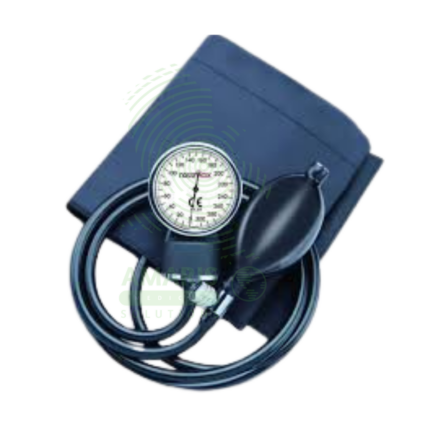
Aneroid Blood Pressure Monitor
The Aneroid Blood Pressure Monitor is a manual, mechanical sphygmomanometer used for the accurate, non-invasive measurement of arterial blood pressure. Operating on the auscultatory method, it consists of an inflatable cuff, a pump bulb with a release valve, and a calibrated dial gauge. Renowned for its reliability, durability, and independence from electrical power, it serves as a clinical gold standard and essential tool in physician offices, hospitals, and for guided home monitoring. Its accuracy is dependent on proper technique, correct cuff size, and regular calibration, making it a fundamental device for diagnosing and managing hypertension and assessing cardiovascular health.
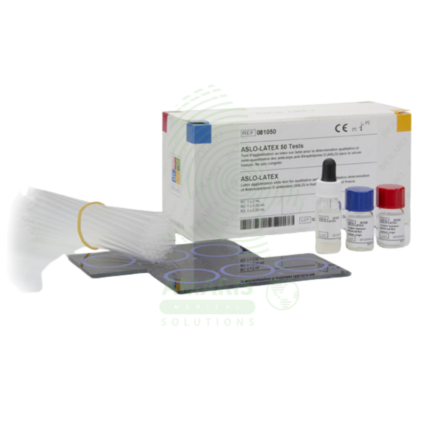
Anti-Streptol Olysin O Titer (ASOT)
Anti-Streptol Olysin O Titer (ASOT) is a quantitative or semi-quantitative serological test (latex agglutination, turbidimetry, nephelometry, or ELISA) for detecting antibodies against streptolysin O, an exotoxin produced by Group A Streptococcus. Elevated or rising titers indicate recent streptococcal infection and are essential for diagnosing post-streptococcal sequelae including acute rheumatic fever (Jones criteria) and post-streptococcal glomerulonephritis. The test requires serum samples; acute and convalescent (2-4 weeks apart) with fourfold rise confirms recent infection. Reference range typically <200-250 Todd units/mL (adults), varies by age and population. Primary clinical applications include diagnosis of Group A streptococcal infections, acute rheumatic fever evaluation, post-streptococcal glomerulonephritis diagnosis, differentiation of acute vs. past infection, evaluation of unexplained arthritis or carditis, pediatric inflammatory conditions (PANDAS), and monitoring disease activity in rheumatic fever. Critical safety precautions include proper timing of acute and convalescent samples, awareness of false negatives/positives, clinical correlation for diagnosis, and standard biohazard precautions. Essential test for rheumatology, nephrology, cardiology, and infectious disease practice.
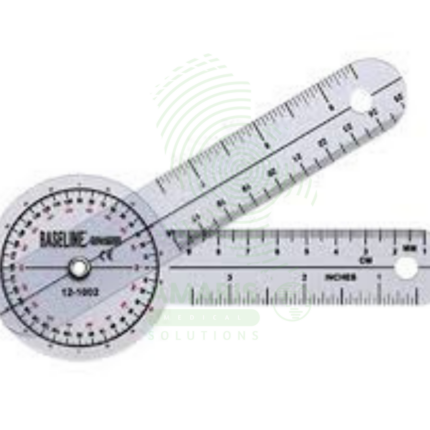
Goniometer
A goniometer is a calibrated, handheld measuring instrument designed to precisely quantify joint range of motion in degrees. Essential for physical and occupational therapy, orthopedic assessment, and rehabilitation medicine, it consists of a protractor-like body with two arms—one stationary, one movable—that align with the patient's limb segments. Available in various sizes for different joints (from fingers to hips) and in materials including transparent plastic, stainless steel, and digital formats, it transforms subjective observations of mobility into objective, reproducible data. This fundamental clinical tool guides diagnosis, documents treatment progress, supports disability determinations, and provides the evidence base for therapeutic interventions.

Littman Stethoscope (Classic 4 Cardiology)
A Littman Stethoscope (Classic 4 Cardiology) represents the pinnacle of acoustic auscultation technology. Designed for clinicians who require the highest level of diagnostic accuracy, it features dual tunable diaphragms and dual-lumen tubing to provide exceptional acoustic sensitivity and ambient noise reduction. Its innovative design allows the user to hear both high and low-frequency sounds by simply adjusting pressure on either side of the chestpiece, making it the instrument of choice for cardiologists, intensivists, and specialists who cannot afford to miss a subtle murmur, rub, or breath sound. It combines superior performance with the durability and comfort expected from the Littmann brand.
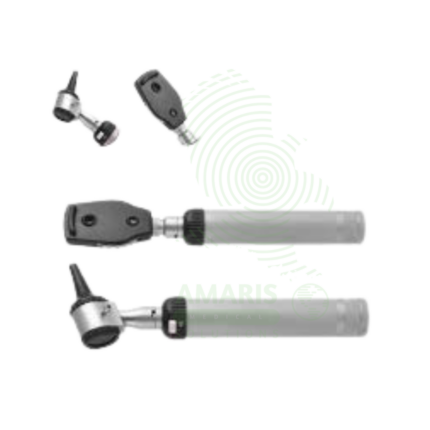
Ophthalmoscope
An Ophthalmoscope is a handheld diagnostic instrument used to examine the interior of the eye, specifically the fundus (retina, optic disc, blood vessels, and macula). By providing illuminated magnification, it serves as a vital screening tool for detecting ocular diseases like glaucoma and retinal disorders, and more importantly, for identifying signs of systemic conditions such as diabetes, hypertension, and increased intracranial pressure. Its operation involves selecting appropriate apertures and compensating lenses to obtain a clear view. While offering a detailed but narrow field of vision, mastery of the direct ophthalmoscope remains a cornerstone skill in general medicine, neurology, and ophthalmology for assessing vascular and neurological health.
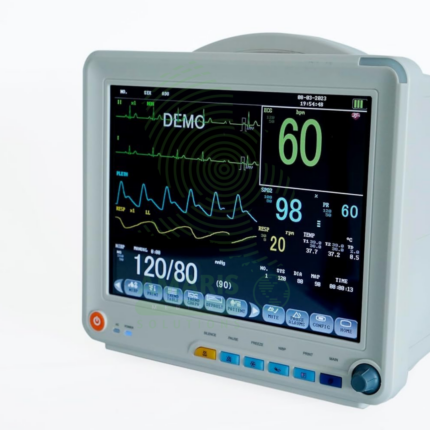
Patient Monitor
The Patient Monitor (6 Parameters BCCMS8000) is a versatile multi-parameter monitor designed for continuous surveillance of core vital signs in various clinical settings. It tracks six essential parameters—ECG, SpO2, Non-Invasive Blood Pressure (NIBP), Respiration, Temperature, and Pulse Rate—providing clinicians with real-time waveforms and numerical data on a clear color display. With its robust alarm system, battery backup for transport, and reliable performance, it is a fundamental tool for ensuring patient safety on general hospital wards, during procedures, and in emergency departments. Its design balances comprehensive monitoring capability with user-friendly operation.
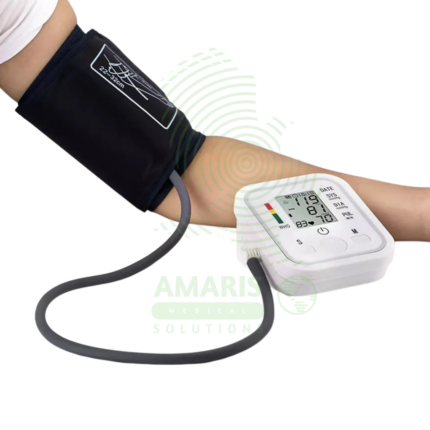
Upper Arm Blood Pressure Monitor
The Upper Arm Blood Pressure Monitor is a clinically validated, automatic digital device designed for accurate and comfortable blood pressure and pulse measurement at home or in professional settings. Known for its user-friendly features like Intellisense inflation technology, a large clear display, and comprehensive functions including irregular heartbeat detection, multi-user memory, and a WHO-based hypertension indicator, it provides reliable data for effective hypertension management. Its robust construction, adherence to international safety standards (CE, FDA), and focus on patient comfort make it a trusted choice for individuals and healthcare providers seeking a dependable tool for cardiovascular health monitoring.