Dermatoscope and Magnifiers
 Diagnostic Kits
 Vital Signs Monitors
 Stethoscopes and Accessories
 Otoscopes, Ophthalmoscopes, and Retinoscopes
 Reflex Hammers and Neurological Tools
 Scales and Measuring Devices
 Spirometers and Pulmonary Function Tests
 Electrosurgical Units and Accessories
 Cutting Instruments
 Grasping and Holding Instruments
 Hemostatic Instruments
 Specialized Surgical Sets
 Single-Use Procedure Trays and Packs
 Surgical Drapes, Gowns, and Covers
 Tissue Unifying Instruments
 Radiation Protection
 X-Ray Machines and Accessories
 Ultrasound Systems and Probes
 MRI and CT Scanners
 Radiology Consumables
 Bone Densitometers
 Fluoroscopy Equipment
 Imaging Tables and Positioning Aids
 Microscopes and Accessories
 Centrifuges and Separators
 Analyzers
 Incubators and Ovens
 Pipettes, Dispensers, and Lab Glassware
 Refrigerators, Freezers, and Storage Units
 Lab Consumables
 Sterilizers and Autoclaves for Lab Use
 Multi-Parameter Monitors
 Ventilators and Respiratory Support Devices
 Defibrillators and AEDs
 Infusion Pumps and IV Systems
 Patient Warmers and Cooling Devices
 Central Monitoring Stations
 Accessories
 Anesthesia Machines and Workstations
 Oxygen Concentrators and Delivery Systems
 Nebulizers and Inhalers
 CPAP/BiPAP Machines
 Airway Management
 Anesthesia Masks, Circuits, and Bags
 Humidifiers and Heaters
 Respiratory Therapy Accessories
 First Aid Kits and Cabinets
 Emergency Resuscitation Equipment
 Trauma Supplies
 Emergency Carts and Crash Carts
 Burn Care Products
 Bleeding Control
 Automated External Defibrillators (AEDs)
 Transport and Evacuation
 Wheelchairs and Accessories
 Walkers, Crutches, and Canes
 Prosthetics and Orthotics
 Physical Therapy Equipment
 Transfer Devices
 Bathroom Safety
 Orthopedic Traction and Tables
 Hot/Cold Therapy Packs and Units
 Beds and Mattresses
 Chairs and Stools
 Tables
 Cabinets and Storage
 Privacy Screens & Curtains
 Stands and Racks
 Linens and Textiles
 Lighting
 Autoclaves and Sterilizers
 Ultrasonic Cleaners
 Disinfectant Solutions and Wipes
 Sterilization Pouches, Wraps, and Indicators
 Instrument Trays and Containers
 UV and Ozone Disinfection Devices
 Washer Disinfectors
 Wound Care
 Gloves
 Masks and Respirators
 Catheters and Tubing
 Swabs, Applicators, and Sponges
 Incontinence Products
 Personal Protective Equipment (PPE)
 Dental Chairs and Units
 Handpieces and Burs
 Instruments
 Consumables
 Sterilization for Dental Use
 Orthodontic Supplies
 Endodontic Tools
 Slit Lamps and Tonometers
 Lensometers and Phoropters
 Ophthalmic Surgical Instruments
 Eyewear Frames and Lenses
 Contact Lens Supplies
 Vision Testing Charts and Devices
 Eye Care Consumables
 Laser Systems for Eye Care
 ENT Exam Chairs and Tables
 Endoscopes
 Audiometers and Hearing Tests
 ENT Instruments
 Nasal and Throat Packs
 Hearing Aids and Accessories
 Otology Supplies
 Fetal Dopplers and Monitors
 Delivery Beds and Tables
 Gynecological Instruments
 Neonatal Incubators and Warmers
 Breast Pumps and Accessories
 Contraceptive Devices
 Maternity Supports and Pads
 Neonatal Consumables
 Cystoscopes and Urethroscopes
 Dialysis Machines and Supplies
 Urological Catheters and Bags
 Lithotripters
 Prostate Treatment Devices
 Urinary Incontinence Products
 Kidney Stone Management Tools
 Consumables & Disposables
 EEG and EMG Machines
 Neurosurgical Instruments
 Nerve Stimulators
 Headrests and Positioning Aids
 Lumbar Puncture Kits
 Seizure Monitoring Devices
 Consumables
 Rehabilitation for Neurological Conditions
 ECG Machines and Accessories
 Holter Monitors
 Stress Test Systems
 Pacemakers and Defibrillator Accessories
 Vascular Access Devices
 Cardiac Catheters and Guidewires
 Blood Flow Meters
 Consumables
 Orthopedic Instruments
 Casts, Splints, and Padding
 Joint Replacement Supplies
 Prosthetic Limbs and Components
 Bone Grafts and Substitutes
 Traction Devices
 Orthopedic Braces and Supports
 Rehabilitation Aids for Orthopedics
 Home Oxygen Therapy
 Hospital Beds for Home Use
 Mobility Aids
 Bathroom and Daily Living Aids
 Wound Care for Home
 Monitoring Devices
 Enteral Feeding Pumps and Tubes
 Hand Sanitizers and Dispensers
 Face Shields and Goggles
 Isolation Gowns and Suits
 Biohazard Waste Containers
 Air Purifiers and HEPA Filters
 Surface Disinfectants
 Sharps Containers
 Protective Barriers
 Cardiovascular & Endurance Training
 Strength Training & Weightlifting
 Functional Training & Core Conditioning
 Physical Therapy & Rehabilitation
 Sports & Outdoor Recreation
 Gym Flooring & Facility Equipment
 Fitness Monitoring & Accessories
 Kids & Novelties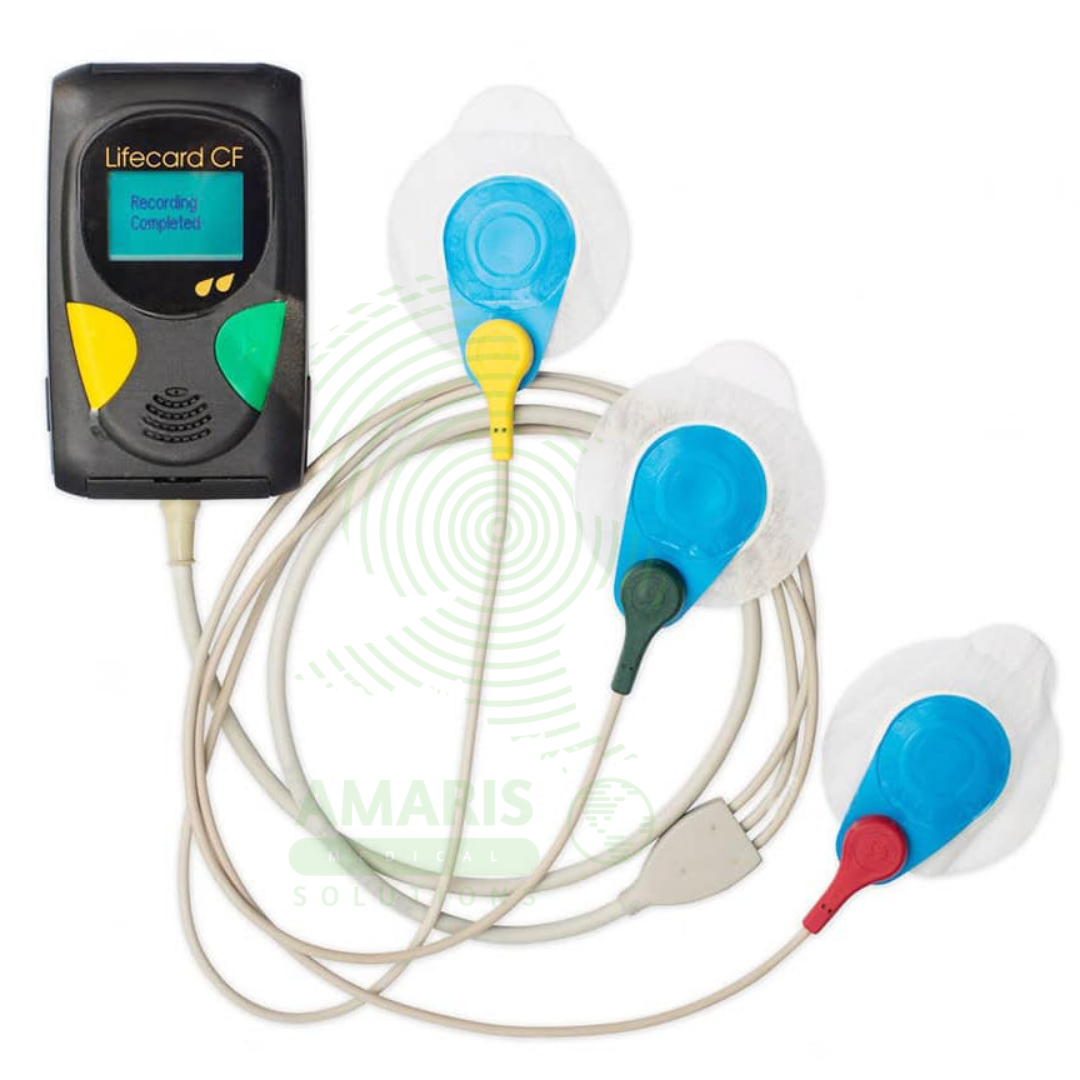
Holter ECG Monitor
$1.00
WhatsApp Order
A Holter ECG Monitor is a portable, wearable medical device used for continuous, long-term recording of a patient’s heart’s electrical activity over 24 to 48 hours or more. It is the cornerstone diagnostic tool for detecting intermittent cardiac arrhythmias, evaluating unexplained symptoms like syncope or palpitations, and monitoring the efficacy of antiarrhythmic treatments or implanted cardiac device function. Consisting of a small digital recorder connected to chest electrodes (or an all-in-one adhesive patch), it allows patients to maintain their normal daily routine while capturing a comprehensive electrocardiographic record.
Description
Holter ECG Monitor
PRIMARY CLINICAL & DIAGNOSTIC USES
1. Long-term Ambulatory Cardiac Monitoring:
-
Primary Use: The definitive diagnostic tool for continuous electrocardiographic (ECG) recording over 24 to 72 hours (or longer) while a patient engages in normal daily activities and sleep. This is the gold standard method for capturing intermittent cardiac events.
-
How it helps: Catches heart rhythm disturbances that happen when patients are going about their normal lives—not just during a brief moment in a doctor’s office—providing a complete picture of cardiac health during sleep, exercise, and daily activities.
2. Diagnosis of Intermittent & Symptomatic Arrhythmias:
-
Primary Use: Essential for detecting and characterizing paroxysmal arrhythmias that are unlikely to be captured during a brief in-clinic ECG. This includes correlating patient symptoms (e.g., palpitations, dizziness, chest pain, syncope) with concurrent heart rhythms like atrial fibrillation, supraventricular tachycardia, ventricular ectopy, pauses, and bradycardia.
-
How it helps: Solves the mystery of unexplained symptoms by recording exactly what the heart is doing during episodes of palpitations, dizziness, or fainting, providing definitive answers that brief office visits cannot provide.
3. Evaluation of Antiarrhythmic & Rate Control Therapy Efficacy:
-
Primary Use: Used to objectively assess the effectiveness of cardiac medications. By quantifying the reduction in arrhythmia frequency, duration (burden), or heart rate control before and after treatment, it guides therapeutic decisions.
-
How it helps: Gives doctors and patients clear evidence of whether medications are working, allowing for precise adjustments that maximize effectiveness and minimize side effects.
4. Pacemaker & Implantable Cardioverter-Defibrillator (ICD) Function Assessment:
-
Primary Use: Monitors the long-term sensing, pacing, and detection functions of implanted cardiac devices in the patient’s home environment. It can identify issues like under-sensing, over-sensing, failure to capture, or inappropriate shocks.
-
How it helps: Ensures that life-saving pacemakers and defibrillators are functioning correctly between clinic visits, catching problems early before they lead to device failure or inappropriate shocks.
5. Ischemic Evaluation & ST-Segment Trend Analysis:
-
Primary Use: Advanced Holter monitors with multi-channel (e.g., 12-lead) capabilities and ST-segment monitoring software can document episodes of silent (asymptomatic) or symptomatic myocardial ischemia, providing data on frequency, duration, and correlation with activity or heart rate.
-
How it helps: Uncovers silent heart muscle stress that patients cannot feel, identifying episodes where the heart is not getting enough oxygen and guiding treatment to prevent heart attacks.
SECONDARY & SUPPORTIVE USES
1. Syncope & Near-Syncope Workup: A critical tool in the standard diagnostic pathway for unexplained fainting or lightheadedness, aiming to establish a causal relationship between symptoms and a concurrent arrhythmia.
2. Risk Stratification Post-Myocardial Infarction or in Cardiomyopathy: Used to assess for the presence of high-risk arrhythmias (like non-sustained ventricular tachycardia) that may influence prognosis and guide further treatment, such as the need for an ICD.
3. Autonomic Nervous System Assessment: Through Heart Rate Variability (HRV) analysis, it provides insights into autonomic function, which can be relevant in conditions like diabetic neuropathy, heart failure, or after a cardiac event.
4. Clinical Research & Drug Safety Trials: Employed as a core assessment tool in pharmaceutical studies to monitor the cardiac safety profile of new drugs (particularly regarding QTc prolongation) and to measure arrhythmia burden as an efficacy endpoint.
5. Pediatric Cardiology: Used to diagnose arrhythmias and assess symptoms in children and adolescents, where arrhythmias may be infrequent but clinically significant.
KEY PRODUCT FEATURES
1. BASIC IDENTIFICATION ATTRIBUTES
-
Device Type: Ambulatory Electrocardiograph (AECG) Recorder.
-
Common Name: Holter Monitor.
-
Recording Method: Continuous, multi-channel digital recording.
-
Form Factor: A small, portable, battery-powered recorder worn on a belt, in a pouch, or as a self-contained adhesive patch.
-
Patient Interface: Disposable adhesive electrodes connected to the recorder via lightweight, flexible lead wires (traditional) or embedded within a single-use adhesive patch (wireless).
2. TECHNICAL & PERFORMANCE PROPERTIES
-
Recording Duration: Standard diagnostic protocol is 24 to 48 hours. Extended continuous recording devices (often patch-based) can monitor for 7, 14, or even 30 days.
-
Recording Channels: 3-channel recording is most common for general arrhythmia detection. 12-channel recording provides detailed waveform morphology superior for ischemia monitoring and complex arrhythmia analysis.
-
Analysis Software: Sophisticated computer software uses automated algorithms for arrhythmia detection/classification, Heart Rate Variability (HRV) calculation, ST-segment trend analysis, pacemaker spike detection, and synchronization with patient symptom logs.
-
Patient Symptom Correlation: Includes a patient-activated Event Button on the recorder and a Symptom Diary (paper or digital) to log the time and description of symptoms, which are then correlated with the ECG trace during analysis.
-
Data Storage & Transfer: Solid-state digital memory. Data is downloaded via USB cable or wireless transmission to a dedicated workstation for clinician review and report generation.
3. PHYSICAL & OPERATIONAL PROPERTIES
-
Size & Weight: Modern recorders are compact, roughly the size of a smartphone or deck of cards, weighing 100-200 grams. Patch monitors are even smaller and lighter.
-
Power Source: Single-use or rechargeable lithium battery.
-
Water Resistance: Most are splash-proof but not waterproof. Patients are instructed to avoid bathing, swimming, or activities causing excessive sweating; showering is typically not permitted.
4. SAFETY & COMPLIANCE ATTRIBUTES
-
Regulatory Status: Classified as a Class II medical device in most major markets (e.g., requires FDA 510(k) clearance, CE Marking under MDR).
-
Key Standards: Compliant with ANSI/AAMI EC38 (standard for ambulatory ECGs), IEC 60601-2-47 (safety for ambulatory systems), and manufactured under an ISO 13485 quality management system.
-
Data Security: Software must comply with health data protection regulations like HIPAA (US) or GDPR (EU) when handling and transmitting patient information.
5. STORAGE & HANDLING ATTRIBUTES
-
Storage (Recorder): Store in a clean, dry, temperature-controlled environment when not in use. Protect from extreme heat, cold, and moisture.
-
Storage (Electrodes/Patches): Keep sealed consumables in their original packaging in a cool, dry place.
-
Handling: The recorder is durable but should be protected from severe impact. Leads should be coiled loosely without sharp bends. Devices require periodic performance verification/calibration as per manufacturer guidelines.
6. LABORATORY & CLINICAL APPLICATIONS
-
Primary Application: The diagnosis, characterization, and management of cardiac arrhythmias in an ambulatory setting.
-
Supportive Application: A vital tool for clinical research into cardiac diseases, autonomic disorders, and therapeutic interventions.
SAFETY HANDLING PRECAUTIONS
1. SAFETY PRECAUTIONS
-
Personal Protective Equipment (PPE): Standard infection control practices apply. Clinicians should wear gloves during electrode/patch application and removal.
-
Patient Safety & Instructions:
-
Skin Preparation: Skin must be clean, dry, and if necessary, shaved at electrode sites to ensure proper adhesion, minimize artifact, and prevent skin irritation.
-
Lead & Device Care: Patients must be instructed not to pull on lead wires, to keep the recorder dry, and to avoid high-voltage sources, large magnets, and metal detectors which may interfere.
-
Electrode Sensitivity: Patients should report any significant skin redness, itching, or blistering under the electrodes.
-
-
Device Operational Safety:
-
Use only manufacturer-approved electrodes, batteries, cables, and patches.
-
Do not use the recorder if the casing is cracked, damaged, or if liquid has entered the device.
-
Ensure proper disposal of single-use batteries per local regulations.
-
2. FIRST AID MEASURES
-
General: The Holter monitor is a diagnostic recording device and does not deliver therapy. In any medical emergency, standard emergency procedures take absolute precedence.
-
Skin Irritation or Chemical Burn from Electrodes: Remove the electrode/patch immediately. Clean the area with soap and water. Apply a mild topical steroid cream if prescribed. Notify the ordering physician.
-
Device Malfunction: If the device overheats, emits smoke, sparks, or strange odors, disconnect it from the patient immediately and remove the battery if safe to do so. Do not attempt to use it again.
-
Ingestion: Not applicable under normal use. If a small component (e.g., lead wire tip, battery) is ingested, seek immediate medical attention.
3. FIRE FIGHTING MEASURES
-
Flammability: The plastic recorder housing, lithium battery, wire insulation, and adhesive patches are combustible.
-
Extinguishing Media: For electrical fires involving the device, use a CO₂ (carbon dioxide) or dry chemical (Class C) extinguisher. Water or foam may be used from a safe distance to prevent fire spread but will likely destroy the electronic device.
-
Hazardous Combustion Products: Combustion may release toxic fumes including carbon monoxide, hydrogen fluoride (from lithium battery electrolyte), and various particulates from burning plastics.
-
Firefighter Instructions: Wear full protective gear and self-contained breathing apparatus (SCBA). Remove the device from the patient/person if safe to do so. For a burning/burned device, consider immersing it in water or sand if possible to prevent battery thermal runaway.
Related products
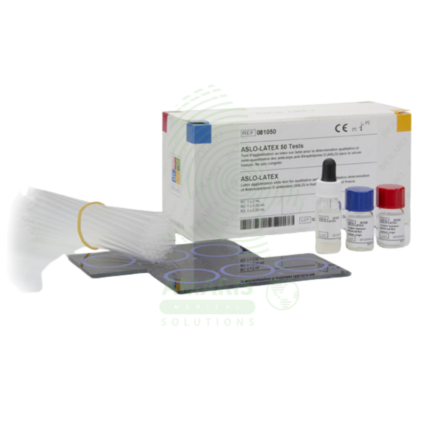
Anti-Streptol Olysin O Titer (ASOT)
Anti-Streptol Olysin O Titer (ASOT) is a quantitative or semi-quantitative serological test (latex agglutination, turbidimetry, nephelometry, or ELISA) for detecting antibodies against streptolysin O, an exotoxin produced by Group A Streptococcus. Elevated or rising titers indicate recent streptococcal infection and are essential for diagnosing post-streptococcal sequelae including acute rheumatic fever (Jones criteria) and post-streptococcal glomerulonephritis. The test requires serum samples; acute and convalescent (2-4 weeks apart) with fourfold rise confirms recent infection. Reference range typically <200-250 Todd units/mL (adults), varies by age and population. Primary clinical applications include diagnosis of Group A streptococcal infections, acute rheumatic fever evaluation, post-streptococcal glomerulonephritis diagnosis, differentiation of acute vs. past infection, evaluation of unexplained arthritis or carditis, pediatric inflammatory conditions (PANDAS), and monitoring disease activity in rheumatic fever. Critical safety precautions include proper timing of acute and convalescent samples, awareness of false negatives/positives, clinical correlation for diagnosis, and standard biohazard precautions. Essential test for rheumatology, nephrology, cardiology, and infectious disease practice.
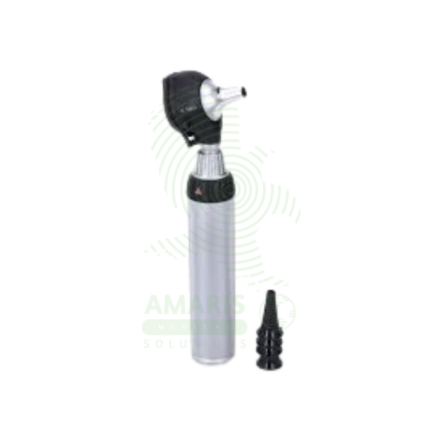
LED Otoscope
An LED Otoscope is a handheld medical device used for illuminating and magnifying the external ear canal and tympanic membrane. Featuring a bright, cool, and long-lasting LED light source, it provides superior visualization for diagnosing common conditions like ear infections, wax impaction, and perforations. Its design, incorporating a reusable handle/head and disposable specula, ensures hygiene and patient safety. As an essential tool in family medicine, pediatrics, and ENT, it enables clinicians to perform accurate otoscopic examinations and, when equipped with an insufflator, crucial pneumatic otoscopy to assess middle ear function.
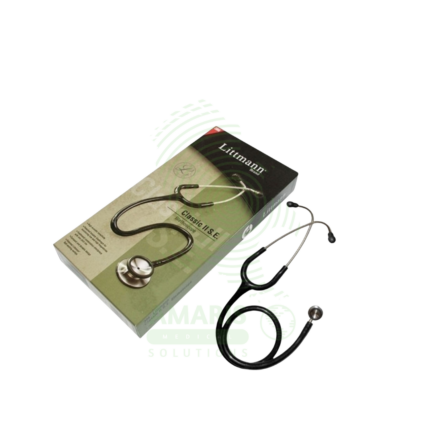
Littmann Stethoscope (Classic II)
A Littmann Stethoscope (Classic II) is a premium, acoustic dual-head stethoscope renowned for its diagnostic clarity, durability, and innovative tunable diaphragm technology. It allows healthcare professionals to hear both high and low-frequency sounds by simply adjusting pressure on the single-sided chestpiece, eliminating the need to rotate it. With its superior acoustics, comfortable fit, and wide range of colors, it is the instrument of choice for medical students, nurses, and physicians across all specialties who require reliable performance for physical assessment, auscultation of heart and lung sounds, and manual blood pressure measurement.
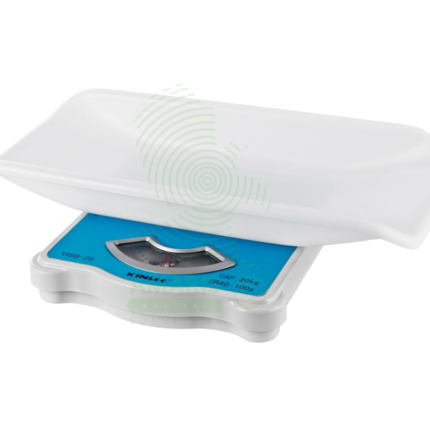
Manual Baby Weighing Scale
A Manual Baby Weighing Scale is a simple, mechanical device used to measure infant weight without the need for electricity or batteries. Operating on a spring or balance principle, it features a suspended sling or seat and a dial display. Its primary advantage is durability and portability for use in community health, outreach programs, and areas with unreliable power. While less precise than digital scales, it provides a reliable and accessible means to monitor growth trends and screen for undernutrition in resource-limited settings, making it a vital tool for basic pediatric care in the field.
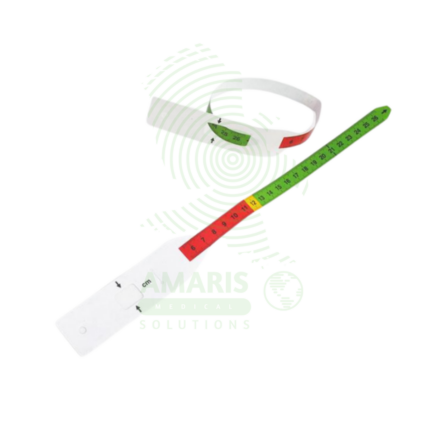
MUAC Tape
A MUAC Tape (Mid-Upper Arm Circumference) is a specialized, color-coded measuring tape used globally as the primary field tool for screening children aged 6-59 months for acute malnutrition. Its simple design—featuring red, yellow, and green zones corresponding to Severe Acute Malnutrition, Moderate Acute Malnutrition, and normal nutritional status—allows for instant, non-invasive assessment without the need for scales, calculation, or literacy. Durable, portable, and inexpensive, it is the cornerstone of community-based nutrition programs, emergency relief efforts, and public health surveillance, enabling early detection and life-saving intervention for malnourished children in even the most resource-constrained settings.
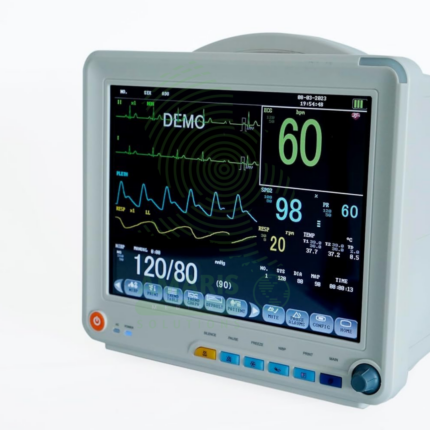
Patient Monitor
The Patient Monitor (6 Parameters BCCMS8000) is a versatile multi-parameter monitor designed for continuous surveillance of core vital signs in various clinical settings. It tracks six essential parameters—ECG, SpO2, Non-Invasive Blood Pressure (NIBP), Respiration, Temperature, and Pulse Rate—providing clinicians with real-time waveforms and numerical data on a clear color display. With its robust alarm system, battery backup for transport, and reliable performance, it is a fundamental tool for ensuring patient safety on general hospital wards, during procedures, and in emergency departments. Its design balances comprehensive monitoring capability with user-friendly operation.
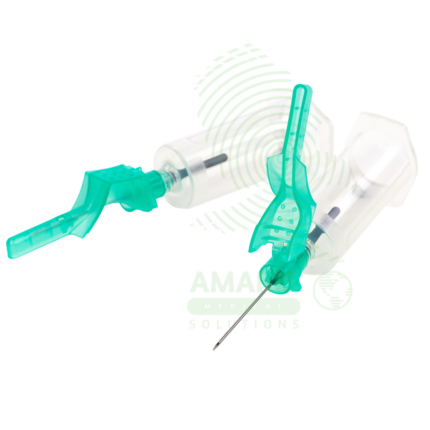
SAFE SERIES Blood Collection Needles
The SAFE SERIES (AM-SAFE) by Beijing Precil (Mindray subsidiary) is a comprehensive line of safety-engineered blood collection devices designed to prevent accidental needlestick injuries in healthcare workers. The series includes venous blood collection needles (AM-SAFE-V), standard safety needles (AM-SAFE1), winged infusion sets/butterfly needles (AM-SAFE2), high-gauge thin-wall needles for fragile veins (AM-SAFE3), premium coated needles for enhanced patient comfort (AM-GOLD), and nurse-friendly one-handed safety variants (AM-NURSE). All devices incorporate integral safety mechanisms that shield the contaminated needle immediately after withdrawal, complying with OSHA Needlestick Safety and Prevention Act requirements. Available in various gauges (18G-25G) and configurations for routine venipuncture, difficult vein access, pediatric/geriatric patients, and frequent blood draws. Sterile, single-use, latex-free, and color-coded for easy gauge identification. Essential safety devices for blood collection in hospitals, clinics, laboratories, and home healthcare settings.