Dermatoscope and Magnifiers
 Diagnostic Kits
 Vital Signs Monitors
 Stethoscopes and Accessories
 Otoscopes, Ophthalmoscopes, and Retinoscopes
 Reflex Hammers and Neurological Tools
 Scales and Measuring Devices
 Spirometers and Pulmonary Function Tests
 Electrosurgical Units and Accessories
 Cutting Instruments
 Grasping and Holding Instruments
 Hemostatic Instruments
 Specialized Surgical Sets
 Single-Use Procedure Trays and Packs
 Surgical Drapes, Gowns, and Covers
 Tissue Unifying Instruments
 Radiation Protection
 X-Ray Machines and Accessories
 Ultrasound Systems and Probes
 MRI and CT Scanners
 Radiology Consumables
 Bone Densitometers
 Fluoroscopy Equipment
 Imaging Tables and Positioning Aids
 Microscopes and Accessories
 Centrifuges and Separators
 Analyzers
 Incubators and Ovens
 Pipettes, Dispensers, and Lab Glassware
 Refrigerators, Freezers, and Storage Units
 Lab Consumables
 Sterilizers and Autoclaves for Lab Use
 Multi-Parameter Monitors
 Ventilators and Respiratory Support Devices
 Defibrillators and AEDs
 Infusion Pumps and IV Systems
 Patient Warmers and Cooling Devices
 Central Monitoring Stations
 Accessories
 Anesthesia Machines and Workstations
 Oxygen Concentrators and Delivery Systems
 Nebulizers and Inhalers
 CPAP/BiPAP Machines
 Airway Management
 Anesthesia Masks, Circuits, and Bags
 Humidifiers and Heaters
 Respiratory Therapy Accessories
 First Aid Kits and Cabinets
 Emergency Resuscitation Equipment
 Trauma Supplies
 Emergency Carts and Crash Carts
 Burn Care Products
 Bleeding Control
 Automated External Defibrillators (AEDs)
 Transport and Evacuation
 Wheelchairs and Accessories
 Walkers, Crutches, and Canes
 Prosthetics and Orthotics
 Physical Therapy Equipment
 Transfer Devices
 Bathroom Safety
 Orthopedic Traction and Tables
 Hot/Cold Therapy Packs and Units
 Beds and Mattresses
 Chairs and Stools
 Tables
 Cabinets and Storage
 Privacy Screens & Curtains
 Stands and Racks
 Linens and Textiles
 Lighting
 Autoclaves and Sterilizers
 Ultrasonic Cleaners
 Disinfectant Solutions and Wipes
 Sterilization Pouches, Wraps, and Indicators
 Instrument Trays and Containers
 UV and Ozone Disinfection Devices
 Washer Disinfectors
 Wound Care
 Gloves
 Masks and Respirators
 Catheters and Tubing
 Swabs, Applicators, and Sponges
 Incontinence Products
 Personal Protective Equipment (PPE)
 Dental Chairs and Units
 Handpieces and Burs
 Instruments
 Consumables
 Sterilization for Dental Use
 Orthodontic Supplies
 Endodontic Tools
 Slit Lamps and Tonometers
 Lensometers and Phoropters
 Ophthalmic Surgical Instruments
 Eyewear Frames and Lenses
 Contact Lens Supplies
 Vision Testing Charts and Devices
 Eye Care Consumables
 Laser Systems for Eye Care
 ENT Exam Chairs and Tables
 Endoscopes
 Audiometers and Hearing Tests
 ENT Instruments
 Nasal and Throat Packs
 Hearing Aids and Accessories
 Otology Supplies
 Fetal Dopplers and Monitors
 Delivery Beds and Tables
 Gynecological Instruments
 Neonatal Incubators and Warmers
 Breast Pumps and Accessories
 Contraceptive Devices
 Maternity Supports and Pads
 Neonatal Consumables
 Cystoscopes and Urethroscopes
 Dialysis Machines and Supplies
 Urological Catheters and Bags
 Lithotripters
 Prostate Treatment Devices
 Urinary Incontinence Products
 Kidney Stone Management Tools
 Consumables & Disposables
 EEG and EMG Machines
 Neurosurgical Instruments
 Nerve Stimulators
 Headrests and Positioning Aids
 Lumbar Puncture Kits
 Seizure Monitoring Devices
 Consumables
 Rehabilitation for Neurological Conditions
 ECG Machines and Accessories
 Holter Monitors
 Stress Test Systems
 Pacemakers and Defibrillator Accessories
 Vascular Access Devices
 Cardiac Catheters and Guidewires
 Blood Flow Meters
 Consumables
 Orthopedic Instruments
 Casts, Splints, and Padding
 Joint Replacement Supplies
 Prosthetic Limbs and Components
 Bone Grafts and Substitutes
 Traction Devices
 Orthopedic Braces and Supports
 Rehabilitation Aids for Orthopedics
 Home Oxygen Therapy
 Hospital Beds for Home Use
 Mobility Aids
 Bathroom and Daily Living Aids
 Wound Care for Home
 Monitoring Devices
 Enteral Feeding Pumps and Tubes
 Hand Sanitizers and Dispensers
 Face Shields and Goggles
 Isolation Gowns and Suits
 Biohazard Waste Containers
 Air Purifiers and HEPA Filters
 Surface Disinfectants
 Sharps Containers
 Protective Barriers
 Cardiovascular & Endurance Training
 Strength Training & Weightlifting
 Functional Training & Core Conditioning
 Physical Therapy & Rehabilitation
 Sports & Outdoor Recreation
 Gym Flooring & Facility Equipment
 Fitness Monitoring & Accessories
 Kids & Novelties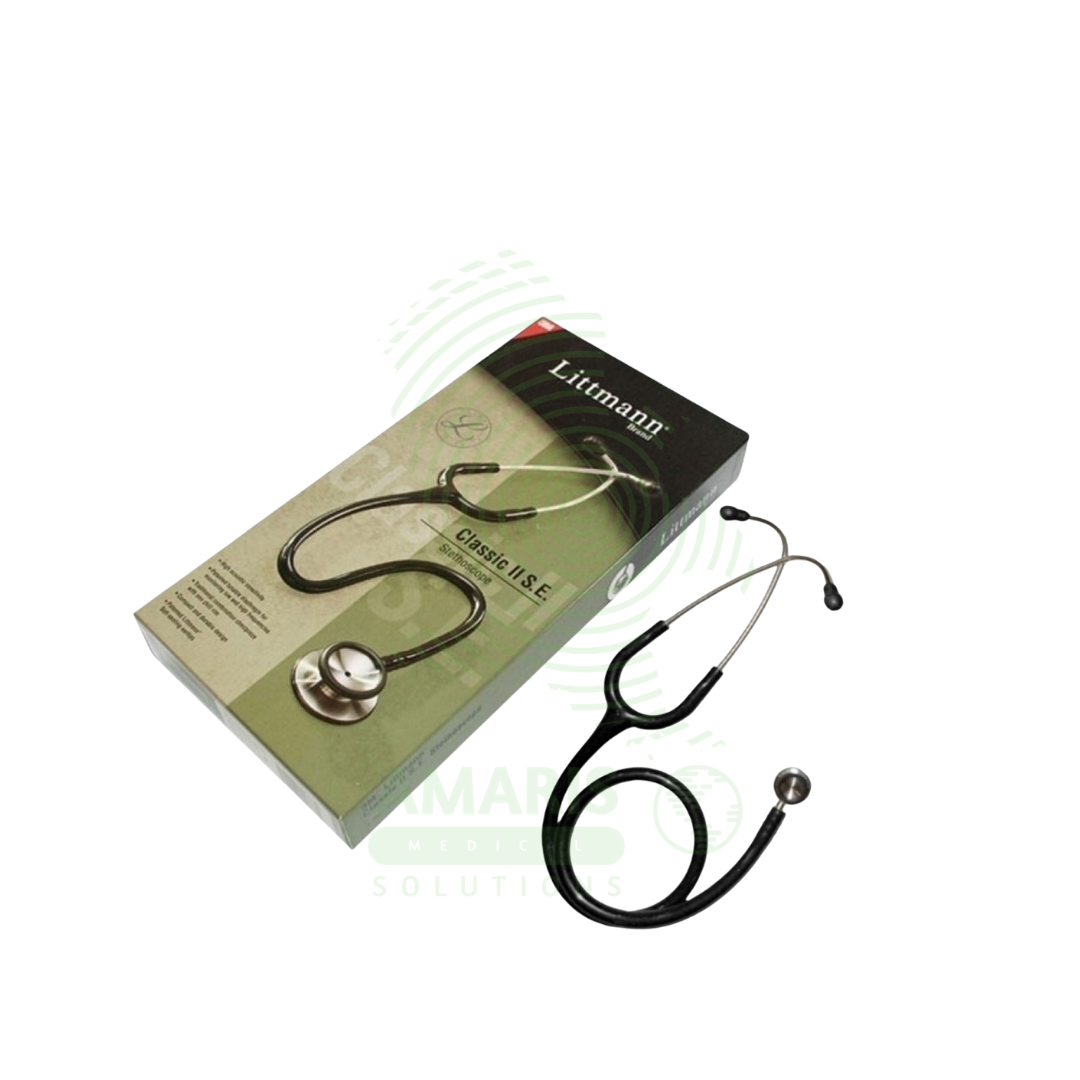
Littmann Stethoscope (Classic II)
WhatsApp Order
A Littmann Stethoscope (Classic II) is a premium, acoustic dual-head stethoscope renowned for its diagnostic clarity, durability, and innovative tunable diaphragm technology. It allows healthcare professionals to hear both high and low-frequency sounds by simply adjusting pressure on the single-sided chestpiece, eliminating the need to rotate it. With its superior acoustics, comfortable fit, and wide range of colors, it is the instrument of choice for medical students, nurses, and physicians across all specialties who require reliable performance for physical assessment, auscultation of heart and lung sounds, and manual blood pressure measurement.
Description
Littmann Stethoscope (Classic II)
PRIMARY CLINICAL & DIAGNOSTIC USES
1. Auscultation of Heart Sounds:
-
Primary Use: The fundamental tool for assessing cardiac function. Used to detect normal heart sounds (S1, S2), identify murmurs indicative of valvular disorders (e.g., stenosis, regurgitation), rubs (pericarditis), and extra sounds (S3, S4) associated with heart failure or other pathologies.
-
How it helps: Serves as the clinician’s first window into cardiac health, revealing the rhythmic lub-dub of a healthy heart and alerting them to the whooshing sounds of leaky valves or the galloping rhythm of a failing heart.
2. Auscultation of Lung Sounds:
-
Primary Use: Essential for evaluating the respiratory system. Used to identify normal vesicular breath sounds and detect abnormal sounds such as crackles (rales) indicating fluid (e.g., pulmonary edema, pneumonia), wheezes (asthma, COPD), rhonchi (secretions), pleural rubs, and absent breath sounds (pneumothorax, effusion).
-
How it helps: Allows physicians to listen to the symphony of breathing, distinguishing between the clear notes of healthy lungs and the crackles, wheezes, and rubs that signal pneumonia, asthma, or other respiratory conditions.
3. Blood Pressure Measurement:
-
Primary Use: The definitive instrument for manual, auscultatory blood pressure determination using a sphygmomanometer, listening for Korotkoff sounds to establish systolic and diastolic pressures.
-
How it helps: Provides the gold standard method for blood pressure measurement, using sound to detect the precise moment when blood flow resumes in a compressed artery, giving clinicians confidence in this critical vital sign.
4. General Physical Examination:
-
Primary Use: A core component of the clinical exam for patients of all ages, used in virtually every medical specialty to screen for abnormalities and assess overall health status during routine check-ups and sick visits.
-
How it helps: Serves as the constant companion of physicians everywhere, providing valuable information about multiple organ systems during every patient encounter, from the first check-up of a newborn to the final visit of a long life.
5. Abdominal Assessment:
-
Primary Use: Used to evaluate bowel sounds (presence, character, borborygmi), detect vascular bruits over the aorta or renal arteries, and assess for friction rubs over the liver or spleen.
-
How it helps: Listens to the hidden workings of the abdomen, from the tinkling sounds of a healthy bowel to the silence of an obstruction and the whooshing of narrowed arteries.
SECONDARY & SUPPORTIVE USES
1. Arterial & Venous Assessment: Can be used to listen for carotid or femoral bruits (suggesting stenosis) or venous hums, helping detect arterial narrowing that could lead to stroke or other vascular events.
2. Auscultation During Procedures: Used to verify correct placement of endotracheal tubes (for bilateral breath sounds) and nasogastric tubes, and during central line placement, ensuring life-saving procedures are performed correctly.
3. Teaching & Medical Education: The quintessential symbol of the medical profession and a primary teaching tool for students learning diagnostic auscultation skills, training the next generation of physicians.
4. Veterinary Medicine: Widely used by veterinarians for animal patient assessment, extending compassionate care to pets and livestock.
KEY PRODUCT FEATURES
1. BASIC IDENTIFICATION ATTRIBUTES
-
Brand & Model: 3M™ Littmann® Classic II Monitoring Stethoscope.
-
Type: Acoustic (non-electronic), dual-head stethoscope.
-
Chestpiece: Features a two-sided chestpiece with a tunable diaphragm on one side and a bell on the other, integrated into a single-piece design.
-
Tubing: Single-lumen, internally partitioned tubing to reduce noise interference.
-
Finish: Available in a wide variety of colors and finishes for the chestpiece, tubing, and ear tips.
2. TECHNICAL & PERFORMANCE PROPERTIES
-
Tunable Diaphragm Technology: The key innovation. Light pressure on the diaphragm engages it to listen to high-frequency sounds (e.g., breath sounds, S1, S2). Firm pressure converts the diaphragm into a functional bell, allowing auscultation of low-frequency sounds (e.g., heart murmurs, S3, S4) without physically rotating the chestpiece.
-
Frequency Response: Optimized for human acoustic range. The diaphragm is tuned for frequencies ~ 100 Hz to 500+ Hz, the bell for frequencies below ~ 150 Hz.
-
Acoustic Performance: Provides excellent acoustic sensitivity and clarity, with internal tubing designed to minimize friction noise and environmental sound interference.
-
Comfort & Fit: Includes soft-sealing ear tips for comfort and acoustic seal, and non-chill rim and diaphragm for patient comfort.
3. PHYSICAL & OPERATIONAL PROPERTIES
-
Construction: High-quality materials: stainless steel or chrome-plated brass chestpiece, PVC or next-generation tubing formulations for durability and flexibility.
-
Length: Standard tubing length is approximately 28 inches (71 cm), suitable for most clinical situations.
-
Weight: Lightweight and balanced for comfortable all-day wear around the neck.
-
Personalization: Often customizable with engraved nameplates on the chestpiece.
4. SAFETY & COMPLIANCE ATTRIBUTES
-
Regulatory Status: Classified as a Class I medical device in most jurisdictions (e.g., FDA General Controls, CE Marking). It is a non-invasive, non-powered diagnostic tool.
-
Biocompatibility: Materials in patient contact (chestpiece rim, diaphragm) are biocompatible and non-allergenic for general use.
-
Cleaning Compatibility: Materials are resistant to degradation from standard cleaning agents (alcohol, bleach wipes).
5. STORAGE & HANDLING ATTRIBUTES
-
Storage: Hang loosely by the ear tubes to prevent kinking of the tubing, which can cause permanent damage and reduce acoustic performance. Store in a clean, dry place at room temperature.
-
Cleaning & Disinfection: Clean regularly according to 3M guidelines:
-
Ear Tips & Ear tubes: Wipe with 70% isopropyl alcohol or soapy water. Can be removed for thorough cleaning.
-
Chestpiece & Tubing: Wipe with alcohol or a mild soap solution. Do not immerse in liquids or sterilize with heat, steam, or solvents, as this will damage the tubing and seals.
-
-
Maintenance: Periodically check ear tips for wear and replace if cracked or hardened. Inspect tubing for cracks or stiffness.
6. LABORATORY & CLINICAL APPLICATIONS
-
Primary Application: The standard instrument for conducting physical examinations and performing non-invasive diagnostic auscultation across all medical and surgical fields.
-
Universal Tool: Its reliability and performance make it suitable for use in high-noise environments like emergency rooms, ICUs, and ambulances, as well as quiet clinic settings.
SAFETY HANDLING PRECAUTIONS
1. SAFETY PRECAUTIONS
-
Infection Control: The stethoscope is a potential vector for pathogen transmission (e.g., MRSA). It must be cleaned between patient uses, especially the diaphragm/bell. Some practitioners use a dedicated stethoscope for known infected patients.
-
Acoustic Hazard: None. The device passively transmits sound; it does not generate it.
-
Physical Hazard: Avoid wrapping tightly around neck or placing in pockets where it can be damaged. Do not expose to extreme heat (e.g., car dashboard) or harsh chemicals.
2. FIRST AID MEASURES
-
General: The device itself poses no direct hazard. If a component causes injury (e.g., broken earpiece causing a scratch), provide standard first aid.
-
Ingestion: Not applicable.
3. FIRE FIGHTING MEASURES
-
Flammability: The PVC tubing and rubber ear tips are combustible but not highly flammable.
-
Extinguishing Media: Use water, foam, CO₂, or dry chemical extinguishers as appropriate for the surrounding fire.
Related products
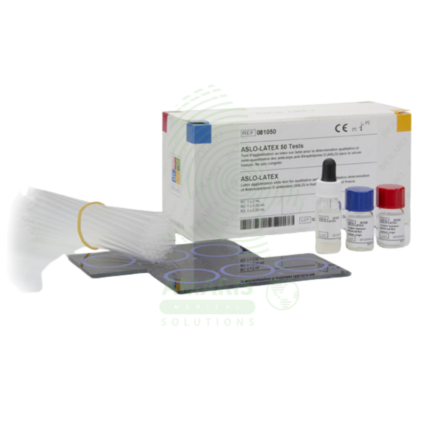
Anti-Streptol Olysin O Titer (ASOT)
Anti-Streptol Olysin O Titer (ASOT) is a quantitative or semi-quantitative serological test (latex agglutination, turbidimetry, nephelometry, or ELISA) for detecting antibodies against streptolysin O, an exotoxin produced by Group A Streptococcus. Elevated or rising titers indicate recent streptococcal infection and are essential for diagnosing post-streptococcal sequelae including acute rheumatic fever (Jones criteria) and post-streptococcal glomerulonephritis. The test requires serum samples; acute and convalescent (2-4 weeks apart) with fourfold rise confirms recent infection. Reference range typically <200-250 Todd units/mL (adults), varies by age and population. Primary clinical applications include diagnosis of Group A streptococcal infections, acute rheumatic fever evaluation, post-streptococcal glomerulonephritis diagnosis, differentiation of acute vs. past infection, evaluation of unexplained arthritis or carditis, pediatric inflammatory conditions (PANDAS), and monitoring disease activity in rheumatic fever. Critical safety precautions include proper timing of acute and convalescent samples, awareness of false negatives/positives, clinical correlation for diagnosis, and standard biohazard precautions. Essential test for rheumatology, nephrology, cardiology, and infectious disease practice.
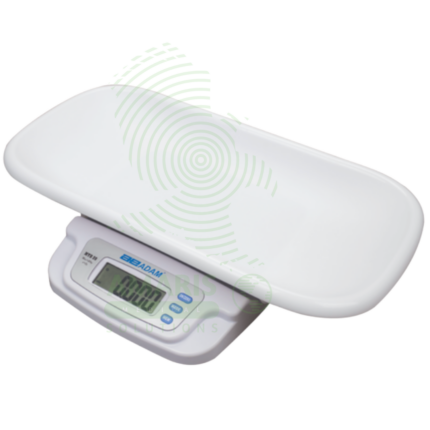
Digital Baby Weighing Scale
A Digital Baby Weighing Scale is a high-precision medical device designed exclusively for the safe and accurate measurement of infant and toddler weight. Featuring a stable, hygienic platform with gram-level precision, it is indispensable in hospitals (especially NICUs), pediatric clinics, and community health settings. Its core functions—such as hold, tare, and zeroing—ensure reliable readings even with a moving child. Accurate weight data is foundational for assessing growth, calculating medication doses, managing nutrition, and detecting early signs of health issues, making this scale a critical tool for safeguarding infant health and development.
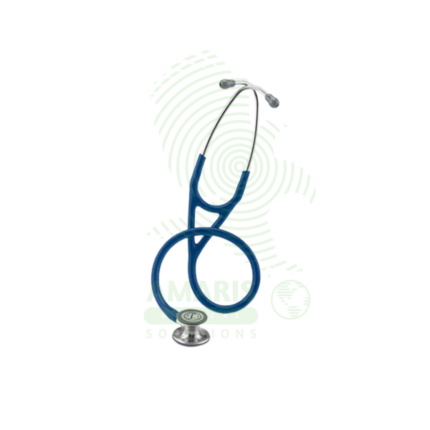
Littman Stethoscope (Classic 4 Cardiology)
A Littman Stethoscope (Classic 4 Cardiology) represents the pinnacle of acoustic auscultation technology. Designed for clinicians who require the highest level of diagnostic accuracy, it features dual tunable diaphragms and dual-lumen tubing to provide exceptional acoustic sensitivity and ambient noise reduction. Its innovative design allows the user to hear both high and low-frequency sounds by simply adjusting pressure on either side of the chestpiece, making it the instrument of choice for cardiologists, intensivists, and specialists who cannot afford to miss a subtle murmur, rub, or breath sound. It combines superior performance with the durability and comfort expected from the Littmann brand.
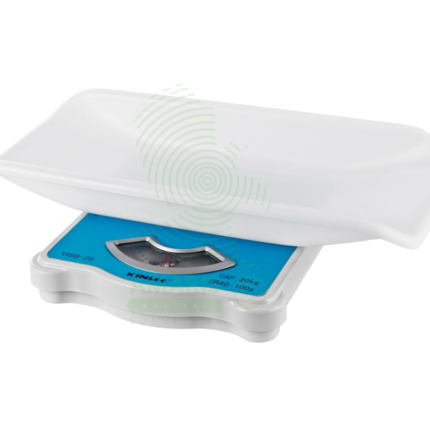
Manual Baby Weighing Scale
A Manual Baby Weighing Scale is a simple, mechanical device used to measure infant weight without the need for electricity or batteries. Operating on a spring or balance principle, it features a suspended sling or seat and a dial display. Its primary advantage is durability and portability for use in community health, outreach programs, and areas with unreliable power. While less precise than digital scales, it provides a reliable and accessible means to monitor growth trends and screen for undernutrition in resource-limited settings, making it a vital tool for basic pediatric care in the field.
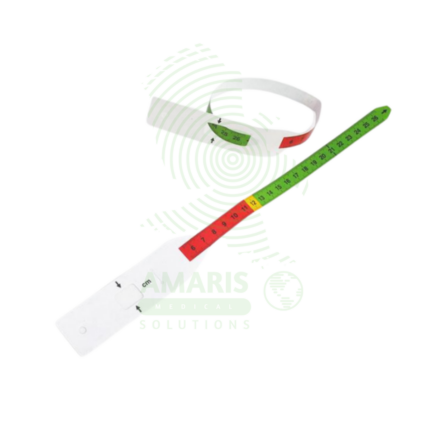
MUAC Tape
A MUAC Tape (Mid-Upper Arm Circumference) is a specialized, color-coded measuring tape used globally as the primary field tool for screening children aged 6-59 months for acute malnutrition. Its simple design—featuring red, yellow, and green zones corresponding to Severe Acute Malnutrition, Moderate Acute Malnutrition, and normal nutritional status—allows for instant, non-invasive assessment without the need for scales, calculation, or literacy. Durable, portable, and inexpensive, it is the cornerstone of community-based nutrition programs, emergency relief efforts, and public health surveillance, enabling early detection and life-saving intervention for malnourished children in even the most resource-constrained settings.
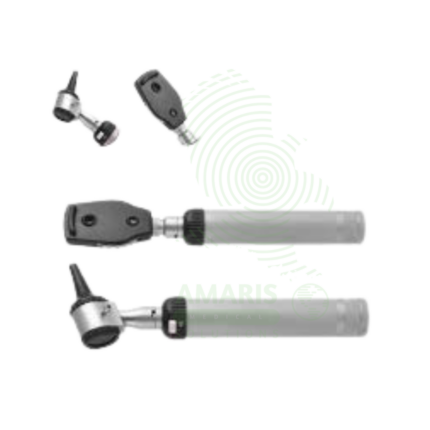
Ophthalmoscope
An Ophthalmoscope is a handheld diagnostic instrument used to examine the interior of the eye, specifically the fundus (retina, optic disc, blood vessels, and macula). By providing illuminated magnification, it serves as a vital screening tool for detecting ocular diseases like glaucoma and retinal disorders, and more importantly, for identifying signs of systemic conditions such as diabetes, hypertension, and increased intracranial pressure. Its operation involves selecting appropriate apertures and compensating lenses to obtain a clear view. While offering a detailed but narrow field of vision, mastery of the direct ophthalmoscope remains a cornerstone skill in general medicine, neurology, and ophthalmology for assessing vascular and neurological health.
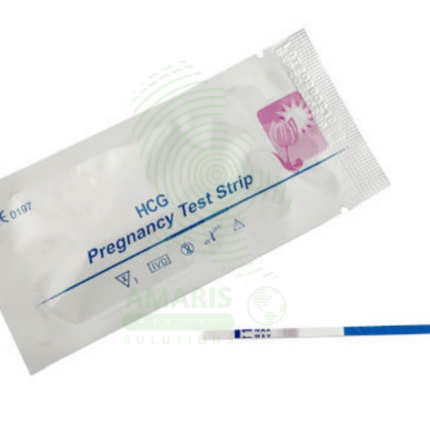
Pregnancy Test Strips
Pregnancy Test Strips are simple, dip-style lateral flow devices designed for the rapid, qualitative detection of human chorionic gonadotropin (hCG) in urine to indicate pregnancy. As the most fundamental format of home pregnancy tests, they offer high sensitivity (often from 10 mIU/mL), affordability, and a quick result within 3-5 minutes. Their ease of use makes them a widely accessible first step in pregnancy detection for personal use and clinical screening. A visible test line, even if faint, is a positive result, though confirmation with a healthcare provider is always recommended.