Dermatoscope and Magnifiers
 Diagnostic Kits
 Vital Signs Monitors
 Stethoscopes and Accessories
 Otoscopes, Ophthalmoscopes, and Retinoscopes
 Reflex Hammers and Neurological Tools
 Scales and Measuring Devices
 Spirometers and Pulmonary Function Tests
 Electrosurgical Units and Accessories
 Cutting Instruments
 Grasping and Holding Instruments
 Hemostatic Instruments
 Specialized Surgical Sets
 Single-Use Procedure Trays and Packs
 Surgical Drapes, Gowns, and Covers
 Tissue Unifying Instruments
 Radiation Protection
 X-Ray Machines and Accessories
 Ultrasound Systems and Probes
 MRI and CT Scanners
 Radiology Consumables
 Bone Densitometers
 Fluoroscopy Equipment
 Imaging Tables and Positioning Aids
 Microscopes and Accessories
 Centrifuges and Separators
 Analyzers
 Incubators and Ovens
 Pipettes, Dispensers, and Lab Glassware
 Refrigerators, Freezers, and Storage Units
 Lab Consumables
 Sterilizers and Autoclaves for Lab Use
 Multi-Parameter Monitors
 Ventilators and Respiratory Support Devices
 Defibrillators and AEDs
 Infusion Pumps and IV Systems
 Patient Warmers and Cooling Devices
 Central Monitoring Stations
 Accessories
 Anesthesia Machines and Workstations
 Oxygen Concentrators and Delivery Systems
 Nebulizers and Inhalers
 CPAP/BiPAP Machines
 Airway Management
 Anesthesia Masks, Circuits, and Bags
 Humidifiers and Heaters
 Respiratory Therapy Accessories
 First Aid Kits and Cabinets
 Emergency Resuscitation Equipment
 Trauma Supplies
 Emergency Carts and Crash Carts
 Burn Care Products
 Bleeding Control
 Automated External Defibrillators (AEDs)
 Transport and Evacuation
 Wheelchairs and Accessories
 Walkers, Crutches, and Canes
 Prosthetics and Orthotics
 Physical Therapy Equipment
 Transfer Devices
 Bathroom Safety
 Orthopedic Traction and Tables
 Hot/Cold Therapy Packs and Units
 Beds and Mattresses
 Chairs and Stools
 Tables
 Cabinets and Storage
 Privacy Screens & Curtains
 Stands and Racks
 Linens and Textiles
 Lighting
 Autoclaves and Sterilizers
 Ultrasonic Cleaners
 Disinfectant Solutions and Wipes
 Sterilization Pouches, Wraps, and Indicators
 Instrument Trays and Containers
 UV and Ozone Disinfection Devices
 Washer Disinfectors
 Wound Care
 Gloves
 Masks and Respirators
 Catheters and Tubing
 Swabs, Applicators, and Sponges
 Incontinence Products
 Personal Protective Equipment (PPE)
 Dental Chairs and Units
 Handpieces and Burs
 Instruments
 Consumables
 Sterilization for Dental Use
 Orthodontic Supplies
 Endodontic Tools
 Slit Lamps and Tonometers
 Lensometers and Phoropters
 Ophthalmic Surgical Instruments
 Eyewear Frames and Lenses
 Contact Lens Supplies
 Vision Testing Charts and Devices
 Eye Care Consumables
 Laser Systems for Eye Care
 ENT Exam Chairs and Tables
 Endoscopes
 Audiometers and Hearing Tests
 ENT Instruments
 Nasal and Throat Packs
 Hearing Aids and Accessories
 Otology Supplies
 Fetal Dopplers and Monitors
 Delivery Beds and Tables
 Gynecological Instruments
 Neonatal Incubators and Warmers
 Breast Pumps and Accessories
 Contraceptive Devices
 Maternity Supports and Pads
 Neonatal Consumables
 Cystoscopes and Urethroscopes
 Dialysis Machines and Supplies
 Urological Catheters and Bags
 Lithotripters
 Prostate Treatment Devices
 Urinary Incontinence Products
 Kidney Stone Management Tools
 Consumables & Disposables
 EEG and EMG Machines
 Neurosurgical Instruments
 Nerve Stimulators
 Headrests and Positioning Aids
 Lumbar Puncture Kits
 Seizure Monitoring Devices
 Consumables
 Rehabilitation for Neurological Conditions
 ECG Machines and Accessories
 Holter Monitors
 Stress Test Systems
 Pacemakers and Defibrillator Accessories
 Vascular Access Devices
 Cardiac Catheters and Guidewires
 Blood Flow Meters
 Consumables
 Orthopedic Instruments
 Casts, Splints, and Padding
 Joint Replacement Supplies
 Prosthetic Limbs and Components
 Bone Grafts and Substitutes
 Traction Devices
 Orthopedic Braces and Supports
 Rehabilitation Aids for Orthopedics
 Home Oxygen Therapy
 Hospital Beds for Home Use
 Mobility Aids
 Bathroom and Daily Living Aids
 Wound Care for Home
 Monitoring Devices
 Enteral Feeding Pumps and Tubes
 Hand Sanitizers and Dispensers
 Face Shields and Goggles
 Isolation Gowns and Suits
 Biohazard Waste Containers
 Air Purifiers and HEPA Filters
 Surface Disinfectants
 Sharps Containers
 Protective Barriers
 Cardiovascular & Endurance Training
 Strength Training & Weightlifting
 Functional Training & Core Conditioning
 Physical Therapy & Rehabilitation
 Sports & Outdoor Recreation
 Gym Flooring & Facility Equipment
 Fitness Monitoring & Accessories
 Kids & Novelties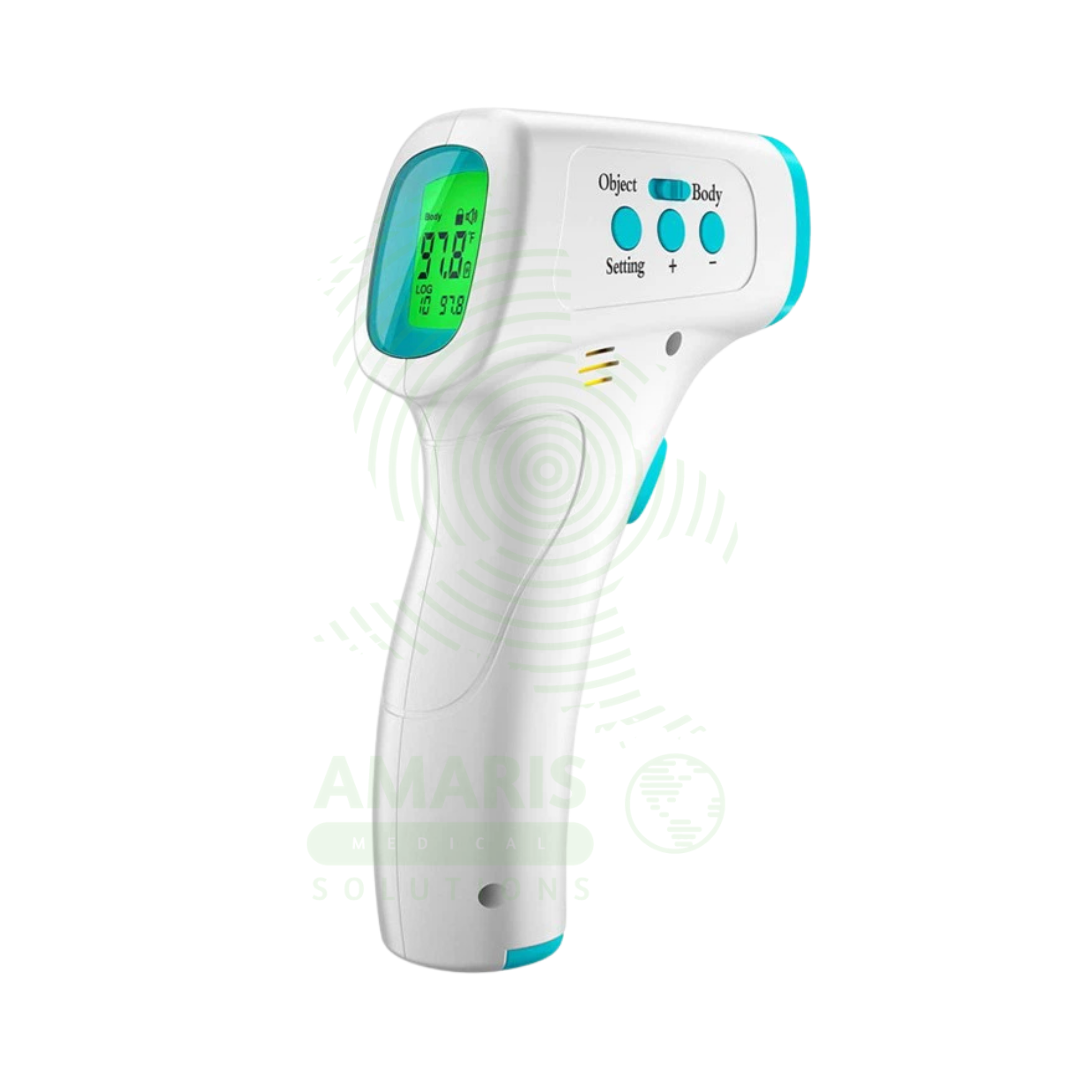
Non-Touch Digital Thermometer
WhatsApp Order
A Non-Touch Digital Thermometer is a Class II medical device using infrared thermopile sensor technology (8-14 µm spectral response) to measure body temperature from the forehead or temporal artery without skin contact in 1-3 seconds with accuracy ±0.2-0.3°C. Features include backlit LCD display, fever alert (audible and color-coded), memory storage (10-50 readings), auto-shutoff, and selectable modes (body/surface/ambient). Measurement distance 3-15 cm; requires clean, dry forehead free of hair, sweat, or cosmetics. Primary clinical applications include pediatric fever screening in infants and children (non-distressing), infection control and isolation precautions (reduces healthcare worker exposure), mass screening at airports, schools, and workplaces, neonatal and NICU temperature monitoring (minimal handling), burn unit and wound care patients (non-contact over damaged skin), intraoperative and post-anesthesia care, and geriatric/dementia care (non-stressful for agitated patients). Critical safety considerations include environmental acclimation (10-15 minutes at room temperature), clean sensor lens, correct measurement distance, avoidance of laser in eyes (if equipped), and confirmation of suspected fever with contact thermometer. Essential screening tool for infection control, pediatrics, and high-volume settings.
Description
Non-Touch Digital Thermometer
PRIMARY CLINICAL & DIAGNOSTIC USES
1. Pediatric Fever Screening in Infants and Children:
-
Primary Use: Provides rapid, non-invasive temperature measurement without disturbing sleeping children or causing distress in anxious pediatric patients. The non-contact design eliminates the need for probe covers, reduces examination time, and improves cooperation during well-child visits and acute illness assessments.
-
How it helps: Takes the fear and struggle out of fever checks for children and parents alike, allowing a sleeping baby to be checked without waking or a scared toddler to be assessed without tears—making healthcare visits less traumatic for everyone.
2. Infection Control and Isolation Precautions:
-
Primary Use: Enables temperature measurement without physical contact in patients with suspected or confirmed contagious illnesses (COVID-19, influenza, measles, Ebola), reducing healthcare worker exposure risk and preventing cross-contamination between patients. Ideal for airborne, droplet, and contact isolation settings.
-
How it helps: Protects healthcare workers on the front lines by allowing them to check temperatures from a safe distance, reducing their risk of catching dangerous infectious diseases while still providing essential care.
3. Mass Screening in High-Volume Settings:
-
Primary Use: Facilitates rapid temperature screening of large numbers of individuals at airports, schools, workplaces, hospitals, and public events. The non-contact design allows efficient throughput while maintaining social distance and minimizing queue times.
-
How it helps: Keeps communities safe by quickly identifying potentially contagious individuals at entry points, allowing for rapid response that can prevent widespread outbreaks in schools, workplaces, and public gatherings.
4. Neonatal and NICU Temperature Monitoring:
-
Primary Use: Allows frequent temperature checks in vulnerable neonates without disturbing their fragile skin, reducing handling stress and minimizing risk of skin breakdown associated with adhesive probe attachments.
-
How it helps: Protects the most fragile patients—premature infants in the NICU—by monitoring their temperature without touching their delicate, developing skin, reducing stress and allowing them to rest and grow.
5. Burn Unit and Wound Care Patients:
-
Primary Use: Provides safe temperature measurement over burned or denuded skin surfaces where contact with traditional probes would be painful, disruptive to healing tissue, or increase infection risk.
-
How it helps: Spares burn victims from additional pain during their recovery, allowing temperature monitoring without touching raw, sensitive tissue and reducing the risk of introducing infection to healing wounds.
6. Intraoperative and Post-Anesthesia Care:
-
Primary Use: Enables temperature monitoring in surgical patients without disturbing sterile fields or waking sedated patients, particularly useful during recovery from general anesthesia.
-
How it helps: Ensures surgical patients are monitored safely throughout their procedure and recovery without risking contamination of the sterile field or disturbing their emergence from anesthesia.
7. Geriatric and Dementia Care:
-
Primary Use: Allows temperature measurement in elderly patients with dementia or agitation who may resist or become distressed by traditional contact thermometers, improving compliance with monitoring protocols.
-
How it helps: Preserves the dignity and comfort of elderly patients with cognitive impairment, allowing caregivers to monitor their health without causing fear, distress, or physical struggle.
SECONDARY & SUPPORTIVE USES
1. Emergency Department Triage: Provides rapid initial temperature assessment for patients presenting with fever, suspected infection, or sepsis during high-volume triage situations, helping prioritize care for the sickest patients.
2. Home Healthcare and Visiting Nurse Services: Enables portable, hygienic temperature monitoring during home visits without requiring probe covers or disinfection between multiple household members, making home care more efficient.
3. School and Daycare Health Offices: Allows quick, non-stressful temperature checks for children who become ill during school hours, minimizing classroom disruption and getting sick children the care they need faster.
4. Occupational Health and Employee Screening: Facilitates daily temperature screening for workers in healthcare, food service, and essential industries during infectious disease outbreaks, protecting employees and the public.
5. Veterinary Medicine: Useful for temperature measurement in anxious or aggressive animals where contact thermometers pose safety risks to both animal and handler, keeping veterinary staff safe while providing care.
6. Global Health and Humanitarian Settings: Ideal for field clinics and refugee camps where resources are limited and reusable contact thermometers pose cross-contamination risks without adequate sterilization capacity, bringing basic healthcare to underserved populations.
7. Sleep Medicine and Research: Enables temperature monitoring during sleep studies without disturbing patients with probe placement, contributing to better understanding of sleep disorders and overall health.
KEY PRODUCT FEATURES
1. BASIC IDENTIFICATION ATTRIBUTES
-
Device Type: Infrared thermometer measuring temperature from the forehead or temporal artery without skin contact.
-
Common Names: Non-Contact Thermometer, Infrared Thermometer, No-Touch Thermometer, Forehead Thermometer, IR Thermometer.
-
Components:
-
Main Unit: Handheld console with infrared sensor, microprocessor, and display.
-
Infrared Sensor: Measures thermal radiation emitted from skin surface.
-
Display: Backlit LCD showing temperature reading, mode, and battery status.
-
Power Source: 2×AAA batteries or rechargeable lithium-ion via USB.
-
Proximity Sensor: Some models include guidance systems to ensure correct distance.
-
-
Measurement Modes: Body temperature, surface temperature, room temperature (select models).
-
Measurement Range: Body mode: 32-43°C (90-109°F); Surface mode: 0-100°C (32-212°F).
-
Measurement Distance: 3-15 cm (1-6 inches) depending on model.
-
Measurement Time: 1-3 seconds.
2. TECHNICAL & PERFORMANCE PROPERTIES
-
Measurement Technology: Infrared thermopile sensor detects thermal radiation; converts to temperature using Stefan-Boltzmann law.
-
Accuracy: ±0.2-0.3°C (±0.4-0.5°F) for body temperature mode when used correctly.
-
Response Time: 1-3 seconds for stable reading.
-
Spectral Response: 8-14 µm (optimized for human body thermal radiation).
-
Emissivity Setting: Fixed at 0.98 (human skin) for body mode; adjustable for surface mode on some models.
-
Memory: Stores 10-50 previous readings for trend tracking.
-
Fever Alert: Audible and visual (color-coded backlight) when temperature exceeds preset threshold.
-
Auto-Shutoff: Powers off after 10-30 seconds to conserve battery.
-
Multi-Mode Function: Some models switch between body, surface, and ambient temperature modes.
3. PHYSICAL & OPERATIONAL PROPERTIES
-
Dimensions: 14-18 cm × 4-6 cm × 3-5 cm (5.5-7 × 1.6-2.4 × 1.2-2 inches).
-
Weight: 80-150 grams (3-5 ounces) with batteries.
-
Display Size: 3-5 cm (1.2-2 inch) backlit LCD with large numerals.
-
Sensor Lens: Protected lens; clean with soft cloth.
-
Controls: Power button, mode button, memory recall button.
-
Distance Guides: Some models have built-in guides (laser pointers, LED lights, or proximity sensors) for correct positioning.
-
Battery Life: 6-12 months with typical use (2×AAA); rechargeable models require more frequent charging.
-
Storage Case: Soft pouch or hard case included for protection.
4. SAFETY & COMPLIANCE ATTRIBUTES
-
Regulatory Status: Class II medical device requiring FDA 510(k) clearance.
-
Clinical Standards: Meets ASTM E1965 requirements for infrared thermometers.
-
Electrical Safety: Compliant with IEC 60601-1; low-voltage battery operation.
-
EMC Compliance: IEC 60601-1-2; immune to typical environmental interference.
-
Laser Safety: If equipped with laser guide, meets FDA CDRH Class II laser safety requirements; avoid direct eye exposure.
-
Biocompatibility: Housing materials meet ISO 10993 for skin contact.
-
Environmental: RoHS compliant; free from hazardous substances.
-
Calibration: Factory calibrated; requires periodic verification against reference source.
5. STORAGE & HANDLING ATTRIBUTES
-
Storage: Store in protective case at room temperature (10-40°C); avoid extreme temperatures, direct sunlight, and humidity.
-
Sensor Care: Keep sensor lens clean; wipe gently with soft, lint-free cloth; never touch with fingers.
-
Cleaning: Wipe the entire unit with EPA-registered hospital disinfectant wipe between patients. Do not immerse.
-
Battery Maintenance: Remove batteries if storing long-term; replace when low battery indicator appears.
-
Calibration Verification: Annual accuracy check recommended using blackbody calibration source or comparison with reference thermometer.
-
Inspection: Before each use, verify the sensor lens is clean, display functions, and battery status.
6. LABORATORY & CLINICAL APPLICATIONS
-
Primary Application: Rapid, non-contact temperature measurement for fever screening and clinical monitoring across all age groups, with particular utility in pediatrics, isolation precautions, mass screening, and sensitive patient populations.
-
Measurement Guidelines:
-
Clean sensor lens before use.
-
Ensure the patient's forehead is clean, dry, and free of hair, sweat, cosmetics, or clothing.
-
Position device at manufacturer-specified distance (typically 3-5 cm).
-
Aim at center of forehead (temporal artery area).
-
Press the measurement button; hold steady until reading is displayed.
-
For most accurate results, take 2-3 readings and average.
-
-
Factors Affecting Accuracy:
-
Sweat, cosmetics, or lotions on the forehead.
-
Hair covering measurement site.
-
Ambient temperature extremes (cold or hot environments).
-
Incorrect distance from forehead.
-
Recent physical activity, bathing, or fever-reducing medications.
-
-
Limitations: Less accurate than rectal or oral measurements; provides screening rather than diagnostic confirmation; affected by environmental factors.
SAFETY HANDLING PRECAUTIONS
1. SAFETY PRECAUTIONS
-
Not for Critical Diagnostic Decisions: Non-touch thermometers are excellent for screening but suspected fever should be confirmed with rectal (infants) or oral (older children/adults) measurement.
-
Environmental Acclimation: Allow 10-15 minutes for the patient to acclimate to room temperature before measurement; outdoor cold or heat significantly affects readings.
-
Clean Sensor: Dirty sensor lens causes inaccurate readings; clean gently with alcohol wipe before each use.
-
Distance Matters: Too close or too far affects accuracy; follow manufacturer distance guidelines.
-
Avoid Laser in Eyes: If the device has a laser guide, never point at eyes; use only on the forehead.
-
Not for Open Wounds: Do not use over open skin lesions, wounds, or surgical sites.
-
Pediatric Use: Safe for all ages but confirmatory rectal temperature recommended for infants under 3 months with suspected fever.
-
Multiple Readings: Take 2-3 readings and average for the most reliable result.
-
Storage Temperature: Allow devices to warm to room temperature if stored in a cold environment before use.
2. FIRST AID MEASURES
-
High Fever Screening: If temperature exceeds 38°C (100.4°F) in adults or 38°C (100.4°F) in children (per age-specific guidelines), confirm with appropriate contact thermometer and seek medical advice.
-
Device Malfunction: Stop use; replace batteries; if persists, contact manufacturer.
-
Sensor Damage: If sensor lens scratched or damaged, discontinue use; repair or replace.
-
Laser Exposure (if applicable): If laser accidentally enters eye, immediately avert gaze; seek medical evaluation if visual disturbance occurs.
3. FIRE FIGHTING MEASURES
-
Flammability: Plastic components and batteries are combustible.
-
Extinguishing Media: For electrical fire, use CO₂ or dry chemical (Class C) extinguisher.
Related products
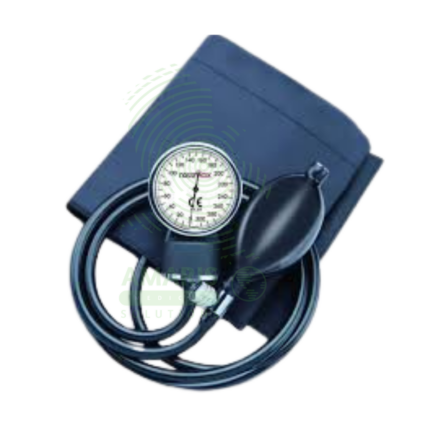
Aneroid Blood Pressure Monitor
The Aneroid Blood Pressure Monitor is a manual, mechanical sphygmomanometer used for the accurate, non-invasive measurement of arterial blood pressure. Operating on the auscultatory method, it consists of an inflatable cuff, a pump bulb with a release valve, and a calibrated dial gauge. Renowned for its reliability, durability, and independence from electrical power, it serves as a clinical gold standard and essential tool in physician offices, hospitals, and for guided home monitoring. Its accuracy is dependent on proper technique, correct cuff size, and regular calibration, making it a fundamental device for diagnosing and managing hypertension and assessing cardiovascular health.
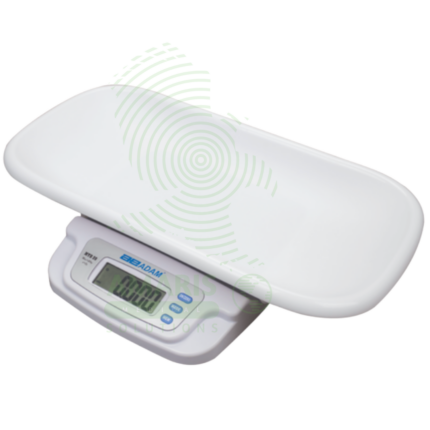
Digital Baby Weighing Scale
A Digital Baby Weighing Scale is a high-precision medical device designed exclusively for the safe and accurate measurement of infant and toddler weight. Featuring a stable, hygienic platform with gram-level precision, it is indispensable in hospitals (especially NICUs), pediatric clinics, and community health settings. Its core functions—such as hold, tare, and zeroing—ensure reliable readings even with a moving child. Accurate weight data is foundational for assessing growth, calculating medication doses, managing nutrition, and detecting early signs of health issues, making this scale a critical tool for safeguarding infant health and development.
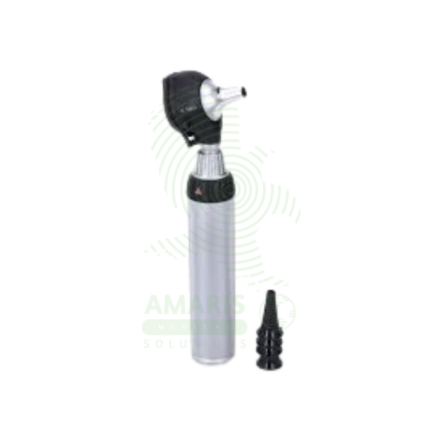
LED Otoscope
An LED Otoscope is a handheld medical device used for illuminating and magnifying the external ear canal and tympanic membrane. Featuring a bright, cool, and long-lasting LED light source, it provides superior visualization for diagnosing common conditions like ear infections, wax impaction, and perforations. Its design, incorporating a reusable handle/head and disposable specula, ensures hygiene and patient safety. As an essential tool in family medicine, pediatrics, and ENT, it enables clinicians to perform accurate otoscopic examinations and, when equipped with an insufflator, crucial pneumatic otoscopy to assess middle ear function.
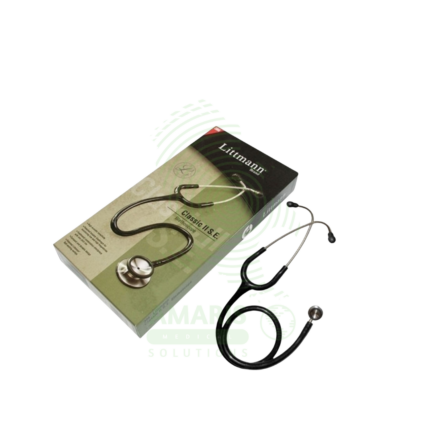
Littmann Stethoscope (Classic II)
A Littmann Stethoscope (Classic II) is a premium, acoustic dual-head stethoscope renowned for its diagnostic clarity, durability, and innovative tunable diaphragm technology. It allows healthcare professionals to hear both high and low-frequency sounds by simply adjusting pressure on the single-sided chestpiece, eliminating the need to rotate it. With its superior acoustics, comfortable fit, and wide range of colors, it is the instrument of choice for medical students, nurses, and physicians across all specialties who require reliable performance for physical assessment, auscultation of heart and lung sounds, and manual blood pressure measurement.
Patient Monitor
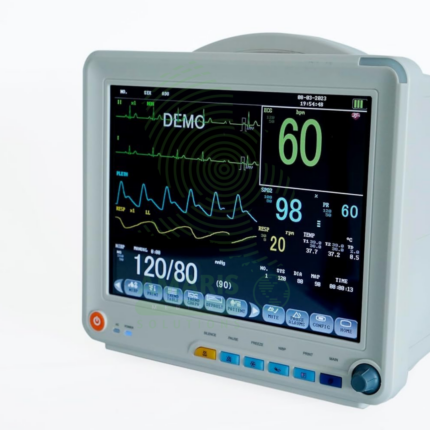
The Patient Monitor (6 Parameters BCCMS8000) is a versatile multi-parameter monitor designed for continuous surveillance of core vital signs in various clinical settings. It tracks six essential parameters—ECG, SpO2, Non-Invasive Blood Pressure (NIBP), Respiration, Temperature, and Pulse Rate—providing clinicians with real-time waveforms and numerical data on a clear color display. With its robust alarm system, battery backup for transport, and reliable performance, it is a fundamental tool for ensuring patient safety on general hospital wards, during procedures, and in emergency departments. Its design balances comprehensive monitoring capability with user-friendly operation.
Spirometer
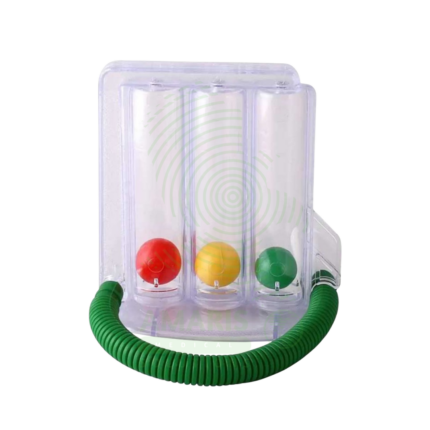
A Spirometer is an essential diagnostic medical device used to measure how much and how quickly air can be inhaled and exhaled by the lungs. By performing forced breathing maneuvers, it generates key parameters—primarily Forced Vital Capacity (FVC) and Forced Expiratory Volume in 1 second (FEV1)—that are fundamental for diagnosing and monitoring obstructive and restrictive lung diseases like Asthma and COPD. Requiring daily calibration and strict adherence to international standards (ATS/ERS), it provides the objective, reproducible data needed for clinical decision-making in pulmonology, primary care, occupational health, and pre-operative assessment.
Vein Finder
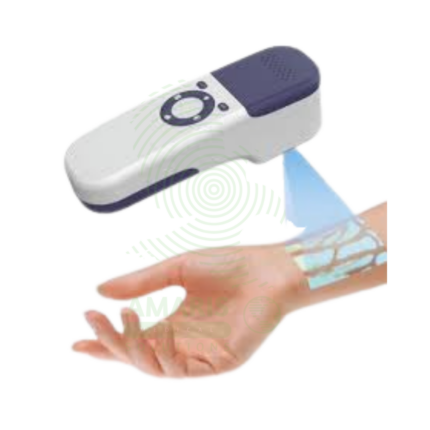
A Vein Finder is a non-invasive medical imaging device that uses near-infrared light to visualize subcutaneous veins in real time and project a map of the vascular network directly onto the patient's skin. Primarily used to facilitate difficult venipuncture and IV access in challenging patient populations (pediatric, obese, elderly, dark-skinned), it enhances first-stick success rates, improves patient comfort, and reduces procedure time. As a handheld, portable aid, it complements the clinician's skill by providing clear visual guidance, making it a valuable tool in emergency rooms, operating theaters, infusion centers, and phlebotomy services.