Dermatoscope and Magnifiers
 Diagnostic Kits
 Vital Signs Monitors
 Stethoscopes and Accessories
 Otoscopes, Ophthalmoscopes, and Retinoscopes
 Reflex Hammers and Neurological Tools
 Scales and Measuring Devices
 Spirometers and Pulmonary Function Tests
 Electrosurgical Units and Accessories
 Cutting Instruments
 Grasping and Holding Instruments
 Hemostatic Instruments
 Specialized Surgical Sets
 Single-Use Procedure Trays and Packs
 Surgical Drapes, Gowns, and Covers
 Tissue Unifying Instruments
 Radiation Protection
 X-Ray Machines and Accessories
 Ultrasound Systems and Probes
 MRI and CT Scanners
 Radiology Consumables
 Bone Densitometers
 Fluoroscopy Equipment
 Imaging Tables and Positioning Aids
 Microscopes and Accessories
 Centrifuges and Separators
 Analyzers
 Incubators and Ovens
 Pipettes, Dispensers, and Lab Glassware
 Refrigerators, Freezers, and Storage Units
 Lab Consumables
 Sterilizers and Autoclaves for Lab Use
 Multi-Parameter Monitors
 Ventilators and Respiratory Support Devices
 Defibrillators and AEDs
 Infusion Pumps and IV Systems
 Patient Warmers and Cooling Devices
 Central Monitoring Stations
 Accessories
 Anesthesia Machines and Workstations
 Oxygen Concentrators and Delivery Systems
 Nebulizers and Inhalers
 CPAP/BiPAP Machines
 Airway Management
 Anesthesia Masks, Circuits, and Bags
 Humidifiers and Heaters
 Respiratory Therapy Accessories
 First Aid Kits and Cabinets
 Emergency Resuscitation Equipment
 Trauma Supplies
 Emergency Carts and Crash Carts
 Burn Care Products
 Bleeding Control
 Automated External Defibrillators (AEDs)
 Transport and Evacuation
 Wheelchairs and Accessories
 Walkers, Crutches, and Canes
 Prosthetics and Orthotics
 Physical Therapy Equipment
 Transfer Devices
 Bathroom Safety
 Orthopedic Traction and Tables
 Hot/Cold Therapy Packs and Units
 Beds and Mattresses
 Chairs and Stools
 Tables
 Cabinets and Storage
 Privacy Screens & Curtains
 Stands and Racks
 Linens and Textiles
 Lighting
 Autoclaves and Sterilizers
 Ultrasonic Cleaners
 Disinfectant Solutions and Wipes
 Sterilization Pouches, Wraps, and Indicators
 Instrument Trays and Containers
 UV and Ozone Disinfection Devices
 Washer Disinfectors
 Wound Care
 Gloves
 Masks and Respirators
 Catheters and Tubing
 Swabs, Applicators, and Sponges
 Incontinence Products
 Personal Protective Equipment (PPE)
 Dental Chairs and Units
 Handpieces and Burs
 Instruments
 Consumables
 Sterilization for Dental Use
 Orthodontic Supplies
 Endodontic Tools
 Slit Lamps and Tonometers
 Lensometers and Phoropters
 Ophthalmic Surgical Instruments
 Eyewear Frames and Lenses
 Contact Lens Supplies
 Vision Testing Charts and Devices
 Eye Care Consumables
 Laser Systems for Eye Care
 ENT Exam Chairs and Tables
 Endoscopes
 Audiometers and Hearing Tests
 ENT Instruments
 Nasal and Throat Packs
 Hearing Aids and Accessories
 Otology Supplies
 Fetal Dopplers and Monitors
 Delivery Beds and Tables
 Gynecological Instruments
 Neonatal Incubators and Warmers
 Breast Pumps and Accessories
 Contraceptive Devices
 Maternity Supports and Pads
 Neonatal Consumables
 Cystoscopes and Urethroscopes
 Dialysis Machines and Supplies
 Urological Catheters and Bags
 Lithotripters
 Prostate Treatment Devices
 Urinary Incontinence Products
 Kidney Stone Management Tools
 Consumables & Disposables
 EEG and EMG Machines
 Neurosurgical Instruments
 Nerve Stimulators
 Headrests and Positioning Aids
 Lumbar Puncture Kits
 Seizure Monitoring Devices
 Consumables
 Rehabilitation for Neurological Conditions
 ECG Machines and Accessories
 Holter Monitors
 Stress Test Systems
 Pacemakers and Defibrillator Accessories
 Vascular Access Devices
 Cardiac Catheters and Guidewires
 Blood Flow Meters
 Consumables
 Orthopedic Instruments
 Casts, Splints, and Padding
 Joint Replacement Supplies
 Prosthetic Limbs and Components
 Bone Grafts and Substitutes
 Traction Devices
 Orthopedic Braces and Supports
 Rehabilitation Aids for Orthopedics
 Home Oxygen Therapy
 Hospital Beds for Home Use
 Mobility Aids
 Bathroom and Daily Living Aids
 Wound Care for Home
 Monitoring Devices
 Enteral Feeding Pumps and Tubes
 Hand Sanitizers and Dispensers
 Face Shields and Goggles
 Isolation Gowns and Suits
 Biohazard Waste Containers
 Air Purifiers and HEPA Filters
 Surface Disinfectants
 Sharps Containers
 Protective Barriers
 Cardiovascular & Endurance Training
 Strength Training & Weightlifting
 Functional Training & Core Conditioning
 Physical Therapy & Rehabilitation
 Sports & Outdoor Recreation
 Gym Flooring & Facility Equipment
 Fitness Monitoring & Accessories
 Kids & Novelties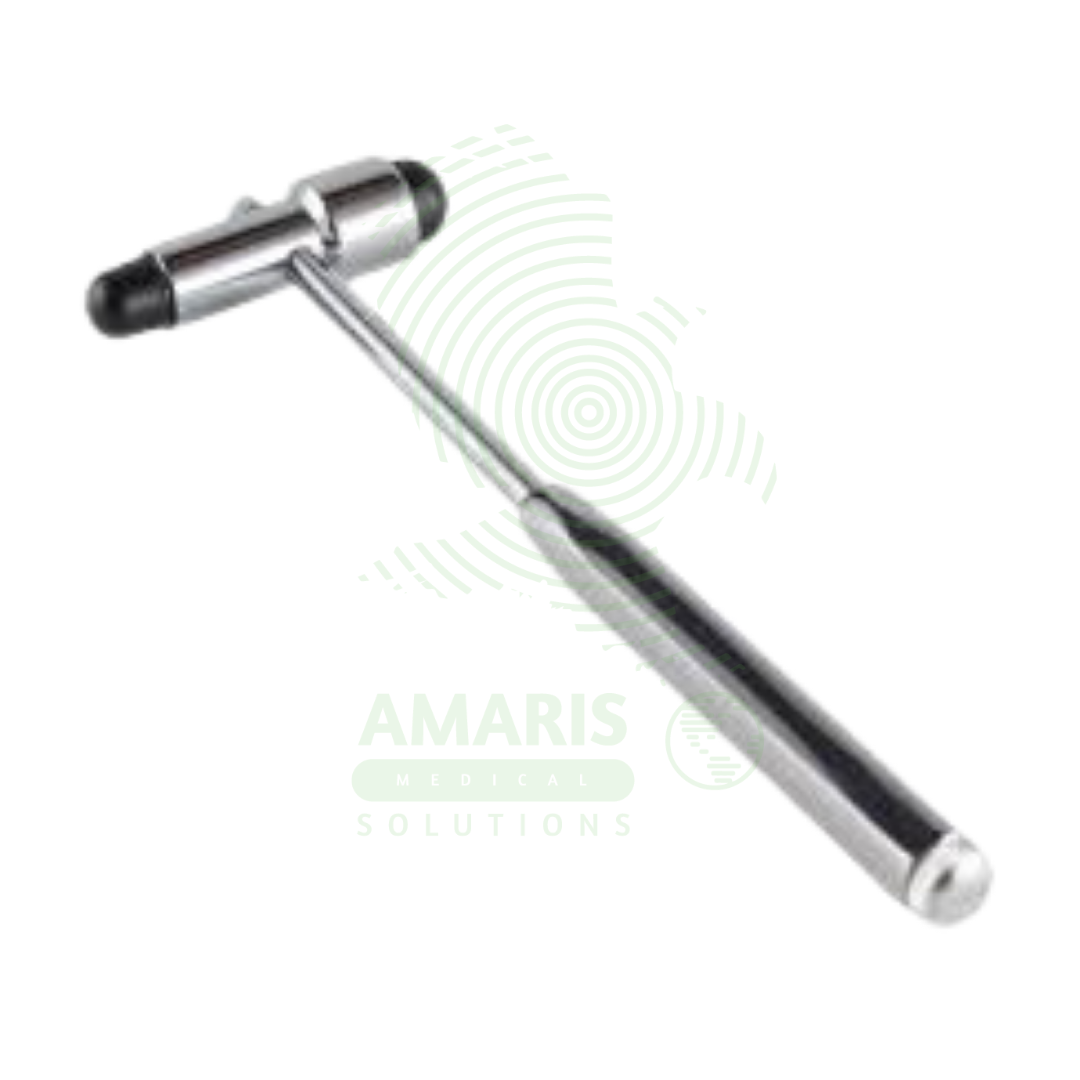
Patella Hammer
WhatsApp Order
A Patella Hammer (or Reflex Hammer) is a fundamental neurological diagnostic tool used to test deep tendon reflexes. Its weighted, rubber-tipped head allows clinicians to deliver a controlled, brisk tap to specific tendons, eliciting involuntary muscle contractions that assess the integrity of sensory and motor nerve pathways. As a core component of the neurological exam, it aids in diagnosing conditions ranging from peripheral neuropathies to spinal cord injuries. Its simple, durable design and ease of use make it an indispensable instrument for neurologists, primary care physicians, and any clinician performing a comprehensive physical examination.
Description
Patella Hammer
PRIMARY CLINICAL & DIAGNOSTIC USES
1. Deep Tendon Reflex (DTR) Testing:
-
Primary Use: The primary clinical use is to elicit and assess deep tendon reflexes as part of the standard neurological examination. It is used to test the integrity of specific sensory and motor pathways in the spinal cord and peripheral nervous system. Common reflexes tested include the patellar (knee jerk), biceps, triceps, brachioradialis, and Achilles reflexes.
-
How it helps: Gives neurologists and physicians a simple, non-invasive way to check the health of nerves and spinal cord segments, revealing whether the communication highway between muscles and the brain is functioning properly.
2. Assessment of Neurological Disorders:
-
Primary Use: Essential for diagnosing conditions that affect the nervous system. Findings can help localize lesions, differentiate between upper motor neuron (UMNL) and lower motor neuron (LMNL) diseases, and monitor disease progression or recovery. For example, hyperreflexia may indicate UMNL issues (e.g., stroke, spinal cord injury), while hyporeflexia or areflexia may indicate LMNL issues (e.g., peripheral neuropathy, Guillain-Barré syndrome).
-
How it helps: Provides crucial clues that help doctors pinpoint where in the nervous system a problem lies—whether in the brain, spinal cord, or peripheral nerves—guiding further testing and treatment decisions.
3. Evaluation of Spinal Cord Integrity:
-
Primary Use: Reflex testing provides critical information about the functional status of specific spinal cord segments. Asymmetric or absent reflexes can indicate nerve root compression (e.g., from a herniated disc) or spinal cord injury at specific levels.
-
How it helps: Helps identify the exact level of spinal cord or nerve root involvement in patients with back pain, numbness, or weakness, guiding surgical planning and rehabilitation.
4. Screening during Routine Physical Exams:
-
Primary Use: Used by general practitioners, internists, and pediatricians as a screening tool during annual check-ups to establish a neurological baseline or investigate complaints like numbness, weakness, or coordination problems.
-
How it helps: Adds a quick, painless check of nervous system function to routine exams, often revealing subtle abnormalities before patients have noticed any symptoms.
5. Intraoperative Monitoring:
-
Primary Use: In some neurosurgical or orthopedic procedures, a reflex hammer may be used to briefly check reflexes before and after an intervention.
-
How it helps: Provides surgeons with immediate feedback during procedures, helping ensure that spinal cord or nerve root function is preserved during surgery.
SECONDARY & SUPPORTIVE USES
1. Testing for Clonus: The pointed end of some hammers (like a Taylor hammer) can be used to quickly test for sustained ankle clonus, a sign of significant upper motor neuron dysfunction that can indicate conditions like multiple sclerosis or spinal cord injury.
2. Sensory Testing: The handle or rubber tip can be used to lightly test for sensation or to elicit abdominal or plantar reflexes (though a specific tool like a Babinski hammer/key is often preferred for the latter).
3. Medical Education: A fundamental teaching tool in medical schools and neurology rotations for students to learn proper reflex testing technique, grading scales (0 to 4+), and clinical correlation, training the next generation of physicians.
KEY PRODUCT FEATURES
1. BASIC IDENTIFICATION ATTRIBUTES
-
Common Names: Reflex Hammer, Percussion Hammer, Neurological Hammer.
-
Types: Several designs exist, with the Taylor Hammer (Tomahawk style) and the Queen Square/Babinski-style hammer being among the most common. The "Patella Hammer" name often refers to the general-purpose Taylor style.
-
Design: Consists of a weighted head (for momentum) attached to a handle. The head typically has two distinct striking surfaces.
-
Striking Surfaces: A broad, rubberized circular end for eliciting most tendon reflexes, and a tapered, pointed rubber end (or a star-shaped plastic tip) for testing smaller areas or for percussion.
2. TECHNICAL & PERFORMANCE PROPERTIES
-
Head Weight & Balance: The head is weighted to provide sufficient inertial force to stretch a tendon with a quick, precise tap without requiring a forceful swing from the examiner. Proper balance ensures controlled, accurate strikes.
-
Rubber Composition: The striking surfaces are made of firm but slightly compressible rubber. This material provides an effective tap while being gentle enough to not cause tissue injury.
-
Handle Design: Typically long enough (8-10 inches) to allow for a pendulum-like swing from the wrist or elbow, generating a consistent, brisk strike. Handles may be made of metal, plastic, or wood.
3. PHYSICAL & OPERATIONAL PROPERTIES
-
Durability: Constructed to withstand daily clinical use. Metal components are often stainless steel or chrome-plated to resist corrosion.
-
Portability: Lightweight and compact, easily carried in a white coat pocket or medical bag.
-
Cleanability: Designed for easy wiping with standard hospital disinfectants between patients.
4. SAFETY & COMPLIANCE ATTRIBUTES
-
Regulatory Status: Generally considered a Class I medical device (low-risk, non-invasive diagnostic tool) in most regulatory frameworks (e.g., FDA General Controls, CE Marking). Often exempt from detailed pre-market review.
-
Biocompatibility: Materials that contact skin (rubber tips) are biocompatible and non-allergenic.
-
Safety: No electrical or sharp hazards in standard use. The pointed tip is blunt and designed for percussion, not penetration.
5. STORAGE & HANDLING ATTRIBUTES
-
Storage: Store in a clean, dry place such as a clinic drawer, medical bag, or on a desk. No special environmental controls are needed.
-
Cleaning & Disinfection: Perform low-level disinfection between patient uses by wiping the entire hammer, especially the rubber tips and handle, with a 70% isopropyl alcohol pad or a disinfectant wipe. Do not autoclave or immerse in liquid, as this can damage the rubber and internal components.
6. LABORATORY & CLINICAL APPLICATIONS
-
Primary Application: A dedicated tool for the neurological portion of the physical exam, providing objective data on the peripheral and central nervous system's reflex arcs.
-
Interpretation: The result (graded reflex) must be interpreted in the full clinical context, including muscle tone, strength, and other neurological signs
SAFETY HANDLING PRECAUTIONS
1. SAFETY PRECAUTIONS
-
Infection Control: As a device that contacts multiple patients, it must be disinfected between uses to prevent cross-contamination.
-
Proper Technique: Strikes should be quick and precise on the target tendon. Avoid striking bone directly, as this is painful for the patient and does not elicit the reflex. Ensure the patient's limb is properly positioned and relaxed.
-
Patient Comfort: Use appropriate force; excessive force is unnecessary and can cause discomfort or injury, especially in frail or osteoporotic patients.
2. FIRST AID MEASURES
-
General: The device is low-risk. If misuse causes minor soft tissue bruising, apply cold compresses and advise simple analgesia if needed.
-
Ingestion of Parts: Not applicable.
3. FIRE FIGHTING MEASURES
-
Flammability: The rubber tips and plastic/metal handle have low flammability.
-
Extinguishing Media: Use standard extinguishing media (water, foam, CO₂) as appropriate for the surrounding fire.
Related products
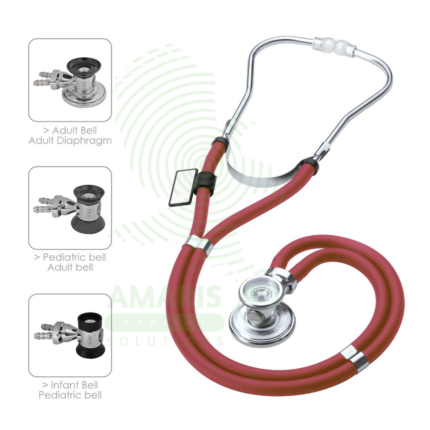
Dual Head Stethoscope
The Dual Head Stethoscope is the classic, essential acoustic diagnostic tool used by healthcare professionals worldwide. Its defining feature is a two-sided chestpiece, combining a diaphragm for high-frequency sounds (breath sounds, normal heart tones) and a bell for low-frequency sounds (heart murmurs, abnormal heart tones). Through mechanical sound conduction, it provides critical information for assessing cardiac, pulmonary, and vascular systems during physical examinations and manual blood pressure measurement. Its effectiveness relies on proper technique, a good acoustic seal, and consistent cleaning. As a fundamental symbol of medical practice, it balances functionality, durability, and affordability.
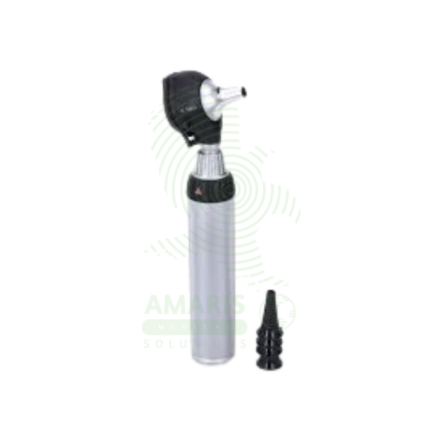
LED Otoscope
An LED Otoscope is a handheld medical device used for illuminating and magnifying the external ear canal and tympanic membrane. Featuring a bright, cool, and long-lasting LED light source, it provides superior visualization for diagnosing common conditions like ear infections, wax impaction, and perforations. Its design, incorporating a reusable handle/head and disposable specula, ensures hygiene and patient safety. As an essential tool in family medicine, pediatrics, and ENT, it enables clinicians to perform accurate otoscopic examinations and, when equipped with an insufflator, crucial pneumatic otoscopy to assess middle ear function.
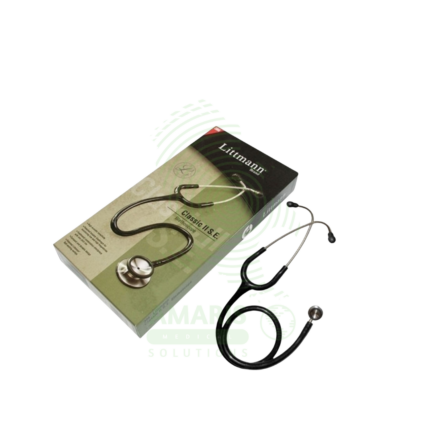
Littmann Stethoscope (Classic II)
A Littmann Stethoscope (Classic II) is a premium, acoustic dual-head stethoscope renowned for its diagnostic clarity, durability, and innovative tunable diaphragm technology. It allows healthcare professionals to hear both high and low-frequency sounds by simply adjusting pressure on the single-sided chestpiece, eliminating the need to rotate it. With its superior acoustics, comfortable fit, and wide range of colors, it is the instrument of choice for medical students, nurses, and physicians across all specialties who require reliable performance for physical assessment, auscultation of heart and lung sounds, and manual blood pressure measurement.