Dermatoscope and Magnifiers
 Diagnostic Kits
 Vital Signs Monitors
 Stethoscopes and Accessories
 Otoscopes, Ophthalmoscopes, and Retinoscopes
 Reflex Hammers and Neurological Tools
 Scales and Measuring Devices
 Spirometers and Pulmonary Function Tests
 Electrosurgical Units and Accessories
 Cutting Instruments
 Grasping and Holding Instruments
 Hemostatic Instruments
 Specialized Surgical Sets
 Single-Use Procedure Trays and Packs
 Surgical Drapes, Gowns, and Covers
 Tissue Unifying Instruments
 Radiation Protection
 X-Ray Machines and Accessories
 Ultrasound Systems and Probes
 MRI and CT Scanners
 Radiology Consumables
 Bone Densitometers
 Fluoroscopy Equipment
 Imaging Tables and Positioning Aids
 Microscopes and Accessories
 Centrifuges and Separators
 Analyzers
 Incubators and Ovens
 Pipettes, Dispensers, and Lab Glassware
 Refrigerators, Freezers, and Storage Units
 Lab Consumables
 Sterilizers and Autoclaves for Lab Use
 Multi-Parameter Monitors
 Ventilators and Respiratory Support Devices
 Defibrillators and AEDs
 Infusion Pumps and IV Systems
 Patient Warmers and Cooling Devices
 Central Monitoring Stations
 Accessories
 Anesthesia Machines and Workstations
 Oxygen Concentrators and Delivery Systems
 Nebulizers and Inhalers
 CPAP/BiPAP Machines
 Airway Management
 Anesthesia Masks, Circuits, and Bags
 Humidifiers and Heaters
 Respiratory Therapy Accessories
 First Aid Kits and Cabinets
 Emergency Resuscitation Equipment
 Trauma Supplies
 Emergency Carts and Crash Carts
 Burn Care Products
 Bleeding Control
 Automated External Defibrillators (AEDs)
 Transport and Evacuation
 Wheelchairs and Accessories
 Walkers, Crutches, and Canes
 Prosthetics and Orthotics
 Physical Therapy Equipment
 Transfer Devices
 Bathroom Safety
 Orthopedic Traction and Tables
 Hot/Cold Therapy Packs and Units
 Beds and Mattresses
 Chairs and Stools
 Tables
 Cabinets and Storage
 Privacy Screens & Curtains
 Stands and Racks
 Linens and Textiles
 Lighting
 Autoclaves and Sterilizers
 Ultrasonic Cleaners
 Disinfectant Solutions and Wipes
 Sterilization Pouches, Wraps, and Indicators
 Instrument Trays and Containers
 UV and Ozone Disinfection Devices
 Washer Disinfectors
 Wound Care
 Gloves
 Masks and Respirators
 Catheters and Tubing
 Swabs, Applicators, and Sponges
 Incontinence Products
 Personal Protective Equipment (PPE)
 Dental Chairs and Units
 Handpieces and Burs
 Instruments
 Consumables
 Sterilization for Dental Use
 Orthodontic Supplies
 Endodontic Tools
 Slit Lamps and Tonometers
 Lensometers and Phoropters
 Ophthalmic Surgical Instruments
 Eyewear Frames and Lenses
 Contact Lens Supplies
 Vision Testing Charts and Devices
 Eye Care Consumables
 Laser Systems for Eye Care
 ENT Exam Chairs and Tables
 Endoscopes
 Audiometers and Hearing Tests
 ENT Instruments
 Nasal and Throat Packs
 Hearing Aids and Accessories
 Otology Supplies
 Fetal Dopplers and Monitors
 Delivery Beds and Tables
 Gynecological Instruments
 Neonatal Incubators and Warmers
 Breast Pumps and Accessories
 Contraceptive Devices
 Maternity Supports and Pads
 Neonatal Consumables
 Cystoscopes and Urethroscopes
 Dialysis Machines and Supplies
 Urological Catheters and Bags
 Lithotripters
 Prostate Treatment Devices
 Urinary Incontinence Products
 Kidney Stone Management Tools
 Consumables & Disposables
 EEG and EMG Machines
 Neurosurgical Instruments
 Nerve Stimulators
 Headrests and Positioning Aids
 Lumbar Puncture Kits
 Seizure Monitoring Devices
 Consumables
 Rehabilitation for Neurological Conditions
 ECG Machines and Accessories
 Holter Monitors
 Stress Test Systems
 Pacemakers and Defibrillator Accessories
 Vascular Access Devices
 Cardiac Catheters and Guidewires
 Blood Flow Meters
 Consumables
 Orthopedic Instruments
 Casts, Splints, and Padding
 Joint Replacement Supplies
 Prosthetic Limbs and Components
 Bone Grafts and Substitutes
 Traction Devices
 Orthopedic Braces and Supports
 Rehabilitation Aids for Orthopedics
 Home Oxygen Therapy
 Hospital Beds for Home Use
 Mobility Aids
 Bathroom and Daily Living Aids
 Wound Care for Home
 Monitoring Devices
 Enteral Feeding Pumps and Tubes
 Hand Sanitizers and Dispensers
 Face Shields and Goggles
 Isolation Gowns and Suits
 Biohazard Waste Containers
 Air Purifiers and HEPA Filters
 Surface Disinfectants
 Sharps Containers
 Protective Barriers
 Cardiovascular & Endurance Training
 Strength Training & Weightlifting
 Functional Training & Core Conditioning
 Physical Therapy & Rehabilitation
 Sports & Outdoor Recreation
 Gym Flooring & Facility Equipment
 Fitness Monitoring & Accessories
 Kids & Novelties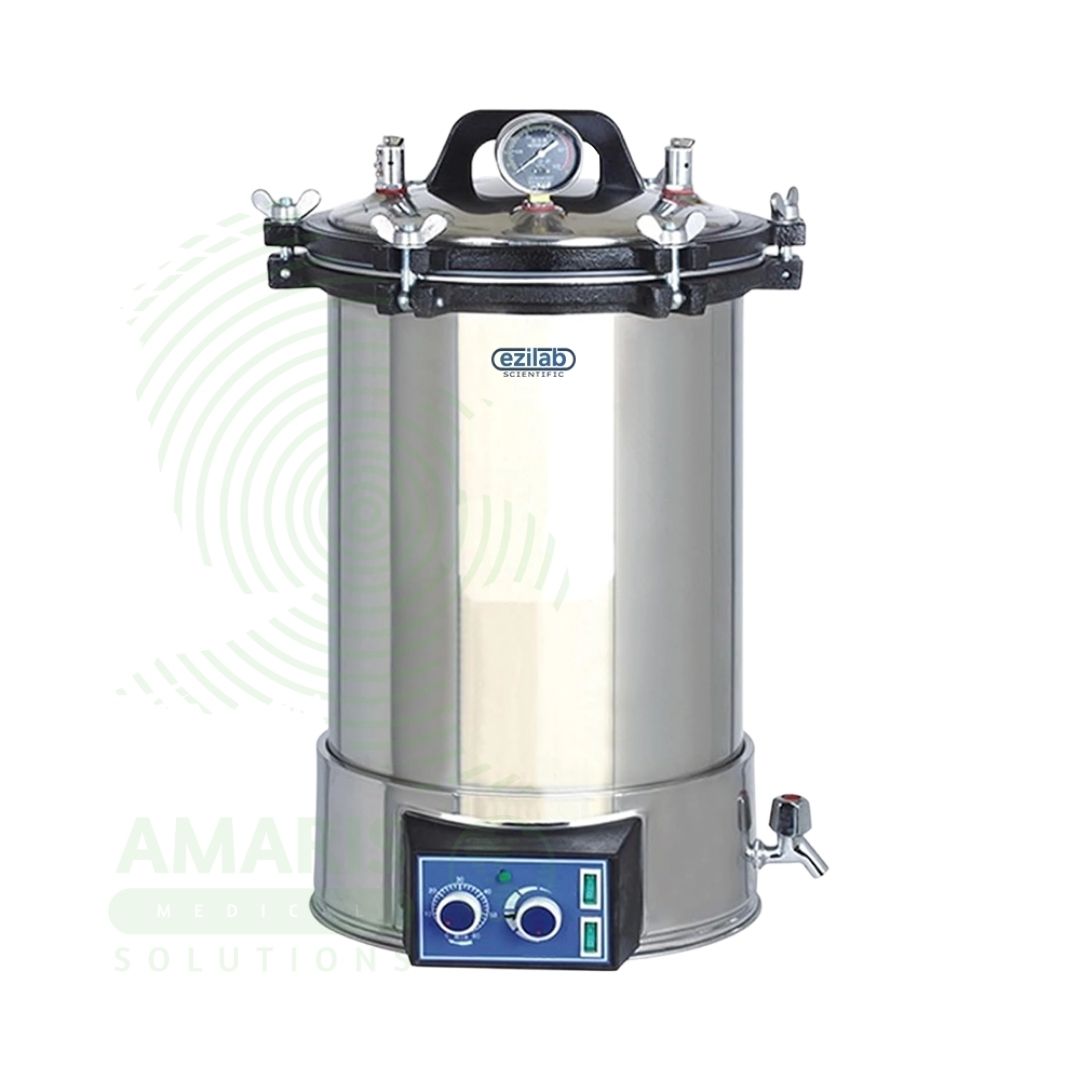
Portable Steam Sterilizer
WhatsApp Order
A Portable Steam Sterilizer is a compact, mobile autoclave designed to provide sterilization capability in field, remote, backup, or home healthcare settings. Its key feature is operational independence from fixed water and drain lines, using an integrated reservoir and often versatile power options. While offering the same core sterilization efficacy as larger units for unwrapped instruments and liquids, its portability necessitates strict attention to using the correct water type, ensuring a stable operating surface, and managing extreme heat hazards in often suboptimal environments. It is a critical tool for extending safe surgical and procedural standards beyond traditional healthcare facilities.
Description
Portable Steam Sterilizer
PRIMARY CLINICAL & DIAGNOSTIC USES
1. Point-of-Care Sterilization in Remote or Field Settings
-
Primary Use: Provides on-site sterilization capability where fixed infrastructure is unavailable or unreliable, critical for mobile medical clinics, military field hospitals, disaster relief operations, remote mining/construction camps, and expedition medicine.
-
How it helps: For the military medic, disaster responder, or remote clinician, the portable steam sterilizer brings the capability to reprocess instruments far from any fixed facility—transforming contaminated tools into sterile instruments in the middle of a desert, a jungle, or a disaster zone. For the patient treated in these austere environments—whether a soldier wounded in combat, a earthquake survivor with injuries, or a worker at a remote site—this portable device means their surgical wounds are closed with sterile instruments, preventing the infections that could be catastrophic when definitive medical care is far away.
2. Emergency Sterilization and Backup
-
Primary Use: Serves as an essential backup sterilizer in hospitals during maintenance of central sterile supply departments, power outages, or when primary sterilizers fail, ensuring continuity of care for emergency and urgent surgical instruments.
-
How it helps: For the hospital sterile processing manager and operating room coordinator, a portable steam sterilizer on hand means that when the main autoclave goes down, surgery doesn’t stop—critical instruments can still be processed, emergency cases can proceed, and patient care continues without interruption. For the patient needing emergency surgery during a equipment failure, this backup capability means their procedure is not delayed, and the instruments used are still sterile.
3. Sterilization for Home Healthcare
-
Primary Use: Enables the sterilization of reusable medical equipment for patients receiving long-term, complex care at home, under nursing supervision.
-
How it helps: For the home health nurse and family caregivers managing a patient with a tracheostomy, chronic wounds, or complex medical needs, a portable sterilizer allows safe reprocessing of reusable equipment without relying on hospital services. For the patient living at home with a tracheostomy tube that must be changed regularly, or with instruments used for wound care, having their own sterilizer means they can maintain sterility independently, reducing the need for clinic visits and hospital admissions.
4. Dental Outreach and School Programs
-
Primary Use: Allows dental teams to provide sterile instrument processing during community outreach programs, school-based dental checkups, and mobile dental van services.
-
How it helps: For the public health dentist and outreach team, a portable sterilizer means they can bring comprehensive dental care to underserved communities—providing fillings, extractions, and other procedures with sterile instruments, even in schools or community centers without dental infrastructure. For the child receiving dental care at school, or the underserved adult treated at a community clinic, this portable device ensures they receive the same standard of infection control as patients in a fixed dental office.
5. Veterinary Field Use
-
Primary Use: Used by mobile veterinary units and in agricultural settings for sterilizing instruments during animal surgeries and treatments.
-
How it helps: For the large animal veterinarian working on farms or the wildlife veterinarian in the field, a portable sterilizer enables surgical procedures far from a clinic—sterilizing instruments for castrations, wound repairs, or other interventions where they stand. For the valuable livestock, working animal, or wildlife patient, this on-site sterilization means they receive surgical care with sterile instruments, improving outcomes and reducing complications.
SECONDARY & SUPPORTIVE USES
1. Sterilization in Ambulatory Surgery Centers: For smaller ambulatory surgery centers or for processing specific, immediate-use instruments, portable sterilizers provide flexible, on-demand sterilization capability without the cost and infrastructure of large central systems. For the patient undergoing outpatient surgery, this ensures that instruments are sterile regardless of the facility’s size or resources.
2. Tattoo and Body Art Studios: Portable steam sterilizers provide a means for sterilizing piercing needles and small instruments in studios that may not have fixed plumbing for larger units. For the client receiving a tattoo or piercing, proper sterilization of equipment is essential to prevent transmission of bloodborne pathogens like hepatitis and HIV.
3. Laboratory Field Work: In environmental and biological field research stations, portable sterilizers allow researchers to sterilize sampling equipment and culture media on-site, preventing contamination of samples and ensuring experimental integrity. For the quality of environmental monitoring and biological research, and for the public health decisions based on this data, on-site sterilization ensures that samples reflect the environment studied, not contamination introduced during collection.
KEY PRODUCT FEATURES
1. BASIC IDENTIFICATION ATTRIBUTES
-
Device Type: A compact, lightweight, and mobile steam sterilizer (autoclave) designed for easy transport and operation in non-traditional settings.
-
Designation: "Portable" defines its key characteristic of mobility and often implies operation independent of fixed water and drain lines.
-
Core Design Features:
-
Compact and Lightweight Construction: Often made with lighter materials and a smaller chamber volume (typically 5-20 liters) compared to standard tabletop models.
-
Integrated Power and Water: Designed to operate with minimal infrastructure:
-
Power: May run on standard AC power, DC power (e.g., 12V/24V from a vehicle), or even dual-voltage for global use. Some have battery options.
-
Water: Features a sealed, integrated water reservoir or uses pre-filled, single-use water cartridges/pouches, eliminating the need for a continuous water feed or drain.
-
-
Carrying Case or Integrated Handles: Often supplied with a rugged carrying case for protection during transport.
-
-
Sterilization Principle: Typically operates as a gravity displacement (N-type) sterilizer due to its simplicity and reliability. Some advanced models may offer pre-vacuum functionality.
2. TECHNICAL & PERFORMANCE PROPERTIES
-
Sterilization Parameters: Achieves standard sterilization conditions:
-
Temperature: 121°C (250°F) at 15 psi, or 134°C (273°F) at higher pressures.
-
Cycle Time: Exposure times are comparable to standard gravity cycles (e.g., 20-30 minutes at 121°C), with total cycle time including heat-up and cooldown.
-
-
Chamber Capacity: Smaller volume optimized for essential instrument sets (e.g., a few trays of instruments, emergency kits).
-
Drying Capability: May include a passive drying phase or a simple venting system, though drying may be less effective than in larger units.
3. PHYSICAL & OPERATIONAL PROPERTIES
-
Mobility: The defining feature. Units are designed to be carried by one or two persons and set up quickly.
-
Utility Independence: Does not require a permanent water connection or drain. Operates on the water contained in its reservoir, which is manually emptied post-cycle.
-
Rapid Deployment: Can be unpacked, filled, and made operational within minutes on any stable surface.
4. SAFETY & COMPLIANCE ATTRIBUTES
-
Regulatory Status: Classified as a Class II medical device.
-
Pressure Vessel Safety: Built to relevant pressure vessel standards with safety valves and door interlocks.
-
Electrical Safety: Must be safe for use in varied and potentially harsh environments (e.g., humidity, dust).
-
Validation: Must be capable of validation and routine monitoring with biological indicators.
5. STORAGE & HANDLING ATTRIBUTES
-
Storage: Stored in its protective carrying case when not in use. The chamber should be clean and dry.
-
Transport: Must be secured during transport to prevent damage. The chamber door should be locked or secured.
-
Maintenance in the Field: Requires the same vigilant maintenance as fixed units, with emphasis on:
-
Using distilled or demineralized water to prevent rapid scale buildup, which is critically damaging in the field.
-
Regular descaling if using non-ideal water sources.
-
Careful cleaning after each use.
-
-
Quality Assurance: Physical and chemical monitoring is essential. Biological monitoring (spore testing) must be performed according to a validated schedule, even in field conditions.
6. LABORATORY & CLINICAL APPLICATIONS
-
Primary Application: Enables sterile processing in non-traditional, resource-limited, or temporary healthcare environments. It is a key component of deployable surgical and medical kits.
-
Clinical Role: Brings the standard of sterilized instruments directly to the point of need, overcoming a major logistical barrier to safe surgery and invasive procedures in austere settings.
SAFETY HANDLING PRECAUTIONS
1. SAFETY PRECAUTIONS
-
Stable Operating Surface: Always place the unit on a stable, level, and heat-resistant surface before operation. Never use it on a soft or uneven surface.
-
Adequate Ventilation: Operate in a well-ventilated area. The unit will release steam and heat during operation.
-
Burn Hazard: All external surfaces become extremely hot. Use thermal gloves. Ensure the area is clear of bystanders, especially during the exhaust phase. Allow full cooling before moving.
-
Water Source: Use only recommended water (distilled/deionized). Using hard or contaminated water will cause scaling, impair performance, and potentially damage the unit irreparably.
-
Pressure Release: Ensure the pressure is fully released and the safety lock disengages before attempting to open the door. Never force it open.
-
Electrical Safety: Ensure the power source (outlet, generator, battery) is appropriate and connections are dry and secure.
2. FIRST AID MEASURES
-
Burn from Steam or Surface Contact: Cool immediately with clean, cool water. Cover with a sterile dressing. Evacuate for professional medical care if severe.
-
Water Spillage/Hot Liquid: If the reservoir is spilled or a liquid load boils over during setup/cleaning, clean up carefully wearing protective gloves. The water may be very hot.
-
Electrical Fault: If the unit malfunctions electrically, disconnect it from the power source immediately. Do not attempt to use or repair in the field unless qualified.
3. FIRE FIGHTING MEASURES
-
Flammability: External casing and internal components are combustible.
-
Extinguishing Media: For an electrical fire, disconnect power and use a CO2 extinguisher. For other fires, use appropriate media. The unit contains a pressurized chamber; evacuate if a fire threatens it.
Related products
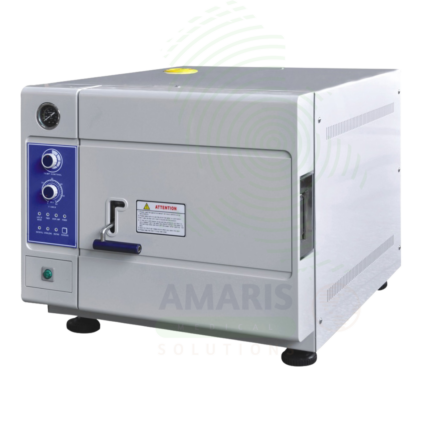
Fully Automatic Microprocessor-Controlled Tabletop Steam Sterilizer
A Fully Automatic Microprocessor-Controlled Tabletop Steam Sterilizer is an advanced benchtop autoclave with programmable cycles, integrated printer, and data logging capabilities. The microprocessor automates cycle selection, monitoring, and documentation, ensuring consistent, validated sterilization of unwrapped instruments, liquids, and wrapped packs. Essential for dental offices, outpatient clinics, and small laboratories, it provides reliable sterilization with complete traceability for quality assurance and regulatory compliance.
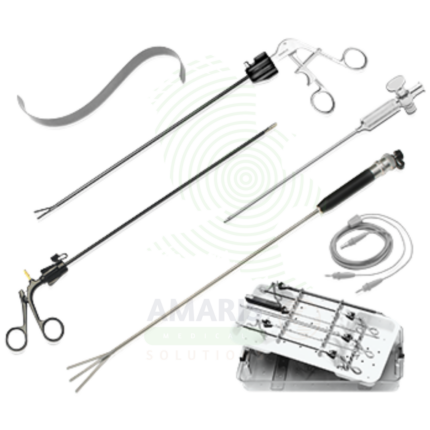
Laparoscopic Accessories
Laparoscopic accessories encompass a range of ancillary equipment and supplies essential for minimally invasive surgery, including cleaning brushes, sterilization containers, insufflation tubing, instrument storage systems, and single-use protective covers. These accessories support instrument care, procedural efficiency, and infection control, ensuring that laparoscopic instruments remain in optimal condition and that procedures run smoothly. Essential for operating rooms, sterile processing departments, and surgical suites.
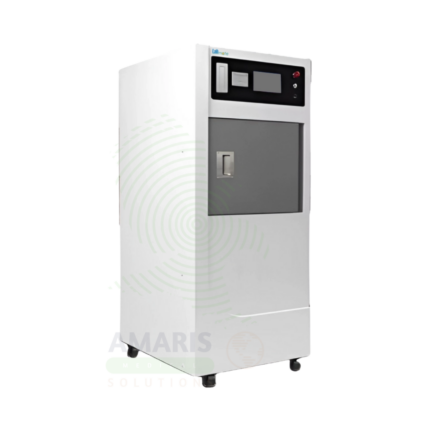
Low Temperature Plasma Sterilizer
A Low Temperature Plasma Sterilizer is a hydrogen peroxide gas plasma sterilization system designed for heat- and moisture-sensitive medical devices. Using low-temperature plasma technology, it sterilizes flexible endoscopes, laparoscopic instruments, robotic surgical instruments, and other delicate devices without damaging sensitive components. With cycle times of 28-60 minutes, it enables rapid turnaround of instrument sets for high-volume surgical services, supporting efficient operating room workflow while maintaining the highest standards of infection prevention.
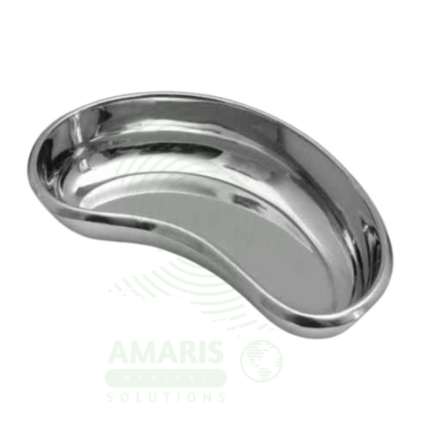
Stainless Steel Kidney Dish
A Stainless Steel Kidney Dish is a reusable, autoclavable kidney-shaped receptacle used in surgical, clinical, and procedural settings for collecting waste, holding instruments, containing fluids, and transporting specimens. Made from surgical-grade stainless steel, it is durable, corrosion-resistant, and easy to clean. Used in operating rooms, procedure rooms, emergency departments, and dental clinics, it provides a reliable, reusable container for a variety of clinical applications. Proper cleaning and sterilization between uses are essential for infection control.
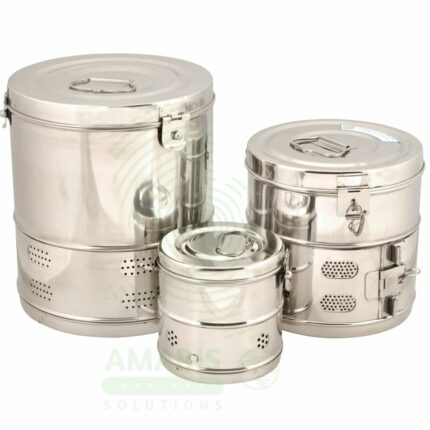
Sterilization Drums
Sterilization Drums are reusable, perforated metal containers with filter-secured lids, designed to hold surgical instruments and packs during steam sterilization and to maintain their sterility afterwards. They function by allowing steam to penetrate during the autoclave cycle while the integrated hydrophobic filter prevents microbial contamination during cooling and storage. Proper use requires vigilant inspection of the filter integrity, correct lid sealing, adherence to cooling protocols, and thorough cleaning between uses. They are a fundamental component of sterile processing, ensuring organized, efficient, and safe delivery of sterile instrument sets to the operating room.
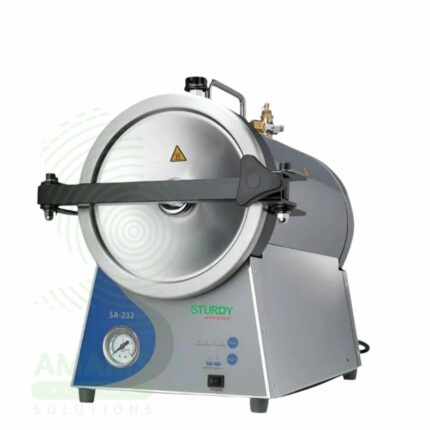
Table Top Steam Sterilizer
A Table Top Steam Sterilizer is a compact, self-contained autoclave designed for benchtop use in clinics, dental offices, and laboratories. It uses pressurized saturated steam to achieve sterilization of unwrapped instruments, laboratory glassware, and liquids (using a specific slow-exhaust cycle). Its integrated design requires only electricity and distilled water. Critical to its safe operation are the strict use of thermal gloves, mandatory selection of the correct cycle for the load type (especially for liquids), and rigorous preventive maintenance to combat scale buildup. It is an indispensable, space-efficient device for ensuring sterility in decentralized healthcare and research settings.
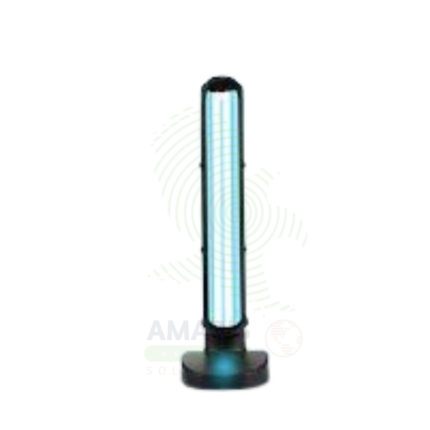
Ultraviolet Lamp
An Ultraviolet Lamp is a germicidal device that emits UV-C radiation to inactivate microorganisms by damaging their DNA and RNA, preventing replication. Used for surface disinfection in patient rooms, operating rooms, and isolation rooms, air disinfection in occupied spaces, and water purification in healthcare facilities, UV lamps provide an additional layer of infection prevention beyond manual cleaning. Available in various configurations including mobile units, ceiling-mounted fixtures, and integrated systems, they reduce healthcare-associated infections and protect patients, staff, and the environment.