Dermatoscope and Magnifiers
 Diagnostic Kits
 Vital Signs Monitors
 Stethoscopes and Accessories
 Otoscopes, Ophthalmoscopes, and Retinoscopes
 Reflex Hammers and Neurological Tools
 Scales and Measuring Devices
 Spirometers and Pulmonary Function Tests
 Electrosurgical Units and Accessories
 Cutting Instruments
 Grasping and Holding Instruments
 Hemostatic Instruments
 Specialized Surgical Sets
 Single-Use Procedure Trays and Packs
 Surgical Drapes, Gowns, and Covers
 Tissue Unifying Instruments
 Radiation Protection
 X-Ray Machines and Accessories
 Ultrasound Systems and Probes
 MRI and CT Scanners
 Radiology Consumables
 Bone Densitometers
 Fluoroscopy Equipment
 Imaging Tables and Positioning Aids
 Microscopes and Accessories
 Centrifuges and Separators
 Analyzers
 Incubators and Ovens
 Pipettes, Dispensers, and Lab Glassware
 Refrigerators, Freezers, and Storage Units
 Lab Consumables
 Sterilizers and Autoclaves for Lab Use
 Multi-Parameter Monitors
 Ventilators and Respiratory Support Devices
 Defibrillators and AEDs
 Infusion Pumps and IV Systems
 Patient Warmers and Cooling Devices
 Central Monitoring Stations
 Accessories
 Anesthesia Machines and Workstations
 Oxygen Concentrators and Delivery Systems
 Nebulizers and Inhalers
 CPAP/BiPAP Machines
 Airway Management
 Anesthesia Masks, Circuits, and Bags
 Humidifiers and Heaters
 Respiratory Therapy Accessories
 First Aid Kits and Cabinets
 Emergency Resuscitation Equipment
 Trauma Supplies
 Emergency Carts and Crash Carts
 Burn Care Products
 Bleeding Control
 Automated External Defibrillators (AEDs)
 Transport and Evacuation
 Wheelchairs and Accessories
 Walkers, Crutches, and Canes
 Prosthetics and Orthotics
 Physical Therapy Equipment
 Transfer Devices
 Bathroom Safety
 Orthopedic Traction and Tables
 Hot/Cold Therapy Packs and Units
 Beds and Mattresses
 Chairs and Stools
 Tables
 Cabinets and Storage
 Privacy Screens & Curtains
 Stands and Racks
 Linens and Textiles
 Lighting
 Autoclaves and Sterilizers
 Ultrasonic Cleaners
 Disinfectant Solutions and Wipes
 Sterilization Pouches, Wraps, and Indicators
 Instrument Trays and Containers
 UV and Ozone Disinfection Devices
 Washer Disinfectors
 Wound Care
 Gloves
 Masks and Respirators
 Catheters and Tubing
 Swabs, Applicators, and Sponges
 Incontinence Products
 Personal Protective Equipment (PPE)
 Dental Chairs and Units
 Handpieces and Burs
 Instruments
 Consumables
 Sterilization for Dental Use
 Orthodontic Supplies
 Endodontic Tools
 Slit Lamps and Tonometers
 Lensometers and Phoropters
 Ophthalmic Surgical Instruments
 Eyewear Frames and Lenses
 Contact Lens Supplies
 Vision Testing Charts and Devices
 Eye Care Consumables
 Laser Systems for Eye Care
 ENT Exam Chairs and Tables
 Endoscopes
 Audiometers and Hearing Tests
 ENT Instruments
 Nasal and Throat Packs
 Hearing Aids and Accessories
 Otology Supplies
 Fetal Dopplers and Monitors
 Delivery Beds and Tables
 Gynecological Instruments
 Neonatal Incubators and Warmers
 Breast Pumps and Accessories
 Contraceptive Devices
 Maternity Supports and Pads
 Neonatal Consumables
 Cystoscopes and Urethroscopes
 Dialysis Machines and Supplies
 Urological Catheters and Bags
 Lithotripters
 Prostate Treatment Devices
 Urinary Incontinence Products
 Kidney Stone Management Tools
 Consumables & Disposables
 EEG and EMG Machines
 Neurosurgical Instruments
 Nerve Stimulators
 Headrests and Positioning Aids
 Lumbar Puncture Kits
 Seizure Monitoring Devices
 Consumables
 Rehabilitation for Neurological Conditions
 ECG Machines and Accessories
 Holter Monitors
 Stress Test Systems
 Pacemakers and Defibrillator Accessories
 Vascular Access Devices
 Cardiac Catheters and Guidewires
 Blood Flow Meters
 Consumables
 Orthopedic Instruments
 Casts, Splints, and Padding
 Joint Replacement Supplies
 Prosthetic Limbs and Components
 Bone Grafts and Substitutes
 Traction Devices
 Orthopedic Braces and Supports
 Rehabilitation Aids for Orthopedics
 Home Oxygen Therapy
 Hospital Beds for Home Use
 Mobility Aids
 Bathroom and Daily Living Aids
 Wound Care for Home
 Monitoring Devices
 Enteral Feeding Pumps and Tubes
 Hand Sanitizers and Dispensers
 Face Shields and Goggles
 Isolation Gowns and Suits
 Biohazard Waste Containers
 Air Purifiers and HEPA Filters
 Surface Disinfectants
 Sharps Containers
 Protective Barriers
 Cardiovascular & Endurance Training
 Strength Training & Weightlifting
 Functional Training & Core Conditioning
 Physical Therapy & Rehabilitation
 Sports & Outdoor Recreation
 Gym Flooring & Facility Equipment
 Fitness Monitoring & Accessories
 Kids & Novelties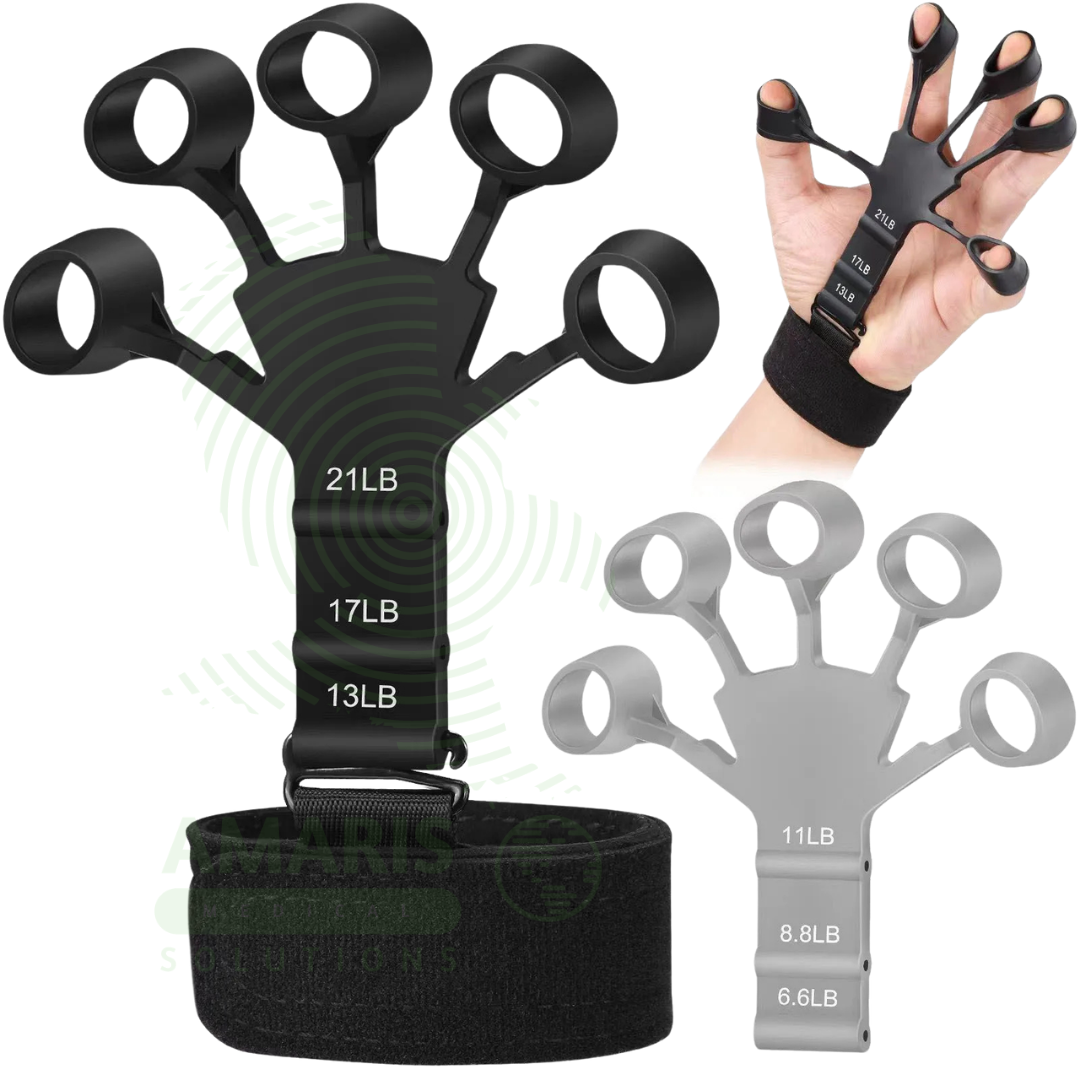
Silicone Finger Exerciser
$1.00
WhatsApp Order
A Silicone Finger Exerciser is a hand rehabilitation tool used to strengthen finger flexor and extensor muscles following hand surgery, tendon repair, arthritis, stroke, and neurological conditions. Made from medical-grade, hypoallergenic silicone, it provides variable resistance for progressive strengthening of grip, pinch, and individual finger function. Used in hand therapy, occupational therapy, and home exercise programs, it helps patients regain hand strength and dexterity needed for activities of daily living. Available in multiple resistance levels, it is portable, easy to clean, and safe for repeated use.
Description
Silicone Finger Exerciser
PRIMARY CLINICAL & DIAGNOSTIC USES
1. Strengthening Following Hand Surgery or Injury
-
Primary Use: Provides progressive resistance exercise for the fingers and hand following tendon repair, fracture fixation, joint replacement, and other hand surgeries. The silicone material offers variable resistance that strengthens the intrinsic and extrinsic muscles of the hand during rehabilitation.
-
How it helps: For the hand surgeon and occupational therapist managing patients recovering from hand surgery, the silicone finger exerciser provides a safe, progressive strengthening tool—allowing patients to rebuild grip strength, finger flexion, and extension without risking injury to healing tissues. For the patient recovering from hand surgery, the exerciser provides a tangible way to measure progress and rebuild function needed for daily activities.
2. Rehabilitation Following Tendon Injuries
-
Primary Use: Used in the rehabilitation of flexor and extensor tendon injuries of the hand and fingers, providing controlled resistance that strengthens the tendon repair while respecting the healing timeline. The soft silicone material reduces stress on healing tissues.
-
How it helps: For the hand therapist managing patients with tendon injuries, the silicone finger exerciser provides controlled resistance that can be progressed as healing allows—strengthening the repaired tendon while protecting against overstress that could cause rupture. For the patient recovering from tendon repair, the exerciser provides a safe way to rebuild strength and return to functional use of the hand.
3. Management of Arthritis and Joint Stiffness
-
Primary Use: Used by patients with osteoarthritis, rheumatoid arthritis, and post-traumatic arthritis to maintain finger mobility, reduce stiffness, and improve grip strength. The gentle resistance helps maintain joint function without excessive stress on inflamed joints.
-
How it helps: For the rheumatologist and occupational therapist managing patients with hand arthritis, the silicone finger exerciser provides gentle resistance that maintains joint mobility and muscle strength—reducing stiffness, improving function, and supporting independence in daily activities. For the patient with arthritic hands, the exerciser provides a comfortable way to maintain hand function and reduce the disability associated with joint stiffness.
4. Improvement of Grip Strength and Dexterity
-
Primary Use: Used in physical and occupational therapy to improve grip strength, pinch strength, and finger dexterity in patients with generalized weakness, neurological conditions, or deconditioning. The exerciser targets individual fingers for specific strengthening.
-
How it helps: For the physical therapist and occupational therapist working with patients who have weakness or deconditioning, the silicone finger exerciser provides targeted strengthening for the small muscles of the hand—improving grip strength, pinch control, and fine motor dexterity needed for activities of daily living. For the patient, improved hand strength translates to better ability to open jars, write, button clothing, and perform other essential tasks.
5. Neurological Rehabilitation Following Stroke
-
Primary Use: Used in the rehabilitation of stroke patients to improve hand function, reduce spasticity, and promote motor recovery of the affected upper extremity through repetitive strengthening exercises.
-
How it helps: For the neuro-rehabilitation therapist working with stroke survivors, the silicone finger exerciser provides a tool for repetitive, graded strengthening of the affected hand—promoting motor recovery, reducing spasticity, and improving functional use of the hand. For the stroke patient, regaining hand function is essential for independence in daily activities.
SECONDARY & SUPPORTIVE USES
1. Carpal Tunnel Syndrome Rehabilitation: Used to maintain finger strength and dexterity following carpal tunnel release surgery.
2. Dupuytren’s Contracture Management: Provides gentle stretching and strengthening following fasciectomy or needle aponeurotomy procedures.
3. Sports Injury Rehabilitation: Used by athletes recovering from finger sprains, dislocations, and fractures to regain strength and mobility.
4. Musician Rehabilitation: Used by musicians (guitarists, pianists, violinists) to maintain finger strength and dexterity following injury or during recovery.
5. Workplace Injury Rehabilitation: Used in occupational therapy for workers with hand injuries requiring return-to-work strengthening.
6. Preventive Conditioning: Used by individuals in occupations requiring high hand strength to maintain finger and grip function.
KEY PRODUCT FEATURES
1. BASIC IDENTIFICATION ATTRIBUTES
-
Product Type: A soft, silicone-based hand exerciser providing variable resistance for finger and grip strengthening.
-
Designation: Silicone Finger Exerciser, Hand Exerciser, Grip Strengthener, Finger Resistance Trainer, Hand Therapy Putty Alternative.
-
Key Components:
-
Silicone Material: Soft, durable, non-toxic silicone providing variable resistance.
-
Design: Available in various forms including finger bands, hand grips, putty, or individual finger exercisers.
-
Resistance Levels: Multiple color-coded resistance levels (soft, medium, firm, extra firm).
-
Individual Finger Targeting: Allows isolated strengthening of each finger.
-
2. TECHNICAL & PERFORMANCE PROPERTIES
-
Resistance: Variable; graded resistance levels for progressive strengthening.
-
Material: Medical-grade silicone; hypoallergenic, latex-free.
-
Durability: Designed for repeated use; resists tearing and deformation.
-
Washability: Easy to clean with soap and water.
-
Temperature Resistance: Can be warmed or cooled for therapeutic benefit.
3. PHYSICAL & OPERATIONAL PROPERTIES
-
Construction: Solid silicone; one-piece or multi-finger design.
-
Weight: Very lightweight for patient comfort and portability.
-
Portability: Compact for use at home, office, or during travel.
-
Hygiene: Easy to clean; does not absorb moisture or bacteria.
4. SAFETY & COMPLIANCE ATTRIBUTES
-
Regulatory Status: Class I medical device (when marketed for therapeutic use).
-
Biocompatibility: Medical-grade silicone safe for skin contact.
-
Latex-Free: Contains no natural rubber latex.
-
Non-Toxic: Phthalate-free, BPA-free.
5. STORAGE & HANDLING ATTRIBUTES
-
Storage: Store in a clean, dry location.
-
Cleaning: Wash with mild soap and water; air dry.
-
Inspection: Regularly inspect for tears or damage; replace if compromised.
6. LABORATORY & CLINICAL APPLICATIONS
-
Primary Application: Hand strengthening, finger rehabilitation, and grip improvement following surgery, injury, or neurological conditions.
-
Clinical Role: Used in hand therapy, occupational therapy, physical therapy, and home exercise programs.
SAFETY HANDLING PRECAUTIONS
1. SAFETY PRECAUTIONS
-
Progressive Resistance: Start with appropriate resistance level; increase gradually as strength improves.
-
Pain Response: Discontinue if sharp pain occurs; mild muscle fatigue expected.
-
Proper Technique: Use as directed by therapist; avoid overuse.
-
Skin Integrity: Check skin for irritation before and after use.
-
Not for Open Wounds: Do not use hands with open wounds, active infection, or unhealed surgical incisions.
2. FIRST AID MEASURES
-
Skin Irritation: If skin irritation develops, discontinue use; clean area; contact provider if irritation persists.
-
Overuse: If muscle soreness is excessive, rest; ice if needed; reduce repetitions or resistance.
3. FIRE FIGHTING MEASURES
-
Flammability: Silicone is combustible at high temperatures.
-
Extinguishing Media: Use water, foam, or CO₂ as appropriate for surrounding materials.
Related products
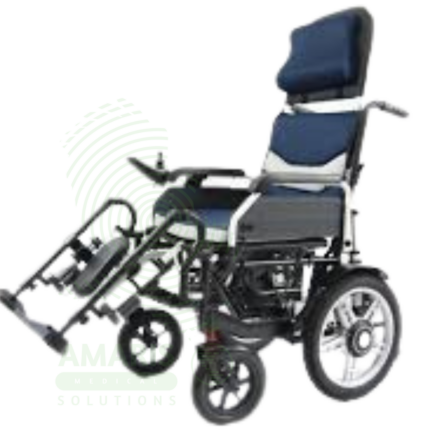
Electric Reclining Wheelchair
An Electric Reclining Wheelchair is a sophisticated powered mobility device that provides both independent locomotion and powered positioning. It features a motorized backrest that reclines to near-horizontal and synchronized elevating leg rests, allowing users to independently manage pressure relief, circulation, breathing, and comfort without leaving the chair. Prescribed for individuals with complex needs such as spinal cord injuries, severe fatigue, or circulatory disorders, it enhances independence and medical stability. Its use requires thorough training due to the significant change in stability and footprint when reclined, and it demands more rigorous maintenance than standard power chairs.
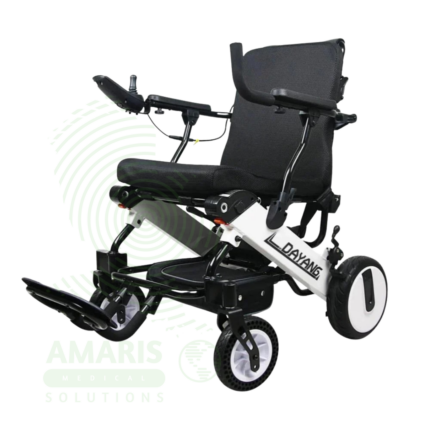
Electric Wheelchair
An Electric Wheelchair is a battery-powered mobility device prescribed for individuals with significant mobility impairments who cannot self-propel a manual chair. It provides independent indoor and outdoor mobility through a joystick or alternative control system. Key features often include power seating functions (tilt, recline) for pressure relief and postural support, and are available in various drive configurations (rear, mid, front-wheel) for different environments. As complex rehabilitation technology, it requires professional evaluation, user training, and regular maintenance to ensure safe operation, enhance independence, and improve the user's quality of life.
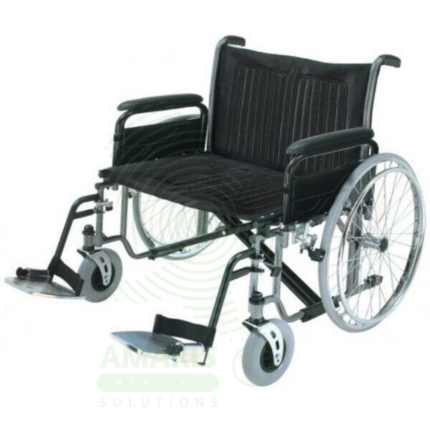
Extra Wide Wheelchair
An Extra Wide Wheelchair is a heavy-duty manual wheelchair designed with a seat width greater than 20 inches to safely and comfortably accommodate bariatric patients or individuals with unique seating needs. Key features include a reinforced wide frame, high weight capacity, wide footrests, and robust components. Its primary use is to provide dignified and stable mobility for patients of size, though its increased dimensions require careful planning for doorway accessibility and make it heavier and less maneuverable than standard chairs. It is a fundamental tool for safe patient handling in bariatric care.
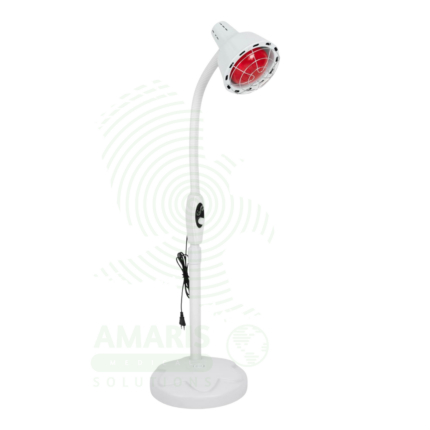
Infrared Therapy Lamp Stand
An Infrared Therapy Lamp Stand is a professional-grade, floor-standing device that emits broad-spectrum infrared radiation to deliver deep-heat therapy to large areas of the body. Designed for clinical use in physical therapy, chiropractic, and pain management clinics, it features adjustable height and tilt panels on a stable, mobile stand for targeted treatment of the back, shoulders, and legs. Its primary uses include pain relief for musculoskeletal conditions, tissue warming for rehabilitation, and promoting muscle relaxation. Safe operation requires strict adherence to contraindications, treatment time/distance guidelines, and continuous patient monitoring to prevent burns or overheating.
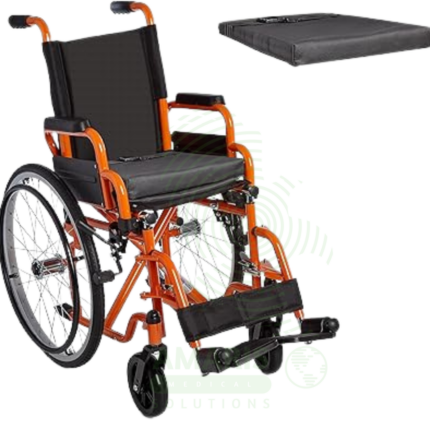
Pediatric Wheelchair
A Pediatric Wheelchair is a specially sized and designed mobility device for children with long-term physical disabilities. Its core functions are to provide independent or assisted mobility, deliver critical postural support to promote proper skeletal development and prevent deformities, and serve as a platform for inclusion in home, school, and community life. Unlike adult chairs, it features extensive adjustability to accommodate growth and modular seating systems tailored to each child's specific postural and medical needs. Prescription and fitting by a rehabilitation team are essential for safe and effective use.
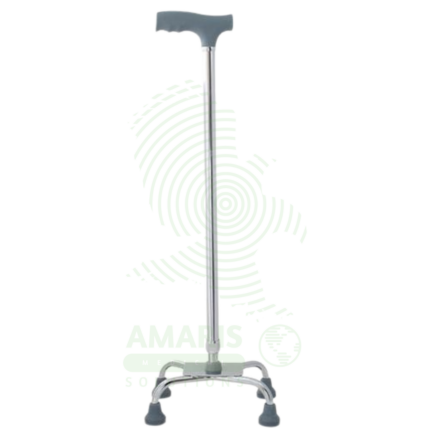
Quadpod Walking Stick
A Quadpod Walking Stick (Quad Cane) is a mobility aid featuring a four-legged base attached to a single shaft, providing significantly greater stability than a standard cane. It is designed for individuals with moderate balance issues or who need to safely offload weight from one leg due to pain or injury. Its wide base offers multi-directional support but requires a specific "lift-and-place" gait technique. While offering more security, its wider footprint can be cumbersome in tight spaces. Proper fitting and user training are essential for safe and effective use as a medically prescribed aid.
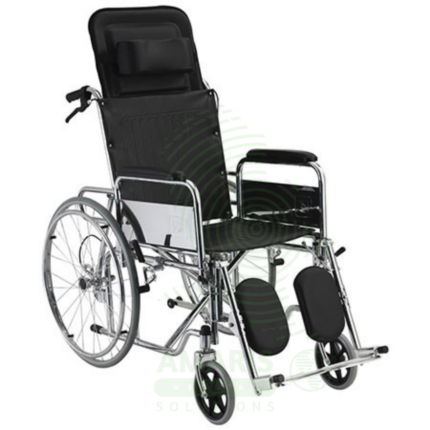
Reclining Wheelchair
A Reclining Wheelchair is a manual wheelchair with a backrest that can be manually adjusted to various angles. It is designed for users who need to change their sitting position for pressure relief, circulatory management, respiratory support, or comfort but do not require powered mobility. Key safety features include a robust locking mechanism, mandatory use of anti-tip levers and a seat belt when reclined, and synchronized elevating leg rests to prevent sliding. It is heavier and less maneuverable than a standard wheelchair but provides essential positioning options for individuals with specific postural and medical needs.