Dermatoscope and Magnifiers
 Diagnostic Kits
 Vital Signs Monitors
 Stethoscopes and Accessories
 Otoscopes, Ophthalmoscopes, and Retinoscopes
 Reflex Hammers and Neurological Tools
 Scales and Measuring Devices
 Spirometers and Pulmonary Function Tests
 Electrosurgical Units and Accessories
 Cutting Instruments
 Grasping and Holding Instruments
 Hemostatic Instruments
 Specialized Surgical Sets
 Single-Use Procedure Trays and Packs
 Surgical Drapes, Gowns, and Covers
 Tissue Unifying Instruments
 Radiation Protection
 X-Ray Machines and Accessories
 Ultrasound Systems and Probes
 MRI and CT Scanners
 Radiology Consumables
 Bone Densitometers
 Fluoroscopy Equipment
 Imaging Tables and Positioning Aids
 Microscopes and Accessories
 Centrifuges and Separators
 Analyzers
 Incubators and Ovens
 Pipettes, Dispensers, and Lab Glassware
 Refrigerators, Freezers, and Storage Units
 Lab Consumables
 Sterilizers and Autoclaves for Lab Use
 Multi-Parameter Monitors
 Ventilators and Respiratory Support Devices
 Defibrillators and AEDs
 Infusion Pumps and IV Systems
 Patient Warmers and Cooling Devices
 Central Monitoring Stations
 Accessories
 Anesthesia Machines and Workstations
 Oxygen Concentrators and Delivery Systems
 Nebulizers and Inhalers
 CPAP/BiPAP Machines
 Airway Management
 Anesthesia Masks, Circuits, and Bags
 Humidifiers and Heaters
 Respiratory Therapy Accessories
 First Aid Kits and Cabinets
 Emergency Resuscitation Equipment
 Trauma Supplies
 Emergency Carts and Crash Carts
 Burn Care Products
 Bleeding Control
 Automated External Defibrillators (AEDs)
 Transport and Evacuation
 Wheelchairs and Accessories
 Walkers, Crutches, and Canes
 Prosthetics and Orthotics
 Physical Therapy Equipment
 Transfer Devices
 Bathroom Safety
 Orthopedic Traction and Tables
 Hot/Cold Therapy Packs and Units
 Beds and Mattresses
 Chairs and Stools
 Tables
 Cabinets and Storage
 Privacy Screens & Curtains
 Stands and Racks
 Linens and Textiles
 Lighting
 Autoclaves and Sterilizers
 Ultrasonic Cleaners
 Disinfectant Solutions and Wipes
 Sterilization Pouches, Wraps, and Indicators
 Instrument Trays and Containers
 UV and Ozone Disinfection Devices
 Washer Disinfectors
 Wound Care
 Gloves
 Masks and Respirators
 Catheters and Tubing
 Swabs, Applicators, and Sponges
 Incontinence Products
 Personal Protective Equipment (PPE)
 Dental Chairs and Units
 Handpieces and Burs
 Instruments
 Consumables
 Sterilization for Dental Use
 Orthodontic Supplies
 Endodontic Tools
 Slit Lamps and Tonometers
 Lensometers and Phoropters
 Ophthalmic Surgical Instruments
 Eyewear Frames and Lenses
 Contact Lens Supplies
 Vision Testing Charts and Devices
 Eye Care Consumables
 Laser Systems for Eye Care
 ENT Exam Chairs and Tables
 Endoscopes
 Audiometers and Hearing Tests
 ENT Instruments
 Nasal and Throat Packs
 Hearing Aids and Accessories
 Otology Supplies
 Fetal Dopplers and Monitors
 Delivery Beds and Tables
 Gynecological Instruments
 Neonatal Incubators and Warmers
 Breast Pumps and Accessories
 Contraceptive Devices
 Maternity Supports and Pads
 Neonatal Consumables
 Cystoscopes and Urethroscopes
 Dialysis Machines and Supplies
 Urological Catheters and Bags
 Lithotripters
 Prostate Treatment Devices
 Urinary Incontinence Products
 Kidney Stone Management Tools
 Consumables & Disposables
 EEG and EMG Machines
 Neurosurgical Instruments
 Nerve Stimulators
 Headrests and Positioning Aids
 Lumbar Puncture Kits
 Seizure Monitoring Devices
 Consumables
 Rehabilitation for Neurological Conditions
 ECG Machines and Accessories
 Holter Monitors
 Stress Test Systems
 Pacemakers and Defibrillator Accessories
 Vascular Access Devices
 Cardiac Catheters and Guidewires
 Blood Flow Meters
 Consumables
 Orthopedic Instruments
 Casts, Splints, and Padding
 Joint Replacement Supplies
 Prosthetic Limbs and Components
 Bone Grafts and Substitutes
 Traction Devices
 Orthopedic Braces and Supports
 Rehabilitation Aids for Orthopedics
 Home Oxygen Therapy
 Hospital Beds for Home Use
 Mobility Aids
 Bathroom and Daily Living Aids
 Wound Care for Home
 Monitoring Devices
 Enteral Feeding Pumps and Tubes
 Hand Sanitizers and Dispensers
 Face Shields and Goggles
 Isolation Gowns and Suits
 Biohazard Waste Containers
 Air Purifiers and HEPA Filters
 Surface Disinfectants
 Sharps Containers
 Protective Barriers
 Cardiovascular & Endurance Training
 Strength Training & Weightlifting
 Functional Training & Core Conditioning
 Physical Therapy & Rehabilitation
 Sports & Outdoor Recreation
 Gym Flooring & Facility Equipment
 Fitness Monitoring & Accessories
 Kids & Novelties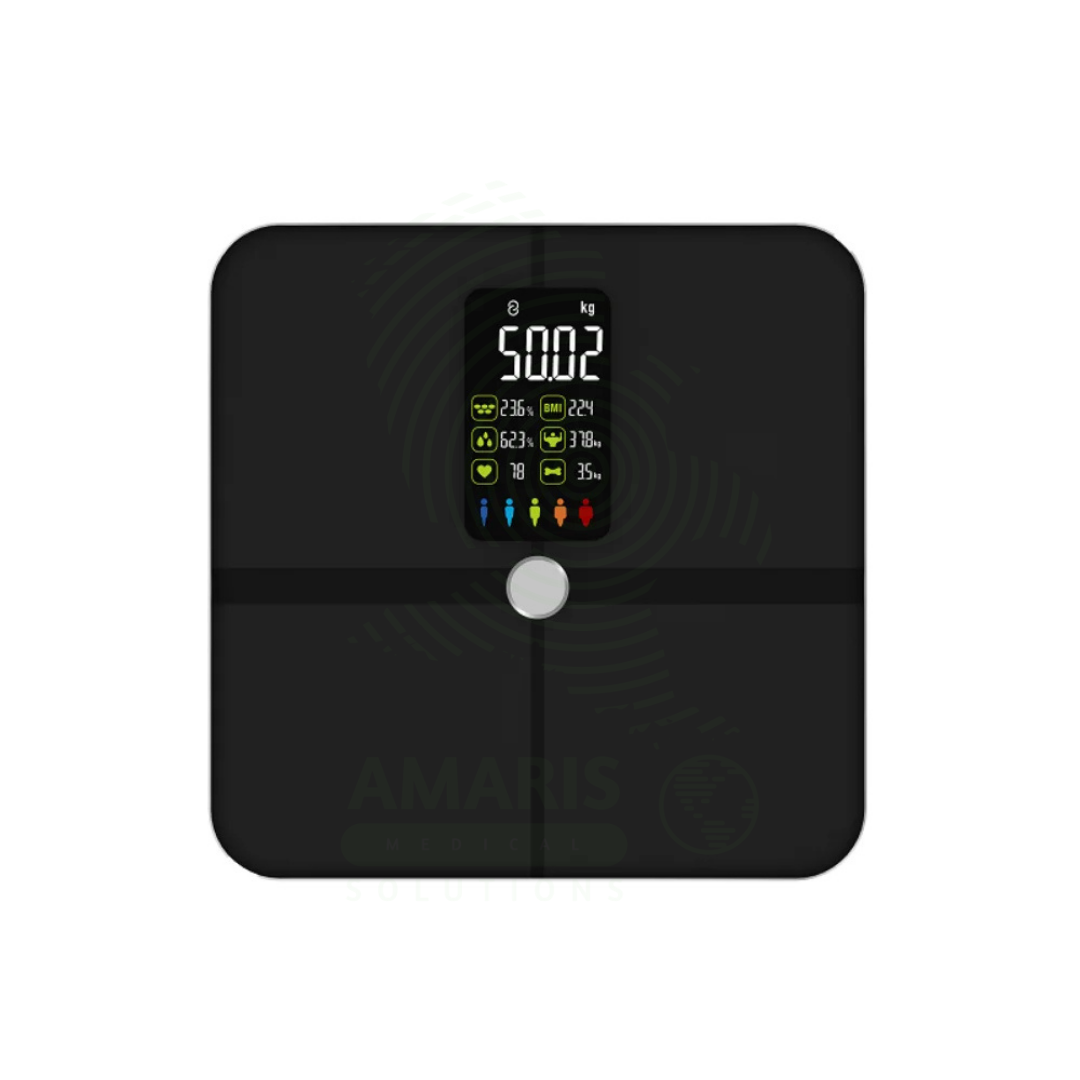
Smart Weighting Scale With Bluetooth
$1.00
WhatsApp Order
A Smart Weighting Scale With Bluetooth is a digital body weight scale with integrated wireless technology that transmits weight measurements from home to smartphones and healthcare platforms for remote patient monitoring. Features four high-precision strain gauge sensors providing accuracy ±0.1-0.3 kg, tempered glass or reinforced plastic platform with 180-400 lb capacity, backlit LCD display, and Bluetooth 4.0-5.0 LE connectivity. Advanced models include bioelectrical impedance analysis (BIA) for body composition (body fat, muscle mass, bone mass, hydration, visceral fat). Primary clinical applications include remote weight monitoring in heart failure management (early fluid overload detection), obesity and weight management programs, bariatric surgery pre/post-operative monitoring, chronic kidney disease fluid management, pregnancy weight gain tracking, telehealth programs, and medication-induced weight change surveillance. Class I medical device (weight function); Class II if body composition claims made. Critical safety considerations include weight capacity limits, platform integrity inspection, proper surface placement (hard, level), standardized weighing conditions, BIA contraindications (pacemakers, ICDs, pregnancy), and rapid weight gain recognition in heart failure patients.
Description
Smart Weighting Scale With Bluetooth
PRIMARY CLINICAL & DIAGNOSTIC USES
1. Remote Weight Monitoring in Heart Failure Management:
-
Primary Use: Enables daily weight tracking for patients with congestive heart failure, allowing early detection of rapid weight gain indicative of fluid retention and impending decompensation. Bluetooth transmission alerts healthcare providers to concerning trends, facilitating early intervention and reducing hospital readmissions.
-
How it helps: Serves as a life-saving early warning system for heart failure patients, catching the subtle daily weight gains that signal fluid buildup days before symptoms become severe, allowing doctors to adjust medications and prevent hospitalization.
2. Obesity and Weight Management Programs:
-
Primary Use: Provides objective, serial weight data for patients enrolled in medically supervised weight loss programs, enabling providers to track progress, adjust dietary and exercise recommendations, and maintain patient accountability between visits.
-
How it helps: Transforms weight loss from guesswork into a data-driven journey, giving patients and their providers clear evidence of progress that motivates continued effort and allows for timely adjustments when results stall.
3. Bariatric Surgery Pre- and Post-Operative Monitoring:
-
Primary Use: Candidates for bariatric surgery require documented weight trends for insurance approval and pre-operative preparation. Post-operatively, daily or weekly weights help track expected weight loss and identify plateaus or complications requiring intervention.
-
How it helps: Supports patients through their entire weight loss surgery journey, from documenting the need for surgery to celebrating post-operative success, while alerting the surgical team if weight loss stalls or complications arise.
4. Chronic Kidney Disease Fluid Management:
-
Primary Use: Patients with CKD, particularly those on dialysis or with fluid restrictions, use daily weights to monitor fluid status, detect fluid overload, and guide diuretic adjustments in coordination with nephrology providers.
-
How it helps: Protects kidney patients from dangerous fluid overload by providing daily data that helps nephrologists fine-tune diuretic doses and dialysis schedules, preventing complications and hospitalizations.
5. Pregnancy Weight Gain Tracking:
-
Primary Use: Obstetric providers monitor maternal weight gain throughout pregnancy to ensure appropriate fetal growth and detect inadequate or excessive gain that may indicate complications such as gestational hypertension or diabetes.
-
How it helps: Gives expectant mothers and their obstetricians a simple way to track one of the most important indicators of fetal health, catching problems with weight gain early when interventions can make the biggest difference.
6. Congestive Heart Failure Telehealth Programs:
-
Primary Use: Medicare and insurance reimbursed remote patient monitoring programs utilize connected scales to track daily weights in heart failure patients, with automatic alerts for significant changes requiring clinical intervention.
-
How it helps: Extends the reach of heart failure care beyond the clinic walls, allowing healthcare teams to monitor dozens of patients at once and intervene immediately when concerning trends appear, all without requiring patients to travel for appointments.
7. Medication-Induced Weight Change Monitoring:
-
Primary Use: Patients on medications known to cause weight gain (antipsychotics, antidepressants, corticosteroids) or weight loss (chemotherapy, thyroid medications) can be monitored remotely to detect trends requiring medication adjustment.
-
How it helps: Helps doctors and patients track the real-world effects of medications on weight, allowing for timely adjustments that can prevent distressing weight changes before they become entrenched.
SECONDARY & SUPPORTIVE USES
1. Fitness and Wellness Tracking: Health-conscious individuals monitor weight trends in response to exercise and nutrition programs, supporting personal wellness goals and healthy lifestyle maintenance.
2. Athletic Performance Monitoring: Athletes track weight fluctuations related to hydration status and training loads, helping optimize performance and prevent dehydration during intense training.
3. Clinical Trial Endpoint Data: Pharmaceutical and device research studies use connected scales to capture accurate weight data from participants between site visits, improving the quality of research data.
4. Telehealth Integration: Virtual care platforms integrate scale data for remote chronic disease management visits, making telemedicine visits more effective and comprehensive.
5. Family Health Tracking: Multi-user scales with automatic user recognition allow entire households to track individual weight trends, supporting family-wide health and wellness goals.
KEY PRODUCT FEATURES
1. BASIC IDENTIFICATION ATTRIBUTES
-
Device Type: Digital body weight scale with integrated Bluetooth wireless technology for data transmission to smartphones and healthcare platforms.
-
Common Names: Smart Scale, Bluetooth Scale, Connected Scale, Digital Body Weight Scale, Wi-Fi Scale (some models).
-
Components:
-
Scale Platform: Tempered glass or reinforced plastic platform with strain gauge sensors.
-
Display: Backlit LCD showing weight, unit of measure, and Bluetooth status.
-
Bluetooth Module: Bluetooth 4.0-5.0 Low Energy for data transmission.
-
Power Source: 3-4×AAA batteries or rechargeable lithium-ion with USB charging.
-
Foot Electrodes: Stainless steel or conductive glass areas for body composition models.
-
-
Weight Capacity: 180-200 kg (400-450 lbs) standard; bariatric models available up to 300 kg (660 lbs).
-
Graduation: 0.1 kg or 0.2 lb increments for clinical accuracy.
2. TECHNICAL & PERFORMANCE PROPERTIES
-
Weight Measurement:
-
Technology: Four high-precision strain gauge sensors for accurate weight distribution.
-
Accuracy: ±0.1 kg (±0.2 lb) for clinical-grade models; ±0.2-0.3 kg (±0.4-0.6 lb) for consumer models.
-
Auto-Calibration: Self-calibrating upon power-up; no manual calibration required.
-
Auto-On/Off: Activates when stepping on platform; shuts off automatically after use.
-
Unit Selection: Switchable between kg, lb, and st (stones) depending on market.
-
-
Body Composition Analysis (select models):
-
Technology: Bioelectrical impedance analysis (BIA) through foot electrodes.
-
Parameters: Body fat percentage, muscle mass, bone mass, body water percentage, visceral fat rating.
-
Athlete Mode: Adjusted algorithms for athletic populations with different body composition.
-
-
Bluetooth Connectivity:
-
Protocol: Bluetooth 4.0-5.0 LE with automatic device discovery.
-
Transmission Range: Up to 10 meters (33 feet) unobstructed.
-
Data Synchronization: Automatic sync on measurement completion when phone is in range.
-
Compatibility: iOS 12+ and Android 8+ with manufacturer-specific health apps.
-
Multi-User Support: Automatic user recognition based on weight profile (within ±1-2 kg tolerance).
-
-
Memory and Data Management:
-
Internal Storage: 8-16 users; 100-1000 readings per user stored in app.
-
Trend Analysis: Weight graphs, rate of change, goal tracking in companion app.
-
Export Options: PDF, CSV, or direct sharing to healthcare providers via patient portals.
-
Integration: Apple Health, Google Fit, Fitbit, and other health platforms.
-
3. PHYSICAL & OPERATIONAL PROPERTIES
-
Platform Dimensions: 30-35 cm × 30-35 cm (12-14 inches square) standard.
-
Platform Material: Tempered glass (most common) or reinforced ABS plastic.
-
Thickness: 2-4 cm (0.8-1.6 inches) low profile for easy storage.
-
Display: 2.5-3.5 inch backlit LCD with large numerals (2-3 cm height).
-
Foot Electrodes: Stainless steel strips or conductive glass areas on platform surface.
-
Weight: 1.5-2.5 kg (3.3-5.5 lbs) depending on materials.
-
Battery Life: 6-12 months with daily use (AAA batteries); rechargeable models: 3-6 months per charge.
-
Non-Slip Feet: Rubberized pads for stability on hard floors; some models include carpet feet for soft surfaces.
-
Operating Environment: 5-40°C, 20-90% RH non-condensing.
-
Storage Environment: -20-60°C, 10-95% RH.
4. SAFETY & COMPLIANCE ATTRIBUTES
-
Regulatory Status: Class I medical device for weight measurement; Class II if body composition claims are made (FDA 510(k) required).
-
Clinical Standards: Meets accuracy requirements per OIML R76 (international weighing instrument standard).
-
Electrical Safety: Compliant with IEC 60601-1 for medical electrical equipment when marketed as a medical device.
-
EMC Compliance: IEC 60601-1-2 electromagnetic compatibility; immune to typical household interference.
-
Bioelectrical Impedance Safety: Microcurrent (50-500 µA) at 20-50 kHz; safe for general population; contraindicated for patients with implantable devices.
-
Weight Capacity: Clearly marked on device; do not exceed.
-
Data Security: Bluetooth encryption prevents unauthorized access; HIPAA-compliant cloud options for clinical use.
-
Ingress Protection: IP21-IP22 protected against dripping water and solid objects >12.5mm.
5. STORAGE & HANDLING ATTRIBUTES
-
Storage: Store upright or flat in a clean, dry environment; avoid extreme temperatures and humidity.
-
Cleaning: Wipe with damp cloth and mild soap; do not immerse; avoid abrasive cleaners that damage glass or electrodes.
-
Battery Maintenance: Remove batteries if storing long-term; recharge rechargeable models every 3 months during storage.
-
Calibration: Factory calibrated; field calibration not required. Verify accuracy annually with known reference weight if concerned.
-
Software Updates: Install app and firmware updates when available for feature improvements and security patches.
-
Inspection: Before each use, verify platform integrity, display function, and battery status. Check for cracks in the glass platform.
6. LABORATORY & CLINICAL APPLICATIONS
-
Primary Application: Home weight monitoring with wireless data transmission for remote patient monitoring in heart failure, obesity management, bariatric surgery, chronic kidney disease, pregnancy, and medication-induced weight change surveillance.
-
Clinical Validation: Accuracy within ±0.1-0.3 kg validated against clinical grade scales; studies demonstrate improved adherence and outcomes with connected scales in heart failure populations.
-
Limitations: Body composition measurements (BIA) are estimates, not diagnostic; accuracy affected by hydration status, food intake, and exercise timing. Not for patients with implantable electronic devices (pacemakers, ICDs).
SAFETY HANDLING PRECAUTIONS
1. SAFETY PRECAUTIONS
-
Weight Capacity: Do not exceed maximum weight capacity; platform failure may cause injury.
-
Platform Integrity: Inspect glass platform for cracks before each use; do not use it if damaged.
-
Surface Placement: Place on hard, level surface; carpet or uneven flooring affects accuracy.
-
Measurement Conditions: Weigh at same time daily (morning preferred), without clothing, after voiding, before eating or drinking.
-
Body Composition Timing: BIA measurements affected by hydration; standardize timing (morning before drinking).
-
Implantable Device Contraindication: Do not use BIA function in patients with pacemakers, ICDs, or other implanted electronic devices; standard weight function only.
-
Pregnancy: BIA not validated in pregnancy; use weight function only.
-
Multi-User Recognition: Verify correct user assignment in app; manual override if recognition fails.
-
Bluetooth Security: Ensure app permissions configured appropriately; use secure Wi-Fi for data transmission.
-
Not for Diagnostic Use: BIA measurements are estimates for tracking trends, not diagnostic of medical conditions.
2. FIRST AID MEASURES
-
Rapid Weight Gain (Heart Failure): If weight increases >2-3 kg (4-6 lbs) in 24-48 hours with symptoms (shortness of breath, edema), contact a healthcare provider immediately.
-
Platform Breakage: If glass cracks during use, step off carefully; assess for injury; dispose of damaged scale properly.
-
Battery Leakage: Remove batteries immediately; avoid skin contact with electrolyte; clean compartment with vinegar if alkaline.
-
Implantable Device Concern: If a patient with pacemaker inadvertently uses BIA function, no evidence of harm but monitor for symptoms; discontinue BIA use.
3. FIRE FIGHTING MEASURES
-
Flammability: Plastic components and batteries are combustible.
-
Extinguishing Media: For electrical fire, use CO₂ or dry chemical (Class C) extinguisher.
-
Battery Fire: Damaged lithium battery may ignite; use Class D extinguisher or sand.
Related products
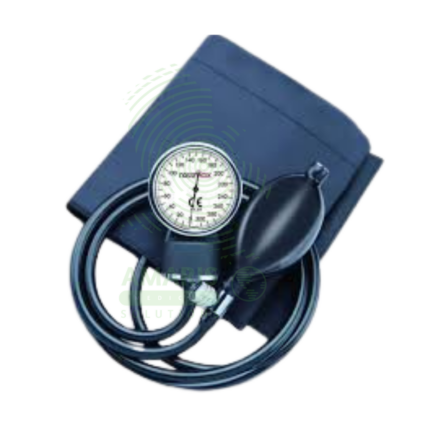
Aneroid Blood Pressure Monitor
The Aneroid Blood Pressure Monitor is a manual, mechanical sphygmomanometer used for the accurate, non-invasive measurement of arterial blood pressure. Operating on the auscultatory method, it consists of an inflatable cuff, a pump bulb with a release valve, and a calibrated dial gauge. Renowned for its reliability, durability, and independence from electrical power, it serves as a clinical gold standard and essential tool in physician offices, hospitals, and for guided home monitoring. Its accuracy is dependent on proper technique, correct cuff size, and regular calibration, making it a fundamental device for diagnosing and managing hypertension and assessing cardiovascular health.
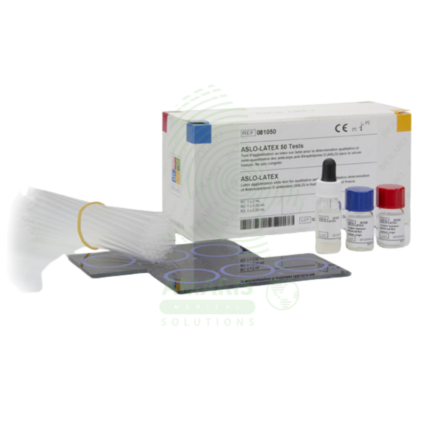
Anti-Streptol Olysin O Titer (ASOT)
Anti-Streptol Olysin O Titer (ASOT) is a quantitative or semi-quantitative serological test (latex agglutination, turbidimetry, nephelometry, or ELISA) for detecting antibodies against streptolysin O, an exotoxin produced by Group A Streptococcus. Elevated or rising titers indicate recent streptococcal infection and are essential for diagnosing post-streptococcal sequelae including acute rheumatic fever (Jones criteria) and post-streptococcal glomerulonephritis. The test requires serum samples; acute and convalescent (2-4 weeks apart) with fourfold rise confirms recent infection. Reference range typically <200-250 Todd units/mL (adults), varies by age and population. Primary clinical applications include diagnosis of Group A streptococcal infections, acute rheumatic fever evaluation, post-streptococcal glomerulonephritis diagnosis, differentiation of acute vs. past infection, evaluation of unexplained arthritis or carditis, pediatric inflammatory conditions (PANDAS), and monitoring disease activity in rheumatic fever. Critical safety precautions include proper timing of acute and convalescent samples, awareness of false negatives/positives, clinical correlation for diagnosis, and standard biohazard precautions. Essential test for rheumatology, nephrology, cardiology, and infectious disease practice.
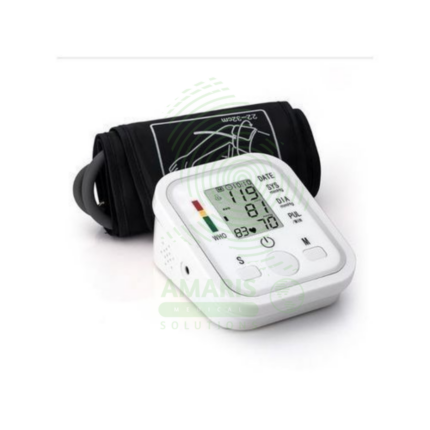
Digital Blood Pressure Monitor
A Digital Blood Pressure Monitor is an automatic electronic device that measures and displays systolic pressure, diastolic pressure, and pulse rate using the oscillometric method. Designed primarily for home and clinical use, it offers a user-friendly alternative to manual aneroid devices, requiring minimal training. Key features often include irregular heartbeat detection, multi-user memory, and connectivity for data tracking. Its accuracy, when clinically validated and used with correct technique, makes it an indispensable tool for the diagnosis and management of hypertension, empowering patients and supporting healthcare providers with reliable ambulatory data.
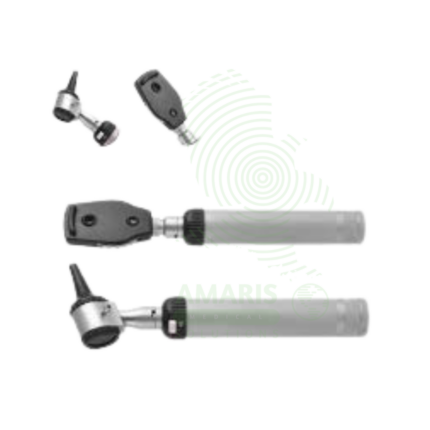
Ophthalmoscope
An Ophthalmoscope is a handheld diagnostic instrument used to examine the interior of the eye, specifically the fundus (retina, optic disc, blood vessels, and macula). By providing illuminated magnification, it serves as a vital screening tool for detecting ocular diseases like glaucoma and retinal disorders, and more importantly, for identifying signs of systemic conditions such as diabetes, hypertension, and increased intracranial pressure. Its operation involves selecting appropriate apertures and compensating lenses to obtain a clear view. While offering a detailed but narrow field of vision, mastery of the direct ophthalmoscope remains a cornerstone skill in general medicine, neurology, and ophthalmology for assessing vascular and neurological health.
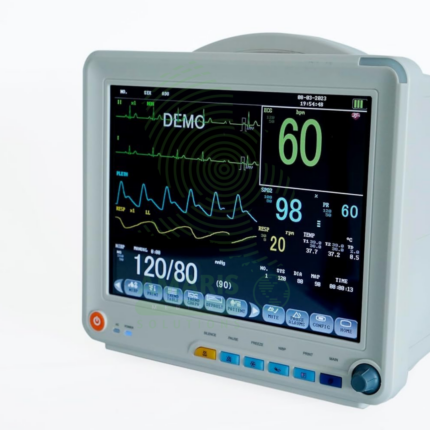
Patient Monitor
The Patient Monitor (6 Parameters BCCMS8000) is a versatile multi-parameter monitor designed for continuous surveillance of core vital signs in various clinical settings. It tracks six essential parameters—ECG, SpO2, Non-Invasive Blood Pressure (NIBP), Respiration, Temperature, and Pulse Rate—providing clinicians with real-time waveforms and numerical data on a clear color display. With its robust alarm system, battery backup for transport, and reliable performance, it is a fundamental tool for ensuring patient safety on general hospital wards, during procedures, and in emergency departments. Its design balances comprehensive monitoring capability with user-friendly operation.
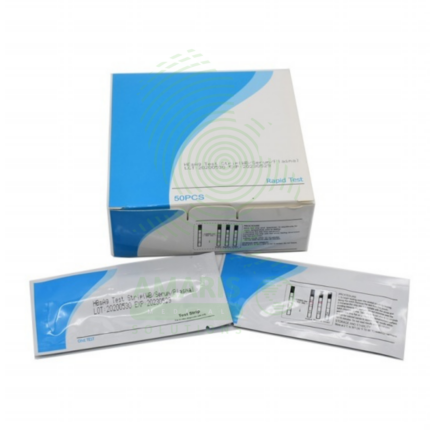
Rapid Test Kits (HIV, HBV, HCV, Malaria)
Rapid Test Kits for HIV, HBV, HCV, and Malaria are single-use, immunochromatographic devices designed for the quick, preliminary screening of these critical infectious diseases at the point of care. By detecting specific antibodies or antigens in a small blood sample (or oral fluid for some HIV tests), they provide a visual result within 15-30 minutes without the need for laboratory equipment. Their primary role is to expand access to testing in community and resource-limited settings, enabling immediate counseling, triage, and referral for confirmatory testing and treatment. As essential tools in public health, they are characterized by their simplicity, speed, and critical importance in early diagnosis and outbreak response.
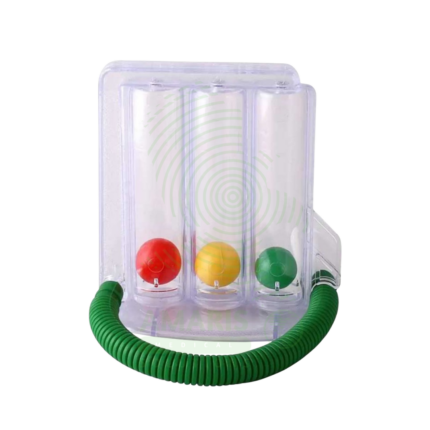
Spirometer
A Spirometer is an essential diagnostic medical device used to measure how much and how quickly air can be inhaled and exhaled by the lungs. By performing forced breathing maneuvers, it generates key parameters—primarily Forced Vital Capacity (FVC) and Forced Expiratory Volume in 1 second (FEV1)—that are fundamental for diagnosing and monitoring obstructive and restrictive lung diseases like Asthma and COPD. Requiring daily calibration and strict adherence to international standards (ATS/ERS), it provides the objective, reproducible data needed for clinical decision-making in pulmonology, primary care, occupational health, and pre-operative assessment.