Dermatoscope and Magnifiers
 Diagnostic Kits
 Vital Signs Monitors
 Stethoscopes and Accessories
 Otoscopes, Ophthalmoscopes, and Retinoscopes
 Reflex Hammers and Neurological Tools
 Scales and Measuring Devices
 Spirometers and Pulmonary Function Tests
 Electrosurgical Units and Accessories
 Cutting Instruments
 Grasping and Holding Instruments
 Hemostatic Instruments
 Specialized Surgical Sets
 Single-Use Procedure Trays and Packs
 Surgical Drapes, Gowns, and Covers
 Tissue Unifying Instruments
 Radiation Protection
 X-Ray Machines and Accessories
 Ultrasound Systems and Probes
 MRI and CT Scanners
 Radiology Consumables
 Bone Densitometers
 Fluoroscopy Equipment
 Imaging Tables and Positioning Aids
 Microscopes and Accessories
 Centrifuges and Separators
 Analyzers
 Incubators and Ovens
 Pipettes, Dispensers, and Lab Glassware
 Refrigerators, Freezers, and Storage Units
 Lab Consumables
 Sterilizers and Autoclaves for Lab Use
 Multi-Parameter Monitors
 Ventilators and Respiratory Support Devices
 Defibrillators and AEDs
 Infusion Pumps and IV Systems
 Patient Warmers and Cooling Devices
 Central Monitoring Stations
 Accessories
 Anesthesia Machines and Workstations
 Oxygen Concentrators and Delivery Systems
 Nebulizers and Inhalers
 CPAP/BiPAP Machines
 Airway Management
 Anesthesia Masks, Circuits, and Bags
 Humidifiers and Heaters
 Respiratory Therapy Accessories
 First Aid Kits and Cabinets
 Emergency Resuscitation Equipment
 Trauma Supplies
 Emergency Carts and Crash Carts
 Burn Care Products
 Bleeding Control
 Automated External Defibrillators (AEDs)
 Transport and Evacuation
 Wheelchairs and Accessories
 Walkers, Crutches, and Canes
 Prosthetics and Orthotics
 Physical Therapy Equipment
 Transfer Devices
 Bathroom Safety
 Orthopedic Traction and Tables
 Hot/Cold Therapy Packs and Units
 Beds and Mattresses
 Chairs and Stools
 Tables
 Cabinets and Storage
 Privacy Screens & Curtains
 Stands and Racks
 Linens and Textiles
 Lighting
 Autoclaves and Sterilizers
 Ultrasonic Cleaners
 Disinfectant Solutions and Wipes
 Sterilization Pouches, Wraps, and Indicators
 Instrument Trays and Containers
 UV and Ozone Disinfection Devices
 Washer Disinfectors
 Wound Care
 Gloves
 Masks and Respirators
 Catheters and Tubing
 Swabs, Applicators, and Sponges
 Incontinence Products
 Personal Protective Equipment (PPE)
 Dental Chairs and Units
 Handpieces and Burs
 Instruments
 Consumables
 Sterilization for Dental Use
 Orthodontic Supplies
 Endodontic Tools
 Slit Lamps and Tonometers
 Lensometers and Phoropters
 Ophthalmic Surgical Instruments
 Eyewear Frames and Lenses
 Contact Lens Supplies
 Vision Testing Charts and Devices
 Eye Care Consumables
 Laser Systems for Eye Care
 ENT Exam Chairs and Tables
 Endoscopes
 Audiometers and Hearing Tests
 ENT Instruments
 Nasal and Throat Packs
 Hearing Aids and Accessories
 Otology Supplies
 Fetal Dopplers and Monitors
 Delivery Beds and Tables
 Gynecological Instruments
 Neonatal Incubators and Warmers
 Breast Pumps and Accessories
 Contraceptive Devices
 Maternity Supports and Pads
 Neonatal Consumables
 Cystoscopes and Urethroscopes
 Dialysis Machines and Supplies
 Urological Catheters and Bags
 Lithotripters
 Prostate Treatment Devices
 Urinary Incontinence Products
 Kidney Stone Management Tools
 Consumables & Disposables
 EEG and EMG Machines
 Neurosurgical Instruments
 Nerve Stimulators
 Headrests and Positioning Aids
 Lumbar Puncture Kits
 Seizure Monitoring Devices
 Consumables
 Rehabilitation for Neurological Conditions
 ECG Machines and Accessories
 Holter Monitors
 Stress Test Systems
 Pacemakers and Defibrillator Accessories
 Vascular Access Devices
 Cardiac Catheters and Guidewires
 Blood Flow Meters
 Consumables
 Orthopedic Instruments
 Casts, Splints, and Padding
 Joint Replacement Supplies
 Prosthetic Limbs and Components
 Bone Grafts and Substitutes
 Traction Devices
 Orthopedic Braces and Supports
 Rehabilitation Aids for Orthopedics
 Home Oxygen Therapy
 Hospital Beds for Home Use
 Mobility Aids
 Bathroom and Daily Living Aids
 Wound Care for Home
 Monitoring Devices
 Enteral Feeding Pumps and Tubes
 Hand Sanitizers and Dispensers
 Face Shields and Goggles
 Isolation Gowns and Suits
 Biohazard Waste Containers
 Air Purifiers and HEPA Filters
 Surface Disinfectants
 Sharps Containers
 Protective Barriers
 Cardiovascular & Endurance Training
 Strength Training & Weightlifting
 Functional Training & Core Conditioning
 Physical Therapy & Rehabilitation
 Sports & Outdoor Recreation
 Gym Flooring & Facility Equipment
 Fitness Monitoring & Accessories
 Kids & Novelties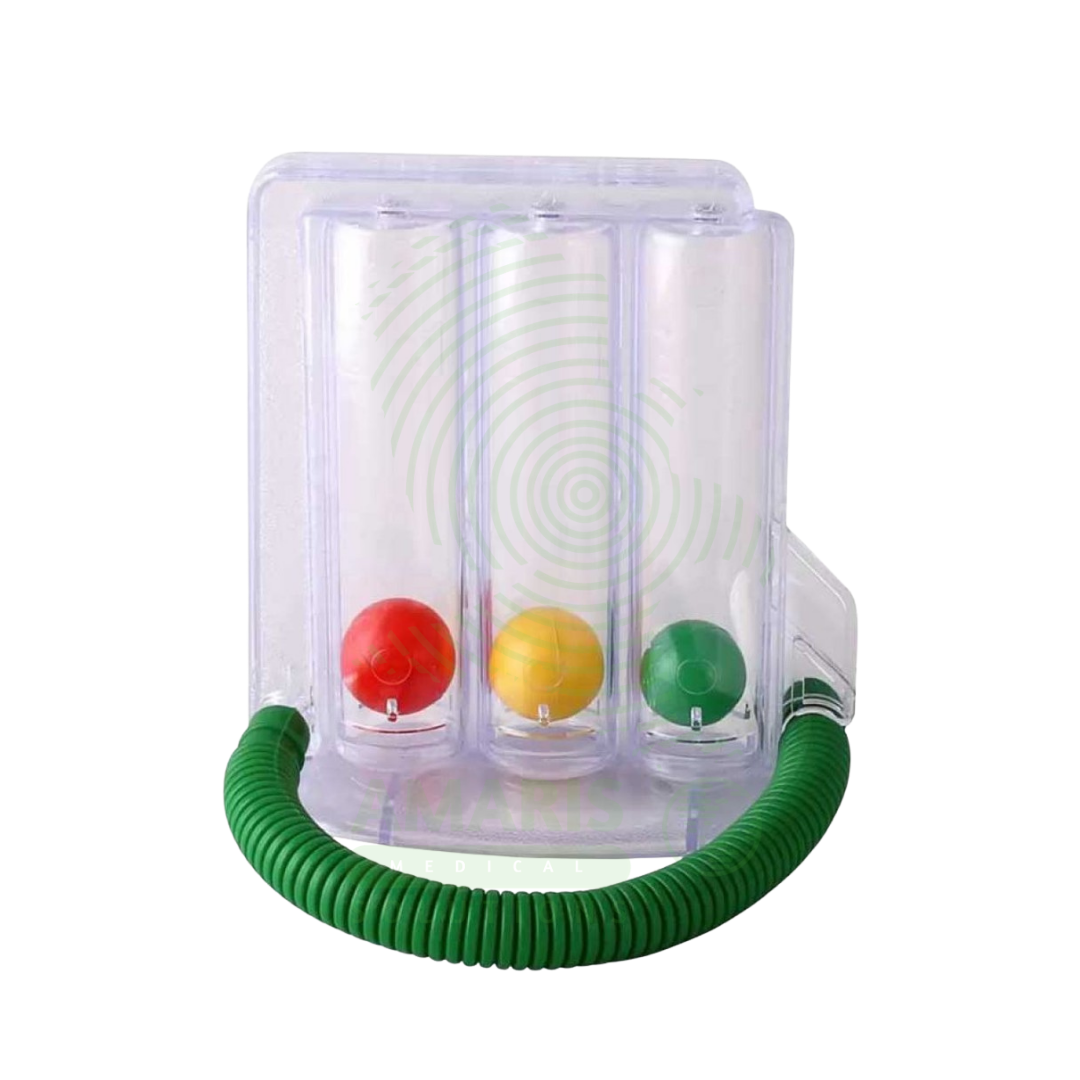
Spirometer
WhatsApp Order
A Spirometer is an essential diagnostic medical device used to measure how much and how quickly air can be inhaled and exhaled by the lungs. By performing forced breathing maneuvers, it generates key parameters—primarily Forced Vital Capacity (FVC) and Forced Expiratory Volume in 1 second (FEV1)—that are fundamental for diagnosing and monitoring obstructive and restrictive lung diseases like Asthma and COPD. Requiring daily calibration and strict adherence to international standards (ATS/ERS), it provides the objective, reproducible data needed for clinical decision-making in pulmonology, primary care, occupational health, and pre-operative assessment.
Description
Spirometer
PRIMARY CLINICAL & DIAGNOSTIC USES
1. Diagnosis & Assessment of Obstructive Lung Diseases:
-
Primary Use: The primary diagnostic tool for identifying and evaluating the severity of airflow limitation in conditions such as Asthma, Chronic Obstructive Pulmonary Disease (COPD), Chronic Bronchitis, and Emphysema. It quantifies the degree of obstruction.
-
How it helps: Provides objective, measurable evidence of how well air moves in and out of a patient’s lungs, distinguishing between normal breathing and the airway narrowing that characterizes obstructive lung diseases.
2. Diagnosis & Assessment of Restrictive Lung Diseases:
-
Primary Use: Essential for detecting restrictive patterns caused by conditions like Pulmonary Fibrosis, Sarcoidosis, Chest Wall Disorders (e.g., kyphoscoliosis), Neuromuscular Diseases (e.g., ALS, Myasthenia Gravis), and post-surgical states.
-
How it helps: Reveals when lung volumes are reduced by scarring, chest wall deformities, or muscle weakness, helping doctors identify the cause of shortness of breath in patients whose airways are not obstructed.
3. Pre-operative Pulmonary Risk Assessment:
-
Primary Use: Routinely performed before major surgeries (especially thoracic and abdominal) to identify patients with undiagnosed lung disease who are at increased risk for post-operative pulmonary complications.
-
How it helps: Helps surgeons and anesthesiologists identify patients whose lungs may struggle after surgery, allowing them to take precautions and optimize lung health before proceeding with operations.
4. Monitoring Disease Progression & Treatment Efficacy:
-
Primary Use: Used to objectively track the natural history of chronic lung diseases and to assess the response to medications (e.g., bronchodilators, inhaled corticosteroids) through serial measurements.
-
How it helps: Gives patients with chronic lung disease and their pulmonologists objective data on whether treatments are working and how their disease is progressing over time, guiding adjustments to therapy.
5. Disability & Impairment Evaluation:
-
Primary Use: Provides objective data for evaluating respiratory impairment in occupational lung diseases (e.g., asbestosis, silicosis) and for disability claims.
-
How it helps: Offers objective evidence of lung impairment that can support disability claims and workers’ compensation cases, ensuring patients receive the benefits they deserve for work-related lung damage.
SECONDARY & SUPPORTIVE USES
1. Screening in High-Risk Populations: Used to screen individuals with a history of smoking, occupational exposure to lung irritants, or a family history of lung disease, catching problems early when interventions can be most effective.
2. Bronchodilator Responsiveness Testing: A key test to determine if airway obstruction is reversible (a hallmark of asthma), by comparing spirometry results before and after administering a short-acting bronchodilator, guiding treatment decisions.
3. Cardiopulmonary Exercise Testing: Integrated into full exercise tests to evaluate ventilatory limitations during physical activity, helping distinguish between cardiac and pulmonary causes of exercise intolerance.
4. Public Health & Epidemiological Research: The standard instrument for large-scale studies on lung health and the prevalence of respiratory diseases in populations, contributing to public health policy and research.
5. Athlete Assessment: Used in sports medicine to evaluate lung function in athletes, establishing baselines and identifying any underlying respiratory limitations that might affect performance.
KEY PRODUCT FEATURES
1. BASIC IDENTIFICATION ATTRIBUTES
-
Device Type: Pulmonary Function Testing (PFT) Device.
-
Core Measurement: Records the volume of air inhaled and exhaled by the lungs over time.
-
Types:
-
Office Spirometer: Compact device for primary care settings, measuring key parameters like FEV1 and FVC.
-
Diagnostic/Lab Spirometer: A more advanced system, often part of a full PFT suite, providing comprehensive flow-volume loops and additional lung volumes.
-
Incentive Spirometer: A simple, disposable device used post-operatively to encourage deep breathing and prevent atelectasis (lung collapse). (Note: This is a different therapeutic device, not a diagnostic one.)
-
-
Output: Produces numerical results and graphical plots (spirogram and flow-volume loop).
2. TECHNICAL & PERFORMANCE PROPERTIES
-
Key Parameters Measured:
-
Forced Vital Capacity (FVC): The total volume of air exhaled with maximal effort after a full inhalation.
-
Forced Expiratory Volume in 1 second (FEV1): The volume of air exhaled in the first second of the FVC maneuver. The FEV1/FVC ratio is the critical index for distinguishing obstructive from restrictive disease.
-
Peak Expiratory Flow (PEF): The maximum flow rate achieved during the FVC maneuver.
-
Forced Expiratory Flow (FEF 25-75%): The average flow during the middle half of the FVC, indicating small airway function.
-
-
Accuracy & Standards: Must meet stringent performance criteria set by international bodies:
-
American Thoracic Society (ATS) / European Respiratory Society (ERS) standards define accuracy, repeatability, and calibration requirements.
-
Accuracy: Typically within ±3% or 0.050 L, whichever is greater.
-
-
Calibration: Requires daily volume calibration using a 3-liter calibration syringe and regular biological control checks to ensure accuracy.
-
Predicted Values: Software includes reference equations (based on age, height, sex, and ethnicity) to calculate predicted normal values for comparison.
3. PHYSICAL & OPERATIONAL PROPERTIES
-
Flow Sensor Technology: Uses a pneumotachograph, ultrasonic sensor, or turbine to measure airflow, which is integrated to calculate volume.
-
Disposable Components: Uses disposable mouthpieces, filters, and tubing for hygiene. The filter prevents microbial contamination of the device.
-
Connectivity: Modern devices connect to computers or tablets via USB or Bluetooth for software analysis, data storage, and report printing.
4. SAFETY & COMPLIANCE ATTRIBUTES
-
Regulatory Approvals: FDA 510(k) Cleared (USA) and CE Marked (EU) as a Class II medical device.
-
Quality Standards: Manufactured under ISO 13485.
-
Software Compliance: Software for interpretation may be regulated and should comply with data protection standards (e.g., HIPAA).
5. STORAGE & HANDLING ATTRIBUTES
-
Storage: Store in a clean, dry, temperature-stable environment. Protect from dust and physical impact.
-
Cleaning & Disinfection:
-
External: Wipe the main unit with a disinfectant cloth.
-
Internal Pathway: According to manufacturer instructions; often involves running a disinfectant solution through the tubing or using specific cleaning modes. Never autoclave the main unit.
-
-
Calibration Schedule: Perform 3-liter syringe volume calibration daily before use. Perform leak tests and biological control checks weekly or as per protocol.
6. LABORATORY & CLINICAL APPLICATIONS
-
Primary Application: The cornerstone of pulmonary function testing, providing objective, quantifiable data for the diagnosis and management of respiratory diseases.
-
Interpretation: Results must be interpreted by a trained clinician in the context of the patient's history, physical exam, and other tests.
SAFETY HANDLING PRECAUTIONS
1. SAFETY PRECAUTIONS
-
Contraindications: Should not be performed on patients with recent myocardial infarction, unstable angina, pneumothorax, recent thoracic or abdominal surgery, or severe hemoptysis.
-
Infection Control: Use a new disposable mouthpiece and filter for each patient. Follow strict disinfection protocols for reusable components.
-
Patient Instruction: Proper technique is critical. The operator must give clear, forceful coaching to ensure a valid test. Poor effort invalidates results.
-
Biohazard: The exhalation filter may contain pathogenic microorganisms and should be disposed of as biohazardous waste.
2. FIRST AID MEASURES
-
Patient Distress: If a patient experiences severe dizziness, chest pain, or syncope during the test, stop immediately, have them sit or lie down, and monitor. Administer oxygen if indicated and available.
-
Device Malfunction: If the device provides erratic readings or fails, discontinue use and replace with a calibrated backup device.
3. FIRE FIGHTING MEASURES
-
Flammability: Plastic housing and electronic components are combustible.
-
Extinguishing Media: For electrical fires, use a CO₂ or dry chemical extinguisher.
Related products
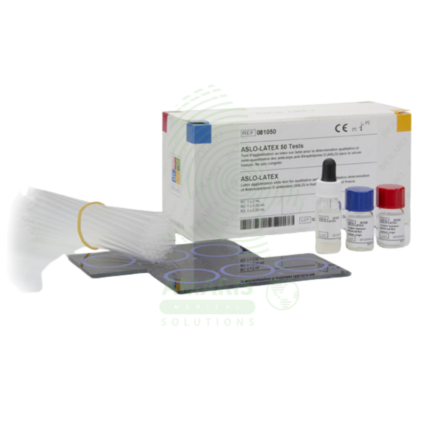
Anti-Streptol Olysin O Titer (ASOT)
Anti-Streptol Olysin O Titer (ASOT) is a quantitative or semi-quantitative serological test (latex agglutination, turbidimetry, nephelometry, or ELISA) for detecting antibodies against streptolysin O, an exotoxin produced by Group A Streptococcus. Elevated or rising titers indicate recent streptococcal infection and are essential for diagnosing post-streptococcal sequelae including acute rheumatic fever (Jones criteria) and post-streptococcal glomerulonephritis. The test requires serum samples; acute and convalescent (2-4 weeks apart) with fourfold rise confirms recent infection. Reference range typically <200-250 Todd units/mL (adults), varies by age and population. Primary clinical applications include diagnosis of Group A streptococcal infections, acute rheumatic fever evaluation, post-streptococcal glomerulonephritis diagnosis, differentiation of acute vs. past infection, evaluation of unexplained arthritis or carditis, pediatric inflammatory conditions (PANDAS), and monitoring disease activity in rheumatic fever. Critical safety precautions include proper timing of acute and convalescent samples, awareness of false negatives/positives, clinical correlation for diagnosis, and standard biohazard precautions. Essential test for rheumatology, nephrology, cardiology, and infectious disease practice.
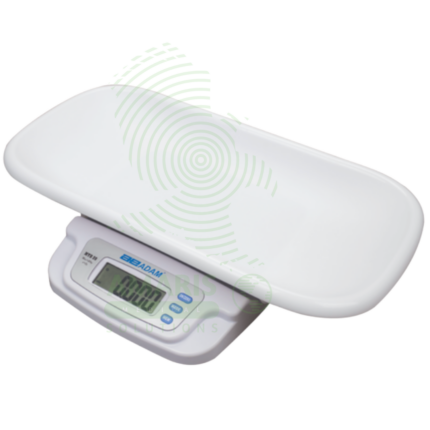
Digital Baby Weighing Scale
A Digital Baby Weighing Scale is a high-precision medical device designed exclusively for the safe and accurate measurement of infant and toddler weight. Featuring a stable, hygienic platform with gram-level precision, it is indispensable in hospitals (especially NICUs), pediatric clinics, and community health settings. Its core functions—such as hold, tare, and zeroing—ensure reliable readings even with a moving child. Accurate weight data is foundational for assessing growth, calculating medication doses, managing nutrition, and detecting early signs of health issues, making this scale a critical tool for safeguarding infant health and development.
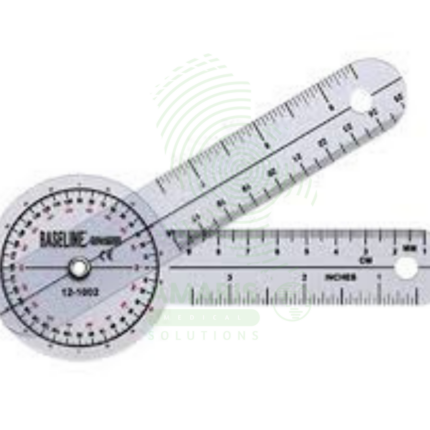
Goniometer
A goniometer is a calibrated, handheld measuring instrument designed to precisely quantify joint range of motion in degrees. Essential for physical and occupational therapy, orthopedic assessment, and rehabilitation medicine, it consists of a protractor-like body with two arms—one stationary, one movable—that align with the patient's limb segments. Available in various sizes for different joints (from fingers to hips) and in materials including transparent plastic, stainless steel, and digital formats, it transforms subjective observations of mobility into objective, reproducible data. This fundamental clinical tool guides diagnosis, documents treatment progress, supports disability determinations, and provides the evidence base for therapeutic interventions.
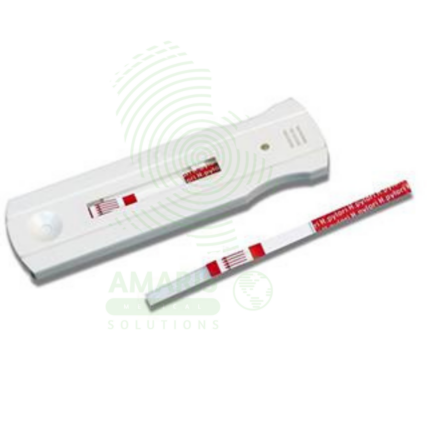
H. pylori Test Strips
H. pylori Test Strips are rapid, lateral flow immunochromatographic devices used for the qualitative detection of Helicobacter pylori antigens in human stool. As a non-invasive stool antigen test (SAT), it provides a convenient and reliable method for diagnosing active H. pylori infection and confirming eradication after therapy, with results available in under 15 minutes. Ideal for use in clinics and outpatient settings, it aids in the management of dyspepsia and peptic ulcer disease. Proper sample handling, adherence to pre-test medication restrictions, and strict biohazard precautions are essential for obtaining accurate results.
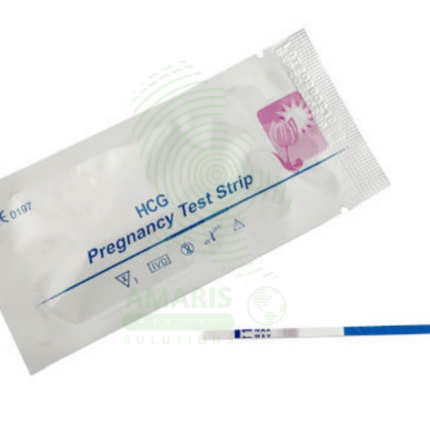
Pregnancy Test Strips
Pregnancy Test Strips are simple, dip-style lateral flow devices designed for the rapid, qualitative detection of human chorionic gonadotropin (hCG) in urine to indicate pregnancy. As the most fundamental format of home pregnancy tests, they offer high sensitivity (often from 10 mIU/mL), affordability, and a quick result within 3-5 minutes. Their ease of use makes them a widely accessible first step in pregnancy detection for personal use and clinical screening. A visible test line, even if faint, is a positive result, though confirmation with a healthcare provider is always recommended.
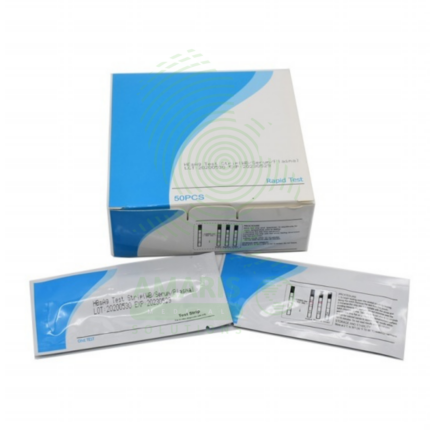
Rapid Test Kits (HIV, HBV, HCV, Malaria)
Rapid Test Kits for HIV, HBV, HCV, and Malaria are single-use, immunochromatographic devices designed for the quick, preliminary screening of these critical infectious diseases at the point of care. By detecting specific antibodies or antigens in a small blood sample (or oral fluid for some HIV tests), they provide a visual result within 15-30 minutes without the need for laboratory equipment. Their primary role is to expand access to testing in community and resource-limited settings, enabling immediate counseling, triage, and referral for confirmatory testing and treatment. As essential tools in public health, they are characterized by their simplicity, speed, and critical importance in early diagnosis and outbreak response.
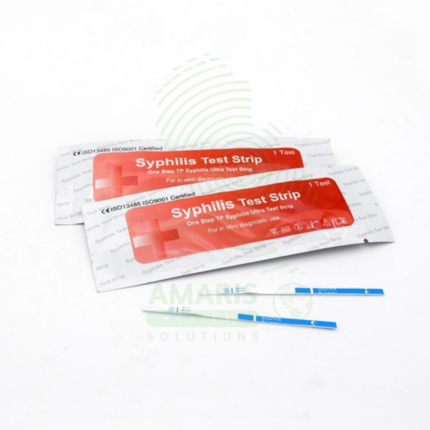
VDRL Test For Syphilis
The VDRL Test For Syphilis (Venereal Disease Research Laboratory) is a Class II medical device (FDA-cleared) non-treponemal flocculation test for qualitative and quantitative detection of reaginic antibodies in serum or cerebrospinal fluid, used for syphilis screening, diagnosis, and treatment monitoring. The test uses an antigen mixture (cardiolipin, cholesterol, lecithin) that reacts with antibodies, forming visible clumping (flocculation) in positive samples. Results are reported as reactive/non-reactive with quantitative titers (e.g., 1:2 to 1:256). Primary clinical applications include initial screening for syphilis infection, confirmation of active syphilis (with treponemal tests), monitoring treatment response (fourfold titer decrease indicates cure), diagnosis of neurosyphilis (CSF testing), prenatal screening for congenital syphilis prevention, screening in high-risk populations (MSM, HIV-positive, multiple partners), and blood donor screening. Critical safety precautions include confirmation of all reactive results with treponemal tests (TPPA, FTA-ABS), awareness of false positives (pregnancy, autoimmune disease, viral infections), proper specimen handling (universal precautions), refrigerated storage of reagents (2-8°C), and mandatory reporting of reactive results to public health authorities. Essential test for syphilis control and congenital syphilis prevention worldwide.