Dermatoscope and Magnifiers
 Diagnostic Kits
 Vital Signs Monitors
 Stethoscopes and Accessories
 Otoscopes, Ophthalmoscopes, and Retinoscopes
 Reflex Hammers and Neurological Tools
 Scales and Measuring Devices
 Spirometers and Pulmonary Function Tests
 Electrosurgical Units and Accessories
 Cutting Instruments
 Grasping and Holding Instruments
 Hemostatic Instruments
 Specialized Surgical Sets
 Single-Use Procedure Trays and Packs
 Surgical Drapes, Gowns, and Covers
 Tissue Unifying Instruments
 Radiation Protection
 X-Ray Machines and Accessories
 Ultrasound Systems and Probes
 MRI and CT Scanners
 Radiology Consumables
 Bone Densitometers
 Fluoroscopy Equipment
 Imaging Tables and Positioning Aids
 Microscopes and Accessories
 Centrifuges and Separators
 Analyzers
 Incubators and Ovens
 Pipettes, Dispensers, and Lab Glassware
 Refrigerators, Freezers, and Storage Units
 Lab Consumables
 Sterilizers and Autoclaves for Lab Use
 Multi-Parameter Monitors
 Ventilators and Respiratory Support Devices
 Defibrillators and AEDs
 Infusion Pumps and IV Systems
 Patient Warmers and Cooling Devices
 Central Monitoring Stations
 Accessories
 Anesthesia Machines and Workstations
 Oxygen Concentrators and Delivery Systems
 Nebulizers and Inhalers
 CPAP/BiPAP Machines
 Airway Management
 Anesthesia Masks, Circuits, and Bags
 Humidifiers and Heaters
 Respiratory Therapy Accessories
 First Aid Kits and Cabinets
 Emergency Resuscitation Equipment
 Trauma Supplies
 Emergency Carts and Crash Carts
 Burn Care Products
 Bleeding Control
 Automated External Defibrillators (AEDs)
 Transport and Evacuation
 Wheelchairs and Accessories
 Walkers, Crutches, and Canes
 Prosthetics and Orthotics
 Physical Therapy Equipment
 Transfer Devices
 Bathroom Safety
 Orthopedic Traction and Tables
 Hot/Cold Therapy Packs and Units
 Beds and Mattresses
 Chairs and Stools
 Tables
 Cabinets and Storage
 Privacy Screens & Curtains
 Stands and Racks
 Linens and Textiles
 Lighting
 Autoclaves and Sterilizers
 Ultrasonic Cleaners
 Disinfectant Solutions and Wipes
 Sterilization Pouches, Wraps, and Indicators
 Instrument Trays and Containers
 UV and Ozone Disinfection Devices
 Washer Disinfectors
 Wound Care
 Gloves
 Masks and Respirators
 Catheters and Tubing
 Swabs, Applicators, and Sponges
 Incontinence Products
 Personal Protective Equipment (PPE)
 Dental Chairs and Units
 Handpieces and Burs
 Instruments
 Consumables
 Sterilization for Dental Use
 Orthodontic Supplies
 Endodontic Tools
 Slit Lamps and Tonometers
 Lensometers and Phoropters
 Ophthalmic Surgical Instruments
 Eyewear Frames and Lenses
 Contact Lens Supplies
 Vision Testing Charts and Devices
 Eye Care Consumables
 Laser Systems for Eye Care
 ENT Exam Chairs and Tables
 Endoscopes
 Audiometers and Hearing Tests
 ENT Instruments
 Nasal and Throat Packs
 Hearing Aids and Accessories
 Otology Supplies
 Fetal Dopplers and Monitors
 Delivery Beds and Tables
 Gynecological Instruments
 Neonatal Incubators and Warmers
 Breast Pumps and Accessories
 Contraceptive Devices
 Maternity Supports and Pads
 Neonatal Consumables
 Cystoscopes and Urethroscopes
 Dialysis Machines and Supplies
 Urological Catheters and Bags
 Lithotripters
 Prostate Treatment Devices
 Urinary Incontinence Products
 Kidney Stone Management Tools
 Consumables & Disposables
 EEG and EMG Machines
 Neurosurgical Instruments
 Nerve Stimulators
 Headrests and Positioning Aids
 Lumbar Puncture Kits
 Seizure Monitoring Devices
 Consumables
 Rehabilitation for Neurological Conditions
 ECG Machines and Accessories
 Holter Monitors
 Stress Test Systems
 Pacemakers and Defibrillator Accessories
 Vascular Access Devices
 Cardiac Catheters and Guidewires
 Blood Flow Meters
 Consumables
 Orthopedic Instruments
 Casts, Splints, and Padding
 Joint Replacement Supplies
 Prosthetic Limbs and Components
 Bone Grafts and Substitutes
 Traction Devices
 Orthopedic Braces and Supports
 Rehabilitation Aids for Orthopedics
 Home Oxygen Therapy
 Hospital Beds for Home Use
 Mobility Aids
 Bathroom and Daily Living Aids
 Wound Care for Home
 Monitoring Devices
 Enteral Feeding Pumps and Tubes
 Hand Sanitizers and Dispensers
 Face Shields and Goggles
 Isolation Gowns and Suits
 Biohazard Waste Containers
 Air Purifiers and HEPA Filters
 Surface Disinfectants
 Sharps Containers
 Protective Barriers
 Cardiovascular & Endurance Training
 Strength Training & Weightlifting
 Functional Training & Core Conditioning
 Physical Therapy & Rehabilitation
 Sports & Outdoor Recreation
 Gym Flooring & Facility Equipment
 Fitness Monitoring & Accessories
 Kids & Novelties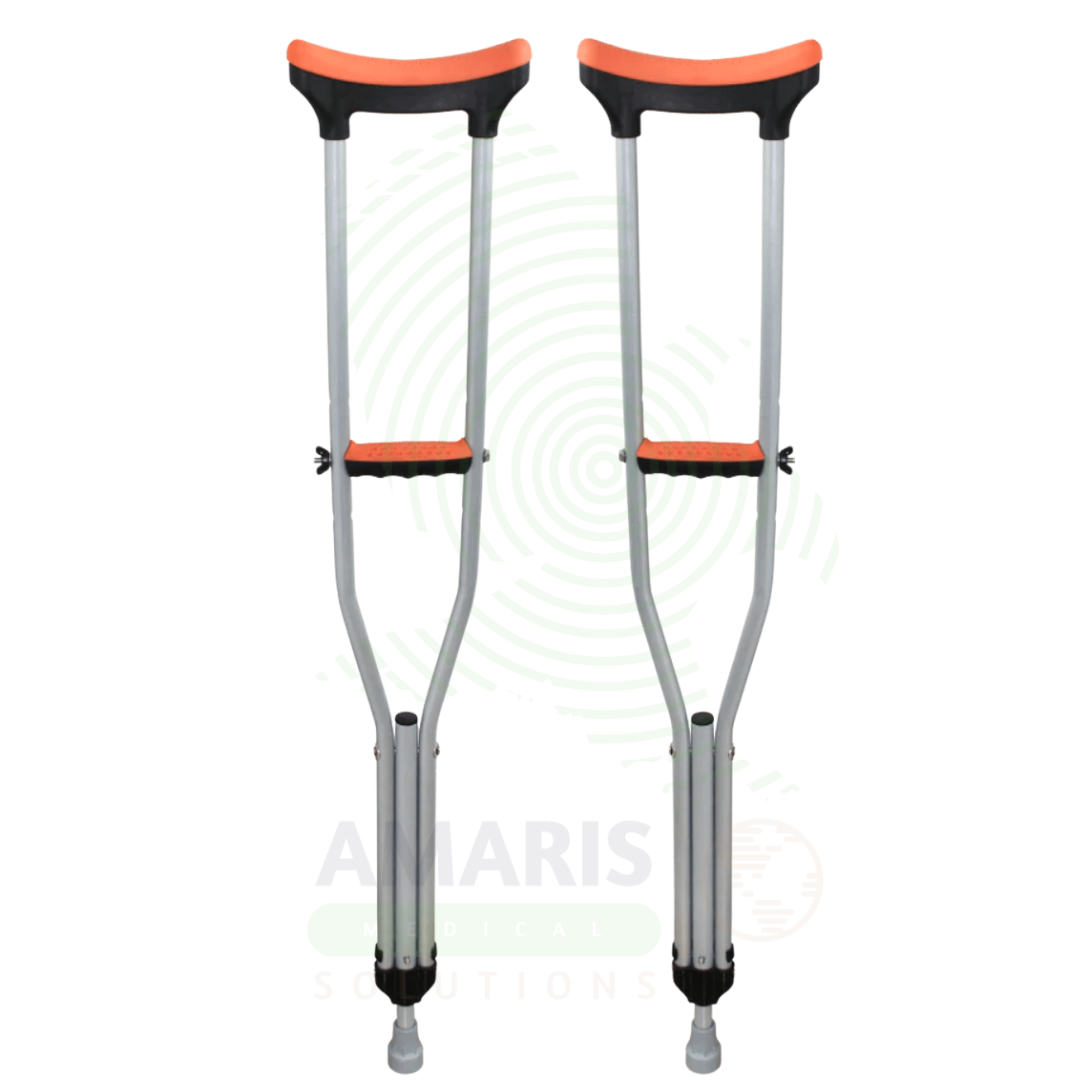
Underarm Crutches
$1.00
WhatsApp Order
Underarm Crutches are a mobility aid used for non-weight-bearing and protected weight-bearing ambulation following lower extremity injuries, fractures, and surgery. Consisting of adjustable-length poles with hand grips and axillary pads, they transfer body weight through the arms and upper body while keeping the injured leg off the ground. Proper height adjustment and weight distribution through the hand grips rather than the axillae are essential for safe and effective use.
Description
Underarm Crutches
PRIMARY CLINICAL & DIAGNOSTIC USES
1. Complete Non-Weight-Bearing Mobility for Lower Limb Injuries
-
Primary Use: Enables ambulation while keeping one leg completely off the ground, transferring 100% of the body’s weight through the arms, axillae (armpits), and upper body. This is critical for fractures of the ankle, tibia, femur, and foot, as well as post-surgical non-weight-bearing orders following joint replacement or ligament reconstruction.
-
How it helps: For the orthopedic surgeon and emergency physician prescribing strict non-weight-bearing status, underarm crutches are the primary means by which a patient can remain mobile while their injury heals—allowing them to attend appointments, manage daily needs, and maintain independence without placing weight on a fragile fracture or fresh surgical repair. For the patient with a broken ankle, fractured tibia, or newly replaced joint, crutches represent both freedom and restriction—freedom to move through the world, and the constant reminder that their injured leg must not touch the ground.
2. Protected Partial Weight-Bearing and Gait Training
-
Primary Use: Used to control and limit the amount of weight placed on a healing lower extremity, allowing for a controlled, “touch-down” or partial weight-bearing gait as prescribed by a physician or physical therapist. The crutches provide a stable platform for graduated weight-bearing progression.
-
How it helps: For the physical therapist guiding a patient through post-operative recovery, underarm crutches are the tool that allows graduated weight-bearing—starting with just the toes touching for balance, then progressively more weight as the healing bone or replaced joint tolerates increased load. For the patient recovering from hip replacement or fracture fixation, crutches provide the confidence to begin putting weight on a leg that has been off-limits for weeks, feeling their way back to normal walking under the protection of the crutches’ support.
3. Stability and Balance Support for Unilateral Weakness
-
Primary Use: Provide significant stability for individuals with weakness or paralysis on one side of the body, such as after a stroke, or for those with conditions like unilateral leg amputations (before prosthesis fitting). The wide base of the crutches supports the body while the affected limb is partially or fully unweighted.
-
How it helps: For the neurologist and rehabilitation team working with a patient recovering from stroke, underarm crutches can provide the external stability that compensates for lost motor control—allowing the patient to walk despite hemiparesis, engaging the affected side in a protected manner. For the patient whose body has been changed by neurological injury, crutches offer a path back to ambulation, providing the support needed to challenge their recovering nervous system.
4. Pain Reduction during Ambulation for Acute Lower Limb Conditions
-
Primary Use: Allow walking by offloading weight from a painful, inflamed, or injured leg, enabling mobility while the condition heals. This is particularly useful for severe arthritis flare-ups, cellulitis, post-operative pain, and acute gout attacks.
-
How it helps: For the primary care provider managing a patient with a severe gout flare, cellulitis, or post-operative pain, prescribing crutches for a few days or weeks provides immediate relief from the agony of weight-bearing on an inflamed extremity. For the patient in exquisite pain from an acute condition, crutches mean they can still get to the bathroom, prepare food, and maintain basic independence while their body heals.
5. Upper Body Strengthening and Endurance Training
-
Primary Use: The act of using crutches provides a rigorous workout for the shoulders, arms, and core muscles, which can be part of a structured rehabilitation program for patients with lower extremity injuries or deconditioning.
-
How it helps: For the physical therapist, the use of underarm crutches provides cardiovascular and strengthening benefits that complement lower extremity rehabilitation—maintaining upper body fitness while the lower limb heals. For the patient, the upper body strength gained during crutch use carries over to overall functional improvement and may reduce fatigue during daily activities.
SECONDARY & SUPPORTIVE USES
1. Stair Navigation with Lower Limb Limitations: With proper technique, underarm crutches enable safe ascent and descent of stairs when one leg cannot bear weight normally.
2. Temporary Mobility Aid during Diagnostic Procedures: Used to facilitate patient movement in hospitals or clinics when leg weakness or pain is present but not yet diagnosed.
3. Energy Conservation for Neuromuscular Diseases: For individuals with conditions like muscular dystrophy, crutches can help conserve lower body energy by transferring work to the upper body during walking.
4. Assistance with Standing and Transfers: Provide leverage and support for rising from a seated position or for performing seated transfers when lower body strength is compromised.
5. Post-Operative Recovery: Essential for patients recovering from lower extremity surgery requiring non-weight-bearing or protected weight-bearing.
6. Community Ambulation: Allows patients to maintain independence and participate in community activities while recovering from injury.
KEY PRODUCT FEATURES
1. BASIC IDENTIFICATION ATTRIBUTES
-
Product Type: A mobility aid consisting of two adjustable-length poles with hand grips and axillary (underarm) supports.
-
Designation: Underarm Crutches, Axillary Crutches, Standard Crutches, Wooden Crutches, Aluminum Crutches.
-
Key Components:
-
Axillary Pad: Padded support that rests under the arm.
-
Hand Grip: Ergonomic grip for hand placement.
-
Adjustable Shaft: Telescoping or sliding mechanism for height adjustment.
-
Rubber Tips: Non-slip tips for traction on various surfaces.
-
Spring-Loaded Push Buttons: For height adjustment (aluminum models).
-
Wing Nuts: For height adjustment (wooden models).
-
2. TECHNICAL & PERFORMANCE PROPERTIES
-
Material: Aluminum (lightweight) or wood (traditional).
-
Height Adjustment: Typically 48-60 inches; adjustable for user height.
-
Weight Capacity: Standard 250-300 lbs; heavy-duty models available.
-
Axillary Pad: Foam padding to reduce pressure on underarm.
-
Hand Grip: Ergonomically shaped for comfort; may be foam or rubber.
3. PHYSICAL & OPERATIONAL PROPERTIES
-
Weight: Aluminum models 2-4 lbs per crutch; wooden models heavier.
-
Adjustability: Height adjusts to accommodate the user; hand grip may also adjust.
-
Portability: Lightweight for transport.
-
Gait Patterns: Used for swing-to, swing-through, and three-point gait patterns.
4. SAFETY & COMPLIANCE ATTRIBUTES
-
Regulatory Status: Class I medical device.
-
Weight Capacity: Validated for stated capacity.
-
Tip Material: Non-slip rubber for traction.
-
Load Testing: Tested for structural integrity.
5. STORAGE & HANDLING ATTRIBUTES
-
Storage: Store upright or leaning against the wall; keep out of walkways.
-
Cleaning: Wipe with mild soap and water; dry thoroughly.
-
Inspection: Regularly check rubber tips for wear; inspect adjustment mechanisms for security.
6. LABORATORY & CLINICAL APPLICATIONS
-
Primary Application: Non-weight-bearing and protected weight-bearing mobility for lower extremity injuries and post-operative recovery.
-
Clinical Role: Essential equipment in orthopedics, emergency medicine, physical therapy, and rehabilitation.
SAFETY HANDLING PRECAUTIONS
1. SAFETY PRECAUTIONS
-
Proper Height Adjustment: Adjust so hand grips are at wrist level when arms hang naturally; axillary pads should be 2-3 inches below armpits when standing.
-
Weight-Bearing on Hands, Not Armpits: Bear weight through hand grips, not axillary pads; prolonged pressure on axillae can cause nerve damage.
-
Rubber Tip Condition: Inspect tips regularly; replace if worn to prevent slipping.
-
Floor Surfaces: Use caution on wet, slippery, or uneven surfaces.
-
Stair Use: Use proper technique; have assistance when learning.
-
Patient Education: Instruct on proper fitting, gait patterns, and safety precautions.
2. FIRST AID MEASURES
-
Skin Irritation: If skin irritation develops at axillae, adjust height and ensure weight is on hand grips, not axillae; pad if needed.
-
Nerve Compression Symptoms: If numbness or tingling in hands or arms occurs, adjust crutches to reduce pressure on the axillae; consult the provider.
-
Fall: If fall occurs, assess for injury; inspect crutches for damage before reuse.
3. FIRE FIGHTING MEASURES
-
Flammability: Wooden models are combustible; aluminum models have rubber and plastic components.
-
Extinguishing Media: Use water, foam, or CO₂ as appropriate for surrounding materials.
Related products
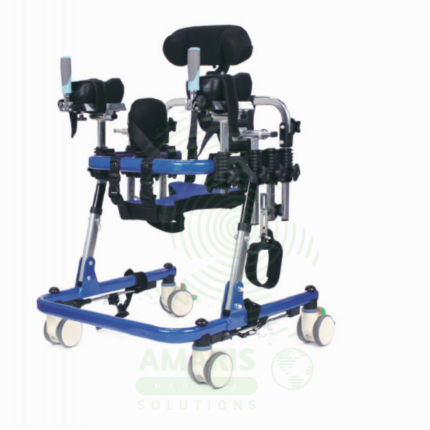
Cerebral Palsy Walker
A Cerebral Palsy Walker (or Gait Trainer) is a supportive wheeled frame specifically designed to facilitate walking and standing for children with CP. It provides adjustable postural support through a harness, trunk pad, and pelvic guide, enabling safe practice of gait patterns, weight-bearing, and upright mobility. Its primary role is therapeutic, aiming to develop ambulation skills, improve postural control, and promote independence. Correct professional setup and supervision are essential for safety and to ensure it reinforces proper movement rather than abnormal patterns.
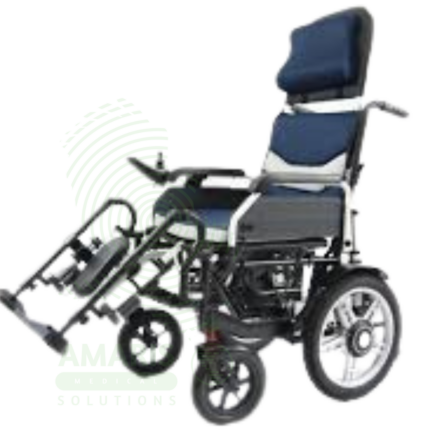
Electric Reclining Wheelchair
An Electric Reclining Wheelchair is a sophisticated powered mobility device that provides both independent locomotion and powered positioning. It features a motorized backrest that reclines to near-horizontal and synchronized elevating leg rests, allowing users to independently manage pressure relief, circulation, breathing, and comfort without leaving the chair. Prescribed for individuals with complex needs such as spinal cord injuries, severe fatigue, or circulatory disorders, it enhances independence and medical stability. Its use requires thorough training due to the significant change in stability and footprint when reclined, and it demands more rigorous maintenance than standard power chairs.
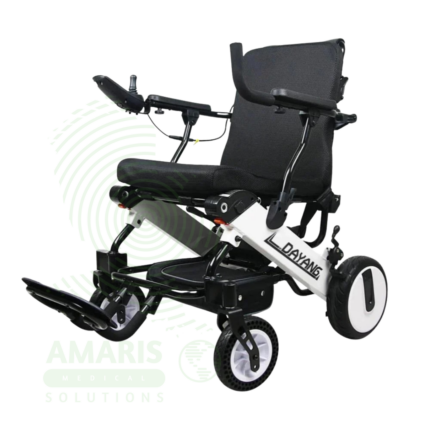
Electric Wheelchair
An Electric Wheelchair is a battery-powered mobility device prescribed for individuals with significant mobility impairments who cannot self-propel a manual chair. It provides independent indoor and outdoor mobility through a joystick or alternative control system. Key features often include power seating functions (tilt, recline) for pressure relief and postural support, and are available in various drive configurations (rear, mid, front-wheel) for different environments. As complex rehabilitation technology, it requires professional evaluation, user training, and regular maintenance to ensure safe operation, enhance independence, and improve the user's quality of life.
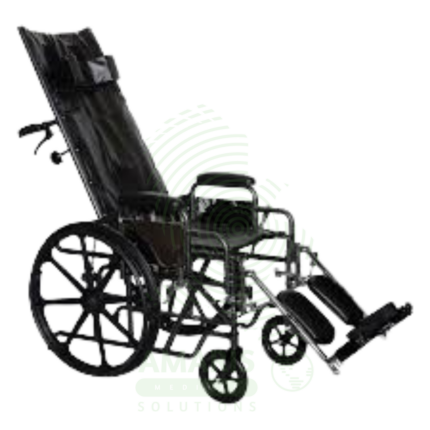
Manual Reclining Wheelchair
A Manual Reclining Wheelchair is a non-powered wheelchair with a backrest that can be manually adjusted to various angles. It is designed for users who need to change their sitting position for pressure relief, circulatory management, respiratory support, or comfort but do not require powered mobility. Key safety features include a robust locking mechanism, mandatory use of anti-tip levers and a seat belt when reclined, and synchronized elevating leg rests to prevent sliding. It is heavier and less maneuverable than a standard wheelchair but provides essential positioning options for individuals with specific postural and medical needs.
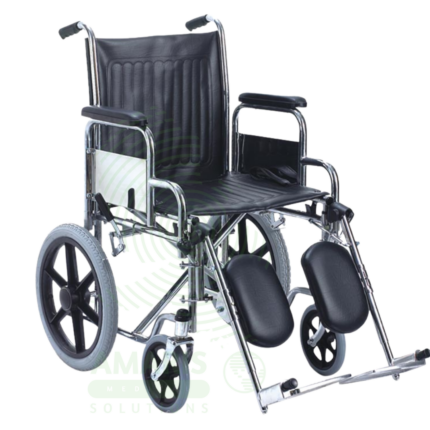
Orthopedic Commode Wheelchair With Flipping Armrest
The Orthopedic Commode Wheelchair with Flipping Armrest is a specialized hybrid device designed for patients with lower limb injuries or surgeries requiring non-weight-bearing status. It combines an extended-frame orthopedic wheelchair with an elevating leg rest, a commode seat opening, and a flipping armrest for lateral transfers. This allows for simultaneous fracture management (leg elevation/immobilization), pressure sore prevention (heel off-loading), and safe, hygienic toileting without dangerous transfers. Its use mandates the constant engagement of anti-tip levers due to a high risk of backwards tipping and requires careful navigation of its substantial length.
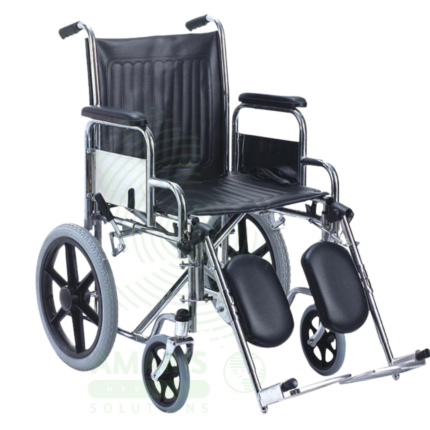
Orthopedic Wheelchair
An Orthopedic Wheelchair is a specialized manual wheelchair with an extended frame and elevating leg rests, designed to support patients who must keep one or both lower limbs in a straight, non-weight-bearing position. It is primarily used for managing lower limb fractures, post-operative recovery (e.g., hip replacements), and conditions requiring heel-off-loading to prevent pressure sores. Its key safety consideration is a heightened risk of tipping backwards due to the forward weight of the extended leg, requiring cautious use, engagement of anti-tip levers, and awareness of its increased length during navigation.
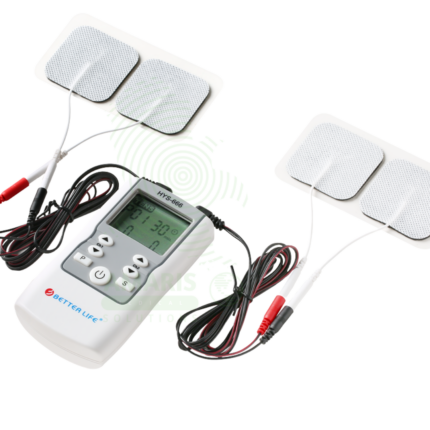
TENS Machine
A TENS Machine is an electronic device used for non-invasive pain management, capable of independently controlling up to four pairs of electrodes (eight total) to treat multiple or complex pain areas simultaneously. By delivering adjustable, low-voltage electrical pulses through the skin, it modulates pain signals via the Gate Control mechanism and may stimulate the body's natural painkillers. Its key adjustable parameters—pulse rate, width, and amplitude—allow for personalized therapy for conditions ranging from arthritis to post-surgical pain. Safe operation requires strict adherence to electrode placement guidelines and contraindications, making it a versatile tool for clinical and prescribed home use.