Dermatoscope and Magnifiers
 Diagnostic Kits
 Vital Signs Monitors
 Stethoscopes and Accessories
 Otoscopes, Ophthalmoscopes, and Retinoscopes
 Reflex Hammers and Neurological Tools
 Scales and Measuring Devices
 Spirometers and Pulmonary Function Tests
 Electrosurgical Units and Accessories
 Cutting Instruments
 Grasping and Holding Instruments
 Hemostatic Instruments
 Specialized Surgical Sets
 Single-Use Procedure Trays and Packs
 Surgical Drapes, Gowns, and Covers
 Tissue Unifying Instruments
 Radiation Protection
 X-Ray Machines and Accessories
 Ultrasound Systems and Probes
 MRI and CT Scanners
 Radiology Consumables
 Bone Densitometers
 Fluoroscopy Equipment
 Imaging Tables and Positioning Aids
 Microscopes and Accessories
 Centrifuges and Separators
 Analyzers
 Incubators and Ovens
 Pipettes, Dispensers, and Lab Glassware
 Refrigerators, Freezers, and Storage Units
 Lab Consumables
 Sterilizers and Autoclaves for Lab Use
 Multi-Parameter Monitors
 Ventilators and Respiratory Support Devices
 Defibrillators and AEDs
 Infusion Pumps and IV Systems
 Patient Warmers and Cooling Devices
 Central Monitoring Stations
 Accessories
 Anesthesia Machines and Workstations
 Oxygen Concentrators and Delivery Systems
 Nebulizers and Inhalers
 CPAP/BiPAP Machines
 Airway Management
 Anesthesia Masks, Circuits, and Bags
 Humidifiers and Heaters
 Respiratory Therapy Accessories
 First Aid Kits and Cabinets
 Emergency Resuscitation Equipment
 Trauma Supplies
 Emergency Carts and Crash Carts
 Burn Care Products
 Bleeding Control
 Automated External Defibrillators (AEDs)
 Transport and Evacuation
 Wheelchairs and Accessories
 Walkers, Crutches, and Canes
 Prosthetics and Orthotics
 Physical Therapy Equipment
 Transfer Devices
 Bathroom Safety
 Orthopedic Traction and Tables
 Hot/Cold Therapy Packs and Units
 Beds and Mattresses
 Chairs and Stools
 Tables
 Cabinets and Storage
 Privacy Screens & Curtains
 Stands and Racks
 Linens and Textiles
 Lighting
 Autoclaves and Sterilizers
 Ultrasonic Cleaners
 Disinfectant Solutions and Wipes
 Sterilization Pouches, Wraps, and Indicators
 Instrument Trays and Containers
 UV and Ozone Disinfection Devices
 Washer Disinfectors
 Wound Care
 Gloves
 Masks and Respirators
 Catheters and Tubing
 Swabs, Applicators, and Sponges
 Incontinence Products
 Personal Protective Equipment (PPE)
 Dental Chairs and Units
 Handpieces and Burs
 Instruments
 Consumables
 Sterilization for Dental Use
 Orthodontic Supplies
 Endodontic Tools
 Slit Lamps and Tonometers
 Lensometers and Phoropters
 Ophthalmic Surgical Instruments
 Eyewear Frames and Lenses
 Contact Lens Supplies
 Vision Testing Charts and Devices
 Eye Care Consumables
 Laser Systems for Eye Care
 ENT Exam Chairs and Tables
 Endoscopes
 Audiometers and Hearing Tests
 ENT Instruments
 Nasal and Throat Packs
 Hearing Aids and Accessories
 Otology Supplies
 Fetal Dopplers and Monitors
 Delivery Beds and Tables
 Gynecological Instruments
 Neonatal Incubators and Warmers
 Breast Pumps and Accessories
 Contraceptive Devices
 Maternity Supports and Pads
 Neonatal Consumables
 Cystoscopes and Urethroscopes
 Dialysis Machines and Supplies
 Urological Catheters and Bags
 Lithotripters
 Prostate Treatment Devices
 Urinary Incontinence Products
 Kidney Stone Management Tools
 Consumables & Disposables
 EEG and EMG Machines
 Neurosurgical Instruments
 Nerve Stimulators
 Headrests and Positioning Aids
 Lumbar Puncture Kits
 Seizure Monitoring Devices
 Consumables
 Rehabilitation for Neurological Conditions
 ECG Machines and Accessories
 Holter Monitors
 Stress Test Systems
 Pacemakers and Defibrillator Accessories
 Vascular Access Devices
 Cardiac Catheters and Guidewires
 Blood Flow Meters
 Consumables
 Orthopedic Instruments
 Casts, Splints, and Padding
 Joint Replacement Supplies
 Prosthetic Limbs and Components
 Bone Grafts and Substitutes
 Traction Devices
 Orthopedic Braces and Supports
 Rehabilitation Aids for Orthopedics
 Home Oxygen Therapy
 Hospital Beds for Home Use
 Mobility Aids
 Bathroom and Daily Living Aids
 Wound Care for Home
 Monitoring Devices
 Enteral Feeding Pumps and Tubes
 Hand Sanitizers and Dispensers
 Face Shields and Goggles
 Isolation Gowns and Suits
 Biohazard Waste Containers
 Air Purifiers and HEPA Filters
 Surface Disinfectants
 Sharps Containers
 Protective Barriers
 Cardiovascular & Endurance Training
 Strength Training & Weightlifting
 Functional Training & Core Conditioning
 Physical Therapy & Rehabilitation
 Sports & Outdoor Recreation
 Gym Flooring & Facility Equipment
 Fitness Monitoring & Accessories
 Kids & Novelties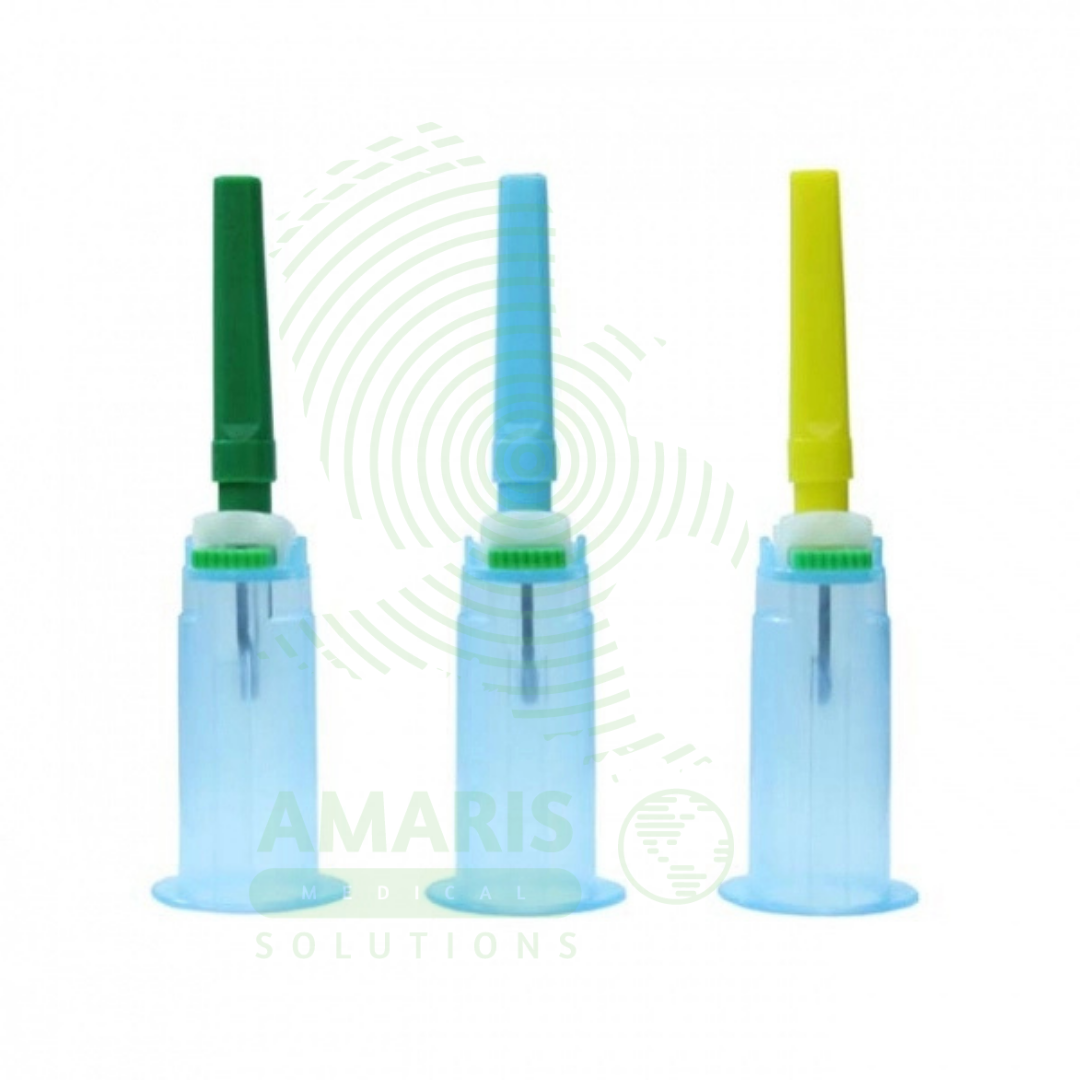
Vacutainer Needle Holder
WhatsApp Order
A Vacutainer Needle Holder is a disposable plastic device (Class I/II medical device) used to securely hold double-ended blood collection needles and evacuated tubes during venipuncture, enabling safe and efficient collection of multiple blood specimens from a single venipuncture. Made from medical-grade ABS plastic or polypropylene, latex-free, approximately 12 cm length, with threaded end for needle attachment and flanged opening with flexible fingers to securely hold standard evacuated tubes (13 × 75 mm, 16 × 100 mm). Compatible with all standard double-ended needles and safety-engineered needles. Primary clinical applications include blood collection for laboratory testing (hematology, chemistry, coagulation, blood banking), multiple tube collection from single venipuncture, standardized venipuncture procedures, infection control (works with safety needles), and phlebotomy training. Critical safety precautions include single-use only (never reuse), secure needle attachment, immediate disposal of an entire unit with a needle in a sharps container, never recapping needles, and inspection for damage before use. Essential components of blood collection systems in hospitals, clinics, and laboratories.
Description
Vacutainer Needle Holder
PRIMARY CLINICAL & DIAGNOSTIC USES
1. Blood Collection System Component:
-
Primary Use: The Vacutainer needle holder is an essential device used to securely hold the double-ended needle and evacuated blood collection tubes during venipuncture, enabling safe, efficient, and standardized blood specimen collection.
-
How it helps: Provides the stable connection between needle and collection tube that makes modern blood collection safe and reliable, allowing healthcare workers to focus on finding the vein rather than juggling loose components.
2. Multiple Tube Collection:
-
Primary Use: Allows collection of multiple blood tubes from a single venipuncture without removing the needle from the vein, minimizing patient discomfort and reducing risk of needlestick injuries.
-
How it helps: Spares patients the discomfort of multiple needle sticks when several blood tests are needed, allowing all required samples to be collected with a single smooth insertion.
3. Standardized Venipuncture Procedure:
-
Primary Use: Provides a consistent, stable platform for blood collection, ensuring proper tube alignment and reducing the risk of tube movement or dislodgement during collection.
-
How it helps: Ensures that every blood draw follows the same reliable procedure, reducing variables that could affect sample quality and giving doctors confidence that lab results accurately reflect patient health.
4. Safety and Infection Control:
-
Primary Use: Designed to work with safety-engineered needles that can be activated immediately after use, reducing the risk of needlestick injuries and occupational exposure to bloodborne pathogens.
-
How it helps: Protects healthcare workers from accidental needle sticks that could transmit HIV, hepatitis, and other bloodborne diseases, making blood collection safer for those who perform it every day.
5. Compatibility with Various Tube Types:
-
Primary Use: Accommodates all standard evacuated blood collection tubes (2-10 mL) for hematology, chemistry, coagulation, and other laboratory testing.
-
How it helps: Allows phlebotomists to use a single holder for all types of blood tests, from routine blood counts to specialized coagulation studies, without needing different equipment for different tubes.
6. One-Handed Operation:
-
Primary Use: Enables phlebotomists to collect multiple tubes efficiently using one hand while maintaining vein access with the other.
-
How it helps: Allows skilled phlebotomists to perform blood draws smoothly and efficiently, keeping the needle stable in the vein while seamlessly switching between collection tubes.
7. Training and Education:
-
Primary Use: Used in phlebotomy training programs to teach proper venipuncture technique and blood collection procedures.
-
How it helps: Helps train the next generation of phlebotomists on the standard equipment they will use throughout their careers, ensuring consistent technique and patient safety.
SECONDARY & SUPPORTIVE USES
1. Butterfly/ Winged Infusion Set Adapter: Some holders can be used with winged infusion sets (butterflies) for difficult venipuncture, providing flexibility for challenging blood draws.
2. Blood Culture Collection: Used with adapters for collecting blood culture specimens, helping diagnose serious bloodstream infections.
3. Veterinary Blood Collection: Used in veterinary medicine for collecting blood samples from animals, extending safe blood collection to veterinary patients.
4. Research Applications: Used in research settings requiring standardized blood collection, ensuring consistency in scientific studies.
5. Emergency and Field Use: Portable and disposable, suitable for blood collection in various settings from ambulances to disaster sites.
6. Quality Control in Laboratory Testing: Ensures consistent specimen quality by maintaining proper blood-to-additive ratios, contributing to accurate lab results.
7. Point-of-Care Testing: Used in clinics and physician offices for routine blood collection, bringing laboratory-quality blood draws to outpatient settings.
KEY PRODUCT FEATURES
1. BASIC IDENTIFICATION ATTRIBUTES
-
Product Type: Plastic holder designed to securely hold double-ended needles and evacuated blood collection tubes during venipuncture.
-
Common Names: Vacutainer Holder, Needle Holder, Blood Collection Holder, Tube Holder, Venipuncture Holder, Safety Holder.
-
Materials: Medical-grade ABS plastic or polypropylene; latex-free.
-
Design Features:
-
Threaded End: Accepts standard double-ended blood collection needles.
-
Tube Entry End: Flanged opening with flexible fingers to securely hold tube during collection.
-
Safety Shield: Some models include built-in safety features.
-
Ergonomic Grip: Textured or ribbed surface for secure handling.
-
-
Length: Approximately 10-15 cm (4-6 inches).
-
Compatibility: Fits all standard evacuated blood collection tubes (13 × 75 mm, 16 × 100 mm) and standard double-ended needles.
2. TECHNICAL & PERFORMANCE PROPERTIES
-
Tube Retention: Flexible fingers securely hold the tube during collection while allowing easy insertion and removal.
-
Needle Attachment: Standard threads (ISO 594) ensure universal compatibility with all double-ended blood collection needles.
-
Safety Features: Compatible with safety-engineered needles that shield needles after use.
-
Leak-Proof Connection: Ensures airtight seal between needle, holder, and tube to maintain vacuum integrity.
-
Single-Use Design: Intended for single use with each patient to prevent cross-contamination.
-
Autoclavable: Not autoclavable; single-use only.
-
Weight Capacity: Designed to withstand forces of tube insertion and removal without breaking.
-
Temperature Range: Stable at room temperature; not for extreme temperatures.
3. PHYSICAL & OPERATIONAL PROPERTIES
-
Dimensions: Approximately 12 cm length × 1.5 cm diameter.
-
Weight: 5-10 grams; lightweight for easy handling.
-
Color: Typically clear, white, or color-coded (some manufacturers use different colors for different applications).
-
Packaging:
-
Bulk: 100-500 holders per box (non-sterile).
-
Individually Wrapped: Sterile or non-sterile, for individual use.
-
Kits: Included in blood collection kits with needles and tubes.
-
-
Sterility: Non-sterile (standard) or sterile (for specific applications).
-
Shelf Life: 3-5 years if stored properly.
-
Storage: Store in a clean, dry environment at room temperature.
4. SAFETY & COMPLIANCE ATTRIBUTES
-
Regulatory Status: Class I or Class II medical device (depending on safety features) requiring FDA clearance; CE marked.
-
Quality Standards: Manufactured under ISO 13485; meets CLSI standards for blood collection.
-
Latex-Free: All components latex-free.
-
DEHP-Free: Manufactured without DEHP plasticizers.
-
Biocompatibility: Materials meet ISO 10993 for skin contact.
-
Sharps Safety: Designed for use with safety-engineered needles; not a sharps container itself.
-
Single-Use: Intended for single use only; not to be reused.
-
Sterility (if applicable): Sterile holders have SAL 10⁻⁶.
5. STORAGE & HANDLING ATTRIBUTES
-
Storage: Store in original packaging at room temperature; protect from extreme temperatures, humidity, and direct sunlight.
-
Inspection: Before use, check for cracks, deformation, or damage; do not use damaged holders.
-
Assembly: Screw needle securely into threaded end; do not overtighten.
-
Tube Insertion: Push tube firmly into holder until needle penetrates stopper; tube should be held securely.
-
Tube Removal: After filling, remove tube by pulling straight out; needle remains in holder.
-
Disposal: Dispose of holder with attached needle as a single unit in sharps container immediately after use.
-
Expiration: Do not use beyond expiration date if sterile; non-sterile holders have long shelf life.
6. LABORATORY & CLINICAL APPLICATIONS
-
Primary Application: Holder for double-ended needles and evacuated tubes during venipuncture for blood collection.
-
Proper Use Technique:
-
Select appropriate needle size and holder.
-
Screw the needle into the holder securely.
-
Remove needle shield; perform venipuncture.
-
Insert tube into holder; push until needle penetrates stopper.
-
Tube fills automatically; remove tube when full.
-
Insert additional tubes as needed.
-
Remove needle from vein; activate safety device.
-
Dispose the entire unit in a sharps container.
-
-
Tube Compatibility: Works with all standard evacuated tubes (serum, plasma, hematology, coagulation).
-
Limitations: Single-use only; not reusable; must be used with compatible needles and tubes.
SAFETY HANDLING PRECAUTIONS
1. SAFETY PRECAUTIONS
-
Single-Use Only: Never reuse a needle holder; reuse increases risk of cross-contamination and needlestick injury.
-
Needle Attachment: Ensure needle is securely attached; loose needle may detach during use.
-
Tube Insertion: Do not use excessive force; the tube should insert smoothly. Forced insertion may break the tube or cause needle damage.
-
Tube Removal: Remove tube straight out; twisting may loosen needle.
-
Sharps Disposal: Dispose of the entire unit (holder with attached needle) immediately after use in FDA-cleared sharps container.
-
Safety Activation: If using a safety needle, activate the safety mechanism immediately after needle withdrawal.
-
Recapping: Never recap needle; immediate disposal eliminates recapping risk.
-
Infection Control: Follow universal precautions; all blood samples potentially infectious.
-
Inspection: Discard damaged holders (cracks, deformation) immediately.
-
Training: Only trained personnel should perform venipuncture.
2. FIRST AID MEASURES
-
Needlestick Injury: If injury occurs, wash area vigorously with soap and water; report immediately; follow institutional exposure protocol.
-
Blood Spill: Contain with absorbent material; disinfect area with 10% bleach solution.
-
Broken Holder During Use: Carefully remove needle and fragments with forceps; dispose in sharps container.
3. FIRE FIGHTING MEASURES
-
Flammability: Plastic holder is combustible.
-
Extinguishing Media: Use water, foam, CO₂, or dry chemical as appropriate for surrounding fire.
Related products
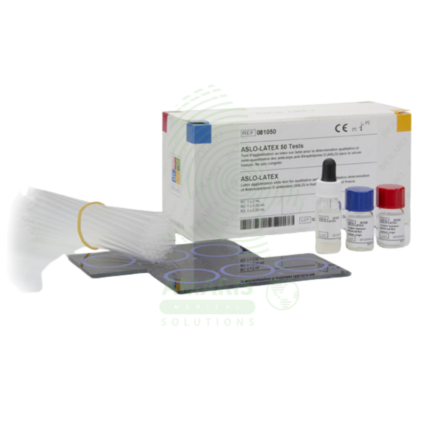
Anti-Streptol Olysin O Titer (ASOT)
Anti-Streptol Olysin O Titer (ASOT) is a quantitative or semi-quantitative serological test (latex agglutination, turbidimetry, nephelometry, or ELISA) for detecting antibodies against streptolysin O, an exotoxin produced by Group A Streptococcus. Elevated or rising titers indicate recent streptococcal infection and are essential for diagnosing post-streptococcal sequelae including acute rheumatic fever (Jones criteria) and post-streptococcal glomerulonephritis. The test requires serum samples; acute and convalescent (2-4 weeks apart) with fourfold rise confirms recent infection. Reference range typically <200-250 Todd units/mL (adults), varies by age and population. Primary clinical applications include diagnosis of Group A streptococcal infections, acute rheumatic fever evaluation, post-streptococcal glomerulonephritis diagnosis, differentiation of acute vs. past infection, evaluation of unexplained arthritis or carditis, pediatric inflammatory conditions (PANDAS), and monitoring disease activity in rheumatic fever. Critical safety precautions include proper timing of acute and convalescent samples, awareness of false negatives/positives, clinical correlation for diagnosis, and standard biohazard precautions. Essential test for rheumatology, nephrology, cardiology, and infectious disease practice.
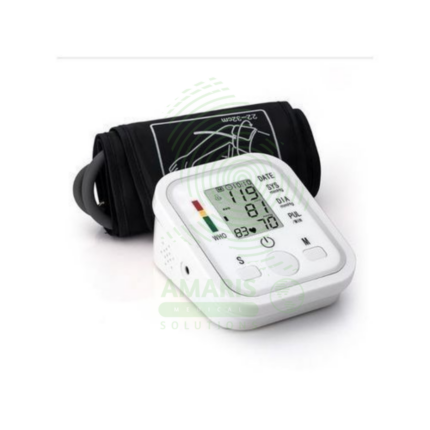
Digital Blood Pressure Monitor
A Digital Blood Pressure Monitor is an automatic electronic device that measures and displays systolic pressure, diastolic pressure, and pulse rate using the oscillometric method. Designed primarily for home and clinical use, it offers a user-friendly alternative to manual aneroid devices, requiring minimal training. Key features often include irregular heartbeat detection, multi-user memory, and connectivity for data tracking. Its accuracy, when clinically validated and used with correct technique, makes it an indispensable tool for the diagnosis and management of hypertension, empowering patients and supporting healthcare providers with reliable ambulatory data.
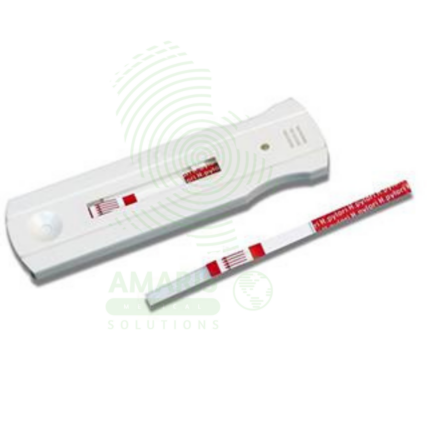
H. pylori Test Strips
H. pylori Test Strips are rapid, lateral flow immunochromatographic devices used for the qualitative detection of Helicobacter pylori antigens in human stool. As a non-invasive stool antigen test (SAT), it provides a convenient and reliable method for diagnosing active H. pylori infection and confirming eradication after therapy, with results available in under 15 minutes. Ideal for use in clinics and outpatient settings, it aids in the management of dyspepsia and peptic ulcer disease. Proper sample handling, adherence to pre-test medication restrictions, and strict biohazard precautions are essential for obtaining accurate results.
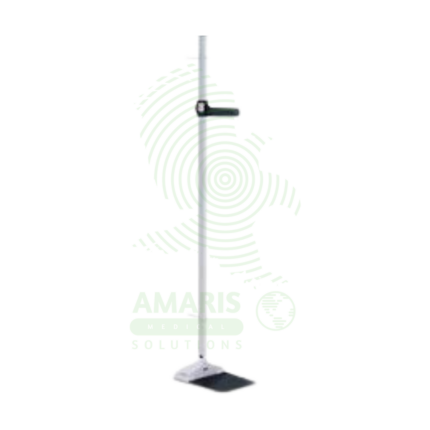
Height Board
A Height Board, or stadiometer, is a precision medical instrument designed for the accurate measurement of human stature. As a wall-mounted or portable device featuring a vertical scale and a sliding horizontal headpiece, it is the clinical standard for obtaining height. This measurement is foundational for calculating Body Mass Index (BMI), tracking growth in children, screening for nutritional issues, and assessing adults for conditions like osteoporosis. Its accuracy, dependent on proper installation and technique, makes it an indispensable tool in pediatrics, primary care, nutrition, and public health

Littman Stethoscope (Classic 4 Cardiology)
A Littman Stethoscope (Classic 4 Cardiology) represents the pinnacle of acoustic auscultation technology. Designed for clinicians who require the highest level of diagnostic accuracy, it features dual tunable diaphragms and dual-lumen tubing to provide exceptional acoustic sensitivity and ambient noise reduction. Its innovative design allows the user to hear both high and low-frequency sounds by simply adjusting pressure on either side of the chestpiece, making it the instrument of choice for cardiologists, intensivists, and specialists who cannot afford to miss a subtle murmur, rub, or breath sound. It combines superior performance with the durability and comfort expected from the Littmann brand.
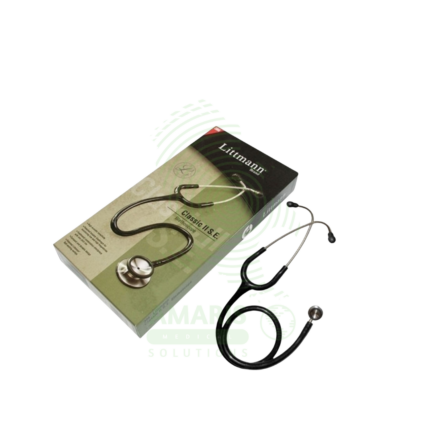
Littmann Stethoscope (Classic II)
A Littmann Stethoscope (Classic II) is a premium, acoustic dual-head stethoscope renowned for its diagnostic clarity, durability, and innovative tunable diaphragm technology. It allows healthcare professionals to hear both high and low-frequency sounds by simply adjusting pressure on the single-sided chestpiece, eliminating the need to rotate it. With its superior acoustics, comfortable fit, and wide range of colors, it is the instrument of choice for medical students, nurses, and physicians across all specialties who require reliable performance for physical assessment, auscultation of heart and lung sounds, and manual blood pressure measurement.
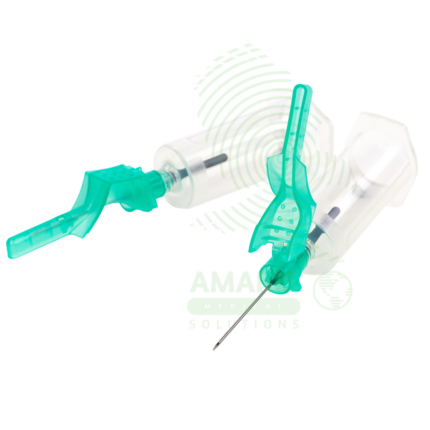
SAFE SERIES Blood Collection Needles
The SAFE SERIES (AM-SAFE) by Beijing Precil (Mindray subsidiary) is a comprehensive line of safety-engineered blood collection devices designed to prevent accidental needlestick injuries in healthcare workers. The series includes venous blood collection needles (AM-SAFE-V), standard safety needles (AM-SAFE1), winged infusion sets/butterfly needles (AM-SAFE2), high-gauge thin-wall needles for fragile veins (AM-SAFE3), premium coated needles for enhanced patient comfort (AM-GOLD), and nurse-friendly one-handed safety variants (AM-NURSE). All devices incorporate integral safety mechanisms that shield the contaminated needle immediately after withdrawal, complying with OSHA Needlestick Safety and Prevention Act requirements. Available in various gauges (18G-25G) and configurations for routine venipuncture, difficult vein access, pediatric/geriatric patients, and frequent blood draws. Sterile, single-use, latex-free, and color-coded for easy gauge identification. Essential safety devices for blood collection in hospitals, clinics, laboratories, and home healthcare settings.