Dermatoscope and Magnifiers
 Diagnostic Kits
 Vital Signs Monitors
 Stethoscopes and Accessories
 Otoscopes, Ophthalmoscopes, and Retinoscopes
 Reflex Hammers and Neurological Tools
 Scales and Measuring Devices
 Spirometers and Pulmonary Function Tests
 Electrosurgical Units and Accessories
 Cutting Instruments
 Grasping and Holding Instruments
 Hemostatic Instruments
 Specialized Surgical Sets
 Single-Use Procedure Trays and Packs
 Surgical Drapes, Gowns, and Covers
 Tissue Unifying Instruments
 Radiation Protection
 X-Ray Machines and Accessories
 Ultrasound Systems and Probes
 MRI and CT Scanners
 Radiology Consumables
 Bone Densitometers
 Fluoroscopy Equipment
 Imaging Tables and Positioning Aids
 Microscopes and Accessories
 Centrifuges and Separators
 Analyzers
 Incubators and Ovens
 Pipettes, Dispensers, and Lab Glassware
 Refrigerators, Freezers, and Storage Units
 Lab Consumables
 Sterilizers and Autoclaves for Lab Use
 Multi-Parameter Monitors
 Ventilators and Respiratory Support Devices
 Defibrillators and AEDs
 Infusion Pumps and IV Systems
 Patient Warmers and Cooling Devices
 Central Monitoring Stations
 Accessories
 Anesthesia Machines and Workstations
 Oxygen Concentrators and Delivery Systems
 Nebulizers and Inhalers
 CPAP/BiPAP Machines
 Airway Management
 Anesthesia Masks, Circuits, and Bags
 Humidifiers and Heaters
 Respiratory Therapy Accessories
 First Aid Kits and Cabinets
 Emergency Resuscitation Equipment
 Trauma Supplies
 Emergency Carts and Crash Carts
 Burn Care Products
 Bleeding Control
 Automated External Defibrillators (AEDs)
 Transport and Evacuation
 Wheelchairs and Accessories
 Walkers, Crutches, and Canes
 Prosthetics and Orthotics
 Physical Therapy Equipment
 Transfer Devices
 Bathroom Safety
 Orthopedic Traction and Tables
 Hot/Cold Therapy Packs and Units
 Beds and Mattresses
 Chairs and Stools
 Tables
 Cabinets and Storage
 Privacy Screens & Curtains
 Stands and Racks
 Linens and Textiles
 Lighting
 Autoclaves and Sterilizers
 Ultrasonic Cleaners
 Disinfectant Solutions and Wipes
 Sterilization Pouches, Wraps, and Indicators
 Instrument Trays and Containers
 UV and Ozone Disinfection Devices
 Washer Disinfectors
 Wound Care
 Gloves
 Masks and Respirators
 Catheters and Tubing
 Swabs, Applicators, and Sponges
 Incontinence Products
 Personal Protective Equipment (PPE)
 Dental Chairs and Units
 Handpieces and Burs
 Instruments
 Consumables
 Sterilization for Dental Use
 Orthodontic Supplies
 Endodontic Tools
 Slit Lamps and Tonometers
 Lensometers and Phoropters
 Ophthalmic Surgical Instruments
 Eyewear Frames and Lenses
 Contact Lens Supplies
 Vision Testing Charts and Devices
 Eye Care Consumables
 Laser Systems for Eye Care
 ENT Exam Chairs and Tables
 Endoscopes
 Audiometers and Hearing Tests
 ENT Instruments
 Nasal and Throat Packs
 Hearing Aids and Accessories
 Otology Supplies
 Fetal Dopplers and Monitors
 Delivery Beds and Tables
 Gynecological Instruments
 Neonatal Incubators and Warmers
 Breast Pumps and Accessories
 Contraceptive Devices
 Maternity Supports and Pads
 Neonatal Consumables
 Cystoscopes and Urethroscopes
 Dialysis Machines and Supplies
 Urological Catheters and Bags
 Lithotripters
 Prostate Treatment Devices
 Urinary Incontinence Products
 Kidney Stone Management Tools
 Consumables & Disposables
 EEG and EMG Machines
 Neurosurgical Instruments
 Nerve Stimulators
 Headrests and Positioning Aids
 Lumbar Puncture Kits
 Seizure Monitoring Devices
 Consumables
 Rehabilitation for Neurological Conditions
 ECG Machines and Accessories
 Holter Monitors
 Stress Test Systems
 Pacemakers and Defibrillator Accessories
 Vascular Access Devices
 Cardiac Catheters and Guidewires
 Blood Flow Meters
 Consumables
 Orthopedic Instruments
 Casts, Splints, and Padding
 Joint Replacement Supplies
 Prosthetic Limbs and Components
 Bone Grafts and Substitutes
 Traction Devices
 Orthopedic Braces and Supports
 Rehabilitation Aids for Orthopedics
 Home Oxygen Therapy
 Hospital Beds for Home Use
 Mobility Aids
 Bathroom and Daily Living Aids
 Wound Care for Home
 Monitoring Devices
 Enteral Feeding Pumps and Tubes
 Hand Sanitizers and Dispensers
 Face Shields and Goggles
 Isolation Gowns and Suits
 Biohazard Waste Containers
 Air Purifiers and HEPA Filters
 Surface Disinfectants
 Sharps Containers
 Protective Barriers
 Cardiovascular & Endurance Training
 Strength Training & Weightlifting
 Functional Training & Core Conditioning
 Physical Therapy & Rehabilitation
 Sports & Outdoor Recreation
 Gym Flooring & Facility Equipment
 Fitness Monitoring & Accessories
 Kids & Novelties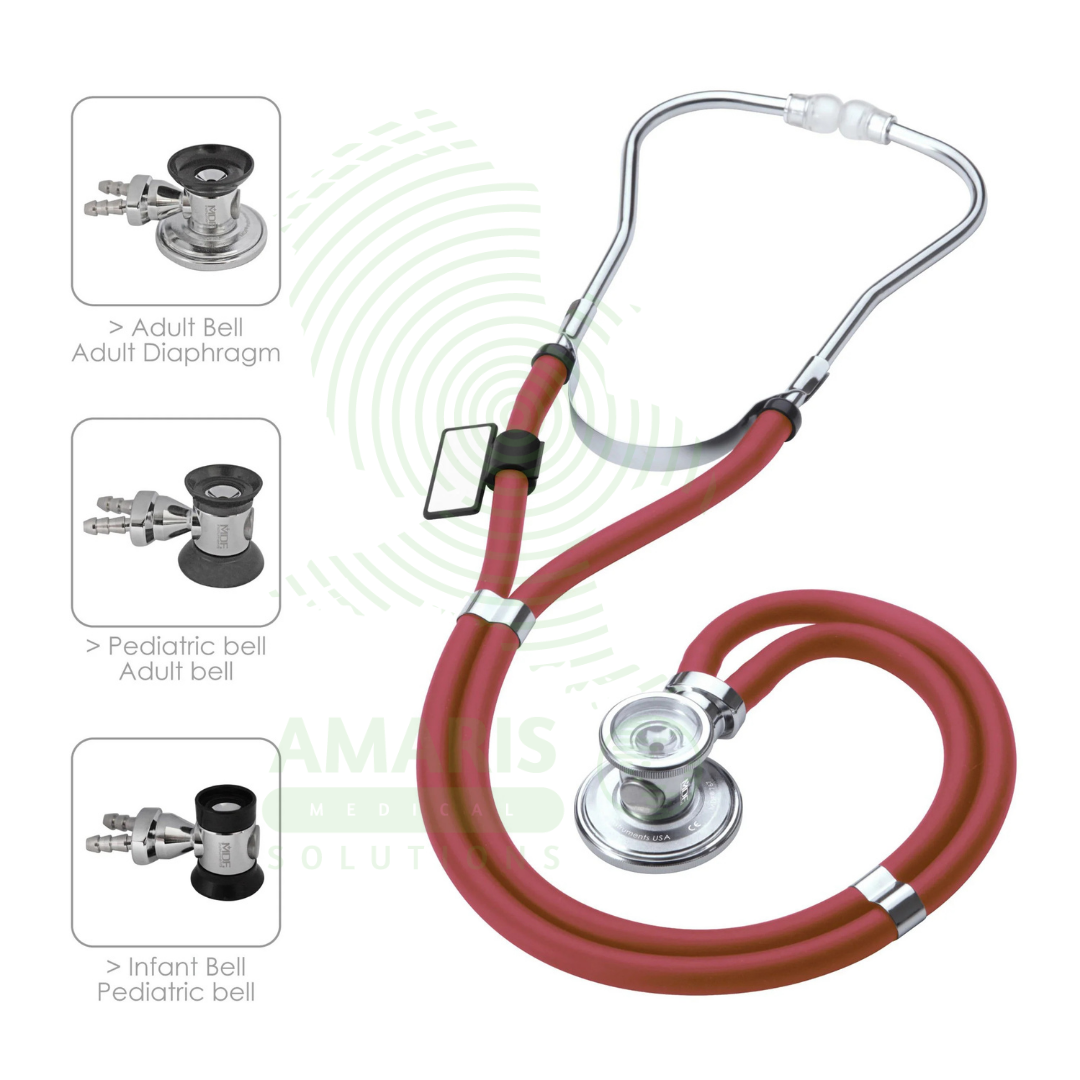

Dual Head Stethoscope
$1.00
WhatsApp Order
The Dual Head Stethoscope is the classic, essential acoustic diagnostic tool used by healthcare professionals worldwide. Its defining feature is a two-sided chestpiece, combining a diaphragm for high-frequency sounds (breath sounds, normal heart tones) and a bell for low-frequency sounds (heart murmurs, abnormal heart tones). Through mechanical sound conduction, it provides critical information for assessing cardiac, pulmonary, and vascular systems during physical examinations and manual blood pressure measurement. Its effectiveness relies on proper technique, a good acoustic seal, and consistent cleaning. As a fundamental symbol of medical practice, it balances functionality, durability, and affordability.
Description
Dual Head Stethoscope
PRIMARY CLINICAL & DIAGNOSTIC USES
1. Cardiovascular Auscultation:
-
Primary Use: The essential tool for evaluating heart function. Used to identify normal heart sounds (S1, S2), detect murmurs indicative of valvular heart disease (e.g., aortic stenosis, mitral regurgitation), pericardial friction rubs, and abnormal heart sounds (S3, S4) associated with conditions like heart failure.
-
How it helps: Allows physicians to listen to the heart’s rhythm and sounds, detecting the subtle whispers of turbulent blood flow through damaged valves or the galloping rhythm of a failing heart before more serious symptoms develop.
2. Pulmonary Auscultation:
-
Primary Use: Critical for assessing the respiratory system. Enables clinicians to listen for normal vesicular breath sounds and identify pathological sounds such as crackles (rales from fluid), wheezes (airway constriction in asthma/COPD), rhonchi (airway secretions), stridor, and pleural rubs.
-
How it helps: Provides an acoustic window into the lungs, revealing whether shortness of breath is caused by fluid in the air sacs, narrowed airways, or inflammation of the lung lining—information that guides immediate treatment decisions.
3. Manual Blood Pressure Measurement:
-
Primary Use: The definitive instrument for auscultatory blood pressure determination. Used in conjunction with a sphygmomanometer to listen for Korotkoff sounds, establishing systolic and diastolic pressure readings.
-
How it helps: Gives healthcare providers the gold standard method for measuring blood pressure, using sound to determine the exact moment when blood flow resumes in a compressed artery.
4. Abdominal Examination:
-
Primary Use: Used to assess bowel sounds (frequency and character), detect vascular bruits over the aorta or renal arteries (suggesting stenosis), and identify hepatic or splenic friction rubs.
-
How it helps: Offers a non-invasive way to assess abdominal health, from the tinkling sounds of a bowel obstruction to the whooshing sound of narrowed arteries supplying the kidneys.
5. General Physical Examination:
-
Primary Use: A foundational instrument used across all medical specialties during routine check-ups, hospital admissions, and sick visits to screen for abnormalities and gather baseline clinical data.
-
How it helps: Serves as the clinician’s constant companion, providing valuable information about nearly every organ system during every patient encounter, from the heart and lungs to the abdomen and blood vessels.
SECONDARY & SUPPORTIVE USES
1. Arterial & Venous Assessment: Can be used to listen for carotid, femoral, or renal bruits, as well as venous hums, helping detect arterial narrowing that could lead to stroke or kidney damage.
2. Procedure Verification: Employed to confirm correct placement of endotracheal tubes (checking for bilateral breath sounds) and occasionally during central venous line insertion, ensuring life-saving procedures are performed correctly.
3. Veterinary Medicine: A standard tool for physical examination of animals, helping veterinarians assess heart and lung function in pets and livestock.
4. Medical Education: The primary device for teaching students the art of auscultation and physical diagnosis, training the next generation of clinicians to recognize the sounds of health and disease.
KEY PRODUCT FEATURES
1. BASIC IDENTIFICATION ATTRIBUTES
-
Type: Acoustic (non-electronic), Dual-Head Stethoscope.
-
Chestpiece Design: Features two distinct listening surfaces on a single chestpiece: a diaphragm (a flat, plastic disc) and a bell (a shallow, hollow cup). These are typically on opposite sides and require manual rotation to select.
-
Acoustic Principle: Transmits sound waves from the patient's body, through the chestpiece and air-filled tubing, to the clinician's ears via mechanical conduction.
-
Tubing: Most commonly features Y-shaped, dual-lumen tubing (two internal tubes merging into one) or single-lumen tubing, connecting the chestpiece to the binaurals.
2. TECHNICAL & PERFORMANCE PROPERTIES
-
Diaphragm Function: The larger, flat side. When placed firmly on the skin, it vibrates with body sounds, filtering out very low-frequency noise. It is best for hearing higher-frequency sounds such as normal breath sounds, normal heart sounds (S1, S2), and certain murmurs.
-
Bell Function: The smaller, cup-like side. When placed with very light pressure on the skin, it functions by directly capturing low-frequency sound waves. It is essential for hearing low-frequency sounds such as heart murmurs (e.g., mitral stenosis), the third (S3) and fourth (S4) heart sounds, and some vascular bruits. Firm pressure stretches the skin and turns the bell into a functional diaphragm.
-
Acoustic Seal: Quality is determined by tight seals at the ear tips, headset tension, and the integrity of the tubing. A proper seal is critical for optimal sound transmission and noise isolation.
-
Frequency Response: The diaphragm attenuates low frequencies; the bell attenuates high frequencies. Together, they cover the diagnostic range needed for human auscultation.
3. PHYSICAL & OPERATIONAL PROPERTIES
-
Materials: Chestpiece is usually made of stainless steel or chrome-plated brass. Tubing is typically PVC or latex-free rubber. Ear tips are made of soft silicone or rubber.
-
Length: Standard tubing length is approximately 28 inches (70-72 cm), balancing reach and sound quality.
-
Comfort: An adjustable, sprung metal headset allows for a secure and comfortable fit. Non-chill rims on the chestpiece improve patient comfort.
4. SAFETY & COMPLIANCE ATTRIBUTES
-
Regulatory Status: Classified as a Class I medical device in most global markets (e.g., subject to FDA General Controls, eligible for CE Marking). It is a non-invasive, non-powered diagnostic tool.
-
Biocompatibility: Materials that contact the patient (chestpiece rim) are biocompatible.
-
Cleanability: Designed to be cleaned with common hospital disinfectants without degrading.
5. STORAGE & HANDLING ATTRIBUTES
-
Storage: Should be hung by the ear tubes or laid flat in a clean environment. Never store folded tightly or with sharp kinks in the tubing, as this can cause permanent internal damage and cripple acoustic performance.
-
Cleaning & Disinfection: Requires cleaning between patients to prevent cross-contamination.
-
Chestpiece & Tubing: Wipe thoroughly with a 70% isopropyl alcohol pad or a cloth dampened with a mild soap solution or hospital-grade disinfectant.
-
Ear Tips & Binaurals: Can be removed for more thorough cleaning. Do not immerse the entire stethoscope in liquid or autoclave it.
-
-
Maintenance: Periodically inspect tubing for cracks, hardening, or leaks. Replace ear tips if they become cracked, hardened, or loose.
6. LABORATORY & CLINICAL APPLICATIONS
-
Primary Application: The universal instrument for conducting physical examinations and performing diagnostic auscultation in any clinical setting, from quiet consultation rooms to noisy emergency departments.
-
Skill-Dependent Performance: The quality of the information obtained is heavily dependent on the clinician's technique and auditory skill.
SAFETY HANDLING PRECAUTIONS
1. SAFETY PRECAUTIONS
-
Infection Control: A significant fomite. Must be decontaminated after each patient use, particularly the diaphragm and bell, to prevent the transmission of pathogens (e.g., MRSA, C. difficile).
-
Correct Usage: Use the appropriate side (bell vs. diaphragm) with the correct pressure for the intended examination. Misuse leads to missed or misinterpreted findings.
-
Physical Damage: Avoid exposure to extreme heat (car dashboards), oils, solvents, and excessive bending, which can damage the tubing.
2. FIRST AID MEASURES
-
General: The device itself poses no direct hazard. If a component causes minor injury (e.g., a scratch from a broken edge), provide standard first aid.
-
Ingestion of Parts: If small parts (e.g., ear tips) are ingested, seek medical advice.
3. FIRE FIGHTING MEASURES
-
Flammability: The PVC/rubber tubing and plastic/rubber components are combustible but not highly flammable.
-
Extinguishing Media: Use water, foam, CO₂, or dry chemical extinguishers as appropriate for the surrounding fire. The device itself is not a significant fire hazard.
Related products
ECG Machine
An ECG Machine is a Class II medical device that records and displays the electrical activity of the heart through surface electrodes, producing an electrocardiogram for diagnosis of cardiac conditions. Standard diagnostic machines record 12 simultaneous leads (3 limb, 6 precordial, 1 ground) with frequency response 0.05-150 Hz, sampling rate 500-1,000 Hz, and high-resolution (5-10 µV) signal acquisition. Features include color touchscreen display, thermal array printer, computerized interpretation algorithms, internal memory (50-500+ ECGs), and network connectivity for EMR integration. Lead wires (AHA or IEC color coding) connect to disposable adhesive electrodes. Portable models (5-15 kg) with rechargeable batteries enable bedside and mobile use; cart-mounted units provide full diagnostic capability. Primary clinical applications include diagnosis of arrhythmias (AF, VT, bradycardia), detection of myocardial ischemia/infarction (STEMI, NSTEMI), evaluation of chest pain, preoperative cardiac risk assessment, monitoring electrolyte imbalances, assessment of chamber enlargement, and drug effect/toxicity monitoring. Essential diagnostic equipment in emergency departments, cardiology clinics, ICUs, operating rooms, and primary care settings worldwide.
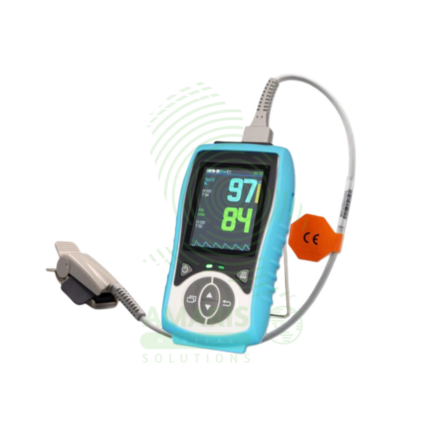
Handheld Pulse Oximeter
A Handheld Pulse Oximeter is a professional-grade, portable medical device used by healthcare providers for accurate and reliable monitoring of blood oxygen saturation (SpO2) and pulse rate. It consists of a durable, feature-rich monitor unit and separate, interchangeable sensors for use on fingers, toes, or ears. Superior to basic fingertip models, it offers advanced functions like configurable alarms, detailed plethysmograph display, trend memory, and data connectivity. Its robust design, clinical accuracy under challenging conditions (motion, low perfusion), and versatility make it an essential tool in hospitals, clinics, ambulances, and home health for patient assessment and monitoring.
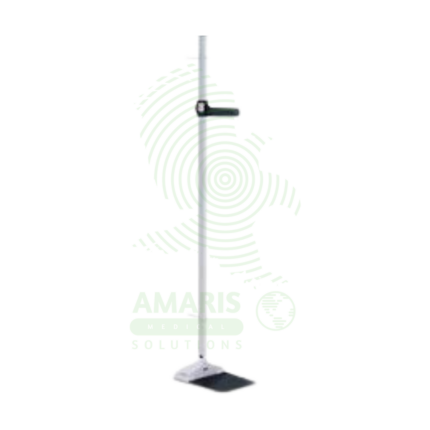
Height Board
A Height Board, or stadiometer, is a precision medical instrument designed for the accurate measurement of human stature. As a wall-mounted or portable device featuring a vertical scale and a sliding horizontal headpiece, it is the clinical standard for obtaining height. This measurement is foundational for calculating Body Mass Index (BMI), tracking growth in children, screening for nutritional issues, and assessing adults for conditions like osteoporosis. Its accuracy, dependent on proper installation and technique, makes it an indispensable tool in pediatrics, primary care, nutrition, and public health
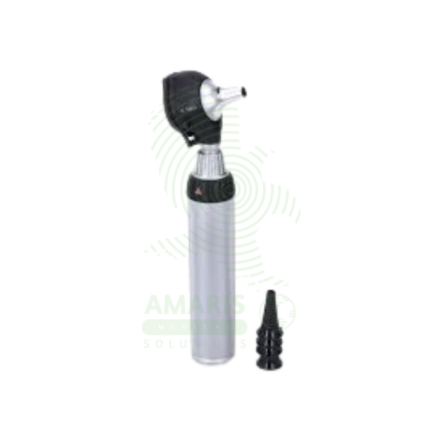
LED Otoscope
An LED Otoscope is a handheld medical device used for illuminating and magnifying the external ear canal and tympanic membrane. Featuring a bright, cool, and long-lasting LED light source, it provides superior visualization for diagnosing common conditions like ear infections, wax impaction, and perforations. Its design, incorporating a reusable handle/head and disposable specula, ensures hygiene and patient safety. As an essential tool in family medicine, pediatrics, and ENT, it enables clinicians to perform accurate otoscopic examinations and, when equipped with an insufflator, crucial pneumatic otoscopy to assess middle ear function.
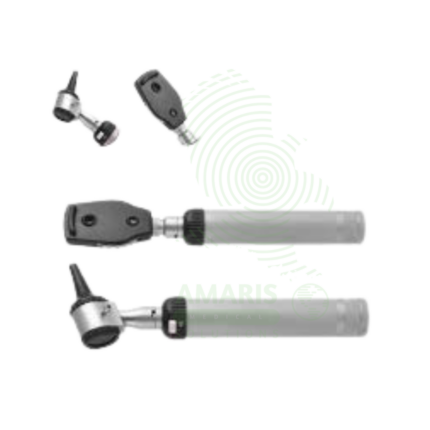
Ophthalmoscope
An Ophthalmoscope is a handheld diagnostic instrument used to examine the interior of the eye, specifically the fundus (retina, optic disc, blood vessels, and macula). By providing illuminated magnification, it serves as a vital screening tool for detecting ocular diseases like glaucoma and retinal disorders, and more importantly, for identifying signs of systemic conditions such as diabetes, hypertension, and increased intracranial pressure. Its operation involves selecting appropriate apertures and compensating lenses to obtain a clear view. While offering a detailed but narrow field of vision, mastery of the direct ophthalmoscope remains a cornerstone skill in general medicine, neurology, and ophthalmology for assessing vascular and neurological health.
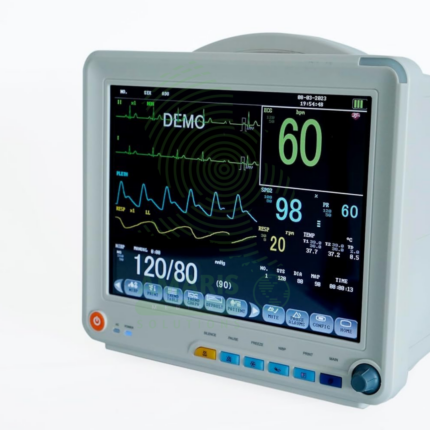
Patient Monitor
The Patient Monitor (6 Parameters BCCMS8000) is a versatile multi-parameter monitor designed for continuous surveillance of core vital signs in various clinical settings. It tracks six essential parameters—ECG, SpO2, Non-Invasive Blood Pressure (NIBP), Respiration, Temperature, and Pulse Rate—providing clinicians with real-time waveforms and numerical data on a clear color display. With its robust alarm system, battery backup for transport, and reliable performance, it is a fundamental tool for ensuring patient safety on general hospital wards, during procedures, and in emergency departments. Its design balances comprehensive monitoring capability with user-friendly operation.
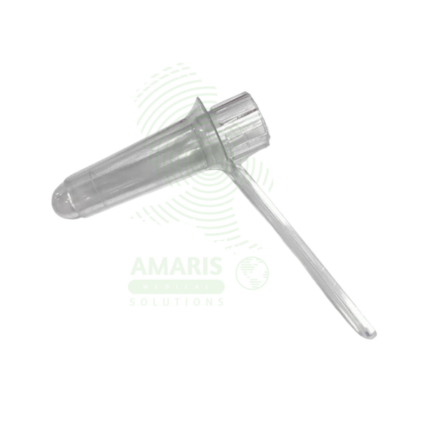
Proctoscope
A Proctoscope is a rigid, straight-tube endoscope specifically designed for the examination and treatment of the anal canal and distal rectum. It enables direct visualization to diagnose conditions like hemorrhoids, fissures, and proctitis, and serves as a conduit for therapeutic procedures such as band ligation. Available in reusable (autoclavable metal) or disposable (single-use plastic) formats, it is a fundamental tool in colorectal practice. Its effective use requires proper patient preparation, gentle insertion technique, and stringent adherence to sterilization protocols to ensure patient safety and diagnostic accuracy.