Dermatoscope and Magnifiers
 Diagnostic Kits
 Vital Signs Monitors
 Stethoscopes and Accessories
 Otoscopes, Ophthalmoscopes, and Retinoscopes
 Reflex Hammers and Neurological Tools
 Scales and Measuring Devices
 Spirometers and Pulmonary Function Tests
 Electrosurgical Units and Accessories
 Cutting Instruments
 Grasping and Holding Instruments
 Hemostatic Instruments
 Specialized Surgical Sets
 Single-Use Procedure Trays and Packs
 Surgical Drapes, Gowns, and Covers
 Tissue Unifying Instruments
 Radiation Protection
 X-Ray Machines and Accessories
 Ultrasound Systems and Probes
 MRI and CT Scanners
 Radiology Consumables
 Bone Densitometers
 Fluoroscopy Equipment
 Imaging Tables and Positioning Aids
 Microscopes and Accessories
 Centrifuges and Separators
 Analyzers
 Incubators and Ovens
 Pipettes, Dispensers, and Lab Glassware
 Refrigerators, Freezers, and Storage Units
 Lab Consumables
 Sterilizers and Autoclaves for Lab Use
 Multi-Parameter Monitors
 Ventilators and Respiratory Support Devices
 Defibrillators and AEDs
 Infusion Pumps and IV Systems
 Patient Warmers and Cooling Devices
 Central Monitoring Stations
 Accessories
 Anesthesia Machines and Workstations
 Oxygen Concentrators and Delivery Systems
 Nebulizers and Inhalers
 CPAP/BiPAP Machines
 Airway Management
 Anesthesia Masks, Circuits, and Bags
 Humidifiers and Heaters
 Respiratory Therapy Accessories
 First Aid Kits and Cabinets
 Emergency Resuscitation Equipment
 Trauma Supplies
 Emergency Carts and Crash Carts
 Burn Care Products
 Bleeding Control
 Automated External Defibrillators (AEDs)
 Transport and Evacuation
 Wheelchairs and Accessories
 Walkers, Crutches, and Canes
 Prosthetics and Orthotics
 Physical Therapy Equipment
 Transfer Devices
 Bathroom Safety
 Orthopedic Traction and Tables
 Hot/Cold Therapy Packs and Units
 Beds and Mattresses
 Chairs and Stools
 Tables
 Cabinets and Storage
 Privacy Screens & Curtains
 Stands and Racks
 Linens and Textiles
 Lighting
 Autoclaves and Sterilizers
 Ultrasonic Cleaners
 Disinfectant Solutions and Wipes
 Sterilization Pouches, Wraps, and Indicators
 Instrument Trays and Containers
 UV and Ozone Disinfection Devices
 Washer Disinfectors
 Wound Care
 Gloves
 Masks and Respirators
 Catheters and Tubing
 Swabs, Applicators, and Sponges
 Incontinence Products
 Personal Protective Equipment (PPE)
 Dental Chairs and Units
 Handpieces and Burs
 Instruments
 Consumables
 Sterilization for Dental Use
 Orthodontic Supplies
 Endodontic Tools
 Slit Lamps and Tonometers
 Lensometers and Phoropters
 Ophthalmic Surgical Instruments
 Eyewear Frames and Lenses
 Contact Lens Supplies
 Vision Testing Charts and Devices
 Eye Care Consumables
 Laser Systems for Eye Care
 ENT Exam Chairs and Tables
 Endoscopes
 Audiometers and Hearing Tests
 ENT Instruments
 Nasal and Throat Packs
 Hearing Aids and Accessories
 Otology Supplies
 Fetal Dopplers and Monitors
 Delivery Beds and Tables
 Gynecological Instruments
 Neonatal Incubators and Warmers
 Breast Pumps and Accessories
 Contraceptive Devices
 Maternity Supports and Pads
 Neonatal Consumables
 Cystoscopes and Urethroscopes
 Dialysis Machines and Supplies
 Urological Catheters and Bags
 Lithotripters
 Prostate Treatment Devices
 Urinary Incontinence Products
 Kidney Stone Management Tools
 Consumables & Disposables
 EEG and EMG Machines
 Neurosurgical Instruments
 Nerve Stimulators
 Headrests and Positioning Aids
 Lumbar Puncture Kits
 Seizure Monitoring Devices
 Consumables
 Rehabilitation for Neurological Conditions
 ECG Machines and Accessories
 Holter Monitors
 Stress Test Systems
 Pacemakers and Defibrillator Accessories
 Vascular Access Devices
 Cardiac Catheters and Guidewires
 Blood Flow Meters
 Consumables
 Orthopedic Instruments
 Casts, Splints, and Padding
 Joint Replacement Supplies
 Prosthetic Limbs and Components
 Bone Grafts and Substitutes
 Traction Devices
 Orthopedic Braces and Supports
 Rehabilitation Aids for Orthopedics
 Home Oxygen Therapy
 Hospital Beds for Home Use
 Mobility Aids
 Bathroom and Daily Living Aids
 Wound Care for Home
 Monitoring Devices
 Enteral Feeding Pumps and Tubes
 Hand Sanitizers and Dispensers
 Face Shields and Goggles
 Isolation Gowns and Suits
 Biohazard Waste Containers
 Air Purifiers and HEPA Filters
 Surface Disinfectants
 Sharps Containers
 Protective Barriers
 Cardiovascular & Endurance Training
 Strength Training & Weightlifting
 Functional Training & Core Conditioning
 Physical Therapy & Rehabilitation
 Sports & Outdoor Recreation
 Gym Flooring & Facility Equipment
 Fitness Monitoring & Accessories
 Kids & Novelties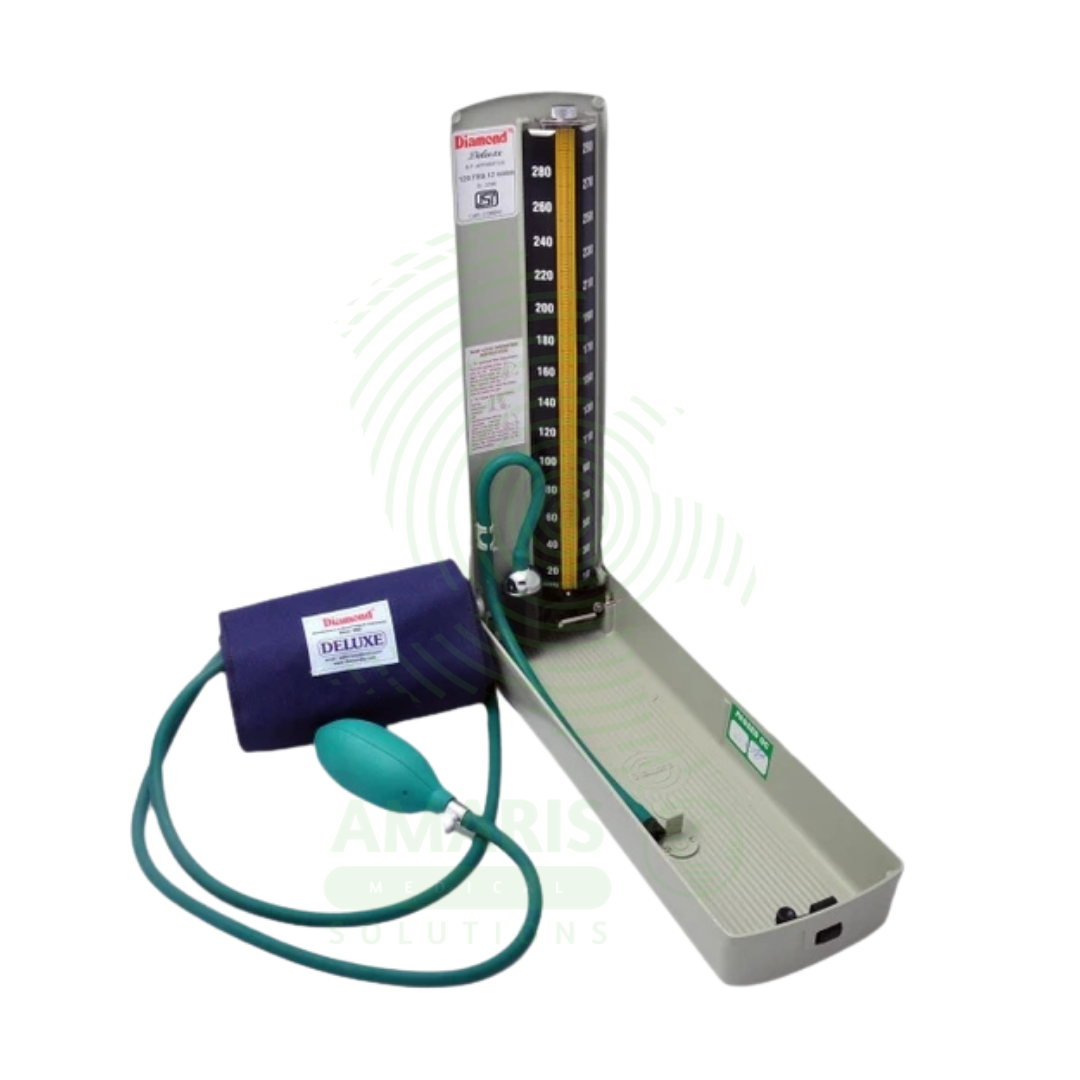
Manual Mercury BP Machine
$1.00
WhatsApp Order
A Manual Mercury BP Machine is a Class II medical device consisting of a calibrated mercury column (0-300 mm Hg, 2 mm graduations), inflation bulb with precision valve, and various cuff sizes, providing the gold standard for non-invasive blood pressure measurement through auscultation of Korotkoff sounds. The mercury column requires no calibration, offers inherent accuracy (±3 mm Hg), and serves as the reference standard against which all other BP devices are validated. Primary clinical applications include hypertension diagnosis and management (all clinical guidelines based on mercury measurements), clinical research and device validation studies, teaching auscultatory technique, cardiovascular risk assessment, special population monitoring (atrial fibrillation), and periodic validation of aneroid/automated devices. Critical safety considerations include mercury toxicity (toxic if spilled, inhaled, or ingested), strict spill response protocols, prohibition of tilting or inverting the device, mandatory use of mercury spill kits, and compliance with Minamata Convention phase-out regulations. Due to environmental and health concerns, mercury devices are being phased out globally, but remain the historical and reference standard for blood pressure measurement.
Description
Manual Mercury BP Machine
PRIMARY CLINICAL & DIAGNOSTIC USES
1. Gold Standard Blood Pressure Measurement:
-
Primary Use: Provides the most accurate non-invasive measurement of systolic and diastolic blood pressure through auscultation of Korotkoff sounds, serving as the reference standard against which all other BP devices are validated. The mercury column requires no calibration and provides consistent, reproducible readings with virtually no variation between different instruments.
-
How it helps: Establishes the true baseline for blood pressure measurement that all other devices are measured against, ensuring that patients worldwide receive accurate diagnoses based on the most reliable reference standard available.
2. Hypertension Diagnosis and Management:
-
Primary Use: Essential for accurate diagnosis of hypertension and monitoring of antihypertensive therapy, as all major clinical guidelines and treatment thresholds are based on mercury sphygmomanometer measurements rather than intra-arterial or alternative device readings.
-
How it helps: Ensures that decisions about starting or adjusting blood pressure medication are based on the most accurate measurements available, protecting patients from both undertreatment and overtreatment of this silent killer.
3. Clinical Research and Validation Studies:
-
Primary Use: Used as the reference standard in clinical trials and validation studies for new blood pressure devices, ensuring that automated and aneroid alternatives meet accuracy requirements before market approval.
-
How it helps: Protects patients by ensuring that every new blood pressure device on the market has been rigorously tested against the gold standard, guaranteeing that home monitors and automated office devices provide reliable readings.
4. Teaching and Training:
-
Primary Use: Enables medical students and healthcare professionals to learn proper auscultatory technique and understand the direct relationship between pressure and mercury column height, providing intuitive understanding of blood pressure measurement principles.
-
How it helps: Trains the next generation of healthcare providers using the most reliable teaching tool available, building fundamental understanding that transfers to all other blood pressure measurement methods.
5. Cardiovascular Risk Assessment:
-
Primary Use: Provides accurate BP readings essential for calculating cardiovascular risk scores and determining treatment thresholds for conditions including stroke, myocardial infarction, and kidney disease prevention.
-
How it helps: Ensures that critical decisions about heart disease prevention are based on the most accurate measurements available, giving patients the best possible protection against cardiovascular events.
6. Special Population Monitoring:
-
Primary Use: Particularly valuable in patients with atrial fibrillation or arrhythmias where automated oscillometric devices may be inaccurate; the manual auscultatory method allows clinicians to auscultate and interpret variable heart sounds while measuring pressure.
-
How it helps: Provides accurate blood pressure readings for patients with irregular heart rhythms, a population where automated devices often fail, ensuring they receive the same quality of cardiovascular care as other patients.
7. Validation of Alternative Devices:
-
Primary Use: Used in clinical settings to periodically check the accuracy of aneroid and automated BP devices, which may drift out of calibration and require verification against the mercury standard.
-
How it helps: Maintains the accuracy of all blood pressure measurements in a facility by providing a reliable reference to check other devices against, ensuring patients receive consistent care regardless of which device is used.
SECONDARY & SUPPORTIVE USES
1. Orthostatic blood pressure assessment for evaluation of autonomic dysfunction: Provides accurate measurements of blood pressure changes with position, helping diagnose conditions that cause dizziness and falls.
2. Research and epidemiological studies requiring highest accuracy: Ensures population-level blood pressure data is as accurate as possible, supporting public health policy and research.
3. Medical device calibration as reference standard for biomedical engineering: Serves as the benchmark against which all other blood pressure devices are calibrated, maintaining accuracy across an entire healthcare system.
4. Forensic and medico-legal applications requiring documented accuracy: Provides defensible blood pressure measurements for legal proceedings, where accuracy is paramount.
5. Teaching auscultatory technique in medical education: Continues to serve as the primary teaching tool for generations of medical students, ensuring fundamental skills are passed down.
KEY PRODUCT FEATURES
1. BASIC IDENTIFICATION ATTRIBUTES
-
Device Type: Manual sphygmomanometer using a column of mercury to measure blood pressure non-invasively.
-
Common Names: Mercury Sphygmomanometer, Manual BP Apparatus, Mercury BP Machine, Desk Model Sphygmomanometer, Floor Model Sphygmomanometer.
-
Components:
-
Mercury Column: Glass tube containing mercury, calibrated in 2 mm increments from 0-300 mm Hg.
-
Reservoir: Mercury reservoir at base of column with shut-off valve.
-
Cuff: Inflatable bladder with cloth cover; available in adult, large adult, pediatric, and infant sizes.
-
Bulb and Valve: Inflation bulb with controlled deflation valve for precise pressure release.
-
Manometer Case: Metal or plastic housing protecting mercury column; desk or wall-mounted.
-
-
Measurement Range: 0-300 mm Hg standard; some models extend to 300+ mm Hg.
-
Graduations: 2 mm Hg increments for precise reading.
2. TECHNICAL & PERFORMANCE PROPERTIES
-
Accuracy: ±3 mm Hg or ±2% of reading; mercury column inherently accurate without calibration drift.
-
Measurement Principle: Height of mercury column directly proportional to pressure applied; gravity-based measurement unaffected by temperature or altitude (with proper compensation).
-
Response Time: Instantaneous pressure display; no electronic processing delay.
-
Cuff Sizes: Adult (22-32 cm), large adult (32-42 cm), pediatric (18-26 cm), infant (10-18 cm), thigh (40-50 cm).
-
Bladder Dimensions: Must cover 80-100% of arm circumference for accurate measurement.
-
Valve Control: Precision needle valve allows controlled deflation at 2-3 mm Hg per second.
-
Reservoir Capacity: Sufficient mercury for full column to 300 mm Hg with reserve.
3. PHYSICAL & OPERATIONAL PROPERTIES
-
Desk Model Dimensions: 30-40 cm height × 15-20 cm width × 10-15 cm depth.
-
Floor Model Height: 120-150 cm on wheeled stand.
-
Weight: 3-5 kg (mercury contributes approximately 1-1.5 kg).
-
Housing Material: Metal (chrome-plated brass, aluminum) or high-impact plastic.
-
Mercury Content: 50-100 grams depending on model; elemental mercury, toxic if released.
-
Cuff Connection: Rubber tubing with metal or plastic connectors; various lengths available.
-
Storage: Wall bracket or floor stand for desk models; floor models self-standing with casters.
4. SAFETY & COMPLIANCE ATTRIBUTES
-
Regulatory Status: Class II medical device requiring FDA 510(k) clearance; subject to increasing restrictions due to mercury content.
-
Mercury Safety: Contains elemental mercury; toxic if inhaled as vapor or if spilled.
-
Environmental Regulations: Subject to Minamata Convention on Mercury; phased out in many countries; restricted sale in some jurisdictions.
-
Accuracy Standards: Meets AAMI/ANSI SP10 and ISO 81060-1 requirements for sphygmomanometers.
-
Cuff Biocompatibility: Bladder and cuff materials meet ISO 10993 for skin contact.
-
Latex-Free Options: Latex-free cuffs available for patients and staff with latex allergy.
-
Shut-off Valve: Reservoir shut-off valve prevents mercury spillage during transport.
5. STORAGE & HANDLING ATTRIBUTES
-
Storage: Store upright in designated location; never tilt or invert when mercury is present. Close shut-off valve before moving.
-
Mercury Spill Kit: Must have mercury spill kit available in any area where mercury devices are used.
-
Cleaning: Wipe exterior with EPA-registered hospital disinfectant. Do not immerse. Clean cuff per manufacturer instructions.
-
Inspection: Before each use, check mercury column for oxidation, separation, or bubbles; verify reservoir has adequate mercury; check tubing for cracks; verify valve function.
-
Calibration: Mercury column inherently stable; verify zero level and column integrity annually.
-
Transport: Close shut-off valve completely; transport upright; never tip or invert.
-
Disposal: Must dispose of hazardous waste following local, state, and federal regulations; never discard in regular trash.
6. LABORATORY & CLINICAL APPLICATIONS
-
Primary Application: Reference standard for non-invasive blood pressure measurement in clinical settings where highest accuracy is required, including hypertension diagnosis, research, and validation of other devices.
-
Measurement Technique:
-
Position patient seated with back supported, feet flat, arm at heart level.
-
Select appropriate cuff size; bladder must cover 80-100% of arm circumference.
-
Palpate brachial artery; position cuff midline over artery.
-
Inflate to 20-30 mm Hg above palpable systolic.
-
Deflate at 2-3 mm Hg per second while auscultating Korotkoff sounds.
-
Systolic: appearance of sounds (Phase I); Diastolic: disappearance of sounds (Phase V).
-
Record to nearest 2 mm Hg.
-
-
Limitations: Phasing out due to mercury toxicity concerns; heavy and non-portable; requires training for accurate use; not for patient self-measurement.
SAFETY HANDLING PRECAUTIONS
1. SAFETY PRECAUTIONS
-
Mercury Toxicity (Most Important): Elemental mercury is toxic. If spilled, mercury forms vapors that are inhaled and absorbed. Never use a vacuum cleaner; never sweep. Follow hazardous material spill protocol immediately.
-
Spill Response: Evacuate area; ventilate; use mercury spill kit; never touch mercury with bare hands; dispose of hazardous waste.
-
No Tilting: Never tilt or invert mercury columns when mercury is present; mercury may enter the breathing tube or spill.
-
Shut-off Valve: Close valve securely before moving device; verify closed before transport.
-
Column Integrity: Inspect glass column for cracks before each use; do not use if cracked.
-
Pediatric Precautions: Keep out of reach of children; mercury poses severe health risk if ingested or inhaled.
-
Cuff Size: Using incorrect cuff size causes inaccurate readings (under-cuffing falsely elevates BP).
-
Bladder Position: Bladder must be centered over brachial artery for accurate measurement.
-
Deflation Rate: Deflate at correct rate (2-3 mm Hg/sec); too rapid causes inaccurate readings.
-
Environmental Concerns: Comply with local regulations regarding mercury-containing devices; many jurisdictions prohibit new purchases.
2. FIRST AID MEASURES
-
Mercury Spill: Evacuate area immediately; ventilate; do not touch mercury; use mercury spill kit per protocol; contact environmental health and safety.
-
Skin Contact with Mercury: Wash affected area with soap and water; remove contaminated clothing; seek medical advice.
-
Mercury Ingestion: Do not induce vomiting; seek immediate emergency medical attention.
-
Mercury Inhalation: Move to fresh air; seek medical attention if respiratory symptoms develop.
-
Broken Glass Column: Do not handle broken glass with bare hands; follow spill protocol; dispose of hazardous waste.
3. FIRE FIGHTING MEASURES
-
Flammability: Mercury is non-combustible; housing materials may be combustible.
-
Fire Response: Mercury devices may rupture in fire releasing toxic mercury vapor; evacuate area; use self-contained breathing apparatus.
-
Extinguishing Media: Use appropriate media for surrounding fire.
Related products
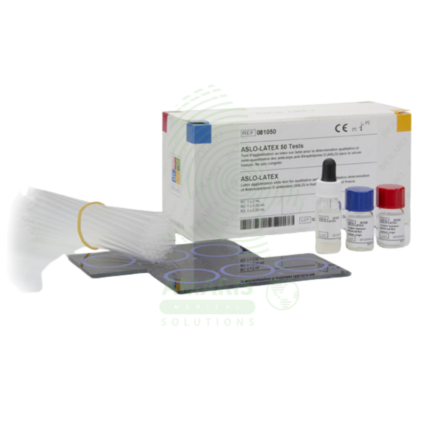
Anti-Streptol Olysin O Titer (ASOT)
Anti-Streptol Olysin O Titer (ASOT) is a quantitative or semi-quantitative serological test (latex agglutination, turbidimetry, nephelometry, or ELISA) for detecting antibodies against streptolysin O, an exotoxin produced by Group A Streptococcus. Elevated or rising titers indicate recent streptococcal infection and are essential for diagnosing post-streptococcal sequelae including acute rheumatic fever (Jones criteria) and post-streptococcal glomerulonephritis. The test requires serum samples; acute and convalescent (2-4 weeks apart) with fourfold rise confirms recent infection. Reference range typically <200-250 Todd units/mL (adults), varies by age and population. Primary clinical applications include diagnosis of Group A streptococcal infections, acute rheumatic fever evaluation, post-streptococcal glomerulonephritis diagnosis, differentiation of acute vs. past infection, evaluation of unexplained arthritis or carditis, pediatric inflammatory conditions (PANDAS), and monitoring disease activity in rheumatic fever. Critical safety precautions include proper timing of acute and convalescent samples, awareness of false negatives/positives, clinical correlation for diagnosis, and standard biohazard precautions. Essential test for rheumatology, nephrology, cardiology, and infectious disease practice.
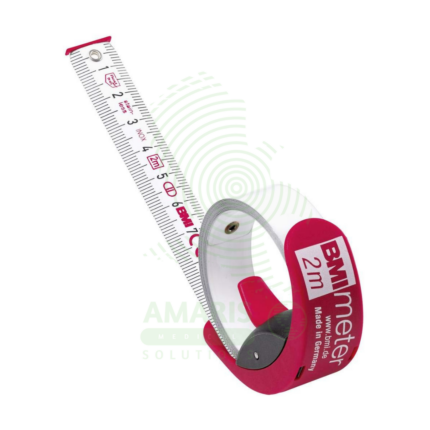
BMI Tape
A BMI Tape is a rapid screening tool that estimates an individual's Body Mass Index (BMI) category by measuring body circumference, most commonly the waist. It features a color-coded scale that directly displays BMI ranges (Underweight, Normal, Overweight, Obese), eliminating the need for separate height and weight measurements and manual calculation. While highly useful for community health screenings, wellness programs, and patient education due to its portability and simplicity, it is an approximate method. Its accuracy is limited compared to BMI calculated from precise clinical measurements, and it should be used as an initial screening indicator rather than a definitive diagnostic tool.
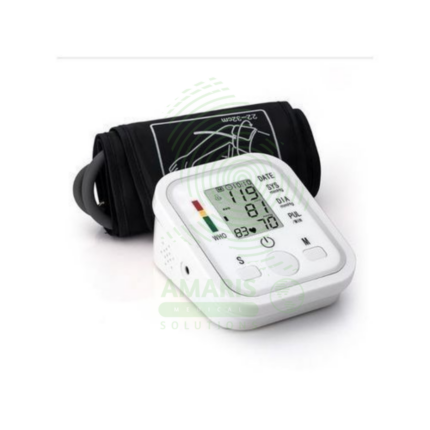
Digital Blood Pressure Monitor
A Digital Blood Pressure Monitor is an automatic electronic device that measures and displays systolic pressure, diastolic pressure, and pulse rate using the oscillometric method. Designed primarily for home and clinical use, it offers a user-friendly alternative to manual aneroid devices, requiring minimal training. Key features often include irregular heartbeat detection, multi-user memory, and connectivity for data tracking. Its accuracy, when clinically validated and used with correct technique, makes it an indispensable tool for the diagnosis and management of hypertension, empowering patients and supporting healthcare providers with reliable ambulatory data.
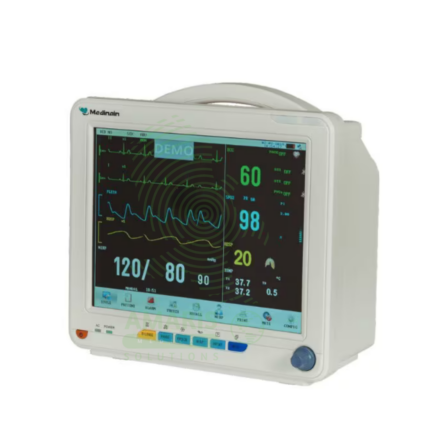
ECG Machine
An ECG Machine is a Class II medical device that records and displays the electrical activity of the heart through surface electrodes, producing an electrocardiogram for diagnosis of cardiac conditions. Standard diagnostic machines record 12 simultaneous leads (3 limb, 6 precordial, 1 ground) with frequency response 0.05-150 Hz, sampling rate 500-1,000 Hz, and high-resolution (5-10 µV) signal acquisition. Features include color touchscreen display, thermal array printer, computerized interpretation algorithms, internal memory (50-500+ ECGs), and network connectivity for EMR integration. Lead wires (AHA or IEC color coding) connect to disposable adhesive electrodes. Portable models (5-15 kg) with rechargeable batteries enable bedside and mobile use; cart-mounted units provide full diagnostic capability. Primary clinical applications include diagnosis of arrhythmias (AF, VT, bradycardia), detection of myocardial ischemia/infarction (STEMI, NSTEMI), evaluation of chest pain, preoperative cardiac risk assessment, monitoring electrolyte imbalances, assessment of chamber enlargement, and drug effect/toxicity monitoring. Essential diagnostic equipment in emergency departments, cardiology clinics, ICUs, operating rooms, and primary care settings worldwide.
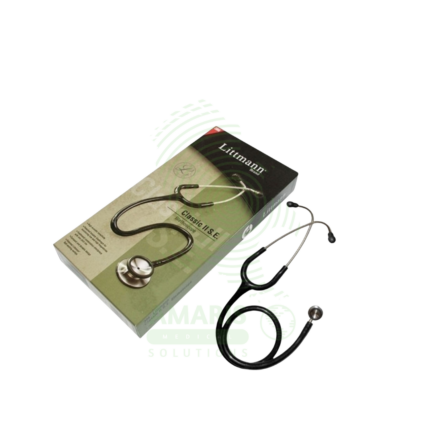
Littmann Stethoscope (Classic II)
A Littmann Stethoscope (Classic II) is a premium, acoustic dual-head stethoscope renowned for its diagnostic clarity, durability, and innovative tunable diaphragm technology. It allows healthcare professionals to hear both high and low-frequency sounds by simply adjusting pressure on the single-sided chestpiece, eliminating the need to rotate it. With its superior acoustics, comfortable fit, and wide range of colors, it is the instrument of choice for medical students, nurses, and physicians across all specialties who require reliable performance for physical assessment, auscultation of heart and lung sounds, and manual blood pressure measurement.
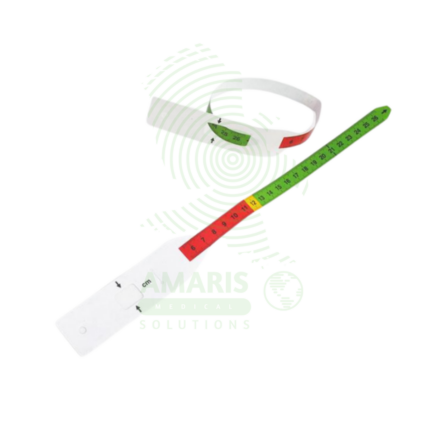
MUAC Tape
A MUAC Tape (Mid-Upper Arm Circumference) is a specialized, color-coded measuring tape used globally as the primary field tool for screening children aged 6-59 months for acute malnutrition. Its simple design—featuring red, yellow, and green zones corresponding to Severe Acute Malnutrition, Moderate Acute Malnutrition, and normal nutritional status—allows for instant, non-invasive assessment without the need for scales, calculation, or literacy. Durable, portable, and inexpensive, it is the cornerstone of community-based nutrition programs, emergency relief efforts, and public health surveillance, enabling early detection and life-saving intervention for malnourished children in even the most resource-constrained settings.
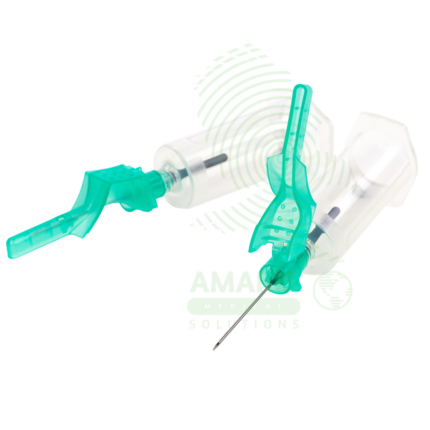
SAFE SERIES Blood Collection Needles
The SAFE SERIES (AM-SAFE) by Beijing Precil (Mindray subsidiary) is a comprehensive line of safety-engineered blood collection devices designed to prevent accidental needlestick injuries in healthcare workers. The series includes venous blood collection needles (AM-SAFE-V), standard safety needles (AM-SAFE1), winged infusion sets/butterfly needles (AM-SAFE2), high-gauge thin-wall needles for fragile veins (AM-SAFE3), premium coated needles for enhanced patient comfort (AM-GOLD), and nurse-friendly one-handed safety variants (AM-NURSE). All devices incorporate integral safety mechanisms that shield the contaminated needle immediately after withdrawal, complying with OSHA Needlestick Safety and Prevention Act requirements. Available in various gauges (18G-25G) and configurations for routine venipuncture, difficult vein access, pediatric/geriatric patients, and frequent blood draws. Sterile, single-use, latex-free, and color-coded for easy gauge identification. Essential safety devices for blood collection in hospitals, clinics, laboratories, and home healthcare settings.