Dermatoscope and Magnifiers
 Diagnostic Kits
 Vital Signs Monitors
 Stethoscopes and Accessories
 Otoscopes, Ophthalmoscopes, and Retinoscopes
 Reflex Hammers and Neurological Tools
 Scales and Measuring Devices
 Spirometers and Pulmonary Function Tests
 Electrosurgical Units and Accessories
 Cutting Instruments
 Grasping and Holding Instruments
 Hemostatic Instruments
 Specialized Surgical Sets
 Single-Use Procedure Trays and Packs
 Surgical Drapes, Gowns, and Covers
 Tissue Unifying Instruments
 Radiation Protection
 X-Ray Machines and Accessories
 Ultrasound Systems and Probes
 MRI and CT Scanners
 Radiology Consumables
 Bone Densitometers
 Fluoroscopy Equipment
 Imaging Tables and Positioning Aids
 Microscopes and Accessories
 Centrifuges and Separators
 Analyzers
 Incubators and Ovens
 Pipettes, Dispensers, and Lab Glassware
 Refrigerators, Freezers, and Storage Units
 Lab Consumables
 Sterilizers and Autoclaves for Lab Use
 Multi-Parameter Monitors
 Ventilators and Respiratory Support Devices
 Defibrillators and AEDs
 Infusion Pumps and IV Systems
 Patient Warmers and Cooling Devices
 Central Monitoring Stations
 Accessories
 Anesthesia Machines and Workstations
 Oxygen Concentrators and Delivery Systems
 Nebulizers and Inhalers
 CPAP/BiPAP Machines
 Airway Management
 Anesthesia Masks, Circuits, and Bags
 Humidifiers and Heaters
 Respiratory Therapy Accessories
 First Aid Kits and Cabinets
 Emergency Resuscitation Equipment
 Trauma Supplies
 Emergency Carts and Crash Carts
 Burn Care Products
 Bleeding Control
 Automated External Defibrillators (AEDs)
 Transport and Evacuation
 Wheelchairs and Accessories
 Walkers, Crutches, and Canes
 Prosthetics and Orthotics
 Physical Therapy Equipment
 Transfer Devices
 Bathroom Safety
 Orthopedic Traction and Tables
 Hot/Cold Therapy Packs and Units
 Beds and Mattresses
 Chairs and Stools
 Tables
 Cabinets and Storage
 Privacy Screens & Curtains
 Stands and Racks
 Linens and Textiles
 Lighting
 Autoclaves and Sterilizers
 Ultrasonic Cleaners
 Disinfectant Solutions and Wipes
 Sterilization Pouches, Wraps, and Indicators
 Instrument Trays and Containers
 UV and Ozone Disinfection Devices
 Washer Disinfectors
 Wound Care
 Gloves
 Masks and Respirators
 Catheters and Tubing
 Swabs, Applicators, and Sponges
 Incontinence Products
 Personal Protective Equipment (PPE)
 Dental Chairs and Units
 Handpieces and Burs
 Instruments
 Consumables
 Sterilization for Dental Use
 Orthodontic Supplies
 Endodontic Tools
 Slit Lamps and Tonometers
 Lensometers and Phoropters
 Ophthalmic Surgical Instruments
 Eyewear Frames and Lenses
 Contact Lens Supplies
 Vision Testing Charts and Devices
 Eye Care Consumables
 Laser Systems for Eye Care
 ENT Exam Chairs and Tables
 Endoscopes
 Audiometers and Hearing Tests
 ENT Instruments
 Nasal and Throat Packs
 Hearing Aids and Accessories
 Otology Supplies
 Fetal Dopplers and Monitors
 Delivery Beds and Tables
 Gynecological Instruments
 Neonatal Incubators and Warmers
 Breast Pumps and Accessories
 Contraceptive Devices
 Maternity Supports and Pads
 Neonatal Consumables
 Cystoscopes and Urethroscopes
 Dialysis Machines and Supplies
 Urological Catheters and Bags
 Lithotripters
 Prostate Treatment Devices
 Urinary Incontinence Products
 Kidney Stone Management Tools
 Consumables & Disposables
 EEG and EMG Machines
 Neurosurgical Instruments
 Nerve Stimulators
 Headrests and Positioning Aids
 Lumbar Puncture Kits
 Seizure Monitoring Devices
 Consumables
 Rehabilitation for Neurological Conditions
 ECG Machines and Accessories
 Holter Monitors
 Stress Test Systems
 Pacemakers and Defibrillator Accessories
 Vascular Access Devices
 Cardiac Catheters and Guidewires
 Blood Flow Meters
 Consumables
 Orthopedic Instruments
 Casts, Splints, and Padding
 Joint Replacement Supplies
 Prosthetic Limbs and Components
 Bone Grafts and Substitutes
 Traction Devices
 Orthopedic Braces and Supports
 Rehabilitation Aids for Orthopedics
 Home Oxygen Therapy
 Hospital Beds for Home Use
 Mobility Aids
 Bathroom and Daily Living Aids
 Wound Care for Home
 Monitoring Devices
 Enteral Feeding Pumps and Tubes
 Hand Sanitizers and Dispensers
 Face Shields and Goggles
 Isolation Gowns and Suits
 Biohazard Waste Containers
 Air Purifiers and HEPA Filters
 Surface Disinfectants
 Sharps Containers
 Protective Barriers
 Cardiovascular & Endurance Training
 Strength Training & Weightlifting
 Functional Training & Core Conditioning
 Physical Therapy & Rehabilitation
 Sports & Outdoor Recreation
 Gym Flooring & Facility Equipment
 Fitness Monitoring & Accessories
 Kids & Novelties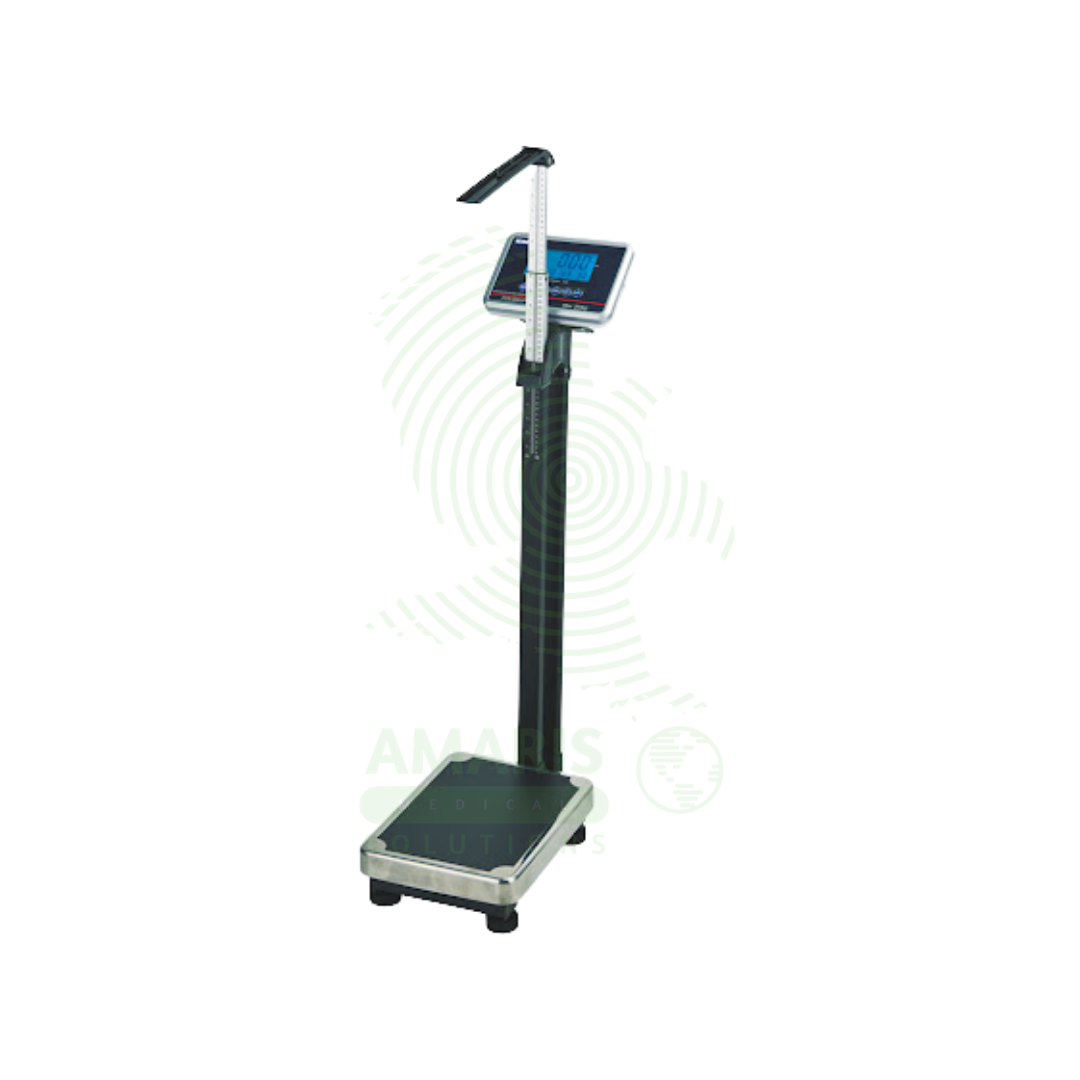
Digital Weighing Scale With Height
$1.00
WhatsApp Order
A Digital Weighing Scale With Height is a Class I medical device combining precision electronic load cell technology (accuracy ±0.1 kg, capacity 200-500 kg) with integrated mechanical or electronic height measurement (range 60-220 cm, accuracy ±2-5 mm) for comprehensive anthropometric assessment in clinical settings. Features include backlit LCD display with automatic BMI calculation, tare function for wheelchair weighing, hold function for unsteady patients, data output options (USB/Bluetooth/RS-232) for EMR integration, locking casters for mobility, and AC power with battery backup. Primary clinical applications include comprehensive anthropometric assessment in primary care, pediatric growth monitoring, adult obesity screening and weight management, bariatric surgery pre- and post-operative assessment, geriatric nutritional status monitoring, oncology chemotherapy dosing (BSA calculation), and clinical research. Critical safety considerations include locking casters before patient use, verifying zero before each measurement, providing step assistance for mobility-impaired patients, staying within weight capacity, and regular calibration verification with certified test weights. Essential digital equipment for efficient, accurate, and documented anthropometric assessment in modern clinical practice.
Description
Digital Weighing Scale With Height
PRIMARY CLINICAL & DIAGNOSTIC USES
1. Comprehensive Anthropometric Assessment in Clinical Settings:
-
Primary Use: Provides accurate digital weight measurement with integrated height rod for efficient calculation of Body Mass Index (BMI) during routine physical examinations, preoperative assessments, and chronic disease management in primary care, internal medicine, and specialty clinics.
-
How it helps: Gives healthcare providers instant, accurate BMI calculations at the touch of a button, streamlining patient assessments and ensuring that weight-related health risks are identified and addressed during every visit.
2. Pediatric Growth Monitoring and Well-Child Visits:
-
Primary Use: Enables rapid, accurate weight and height measurements in children during well-child visits, growth monitoring programs, and nutritional assessments, with digital display eliminating interpretation errors and speeding patient throughput.
-
How it helps: Makes pediatric check-ups faster and more accurate for busy practices, giving parents and pediatricians reliable growth data without the delays and potential errors of manual measurements.
3. Adult Obesity Screening and Weight Management Programs:
-
Primary Use: Facilitates BMI calculation for obesity screening, classification, and monitoring of patients enrolled in medically supervised weight loss programs, providing objective data for treatment decisions and progress tracking.
-
How it helps: Provides patients on weight loss journeys with clear, objective evidence of progress, while giving their healthcare teams the data needed to adjust treatment plans for optimal results.
4. Bariatric Surgery Pre- and Post-Operative Assessment:
-
Primary Use: Provides precise weight and height documentation required for bariatric surgery candidacy evaluation, insurance approval, and post-operative monitoring of weight loss outcomes.
-
How it helps: Supports patients through their entire weight loss surgery journey with accurate, documented measurements that satisfy insurance requirements and track the life-changing results of surgery.
5. Geriatric Nutritional Status and Sarcopenia Screening:
-
Primary Use: Enables regular monitoring of weight and height (or height loss) in elderly patients to detect malnutrition, unintentional weight loss, or height loss suggestive of osteoporosis and vertebral compression fractures.
-
How it helps: Protects elderly patients by catching dangerous weight loss early and tracking the height loss that signals weakening bones, allowing for timely intervention before falls and fractures occur.
6. Oncology and Chemotherapy Monitoring:
-
Primary Use: Provides accurate weight measurements essential for chemotherapy dosing calculations, with height data used for Body Surface Area (BSA) calculations that determine precise medication dosages for cancer treatment.
-
How it helps: Ensures cancer patients receive exactly the right dose of chemotherapy—enough to be effective but not so much as to cause excessive toxicity—based on precise, individualized body measurements.
7. Clinical Research and Epidemiological Studies:
-
Primary Use: Delivers reliable, reproducible weight and height data for research protocols requiring accurate anthropometric measurements, with digital output capabilities for direct data capture and reduced transcription errors.
-
How it helps: Provides researchers with high-quality, standardized data that improves the accuracy of clinical studies, contributing to medical advances that benefit patients worldwide.
SECONDARY & SUPPORTIVE USES
1. Preoperative Anesthesia Assessment: Provides accurate weight for anesthesia dosing calculations and height for airway management planning prior to surgical procedures, ensuring patient safety in the operating room.
2. Nursing Home and Long-Term Care Facility Monitoring: Enables regular weight and height monitoring of residents to detect changes in nutritional status, fluid balance, or mobility-related height loss, protecting vulnerable elderly populations.
3. School Health and Athletic Screening Programs: Used by school nurses and athletic trainers to conduct annual height and weight assessments for growth monitoring, obesity screening, and sports participation clearance, supporting youth health.
4. Corporate Wellness and Employee Health Fairs: Provides efficient anthropometric screening at workplace health events, with digital display allowing rapid data collection from multiple participants, promoting employee wellness.
5. Pharmacy-Based Health Screening Kiosks: Integrated into retail pharmacy health stations for convenient patient self-assessment of weight, height, and BMI, expanding access to preventive health services.
6. Military and Public Safety Physical Assessments: Used in recruitment and annual fitness testing for military, police, and firefighter candidates requiring precise height and weight documentation, supporting workforce readiness.
7. Disability and Insurance Medical Evaluations: Provides documented height and weight measurements for disability determinations, life insurance medical examinations, and legal proceedings requiring objective anthropometric data.
KEY PRODUCT FEATURES
1. BASIC IDENTIFICATION ATTRIBUTES
-
Device Type: Digital scale with integrated mechanical or electronic height measurement for comprehensive anthropometric assessment.
-
Common Names: Digital Physician Scale, Digital Height and Weight Scale, Electronic Medical Scale, Digital Column Scale, BMI Scale.
-
Components:
-
Base Platform: Heavy-duty metal platform with digital load cells.
-
Digital Display: Backlit LCD showing weight, height, BMI, and other calculated values.
-
Column/Upright: Vertical support housing height rod and display.
-
Height Rod: Mechanical (telescoping) or electronic (ultrasonic/infrared) height measurement.
-
Control Panel: Keypad for user input, tare, hold, and calculation functions.
-
Power Source: AC adapter (standard) with battery backup option.
-
Data Output: USB, Bluetooth, or RS-232 for EMR integration (select models).
-
-
Weight Capacity: 200-300 kg (440-660 lbs) standard; bariatric models available to 500 kg (1100 lbs).
-
Weight Graduation: 0.1 kg or 0.2 lb (0.05 kg on precision models).
-
Height Range: 60-220 cm (24-87 inches) typical.
-
Height Graduation: 1 mm or 0.5 cm (mechanical); 0.1 cm (electronic).
2. TECHNICAL & PERFORMANCE PROPERTIES
-
Weight Measurement Technology: Precision load cells (4-point or single-point) with digital signal processing.
-
Weight Accuracy: ±0.1 kg (±0.2 lb) meeting ASTM E898 or NIST Handbook 44 requirements.
-
Weight Repeatability: ±0.05 kg; excellent consistency for trend monitoring.
-
Height Measurement Options:
-
Mechanical Rod: Manual telescoping rod with vernier scale; no power required.
-
Electronic Sensor: Ultrasonic or infrared measurement with digital display.
-
-
Height Accuracy: ±2-3 mm (mechanical); ±5 mm (electronic depending on model).
-
BMI Calculation: Automatic calculation from weight and height inputs; displayed on screen.
-
BSA Calculation: Body Surface Area (m²) for chemotherapy dosing on select models.
-
Tare Function: Allows weighing patients with blankets, casts, or in wheelchairs (with zeroing).
-
Hold Function: Locks weight display for patients who cannot stand still.
-
Auto-Zero: Automatic zero adjustment before each weigh-in.
-
Data Output: USB, Bluetooth, Wi-Fi, or RS-232 for EMR/EHR integration.
-
Multi-Language Display: Selectable language options for diverse settings.
3. PHYSICAL & OPERATIONAL PROPERTIES
-
Base Platform Dimensions: 40-60 cm × 40-50 cm (16-24 × 16-20 inches).
-
Overall Height: 100-230 cm (40-90 inches) depending on height rod type.
-
Platform Height: 5-10 cm (2-4 inches) low profile for easy access.
-
Weight: 15-35 kg (33-77 lbs) depending on construction.
-
Platform Material: Heavy-gauge steel or aluminum; textured or rubber-covered surface.
-
Column Material: Steel or aluminum; powder-coated or enamel finish.
-
Display Size: 7-15 cm (3-6 inch) backlit LCD with large numerals.
-
Height Rod Material: Chrome-plated steel or aluminum; folding or telescoping.
-
Casters: 2-4 locking casters for mobility and stability.
-
Leveling Feet: Adjustable feet for uneven floors.
-
Handrails: Optional for patient stability during weighing.
-
Power Supply: AC adapter (100-240V) with battery backup for transport.
4. SAFETY & COMPLIANCE ATTRIBUTES
-
Regulatory Status: Class I medical device (FDA registered) for clinical use.
-
Clinical Standards: Meets ASTM E898, NIST Handbook 44, and OIML Class III requirements.
-
Load Cell Certification: NTEP or OIML certified for legal-for-trade applications where required.
-
Electrical Safety: Compliant with IEC 60601-1 for medical electrical equipment.
-
EMC Compliance: IEC 60601-1-2; immune to typical clinical environment interference.
-
Weight Capacity: Clearly marked; overload alarm on some models.
-
Stability: Wide base with locking casters prevents tipping.
-
Non-Slip Surface: Textured or rubber-covered platform prevents falls.
-
IP Rating: Some models IP22 or higher for moisture resistance.
-
Biocompatibility: Platform surface meets skin contact standards.
5. STORAGE & HANDLING ATTRIBUTES
-
Storage: Store assembled in a clean, dry environment; protect from moisture and extreme temperatures.
-
Cleaning: Wipe platform, column, display, and height rod with EPA-registered hospital disinfectant. Do not immerse.
-
Battery Backup: Replace backup batteries annually; test function regularly.
-
Calibration: Annual calibration verification with certified test weights required for clinical use.
-
Height Rod Care: Extend and retract gently; clean measuring surface; check for damage.
-
Inspection: Before each use, verify display function, zero reading, height rod integrity, and caster locks.
-
Leveling: Adjust leveling feet for stable, wobble-free operation on uneven floors.
-
Software Updates: Install manufacturer updates when available for feature improvements.
6. LABORATORY & CLINICAL APPLICATIONS
-
Primary Application: Comprehensive digital weight and height measurement for BMI calculation, growth monitoring, obesity screening, and medication dosing in clinical settings.
-
Measurement Guidelines (Weight):
-
Verify zero before each patient.
-
The patient stands centered on the platform without support.
-
Weight distributed evenly on both feet.
-
Use hold function for unsteady patients.
-
Record weight to nearest 0.1 kg.
-
-
Measurement Guidelines (Height - Mechanical Rod):
-
The patient stands erect, heels together, back to the rod.
-
Heels, buttocks, and shoulders touching the vertical surface.
-
Head in the Frankfort plane (eyes and ears level).
-
Lower headpiece firmly on crown; read measurement.
-
-
Measurement Guidelines (Height - Electronic):
-
Position patient under sensor as directed.
-
Ensure no objects blocking the measurement path.
-
Activate measurement; record displayed height.
-
-
BMI Classification (WHO):
-
<18.5: Underweight.
-
18.5-24.9: Normal.
-
25-29.9: Overweight.
-
≥30: Obese.
-
-
BSA Calculation (Dubois formula): BSA (m²) = 0.007184 × Height(cm)^0.725 × Weight(kg)^0.425.
-
Limitations: Electronic height measurement may be affected by patient positioning, hair styles, or headwear; requires power source.
SAFETY HANDLING PRECAUTIONS
1. SAFETY PRECAUTIONS
-
Stability Check: Lock casters before patient steps on; ensure scale on level surface.
-
Step Assistance: Provide arm or handrail for patients with mobility impairment.
-
Weight Capacity: Do not exceed maximum capacity; overload alarm indicates risk.
-
Height Rod Caution: Extend height rod gently; avoid sudden extension hitting patient or ceiling.
-
Electrical Safety: Use only supplied medical-grade AC adapter; protect from liquid spills.
-
Patient Positioning: Patient must stand still without support for accurate weight; holding column invalidates reading.
-
Zero Verification: Always verify zero before each use; auto-zero feature ensures accuracy.
-
Infection Control: Clean platform and height rod between each patient; disinfect display between uses.
-
Child Safety: Supervise children; prevent climbing on scale or playing with height rods.
-
Data Privacy: Ensure EMR integration complies with HIPAA requirements for data transmission.
2. FIRST AID MEASURES
-
Fall from Scale: Assess for injury; document incident; evaluate need for additional safety measures.
-
Height Rod Impact: If height rod strikes patient, assess for injury; use more gently next measurement.
-
Electrical Malfunction: Disconnect power; use battery backup if available; contact biomedical engineering.
-
Inaccurate Readings Suspected: Verify calibration with certified test weights; service if out of tolerance.
-
Power Failure: Battery backup allows continued use; recharge or replace as needed.
3. FIRE FIGHTING MEASURES
-
Flammability: Plastic display components and cables are combustible; metal structure non-combustible.
-
Extinguishing Media: For electrical fire, use CO₂ or dry chemical (Class C) extinguisher.
-
Power Cord: Unplug if safe to do so.
Related products
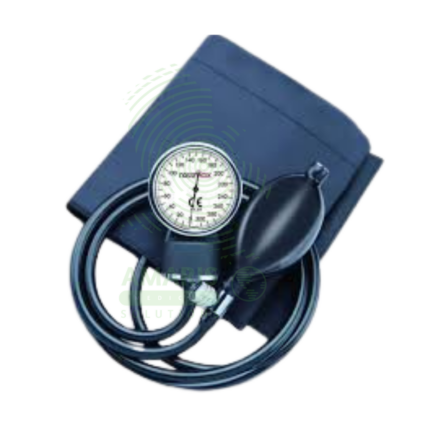
Aneroid Blood Pressure Monitor
The Aneroid Blood Pressure Monitor is a manual, mechanical sphygmomanometer used for the accurate, non-invasive measurement of arterial blood pressure. Operating on the auscultatory method, it consists of an inflatable cuff, a pump bulb with a release valve, and a calibrated dial gauge. Renowned for its reliability, durability, and independence from electrical power, it serves as a clinical gold standard and essential tool in physician offices, hospitals, and for guided home monitoring. Its accuracy is dependent on proper technique, correct cuff size, and regular calibration, making it a fundamental device for diagnosing and managing hypertension and assessing cardiovascular health.
Height Board
A Height Board, or stadiometer, is a precision medical instrument designed for the accurate measurement of human stature. As a wall-mounted or portable device featuring a vertical scale and a sliding horizontal headpiece, it is the clinical standard for obtaining height. This measurement is foundational for calculating Body Mass Index (BMI), tracking growth in children, screening for nutritional issues, and assessing adults for conditions like osteoporosis. Its accuracy, dependent on proper installation and technique, makes it an indispensable tool in pediatrics, primary care, nutrition, and public health
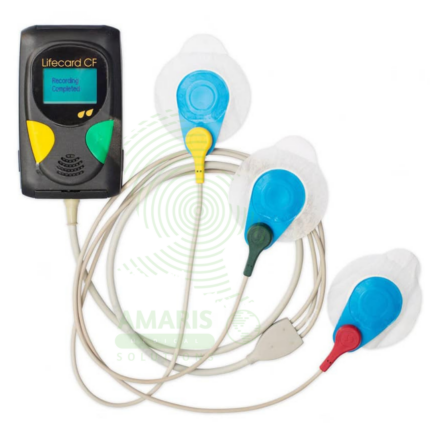
Holter ECG Monitor
A Holter ECG Monitor is a portable, wearable medical device used for continuous, long-term recording of a patient's heart's electrical activity over 24 to 48 hours or more. It is the cornerstone diagnostic tool for detecting intermittent cardiac arrhythmias, evaluating unexplained symptoms like syncope or palpitations, and monitoring the efficacy of antiarrhythmic treatments or implanted cardiac device function. Consisting of a small digital recorder connected to chest electrodes (or an all-in-one adhesive patch), it allows patients to maintain their normal daily routine while capturing a comprehensive electrocardiographic record.

Littman Stethoscope (Classic 4 Cardiology)
A Littman Stethoscope (Classic 4 Cardiology) represents the pinnacle of acoustic auscultation technology. Designed for clinicians who require the highest level of diagnostic accuracy, it features dual tunable diaphragms and dual-lumen tubing to provide exceptional acoustic sensitivity and ambient noise reduction. Its innovative design allows the user to hear both high and low-frequency sounds by simply adjusting pressure on either side of the chestpiece, making it the instrument of choice for cardiologists, intensivists, and specialists who cannot afford to miss a subtle murmur, rub, or breath sound. It combines superior performance with the durability and comfort expected from the Littmann brand.
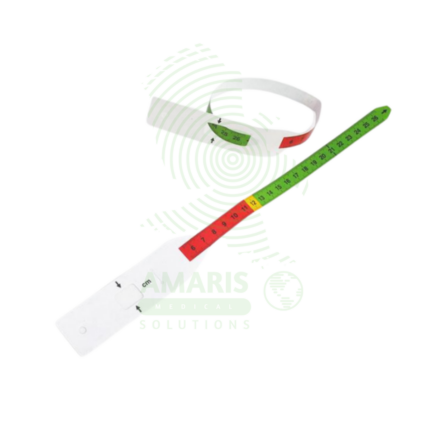
MUAC Tape
A MUAC Tape (Mid-Upper Arm Circumference) is a specialized, color-coded measuring tape used globally as the primary field tool for screening children aged 6-59 months for acute malnutrition. Its simple design—featuring red, yellow, and green zones corresponding to Severe Acute Malnutrition, Moderate Acute Malnutrition, and normal nutritional status—allows for instant, non-invasive assessment without the need for scales, calculation, or literacy. Durable, portable, and inexpensive, it is the cornerstone of community-based nutrition programs, emergency relief efforts, and public health surveillance, enabling early detection and life-saving intervention for malnourished children in even the most resource-constrained settings.
Patient Monitor
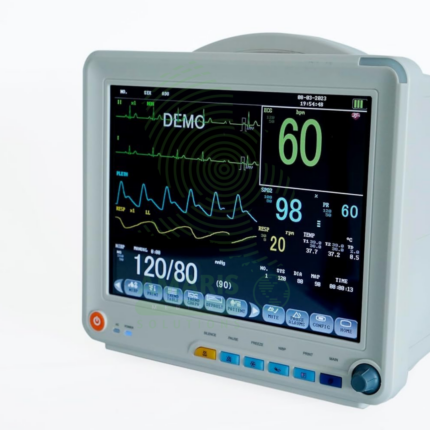
The Patient Monitor (6 Parameters BCCMS8000) is a versatile multi-parameter monitor designed for continuous surveillance of core vital signs in various clinical settings. It tracks six essential parameters—ECG, SpO2, Non-Invasive Blood Pressure (NIBP), Respiration, Temperature, and Pulse Rate—providing clinicians with real-time waveforms and numerical data on a clear color display. With its robust alarm system, battery backup for transport, and reliable performance, it is a fundamental tool for ensuring patient safety on general hospital wards, during procedures, and in emergency departments. Its design balances comprehensive monitoring capability with user-friendly operation.
Pregnancy Test Strips
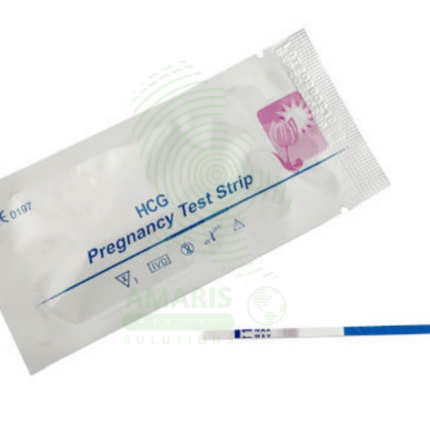
Pregnancy Test Strips are simple, dip-style lateral flow devices designed for the rapid, qualitative detection of human chorionic gonadotropin (hCG) in urine to indicate pregnancy. As the most fundamental format of home pregnancy tests, they offer high sensitivity (often from 10 mIU/mL), affordability, and a quick result within 3-5 minutes. Their ease of use makes them a widely accessible first step in pregnancy detection for personal use and clinical screening. A visible test line, even if faint, is a positive result, though confirmation with a healthcare provider is always recommended.