Dermatoscope and Magnifiers
 Diagnostic Kits
 Vital Signs Monitors
 Stethoscopes and Accessories
 Otoscopes, Ophthalmoscopes, and Retinoscopes
 Reflex Hammers and Neurological Tools
 Scales and Measuring Devices
 Spirometers and Pulmonary Function Tests
 Electrosurgical Units and Accessories
 Cutting Instruments
 Grasping and Holding Instruments
 Hemostatic Instruments
 Specialized Surgical Sets
 Single-Use Procedure Trays and Packs
 Surgical Drapes, Gowns, and Covers
 Tissue Unifying Instruments
 Radiation Protection
 X-Ray Machines and Accessories
 Ultrasound Systems and Probes
 MRI and CT Scanners
 Radiology Consumables
 Bone Densitometers
 Fluoroscopy Equipment
 Imaging Tables and Positioning Aids
 Microscopes and Accessories
 Centrifuges and Separators
 Analyzers
 Incubators and Ovens
 Pipettes, Dispensers, and Lab Glassware
 Refrigerators, Freezers, and Storage Units
 Lab Consumables
 Sterilizers and Autoclaves for Lab Use
 Multi-Parameter Monitors
 Ventilators and Respiratory Support Devices
 Defibrillators and AEDs
 Infusion Pumps and IV Systems
 Patient Warmers and Cooling Devices
 Central Monitoring Stations
 Accessories
 Anesthesia Machines and Workstations
 Oxygen Concentrators and Delivery Systems
 Nebulizers and Inhalers
 CPAP/BiPAP Machines
 Airway Management
 Anesthesia Masks, Circuits, and Bags
 Humidifiers and Heaters
 Respiratory Therapy Accessories
 First Aid Kits and Cabinets
 Emergency Resuscitation Equipment
 Trauma Supplies
 Emergency Carts and Crash Carts
 Burn Care Products
 Bleeding Control
 Automated External Defibrillators (AEDs)
 Transport and Evacuation
 Wheelchairs and Accessories
 Walkers, Crutches, and Canes
 Prosthetics and Orthotics
 Physical Therapy Equipment
 Transfer Devices
 Bathroom Safety
 Orthopedic Traction and Tables
 Hot/Cold Therapy Packs and Units
 Beds and Mattresses
 Chairs and Stools
 Tables
 Cabinets and Storage
 Privacy Screens & Curtains
 Stands and Racks
 Linens and Textiles
 Lighting
 Autoclaves and Sterilizers
 Ultrasonic Cleaners
 Disinfectant Solutions and Wipes
 Sterilization Pouches, Wraps, and Indicators
 Instrument Trays and Containers
 UV and Ozone Disinfection Devices
 Washer Disinfectors
 Wound Care
 Gloves
 Masks and Respirators
 Catheters and Tubing
 Swabs, Applicators, and Sponges
 Incontinence Products
 Personal Protective Equipment (PPE)
 Dental Chairs and Units
 Handpieces and Burs
 Instruments
 Consumables
 Sterilization for Dental Use
 Orthodontic Supplies
 Endodontic Tools
 Slit Lamps and Tonometers
 Lensometers and Phoropters
 Ophthalmic Surgical Instruments
 Eyewear Frames and Lenses
 Contact Lens Supplies
 Vision Testing Charts and Devices
 Eye Care Consumables
 Laser Systems for Eye Care
 ENT Exam Chairs and Tables
 Endoscopes
 Audiometers and Hearing Tests
 ENT Instruments
 Nasal and Throat Packs
 Hearing Aids and Accessories
 Otology Supplies
 Fetal Dopplers and Monitors
 Delivery Beds and Tables
 Gynecological Instruments
 Neonatal Incubators and Warmers
 Breast Pumps and Accessories
 Contraceptive Devices
 Maternity Supports and Pads
 Neonatal Consumables
 Cystoscopes and Urethroscopes
 Dialysis Machines and Supplies
 Urological Catheters and Bags
 Lithotripters
 Prostate Treatment Devices
 Urinary Incontinence Products
 Kidney Stone Management Tools
 Consumables & Disposables
 EEG and EMG Machines
 Neurosurgical Instruments
 Nerve Stimulators
 Headrests and Positioning Aids
 Lumbar Puncture Kits
 Seizure Monitoring Devices
 Consumables
 Rehabilitation for Neurological Conditions
 ECG Machines and Accessories
 Holter Monitors
 Stress Test Systems
 Pacemakers and Defibrillator Accessories
 Vascular Access Devices
 Cardiac Catheters and Guidewires
 Blood Flow Meters
 Consumables
 Orthopedic Instruments
 Casts, Splints, and Padding
 Joint Replacement Supplies
 Prosthetic Limbs and Components
 Bone Grafts and Substitutes
 Traction Devices
 Orthopedic Braces and Supports
 Rehabilitation Aids for Orthopedics
 Home Oxygen Therapy
 Hospital Beds for Home Use
 Mobility Aids
 Bathroom and Daily Living Aids
 Wound Care for Home
 Monitoring Devices
 Enteral Feeding Pumps and Tubes
 Hand Sanitizers and Dispensers
 Face Shields and Goggles
 Isolation Gowns and Suits
 Biohazard Waste Containers
 Air Purifiers and HEPA Filters
 Surface Disinfectants
 Sharps Containers
 Protective Barriers
 Cardiovascular & Endurance Training
 Strength Training & Weightlifting
 Functional Training & Core Conditioning
 Physical Therapy & Rehabilitation
 Sports & Outdoor Recreation
 Gym Flooring & Facility Equipment
 Fitness Monitoring & Accessories
 Kids & Novelties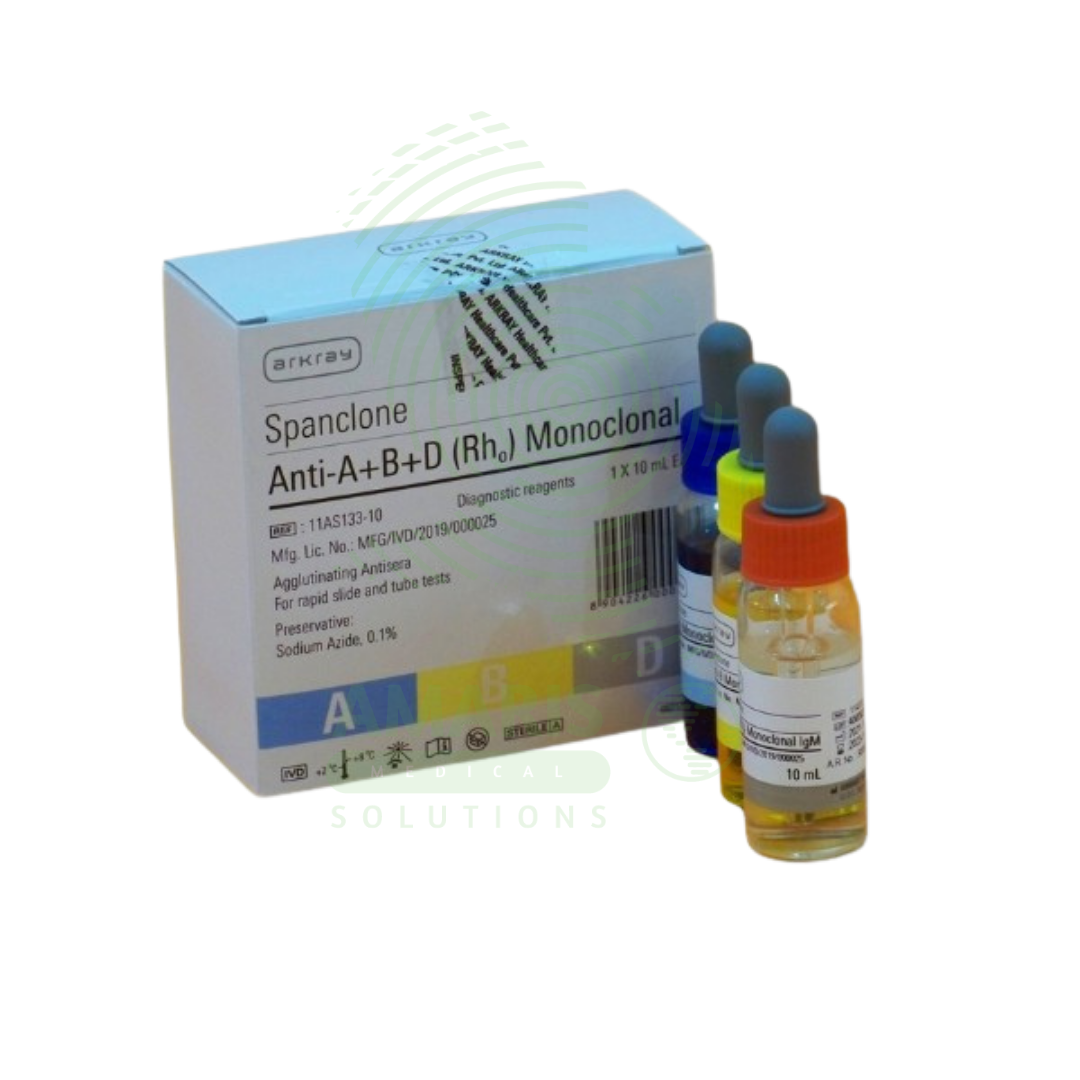
Blood Grouping kit
$1.00
WhatsApp Order
A Blood Grouping Kit is a Class II medical device (FDA-cleared/CE-marked) containing monoclonal antibodies (Anti-A, Anti-B, Anti-D) and control reagents for determining ABO blood group and Rh factor by agglutination method. The kit includes color-coded reagent vials, reaction cards or slides, mixing sticks, lancets, and capillary pipettes. Test time 2-5 minutes (slide method) or 15-30 minutes (tube method). Interpretation based on agglutination pattern: Anti-A positive = group A; Anti-B positive = group B; both positive = group AB; both negative = group O; Anti-D positive = Rh positive; Anti-D negative = Rh negative. Primary clinical applications include pre-transfusion compatibility testing, prenatal and neonatal testing (Rh incompatibility prevention), preoperative blood typing, blood donor screening, and emergency blood typing. Critical safety precautions include refrigerated storage (2-8°C), proper disposal of lancets in sharps containers, universal precautions for blood samples, and confirmation with reverse typing when possible. Essential kit for transfusion medicine, obstetrics, surgery, and emergency care.
Description
Blood Grouping kit
PRIMARY CLINICAL & DIAGNOSTIC USES
1. ABO and Rh Blood Typing:
-
Primary Use: Used to determine an individual’s ABO blood group (A, B, AB, or O) and Rh factor (positive or negative), which is essential for blood transfusion compatibility, organ transplantation, and prenatal care.
-
How it helps: Provides the foundational information needed for safe blood transfusions, ensuring patients receive blood that matches their own type and preventing life-threatening immune reactions that can occur with mismatched blood.
2. Pre-Transfusion Compatibility Testing:
-
Primary Use: Ensures donor and recipient blood types are compatible before blood transfusion, preventing potentially fatal hemolytic transfusion reactions caused by ABO incompatibility.
-
How it helps: Acts as a final safety check before blood is administered, giving doctors and patients confidence that the transfusion will be safe and effective rather than causing a dangerous immune response.
3. Prenatal and Neonatal Testing:
-
Primary Use: Used to determine blood type of pregnant women and assess risk of Rh incompatibility with fetus, guiding administration of Rh immunoglobulin (RhoGAM) to prevent hemolytic disease of the newborn.
-
How it helps: Protects future pregnancies by identifying Rh incompatibility early, allowing doctors to administer preventive treatment that stops the mother’s immune system from attacking red blood cells of subsequent babies.
4. Preoperative Blood Typing:
-
Primary Use: Performed before surgical procedures to ensure compatible blood is available in case transfusion is needed during or after surgery.
-
How it helps: Prepares surgical teams for emergencies by having the right blood type ready, ensuring that if unexpected bleeding occurs, life-saving transfusions can be given immediately without dangerous delays.
5. Blood Donor Screening:
-
Primary Use: Used to type blood donated at blood banks and donation centers, ensuring proper labeling and compatibility for future transfusion recipients.
-
How it helps: Builds and organizes the safe blood supply that hospitals rely on, ensuring that every donated unit is correctly labeled and can be matched to patients who need it.
6. Paternity Testing and Forensic Applications:
-
Primary Use: Blood grouping can provide supportive evidence in paternity determination and forensic investigations, though DNA typing is now more common.
-
How it helps: Offers a reliable, cost-effective method for initial screening in legal and forensic contexts, helping to establish biological relationships or exclude suspects in criminal investigations.
7. Population and Anthropological Studies:
-
Primary Use: Used in research to study distribution of blood groups in different populations and ethnic groups.
-
How it helps: Contributes to our understanding of human migration patterns, genetic diversity, and evolutionary history, providing valuable insights for anthropologists and genetic researchers.
SECONDARY & SUPPORTIVE USES
1. Quality Control in Blood Banks: Used for regular quality assurance of blood typing reagents and procedures, ensuring the accuracy and reliability of all blood typing performed in the facility.
2. Teaching and Training: Essential for training medical students, laboratory technicians, and phlebotomists in blood typing techniques, building the skills of future healthcare professionals.
3. Research and Genetic Studies: Used in studies investigating associations between blood groups and disease susceptibility, potentially uncovering important links that could lead to new treatments or preventive strategies.
4. Emergency and Disaster Response: Stocked in emergency medical kits for rapid blood typing in mass casualty situations, enabling quick transfusion decisions when every minute counts.
5. Field and Remote Clinic Use: Portable kits enable blood typing in resource-limited settings without laboratory infrastructure, bringing essential diagnostic capability to underserved communities.
6. Veterinary Medicine: Adapted for blood typing in animals, particularly in veterinary transfusion medicine, helping veterinarians provide life-saving transfusions to pets and livestock.
7. Anthropological Research: Used in studies of human migration and population genetics, helping researchers trace the movements and relationships of ancient populations through blood group distribution patterns.
KEY PRODUCT FEATURES
1. BASIC IDENTIFICATION ATTRIBUTES
-
Product Type: Complete diagnostic kit for determining ABO blood group and Rh factor.
-
Common Names: Blood Typing Kit, ABO/Rh Kit, Blood Grouping Kit, Blood Typing Sera Kit, Blood Grouping Reagents.
-
Kit Components:
-
Anti-A Monoclonal Antibodies: Blue-colored reagent for detecting A antigen.
-
Anti-B Monoclonal Antibodies: Yellow-colored reagent for detecting B antigen.
-
Anti-D (Rh) Monoclonal Antibodies: Colorless or specific color reagent for detecting Rh factor.
-
Control Reagents: Negative controls for quality assurance.
-
Reaction Cards or Slides: Disposable cards or glass slides with marked wells.
-
Mixing Sticks: Disposable sticks for mixing blood and reagents.
-
Lancets: Sterile lancets for fingerstick blood collection.
-
Capillary Tubes or Pipettes: For blood sample collection and transfer.
-
Package Insert: Detailed instructions and interpretation guide.
-
-
Sample Type: Whole blood (fingerstick or venipuncture), serum, or red blood cell suspension.
-
Test Time: 2-5 minutes for slide method; 15-30 minutes for tube method.
-
Result Interpretation: Agglutination (clumping) indicates presence of corresponding antigen.
2. TECHNICAL & PERFORMANCE PROPERTIES
-
Sensitivity: >99.9% for ABO and Rh typing when used correctly.
-
Specificity: >99.9% for ABO and Rh typing; minimal cross-reactivity.
-
Test Principle: Agglutination (clumping) of red blood cells occurs when corresponding antigen and antibody interact.
-
Reagent Type: Monoclonal antibodies (most common) or polyclonal sera.
-
Reaction Reading: Visible agglutination = positive; smooth suspension = negative.
-
Grading: Agglutination strength graded from 1+ (weak) to 4+ (strong).
-
Stability: Reagents stable for 12-24 months at 2-8°C; do not freeze.
-
Controls: Built-in positive and negative controls ensure test validity.
3. PHYSICAL & OPERATIONAL PROPERTIES
-
Kit Size: 10-100 tests per kit depending on manufacturer.
-
Reagent Vials: 5-10 mL dropper bottles with color-coded labels.
-
Reaction Cards: Laminated cards with pre-marked circles for Anti-A, Anti-B, Anti-D, and controls.
-
Packaging: Compact box containing all components; some kits include a carrying case.
-
Storage Requirements: 2-8°C refrigeration required for reagents; do not freeze.
-
Shelf Life: 12-24 months depending on manufacturer and storage conditions.
-
Disposal: Used cards, lancets, and pipettes disposed as biohazardous waste.
4. SAFETY & COMPLIANCE ATTRIBUTES
-
Regulatory Status: Class II medical device requiring FDA 510(k) clearance; CE marked for IVD use.
-
Quality Standards: Manufactured under ISO 13485; meets CLSI and AABB standards.
-
Biohazard Precautions: All blood samples potentially infectious; follow universal precautions.
-
Chemical Safety: Reagents contain sodium azide as preservative; avoid contact with eyes and skin.
-
Disposal: Dispose of used materials as biohazardous waste; lancets in sharps container.
-
Latex-Free: All components latex-free.
-
Quality Control: Controls included for each test run; external controls recommended.
5. STORAGE & HANDLING ATTRIBUTES
-
Storage Temperature: 2-8°C; do not freeze; protect from light.
-
Reagent Handling: Bring reagents to room temperature before use; do not use expired reagents.
-
Sample Handling: Test fresh blood within 24 hours; refrigerate if delayed.
-
Test Procedure (Slide Method):
-
Place one drop of Anti-A, Anti-B, and Anti-D in separate wells on the reaction card.
-
Add one drop of blood or cell suspension to each well.
-
Mix with separate sticks for each well.
-
Rock the card gently for 1-2 minutes.
-
Observe for agglutination; record results.
-
-
Interpretation:
-
Anti-A (+) only: Blood group A.
-
Anti-B (+) only: Blood group B.
-
Anti-A (+) and Anti-B (+): Blood group AB.
-
Anti-A (-) and Anti-B (-): Blood group O.
-
Anti-D (+): Rh positive.
-
Anti-D (-): Rh negative.
-
Expiration: Never use expired reagents; results invalid.
6. LABORATORY & CLINICAL APPLICATIONS
-
Primary Application: Determination of ABO blood group and Rh factor for transfusion compatibility, prenatal care, and clinical management.
-
Clinical Significance:
-
Type O: Universal red cell donor; can receive only type O blood.
-
Type A: Can receive type A or O blood.
-
Type B: Can receive type B or O blood.
-
Type AB: Universal plasma donor; can receive A, B, AB, or O blood (universal recipient).
-
Rh Positive: Can receive Rh+ or Rh- blood.
-
Rh Negative: Should receive only Rh- blood (except in emergencies).
-
-
Forward and Reverse Typing: Complete kits may include reagents for both forward (cell typing) and reverse (serum typing) methods for confirmation.
-
Limitations: Weak subgroups may cause weak or false-negative reactions; cold agglutinins may interfere; requires trained personnel for interpretation.
SAFETY HANDLING PRECAUTIONS
1. SAFETY PRECAUTIONS
-
Infection Control: All blood samples potentially infectious; wear gloves and appropriate PPE.
-
Sharps Safety: Lancets are single-use; dispose immediately in sharps containers.
-
Reagent Safety: Avoid contact with eyes and skin; wash hands after handling.
-
Quality Control: Always run controls with each batch; invalid if controls fail.
-
Expiration: Never use expired reagents; accuracy compromised.
-
Storage: Store reagents at proper temperature; heat or freezing destroys activity.
-
Interpretation: Read immediately at specified time; delayed reading may cause false positives.
-
Confirmation: Forward typing should be confirmed with reverse typing when possible.
-
Patient Identification: Ensure correct patient identification before testing and recording results.
2. FIRST AID MEASURES
-
Needlestick/Sharps Injury: Wash area vigorously with soap and water; report immediately; follow institutional exposure protocol.
-
Blood Spill: Contain with absorbent material; disinfect area with 10% bleach solution.
-
Reagent Contact (Eyes): Flush eyes with copious water for 15 minutes; seek medical attention.
-
Reagent Ingestion: Contact poison control center; do not induce vomiting unless instructed.
3. FIRE FIGHTING MEASURES
-
Flammability: Reagents contain alcohol; plastic components combustible.
-
Extinguishing Media: Use water, foam, CO₂, or dry chemical as appropriate.
-
Sodium Azide Hazard: Reagents contain sodium azide; may react with lead/copper plumbing to form explosive azides; flush with copious water when disposing.
Related products
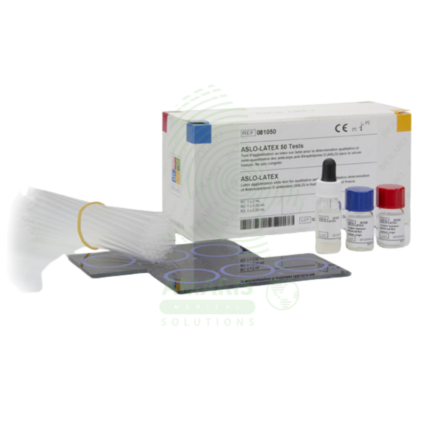
Anti-Streptol Olysin O Titer (ASOT)
Anti-Streptol Olysin O Titer (ASOT) is a quantitative or semi-quantitative serological test (latex agglutination, turbidimetry, nephelometry, or ELISA) for detecting antibodies against streptolysin O, an exotoxin produced by Group A Streptococcus. Elevated or rising titers indicate recent streptococcal infection and are essential for diagnosing post-streptococcal sequelae including acute rheumatic fever (Jones criteria) and post-streptococcal glomerulonephritis. The test requires serum samples; acute and convalescent (2-4 weeks apart) with fourfold rise confirms recent infection. Reference range typically <200-250 Todd units/mL (adults), varies by age and population. Primary clinical applications include diagnosis of Group A streptococcal infections, acute rheumatic fever evaluation, post-streptococcal glomerulonephritis diagnosis, differentiation of acute vs. past infection, evaluation of unexplained arthritis or carditis, pediatric inflammatory conditions (PANDAS), and monitoring disease activity in rheumatic fever. Critical safety precautions include proper timing of acute and convalescent samples, awareness of false negatives/positives, clinical correlation for diagnosis, and standard biohazard precautions. Essential test for rheumatology, nephrology, cardiology, and infectious disease practice.
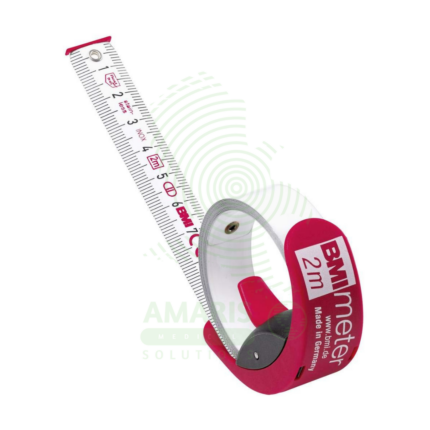
BMI Tape
A BMI Tape is a rapid screening tool that estimates an individual's Body Mass Index (BMI) category by measuring body circumference, most commonly the waist. It features a color-coded scale that directly displays BMI ranges (Underweight, Normal, Overweight, Obese), eliminating the need for separate height and weight measurements and manual calculation. While highly useful for community health screenings, wellness programs, and patient education due to its portability and simplicity, it is an approximate method. Its accuracy is limited compared to BMI calculated from precise clinical measurements, and it should be used as an initial screening indicator rather than a definitive diagnostic tool.
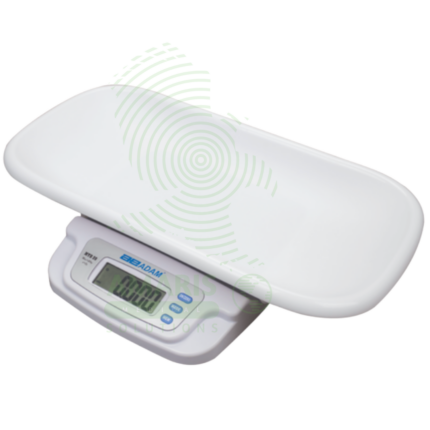
Digital Baby Weighing Scale
A Digital Baby Weighing Scale is a high-precision medical device designed exclusively for the safe and accurate measurement of infant and toddler weight. Featuring a stable, hygienic platform with gram-level precision, it is indispensable in hospitals (especially NICUs), pediatric clinics, and community health settings. Its core functions—such as hold, tare, and zeroing—ensure reliable readings even with a moving child. Accurate weight data is foundational for assessing growth, calculating medication doses, managing nutrition, and detecting early signs of health issues, making this scale a critical tool for safeguarding infant health and development.
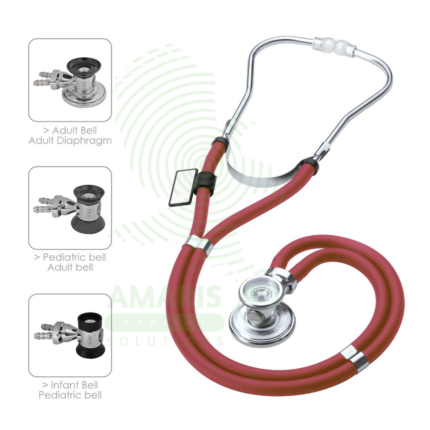
Dual Head Stethoscope
The Dual Head Stethoscope is the classic, essential acoustic diagnostic tool used by healthcare professionals worldwide. Its defining feature is a two-sided chestpiece, combining a diaphragm for high-frequency sounds (breath sounds, normal heart tones) and a bell for low-frequency sounds (heart murmurs, abnormal heart tones). Through mechanical sound conduction, it provides critical information for assessing cardiac, pulmonary, and vascular systems during physical examinations and manual blood pressure measurement. Its effectiveness relies on proper technique, a good acoustic seal, and consistent cleaning. As a fundamental symbol of medical practice, it balances functionality, durability, and affordability.
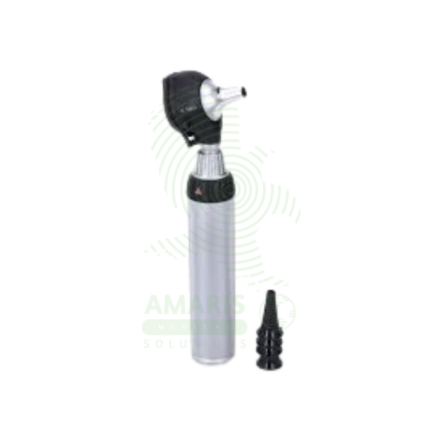
LED Otoscope
An LED Otoscope is a handheld medical device used for illuminating and magnifying the external ear canal and tympanic membrane. Featuring a bright, cool, and long-lasting LED light source, it provides superior visualization for diagnosing common conditions like ear infections, wax impaction, and perforations. Its design, incorporating a reusable handle/head and disposable specula, ensures hygiene and patient safety. As an essential tool in family medicine, pediatrics, and ENT, it enables clinicians to perform accurate otoscopic examinations and, when equipped with an insufflator, crucial pneumatic otoscopy to assess middle ear function.
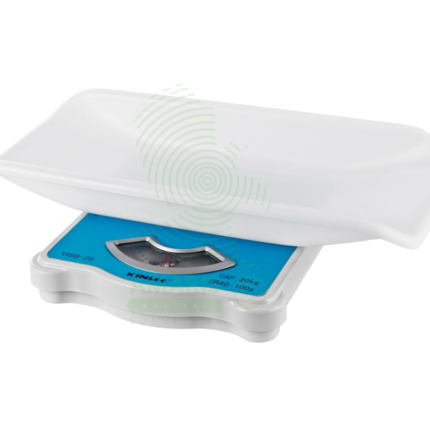
Manual Baby Weighing Scale
A Manual Baby Weighing Scale is a simple, mechanical device used to measure infant weight without the need for electricity or batteries. Operating on a spring or balance principle, it features a suspended sling or seat and a dial display. Its primary advantage is durability and portability for use in community health, outreach programs, and areas with unreliable power. While less precise than digital scales, it provides a reliable and accessible means to monitor growth trends and screen for undernutrition in resource-limited settings, making it a vital tool for basic pediatric care in the field.
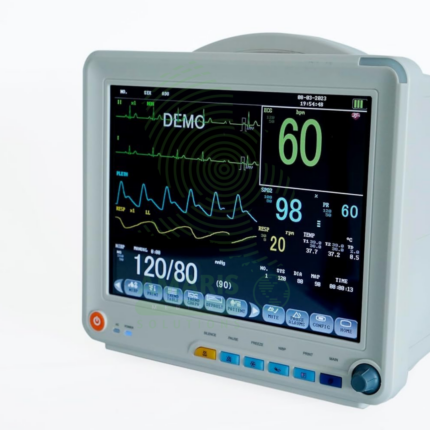
Patient Monitor
The Patient Monitor (6 Parameters BCCMS8000) is a versatile multi-parameter monitor designed for continuous surveillance of core vital signs in various clinical settings. It tracks six essential parameters—ECG, SpO2, Non-Invasive Blood Pressure (NIBP), Respiration, Temperature, and Pulse Rate—providing clinicians with real-time waveforms and numerical data on a clear color display. With its robust alarm system, battery backup for transport, and reliable performance, it is a fundamental tool for ensuring patient safety on general hospital wards, during procedures, and in emergency departments. Its design balances comprehensive monitoring capability with user-friendly operation.