Dermatoscope and Magnifiers
 Diagnostic Kits
 Vital Signs Monitors
 Stethoscopes and Accessories
 Otoscopes, Ophthalmoscopes, and Retinoscopes
 Reflex Hammers and Neurological Tools
 Scales and Measuring Devices
 Spirometers and Pulmonary Function Tests
 Electrosurgical Units and Accessories
 Cutting Instruments
 Grasping and Holding Instruments
 Hemostatic Instruments
 Specialized Surgical Sets
 Single-Use Procedure Trays and Packs
 Surgical Drapes, Gowns, and Covers
 Tissue Unifying Instruments
 Radiation Protection
 X-Ray Machines and Accessories
 Ultrasound Systems and Probes
 MRI and CT Scanners
 Radiology Consumables
 Bone Densitometers
 Fluoroscopy Equipment
 Imaging Tables and Positioning Aids
 Microscopes and Accessories
 Centrifuges and Separators
 Analyzers
 Incubators and Ovens
 Pipettes, Dispensers, and Lab Glassware
 Refrigerators, Freezers, and Storage Units
 Lab Consumables
 Sterilizers and Autoclaves for Lab Use
 Multi-Parameter Monitors
 Ventilators and Respiratory Support Devices
 Defibrillators and AEDs
 Infusion Pumps and IV Systems
 Patient Warmers and Cooling Devices
 Central Monitoring Stations
 Accessories
 Anesthesia Machines and Workstations
 Oxygen Concentrators and Delivery Systems
 Nebulizers and Inhalers
 CPAP/BiPAP Machines
 Airway Management
 Anesthesia Masks, Circuits, and Bags
 Humidifiers and Heaters
 Respiratory Therapy Accessories
 First Aid Kits and Cabinets
 Emergency Resuscitation Equipment
 Trauma Supplies
 Emergency Carts and Crash Carts
 Burn Care Products
 Bleeding Control
 Automated External Defibrillators (AEDs)
 Transport and Evacuation
 Wheelchairs and Accessories
 Walkers, Crutches, and Canes
 Prosthetics and Orthotics
 Physical Therapy Equipment
 Transfer Devices
 Bathroom Safety
 Orthopedic Traction and Tables
 Hot/Cold Therapy Packs and Units
 Beds and Mattresses
 Chairs and Stools
 Tables
 Cabinets and Storage
 Privacy Screens & Curtains
 Stands and Racks
 Linens and Textiles
 Lighting
 Autoclaves and Sterilizers
 Ultrasonic Cleaners
 Disinfectant Solutions and Wipes
 Sterilization Pouches, Wraps, and Indicators
 Instrument Trays and Containers
 UV and Ozone Disinfection Devices
 Washer Disinfectors
 Wound Care
 Gloves
 Masks and Respirators
 Catheters and Tubing
 Swabs, Applicators, and Sponges
 Incontinence Products
 Personal Protective Equipment (PPE)
 Dental Chairs and Units
 Handpieces and Burs
 Instruments
 Consumables
 Sterilization for Dental Use
 Orthodontic Supplies
 Endodontic Tools
 Slit Lamps and Tonometers
 Lensometers and Phoropters
 Ophthalmic Surgical Instruments
 Eyewear Frames and Lenses
 Contact Lens Supplies
 Vision Testing Charts and Devices
 Eye Care Consumables
 Laser Systems for Eye Care
 ENT Exam Chairs and Tables
 Endoscopes
 Audiometers and Hearing Tests
 ENT Instruments
 Nasal and Throat Packs
 Hearing Aids and Accessories
 Otology Supplies
 Fetal Dopplers and Monitors
 Delivery Beds and Tables
 Gynecological Instruments
 Neonatal Incubators and Warmers
 Breast Pumps and Accessories
 Contraceptive Devices
 Maternity Supports and Pads
 Neonatal Consumables
 Cystoscopes and Urethroscopes
 Dialysis Machines and Supplies
 Urological Catheters and Bags
 Lithotripters
 Prostate Treatment Devices
 Urinary Incontinence Products
 Kidney Stone Management Tools
 Consumables & Disposables
 EEG and EMG Machines
 Neurosurgical Instruments
 Nerve Stimulators
 Headrests and Positioning Aids
 Lumbar Puncture Kits
 Seizure Monitoring Devices
 Consumables
 Rehabilitation for Neurological Conditions
 ECG Machines and Accessories
 Holter Monitors
 Stress Test Systems
 Pacemakers and Defibrillator Accessories
 Vascular Access Devices
 Cardiac Catheters and Guidewires
 Blood Flow Meters
 Consumables
 Orthopedic Instruments
 Casts, Splints, and Padding
 Joint Replacement Supplies
 Prosthetic Limbs and Components
 Bone Grafts and Substitutes
 Traction Devices
 Orthopedic Braces and Supports
 Rehabilitation Aids for Orthopedics
 Home Oxygen Therapy
 Hospital Beds for Home Use
 Mobility Aids
 Bathroom and Daily Living Aids
 Wound Care for Home
 Monitoring Devices
 Enteral Feeding Pumps and Tubes
 Hand Sanitizers and Dispensers
 Face Shields and Goggles
 Isolation Gowns and Suits
 Biohazard Waste Containers
 Air Purifiers and HEPA Filters
 Surface Disinfectants
 Sharps Containers
 Protective Barriers
 Cardiovascular & Endurance Training
 Strength Training & Weightlifting
 Functional Training & Core Conditioning
 Physical Therapy & Rehabilitation
 Sports & Outdoor Recreation
 Gym Flooring & Facility Equipment
 Fitness Monitoring & Accessories
 Kids & Novelties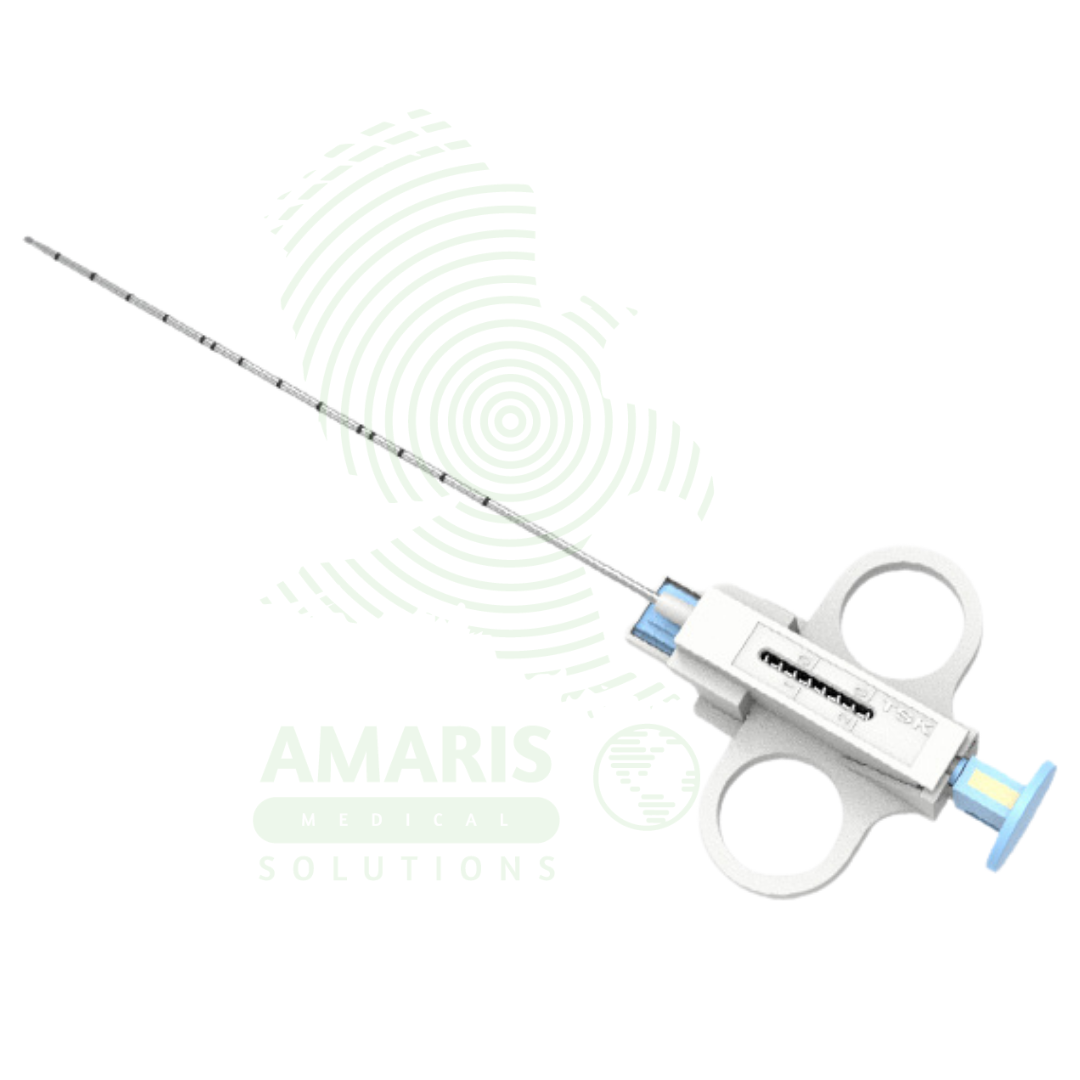
Biopsy Needles
$1.00
WhatsApp Order
Biopsy Needles are sterile, single-use precision medical devices designed to obtain tissue or cellular specimens from internal organs, masses, and lesions for histopathological or cytological diagnosis. Available in core biopsy (automatic spring-loaded, semi-automatic, vacuum-assisted, coaxial) and fine needle aspiration configurations, with gauges ranging from 14G-27G and lengths from 6-25 cm. Core biopsy needles obtain intact tissue cores preserving histological architecture; FNA needles aspirate cellular material for cytological evaluation. Specialized variants include bone marrow biopsy needles (Jamshidi, Illinois), echogenic-tip needles for ultrasound guidance, and MRI-compatible needles (nitinol, titanium). Critical safety requirements include strict image guidance for non-palpable lesions, verification of coagulation status, adherence to single-use protocols, and immediate post-procedure monitoring for complications (hemorrhage, pneumothorax, organ injury). An indispensable tool in interventional radiology, oncology, and minimally invasive diagnosis.
Description
Biopsy Needles
PRIMARY CLINICAL & DIAGNOSTIC USES
1. Tissue Sampling for Histopathological Diagnosis
-
Primary Use: Obtains core tissue samples from solid organs, masses, lesions, or suspicious abnormalities for microscopic examination and definitive pathological diagnosis, enabling differentiation between benign and malignant conditions, determination of tumor grade and stage, and identification of specific disease processes.
-
How it helps: For the pathologist, radiologist, and surgeon, the biopsy needle is the critical link between imaging findings and definitive diagnosis—transforming a suspicious spot on a CT scan, ultrasound, or mammogram into tissue that can be examined under the microscope to determine exactly what it is. For the patient facing a potential cancer diagnosis, the biopsy needle provides the answers that guide everything that follows: whether it is cancer, what type it is, how aggressive it might be, and what treatment is needed.
2. Image-Guided Percutaneous Biopsy
-
Primary Use: Used in conjunction with imaging modalities to precisely target and sample lesions that are not palpable or visible to the naked eye, with the needle visualized during placement to ensure accurate sampling while avoiding critical structures.
-
How it helps: For the interventional radiologist and imaging specialist, image guidance transforms biopsy from a blind procedure into a precision technique—allowing them to watch the needle enter the lesion in real time, confirm accurate placement before sampling, and avoid vital structures like blood vessels and nerves. For the patient with a small, deep, or hard-to-reach lesion, image-guided biopsy means a definitive diagnosis can be obtained without major surgery, often as an outpatient procedure with rapid recovery.
3. Bone Marrow Aspiration and Biopsy
-
Primary Use: Specialized needles are used to obtain bone marrow aspirate and core biopsy specimens from the iliac crest or sternum for the diagnosis of hematological malignancies, myeloproliferative disorders, aplastic anemia, and metastatic disease.
-
How it helps: For the hematologist and oncologist, the bone marrow biopsy provides a window into the body’s blood factory—revealing the presence of leukemia cells, assessing marrow function in cytopenias, and staging lymphomas and metastatic cancers. For the patient with unexplained anemia, suspected leukemia, or unexplained fevers, the bone marrow biopsy provides definitive answers that blood tests alone cannot give, guiding treatment that can be life-saving.
4. Soft Tissue and Organ Biopsy
-
Primary Use: Employed to obtain diagnostic tissue samples from a wide range of organs and tissues including liver, kidney, lung, prostate, breast, thyroid, lymph nodes, pancreas, and musculoskeletal lesions.
-
How it helps: For the specialist in any field of medicine, biopsy needles provide the means to obtain diagnostic tissue from virtually any organ—determining the cause of liver disease, characterizing a kidney lesion, diagnosing lung cancer, or evaluating a thyroid nodule. For the patient with an abnormality in any organ, a properly performed biopsy provides the definitive diagnosis needed to guide treatment.
5. Sentinel Lymph Node Biopsy
-
Primary Use: Used in conjunction with radioisotope or blue dye injection to identify and sample sentinel lymph nodes for staging of cancer, particularly in breast cancer and melanoma.
-
How it helps: For the surgical oncologist, the sentinel lymph node biopsy provides critical staging information with minimal morbidity—identifying the first lymph node draining the tumor and determining whether cancer has begun to spread, without removing all the lymph nodes in the region. For the cancer patient, this targeted approach means accurate staging with fewer side effects and less risk of lymphedema.
6. Fine Needle Aspiration
-
Primary Use: Smaller-gauge needles are used to aspirate cellular material from masses or cysts for cytological examination, providing rapid preliminary diagnosis with minimal tissue trauma.
-
How it helps: For the clinician evaluating a palpable mass, fine needle aspiration offers a quick, minimally invasive way to obtain diagnostic cells with minimal discomfort and risk—often providing answers in minutes, with nothing more than a small needle stick. For the patient with a thyroid nodule, enlarged lymph node, or breast lump, FNA can provide rapid reassurance when benign, or prompt referral for treatment when malignant.
SECONDARY & SUPPORTIVE USES
1. Therapeutic Drainage and Aspiration: May be used to drain cysts, abscesses, or fluid collections for both diagnostic analysis and therapeutic relief. For the patient with a painful cyst or infected abscess, needle aspiration provides both diagnosis and treatment in a single procedure.
2. Marker Placement for Surgical Localization: Coaxial biopsy systems allow for placement of tissue markers at the biopsy site to guide subsequent surgical excision or radiation therapy planning. For the patient undergoing breast conservation surgery, a marker placed at the time of biopsy guides the surgeon to the exact tumor site.
3. Research and Clinical Trials: Used to obtain tissue specimens for biomarker analysis, genetic profiling, pharmacogenomics, and translational research applications. For the patient enrolled in a clinical trial, research biopsies contribute to the development of new treatments that may help countless others.
4. Injection of Therapeutic Agents: In select applications, coaxial needles may be used to inject therapeutic agents directly into tumors following diagnostic biopsy confirmation. For the patient undergoing tumor ablation, the same needle used for diagnosis can guide treatment.
5. Veterinary Medicine: Widely used in veterinary oncology and internal medicine for tissue sampling in companion animals and large animals. For the family pet with a suspected tumor, biopsy provides the same diagnostic answers as in human medicine.
KEY PRODUCT FEATURES
1. BASIC IDENTIFICATION ATTRIBUTES
-
Product Type: A sterile, single-use, precision-engineered cutting or aspiration needle designed to obtain tissue or cellular specimens from internal organs and structures for pathological examination.
-
Designation: Defined by mechanism of action, gauge, length, tip configuration, imaging compatibility, and target tissue.
-
Core Variants:
-
Core Biopsy Needles:
-
Tru-Cut / Side-Cutting Needle: Inner stylet with specimen notch and outer cutting cannula. Obtains core tissue specimen. Manual or semi-automatic.
-
Spring-Loaded / Automatic Biopsy Needle: Fully automated, spring-fired cutting mechanism. Consistent, rapid specimen acquisition. Single-use, disposable. Common in prostate, liver, renal, and soft tissue biopsy.
-
Vacuum-Assisted Biopsy Needle: Uses vacuum suction to draw tissue into a sampling chamber; multiple specimens collected with single insertion. Primarily for breast biopsy.
-
Coaxial Biopsy Needle: Introducer needle placed; biopsy device passed through coaxial cannula for multiple specimens without repeated capsular puncture.
-
-
Fine Needle Aspiration (FNA) Needles:
-
Small-gauge needles (22G-27G) for aspiration of cellular material.
-
Non-cutting, beveled tip.
-
For thyroid, lymph node, salivary gland, and superficial mass cytology.
-
-
Bone Marrow Biopsy Needles:
-
Jamshidi Needle: Tapered, beveled tip with inner stylet. Obtains core bone marrow specimen.
-
Illinois Needle: Similar design; alternate tip geometry.
-
Aspiration Needle: Smaller gauge for bone marrow aspirate.
-
-
-
Core Components:
-
Stylet / Obturator: Inner solid needle with sharp, beveled or trocar tip. Provides stiffness for tissue penetration and prevents coring during insertion.
-
Cannula / Cutting Sheath: Outer hollow needle that advances over stylet or specimen notch to cut and capture tissue.
-
Specimen Notch: Recessed chamber in stylet that receives and holds core tissue specimen.
-
Biopsy Gun / Handle: Manual or spring-powered firing mechanism (for automatic devices).
-
Echogenic Tip: Textured tip surface for enhanced ultrasound visualization.
-
Coaxial Introducer: Hollow cannula for multiple passes through single access site.
-
2. TECHNICAL & PERFORMANCE PROPERTIES
-
Gauge Size: Needle diameter. Inverse relationship: higher gauge = smaller diameter.
-
Core Biopsy: 14G, 16G, 18G, 20G (14G = largest, highest tissue yield).
-
FNA: 22G, 23G, 25G, 27G.
-
Bone Marrow: 11G, 13G, 15G (adult); 16G, 18G (pediatric).
-
-
Specimen Notch Length: Length of tissue specimen obtained. Common: 10 mm, 20 mm. Some adjustable-length devices (10-22 mm).
-
Throw Length / Penetration Depth: Distance the needle advances during firing. Fixed or adjustable (11 mm, 22 mm, 25 mm).
-
Cutting Mechanism:
-
End-Cutting: Tip cuts tissue at distal end; used in bone marrow and some core devices.
-
Side-Cutting: Specimen notch on lateral aspect; outer cannula advances over notch to cut tissue. Tru-Cut design.
-
-
Echogenicity: Needle tip engineered with textured surface, grooves, or polymer coating to enhance visualization under ultrasound guidance.
-
MRI Compatibility: Non-ferromagnetic materials (titanium, nitinol, Inconel) for procedures performed in an MRI environment.
-
CT Compatibility: Needle visualization under CT fluoroscopy; may incorporate radiopaque markers or bevel design optimization.
3. PHYSICAL & OPERATIONAL PROPERTIES
-
Needle Material:
-
Stainless Steel (304, 316): Most common. Rigid, excellent cutting edge retention, MRI-incompatible.
-
Nitinol: Nickel-titanium alloy; MRI-compatible, flexible, kink-resistant. Used in MRI-guided and curved-path biopsies.
-
Titanium: MRI-compatible, non-ferromagnetic.
-
-
Hub / Connector: Standard Luer-Lock or proprietary biopsy gun interface. Color-coded by gauge.
-
Length: Varies by target depth:
-
Superficial (breast, thyroid, lymph node): 6-10 cm.
-
Deep (liver, kidney, lung, prostate): 10-25 cm.
-
Coaxial Introducer: 1-2 cm longer than biopsy needle.
-
-
Packaging: Sterile, individually wrapped in rigid tray or peel-pouch. Often packaged with coaxial introducer, skin marker, and specimen container in procedure kit.
-
Safety Features: Needle shielding mechanisms to prevent post-procedure sharps injury. Locking firing mechanism prevents accidental deployment.
4. SAFETY & COMPLIANCE ATTRIBUTES
-
Regulatory Standards:
-
ISO 11135/11137: Sterilization validation (ethylene oxide, gamma irradiation).
-
ISO 7864: Sterile hypodermic needles for single use (applicable to FNA needles).
-
ASTM F640: Standard test methods for determining radiopacity.
-
FDA 510(k) Clearance: Required for US marketing as Class II medical device.
-
CE Marking: Required for European market.
-
-
Sterility: Terminally sterilized via ethylene oxide (EtO) or gamma irradiation. Sterility assurance level (SAL) of 10⁻⁶.
-
Biocompatibility: All tissue-contact materials must meet ISO 10993 standards for cytotoxicity, sensitization, irritation, acute systemic toxicity, subchronic toxicity, and genotoxicity.
-
Latex-Free: All components manufactured without natural rubber latex.
-
MRI Safety Labeling: For MRI-compatible devices: MR-Conditional or MR-Safe per ASTM F2503.
-
Single-Use Protocol: Biopsy needles are strictly single-use devices. Never reuse a biopsy needle. Reuse is associated with:
-
Loss of sharpness and cutting efficacy.
-
Tissue tearing and inadequate specimen quality.
-
Cross-contamination and infection transmission.
-
Device failure (spring mechanism, needle fracture).
-
Compromised sterility.
-
5. STORAGE & HANDLING ATTRIBUTES
-
Storage: Store in original, unopened packaging in a cool, dry environment. Protect from extreme temperatures, direct sunlight, and physical damage.
-
Shelf Life: Typically 3-5 years from date of manufacture. Expiration date printed on each package. Do not use it after expiration; sterility and mechanical integrity cannot be guaranteed.
-
Package Inspection: Before use, inspect packaging for any signs of compromise: tears, punctures, moisture ingress, or damage to sterile barrier. Inspect needles for bends, burrs, or visible defects. Do not use it if integrity is questionable.
-
Temperature Sensitivity: Automatic biopsy devices contain spring mechanisms; extreme cold may affect firing velocity. Allow the device to warm to room temperature before use if stored in cold conditions.
-
Single-Use Protocol: Strictly single-use. Discard immediately after procedure into the appropriate sharps container.
6. LABORATORY & CLINICAL APPLICATIONS
-
Primary Application: The definitive device for obtaining diagnostic tissue specimens in interventional radiology, interventional pulmonology, gastroenterology, urology, gynecology, and surgical oncology.
-
Selection Criteria:
-
Target Organ/Tissue: Determines needle type, gauge, length, and imaging guidance modality.
-
Lesion Characteristics: Size, depth, consistency (solid vs. cystic), vascularity.
-
Specimen Requirement: Histological architecture (core biopsy) vs. cytological evaluation (FNA).
-
Patient Factors: Body habitus, coagulopathy risk, ability to cooperate with breath-holding.
-
Imaging Guidance: Ultrasound (echogenic tip), CT (radiopaque), MRI (non-ferromagnetic).
-
Number of Passes: Coaxial system for multiple specimens; single-use needle for single pass.
-
-
Specimen Handling: Core specimens placed immediately in formalin or appropriate fixative. Touch preparations may be performed for rapid on-site evaluation. FNA specimens smeared onto slides or placed in Cytolyt solution.
SAFETY HANDLING PRECAUTIONS
1. SAFETY PRECAUTIONS
-
Image Guidance (Most Important): All deep organ and non-palpable lesion biopsies must be performed under real-time or confirmatory image guidance (ultrasound, CT, MRI, stereotactic). Blind biopsy is associated with:
-
Inaccurate targeting and false-negative diagnosis.
-
Hemorrhage from inadvertent vascular injury.
-
Pneumothorax (lung biopsy).
-
Bowel perforation (abdominal biopsy).
-
Organ laceration.
-
-
Bleeding Risk Assessment: Verify patient coagulation status before procedure. Hold anticoagulants and antiplatelet agents per institutional protocol. Use the smallest gauge needle appropriate for diagnosis. Monitor for post-procedure hemorrhage.
-
Informed Consent: Biopsy is an invasive procedure with inherent risks (bleeding, infection, organ injury, pneumothorax, false-negative result). Obtain written informed consent per facility policy.
-
Needle Tracking: Maintain visualization of the entire needle path, particularly the tip. Do not advance the needle without clear tip visualization.
-
Firing Safety: Ensure biopsy device is in correct orientation and target is within the throw zone before firing. Keep non-target tissues (chest wall, bowel, vessels) outside the needle throw path. Do not fire the device unless the needle tip is at the proximal margin of the target.
-
Coaxial Technique: Use coaxial introducer for multiple passes through a single capsular puncture. Reduces parenchymal trauma, procedure time, and patient discomfort. Maintain coaxial cannula position between passes.
-
Specimen Integrity: Do not aspirate core specimen through needle hub; use stylet or saline flush to gently express specimen into fixative. Excessive force crushes tissue and renders specimens non-diagnostic.
-
Sharps Safety: Biopsy needles are extremely sharp. Never recap. Activate safety mechanisms immediately after use. Discard directly into puncture-resistant sharps containers at point of use. Do not pass the exposed needle to the assistant.
-
Pneumothorax Precautions (Lung Biopsy): Maintain patient in appropriate position (biopsy-side down) post-procedure. Obtain expiratory chest radiograph to exclude pneumothorax. Monitor for dyspnea, chest pain, oxygen desaturation.
-
Infection Control: Strict aseptic technique. Prepare skin with chlorhexidine or povidone-iodine. Use sterile gloves, gown, mask, and drape. Antibiotic prophylaxis per organ-specific guidelines (prostate, liver).
-
Specimen Labeling: Label all specimen containers immediately at bedside with two patient identifiers, date, time, site, and laterality. Never pre-label containers.
2. FIRST AID MEASURES
-
Needlestick Injury: Immediately wash the affected area vigorously with soap and water. Do not squeeze or suck wounds. Report incident immediately to supervisor/occupational health. Follow institutional post-exposure prophylaxis protocols for bloodborne pathogen exposure (HIV, HBV, HCV). Complete incident documentation.
-
Hemorrhage: Apply direct pressure to the biopsy site. Monitor vital signs. Obtain immediate imaging (ultrasound, CT) to assess for active bleeding. Transfuse and/or consult interventional radiology for embolization as indicated.
-
Pneumothorax: Administer high-flow oxygen. Obtain upright expiratory chest radiograph. Small, asymptomatic pneumothorax: observe with serial radiographs. Large, symptomatic, or expanding pneumothorax: needle decompression or chest tube placement.
-
Vagal Reaction: Bradycardia, hypotension, diaphoresis during or immediately after procedure. Place the patient in Trendelenburg position, administer IV fluids, and atropine if severe.
-
Allergic Reaction: Rare. Local anesthetic or skin prep allergy. Signs: urticaria, angioedema, bronchospasm, hypotension. Administer antihistamines, corticosteroids, epinephrine (severe). Call the emergency response team.
3. FIRE FIGHTING MEASURES
-
Flammability: Stainless steel, titanium, and nitinol needles are non-combustible. Plastic hub components are combustible.
-
Extinguishing Media: Use water, foam, CO₂, or dry chemical powder as appropriate for the surrounding fire.
Related products
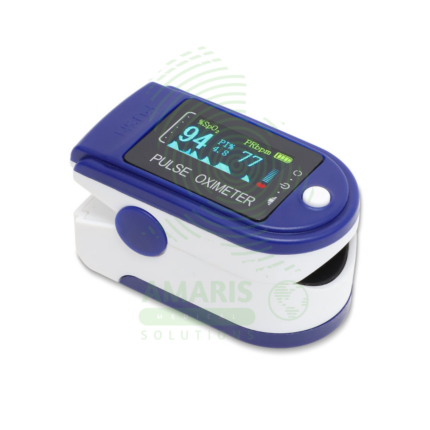
Fingertip Pulse Oximeter
A Fingertip Pulse Oximeter is a compact, non-invasive medical device that clips onto a finger to measure peripheral arterial oxygen saturation (SpO2) and pulse rate in seconds. Utilizing light-based technology, it provides critical, real-time data on respiratory and circulatory status. Its portability and ease of use make it indispensable in hospitals (from ORs to general wards), for patients managing chronic lung conditions at home, and for situational monitoring in sports or high-altitude environments. While an extremely valuable screening tool, readings must be interpreted in context, considering factors like patient movement, perfusion, and clinical symptoms.

Littman Stethoscope (Classic 4 Cardiology)
A Littman Stethoscope (Classic 4 Cardiology) represents the pinnacle of acoustic auscultation technology. Designed for clinicians who require the highest level of diagnostic accuracy, it features dual tunable diaphragms and dual-lumen tubing to provide exceptional acoustic sensitivity and ambient noise reduction. Its innovative design allows the user to hear both high and low-frequency sounds by simply adjusting pressure on either side of the chestpiece, making it the instrument of choice for cardiologists, intensivists, and specialists who cannot afford to miss a subtle murmur, rub, or breath sound. It combines superior performance with the durability and comfort expected from the Littmann brand.
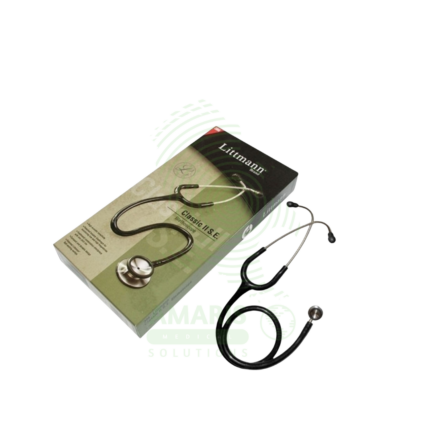
Littmann Stethoscope (Classic II)
A Littmann Stethoscope (Classic II) is a premium, acoustic dual-head stethoscope renowned for its diagnostic clarity, durability, and innovative tunable diaphragm technology. It allows healthcare professionals to hear both high and low-frequency sounds by simply adjusting pressure on the single-sided chestpiece, eliminating the need to rotate it. With its superior acoustics, comfortable fit, and wide range of colors, it is the instrument of choice for medical students, nurses, and physicians across all specialties who require reliable performance for physical assessment, auscultation of heart and lung sounds, and manual blood pressure measurement.
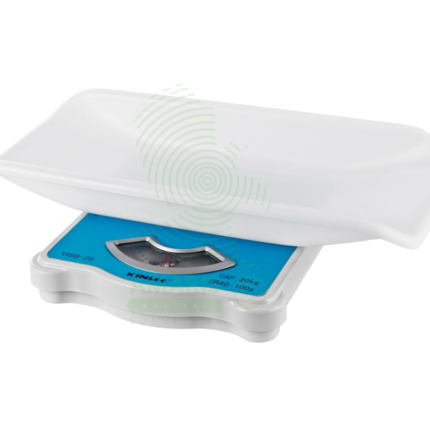
Manual Baby Weighing Scale
A Manual Baby Weighing Scale is a simple, mechanical device used to measure infant weight without the need for electricity or batteries. Operating on a spring or balance principle, it features a suspended sling or seat and a dial display. Its primary advantage is durability and portability for use in community health, outreach programs, and areas with unreliable power. While less precise than digital scales, it provides a reliable and accessible means to monitor growth trends and screen for undernutrition in resource-limited settings, making it a vital tool for basic pediatric care in the field.
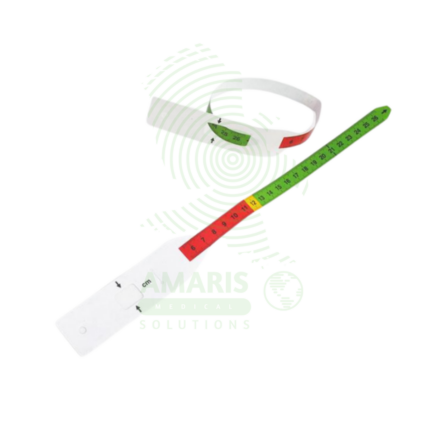
MUAC Tape
A MUAC Tape (Mid-Upper Arm Circumference) is a specialized, color-coded measuring tape used globally as the primary field tool for screening children aged 6-59 months for acute malnutrition. Its simple design—featuring red, yellow, and green zones corresponding to Severe Acute Malnutrition, Moderate Acute Malnutrition, and normal nutritional status—allows for instant, non-invasive assessment without the need for scales, calculation, or literacy. Durable, portable, and inexpensive, it is the cornerstone of community-based nutrition programs, emergency relief efforts, and public health surveillance, enabling early detection and life-saving intervention for malnourished children in even the most resource-constrained settings.
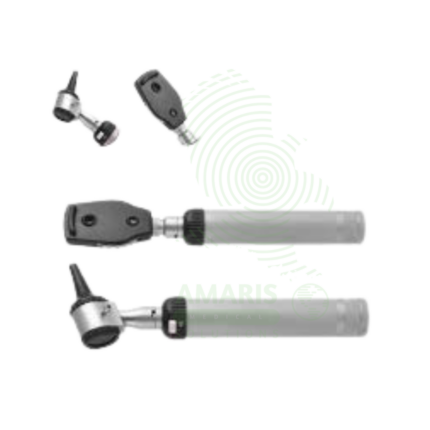
Ophthalmoscope
An Ophthalmoscope is a handheld diagnostic instrument used to examine the interior of the eye, specifically the fundus (retina, optic disc, blood vessels, and macula). By providing illuminated magnification, it serves as a vital screening tool for detecting ocular diseases like glaucoma and retinal disorders, and more importantly, for identifying signs of systemic conditions such as diabetes, hypertension, and increased intracranial pressure. Its operation involves selecting appropriate apertures and compensating lenses to obtain a clear view. While offering a detailed but narrow field of vision, mastery of the direct ophthalmoscope remains a cornerstone skill in general medicine, neurology, and ophthalmology for assessing vascular and neurological health.
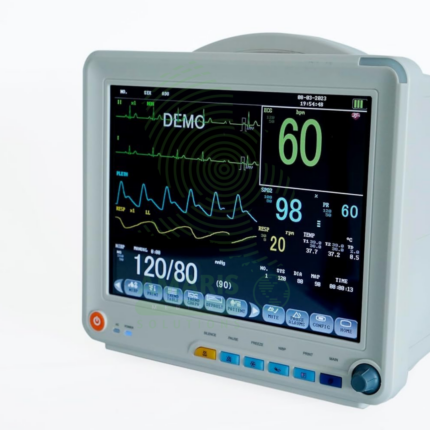
Patient Monitor
The Patient Monitor (6 Parameters BCCMS8000) is a versatile multi-parameter monitor designed for continuous surveillance of core vital signs in various clinical settings. It tracks six essential parameters—ECG, SpO2, Non-Invasive Blood Pressure (NIBP), Respiration, Temperature, and Pulse Rate—providing clinicians with real-time waveforms and numerical data on a clear color display. With its robust alarm system, battery backup for transport, and reliable performance, it is a fundamental tool for ensuring patient safety on general hospital wards, during procedures, and in emergency departments. Its design balances comprehensive monitoring capability with user-friendly operation.